REVIEW · MADRID
Madrid: Avila and Segovia Day Trip with Tickets to Monuments
Book on GetYourGuide →Operated by Fun and Tickets · Bookable on GetYourGuide
A day trip with Roman ruins and castle drama. You’ll love the combo of Ávila’s famous walls and Segovia’s aqueduct plus Alcázar, all with entrance tickets handled for you. I also like that you get a real guide with radio headphones so you’re not craning your neck all day. The main catch is the walking: medieval streets add up, and it’s not ideal if you’re limited on mobility.
What makes this tour feel worth it is the tight focus on the monuments that define these UNESCO cities. The guide-led pace also helps you make sense of what you’re seeing—like why Segovia’s aqueduct shows up on the city coat of arms, or what the church of Saint Teresa really represents. A possible drawback: lunch isn’t included, and free time can feel short if you want a long sit-down meal.
In This Review
- Key Points You Should Know Before You Go
- A Perfect Madrid Escape: Two UNESCO Cities, One Day
- Meeting the Day: Bus Comfort, WiFi, and a Real Starting Point
- Ávila’s Walls: Your First Big “Wait, This Is Real?” Moment
- Basilica de San Vicente: Romanesque Inside, Not Just Outside
- Ávila Cathedral and Plaza Mayor: Getting Oriented Like a Local
- Saint Teresa of Jesus Church: A 17th-Century Link to a Famous Birthplace
- Break Time With a Drink: The “Yes, I Needed This” Pause
- Segovia Arrives: The Roman Aqueduct Hits First
- Cathedral Time: Late Gothic Meets Renaissance Calling Cards
- The Alcázar of Segovia: The Castle-Palace You Can’t Stop Photographing
- Pacing and Walking: A Long Day That Can Still Feel Smooth
- Skip-the-Line Tickets and Radio Headsets: How the Tour Saves You Time
- Price and Value: Why $74 Can Make Sense
- Who This Day Trip Fits Best
- Should You Book This Ávila and Segovia Day Trip?
- FAQ
- How long is the Ávila and Segovia day trip from Madrid?
- What’s included in the ticketing and monument visits?
- Is lunch included?
- Does the tour use headphones or radio guides?
- What languages are available for the guide?
- Is transportation included, and is there WiFi on the bus?
- Is this tour suitable for wheelchair users or mobility impairments?
Key Points You Should Know Before You Go
- Official guides + radio headsets keep the story clear and the walking organized
- Tickets are included for Basilica de San Vicente, Segovia Cathedral, and the Alcázar
- Ávila’s walls are the star, and you’ll see them as one of Europe’s best-preserved walled towns
- Segovia’s Aqueduct is one of the Roman Empire’s top engineering flexes
- Alcázar photos make sense after you see it in real scale on the rock between two rivers
- Expect a big day: plan on smart shoes and a lot of steps
A Perfect Madrid Escape: Two UNESCO Cities, One Day
This tour is built for people who want the highlight reel—without the headache of figuring out tickets, timing, and who-to-follow in crowded old streets. In just one long day, you go from Madrid into Ávila’s walled medieval world and then straight to Segovia’s Roman-to-Gothic layers, ending back in the capital.
I like that the focus stays on the monuments themselves, not random stops. You’ll get guided time inside the places that usually eat up your energy and time when you try to do it alone.
You can also read our reviews of more tours and experiences in Madrid.

Meeting the Day: Bus Comfort, WiFi, and a Real Starting Point
You start at Fun and Tickets, San Bernardo 7. From there, you’re on an air-conditioned coach, and the ride is usually easy to manage because you’re not bouncing between multiple vehicles.
WiFi is listed onboard, and at least some departures have the practical extras like charging access mentioned by guests. That matters on a day like this, because the roads between cities are the long stretch.
If you get motion-sick, this is still a bus day, not a train day—so bring what you normally use.
Ávila’s Walls: Your First Big “Wait, This Is Real?” Moment
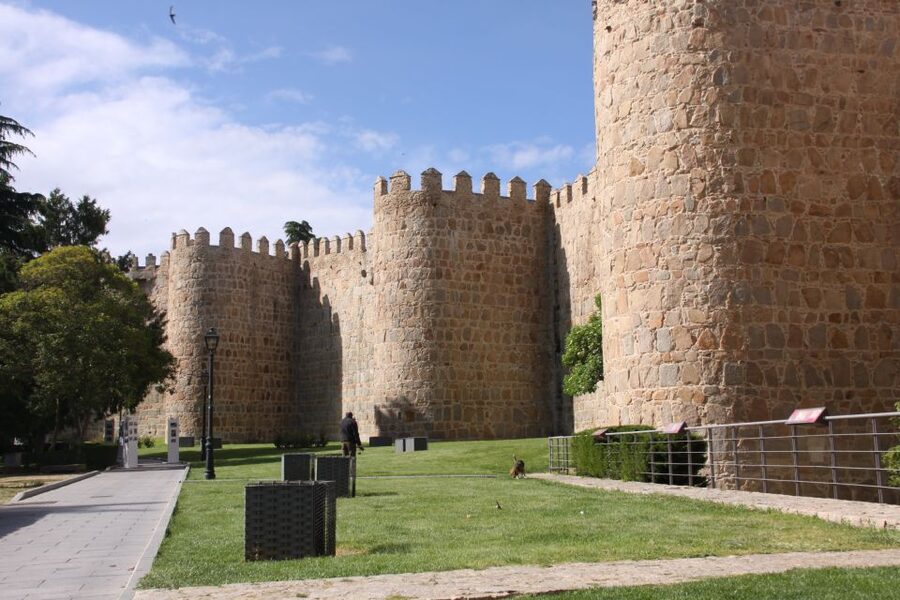
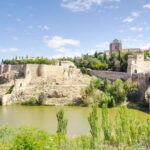
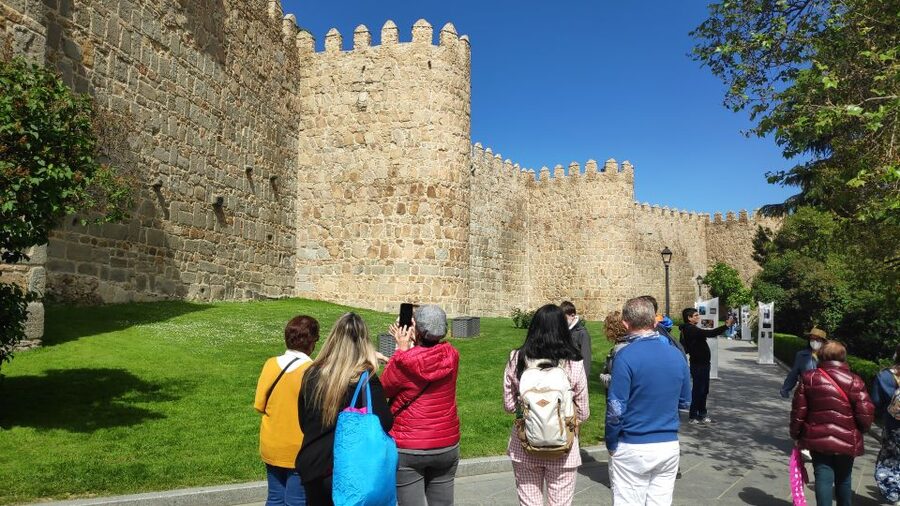
Ávila hits fast. After about an hour from Madrid, you step into a city known for one thing immediately: its fortress-like walls. These are described as among the most complete walled systems in Spain, and when you see them in person, they don’t feel like a museum prop. They feel like protection, power, and a border between eras.
This is the best kind of guided sightseeing. The walls aren’t just scenery; your guide helps you understand why Ávila stayed so locked-in for so long, and what it meant to be a walled city here.
Wear shoes you don’t mind getting a workout. Even when the tour stops are planned, medieval streets aren’t flat, and you’ll keep moving.
Basilica de San Vicente: Romanesque Inside, Not Just Outside
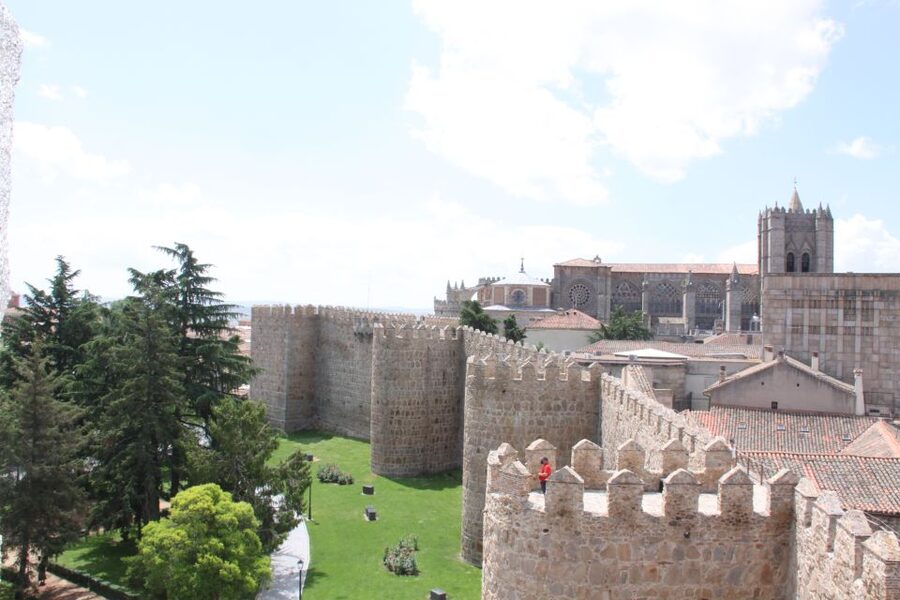
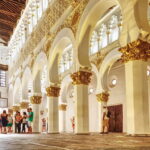
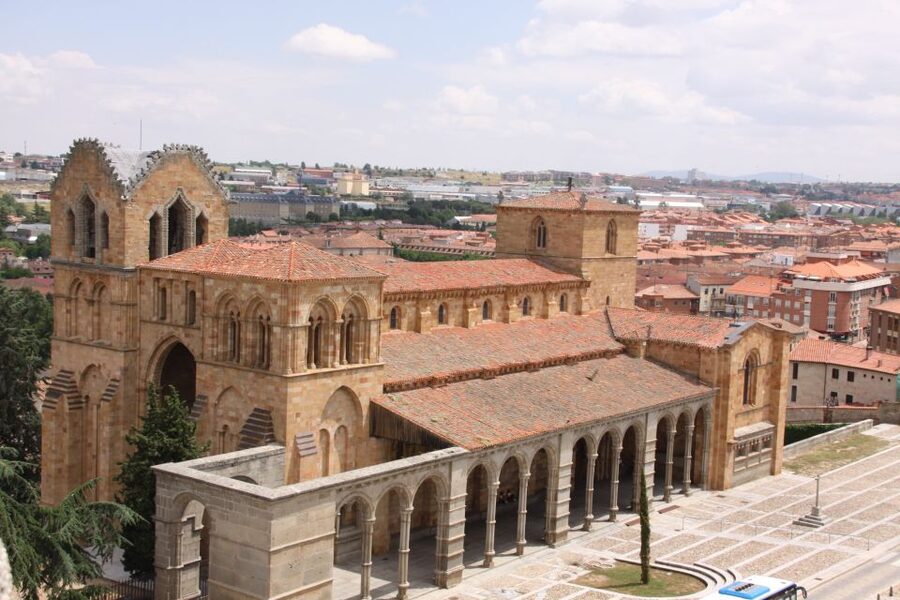
After the walls, you go to the Basilica de San Vicente and get a ticketed interior visit. This is a great pause from the outdoor “look at the view” feeling, because the basilica is where you see the Romanesque style at its best in Spain (that’s how the tour frames it).
Inside, your guide’s explanations matter more than you might expect. Romanesque architecture can look similar across regions until someone points out what you’re looking at—forms, proportions, and the way the building holds onto older traditions.
This is also a good stop for slower travelers to reset their pace. Even if you still walk a fair amount overall, you’ll get a more seated, inside-the-monuments rhythm.
Ávila Cathedral and Plaza Mayor: Getting Oriented Like a Local
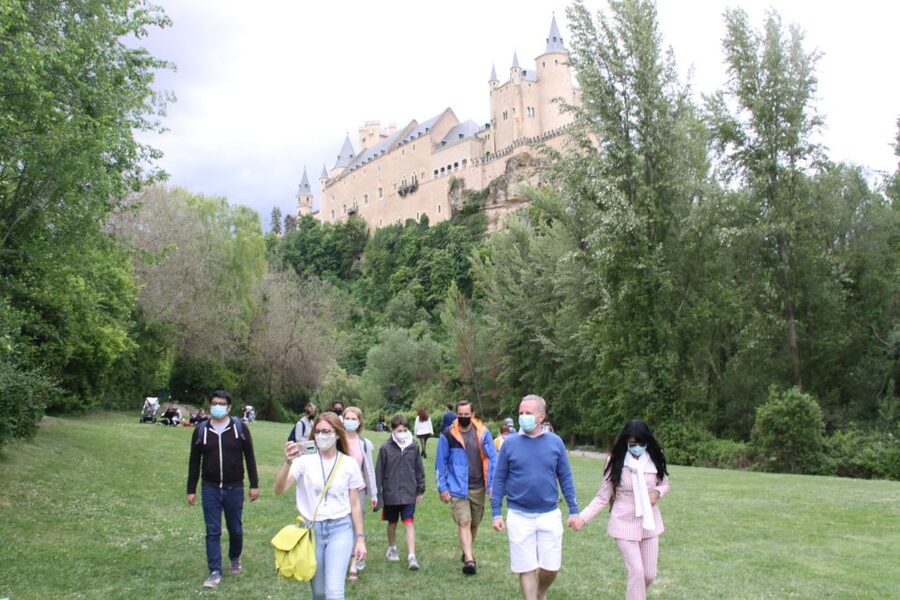
You’ll pass by Plaza Mayor and see the area around Ávila Cathedral, which helps you get bearings fast before the more specific church visit later. Even if you’re not going inside the cathedral on this version, the exterior context is useful. It tells you where the religious and civic center sit in the city’s layout.
This is one of those “small” segments that actually makes the rest of the day easier. Once you understand where things are, your photos and your sense of place improve.

Saint Teresa of Jesus Church: A 17th-Century Link to a Famous Birthplace
Next comes a spiritual and historic highlight: the Church of Saint Teresa of Jesus, built by the Order of the Discalced Carmelites in the 17th century. The tour includes the stop because it’s tied to a key story—supposedly the same spot where Saint Teresa of Ávila was born.
This visit is where the guide tone can make or break your experience. I like when the guide ties belief, art, and local life together—so you don’t just hear names and dates. On past departures, guides such as Elizabeth (in Ávila) and others have been praised for storytelling that keeps people engaged.
Note: this is a church visit, so dress appropriately for a religious site and keep your pace steady inside.
Break Time With a Drink: The “Yes, I Needed This” Pause
You’ll have a break with time to refresh and handle the human basics. The tour includes an aperitif and a drink, and you can enjoy options like wine, beer, soft drinks, and similar refreshment during free time.
This is also where you’ll decide how you want to use the remaining day: quick snack and recharge, or keep exploring on your own for a bit. Either way, this pause helps the rest of the itinerary feel manageable instead of frantic.
Segovia Arrives: The Roman Aqueduct Hits First
Then it’s on to Segovia, regrouping at 2:00 PM. Segovia’s energy is different right away: stone, height, and those classic views that make you stop walking just to frame a photo.
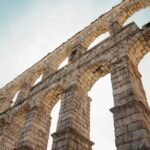
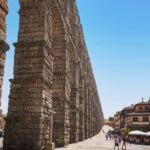
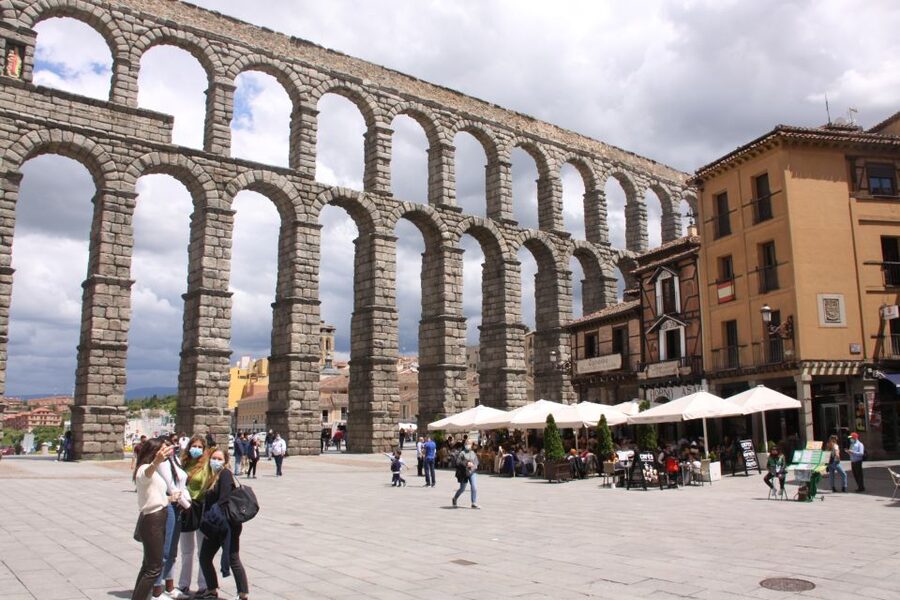
Your guided time starts with the Roman Aqueduct—and the tour points out a fun fact: it’s shown on Segovia’s coat of arms. That kind of local pride is why this stop matters. The aqueduct isn’t just Roman history; it’s still a symbol the city lives with.
Seeing the aqueduct in real scale is a reminder of what Roman engineering could do with stone and gravity alone. When the guide explains the structure and function, the arches stop being just “big.”
Cathedral Time: Late Gothic Meets Renaissance Calling Cards
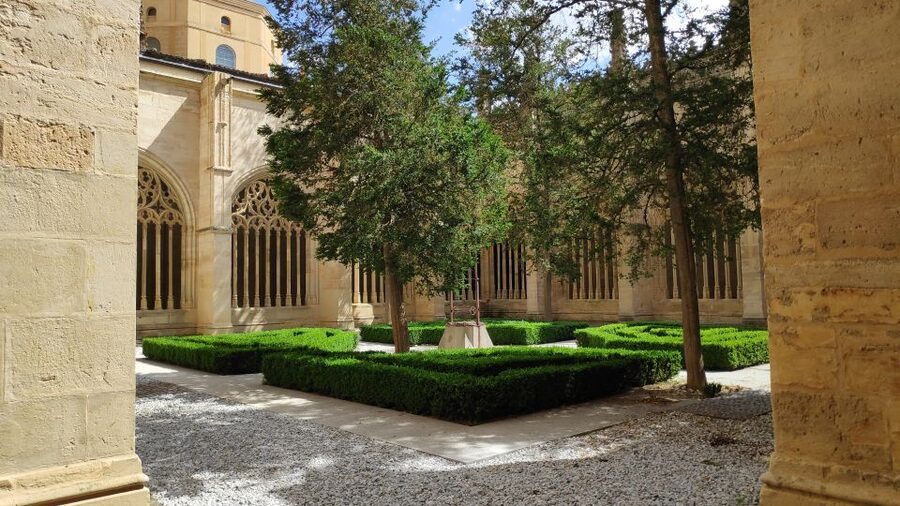
After the aqueduct, you’ll move through the city center area (including passing by Plaza Mayor). The next major stop is Segovia Cathedral, dedicated to Our Lady of the Assumption and of San Frutos.
This cathedral is often described as a mix of late Gothic and Renaissance elements, and that blend is part of why people call it the Lady of the Cathedrals. In practical terms: it looks like a Gothic cathedral in massing and feel, but you’ll spot Renaissance touches that change the details.
If you’re the type who loves architecture, this is a worthwhile indoor stop because the scale is part of the impact. If you’re not, the guide’s way of guiding you through what to notice can still make it land.
The Alcázar of Segovia: The Castle-Palace You Can’t Stop Photographing
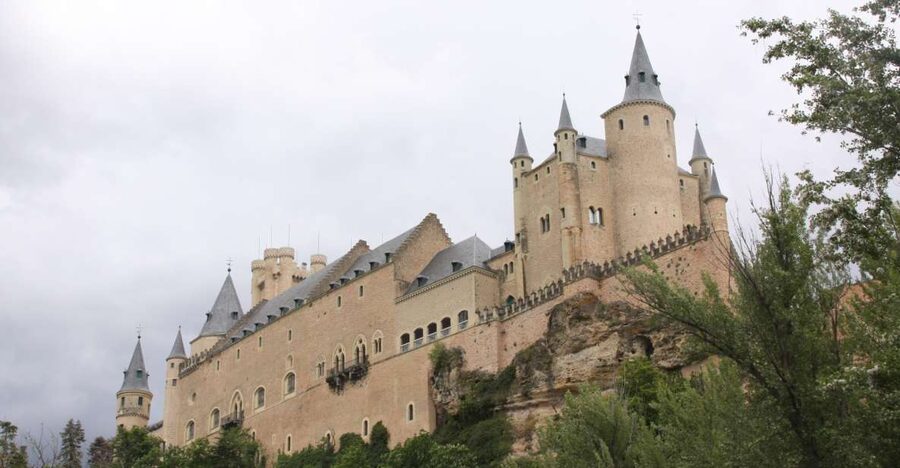
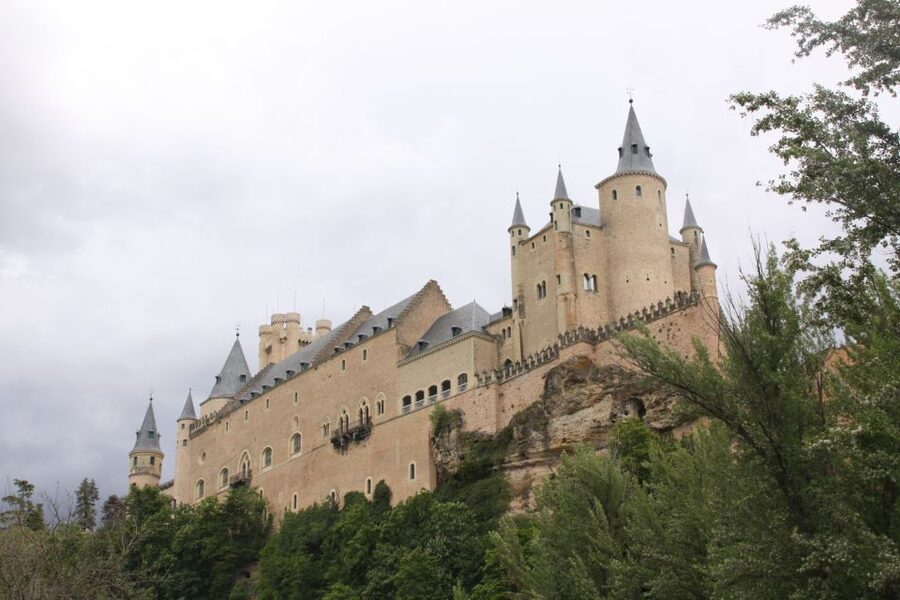
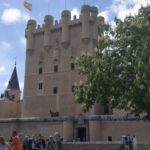
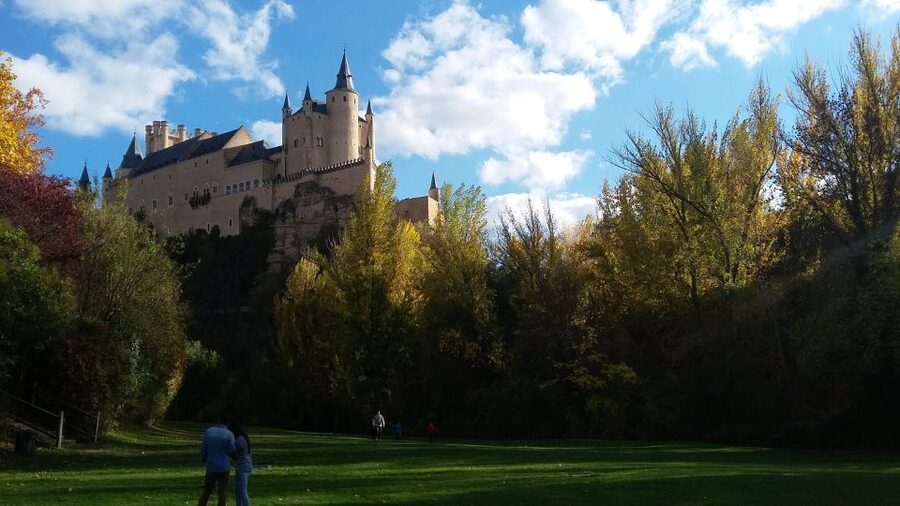
Finally, you reach Segovia’s headline: the Alcázar of Segovia, a medieval castle-palace built on a rocky crag where two rivers meet. Your guide helps you understand its design—often described as having shapes that resemble a ship’s bow.
This stop is pure “wow,” but it’s also a “now I get it” moment. From street level, it’s impressive. Up close, it’s the setting that locks it in: the river meeting points, the rock, and how the fortress looks built for defense rather than romance.
In Alcázar time, your guide can also keep the story from turning into just photo time. Past guides such as Laura (Segovia) have been praised for keeping the flow lively—meaning you’ll know what you’re looking at while you’re still enjoying it.
Pacing and Walking: A Long Day That Can Still Feel Smooth
This trip is listed as 9 hours, and it’s a full circuit. Even with breaks, you’ll be on your feet a lot. One guest mentioned walking around 7 miles during the day, so I’d plan for that kind of effort.
The good news: the tour is designed to keep moving without constant stopping and starting. You’ll spend meaningful time at each monument, and you’ll also get short guided segments to prevent decision fatigue.
Bring comfortable walking shoes. If you’re thinking about wearing dressy footwear, don’t. Medieval streets plus cathedrals plus castle steps will test you.
Also, it’s not suitable for wheelchair users or people with mobility impairments, so plan accordingly.
Skip-the-Line Tickets and Radio Headsets: How the Tour Saves You Time
This tour handles the ticket side for key interiors:
- Basilica de San Vicente (Ávila)
- Segovia Cathedral
- Alcázar of Segovia
It also includes radio guidance with headphones, which makes a big difference when you’re splitting time between outdoor monuments and indoor spaces. You don’t waste energy guessing what your group is doing, and you can actually hear the explanations.
The tour also notes skip-the-line access via a separate entrance. That’s one of those “quiet wins” that you feel most on busy days, when you’d otherwise spend part of your holiday standing in lines.
Price and Value: Why $74 Can Make Sense
At $74 per person, this isn’t a budget-only option, but it’s also not overpriced for what you get. Your price includes:
- air-conditioned bus transport
- official guide
- radio headset system
- tickets for multiple major monuments
- an aperitif and drink
That matters because entrance fees in Europe add up fast, and the time cost of buying and arranging them yourself is real—especially for iconic sights like the Alcázar.
The one clear missing piece is lunch. If you’re the type who needs a long sit-down meal, you’ll want to plan your free time accordingly or bring a snack for the gaps. If you’re flexible, the included drink break helps you keep energy up without turning lunch into a stress point.
Who This Day Trip Fits Best
This is a smart pick if you:
- want two UNESCO cities without changing hotels
- enjoy guided context, especially for Roman and medieval sites
- like a clear route with ticketed monument stops
- can handle a long day with lots of walking
It’s less ideal if you:
- need step-free, minimal walking options
- want lots of independent exploration time in each city
- dislike being on a schedule (the day is full)
If you’re traveling with family, it can still work well—people mention enjoying it even with kids—but choose your pace and footwear carefully.
Should You Book This Ávila and Segovia Day Trip?
If you want a high-impact day from Madrid, I’d say yes—especially because this tour bundles the hard parts: guided navigation, headsets, and tickets for the biggest monuments. It’s also a nice mix: walls and Romanesque in Ávila, then aqueduct, cathedral, and the Alcázar in Segovia.
I’d only hesitate if you know you’ll get unhappy with a tight schedule or if your body doesn’t do well with lots of walking. For most people, though, this is exactly the kind of day trip that turns sightseeing into a story you can remember.
FAQ
How long is the Ávila and Segovia day trip from Madrid?
The tour duration is 9 hours.
What’s included in the ticketing and monument visits?
Your price includes guided visits and tickets to the Basilica de San Vicente (Ávila), Segovia Cathedral, and the Alcázar of Segovia, plus a stop at the Church of Saint Teresa of Jesus.
Is lunch included?
No. Lunch is not included.
Does the tour use headphones or radio guides?
Yes. You’ll have radio guidance with headphones during the guided portions.
What languages are available for the guide?
The live guide is available in Spanish and English.
Is transportation included, and is there WiFi on the bus?
Yes. The tour includes air-conditioned bus transportation and WiFi onboard.
Is this tour suitable for wheelchair users or mobility impairments?
No. It’s listed as not suitable for people with mobility impairments or wheelchair users.