REVIEW · DARWIN
Kakadu Wildlife Escape Fogg Dam or Crocodile Cruise from Darwin
Book on Viator →Operated by Autopia Tours · Bookable on Viator
Saltwater crocs and ancient rock art, in one day. This full-day Kakadu trip from Darwin is built around World Heritage rock art and real wildlife time, with expert commentary and a small-group feel. You’ll head out early, cross into Kakadu National Park, then finish with some of the best odds for spotting saltwater crocodiles.
What I like most is how the day mixes story + scenery. The rock art stop at Ubirr (or Nourlangie, weather dependent) is the kind of sight you need up close, not just from a distance. I also love the croc focus, whether you choose the Adelaide River Jumping Croc Cruise or the river-and-wetlands approach through Fogg Dam.
One thing to think about: it’s a long day of driving. You’re looking at roughly 12 hours, and timing can slide if weather forces closures or changes. If you’re expecting lots of hiking, plan for a moderate pace and bring comfy shoes.
In This Review
- Key highlights worth clocking
- Darwin to Kakadu: why this day trip works (even with the long drive)
- Stop 1 and the Adelaide River decision: Fogg Dam or jumping crocs
- If you want action: Adelaide River Jumping Croc Cruise
- If you prefer wetlands and slower croc energy: Fogg Dam option
- Bowali Visitor Centre: a useful reset before the rock art
- Kakadu National Park: the quick hit before the main event
- Ubirr Rock (or Nourlangie): where the ancient galleries become real
- What you should expect
- Potential drawback
- Cahills Crossing: the short stop built for crocodile spotting
- How the day feels: breaks, bus comfort, and group size
- Price and value: what you’re actually paying for at about $155 AUD
- Weather, closures, and why your itinerary can shift
- Who should book this Kakadu wildlife escape (and who should skip it)
- Should you book it?
- FAQ
- How long is the Kakadu Wildlife Escape from Darwin?
- What time does the tour start?
- Where is the meeting point?
- Is the Kakadu Park Pass included?
- Is lunch included?
- Do I get to choose between Fogg Dam and the Adelaide River Jumping Croc Cruise?
- Is there an extra fee for Fogg Dam Reserve?
- Is the itinerary flexible if weather changes?
- How much walking is involved?
- Is this suitable for young children?
- What’s the group size?
Key highlights worth clocking
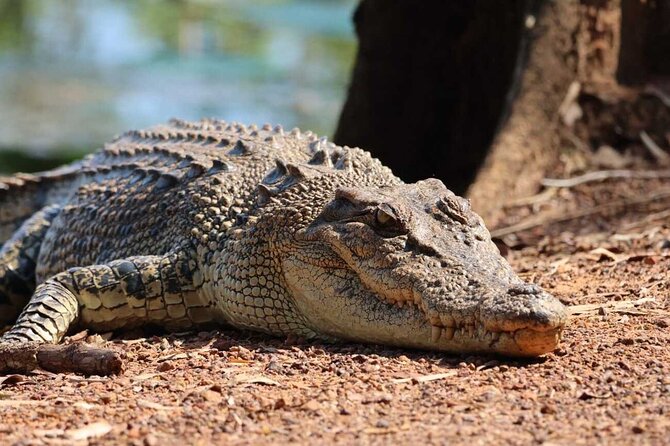
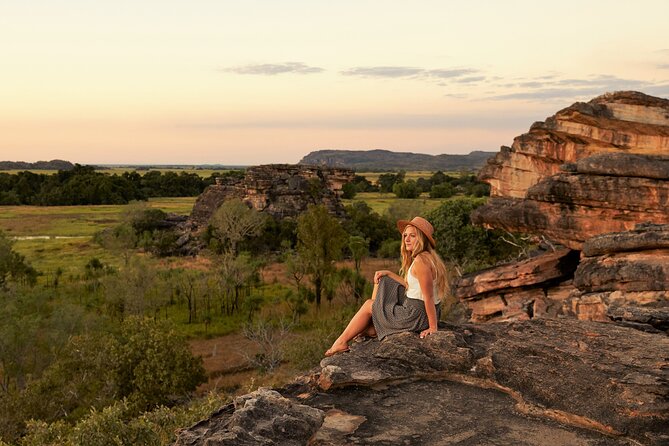
- Ubirr Rock (or Nourlangie): sacred sites and some of the world’s best-preserved ancient galleries, with dream-time storytelling.
- Cahills Crossing: a short but high-interest stop where crocodiles are commonly spotted.
- Fogg Dam vs Adelaide River option: choose your preferred croc flavor, from wetlands walking (Fogg Dam) to the action of a jumping cruise.
- Bowali Visitor Centre break: a real cultural and historical context stop, plus time to buy lunch.
- Small-group coach day: air-conditioned mini-coach and guided stops, with a max of 21 people.
Darwin to Kakadu: why this day trip works (even with the long drive)
A Darwin-to-Kakadu day sounds intense, and it is. You leave at 7:30am and you’re back in the Darwin area around 7:30–8pm. That means the experience depends on two things: smart routing and good guide storytelling. The tour is set up with frequent structured stops, so you’re not stuck staring out the window for 10 straight hours.
The road time also has a purpose. As you move from Darwin’s coastal region toward Kakadu’s floodplains and waterways, the scenery changes in ways you can actually notice: wetter country, bigger skies, and more birdlife the farther you go. Guides (like Ric, Tim, Rick, Dani, Alex, Naomi, and Daryl, based on the range of guide names shared) often use that travel time to explain what you’re seeing and why it matters.
If you’re the type who gets restless on buses, bring your own sanity tools: water, snacks if allowed for the day, and something to do in the meantime (camera, music, plain-old people watching when you’re parked at viewpoints).
You can also read our reviews of more tours and experiences in Darwin.
Stop 1 and the Adelaide River decision: Fogg Dam or jumping crocs
Right away, the tour steers you toward your first big choice. The day includes an Adelaide River area stop where you can either:
- do an optional Jumping Croc Cruise, or
- head toward the Fogg Dam Conservation Centre side of Kakadu highlights.
If you want action: Adelaide River Jumping Croc Cruise
This is the add-on that turns croc spotting into a show. The idea is simple: you go out on the Adelaide River and get close enough to appreciate saltwater croc behavior in a safe, controlled way. Reviews repeatedly highlight the jumping crocodiles as a standout, and that’s consistent with why this option exists. It’s a great match if you’re short on time and want the croc part to feel intense, not just observational.
If you prefer wetlands and slower croc energy: Fogg Dam option
The Fogg Dam approach is more about habitat. You’re there for the wetlands vibe—birds, water plants, and the sense of place. One thing to know: if you’re expecting a full-on walking immersion at Fogg Dam, you might feel underwhelmed because parts of the reserve experience can be more “arrive, see, move on” than “hours of wandering.” Some guests specifically wished for more time actually in the nature reserve.
My advice: choose Fogg Dam if you care about birds and wetlands as much as crocodiles. Choose Adelaide River if you want the adrenaline and the clearest croc moment.
Bowali Visitor Centre: a useful reset before the rock art
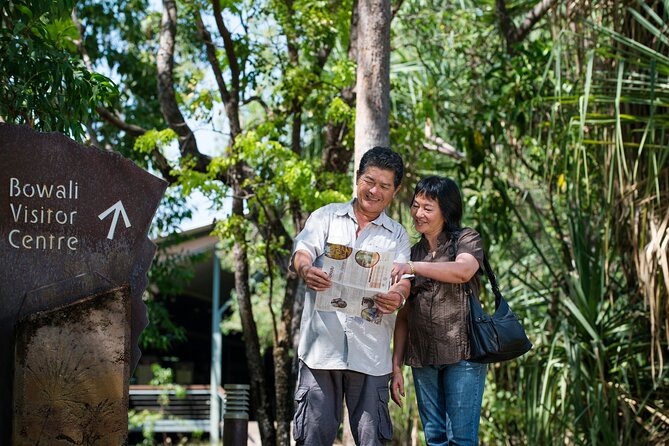
After the Adelaide River / Fogg Dam segment, you stop at Bowali Visitor Centre. This is one of those stops that doesn’t look like a headline on a brochure, but it matters because it frames what you’re about to see.
You’ll learn about Indigenous Australia, and you’ll get a cultural and historical context that makes the rock art stops hit harder. You also get a built-in break for lunch at your own expense. That timing is practical. By the time you reach Kakadu’s rock art country, you don’t want your stomach making decisions for you.
If you’re traveling with someone who gets bored by “explanations,” Bowali can still work because it’s a chance to get the names and meanings straight before you start looking at ancient galleries.
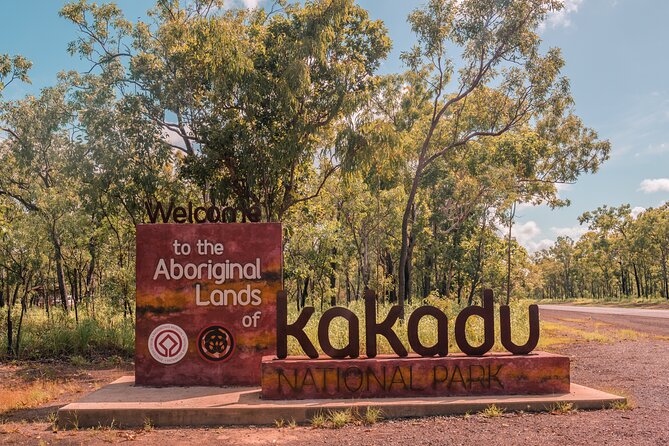
Kakadu National Park: the quick hit before the main event
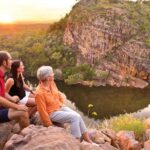
There’s a stop that functions like a gear shift: a short time in Kakadu National Park with views and wildlife in natural habitat. It’s not the full deep-park experience (this is a day trip, after all), but it’s enough to get your bearings and start noticing the “Kakadu look”—the wide open country, the water systems, and the way wildlife appears when you’re patient.
If you’re planning your photography, this is a good place to set your expectations: you might see animals, but you’ll also see a lot of “proof of habitat.” That’s not a letdown. In a place this big, habitat is the whole story.
Ubirr Rock (or Nourlangie): where the ancient galleries become real
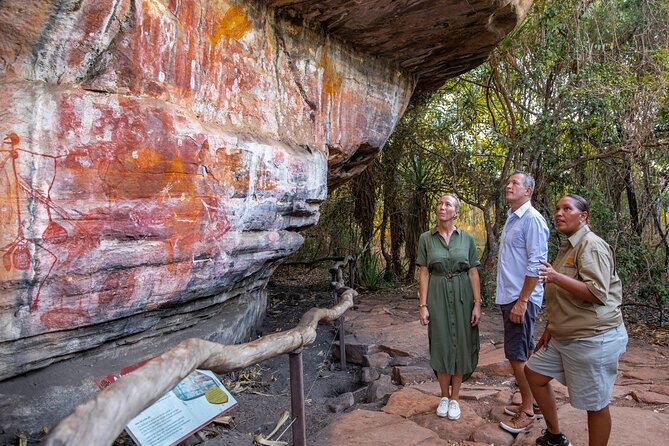
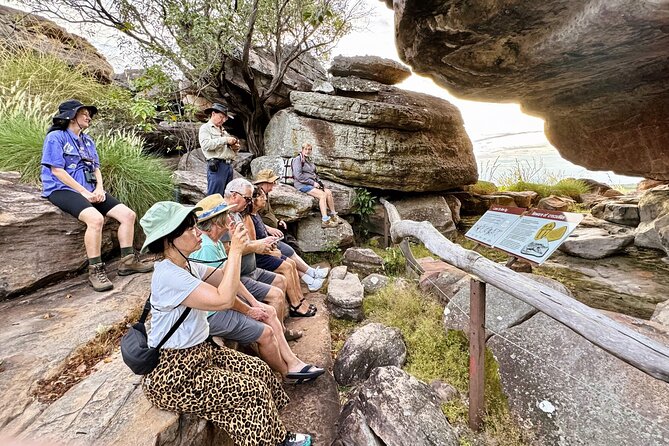
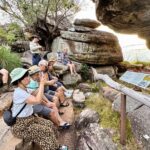
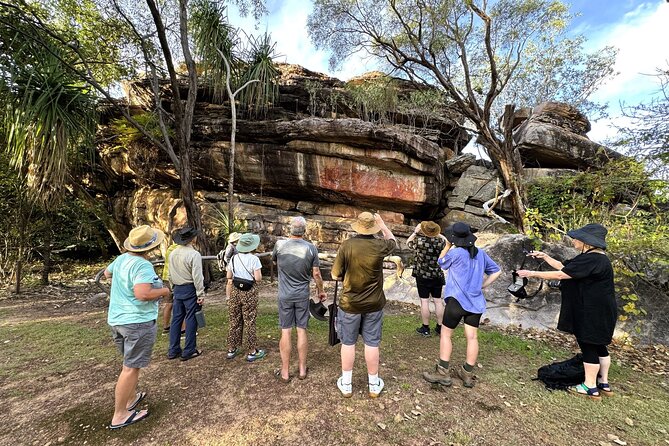
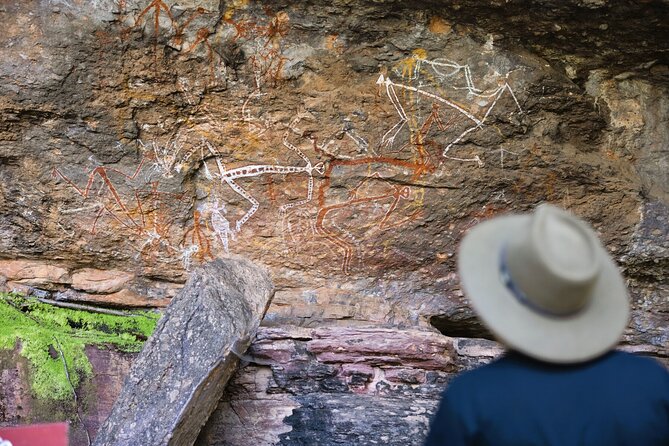
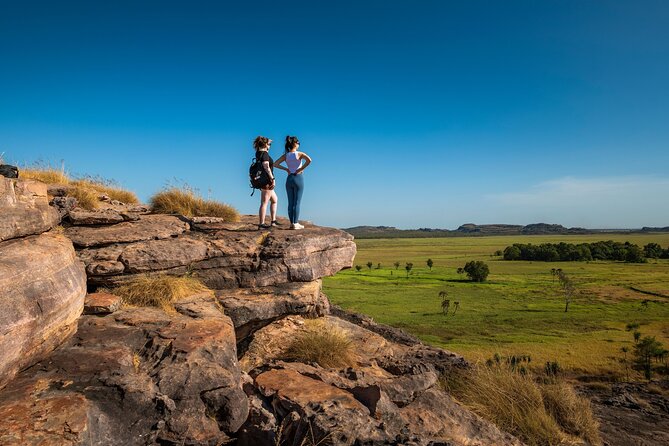
The main rock art stop is Ubirr, with Nourlangie as a weather-dependent alternative. Either way, you’re visiting sacred country and some of the oldest and best-preserved rock art galleries in the region.
This is the part of the itinerary where I’d tell you to slow down. Don’t treat it like a quick photo stop. The value is in standing where the art is meant to be seen and listening as guides explain the stories tied to the landscape. Multiple guide names come up in reviews (including Tim, Dani, Lee, and others), and the common theme is the same: when the guide turns the site into living context, the rock art stops feel like more than old pictures.
What you should expect
- Time to look closely and take in the rock formations
- A short walking component (moderate fitness is required for the day overall)
- Interpretation that helps you understand what you’re viewing
Potential drawback
Weather can affect which site you visit. Also, rock art sites often have uneven surfaces, so shoes matter. If you want the best experience, be ready to walk a bit and stand for a while.
Cahills Crossing: the short stop built for crocodile spotting
You finish with Cahills Crossing, a brief stop (around 15 minutes) that’s famous for the wide stretch of water. This is one of the most efficient ways to chase saltwater crocs in a limited time frame.
The logic here is straightforward: crocodiles need water edges, and that spot gives you the viewing opportunity you’re after. It’s quick, but the payoff can be big if you’re paying attention when the guide points things out.
My practical tip: keep your camera ready, but don’t stare through it. Look first, then shoot. Crocs can be hard to see until you notice movement or shape against the water.
How the day feels: breaks, bus comfort, and group size
This tour runs in an air-conditioned mini-coach with a small maximum group size of 21. That matters more than it sounds. Smaller groups tend to mean quicker logistics at stops and easier communication with the driver-guide.
You should plan for:
- Lots of time in transit
- Several stops for photos and breaks
- A moderate amount of walking tied to rock art viewing and the day’s nature stops
Reviews also mention practical comfort factors that are worth noting. Many guests love the bus comfort and air-conditioning, but a few mentioned the vehicle felt cramped and/or not as clean as they expected. That’s not universal, but it’s a fair “check before you go” consideration—especially if you’re sensitive to tight seating on long rides.
If you get motion-sick or dislike long bus hours, pack what you need. Kakadu day trips are not designed for light naps; they’re designed for a full schedule.
Price and value: what you’re actually paying for at about $155 AUD
At $155.46 per person, you’re paying for more than transport. The tour includes:
- Kakadu Park Pass entry fee
- An accredited outback driver guide with commentary
- Wildlife sightings in natural habitat (as part of the route)
- Small-group coach travel
- Selected Darwin inner-city pickup/drop-off points
And depending on your selected option:
- Jumping Crocodile Cruise (if you pick the jumping-croc option)
There’s also a key extra cost possibility: a NT Parks Day Pass is required for entry to Fogg Dam Reserve if you purchased the KD-B option, listed as A$10.00 per person. That’s not a hidden fee; it’s just something to factor into your total budget.
So is it good value? In my view, yes—if your priority is one-day highlights: Indigenous rock art + crocodile country + expert-guided meaning. If your priority is long, deep time in one single area, Kakadu deserves more than a single day. But for a first visit from Darwin, this is a practical “great hits” day.
Weather, closures, and why your itinerary can shift
Kakadu is not a theme park. Seasonal conditions and park access rules can affect stops. The tour notes that routes or schedules can change due to weather and/or traditional landowner ceremonies, and reviews back up that reality: some guests reported closures happening because of weather and appreciated the tip to check the park website before booking.
What you can do:
- Check conditions close to departure
- Bring clothing for heat and rain (the tour specifically advises you to pack adequately and check average temperatures for your travel time)
- Have a flexible mindset about whether Ubirr vs Nourlangie is possible
This tour is designed to keep the day moving while still hitting the key Kakadu targets. That’s exactly what you want when nature has the final say.
Who should book this Kakadu wildlife escape (and who should skip it)
You’ll likely love this if:
- You want Indigenous rock art plus crocodile country in one day
- You like a guided explanation that connects what you see to what it means
- You prefer a small-group coach format over DIY driving through vast distances
- You’re choosing between Fogg Dam and Adelaide River jumping crocs based on the kind of croc experience you want
You might want to rethink it if:
- You hate long travel days and tight schedules
- You’re expecting lots of time inside Fogg Dam itself rather than structured viewing and breaks
- You’re traveling with very young kids or anyone who struggles with moderate walking demands
Should you book it?
Book this Kakadu day trip if your goal is a strong first taste of Kakadu’s rock art and crocodile country without the stress of planning. It’s also a solid choice if you know you want a guide to connect the sites to Indigenous stories—many guests specifically call out how guides (from Ric to Tim to Dani to Naomi and others) made the day feel meaningful, not just scenic.
If you’re serious about spending hours in one area, plan a longer stay in Kakadu instead. For a one-day window from Darwin, though, this itinerary is built for the highlights and the reality of time.
FAQ
How long is the Kakadu Wildlife Escape from Darwin?
The tour runs about 12 hours (approx.).
What time does the tour start?
It starts at 7:30am and returns back to the meeting point in Darwin later the same day.
Where is the meeting point?
The start point is The Leea Darwin, 64 Cavenagh St, Darwin City NT 0800.
Is the Kakadu Park Pass included?
Yes. The Kakadu Park Pass entry fee is included.
Is lunch included?
No. Meals are not included, but you’ll have an opportunity to buy lunch along the way.
Do I get to choose between Fogg Dam and the Adelaide River Jumping Croc Cruise?
Yes. At the Adelaide River area stop, you can choose the optional Jumping Croc Cruise or a visit to Fogg Dam Conservation Centre depending on the option selected.
Is there an extra fee for Fogg Dam Reserve?
If you purchased the KD-B option, an NT Parks Day Pass is required for entry to Fogg Dam Reserve, listed as A$10.00 per person.
Is the itinerary flexible if weather changes?
Yes. The route or specific rock art stop (Ubirr vs Nourlangie) can change due to seasonal weather fluctuations and possible closures.
How much walking is involved?
The tour requires a moderate physical fitness level, as there is walking involved (especially around rock art viewing).
Is this suitable for young children?
Child fare applies for ages 6 to 12. The tour is not suitable for children 5 years old and under.
What’s the group size?
The tour has a maximum of 21 travelers.