REVIEW · FLAGSTAFF
Grand Canyon South Rim Day Trip from Flagstaff
Book on Viator →Operated by Angels Gate Tours · Bookable on Viator
Grand Canyon views start before you arrive. This full-day trip from Flagstaff strings together South Rim overlooks with a guide’s natural-history commentary, so you get context not just photos.
I especially like how the drive is organized for you, with stops that make it easy to see the canyon from several angles without spending the whole day routing yourself.
You’ll start with a smooth hotel pickup in a climate-controlled van, then head out toward the San Francisco Peaks and Route 66 country. Once you’re in the park, the schedule is built around quick, high-impact viewpoint time plus a cultural stop at Cameron Trading Post.
One possible drawback: the day is tight—each overlook is brief, and lunch is on your own—so you have to be OK moving on the guide’s timing.
In This Review
- Key highlights if you want the best parts fast
- Flagstaff to the canyon: why the van route matters
- Grand Canyon Village and Yavapai Point: first views with a learning boost
- Lipan Point: the view that feels closer
- Desert View Watchtower and Hopi art: a rim stop with character
- Cameron Trading Post on the Navajo Nation: craft stop, not just a souvenir pause
- Guides and the small things that make the day feel worth it
- Timing, lunch, and how to plan your photo strategy
- Price and value: what $196.63 buys you (and what to watch for)
- Who this tour is best for (and who should consider another option)
- Should you book the Grand Canyon South Rim day trip from Flagstaff?
- FAQ
- How long is the Grand Canyon South Rim day trip from Flagstaff?
- What time do they pick me up in Flagstaff?
- Do they provide hotel pickup and drop-off?
- What viewpoints are included during the day?
- Is lunch included?
- Does the price include entrance fees?
- Is there an extra fee for non-U.S. residents?
- Do children need a car seat or booster?
- How large is the group?
- What happens if the tour can’t run because of weather?
Key highlights if you want the best parts fast
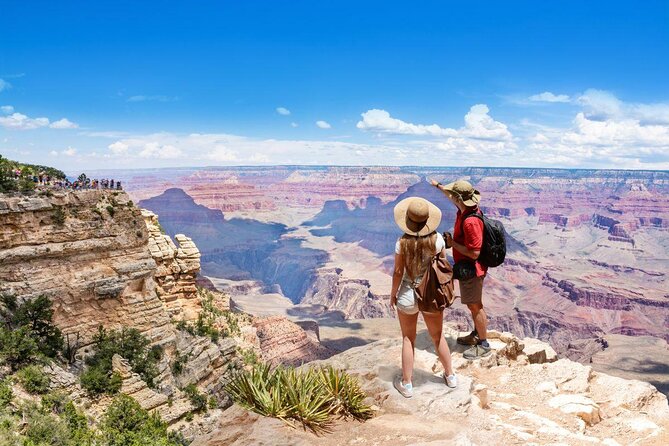
- Hotel pickup and drop-off in Flagstaff mean no rental car stress.
- Grand Canyon Village plus classic South Rim viewpoints give multiple looks at the canyon.
- Yavapai Point includes a geology museum, so you can read what you’re seeing.
- Lipan Point and Desert View add deeper angles and big-photo chances, including Hopi art at Desert View.
- Cameron Trading Post on the Navajo Nation is a real craft stop for Hopi, Zuni, and Navajo artwork.
- Small-group cap (14 max) helps keep the day from feeling like a cattle drive.
Flagstaff to the canyon: why the van route matters
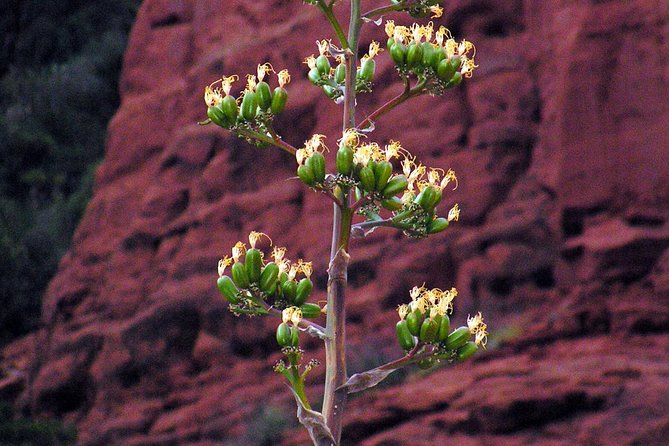
The biggest win here is simple: you avoid the whole I-need-parking-and-batteries chaos. You’ll be picked up around 8:00–8:30am from hotels in Flagstaff (within city limits only), then you’ll ride out in a climate-controlled vehicle. The tour runs about 9 hours, with return drop-off around 5:00–5:30pm, so it feels like a full day but not a two-day mission.
The drive itself is part of the experience. You’ll pass the San Francisco Peaks, a volcanic mountain range tied to Arizona’s high country, and you’ll go through Williams on Route 66. That matters because it softens the transition from small-town morning to huge-national-park scale. You’re not just commuting—you’re building a mental picture of the region before you hit the rim.
If you dislike rush-jockey energy, this is still worth knowing: the tour is scheduled for maximum canyon viewpoints, so you won’t have hours of free roaming. You’ll get time to look, take pictures, and walk a bit, but you’ll also be moving with the plan.
You can also read our reviews of more tours and experiences in Flagstaff.

Grand Canyon Village and Yavapai Point: first views with a learning boost

Your first real canyon moment is centered on Grand Canyon South Rim and Grand Canyon Village. This is where the tour starts to flex its “see more than one overlook” strength, including time at the village area to settle your bearings. You’ll also have an admission ticket included for this part of the day, so you’re not scrambling for entry details.
At Grand Canyon Village, the tour design gives you that classic first-look payoff. I like this stop because it’s a natural place to slow down enough to actually see the canyon structure rather than just snapping wide shots while you’re still arriving. Keep an eye out for condors, since the guide is set up to point you toward wildlife you might spot when conditions cooperate.
Then comes Yavapai Point, which adds a detail that many rim tours skip: a geology museum. Even if you only spend a short time inside, it helps you connect names and rock layers to what you’re looking at outside. It turns the canyon from scenery into something you can interpret, which is especially helpful if you’re traveling with teens or anyone who hates feeling like they only took pictures.
A practical note: your time at the village and viewpoint areas isn’t meant to replace doing a longer rim walk. If you want long hikes, plan that on a separate day. This tour is built for “best rim angles in one day.”
Lipan Point: the view that feels closer
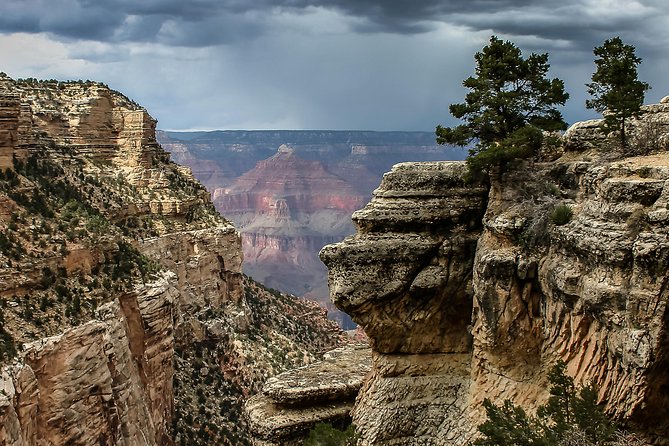
Next you’ll head to Lipan Point, and the vibe shifts from first-look awe to a slightly more grounded, down-into-the-canyon perspective. This stop is timed for photo opportunity, so think short viewing time rather than an extended walk.
Why I think Lipan is worth including: it helps you break the canyon into layers and depth. If you’ve only ever seen one Grand Canyon angle, Lipan Point usually changes your perception. From there, the canyon doesn’t feel like one flat postcard view—it starts to feel like a system of edges, ledges, and distance.
Expect a bit of movement to get set up for pictures. The guide keeps you flowing to the right spots, and that’s good for most people. If you’re sensitive to crowds or dislike quick “next stop” transitions, you’ll want to arrive with the mindset of catching moments, not lingering indefinitely.
Desert View Watchtower and Hopi art: a rim stop with character
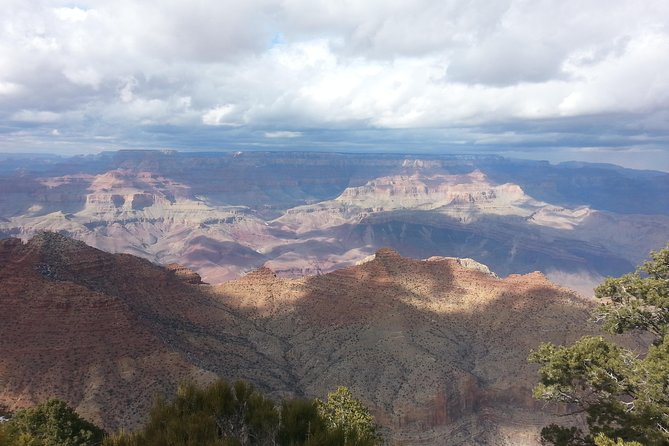
After Lipan, the tour heads toward Grand Canyon Desert View Watchtower. This stop is also built around photo opportunity, but it’s more than just scenery. Desert View has a historic watchtower, and you’ll see Hopi art there, which gives the day a cultural beat alongside the geology.
This part of the route matters because the east-end rim vibe can feel different than the more central, most-famous viewing pockets. Even if you don’t know the details, you’ll probably feel it: the horizon looks different, the rim curves differently, and your photos won’t all look like the exact same composition.
Also, if weather turns even slightly, Desert View can be a strong bet. You’re not guaranteed clear skies, but the tour’s structure keeps you cycling through multiple viewpoints rather than betting everything on one single observation window.
Cameron Trading Post on the Navajo Nation: craft stop, not just a souvenir pause
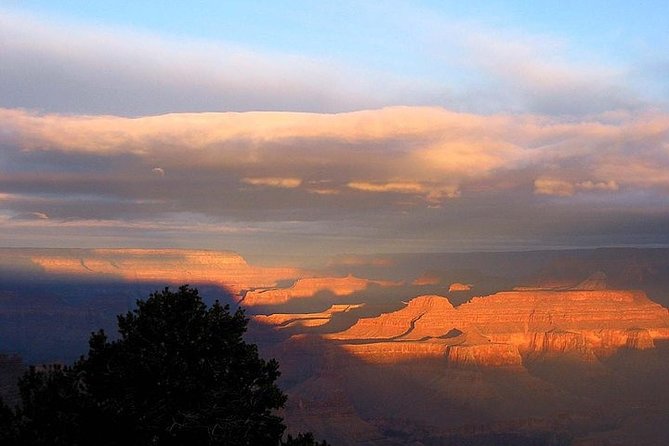
On the way back, you’ll drive along the Little Colorado River and stop at Cameron Trading Post. This is a longer break at about 30 minutes, and it’s timed so you can browse without feeling dragged into a rushed line of kiosks.
Here’s what I like about this stop: it’s specifically positioned on the Navajo Nation and carries artwork by Hopi, Zuni, and Navajo artists. The trading post opened in the early 1900s, which gives it more “place” than a modern roadside shop. If you want something more meaningful than random trinkets, this is the part of the day that’s most likely to satisfy that itch.
Do you need to buy anything? No. But this stop is a nice change of pace from viewpoints. It’s also a practical mental reset before you head back to Flagstaff for the long drive.
Guides and the small things that make the day feel worth it
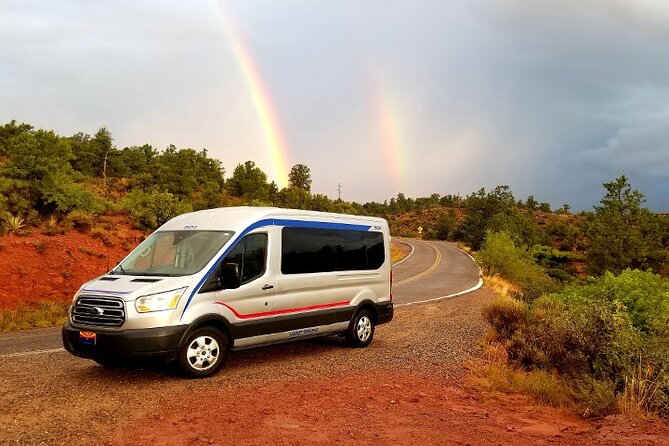
The tour’s success lives and dies with the guide, and the names you might encounter show a consistent pattern: guides like Cat, Charlie, Sheldon, Andrea, Jeff, Steve, Matt, and Brian have been highlighted for making the day more than a checklist. In particular, I like the way many guides turn short rim stops into mini-lessons about the canyon’s natural history and the surrounding area.
That matters because the Grand Canyon can be overwhelming. Even if you’re not the type to read every sign, a good guide helps you know what to look for—where the geology stories show up in the layers, and how the canyon connects to people who have lived in the region.
You should also know the tour is not a slow, rambling experience. If you want a very quiet, long reflection time at each overlook, this format might feel too “on schedule.” But if you want the rim’s highlights without the planning headache, it’s a strong fit.
One extra wrinkle: some days may include short walk moments near the rim (for example, a brief stretch on or near a trail like Bright Angel Trail has shown up on at least some experiences). Don’t count on a major hike, but do wear shoes you’re comfortable using for viewpoint access.
Timing, lunch, and how to plan your photo strategy
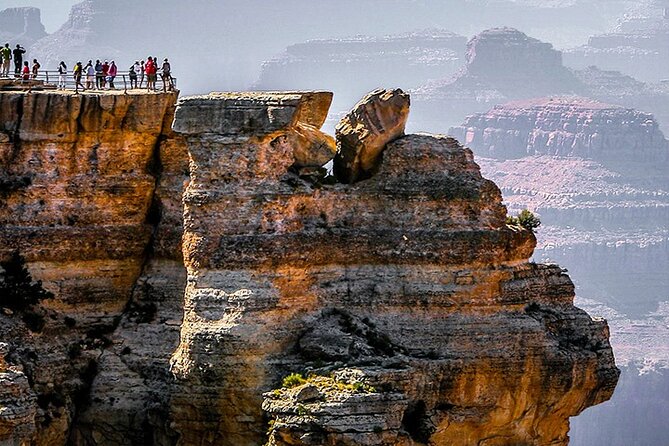
This is a full-day tour, but it’s built around multiple short stops. You’ll get a solid block at the canyon area (about 3 hours for the South Rim to East Rim portion, with admission included), plus smaller viewpoint breaks like 15 minutes at each of the major rim overlooks. That means you’ll spend time looking, but you won’t have hours to chase the perfect angle.
Lunch is not included. You’ll have time to eat on your own at Grand Canyon Village. That’s the main planning gap, and it can affect how satisfied you feel at mid-day. If you arrive hungry and unprepared, the day can feel rushed. My advice: pick up something simple before you go, or have a plan for what you’ll do when you reach the village so you don’t lose viewpoint time.
Bottled water is included, which is a small detail I appreciate. It lets you focus on the day rather than hunting for drinks when you’re already in “watch the clock” mode.
Price and value: what $196.63 buys you (and what to watch for)
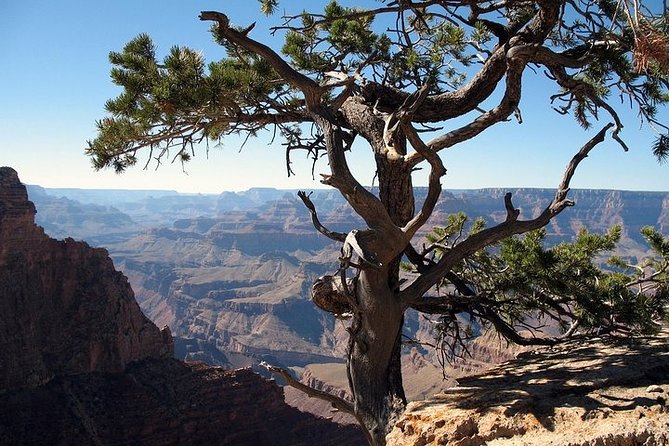
At $196.63 per person, you’re paying for more than a bus ride. The price includes hotel pickup and drop-off, bottled water, a guided day, and entrance fees / admission tickets tied to the stops at the canyon. For a lot of people coming from Flagstaff, that combination is where the value lives—no worrying about entry lines, no renting a car, and less time planning your route.
What can change the total for some visitors is the nonresident additional fee. If you’re a non-U.S. resident aged 16+, there’s an extra $100 USD per person when visiting select national parks, processed by the tour company ahead of time. You’ll need valid photo ID for residency verification.
Then there’s tipping. A 20% tip is recommended if you enjoy the tour. That’s normal for guided experiences, but I’d rather you know upfront so the final cost doesn’t surprise you.
If your goal is to see the South Rim efficiently in one day, this price is pretty defensible. If you’re the type who loves building your own plan, you might do something cheaper by driving yourself—but you’ll be giving up the curated stops and guide context that make the day feel more meaningful.
Who this tour is best for (and who should consider another option)
This tour fits you if you want a structured, low-effort day with multiple viewpoints and a guide explaining what you’re seeing. It also works well for people who don’t want to manage driving and parking around a major park.
It’s especially good if you’re traveling with kids or teens who will get more out of a day with story and context. You’ll also see cultural stops like Cameron Trading Post, which adds variety beyond just rim photos.
You should consider your comfort level if you have mobility limitations. The tour is described as requiring moderate physical fitness, and viewpoint stops naturally involve getting to edges and walking short distances. The overall group is capped at 14, in a van setting, so it can feel close at times—plan for that if you’re picky about personal space.
Weather matters too. The tour requires good weather, and if it’s canceled due to poor weather you’ll be offered a different date or a full refund. In other words: don’t count on beating the forecast by sheer optimism.
Should you book the Grand Canyon South Rim day trip from Flagstaff?
Book it if you want the canyon’s best angles with minimal fuss—pickup, viewpoints, guided natural history, and a real craft stop at Cameron Trading Post—all in one day. The schedule is built for results, and the guide track record (with names like Cat, Charlie, Sheldon, Andrea, Jeff, Steve, Matt, and Brian) suggests you’re likely to leave with more understanding than you started with.
Skip or plan a different style of day if you hate tight timing. Lunch is on your own, viewpoint windows are short, and the day is designed to keep moving. If what you really want is a long, flexible hike day, you may be happier building your own route.
If you want a simple answer: for a first Grand Canyon visit out of Flagstaff, this is a smart, efficient way to get the rim done right.
FAQ
How long is the Grand Canyon South Rim day trip from Flagstaff?
It runs about 9 hours (approximately). Pickup is around 8:00–8:30am and the return is about 5:00–5:30pm.
What time do they pick me up in Flagstaff?
Pickup is approximately 8:00–8:30am, and the tour departs daily in that window.
Do they provide hotel pickup and drop-off?
Yes. The tour includes hotel pickup and drop-off for hotels within Flagstaff city limits.
What viewpoints are included during the day?
You’ll stop at Grand Canyon Village and then visit South Rim viewpoints such as Yavapai Point, Lipan Point, and Desert View (with the watchtower). You’ll also have time at Cameron Trading Post.
Is lunch included?
No. Lunch is not included. You’ll have time to enjoy lunch on your own at Grand Canyon Village.
Does the price include entrance fees?
Admission tickets are included for the Grand Canyon stops, and the tour includes entrance fees. Nonresident visitors may have an additional fee (see next question).
Is there an extra fee for non-U.S. residents?
Yes. Non-U.S. residents aged 16 and older are charged an additional $100 USD per person when visiting select national parks, processed by the tour company ahead of time. Bring a valid photo ID.
Do children need a car seat or booster?
Yes. Arizona state law requires all children 8 years and younger to be in a car seat/booster seat, and you must provide it for the tour.
How large is the group?
The tour has a maximum of 14 travelers.
What happens if the tour can’t run because of weather?
This experience requires good weather. If it’s canceled due to poor weather, you’ll be offered a different date or a full refund.