REVIEW · MARRAKECH
Full Day Tour From Marrakech to Ourika Valley with Lunch
Book on Viator →Operated by Get Your Guide Morocco · Bookable on Viator
Short walk, big views, real Berber life. This full-day Ourika Valley trip from Marrakech also gives you Setti Fatma cooling-water time and a couple of meaningful cultural stops.
I especially love the Berber house visit for the lived-in feel of traditional hospitality. I also like the argan oil cooperative stop, because it turns a famous Moroccan product into something you can see being supported by local work.
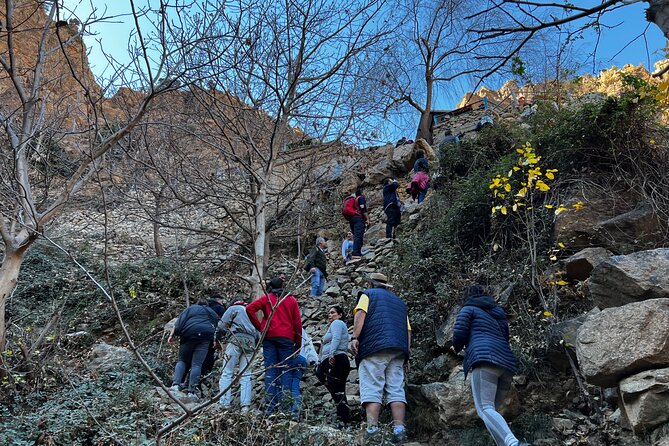
One thing to plan for: the Setti Fatma waterfall hike involves stairs and a longer walk than you might expect, so good shoes matter.
In This Review
- Key highlights to know before you go
- First hour out of Marrakech: getting the Atlas Mountains vibe
- Ourika Valley: orchards, terraces, and the Ourika River rhythm
- Berber house visit: traditional hospitality in a working village setting
- Argan oil cooperative: why this stop matters (and not just for shopping)
- Setti Fatma and the waterfall walk: where the day turns into steps
- Lunch and timing: a workable mid-day break in a 7-hour day
- Price and value near $29: what you actually get for the money
- Who this tour fits best (and who may want a different plan)
- Should you book this Ourika Valley day trip?
- FAQ
- How long is the Marrakech to Ourika Valley full-day tour?
- Is pickup offered from Marrakech?
- What is included in the tour price?
- Is lunch included, and is there a vegetarian option?
- Do I need to pay admission fees to visit Ourika Valley or Setti Fatma?
- Is there walking involved, especially for the waterfalls?
- How big are the groups?
- Will I receive a mobile ticket?
- Can I cancel for free, and how late can I do it?
Key highlights to know before you go
- Early timing can mean a calmer valley: Guides like Jamal have been known to aim for the better light and thinner foot traffic early on.
- You’re not just sightseeing: The day includes a Berber house and an argan oil cooperative, not only photos.
- A real walk to cool off: Setti Fatma’s waterfall area is the main action point, with steep stairs and plenty of steps.
- Lunch is included, with a vegetarian option: You won’t have to scramble for food mid-day.
- Guides help on tricky parts: People like Said have been praised for assisting during the climb and even bringing water.
First hour out of Marrakech: getting the Atlas Mountains vibe
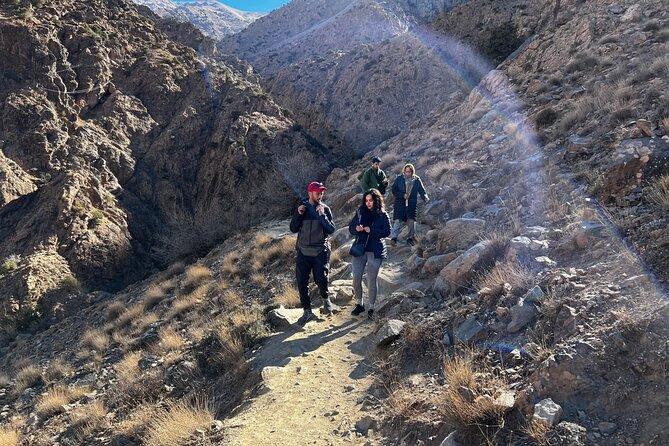
The trip is built around one simple goal: trade Marrakech traffic and heat for Atlas foothills and river life. You’ll head out from the city toward the mountains, where the Ourika area feels noticeably greener and calmer.
On the road, you’ll pass the kind of places where life clings to the hills. The area is known for Berber villages and the work behind the farms, terraces, and homes you see along the way.
If your day happens to be a Monday, you might even get a roadside souk stop. It’s a small bonus, but it can add that market energy without turning the whole trip into a shopping marathon.
You can also read our reviews of more tours and experiences in Marrakech.
Ourika Valley: orchards, terraces, and the Ourika River rhythm
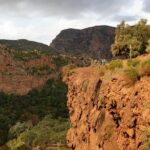
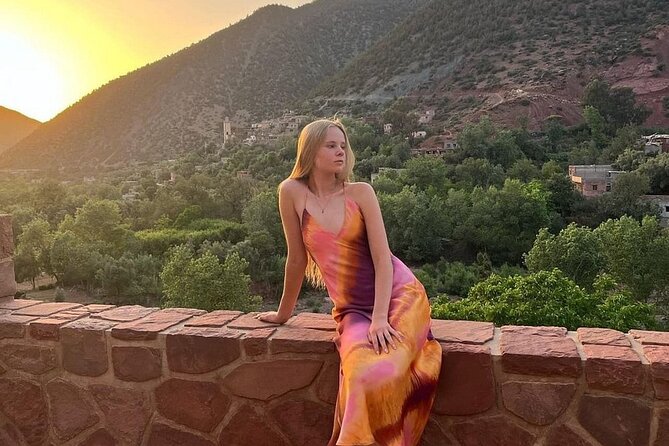
Ourika Valley is where the day starts feeling real. You’ll spend about 3 hours in the valley, watching how agriculture shapes the slopes: fruit orchards, vegetable terraces, and small villages sitting right along the hillside contours.
This isn’t “pretty scenery” from a bus window. The walking is part of the point, because you can actually sense the effort behind the terraces and hillside homes. The valley is famous for Berber labor—people lifting materials and building small houses high up where farming is tough.
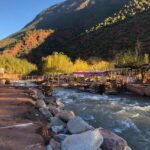
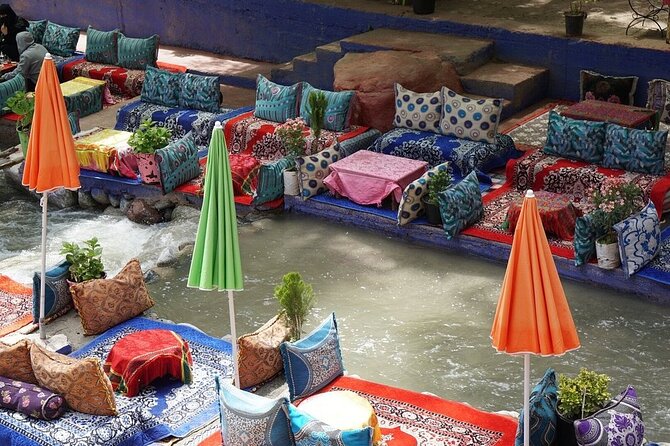
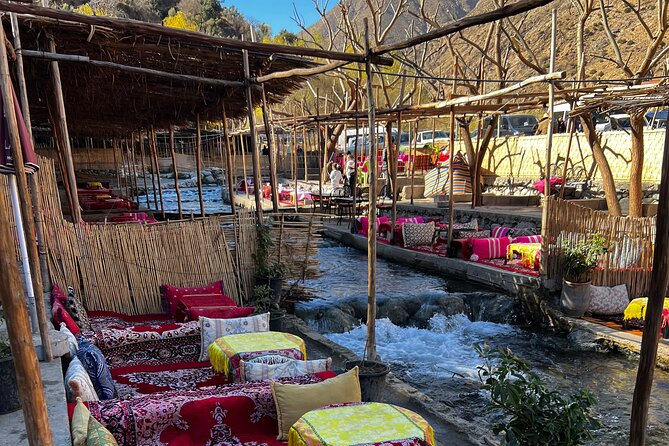
As you continue, the Ourika River becomes your guiding thread. Palm trees line parts of the route, and you’ll see fruit trees, tiny hamlets, riverside restaurants, and summer homes associated with wealthier visitors. It’s a mix: everyday farming life alongside weekend escape energy from people coming from Marrakech.
What I like about this structure is that it gives you variety within one stop. You get both “up on the hill” views and “down at the river” moments, so the valley doesn’t feel repetitive.
Berber house visit: traditional hospitality in a working village setting
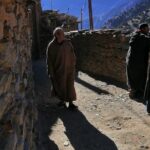
After seeing the valley’s farmland and hillside homes, the Berber house visit adds the human layer. This is one of the included stops, guided by a local team, and it’s designed to help you understand how hospitality works in this region.
The vibe here is not staged for tourists in the way some “demo-only” attractions can feel. It’s more like you’re being shown something that matters to daily life—how people live, and how they welcome visitors in a community setting.
If you’re the kind of traveler who likes your Morocco days to include more than monuments, this stop is a big reason the tour earns strong ratings. Guides also tend to keep things practical: they’re on hand if you need help navigating the walking route back and forth.
I’d treat this as the day’s “slow-down” moment. Step back for a bit, take in the details, and ask questions. Even basic questions about daily life can make the valley feel less like a postcard and more like a place.
Argan oil cooperative: why this stop matters (and not just for shopping)
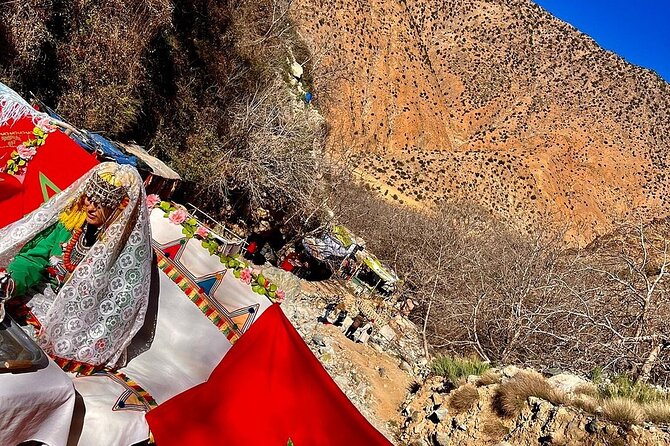
Next comes the cooperative of argan oil, also included. Argan oil is one of Morocco’s most famous products, but the cooperative stop is where you get the context that turns it from a label into a local economic system.
The value here is that a cooperative is built around people working together, not one individual pulling all the strings. You get a clearer sense of how the region’s argan tradition can support livelihoods, and why fair, local organization matters.
This stop is also useful for your travel brain. It gives you a break from walking intensity and lets you reset before the waterfall time. Even if you don’t buy anything, the cooperative visit helps you connect what you saw in the valley (farming and effort) with what you’re seeing now (another form of local labor and production).
One caution: don’t expect a high-speed factory tour. Cooperative visits tend to be more conversational and slower. If you’re in a rush, you might feel the pace, but if you’re okay with a steadier rhythm, you’ll likely enjoy it.
Setti Fatma and the waterfall walk: where the day turns into steps
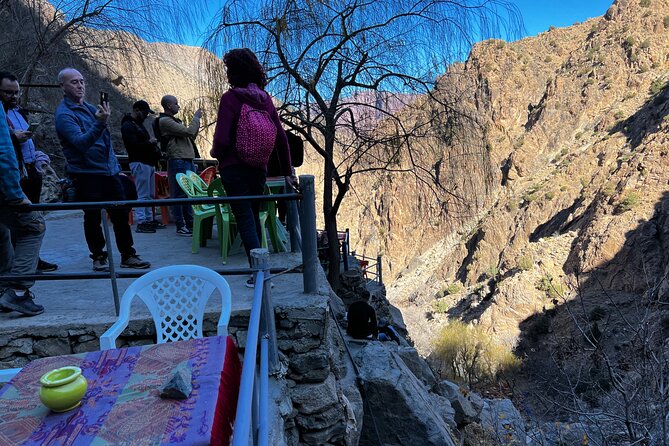
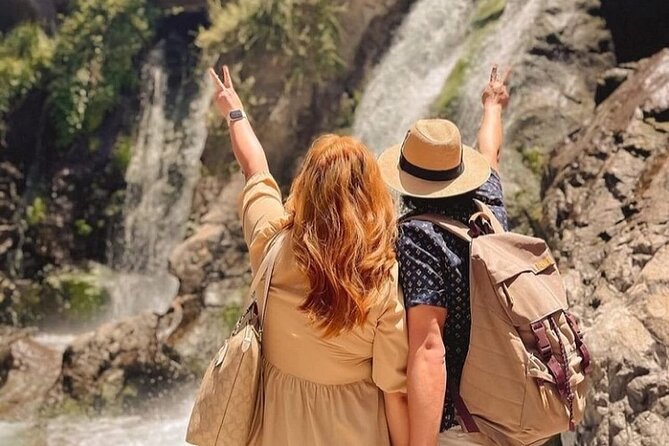
Setti Fatma is the payoff—and it’s also where you’ll feel the “full day” part of this trip. You’ll spend about 4 hours around the valley’s cooler water area, with a walk to the waterfalls of Setti Fatma.
This is where the heat relief happens. You’ll feel the spray and cooling effect once you get moving in that area. The local angle matters too: many people from Marrakech treat this as a favorite weekend retreat, which is why timing can matter.
The main heads-up is physical. There’s a long walk to the waterfalls and plenty of stairs. One reason people praise the tour so much is that the local guide may help at tricky parts and keep you from rushing where you shouldn’t.
If you want extra peace of mind, look for the guides known for careful assistance—names like Said and Jamal show up repeatedly in real trip feedback. People have also mentioned guides helping with water during the climb. That kind of attention can make a big difference when you’re tired.
Practical approach for this section:
- Pace yourself early, not at the top.
- Decide how far you want to go and tell your guide before you get worn down.
- Treat the return climb as part of the experience, not an afterthought.

Lunch and timing: a workable mid-day break in a 7-hour day
Lunch is included, and there’s a vegetarian food option. That alone is a quality-of-life win on a day trip, especially when you don’t want to hunt for a place to eat far from your schedule.
Now for balance: at least one review noted that the meal wasn’t the strongest point. That doesn’t mean the lunch is bad—just that food quality may vary, and this isn’t a food-tour stop. If you’re someone who cares a lot about culinary wow-factor, keep expectations steady and focus on the rest of the day.
Because the total trip runs around 7 hours, the schedule needs to keep moving. You won’t get an entire free afternoon for wandering. Instead, you get guided structure: valley time, culture stops, then waterfall time.
I also like that the tour uses a group format with a professional driver. You’re not stitching together rides or trying to read transport schedules in a place where language barriers can slow you down. When the day is timed right, you feel like you’re seeing more than you actually could on your own.
Price and value near $29: what you actually get for the money
At about $29.04 per person, the price is low enough that you should ask: what’s included, and where are the trade-offs?
Here’s the straightforward part: your ticket covers group transport with a professional driver, a local guide, visits to a Berber house and the argan oil cooperative, and lunch. Transport insurance is also mentioned as included, which matters more than most people think for a long road day.
Admission fees are listed as free for the main areas (including the Ourika Valley and Setti Fatma). So you’re not paying entry costs on top of a guide-day.
Where the real value shows up is in logistics. Marrakech-to-Ourika is close, but “close” still means real driving time, and public transport is not exactly designed for day-trip hiking loops. This tour pays for a driver who knows the route and a guide who keeps the rhythm steady.
If there’s a downside, it’s that group tours can bring fixed pacing. Also, the waterfall section has walking stairs. That means you’re paying for an experience that includes exertion, not just a scenic stroll.
Who this tour fits best (and who may want a different plan)
This tour is a good match if you want a single day that mixes nature with local culture. You’ll get river valley walking, hillside agriculture context, and stops tied to Berber life and argan oil work.
I’d especially recommend it if:
- You’re a first-timer in Morocco who wants a realistic taste of Atlas-area life without overplanning.
- You like having a guide for the “why” behind what you’re seeing.
- You want lunch included and you appreciate having a vegetarian option.
I’d think twice if:
- You don’t handle stairs well. The Setti Fatma waterfall walk includes a lot of steps, and it can feel long if your legs aren’t ready.
- You expect top-tier restaurant food. Lunch is included, but at least one comment suggests quality can be average.
- You hate group pacing. With a maximum of 100 travelers, it’s not a private tour, so you should expect the day to run on schedule.
On the positive side, the tour notes that most travelers can participate, so it’s not designed as an extreme trek. Still, the waterfall walk is the activity you should plan around.
Should you book this Ourika Valley day trip?
I think this is a strong booking if your goal is a balanced day: valley walking, Berber hospitality context, an argan cooperative stop, and the waterfall cooling payoff at Setti Fatma. The overall feedback is very positive, with a 4.9 rating and 100% recommendation in the provided review snapshot, and names like Jamal, Said, and Mohammed show up as the kind of guides people remember for good reason.
Book it if you’re ready for stairs and you’d rather be guided than figuring out transport on your own. Skip or look for a lighter alternative if you want a mostly flat day with minimal walking, because the waterfall segment is the part that can stretch your legs.
FAQ
How long is the Marrakech to Ourika Valley full-day tour?
It’s listed at about 7 hours in total.
Is pickup offered from Marrakech?
Yes, pickup is offered.
What is included in the tour price?
The tour includes group transport with a professional driver, a local guide, a Berber house visit, a visit to the argan oil cooperative, and lunch.
Is lunch included, and is there a vegetarian option?
Yes, lunch is included, and the tour notes that vegetarian food is served.
Do I need to pay admission fees to visit Ourika Valley or Setti Fatma?
The information provided lists admission tickets as free for both the Ourika Valley and Setti Fatma parts.
Is there walking involved, especially for the waterfalls?
Yes. The day includes a walk to the waterfalls of Setti Fatma, and the route can involve many stairs.
How big are the groups?
The tour has a maximum of 100 travelers.
Will I receive a mobile ticket?
Yes, it’s listed that you get a mobile ticket.
Can I cancel for free, and how late can I do it?
Yes. Cancellation is free up to 24 hours in advance of the experience start time for a full refund.