REVIEW · TENERIFE
From Tenerife: Day Trip to La Palma Volcanic Landscapes
Book on GetYourGuide →Operated by Get Holiday · Bookable on GetYourGuide
La Palma feels like another planet. This guided day trip from Tenerife combines a smooth ferry ride with an in-the-field tour of volcanic places, plus a close-up look at how the island’s eruptions changed daily life. I especially loved the Tazacorte beach-area lunch and the stop at Caldera de Taburiente, where you can feel how geology shapes everything you see.
The main drawback is simple: it’s a long day with a 2.5-hour ferry each way, so you’ll want to plan for limited flexibility once you’re on the water.
In This Review
- Key Things I’d Prioritize on This Tour
- Tenerife to La Palma: The Ferry Timing That Sets the Pace
- Santa Cruz de La Palma by Bus: Old Town Meets Volcanic Storytelling
- Castle of Santa Catalina: A 17th-Century Stop With Big View Energy
- Mirador de la Concepción and Caldereta: The Island’s Crater Geography
- Caldera de Taburiente National Park: Why This Place Feels Different
- Time Tunnel, Tacande, and Cumbre Vieja: Seeing Volcanic Change Up Close
- Tazacorte Beach and Lunch: Where the Day Actually Slows Down
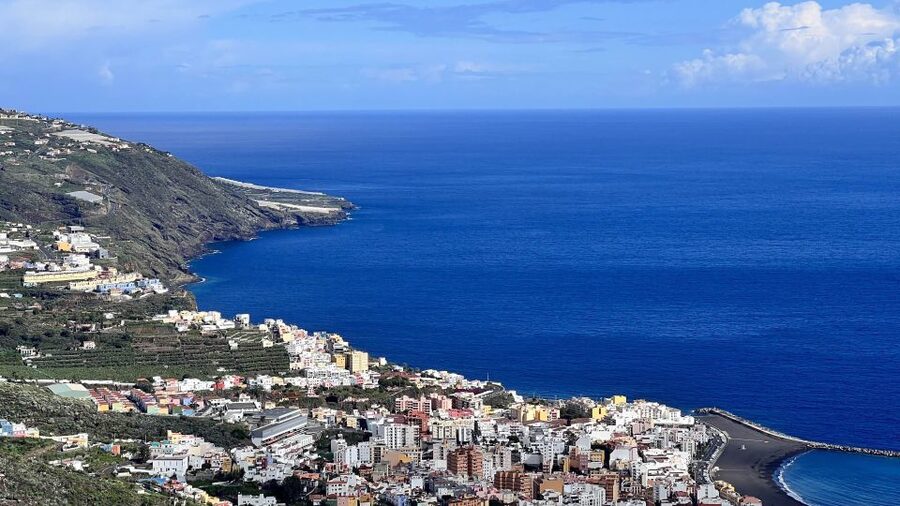
- Lava-Formed Coastline and the Tajuya Viewpoint
- Getting Back to Tenerife: End-of-Day Reality
- Price and Value: Is $153 Worth It?
- Who This Tour Suits Best
- Should You Book This La Palma Volcano Day Trip?
- FAQ
- Where do I meet for the tour?
- How long is the day trip?
- How long is the ferry between Tenerife and La Palma?
- What’s included in the price?
- What should I bring?
- Is hotel pickup included?
- Are pets allowed on the tour?
- What languages are available for the guided tour?
Key Things I’d Prioritize on This Tour
- Tazacorte lunch near the water: a hearty Palmero-style meal right by the beach
- Caldera de Taburiente National Park: one of the island’s most dramatic natural areas, guided
- Real eruption context: viewpoints focused on how volcanic activity reshaped communities
- Fresh lava viewing: the youngest lava flows in Spain, seen around Tazacorte
- 2021 volcano views: you’ll look at the youngest activity area and watch smoke from afar
- Santa Cruz de La Palma highlights by bus: old-town stops, viewpoints, and the 17th-century Castle of Santa Catalina
Tenerife to La Palma: The Ferry Timing That Sets the Pace
This tour works because it pairs two things that are hard to combine on your own: time-efficient transport across the Atlantic and a route that strings together the island’s big volcanic and historical hits.
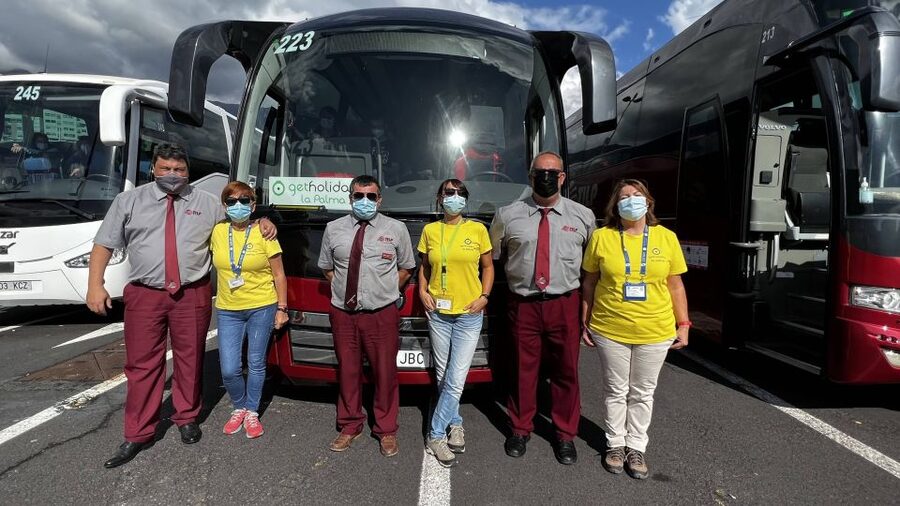
You meet at the Fred. Olsen Express office area at Puerto de los Cristianos (look for the Fred Olsen desk and a guide with a yellow polo). From there, you take the ferry to Santa Cruz de La Palma, and then you’re on a comfortable, air-conditioned bus for the land portion of the day. The ferry takes about 2.5 hours each way, which is the rhythm you’ll feel all day long. If you’re prone to motion sickness, consider bringing what works for you, because the schedule doesn’t really slow down.
Once you arrive on La Palma, your guide gets you oriented with the route and what you’ll be seeing. That matters, because the island changes quickly—from higher viewpoints to coastal areas—so having the story stitched together helps the scenery make sense.
You can also read our reviews of more tours and experiences in Tenerife.
Santa Cruz de La Palma by Bus: Old Town Meets Volcanic Storytelling
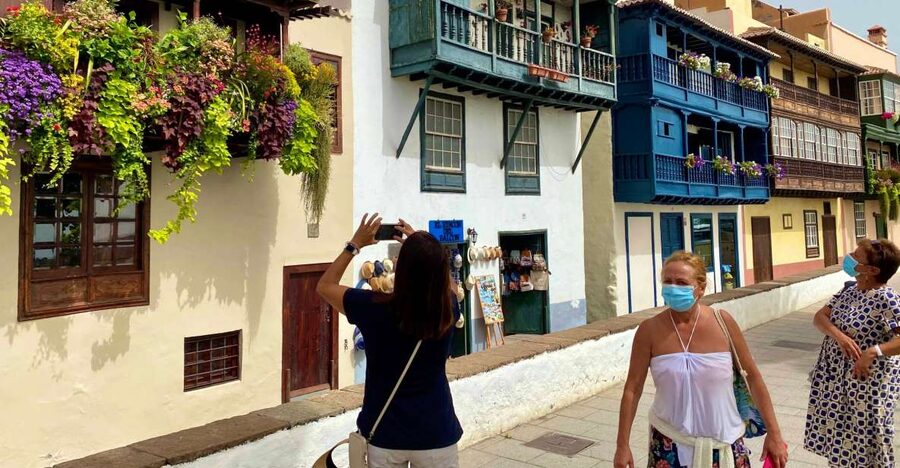
After the ferry ride, you don’t waste time. You start touring the capital, and the stops are chosen for both beauty and context.
A fun early moment is the Ship of the Virgin, where you’ll see a reproduction of Christopher Columbus’ Santa María. Even if you’re not a history buff, it’s a quick way to understand why this port town matters, especially on the route to the Americas.
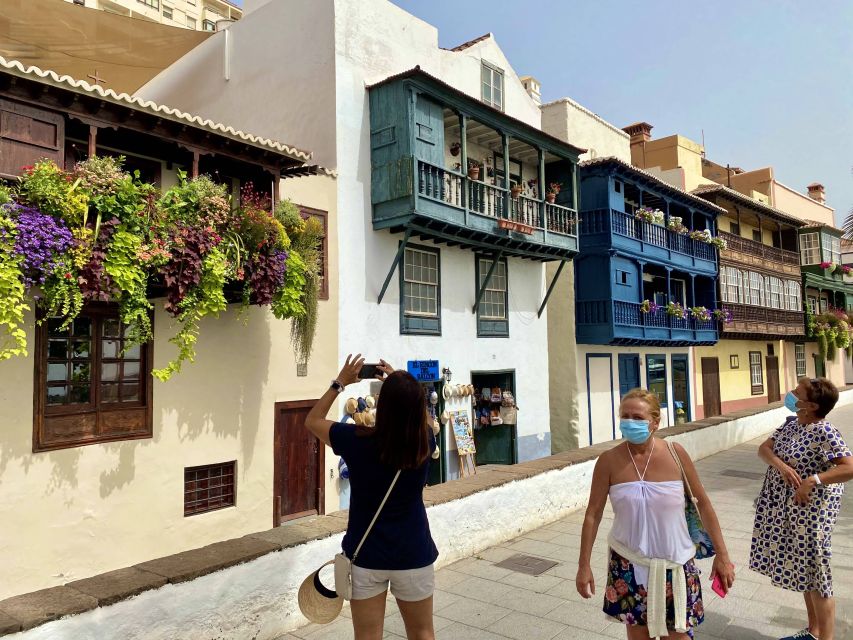
You’ll also pass by traditional houses with Canary-style balconies, which are a nice reminder that this is a living place, not a theme park. The pacing is group-friendly: bus travel keeps you moving, but you’re still getting real sight lines from the road and short stops for photos.
And yes, the volcanic theme is never far off. Your guide ties the island’s geography to what you’ll later see in the eruption-affected zones, so the day doesn’t feel like random sightseeing.
Castle of Santa Catalina: A 17th-Century Stop With Big View Energy
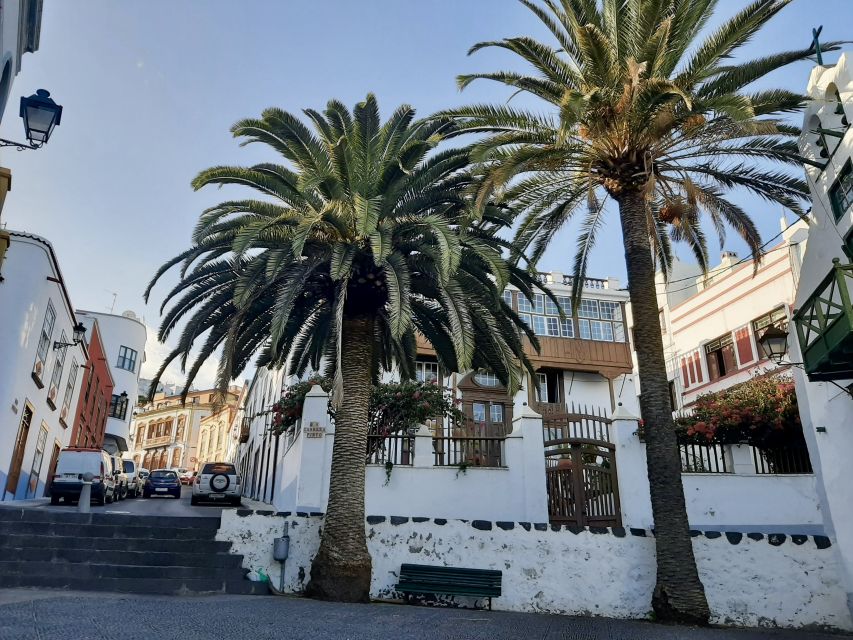
One of the most satisfying historical moments is the Castle of Santa Catalina, a 17th-century fort tied to routes toward the Americas. It’s not just a building you look at from a bus window. The stop is set up so you can take in the structure and surrounding area while the guide explains why it existed in the first place.
This is also where you’ll start noticing how La Palma’s shape guides travel. Roads, viewpoints, and settlements all line up with the terrain you’re learning about. If you like travel days that connect the dots—history plus geography—this stop helps.
Mirador de la Concepción and Caldereta: The Island’s Crater Geography
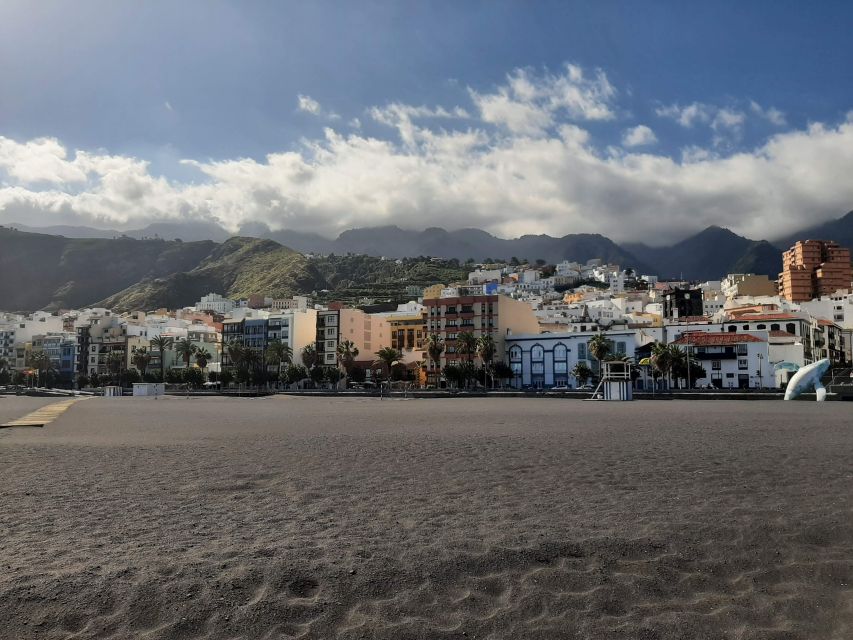
Next you’ll move toward the viewpoints around Mirador de la Concepción, plus stops connected to the Caldereta volcano area. From the highest points, you get a strong sense of how the crater system and elevations create different types of vegetation and views.
This is one of those parts where the value isn’t just the photo. It’s the mental map you build. On La Palma, you can’t really understand one part without the rest of the island’s structure, and the drive helps. You’ll notice vegetation shifts as you move across elevation bands, which is a subtle clue that the island’s “layers” are doing more than looking pretty.
A practical tip: wear shoes with decent grip. Some viewpoints involve short walks on uneven ground, and you’ll be happier if you’re not thinking about slipping.
Caldera de Taburiente National Park: Why This Place Feels Different
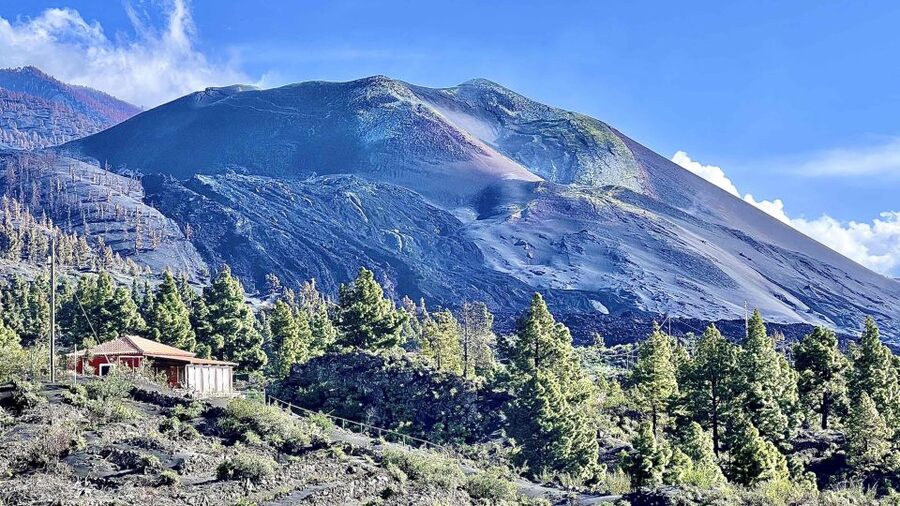
The tour includes National Park entry authorization, and it’s there for a reason. Caldera de Taburiente is about scale and shape—the kind of natural amphitheater effect that makes the island’s volcanic origin feel real, not theoretical.
What I like about guided access here is that you’re not wandering with only a map. Your guide frames what you’re seeing: how volcanic forces shaped the ground, and why the area looks the way it does today. It turns the park from scenery into an explanation you can carry through the rest of the day.
Also, you’re seeing the park as part of a bigger story. Later you’ll be looking at eruption impacts along the coast, and Caldera de Taburiente gives you the baseline for how the island works.
Time Tunnel, Tacande, and Cumbre Vieja: Seeing Volcanic Change Up Close
The route includes stops that make the volcanic story feel current. You’ll drive through an area referred to as the Time Tunnel, then you’ll move toward where Cumbre Vieja affected the island.
One of the most emotionally real stops is the exclusion zone of the Tacande neighborhood, where you’ll catch your first clearer look at what the newest activity has done. This isn’t dramatic in a Hollywood way. It’s more unsettling than exciting, because you’re looking at the physical result and how close it is to homes and everyday space.
Then the day shifts toward the youngest eruption traces you can view. You’ll get your first glimpse of the youngest lava flows in Spain around Tazacorte. That’s the moment when the tour earns its “volcano day trip” label—because you’re not just talking about lava. You’re seeing it as a real layer in the island’s geography.
Tazacorte Beach and Lunch: Where the Day Actually Slows Down
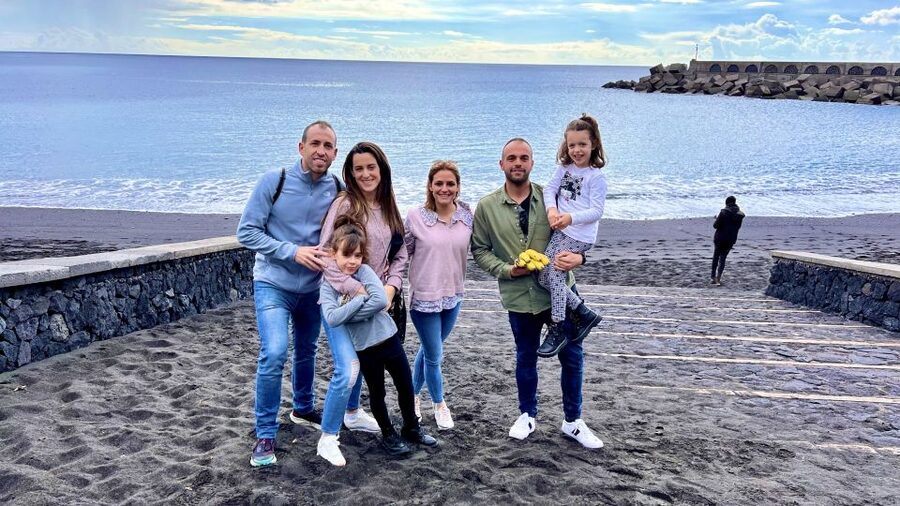
Lunch is one of the best value parts of this experience. You’ll eat at a local restaurant with a Palmero-style meal, and the timing and location matter: you’re very close—about 10 meters—from the stunning Tazacorte beach.
The meal typically includes salad, bread, fish, potatoes, and cheese. It’s the kind of lunch that works on a day like this, when you’ll be moving, walking a bit, and trying to stay comfortable through long travel hours. You get fuel without a packed, tourist-trap vibe.
If you’re deciding whether to book: I’d seriously count this lunch as part of the price value. It’s not only included; it’s included in a spot that makes the stop feel like a break, not a delay.
Lava-Formed Coastline and the Tajuya Viewpoint
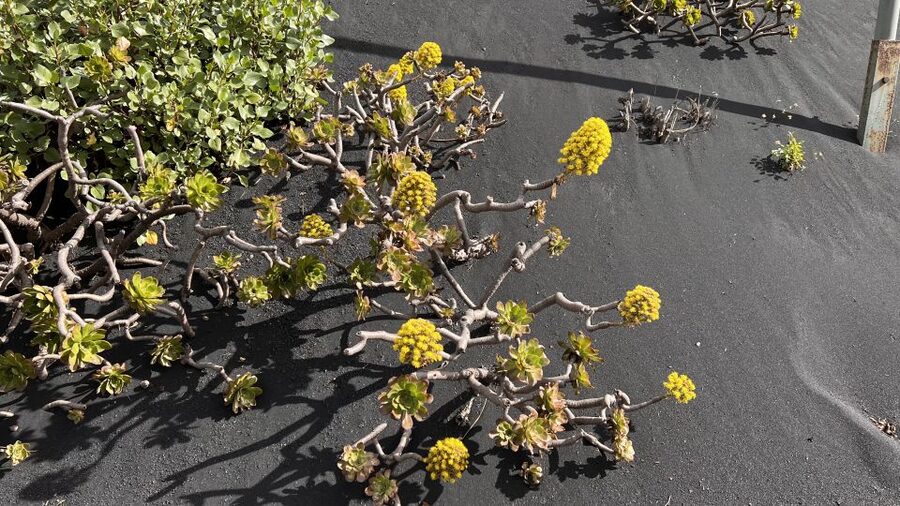
After lunch, you head out to see lava-formed coastal cliffs. This is where you’ll notice what erosion and ocean forces do after a volcanic event. The coastline isn’t just pretty—it’s a living record of interaction between geology and weather.
Then comes the payoff for the newest eruption story. You’ll end up at Tajuya viewpoint, designed specifically so you can witness the newest volcano in the Canary Islands from a viewing point. The day’s volcanic theme caps with watching smoke curl from the activity area formed in 2021. From a distance, it’s both awe-inspiring and sobering—because you’re seeing ongoing change, not only past effects.
Your guide’s job here is crucial. When volcanic activity is part of a day plan, it can feel like guesswork. A good guide turns it into a readable set of observations: what you’re looking at, why it’s there, and how it ties back to what you saw earlier.
Getting Back to Tenerife: End-of-Day Reality
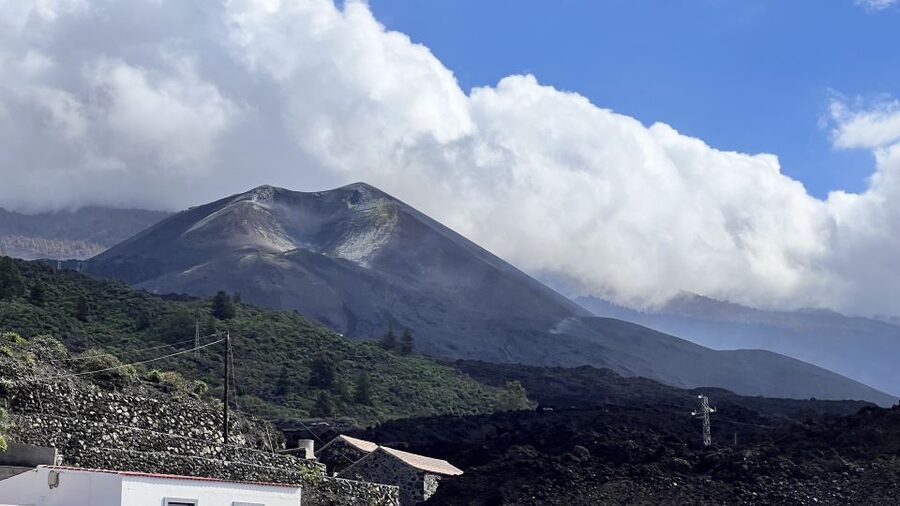
In the afternoon, you return to the port and take the ferry back to Tenerife. The day ends where you started in the meeting area.
Because the whole experience is anchored around the ferry schedule, plan your Tenerife evening loosely. You won’t want tight dinner reservations right on arrival, especially if the sea feels choppy. I recommend keeping something easy planned for later—at least mentally—because the day is full.
Price and Value: Is $153 Worth It?
At $153 per person, this is not a cheap day trip. But it can still be good value, especially if you’d otherwise struggle with the “how” of getting to La Palma and covering the right stops.
Here’s the value math in plain terms:
- You get the ferry (one of the biggest time and cost drivers for crossing islands)
- You get bus transportation on La Palma
- Lunch is included at a specific location by the beach
- You have a live guide connecting the route and the volcanic context
- National park entry authorization is included
If you were trying to DIY this, you’d likely spend time sorting transport, timing, and route logistics. Paying for a guided route is especially worth it on La Palma because the island’s big points are spread out and the volcanic story needs structure to make sense.
Who This Tour Suits Best
This day trip is best for you if:
- You want a one-day hit list of La Palma’s key historical and volcanic points
- You like having explanations while you travel, not reading alone at each stop
- You’re okay with a long schedule and a significant ferry day
- You want lunch included in a great setting, not a random stop
It’s less ideal if:
- You hate long travel days or are very sensitive to motion on ferries
- You prefer slow, independent wandering over guided stops
Should You Book This La Palma Volcano Day Trip?
Yes, if your main goal is to see La Palma’s volcanic highlights without turning your vacation into a logistics project. The combination of Santa Cruz de La Palma history, Caldera de Taburiente access, eruption-affected viewing areas, and a beach-adjacent lunch creates a day that feels full but still organized.
I’d book it especially if you’re curious about the 2021 activity and want it explained while you look—guides like Rosie and Carmen are noted for making the island’s story clear and human, and that clarity helps a lot when you’re watching smoke from a viewpoint.
FAQ
Where do I meet for the tour?
Meet at the Fred Olsen desk to exchange your voucher at the Fred. Olsen Express office in Puerto de los Cristianos, Zona embarque B, 38650 Los Cristianos, Santa Cruz de Tenerife. Look for a guide with a yellow polo.
How long is the day trip?
The duration is about 11 hours. Starting times vary, so you’ll need to check availability for the exact departure.
How long is the ferry between Tenerife and La Palma?
The ferry from Tenerife to La Palma takes about 2.5 hours each way.
What’s included in the price?
Included are the ferry, lunch, guide, bus transportation, and National park entry authorization.
What should I bring?
Bring a passport or ID card.
Is hotel pickup included?
No. Hotel pickup and drop-off service is not included.
Are pets allowed on the tour?
No, pets are not allowed.
What languages are available for the guided tour?
A live guide is available in English, Spanish, German, and Dutch (with Spanish – English – German – Dutch running on Tuesdays and Thursdays).