REVIEW · SAPPORO
From Sapporo: Hokkaido Highlights Day Trip
Book on GetYourGuide →Operated by Japan Holiday Travel Co., Ltd. Sapporo Sales Office · Bookable on GetYourGuide
Cape Kamui is worth the early start, and the rest of the day follows its lead: big views, easy touring, and an Otaru stop that’s genuinely fun to walk. I like how this trip uses a full-day loop to cover the coast, the canal area, and a well-known chocolate experience without you needing to plan connections.
Two things I’d pick as top wins are the dramatic Cape Kamui views (and the seasonal look of Shakotan) and the Otaru Steam Clock moment—5.5 meters tall, made of English-style bronze, and hard to forget once you’re there. One catch: it’s a packed day, and the time you get at each stop can shift with traffic and group size.
The route also changes by date, so your day won’t be identical to anyone else’s. If you hate running on a schedule, plan to keep your expectations flexible and wear shoes you don’t mind walking in.
In This Review
- Key takeaways before you go
- A full-day loop that changes by date
- Cape Kamui and Shakotan: the coast photo stop you’ll actually feel
- Shimamui Coast: a beach break with a real rating
- Otaru Canal pass-by, then shopping districts for real wandering
- The Otaru Steam Clock: classic engineering, easy to appreciate
- Shiroi Koibito Park: the sweet finish, with one important cost detail
- Guides and language support: what you can realistically expect
- Price and value: when $64 actually makes sense
- Timing, traffic, and weather: plan like a pro, not a hero
- Who should book this day trip?
- Should you book the Hokkaido Highlights Day Trip?
- FAQ
- Where does the tour start and end?
- Is lunch included?
- What is included in the tour price?
- Is the Shiroi Koibito Park factory tour included?
- What stops are included on the 8/1–10/15 route?
- Does the itinerary stay the same every day?
- What should I bring?
- What time should I arrive at the meeting point?
- What languages are available for the tour?
- What happens if the tour is canceled due to extreme weather?
Key takeaways before you go
- Cape Kamui’s seasonal views make the same coast feel totally different in summer vs. autumn
- Shimamui Coast is a true breather stop thanks to its beach-and-horizon vibe (it’s on Japan’s 100 Best Beaches list)
- Otaru Steam Clock is the star detail: 5.5 meters tall and 1.5 tons, plus a classic bronze look
- Otaru walking time focuses on the canal/pass-by area and the shopping districts for an easy stroll
- Shiroi Koibito Park is a sweet wrap-up, but the factory tour entry fee isn’t included
A full-day loop that changes by date
This is a Sapporo day trip designed around a simple idea: you don’t just see one “thing,” you get a route that strings together several memorable stops. The key detail is that the order and specific stops can change depending on your travel date, so it’s not a copy-paste itinerary every day.
For the period 8/1–10/15, the flow typically looks like this: meeting point → Cape Kamui → Shimamui Coast → Otaru Canal (pass by) → Otaru Miyakodori shopping district → Steam Clock → Shiroi Koibito Park → back to Sapporo. Even when the order changes on other dates, the trip still anchors on the same core themes: coast, Otaru, and that final sweet-leaning park visit.
Why that matters to you: if you’re visiting Hokkaido on a tight schedule, this is a practical way to sample several highlights without juggling trains, buses, and transfers. It also means you’ll likely return to Sapporo with a full set of “I’m glad we did that” photos—sea views, an old-town feel, and a recognizable food destination.
Cape Kamui and Shakotan: the coast photo stop you’ll actually feel
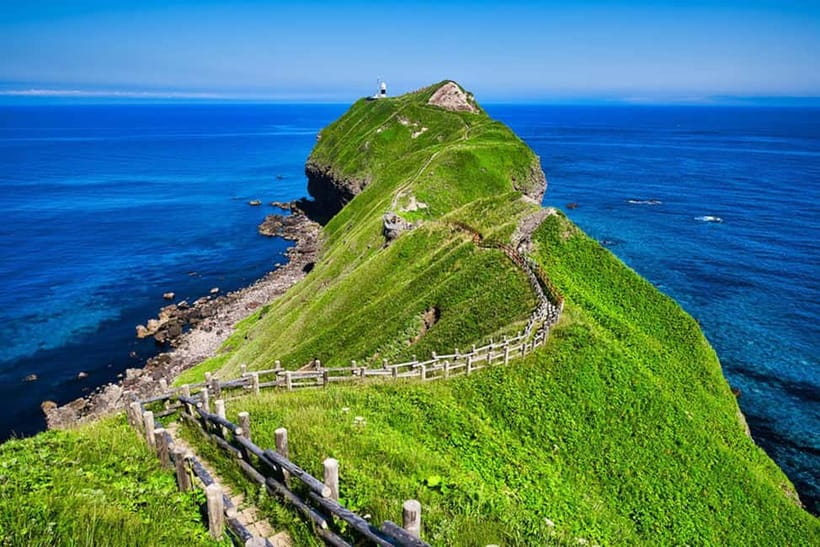
Cape Kamui is the visual anchor of the day. The big draw is the view over Shakotan, which can look totally different depending on the season. In summer, the water is described as crystal-clear and strikingly blue. In autumn, the coast shifts to warmer tones with golden foxtail grasses adding a soft, cinematic look.
You’ll want to show up ready to look slowly. This stop works best when you don’t rush it like a checkpoint. Even if you only spend a short window there, you can still get a couple of different angles as the light changes and the coastline shifts in color. Bring the mental mindset of “pause and watch,” not “snap and move on.”
One more practical note: the weather can change quickly along coasts in Hokkaido. If it’s breezy, you’ll feel it. Comfortable shoes help too, because you’ll likely spend more time on foot than you expect once the tour starts moving between viewpoint spots and walking paths.
Shimamui Coast: a beach break with a real rating
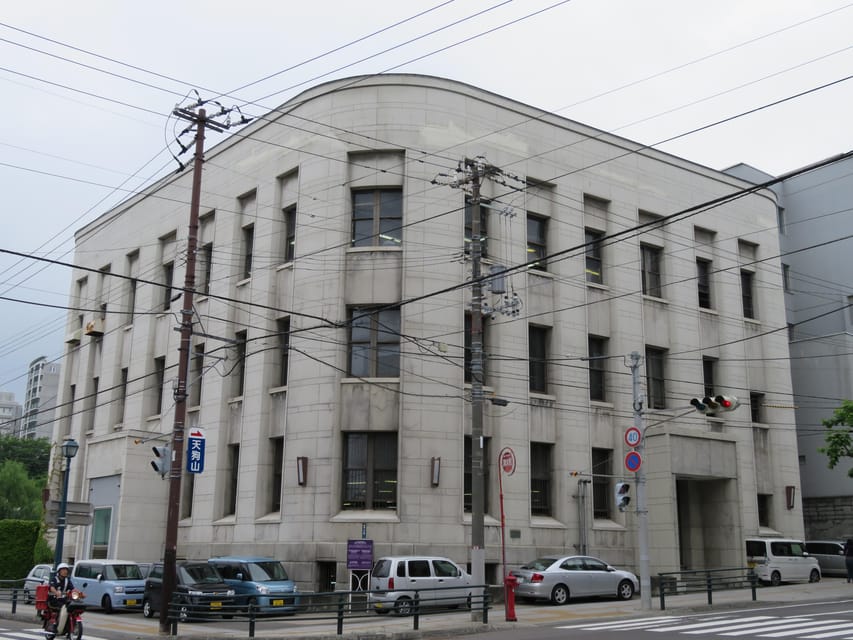
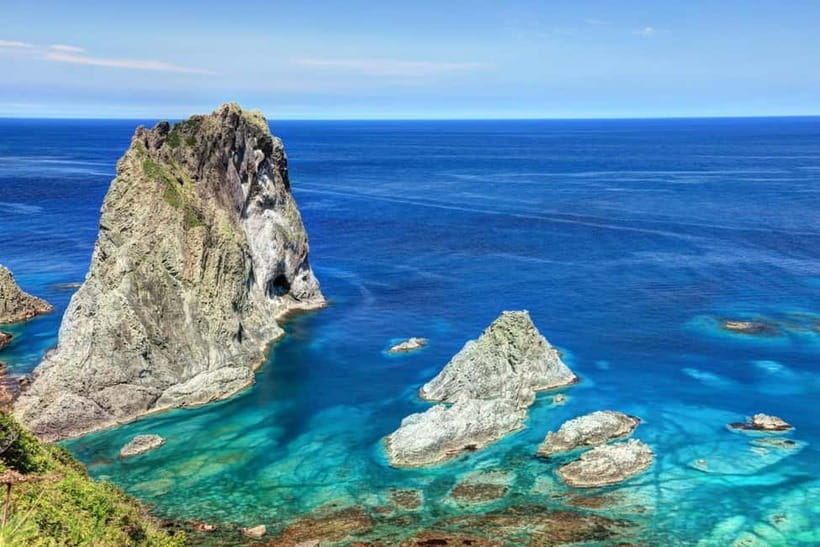
After the Cape, the day slows down at Shimamui Coast, including Shimamui Beach. This is one of Japan’s 100 Best Beaches, and that label isn’t just marketing fluff—what you’ll feel here is simple: open space, coastline air, and a relaxing rhythm compared with the earlier viewpoint.
This stop is ideal if you’re traveling with someone who enjoys walking but doesn’t want a museum schedule. It also gives you a chance to reset mid-day, which matters on a tour day that otherwise stacks multiple sites.
What to watch for: beach stops can mean sand, wind, and uneven walking depending on where you end up. I’d rather be over-prepared than under-prepared. Wear shoes that handle both comfort and grip, and if the forecast looks variable, bring layers you can adjust.
Otaru Canal pass-by, then shopping districts for real wandering

Otaru is where the day turns from coast scenery into old-town atmosphere. The itinerary typically includes a canal pass-by, then time in shopping areas—specifically Otaru Miyakodori and the area associated with the Sakaimachi Dori shopping street experience.
Here’s what makes this segment work for you: it’s structured enough that you’re not lost, but it still gives you permission to slow down. Once you’re near the canals and streets, the city feels made for short loops—looking at shop fronts, stepping into small storefronts, and taking photos that aren’t just landmarks but everyday scenes.
A timing note: the duration at each attraction is affected by traffic and participant count. So if your goal is to shop rather than only sightsee, keep your eyes on how much time you’re given and plan your wandering with your energy in mind. If Otaru feels rushed, that’s usually why—and you can still get value by focusing on the “walkable core” rather than trying to cover everything.
The Otaru Steam Clock: classic engineering, easy to appreciate
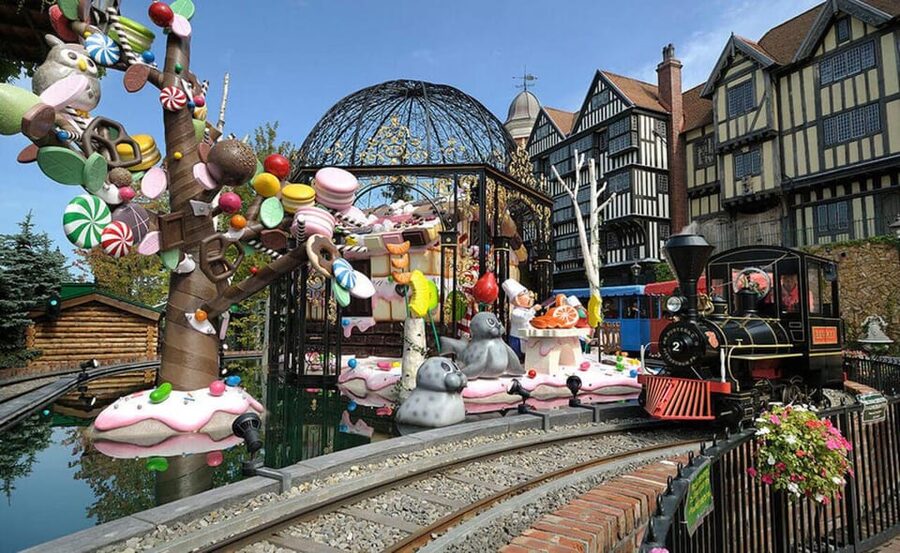
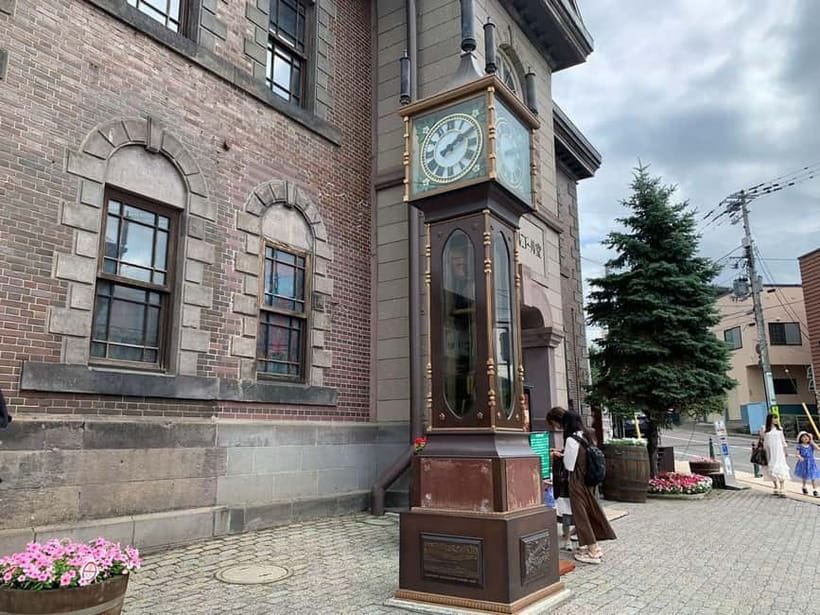
If you like iconic details you can’t easily replicate elsewhere, the Otaru Steam Clock will do it. This clock is listed as the world’s largest steam clock, standing 5.5 meters tall and weighing 1.5 tons. It’s crafted from English-style bronze, which gives it that unmistakable, vintage look—less toy, more artifact.
This is one of the stops that tends to stick in memory because it’s both visual and specific. Even if you’re not a “clock person,” you’ll understand why it’s a big deal once you see its size in person and how it fits into Otaru’s industrial-meets-charming character.
Practical tip: don’t treat it as a single-photo stop. If you have the time, step back and look at how people move around it and how the surrounding area frames it. That’s often where you find your best shots.
Shiroi Koibito Park: the sweet finish, with one important cost detail
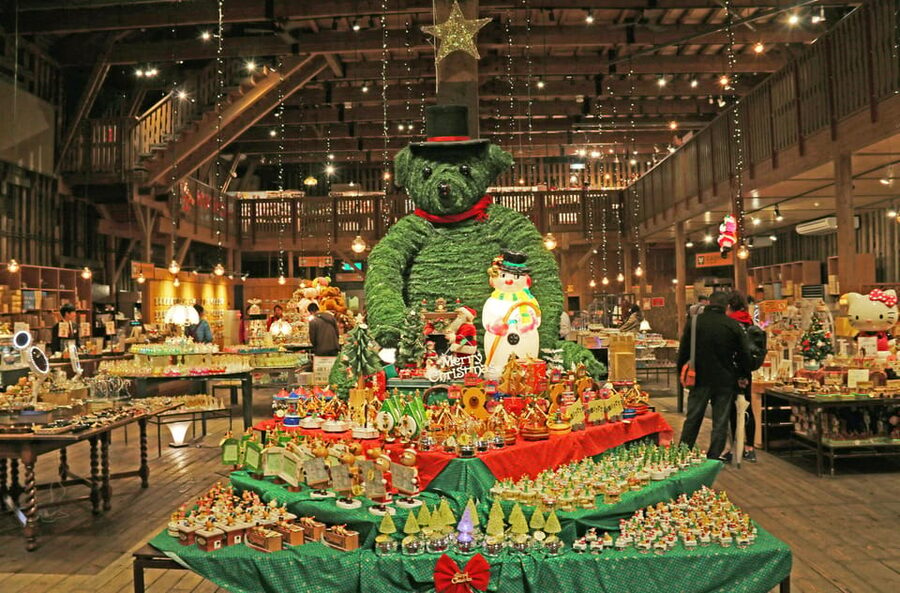
The day ends at Shiroi Koibito Park, which is a well-known stop for anyone who likes Hokkaido sweets. The park experience is included in the tour routing, but the factory tour entry fee is not included.
That matters because you can plan your expectations. If you’re hoping for the inside tour piece, you’ll need to account for that extra entry cost. If you’re mainly interested in enjoying the atmosphere and taking in the branded chocolate-themed setting, you may still feel satisfied even without the factory tour.
One more helpful angle: the time you have there can affect how relaxed your visit feels. If you specifically want the factory-tour style portion, you’ll want enough breathing room to avoid feeling like you’re rushing through it. If you’re the type who loves returning to a stop once you get comfortable there, keep in mind that the park visit may not feel long enough to do everything at a slow pace depending on the day’s schedule.
Guides and language support: what you can realistically expect
This tour includes a guide, and the language options are listed as Chinese, English, and Japanese. In past experiences, I’ve heard that guides can be fluent across multiple languages—one example was a guide named Tui, described as fluent in three languages and also patient with questions.
Another guide name that came up is Yan—described as friendly, humorous, and engaging. That kind of guide energy is more than entertainment. When you’re on a day trip with changing time buffers, a good guide helps you keep track of what to prioritize so you don’t waste precious minutes.
One special logistics detail: if you’re traveling by Hiace or microbus, the driver provides basic English guidance and the tour guidance may not be delivered the same way as with a full guide setup. The tour still includes a guide, but it’s smart to confirm what you’ll have on your specific departure.
Price and value: when $64 actually makes sense
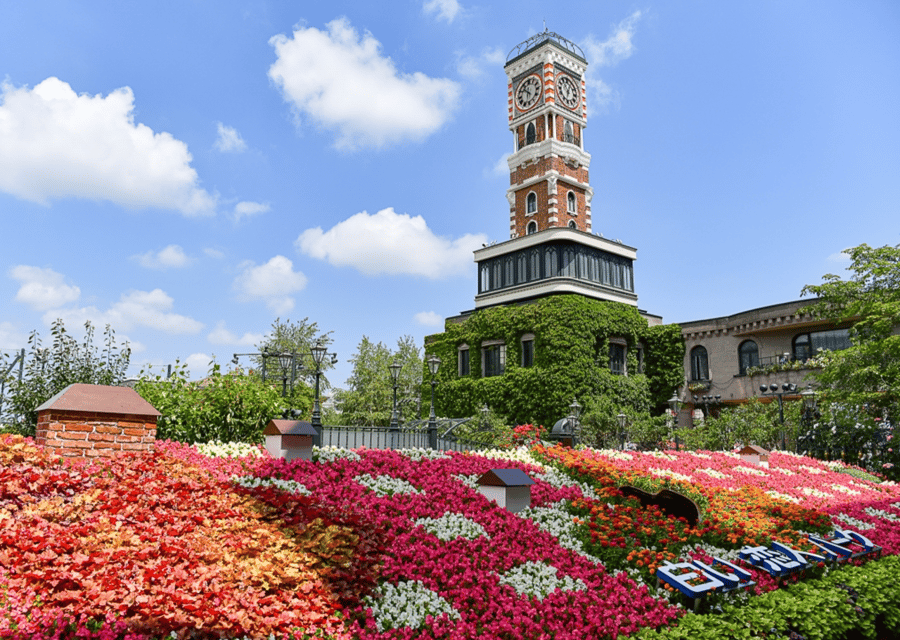
At $64 per person, the price can feel very reasonable if you value convenience. You’re paying for bus fare and a guide, which removes two big planning headaches: getting from Sapporo to these coastal and Otaru locations and figuring out the route day-of.
What’s not included: lunch and the Shiroi Koibito Park factory tour entry fee. So your actual day cost depends on how you handle food and whether you plan the factory component.
Here’s how to judge value for yourself:
- If you’d otherwise spend time piecing together transit for Cape Kamui + beach + Otaru + the park, the bus-and-guide format is likely worth it.
- If you’re picky about meal planning and prefer to choose specific restaurants, set aside extra money for lunch rather than hoping it’s covered.
- If you want the factory tour, budget for the entry fee so you don’t feel surprised mid-day.
Also: the tour can arrive early at the next destination or conclude earlier due to facility hours or closures. That flexibility can be a plus if you’re the type who likes to walk a little more or catch a little extra time in Otaru.
Timing, traffic, and weather: plan like a pro, not a hero
This day trip runs under real-world conditions. The tour explains that visit durations can change based on traffic and the number of participants. It also notes that delays can happen from congestion or inclement weather, so build buffer time if you’re connecting to another mode of transport right after.
The biggest “do this and you’ll be happy” instruction is simple: arrive at least 10 minutes early. Meeting point details can vary by booking option, and the guide isn’t responsible for missed tours due to late arrival. If you’re unsure about where to go, check the meeting point photo on the product page (the third photo is referenced).
If the weather shifts, remember that coastal stops are where wind and visibility matter most. Having layers and footwear that can handle uneven ground keeps the day feeling enjoyable instead of annoying.
Who should book this day trip?
This works best if you want:
- A classic Sapporo-area highlight day without transportation hassle
- A mix of coast views and Otaru walking
- A guided structure that keeps you moving, with enough free time for wandering in Otaru
It may not be your best fit if you prefer:
- A slow, unhurried pace with lots of independent discovery
- Deep time at only one location (Cape Kamui and Shiroi Koibito Park can feel more satisfying if you love those themes, but the tour spreads time across multiple stops)
One helpful perspective to keep in mind: some people feel Otaru can take enough time that they’d prefer a bit more at Cape Kamui (and less time in Otaru). That’s not a reason not to book; it’s just a heads-up about the tour’s balancing act.
Should you book the Hokkaido Highlights Day Trip?
I’d book it if you’re the type who wants a well-rounded day: sea views at Cape Kamui, a relaxing break at Shimamui Coast, the memorable mechanical charm of the Otaru Steam Clock, and a sweet finishing point at Shiroi Koibito Park.
You should think twice if you hate tight scheduling or if your dream day is one single place with lots of time. In that case, you may prefer a slower plan built around fewer stops.
If you book, go in with the mindset that this is a highlight sampler with guided timing. Then you’ll get what you paid for: a smooth, efficient day with standout visuals and an easy Otaru walk—the kind of day trip that leaves you feeling like you used your time well in Hokkaido.
FAQ
Where does the tour start and end?
It starts at a meeting point that may vary depending on the option booked, and it ends back at the meeting point.
Is lunch included?
No, lunch is not included.
What is included in the tour price?
The tour includes bus fare and a guide.
Is the Shiroi Koibito Park factory tour included?
No. The factory tour entry fee is not included.
What stops are included on the 8/1–10/15 route?
That seasonal route includes Cape Kamui, Shimamui Coast, an Otaru Canal pass-by, Otaru Miyakodori shopping district, the Steam Clock, and Shiroi Koibito Park, then back to Sapporo.
Does the itinerary stay the same every day?
No. The route changes depending on the travel date.
What should I bring?
Comfortable shoes are recommended.
What time should I arrive at the meeting point?
Arrive at least 10 minutes before departure time.
What languages are available for the tour?
Languages listed are Chinese, English, and Japanese.
What happens if the tour is canceled due to extreme weather?
If canceled due to extreme weather or unforeseen events, you may be able to book a different date or request a refund.
If you tell me your exact travel dates, I can help you think through what you’re most likely to see on that specific loop.