REVIEW · SAN PEDRO DE ATACAMA
Caracoles: Red Stones of Atacama and Chaxa Guided Day Trip
Book on GetYourGuide →Operated by Feel Atacama · Bookable on GetYourGuide
Volcano views and flamingos in one day.
This is a full-day run across the Chilean altiplano, built around Atacama Saltflat views and real animal-watching at Chaxa Lagoon. I like how the itinerary mixes big geology moments (volcanic Red Stones) with calm stops where you can actually take in the setting, not just race from photo spot to photo spot.
What I’d come for, though, is the guided trek through the Red Stones made of volcanic material, plus the chance to spot animals like vicuñas and suris up close. One consideration: this is long, high-altitude terrain travel, and it’s not suitable for everyone, especially if you’ve had altitude sickness or have high blood pressure.
In This Review
- Key moments that make the trip worth it
- Why the Caracoles and Chaxa combo works so well
- Atacama Saltflat and Chaxa Lagoon: flamingos plus salt-flat drama
- The Caracoles Red Stones trek: volcanic rock under your feet
- Aguas Calientes saltflat: a quiet payoff between bigger stops
- Meñiques and Miscanti lagoons: where the volcano scenery keeps paying off
- Toconao, Socaire, and the Tropic of Capricorn: culture and geography breaks
- Wildlife viewing: vicuñas, suris, foxes, and how to increase your odds
- Meals and timing: breakfast and lunch that actually support the day
- Price and logistics: what you’re paying for, plus the entry-ticket add-ons
- What to bring (and what to avoid) for this 10-hour altiplano day
- Should you book the Caracoles Red Stones and Chaxa day trip?
- FAQ
- What’s the duration of the Caracoles and Chaxa guided day trip?
- What’s included in the price?
- Are entrance tickets included?
- What entrance fees are required?
- Do I need to bring cash?
- What languages are the guides?
- What should I bring for the day?
- Is a drone allowed, or can I feed animals?
Key moments that make the trip worth it
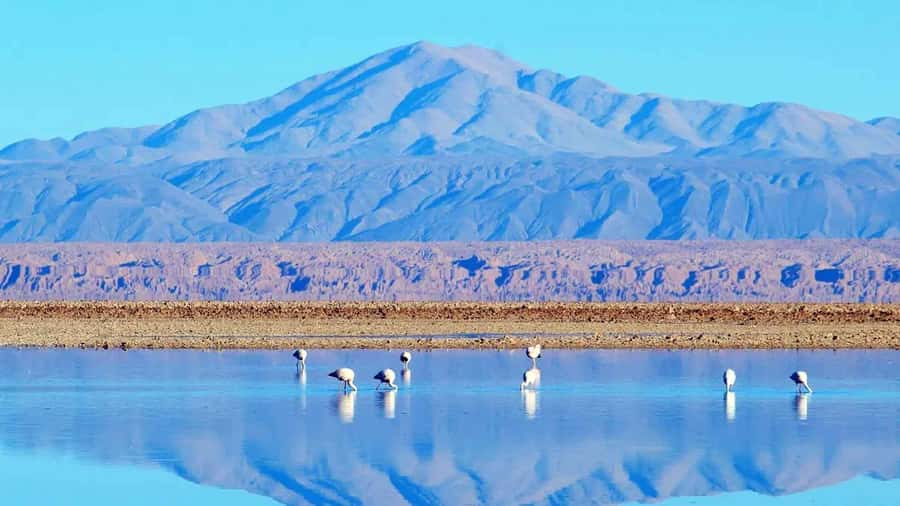
- Chaxa Lagoon flamingo time: a dedicated stop where the birds are the point, not a quick drive-by
- Caracoles Red Stones walking section: about 1 hour 30 minutes on volcanic ground with a guide to keep it meaningful
- Meñiques and Miscanti lagoons with volcano backdrops: classic altiplano scenery that stays scenic even on a busy day
- Toconao and Socaire village wandering: culture and everyday life between the bigger nature stops
- Crossing the Tropic of Capricorn: a fun geography marker that breaks up the day nicely
- Meals planned into the route: breakfast and lunch stop timing that helps you keep going without scrambling
Why the Caracoles and Chaxa combo works so well
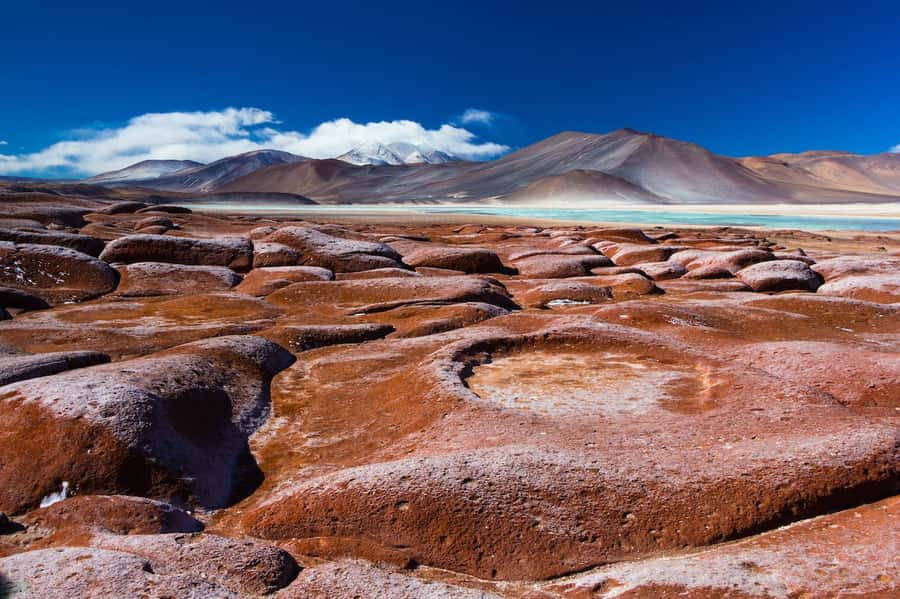
This isn’t a one-note tour. Yes, you’ll get the star attractions—flamingos and those dramatic red volcanic formations—but the value is in how the day is stitched together.
You start in the salt and sky world of the altiplano, then move into lagoon country, then into a walking section that turns your eyes from distance to ground-level detail. That matters because Atacama can feel endless from the road. Here, the guide keeps you oriented: what you’re seeing, why it’s there, and how the region’s story connects—from salt flats to water and volcanic rock.
Also, the guiding style seems to be a major part of the experience. On routes run with guides such as Valentin or Brandon (names seen in past groups), people consistently highlight attentive, friendly explanations and a steady pace that keeps the day from feeling rushed.
The long 10-hour format is the main drawback: you’ll be in a vehicle for a big portion of the day, and the terrain is not “easy stroll” level.
You can also read our reviews of more tours and experiences in San Pedro De Atacama.
Atacama Saltflat and Chaxa Lagoon: flamingos plus salt-flat drama
Your morning kicks off with Atacama Saltflat time, setting the tone with that otherworldly sense of space. Even if you’ve seen photos, being there is different. The salt flats don’t just look white and flat—they show texture, light, and scale in a way you can’t fake on a screen.
Then you move to Chaxa Lagoon, where you’ll explore at a more wildlife-focused pace. This stop is built for the big moment: flamingos. The lagoon setting makes the bird-watching easier because you’re not scanning everywhere while your group keeps moving. It’s also a good time to slow down and watch behavior instead of just aiming a camera.
Practical tip: bring water and dress for sun and wind. Salt-flat glare can be intense, and lagoon areas can still feel breezy even in daytime.
The Caracoles Red Stones trek: volcanic rock under your feet
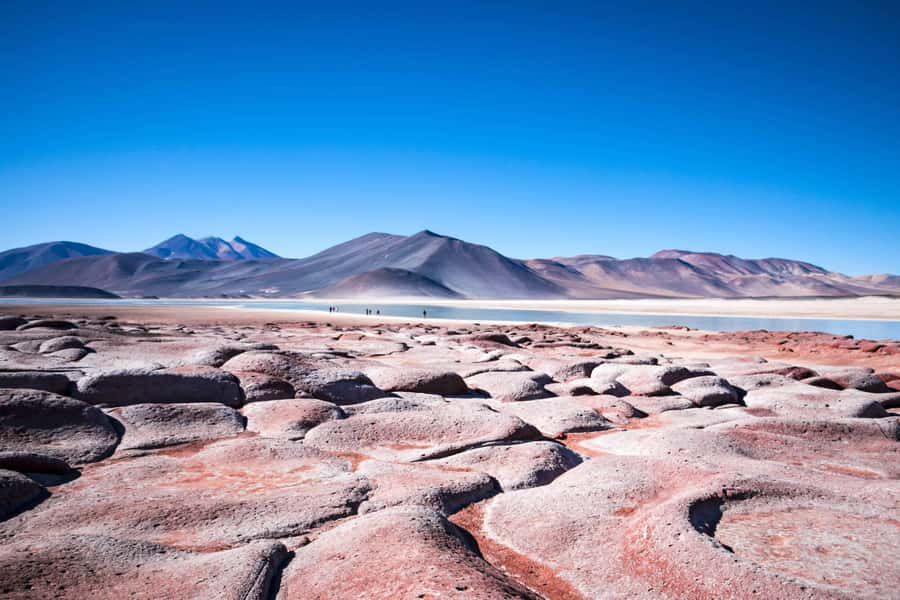
The middle of the day is where this tour earns its name: Caracoles, the Red Stones area made of volcanic material. You’ll walk for about 1 hour 30 minutes through this unusual terrain. That’s a sweet spot—long enough to feel like an actual trek, not so long that it turns into a full-body grind.
What makes this part special is the contrast. You’re switching from “look out” sightseeing to “look down and around” exploration. The volcanic colors and textures become the story, and the guide’s context helps you understand what you’re seeing instead of just admiring a shape for a photo.
You should expect uneven ground and a bit of a workout, especially if you’re not used to trekking at altitude. Comfortable shoes matter here more than they do for a city walking tour. If you’re prone to slipping on rocky or sandy surfaces, take your time on the approach paths.
Aguas Calientes saltflat: a quiet payoff between bigger stops
After the Red Stones section, you reach the Aguas Calientes saltflat. This part of the route shifts the mood again—less “activity” and more calm. It’s the kind of stop where you can catch your breath, refuel mentally, and take in the wide views after walking through something visually busy.
Why this works for you: by the time you’re at Aguas Calientes, you’ve already traveled through salt, lagoon, and volcanic terrain. A calmer saltflat moment helps you reset before the lagoons and villages later in the day.
Even if you’re not the type to enjoy long scenic pauses, this stop tends to be useful for photos and just catching your bearings before the rest of the route.
Meñiques and Miscanti lagoons: where the volcano scenery keeps paying off
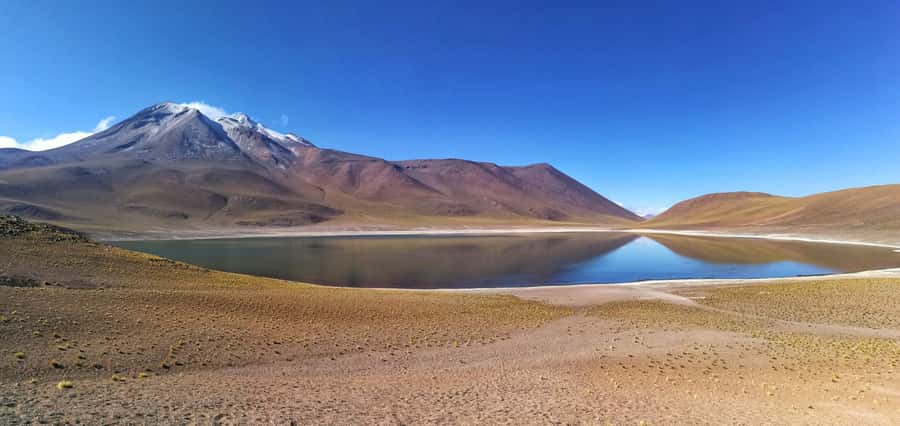
Later, you visit Meñiques and Miscanti, two altiplanic lagoons framed by towering volcano scenery. These lagoon stops are classic Atacama: water in a high, dry world. It’s dramatic, but it’s also visually consistent—once you’ve been at Chaxa, you’ll spot the differences in water setting and surrounding geology.
This is also a good part of the day for wildlife scanning, because the terrain tends to give you sightlines—especially for birds and larger animals moving in the distance.
A helpful mindset for you here: don’t only hunt for the perfect photo. Watch for movement and pauses. Many wildlife moments happen when you stop being in a camera rush.
Toconao, Socaire, and the Tropic of Capricorn: culture and geography breaks
Nature does most of the talking on this trip, but the route includes human-scale stops that make the day feel more complete.
You’ll have time to explore Toconao and Socaire, villages that give you a break from wide-open geology. Even a short wander can be refreshing in a day like this, because it changes your pace and your sensory input—shade, buildings, and everyday life.
Then there’s the Tropic of Capricorn crossing—a quirky, satisfying geography marker that helps you mentally anchor where you are on Earth. It turns the trip from scenery-only into a bigger story of location and climate zones.
If you like travel days that include at least one place with local character, these village stops are one of the reasons this tour feels better than pure sightseeing drives.
Wildlife viewing: vicuñas, suris, foxes, and how to increase your odds
One of the best parts is the chance to observe wild animals such as vicuñas, suris, and foxes. Animal sightings are never guaranteed, but the itinerary is built to maximize opportunities: lagoons for birds, open altiplano for larger animals, and viewpoints that give you a chance to spot movement.
Here’s what helps you most:
- Move your attention beyond the obvious. If you only look for flamingos at Chaxa, you’ll miss other action in the surrounding area.
- Be patient. Wildlife shows up in pauses and stillness, not only when everyone is standing up.
- Stay respectful. This tour doesn’t allow feeding animals, which is a good rule—stick to watching.
If you’re lucky, you’ll see more than one kind of animal. Past groups highlight how much the day improved when vicuñas and other species appeared during the route.
Meals and timing: breakfast and lunch that actually support the day
You get breakfast and lunch included. That matters more than it sounds in the Atacama altiplano, where food access can be limited and timing is everything.
In past groups, the meal stops have been praised as good and well timed, and that matches what I’d want from a long day: you don’t want to spend hours hungry or hunting for snacks on the go. Having meals planned into the route also gives you short breaks from driving and walking.
What you can do to make the day smoother: treat meals as fuel, not a leisurely restaurant experience. Eat steadily, drink water, and keep your layers ready for temperature swings.
Price and logistics: what you’re paying for, plus the entry-ticket add-ons
The advertised price is $85 per person for a 10-hour day trip. That includes hotel pickup and drop-off in the city center, breakfast and lunch, and an English-speaking guide (guides also work in Spanish).
What’s not included is important to budget for: you pay entrance tickets to the guide, totaling 28,700 CLP per person. Specifically, that includes:
- Red Stones and altiplanic lagoon entry tickets: 15,000 CLP
- Chaxa Lagoon entry tickets: 13,700 CLP
Is it good value? For me, yes—if you want the full circuit. You’re getting transportation plus a guide for the whole day, meals, and multiple high-value nature stops. But you should go in knowing that the ticket add-on is real, and you’ll need cash on hand.
Also note the practical pickup details: wait in the hotel lobby about 10 minutes before your scheduled pickup. The guide will make phone contact before pickup, and they typically wait no longer than 5 minutes after the scheduled time.
What to bring (and what to avoid) for this 10-hour altiplano day
You’ll want to pack smart because weather and ground conditions can change quickly in this region.
Bring:
- Outdoor clothing
- Cash (for entrance tickets)
- Water
- Comfortable shoes
Avoid:
- Drones
- Feeding animals
Dress in layers. Even on a clear day, wind and sun can swing how warm you feel. Shoes that grip well will save you from micro-slip moments during the Red Stones walk.
And for your health planning: this tour is not suitable for wheelchair users and for people with altitude sickness or high blood pressure. It’s also not suitable for children under 4, babies under 1, and people over 95.
Should you book the Caracoles Red Stones and Chaxa day trip?
Book it if you want a guided day that hits multiple altiplano highlights in one go: salt flats, flamingos, a real volcanic walking section, and lagoons with volcano views, plus village time at Toconao and Socaire and a Tropic of Capricorn moment.
Pass or reconsider if:
- You’re sensitive to high altitude or have been told to avoid it
- You don’t want a long vehicle day and a walking segment of about 1 hour 30 minutes
- You’d struggle with ticket payments on the spot and cash logistics
If you’re comfortable with basic trekking and the altitude reality, this is the kind of trip that gives you photos, yes—but also gives you context. And on days when wildlife cooperates (and it often does for this route), it turns into one of those Atacama days you’ll talk about long after you leave.
FAQ
What’s the duration of the Caracoles and Chaxa guided day trip?
The trip runs for 10 hours.
What’s included in the price?
Inclusions are hotel pickup and drop-off in the city center, breakfast and lunch, and an English-speaking guide.
Are entrance tickets included?
No. You must pay entrance tickets to the guide. The total is 28.700 CLP per person.
What entrance fees are required?
You’ll pay 15,000 CLP for Red Stones and altiplanic lagoon entry tickets, and 13,700 CLP for Chaxa Lagoon entry tickets.
Do I need to bring cash?
Yes. Bring cash because entrance tickets must be paid to the guide.
What languages are the guides?
Guides provide service in Spanish and English.
What should I bring for the day?
Bring outdoor clothing, cash, water, and comfortable shoes.
Is a drone allowed, or can I feed animals?
No drones are allowed, and feeding animals is not allowed.