REVIEW · SALTA
From Salta: Day Trip to Cachi and the Calchaquí Valleys
Book on GetYourGuide →Operated by NORDIC TRAVEL EVT · Bookable on GetYourGuide
Cachi feels like the reward after a wild mountain drive. This full-day bus ride through the Calchaquí Valleys and down into Cachi gives you huge viewpoints plus real time in a classic adobe-and-white colonial town. I like that the day is paced with both scenery stops and walk time, and I like the way the bilingual guides (I’ve heard names like Gabriela and Jasmine come up often) turn the route into a story. The main trade-off is simple: it’s a long day, and bad weather or road conditions can mean fewer stops than you hoped.
You’ll start early (pickup usually between 6:30 and 7:15 AM), ride with a bilingual Spanish/English guide, and get dropped back in Salta after about 12 hours. The price is low for what you get—transport, guide, and organized stops—but food and drinks are not included, so plan snacks and water like a smart person.
If you want one day that mixes big views with a small-town reset, this is a strong pick. If you hate early starts and long drives, you may prefer a slower overnight-style itinerary.
In This Review
- Key takeaways before you go
- Why the Salta to Cachi route makes sense in one day
- Pickup timing in central Salta (and how to avoid morning stress)
- Morning drive: Lerma Valley and the Quebrada de los Laureles
- Cuesta del Obispo: the iconic windy road and the panoramic reward
- Los Cardones National Park walk: cardones up close
- Piedra del Molino and the Straight of Tin-Tin: the high-altitude stretch
- Payogasta to Cachi: arriving in a mountain town that feels intact
- Cachi center on foot: Museo Arqueológico de Cachi Pío Pablo Díaz
- Iglesia San José: Spanish colonial architecture in the middle of town
- How much time you really get in Cachi (and how to use it)
- Food, water, and what to pack for 12 hours
- Weather and road realities on the Calchaquí route
- Value check: is $31 a good deal for this day trip?
- Who this tour is perfect for
- Final take: should you book this Salta to Cachi day trip?
- FAQ
- How long is the day trip from Salta to Cachi?
- What’s the pickup time in Salta?
- Is food included in the tour price?
- Is the guide bilingual?
- Do I need identification?
- Does the tour include Los Cardones National Park and Cuesta del Obispo?
- What if the bus can’t reach my hotel?
Key takeaways before you go
- Cuesta del Obispo viewpoint time: You get the drama of the windy ascent and wide valley views.
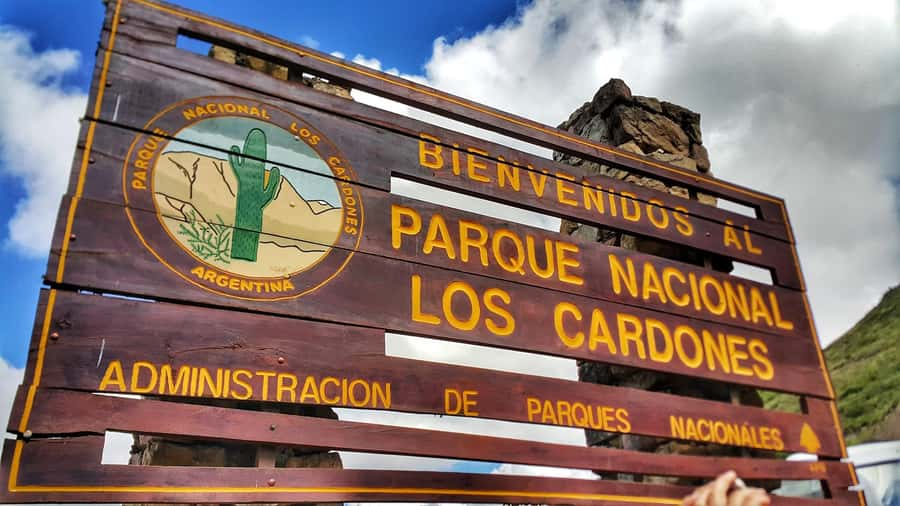
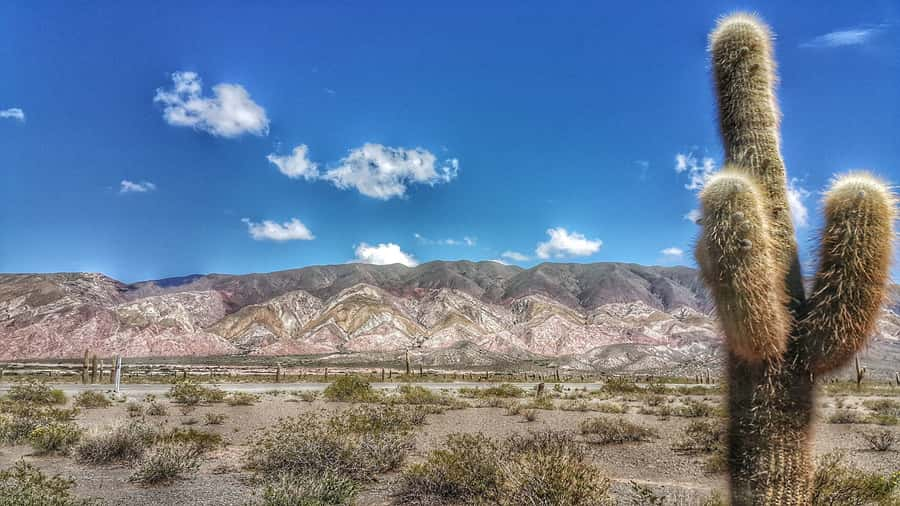
- Los Cardones National Park walk: A chance to stretch your legs among the cardones.
- High-altitude passes: You pass the Straight of Tin-Tin and reach the area around Piedra del Molino at 3,384 m.
- Cachi’s classic center: Adobe houses and white colonial buildings, plus an easy walking stroll.
- Museum + church stops: The Museo Arqueológico de Cachi Pío Pablo Díaz and the Iglesia San José.
- Bilingual guiding that actually helps: English and Spanish interpretation throughout, with guides known to be friendly and funny.
Why the Salta to Cachi route makes sense in one day
This trip works because it strings together the two best parts of the Calchaquí Valleys: the road you drive for the views, and the town you arrive in to decompress. Most people come to Salta for the mountains, but if you only ride and never really stop, the day can feel like a scenic bus window. Here, you do both: you get the big “wow” moments on the Cuesta del Obispo and along the valley drive, and then you land in Cachi with time to walk around and see actual historic buildings.
Cachi is a good choice for a day trip because it feels self-contained. You don’t need a car to enjoy it. You can just wander, look at architecture, and go into two key cultural stops: the museum and the Spanish colonial church.
You can also read our reviews of more tours and experiences in Salta.

Pickup timing in central Salta (and how to avoid morning stress)
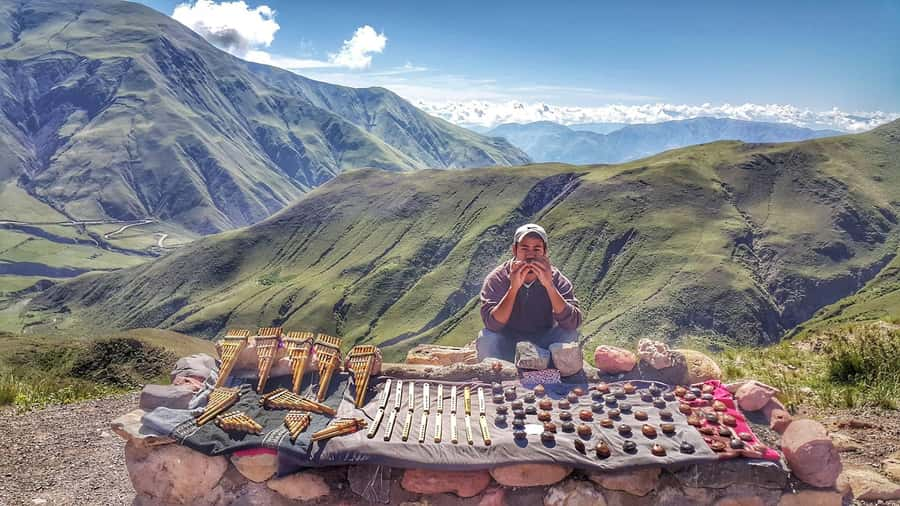
The day starts early. Pickup is typically between 6:30 and 7:15 AM, depending on where you’re staying, and you should be ready about 15 minutes before the scheduled start. Hotel pickup is available if your accommodation is centrally located—up to 8 blocks from the 9 de Julio central square. If the bus can’t reach your hotel, you’ll be contacted to agree on a different pickup spot.
This matters more than people think. The route begins before sunrise light fully settles, so showing up late can put you on the edge of missing the group. Keep your passport or ID handy, too, since it’s listed as required.
Morning drive: Lerma Valley and the Quebrada de los Laureles
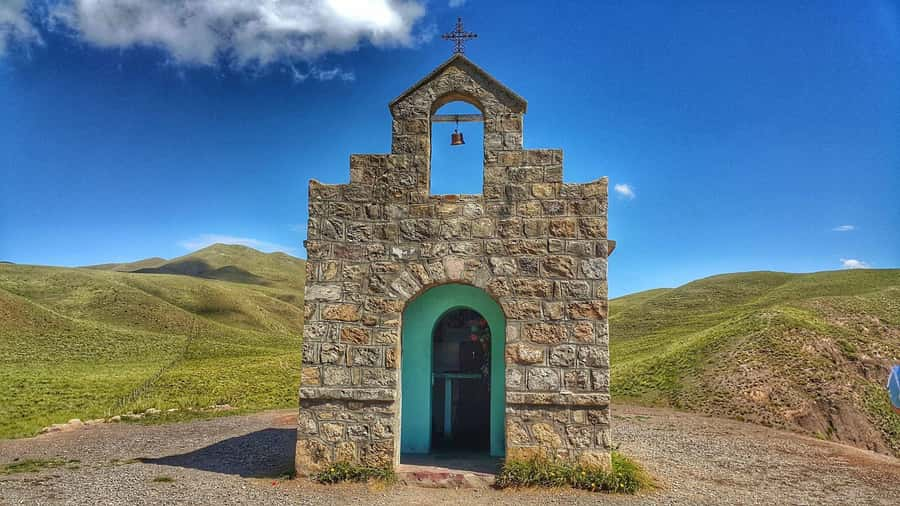
Once you leave central Salta, you head through the Lerma Valley. Think of this as the “settling in” part of the day: you’re warming up to the altitude and getting oriented before the route turns more dramatic.
Then comes the Quebrada de los Laureles, where you can admire the scenery linked to the Yungas forest. The practical value here is that the guide can explain what you’re looking at while the bus makes the transitions quickly. Even if you’re not the type to memorize plant names, it helps to understand that the valley isn’t just scenery—it’s a changing zone with different environments.
Cuesta del Obispo: the iconic windy road and the panoramic reward
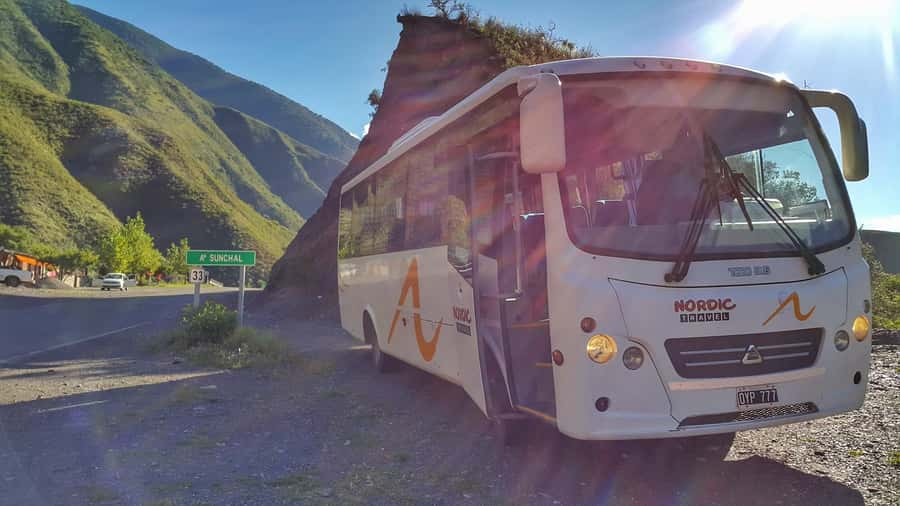
After the valley sections, the day hits Cuesta del Obispo. This is where the drive starts feeling cinematic: you climb a windy road and the view opens over the Encantado Valley.
I love stops like this because they correct a common day-trip problem: being stuck inside the bus the whole time. Here, you’re given a moment to look out from a higher vantage point—enough time to get photos and take a breath. The guide’s commentary also tends to make the road feel more meaningful than just a photo stop.
Los Cardones National Park walk: cardones up close
One of the highlights is a walk in Los Cardones National Park. This is the part of the day where you trade window sightseeing for steps on the ground. Cardones are distinctive, and getting up close does a better job than any photo.
What to do practically:
- Wear footwear you trust on uneven surfaces.
- Keep your water situation sorted since no meals are included.
- Bring a layer if the morning turns cool—altitude can change how you feel fast.
Even if you don’t plan to walk long, this stop is worth it because it turns the day from sightseeing into actually being in the environment.
Piedra del Molino and the Straight of Tin-Tin: the high-altitude stretch
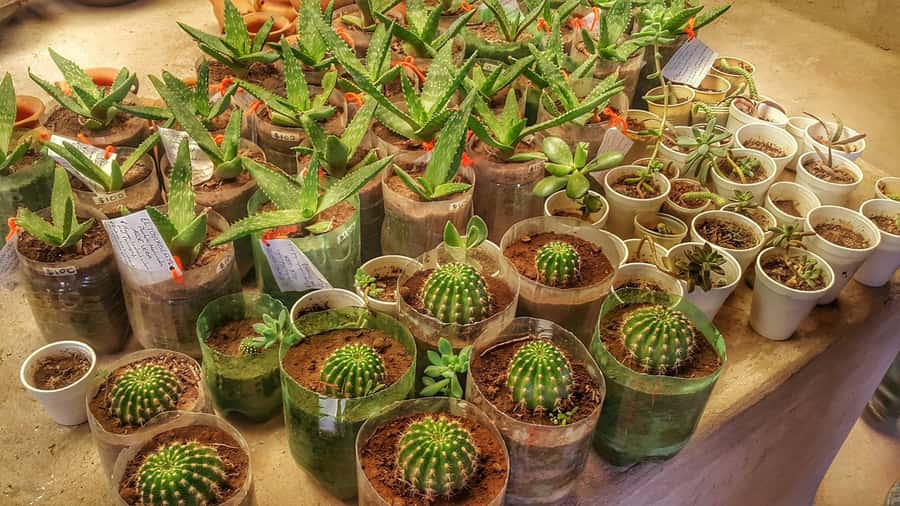
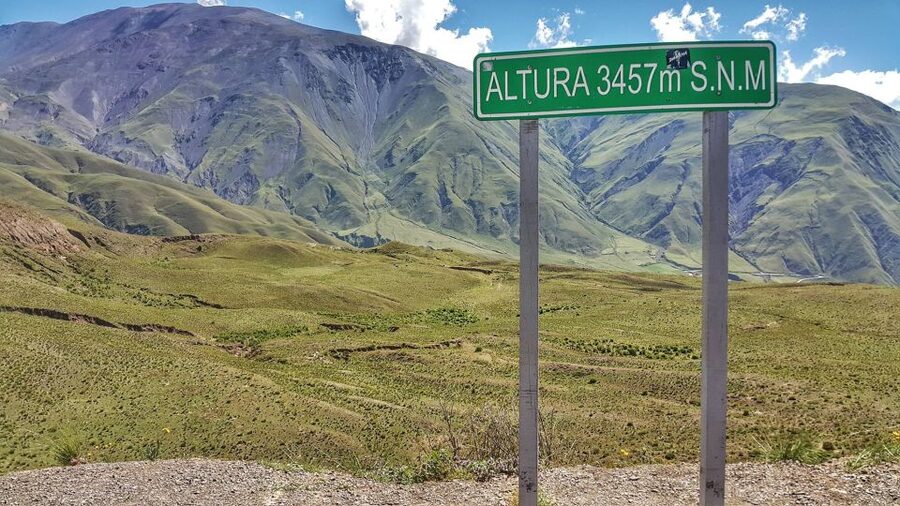
As the day continues, you head toward Piedra del Molino, which reaches about 3,384 m above sea level. That number matters because at high altitude, you may feel it in your breathing and pace. It’s not necessarily scary, but it’s a good reminder to take the “walk and pause” approach rather than rushing like you’re on flat city sidewalks.
Then you pass through the Straight of Tin-Tin. This is one of those stretches where the road design and terrain tend to make you look harder. You’re moving quickly, but the guide can point out why the route looks the way it does and how that affects views.
If you’re prone to feeling altitude quickly, go easy on caffeine and keep your hydration steady. Also, don’t treat every stop like a sprint.
Payogasta to Cachi: arriving in a mountain town that feels intact
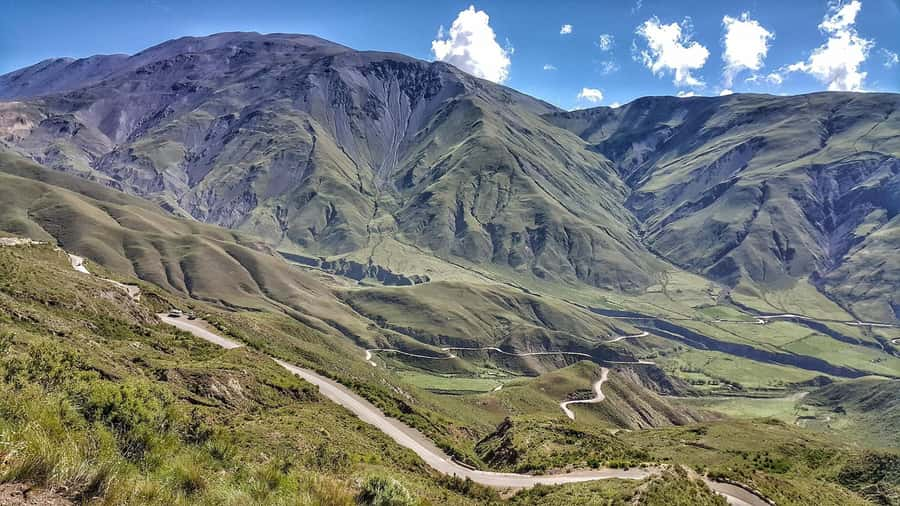
Before you reach Cachi, the route passes through Payogasta. This transition is useful. By the time you’re nearing Cachi, the scenery is still dramatic, but the experience shifts from “watch the mountains pass” into “prepare to walk through town.”
Then you arrive in Cachi, known for adobe houses and white colonial buildings sitting between mountains. It’s a relief after long roads to see buildings made for daily life, not just for scenery photos.
The best way I’ve found to enjoy towns like this is to slow down for 15 minutes when you get there. Don’t rush to the museum immediately. Grab your bearings first: where is the church, where does the street feel most open for a stroll, and where can you duck into shade if needed.
Cachi center on foot: Museo Arqueológico de Cachi Pío Pablo Díaz
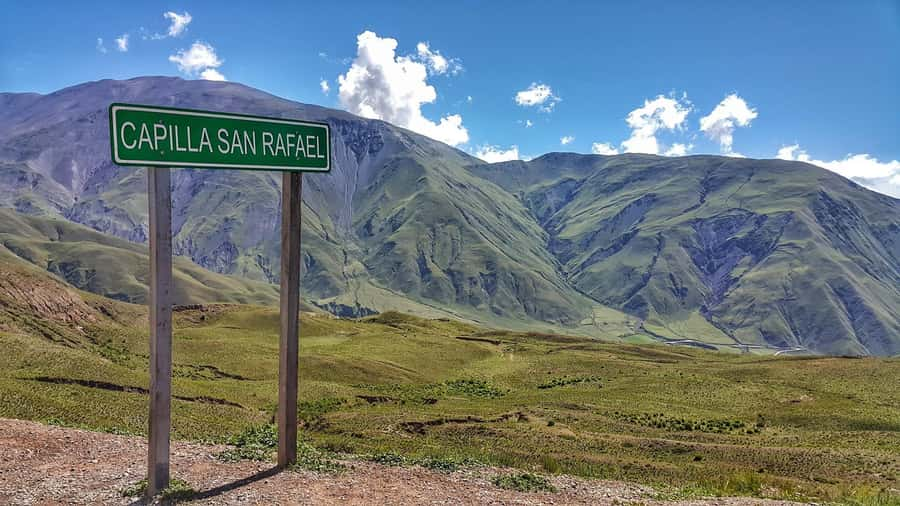
Your time in Cachi includes a visit to the Museo Arqueológico de Cachi Pío Pablo Díaz. The museum focuses on locally excavated artifacts, including items that date back to around 10,000 years.
This is a strong stop for two reasons:
- It connects the area’s human story to what you see outside.
- It gives your day-trip brain a break from the constant “look out the window” mode.
Even if you’re not a museum person, the local angle helps. You aren’t viewing generic displays; you’re seeing material tied to this specific region.
Iglesia San José: Spanish colonial architecture in the middle of town
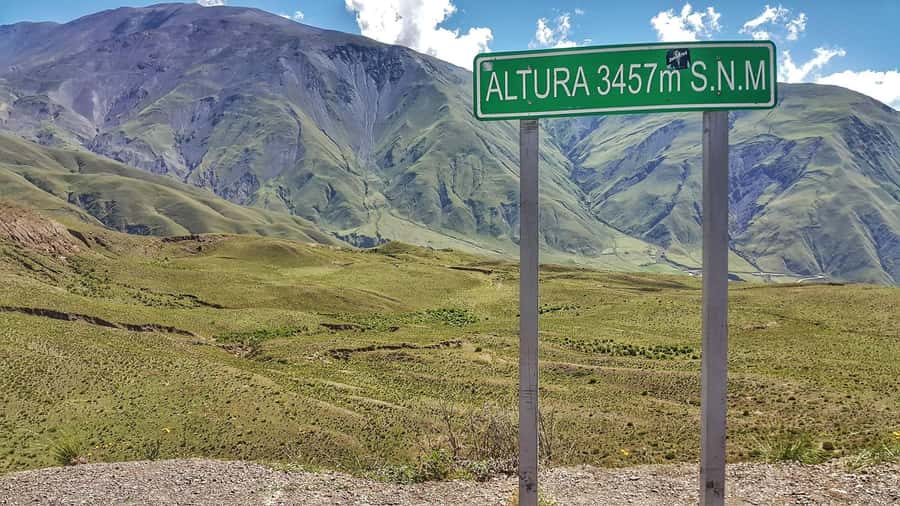
Right around the corner you can visit Iglesia San José, a Spanish colonial church. This is the kind of stop that works well for a day trip because it’s visually clear even if your Spanish is basic. You can take in architecture, step inside if it’s open, and then keep moving.
I like pairing a museum with a church on the same day because one talks about the deep timeline, and the other shows the more recent layers of settlement and culture. Together, they make Cachi feel like more than a photo stop.
How much time you really get in Cachi (and how to use it)
You’ll have enough time for a relaxing stroll through Cachi’s streets, admiring views and architecture. The exact minutes aren’t spelled out here, so plan like this: treat Cachi time as a chance to do two must-dos (museum and church) plus one low-pressure walk loop.
Practical ideas:
- Look for the best street angles for wide mountain views.
- Pace yourself—there’s no need to sprint through everything.
- If you’re hungry, remember food isn’t included on this day trip, so decide early whether you’ll buy snacks before your museum time or after.
Food, water, and what to pack for 12 hours
Food and drinks are not included, so come ready to self-manage. I recommend packing:
- Water (more than you think you’ll need)
- A couple of snacks you genuinely like
- A light layer (altitude and sun can swing your comfort level)
Also bring your passport or ID card, and make sure your booking has a contact detail the supplier can reach. When a pickup or route detail changes, communication happens fast.
Weather and road realities on the Calchaquí route
The route can be weather-sensitive. In colder or rainy conditions, the schedule can shift, and you might not get every intended viewpoint or stop the same way as a sunny day. I’ve seen people disappointed when they didn’t get to pause at certain planned points both on the way up and on the return.
So I’d plan with flexibility in mind. If you go chasing perfection, you can end up frustrated. If you focus on the main priorities—Cuesta del Obispo, Los Cardones walk, and Cachi town time—you’ll likely come away happy even if the road forces small changes.
Value check: is $31 a good deal for this day trip?
At about $31 per person for a 12-hour guided excursion, the value is strong—especially because the essentials are included. You get transportation in a bus or minivan (depending on group size), bilingual guide service (English and Spanish), and pickup/drop-off if you selected it.
The big “cost” isn’t the ticket. The real extra cost is what you bring for lunch and snacks. Once you account for that, you’re still paying far less than you would for multiple private transfers and separate guide services.
Also, the rating average sits around 4.2/5, with dozens of ratings—enough to suggest this is generally well-run. Just remember: road conditions and early pickup timing can affect the day, like on any mountain route.
Who this tour is perfect for
This trip is ideal if you:
- Want a guided first taste of the Calchaquí Valleys without renting a car
- Enjoy big road views but still want real stops on foot
- Like having clear interpretation in English and Spanish
- Are okay with a full day that starts early and moves steadily
It may be less ideal if you:
- Hate early mornings and long bus time
- Want lots of free, unscheduled time in each location
- Are extremely sensitive to altitude or tough weather
Final take: should you book this Salta to Cachi day trip?
I’d book it if your priority is a one-day combo of mountain driving + cardone walk + Cachi’s museum and church. You’re getting the key emotional arc of the region: climb for views, step out for nature, then slow down in a town that feels like the Andes grew its own culture.
If you’re flexible about weather and accept that road conditions can change photo-stop plans, this is a good-value way to experience more of Salta Province than you could on your own in a day.
FAQ
How long is the day trip from Salta to Cachi?
The tour duration is 12 hours.
What’s the pickup time in Salta?
Hotel pickup is usually between 6:30 and 7:15 AM. You should be ready 15 minutes before the activity starts.
Is food included in the tour price?
No. Food and drinks are not included.
Is the guide bilingual?
Yes. The guide provides interpretation in English and Spanish.
Do I need identification?
Yes. You should bring a passport or ID card.
Does the tour include Los Cardones National Park and Cuesta del Obispo?
Yes. It includes time around Cuesta del Obispo and a walk in Los Cardones National Park, plus scenic valley drives and stops on the way.
What if the bus can’t reach my hotel?
If the bus can’t access your hotel, you’ll be contacted to arrange a different pickup spot. Pickup is available up to 8 blocks from the 9 de Julio central square in centrally located accommodations.