REVIEW · CYPRUS
From Paphos: Chrysoroyiatissa, Kykkos and Omodos Day Trip
Book on GetYourGuide →Operated by Qualiday · Bookable on GetYourGuide
Troodos roads make a strong first impression. This day trip strings together Paphos Forest calm and wild mountain views, two major monasteries, and the wine village of Omodos. I also like how the timing is paced by a real guide-led flow, not random wandering, though the curvy roads can be rough if you’re prone to motion sickness.
I’m drawn to the spiritual stops for their art and atmosphere, especially Kykkos Monastery with its famous icon tradition and museum. You’ll get the monastery interiors plus village time for browsing and local bites. One thing to keep in mind: the optional lunch stop is a buffet-style restaurant moment, and it can feel more fixed-in-place than flexible if you don’t eat much or you’re picky about what’s available.
In This Review
- Key Stops That Make This Tour Worth Your Time
- Troodos Mountains From Paphos: The Drive Sets the Tone
- Panayia Chrysorrogiatissa: A Quiet, High-Altitude Pause
- The Part Many People Rave About: Kykkos Monastery and Museum
- A Winding-Mountain Stop With an Extra Side of Cyprus Story
- Pedoulas Village: Optional Lunch, Local Food, and Wine Notes
- Omodos Wine Village: Cobblestones, Crafts, and a Holy Cross Story
- Lunch vs. Village Time: How to Get the Most From Your Day
- Logistics That Matter: Comfort, Timing, and What to Pack
- Who This Tour Is Best For (And Who Might Want a Different Plan)
- Should You Book This From Paphos?
- FAQ
- How long is the day trip?
- What does the price include?
- Is lunch included?
- What should I wear for the monastery visits?
- Is this tour suitable for wheelchair users or reduced mobility?
- Do I need cash?
Key Stops That Make This Tour Worth Your Time
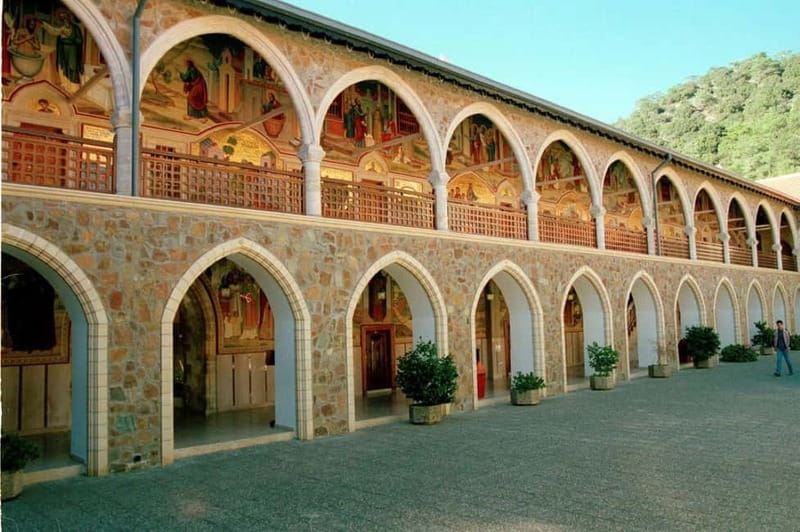
- Panayia Chrysorrogiatissa’s 12th-century setting with Byzantine icons and frescoes above the valley
- Kykkos Monastery’s museum and St. Luke icon tradition that turns the visit into more than just a church stop
- Pedoulas village lunch where you can try classic mountain food and (if you opt in) sample regional wine
- Omodos wine-town walking time through cobbled streets with craft shops and bakery breaks
- Timios Stavros Monastery in Omodos, tied to the Holy Cross relic tradition
- A guided day rhythm that lets you see multiple highlights without worrying about transport and route planning
Troodos Mountains From Paphos: The Drive Sets the Tone
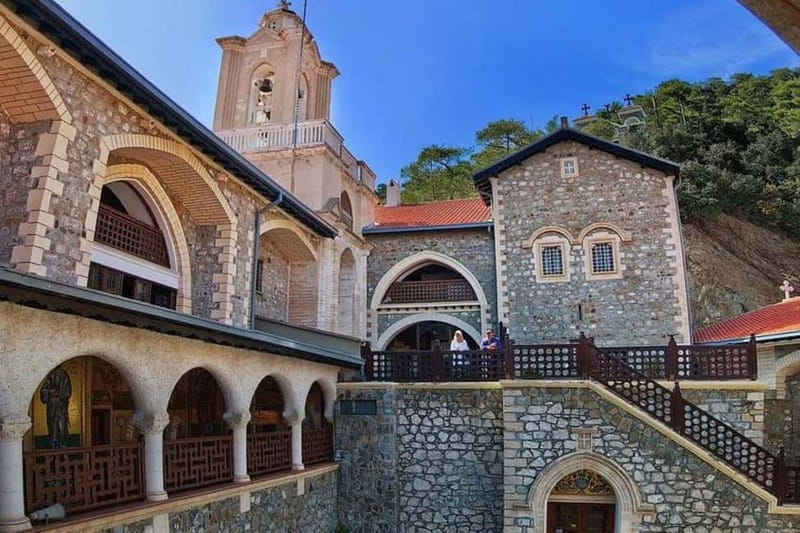
This is an 8-hour day that starts with hotel pickup in Paphos and runs on an air-conditioned coach or minibus. You’ll be bundled up for a mountain day: winding roads, frequent scenic lookouts, and stops where the guide brings the history to life while you’re actually in the places.
What I like most about the setup is that you don’t spend your energy figuring out logistics. With an English-speaking licensed guide and included entry to the monasteries and museum stops, you can focus on the experience—church art, monastery courtyards, and village streets.
The main consideration is simple: those roads are twisty. If you’re the person who gets queasy in the back seat, plan for that. The tour is great, but the drive is part of the deal—some folks even mentioned better experiences when they weren’t stuck in the hottest part of the bus.
Panayia Chrysorrogiatissa: A Quiet, High-Altitude Pause
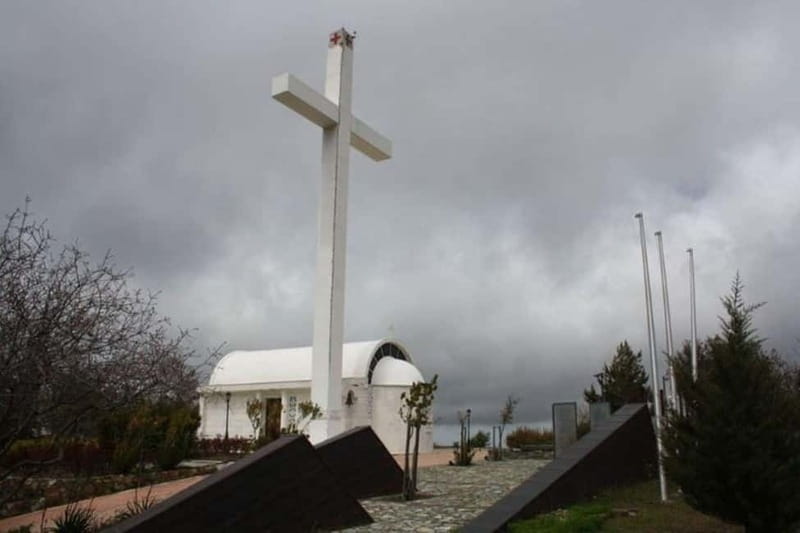
Your first big spiritual stop is the Panayia Chrysorrogiatissa Monastery, often described as calm and tucked into the hills. It’s dedicated to the Virgin Mary and is linked to the 12th century, which matters because you’re not just looking at something old—you’re stepping into a place that’s been a pilgrimage stop for generations.
Inside (and around the church), the standout is the Byzantine-style religious artwork: you’ll see Byzantine icons and frescoes, plus you get big valley views from the mountain setting. Even if you’re not a “church person,” the art style is worth paying attention to, and the views make the visit feel more like a breather than a checklist item.
A practical note: monasteries here require modest clothing (shoulders and knees covered). I’d treat this as a non-negotiable. Bring a light layer you can comfortably manage on a warm day, and wear shoes you don’t mind if they’re used on uneven or cobbled ground later.
The Part Many People Rave About: Kykkos Monastery and Museum
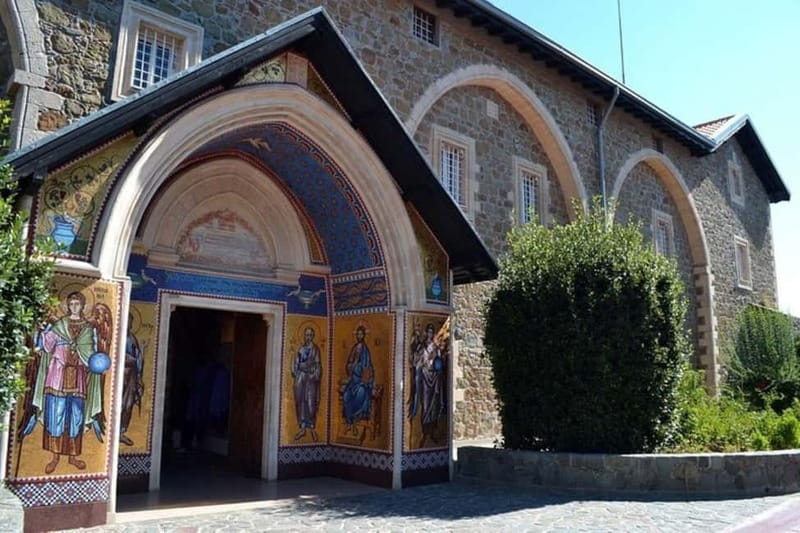
Kykkos Monastery is the headline stop on this route, and it’s easy to see why. Cyprus is full of religious sites, but Kykkos is often regarded as the most important and wealthiest monastery on the island, and the art reflects that status.
Here’s what makes the visit more than just “pretty buildings”:
- The monastery is home to the icon of the Virgin Mary, believed to have been painted by St. Luke.
- You’ll see elaborate religious artwork, including golden mosaics and detailed frescoes.
- There’s a museum (inside Kykkos) that shifts the focus from worship to preservation—ancient manuscripts, artifacts, and religious treasures are part of what you can see.
I especially like how the museum changes your perspective. A guide can connect the icon tradition and the monastery’s role in Orthodox Christian history, so the place stops feeling like a single photo moment and starts feeling like an actual story you can follow.
One realistic drawback: the monastery is busy with guided groups, and the art is so packed that you may want more time just to slow down. If you’re the type who could spend an hour in a museum reading every label, you might find the stop a touch short. Still, it’s one of those places that feels substantial even within a day-trip window.
A Winding-Mountain Stop With an Extra Side of Cyprus Story
Between major monasteries, you’ll have a guided sightseeing segment that includes a stop connected with Makarios—people call out the tomb of Makarios area as stunning. It’s the kind of moment that adds modern Cyprus context to all the older religious architecture you’re seeing.
This is also where the guide’s narration matters. You’re not just passing through mountains—you’re being given a thread to hold onto. It’s the difference between seeing buildings and understanding why Cyprus protects certain sites and keeps certain memories close.
Roads remain part of the experience here. Even when the stops are interesting, you’ll still be doing the uphill/downhill rhythm. If you’re sensitive, it helps to bring water, keep your seat position in mind, and don’t plan any big snacks that don’t sit well in motion.
Pedoulas Village: Optional Lunch, Local Food, and Wine Notes
After Kykkos, the tour heads to Pedoulas, a traditional mountain village. This is where the day shifts from monastery art to everyday Cypriot life—mountain streets, village atmosphere, and food you’d actually want to eat again.
Lunch is optional and described as a Cypriot buffet-style experience at a restaurant stop in Pedoulas (not included in the base price). The menu highlights you’re likely to see include souvla (slow-roasted meat), halloumi, village bread, and seasonal salads. For dessert or sweets, there are usually options like local bread-based treats and pastries depending on what’s on offer that day.
A helpful detail: some guides also build in a wine element, described as a wine tasting of regional varieties connected to Cyprus winemaking tradition. If wine tasting is on your “yes” list, this is a nice moment because it’s tied to place, not just a generic tasting experience.
The main drawback is food-fit. Buffet lunch times can be tight, and at least a couple of people flagged limited vegetarian options. If you don’t eat meat, or you’re not a buffet fan, you may want to eat light before this stop—or plan to skip lunch and use the village time differently (if the schedule allows).
Omodos Wine Village: Cobblestones, Crafts, and a Holy Cross Story
Omodos is one of Cyprus’ best-known wine-producing villages, and it’s the perfect contrast to the monastery stops. You’ll get guided time plus walking time through the village, including cobbled streets and stone-built houses that make photos easy and wandering feel natural.
The village experience isn’t just scenic. You’ll likely pass craft shops selling items like lace and pottery, and there are local delicacies to sample or bring home. People also mention bakery browsing and tasting traditional Cypriot bread and sweets—this is one of the most enjoyable “slow down” parts of the day.
A big anchor stop is the Timios Stavros Monastery, tied to the tradition that it houses a relic of the Holy Cross. The interior is described as ornate, and it’s another moment where a guide can explain why this relic tradition matters and how it connects to Orthodox Christian devotion.
Is there everything to see in Omodos? Some visitors find it relaxed and chilled, which is a win if you like a calm village pace. But if you expect a packed “every corner is a museum” place, you might find the free time a bit short or feel like there are fewer attractions than the photos suggest. Still, it’s a good choice if your ideal day includes strolling, snacking, and browsing.
Lunch vs. Village Time: How to Get the Most From Your Day
This tour balances four different styles of time: monastery viewing, guided commentary, a mountain village lunch stop, and a wine village walking window. The only part that can feel slightly rigid is the lunch structure in Pedoulas.
If you want the best day, I’d decide in advance:
- If you love trying local food and don’t mind a buffet, the Pedoulas stop is worth it. Expect classic mountain dishes and likely a wine tasting add-on.
- If you prefer choosing your own meal, or you’re concerned about vegetarian options, treat lunch as optional and plan on spending more of your money in Omodos on bread, sweets, and snacks instead.
Either way, wear comfortable shoes. Omodos cobbles and village steps are the kind of thing you notice when you’ve rushed the shoe choice.
Logistics That Matter: Comfort, Timing, and What to Pack
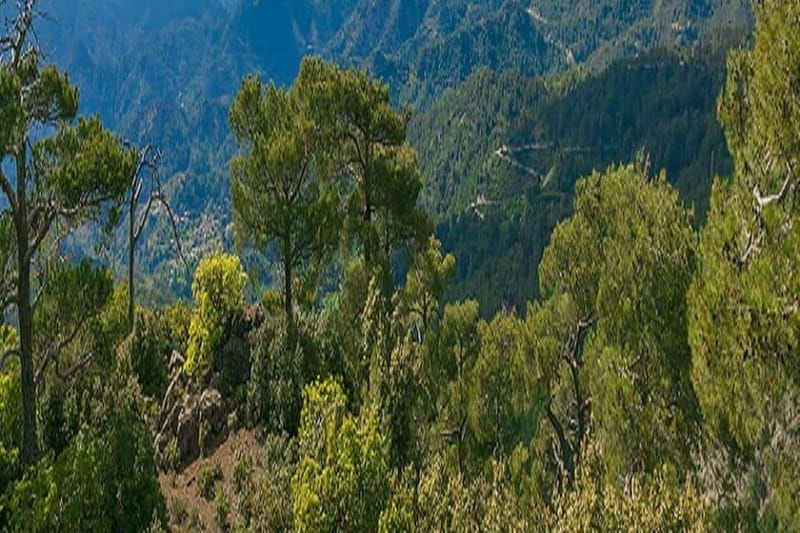
This is a full day in the mountains, even if the duration is only 8 hours on paper. Real-life timing adds up: you’ll be walking some, standing for church interiors, and swapping vehicles between stops.
Comfort tips that make a real difference:
- Bring water and sun protection, especially if you start in Paphos warm weather and climb into bright mountain daylight.
- Wear modest clothing so you don’t get stuck at the door.
- Bring cash, since smaller vendors and cafés may not take cards.
- If you run cold easily, consider a light layer. Some people noted it can feel quite chilly up in the mountains, and monasteries may not be heated.
Transport is generally described as comfortable and air-conditioned, but there are occasional complaints about uneven cooling—especially for passengers seated at the back. If you’re booking close to full capacity, you might feel happier aiming for a seat where the AC works best.
Who This Tour Is Best For (And Who Might Want a Different Plan)
This day trip is a strong match if you want a guided route that hits major Orthodox Christian sites, plus a genuine village experience. It’s especially good for people who don’t want to rent a car and still want to see more of Cyprus than the coast offers.
It’s also a good fit if you like learning from stories tied to specific places—icon traditions like the St. Luke connection at Kykkos, and the Holy Cross relic tradition connected to Timios Stavros.
A few groups should think twice:
- People with mobility impairments or wheelchair users, since it’s not suitable for that.
- Anyone with altitude sickness concerns, since you’ll be in higher mountain areas.
- If you’re extremely prone to motion sickness, the twisty roads may be a deal-breaker—though you can still consider it if you’re okay with that risk.
Should You Book This From Paphos?
If you’re spending a short time in Paphos and want a day that feels like true Cyprus—not just another beach outing—this tour is a good value at $64 per person. You’re paying for guided commentary, transportation, included entry to monasteries and the museum, and a structured mix of mountain spirituality and village life.
I’d book it if:
- You want Kykkos and its museum experience without the hassle of arranging it yourself.
- You enjoy villages where the charm comes from walking, crafts, and bakery stops.
- You’re okay with an optional lunch that’s buffet-style and not customized to every dietary preference.
I’d hesitate if:
- You’re vegetarian and very focused on having a guaranteed, satisfying lunch option at Pedoulas.
- You can’t handle winding mountain roads or you’re sensitive to ride comfort.
If that sounds like you, then this trip is still doable with planning. Just treat the day as a mountain itinerary with a food add-on, not a free-form village crawl.
FAQ
How long is the day trip?
It lasts about 8 hours.
What does the price include?
Pickup and drop-off from Paphos hotels, air-conditioned transportation, an English-speaking guide, and entry to the monasteries and museums listed.
Is lunch included?
No. Lunch in Pedoulas is optional and described as a Cypriot buffet-style meal (not included in the base price).
What should I wear for the monastery visits?
Wear modest clothing with shoulders and knees covered, plus comfortable shoes for walking.
Is this tour suitable for wheelchair users or reduced mobility?
No. It’s not suitable for people with mobility impairments or wheelchair users.
Do I need cash?
It’s recommended to carry some cash for small vendors and cafés that may not accept credit cards.