REVIEW · JAIPUR
From Jaipur: Ranthambore National Park Day Trip with Safari
Book on GetYourGuide →Operated by Parikshit Tour and travels · Bookable on GetYourGuide
Tiger country starts with a long, comfy ride. You’re picked up from your Jaipur hotel (or airport) in an air-conditioned vehicle, then driven through the Aravalli Hills and rural Rajasthan before an afternoon safari in Ranthambore National Park with a naturalist guide. What I like most is the naturalist-led safari time itself, plus the straightforward door-to-door setup.
One big consideration: this is a tiger reserve, not a zoo. Tiger sightings are unpredictable, so you can’t count on seeing a Bengal tiger every single day.
In This Review
- Key Takeaways Before You Go
- Jaipur To Ranthambore: The Road Trip That Sets the Tone
- Arriving At Sawai Madhopur: What Happens Before the Safari
- Jeep Or Canter Safari: How Vehicle Choice Changes Your Day
- Wildlife You Can Actually Expect: Tigers And The Backup Cast
- Bengal tigers (the headline, the gamble)
- Crocodiles, leopards, and sloth bears
- Birds, deer, and the “small” moments that make the day
- Naturalist Guidance: Why It’s More Than Spotting
- Timing, Stops, and the Reality of a 12-Hour Day
- Price And Value: Is $85 Worth It?
- Who This Day Trip Works Best For (And Who Should Skip)
- Should You Book This Ranthambore Day Trip From Jaipur?
- FAQ
- How long is the Ranthambore day trip from Jaipur?
- What kind of vehicle do I use on the safari?
- Is hotel pickup and drop-off included?
- What is included in the price?
- Do I need to carry my passport?
- Are meals included?
- Can I guarantee I’ll see a tiger?
- What if heavy rain prevents the safari?
Key Takeaways Before You Go
- Afternoon safari time in Ranthambore with a naturalist guide and real wildlife rules
- Hotel pickup and drop-off from Jaipur in a private AC vehicle
- Jeep vs canter options: jeeps fit up to 6; canters often carry 16–20
- Tiger sightings can’t be guaranteed, but you’ll still see plenty of species and behavior
- Pack for the long day: layers for morning/cool weather and a camera-ready kit
Jaipur To Ranthambore: The Road Trip That Sets the Tone
Ranthambore is far enough from Jaipur that the drive becomes part of the experience. You’ll typically spend about 3 to 4 hours each way, riding through views of the Aravalli Hills, small villages, and changing countryside as you head toward Sawai Madhopur. It’s not just transportation. It’s your warm-up for tiger country.
Your driver meets you at your pickup point, and the trip is done in a private, air-conditioned vehicle with fuel, tolls, taxes, and transfers included. That matters because a day trip like this lives and dies by comfort. If you’re stiff, tired, or cold for the safari, your attention drops. The AC car helps you arrive with your brain switched on.
Practical note: the time in the car is real. Many people plan this like a mini road trip—charging phones, downloading offline maps, and being ready for early starts and long stretches with limited control over stops.
You can also read our reviews of more tours and experiences in Jaipur.

Arriving At Sawai Madhopur: What Happens Before the Safari
Once you reach Sawai Madhopur, you shift from highway mode into park mode. The safari portion is guided, and it’s planned around the park’s zones and wildlife activity windows. Your time inside Ranthambore is listed as about 3.25 hours for the guided safari experience, which is a good chunk for spotting animals and letting the naturalist explain what you’re seeing.
You’ll also be dealing with an important reality: the Ranthambore ecosystem is run by the Government Forest Department, and safari guides are appointed, trained, and registered by the Department. That’s why the experience feels different from a theme-park tour. You’re operating inside wildlife management rules, not a scripted attraction.
Also, remember this detail that keeps expectations sane: it’s a tiger reserve, meaning wildlife sightings follow animal behavior, not human calendars.
Jeep Or Canter Safari: How Vehicle Choice Changes Your Day
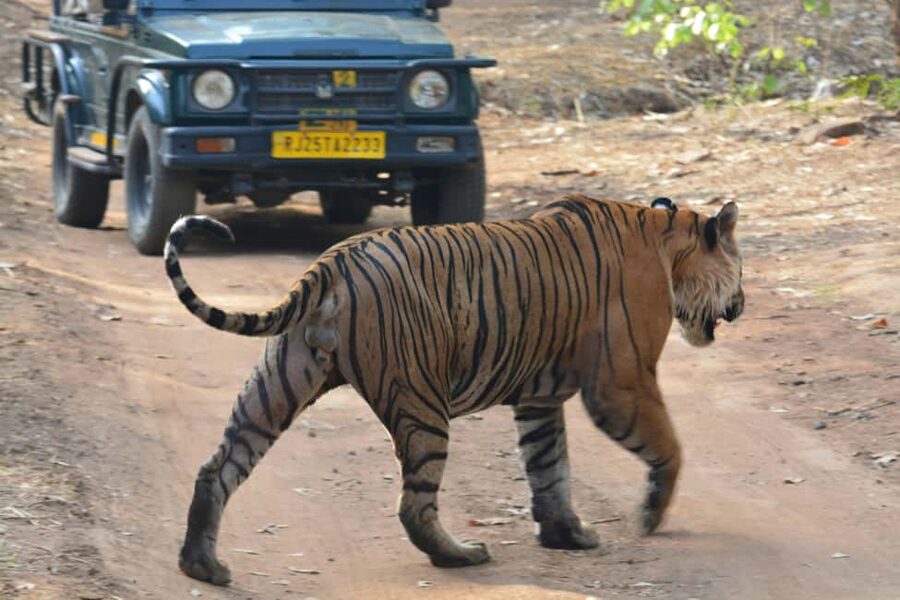
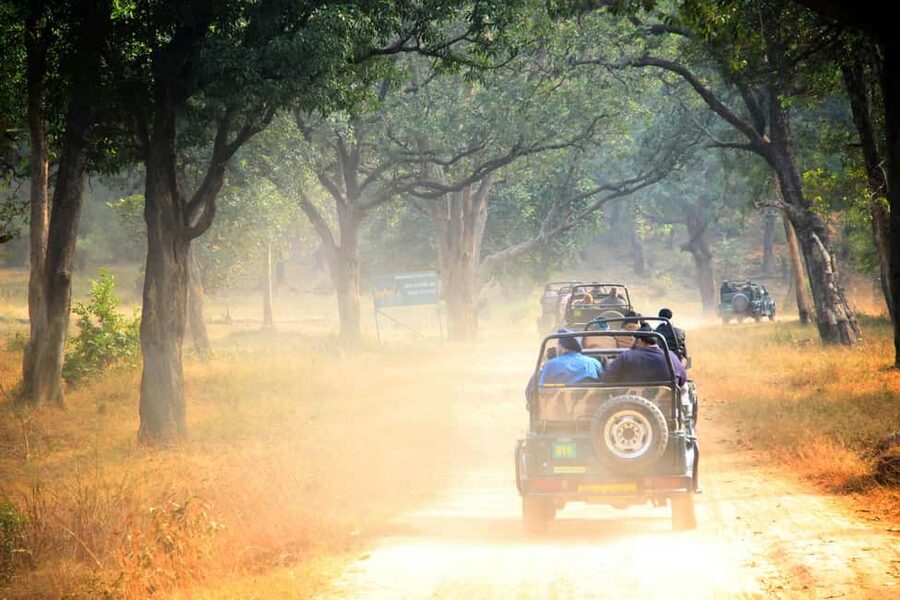
Your safari vehicle depends on availability and what you’re assigned. Here’s the practical breakdown:
- 6-seater Jeep: fewer people, more intimate viewing from the front and sides.
- 20-seater canter: higher seating, more passengers, and often a bigger “moving observation deck.”
In real terms, the vehicle choice affects your photos and your comfort. A jeep can feel more personal because you’re closer to the action when animals cross roads or move near water. A canter can feel more efficient for covering ground and keeping a wider group aligned on a sighting.
Either way, keep in mind that canters usually mean you may share the vehicle with other visitors—even if your overall tour is private for transport and pickup. That’s normal here, and it’s part of how safaris run.
If you’re hoping for the best tiger angles, consider this pattern: you’ll want to stay alert, follow your guide’s direction, and be ready to change where you’re seated if your driver and guide can position you better within the allowed rules.
Wildlife You Can Actually Expect: Tigers And The Backup Cast
Let’s talk about the animals you’re most likely to notice on a Ranthambore safari, based on what people commonly see and the park’s typical sighting patterns.
Bengal tigers (the headline, the gamble)
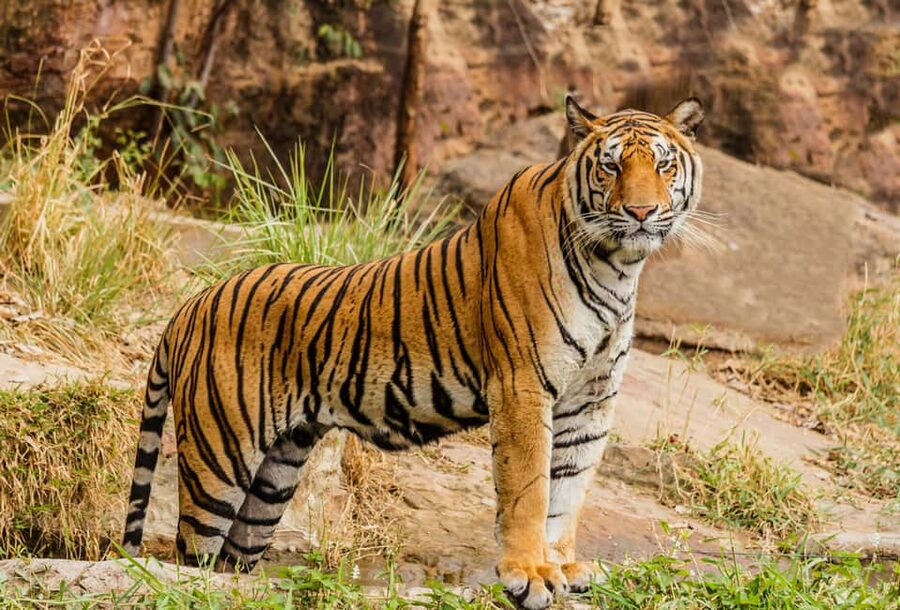
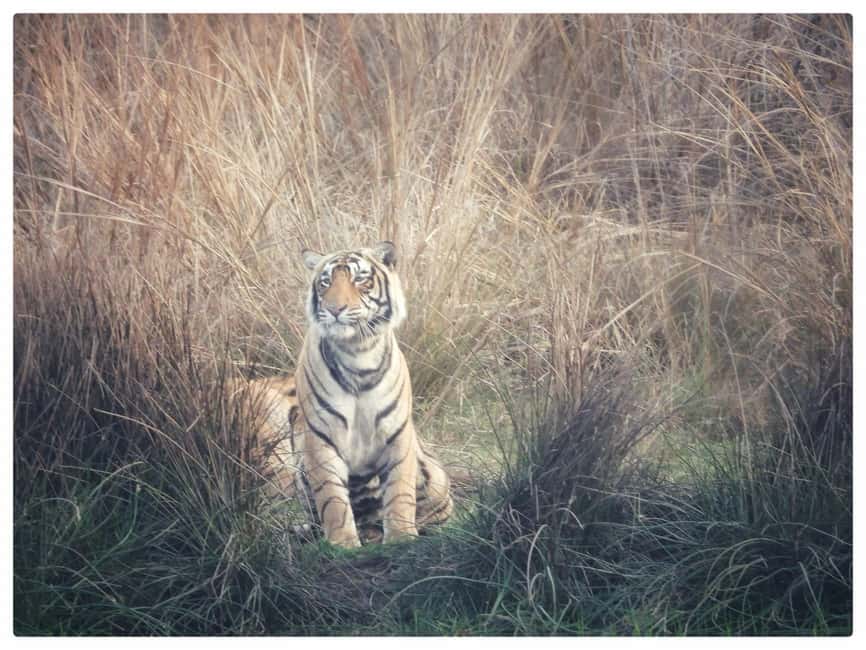
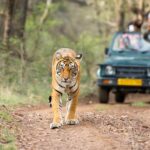
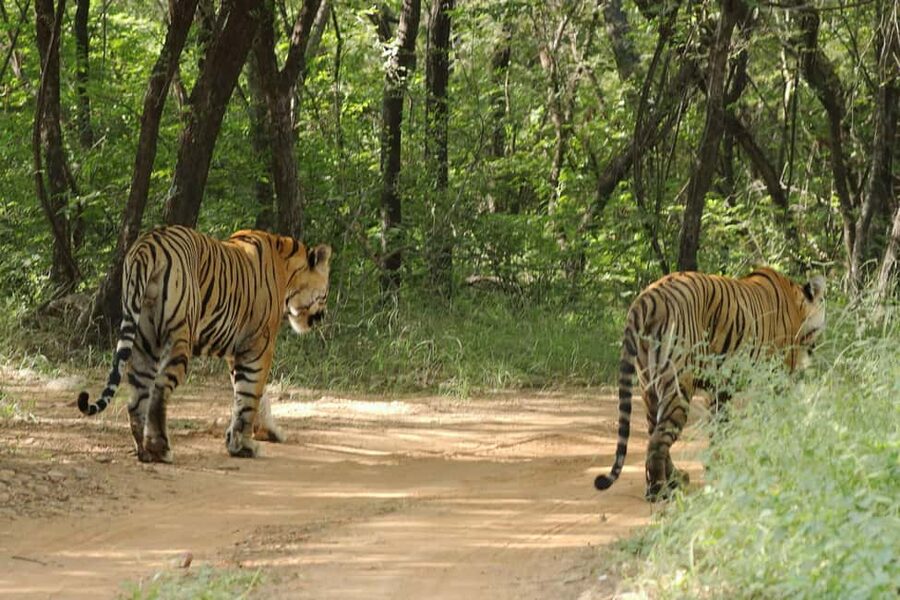
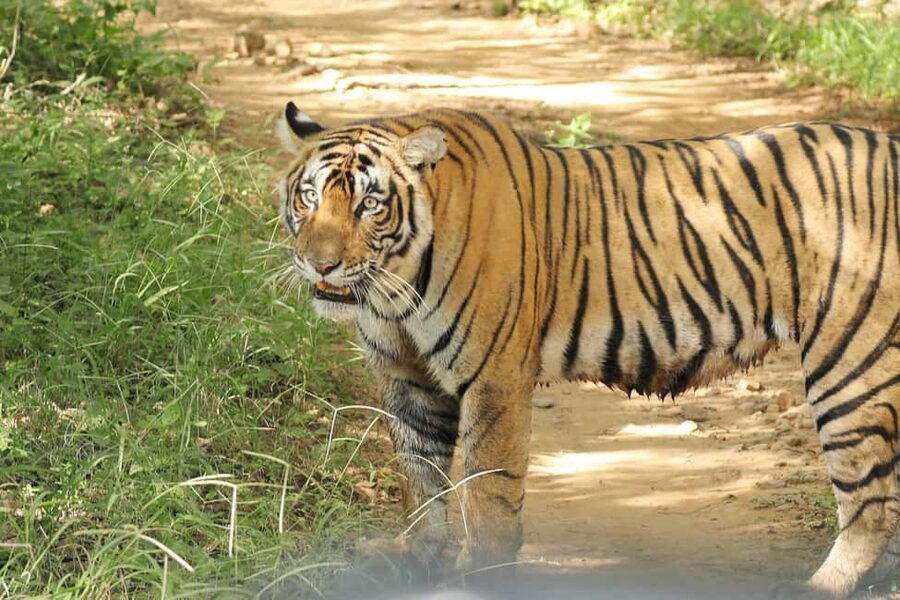
Yes, tiger spotting is the reason most people come. You might see Bengal tigers lounging in shade, moving along edges, or hunting near water. Some days you’ll get multiple tiger sightings; other days you’ll get tracks or distant glimpses.
The smart way to handle this is to enjoy the safari as a full ecosystem experience. Even when tigers are quiet, the park often gives you drama in other ways—like a predator’s proximity, alert deer behavior, or birds reacting to movement.


Crocodiles, leopards, and sloth bears
Expect crocodiles basking in sun near water areas. You might also spot leopards moving through undergrowth, which can look like sudden stillness followed by fast movement. Sloth bears show up too—often in a way that feels more random than tigers, so you have to stay observant.
Birds, deer, and the “small” moments that make the day
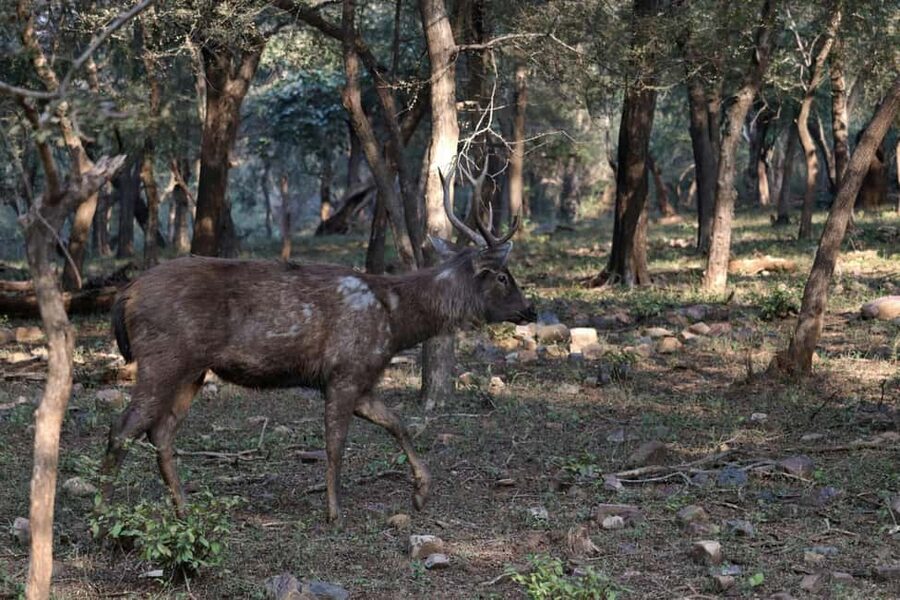
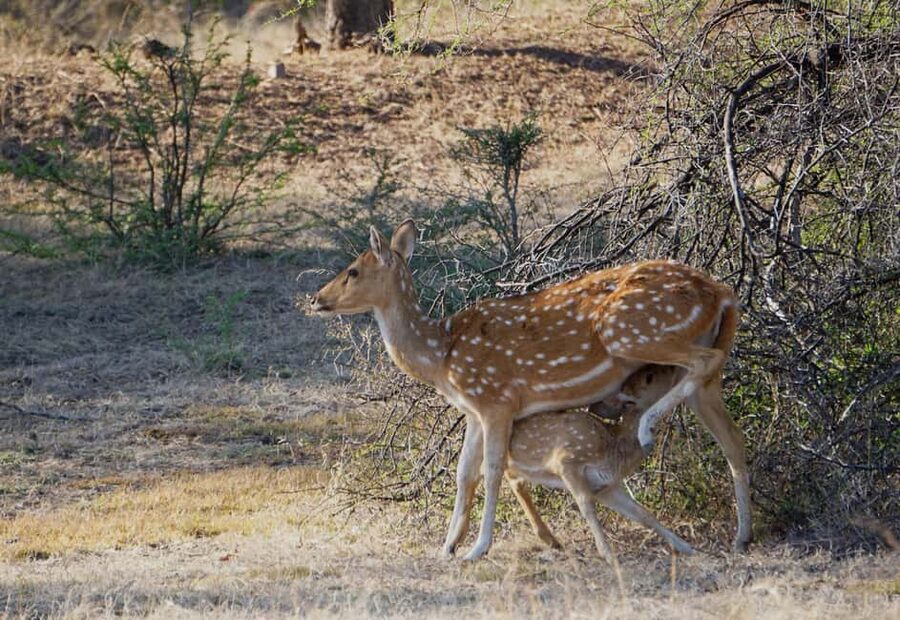
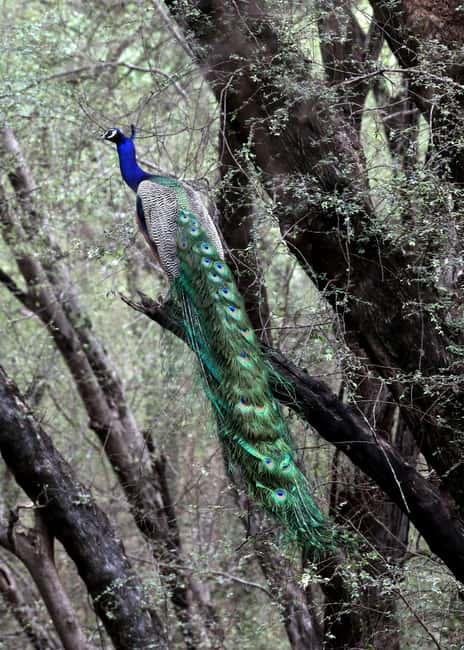
One of the best parts of Ranthambore is how animals share space. You may see different deer species, monkeys, peacocks, and a stack of birds that keep the trees from feeling empty. In the cold months especially, animal activity can be concentrated around key feeding and watering spots, making it easier to watch behavior rather than just chase movement.
And yes, the park’s famous fort is also part of the vibe. People talk about the fort towering over the reserve, and it gives Ranthambore a strong sense of place beyond the wildlife.
Naturalist Guidance: Why It’s More Than Spotting
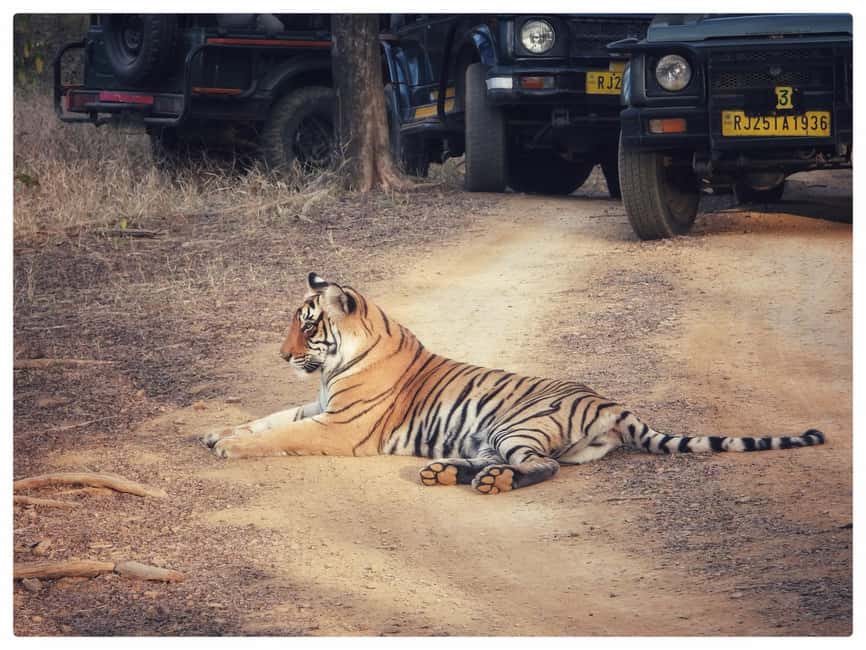
A safari with a naturalist guide is what turns random viewing into real understanding. You’ll get explanations around park ecology, animal behavior, and conservation efforts, which helps you interpret what you’re seeing instead of just hoping for a tiger photo.
This is especially valuable because animals don’t behave like Instagram captions. If you understand why a tiger holds position, why deer freeze or scatter, or why water areas draw multiple species, you spend less time guessing and more time watching.
Language note: the driver is listed as English and Hindi. The naturalist guide is part of the safari experience, but specific guide language coverage isn’t guaranteed in the details provided. If your comfort depends on English explanations, plan to use your camera and eyes as your main channel and treat explanations as a helpful bonus.
Timing, Stops, and the Reality of a 12-Hour Day
Your total duration is listed as 12 hours, which adds up to a long day of travel plus safari time. Even if the safari itself is only a portion of that schedule, the day’s feel is still driven by the road trip.
On the way, expect rest stops. Some days include breaks for refreshments, and there can be pit stops at places along the route. One thing I’d plan around: you may face souvenir-shop time or structured stops that can eat into your patience. If you’re not into shopping, just treat it like a bathroom break plus stretching.
Meals are not included, so you’ll want to budget for food options during the day. People also flag that lunch stops near the area can be pricey. If you’re a bring-your-own-lunch type, that’s something to consider, but only if it matches what you’re allowed to do on the day.
Price And Value: Is $85 Worth It?
At $85 per person, the value mostly comes from what’s included, not the safari marketing.
What you’re paying for here:
- Hotel pickup and drop-off in Jaipur
- Round-trip transfer to Ranthambore
- Private, air-conditioned vehicle
- National park entrance fee
- Safari costs (and the vehicle used for the safari)
- A naturalist guide
- Fuel, road tolls, taxes
- A complementary water bottle
What you don’t get:
- Meals or drinks
- Anything personal
For a day trip that combines a long drive plus regulated park access plus safari vehicle costs, $85 can be a fair deal—especially if you’d otherwise have to piece together transport, tickets, and safari arrangements yourself. The biggest reason to feel good about the price is the all-in structure. One purchase, one schedule, and you’re handled from pickup to drop-off.
Who This Day Trip Works Best For (And Who Should Skip)
This is a great fit if you:
- Want to see Ranthambore wildlife without changing hotels
- Prefer a guided safari with naturalist context
- Like the idea of combining a road trip with one focused wildlife outing
It may not be a good match if you have:
- Back problems
- Heart problems
- Pregnancy
Even if you’re not in these categories, think about the reality of a long day in a vehicle. If you know you get sore on extended drives, plan for breaks, wear supportive footwear, and pack layers so you’re not miserable during the early/cool parts of the day.
Should You Book This Ranthambore Day Trip From Jaipur?
I’d book it if you want an organized, day-long Ranthambore experience with a regulated safari and the convenience of door-to-door transport. It’s also a smart choice for first-timers because the naturalist guidance helps you understand what you’re seeing in a place where tiger sightings can’t be forced.
I’d pause before booking if tiger viewing is your only goal and you need a guaranteed payoff. This reserve runs on wildlife behavior, not promises. Your best strategy is to go for the full safari experience—tigers plus crocodiles, deer, birds, and the moments where behavior tells the story.
FAQ
How long is the Ranthambore day trip from Jaipur?
The total duration is listed as 12 hours, including hotel pickup, the drive, the guided safari time (about 3.25 hours at the park), and the return to Jaipur.
What kind of vehicle do I use on the safari?
You’ll go in either a 6-seater jeep or a 20-seater canter. The jeep seats up to 6 people, while the canter typically carries around 16–20 passengers.
Is hotel pickup and drop-off included?
Yes. The tour includes pickup and drop-off from your Jaipur hotel (or airport, railway station, or other location of your choice).
What is included in the price?
The price includes round-trip transfers, private air-conditioned vehicle, entrance fee to the national park, safari costs, naturalist guide, fuel/road tolls/taxes, and a complementary water bottle.
Do I need to carry my passport?
Yes. You’re asked to carry your original passport during the safari, and passport details are required for booking.
Are meals included?
No. Meals and drinks are not included, so you’ll need to plan for food on your own.
Can I guarantee I’ll see a tiger?
No. The tour notes that tiger sightings are unpredictable and cannot be guaranteed because Ranthambore is a tiger reserve, not a zoo.
What if heavy rain prevents the safari?
If there is heavy rain during the safari and it cannot be completed, no refund is given. Light rain and lightning won’t have any effect according to the tour information provided.