REVIEW · HURGHADA
From Hurghada:Day Trip to Luxor and Valley of the Kings
Book on Viator →Operated by Sheba Tours · Bookable on Viator
Luxor arrives fast, but so does the time pressure. This long day trip from Hurghada is built around the big hitters of ancient Egypt, with guided visits to UNESCO-listed Karnak and the Valley of the Kings, plus lunch and hotel transfers. Two things I really like are the small-group size (capped at 15) and the fact that you get a guide to connect the sights into a single story.
One thing to consider: it’s a very early start (4:00am) and entrance fees are not included, so the total cost can rise depending on which tombs you want to visit and what add-ons are offered that day.
In This Review
- Key things to know before you go
- Luxor from Hurghada: a long day with real payoff
- Price and the “real” cost of visiting Karnak and the tombs
- The 4:00am departure: why it matters more than you think
- Guided Valley of the Kings: more than just a lineup of tombs
- Karnak Temple: the columns, the layout, and why it feels endless
- Lunch in Luxor: where the day steadies out
- Crossing to the West Bank: City of the Dead, Colossi of Memnon, and Amenhotep III
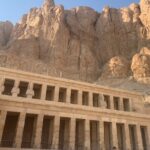
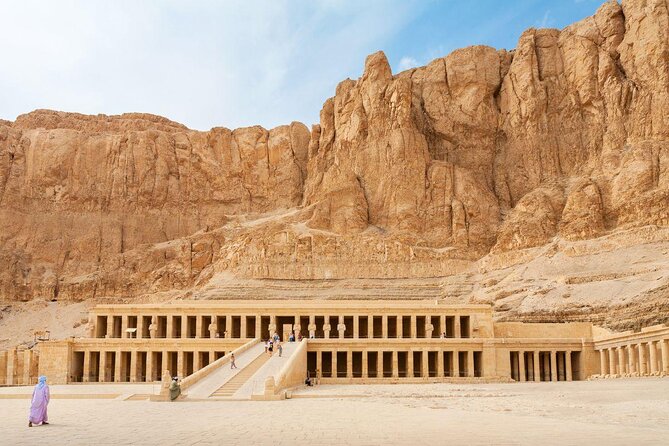
- Temple of Hatshepsut: one female ruler, unmistakable impact
- Small-group and private-group reality: who this suits best
- Add-ons, boat stops, and how to avoid surprises
- Address accuracy matters: getting picked up smoothly
- Should you book this Luxor day trip from Hurghada?
- FAQ
- What is the duration of the trip from Hurghada to Luxor?
- What time does the tour start?
- Does the tour include hotel transfers?
- Is there an extra cost for pickup from certain areas?
- Is lunch included?
- Are entrance fees included in the tour price?
- How much does the tour cost per person?
- Is a mobile ticket provided?
- How many people are in the group?
- What is the cancellation policy?
Key things to know before you go
- Early 4:00am pickup: expect a long travel day and plan for fatigue.
- Small group capped at 15: easier questions and less waiting than large buses.
- Guided UNESCO highlights: Karnak plus West Bank sights like Colossi of Memnon and Hatshepsut.
- Lunch is included: you’ll have a set meal break in Luxor instead of hunting for food on the fly.
- Entrance fees are extra: budget for tomb and temple entry tickets on top of the tour price.
Luxor from Hurghada: a long day with real payoff
Hurghada to Luxor is not a quick hop. This is a 16-hour day (approx.), which means you’ll trade slow travel for big concentration. If you’re the type of traveler who wants the “I can’t believe we saw that” moment in one outing, this works. If you want to wander calmly for hours, it won’t.
The upside is that the day focuses on the places most people dream about: Karnak Temple, the Valley of the Kings, the Colossi of Memnon, and the Temple of Hatshepsut. With a guide, you’re not just looking at stones—you’re learning what you’re seeing and why it mattered.
The small-group cap at 15 also helps. In a day like this, you want your guide’s attention when questions pop up, and you want the pace to stay organized rather than chaotic.
You can also read our reviews of more tours and experiences in Hurghada.



Price and the “real” cost of visiting Karnak and the tombs
The published price is $51.29 per person, booked about 28 days in advance on average. On paper, that’s a bargain for a full-day tour that includes air-conditioned transfers, a guide, and lunch.
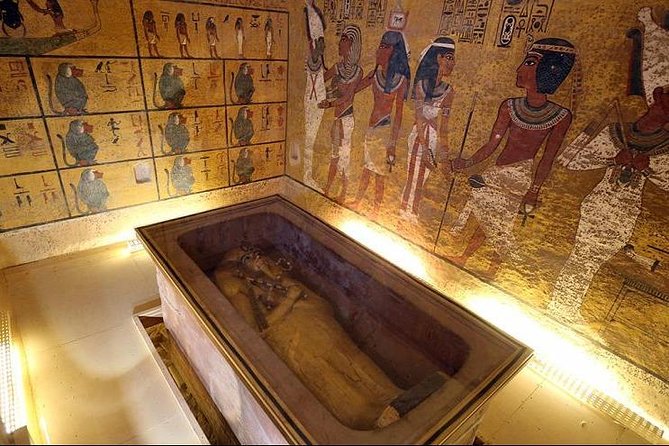
But you should plan around the key detail: entrance fees are not included. That’s not a small footnote—temples and tombs are where you’ll spend extra money. If you’re aiming for specific tombs (many first-timers have Tutankhamun high on the list), you should expect additional ticket costs.
There’s also a pickup add-on in certain areas: $10 extra if you’re picked up from Makadi Bay, Safaga, El Gouna, or Sahl Hasheesh. If your hotel is outside the standard pickup zone, confirm the exact cost before you go.
My practical advice: before booking, ask what entrance tickets are required for the core stops on your specific day, and what additional tickets might be optional. Then you’ll know whether the final total feels like a good value or like budget math gone wrong.
The 4:00am departure: why it matters more than you think
Starting at 4:00am is not just a schedule detail—it shapes the whole experience. You’ll be in transit early, and your body clock will be bargaining with you. The best way to handle it is simple: treat this like an early work shift. Go to bed the night before, pack snacks for the ride if that’s allowed, and don’t plan to “win the day” by staying out late the night before.
Another reason the early start matters: it helps the tour fit in multiple major sites. When there’s a tight schedule, early arrival is what keeps stops from turning into rushed photo stops.
One caution I’d take seriously: if pickup runs late, the day can get squeezed fast. In the type of schedule this tour uses, a late start can lead to less time at the sites that matter most—like the tomb entrances and temple halls.
Guided Valley of the Kings: more than just a lineup of tombs
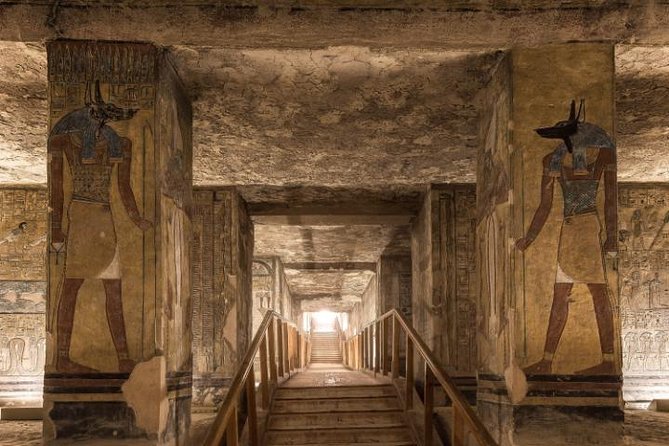
The Valley of the Kings is the reason many people make the trip from the Red Sea. This is where the monuments feel personal—because the whole place is designed around burial and belief, not display for tourists.
With a guide, you’ll get context on how the Valley was used and what you’re looking at when you step closer to the tombs. Even when time is limited, having someone explain what each tomb area represents helps the visit feel meaningful instead of just scenic.
The trade-off is pacing. A 16-hour day means you may not spend as long as you want inside every tomb you see. So if you have a top priority tomb in mind, plan around that: pick one must-see, and be flexible on the rest if time runs short.
Also remember: entrance fees are extra, and tomb entry can add up. If you want the best value, confirm which tombs are included on the plan and what tickets you’ll need on the spot.
Karnak Temple: the columns, the layout, and why it feels endless
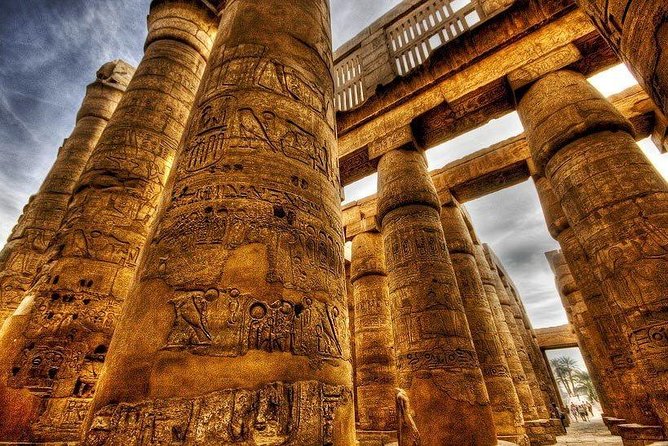
Karnak Temple is huge, even by ancient standards. This is one of the places where having guidance is a big deal, because the site can feel like a maze if you’re walking through it cold.
You’ll visit the columned halls, chapels, and the sacred lake area. That sacred lake detail matters because it’s not random scenery—it’s part of how the temple complex was imagined and used.
What I like about Karnak in a guided day trip is that your guide can point out the relationship between different parts of the complex. You’re not just taking pictures of impressive stone walls; you’re learning how the different areas connect.
Possible drawback: when the day is packed, Karnak can become “see it, then move on” rather than “linger and absorb.” If Karnak is your top priority, keep expectations realistic. You’ll likely get a focused visit, not a slow, hours-long explore.
- 1-day trip to Cairo with flight from Hurghada / Makadi Bay / Soma Bay / El Gouna
★ 5.0 · 1,193 reviews




Lunch in Luxor: where the day steadies out
Lunch is included, and that’s a genuine quality-of-life bonus on a long day. It’s one less thing you have to solve mid-tour while you’re hungry, tired, and trying not to miss the next pickup point.
The information you have says lunch is at a selected restaurant in Luxor. Since exact menus aren’t provided, I’d treat lunch as a place to refuel rather than hunt for a “signature dish.” Eat well, drink water, and save your energy for the West Bank stops later in the day.
Crossing to the West Bank: City of the Dead, Colossi of Memnon, and Amenhotep III
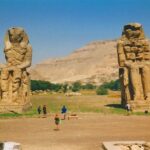
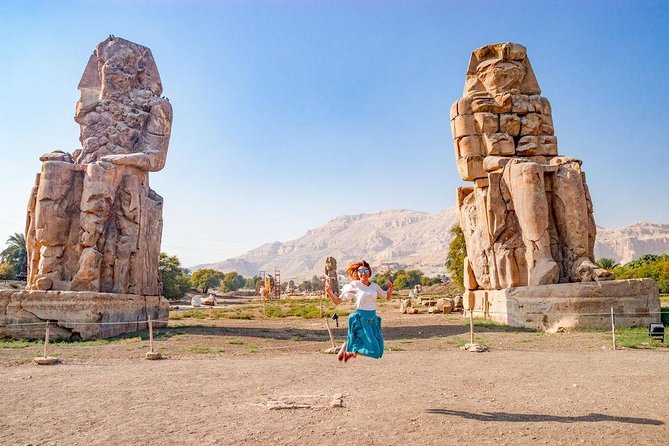
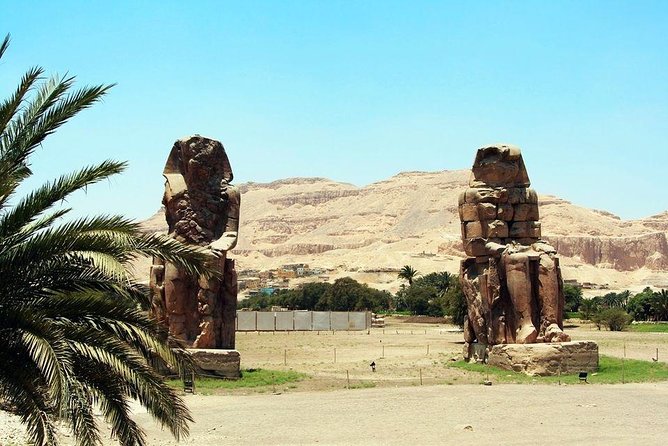
The West Bank side is where the day shifts mood. You go from temple grandeur to burial landscapes. This is also where you’ll see the dramatic monuments that most people recognize instantly—especially the Colossi of Memnon.
You’ll explore the City of the Dead area and visit what remains of the Temple of Amenhotep III. This part of the itinerary is powerful because it shows how monumental the ancient world could be, even after centuries of change.
When you’re there in person, it helps to have a guide because the names and connections can blur fast. A good explanation turns the visit from a checklist into understanding: what was built, who built it, and why it was placed there.
The time challenge still applies. West Bank sights can eat time because distances between photo stops are not trivial, and tomb/temple entry involves queues and ticket checks.
If you’re traveling with limited patience for waits, that’s a reason to go in with a calm mindset. This is a big schedule, and some waiting is normal.
Temple of Hatshepsut: one female ruler, unmistakable impact
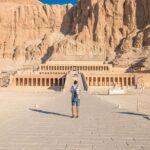
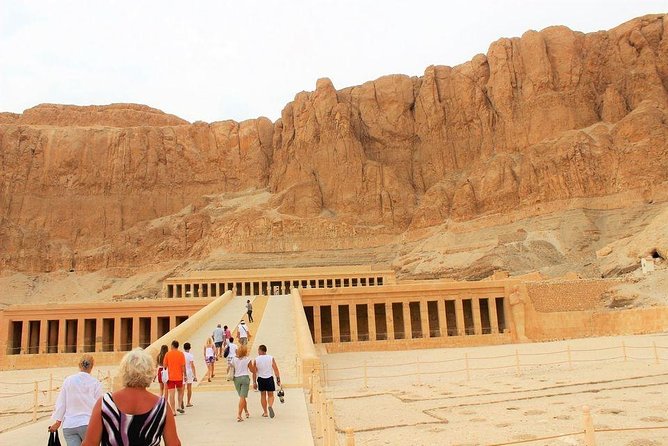
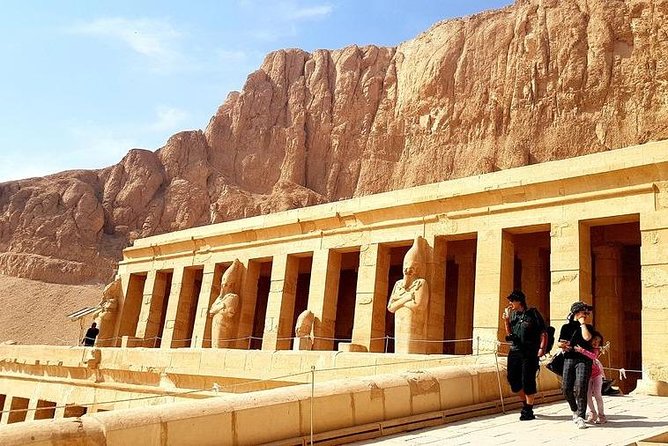
The Temple of Hatshepsut is one of the most compelling stops on the route because it highlights the presence of a major female ruler in ancient Egypt. You’ll see the temple as part of the West Bank sequence, not as an optional detour.
What makes this a standout stop on a day trip is how visually striking it can be, and how it expands the story beyond the most commonly taught names. With a guide, you’re not just recognizing the name—you’re getting the idea that ancient Egypt had more political complexity than many first-timers expect.
The drawback: because the day is long, your time here may be limited. If you want to do more reading and take your time with architecture details, you’ll need extra hours than a single-day schedule allows.
Small-group and private-group reality: who this suits best
This experience is set up for quality interaction: up to 15 travelers and described as a private activity where only your group participates. That matters in practical terms. You’re less likely to feel like a number, and it’s easier for the guide to keep everyone aligned on timing.
This style works best if you:
- Want a guided highlight loop rather than self-paced navigation
- Are okay with a very early morning
- Are comfortable paying extra entrance fees for major sites
- Prefer a day-trip structure over a multi-day stay
It might feel wrong if you:
- Hate tight schedules and last-minute ticket lines
- Want slow, unhurried time in each tomb
- Expect that the published price includes every ticket and add-on
Add-ons, boat stops, and how to avoid surprises
One thing to watch for on any Luxor day trip: what exactly is included in “the program” can be flexible, and extra charges can appear at the entrance or through optional add-ons.
You should treat the day like this:
- Entrance fees are not included.
- Any additional excursions (like a brief Nile boat stop, if your day includes it) may be short and not timed for sunset.
- If someone tells you there will be a specific experience, confirm duration and whether it’s guaranteed.
This isn’t about being negative—it’s about protecting your expectations. With a 16-hour schedule, even a 30–60 minute change can affect your time at the tombs and temples.
Address accuracy matters: getting picked up smoothly
Pickup is included by default, and the meeting time is 4:00am. For tours like this, pickup success depends on correct hotel details.
One lesson you can take from the situation that’s been reported: make sure your hotel information is complete and unambiguous. If you’re staying in an area with similarly named hotels or multiple properties nearby, send the full address details in advance so the rep can match you correctly.
That’s not just admin. It’s what prevents the day from starting off under stress.
Should you book this Luxor day trip from Hurghada?
I think this trip is worth booking if your goal is clear: see Luxor’s top ancient Egypt sites in one guided day, without needing to plan tickets and transfers yourself. The included lunch and the air-conditioned transfers are real value for a long day, and the small-group size helps keep the experience from feeling like a conveyor belt.
Don’t book it if you want a slow, deep visit where you can linger in tombs and temples for hours. Also, don’t assume the tour price is the final cost—because entrance fees are extra, and the day can include additional optional costs depending on what you choose to see.
If you do book, my best “make it go smoothly” checklist is simple:
- Confirm your pickup location and any extra pickup fee (the $10 option applies to specific areas).
- Ask in advance what entrance tickets are needed for the core sights and what’s optional.
- Go in expecting an early start and a packed schedule, not a relaxed afternoon.
If that fits your travel style, you’ll likely come away feeling like Luxor was the right use of a Red Sea vacation day.
FAQ
What is the duration of the trip from Hurghada to Luxor?
The day trip is listed as approximately 16 hours.
What time does the tour start?
Start time is 4:00am.
Does the tour include hotel transfers?
Yes. Transfers are included in an air-conditioned vehicle, with hotel pickup offered.
Is there an extra cost for pickup from certain areas?
Yes. Pickup from Makadi Bay, Safaga, El Gouna, or Sahl Hasheesh is an additional $10.
Is lunch included?
Yes. Lunch at a restaurant in Luxor is included.
Are entrance fees included in the tour price?
No. Entrance fees are at your own expense.
How much does the tour cost per person?
The price is $51.29 per person.
Is a mobile ticket provided?
Yes. The tour includes a mobile ticket.
How many people are in the group?
The tour is capped at 15 travelers.
What is the cancellation policy?
Free cancellation is available. You can cancel up to 24 hours in advance for a full refund.
You Might Also Enjoy



More Tour Reviews in Hurghada
- 1-day trip to Cairo with flight from Hurghada / Makadi Bay / Soma Bay / El Gouna
★ 5.0 · 1,193 reviews