REVIEW · GLASGOW
From Glasgow: The Devil’s Pulpit Day Trip
Book on GetYourGuide →Operated by DreamChasersDream · Bookable on GetYourGuide
Steep steps, icy water, and a red river. This short Glasgow day trip takes you to Finnich’s Glen to see the Devil’s Pulpit and the gorge below it, where moss, rock, and that crimson-colored water create a scene straight off a storybook. You’ll move through forest, pause for waterfall views, and then tackle the famous descent.
What I like most is how the experience is built around safety and technique, especially when you’re climbing down and up the Devil’s Steps. With guides like Ferenc, you get clear, patient, step-by-step direction for where to place hands and feet, so the scariest parts feel manageable rather than random. I also love the place itself: weird rock formations, waterfall views, and that eerie look of the gorge, which locals have long described as devil-haunted and which has even been used as an Outlander filming location.
The main drawback is physical comfort and comfort with heights. The Devil’s Steps are steep and slippery in places, and you’ll be using ropes and handholds, so this isn’t the trip for anyone who hates exposed, rugged descents.
In This Review
- Key Things You’ll Notice Right Away
- Finnich’s Glen: Why the Devil’s Pulpit Feels Unusual
- The Coach Ride From Glasgow Royal Concert Hall
- Walk Into the Gorge: Forest Sounds, Waterfalls, and Photo Moments
- The Devil’s Steps Descent: Ropes, Handholds, and Height Nerves
- Inside the Gorge: Mossy Rock, Crystal Water, and That Haunted Feel
- Going Further Into the Water: Optional, Strenuous, and Absolutely Cold
- Timing: Why the Trip Works at Three Hours (and When It Feels Short)
- Price and Value: What You’re Really Paying For
- Who This Tour Is Best For (and Who Should Pass)
- Practical Tips That Make the Difference
- Should You Book This Devil’s Pulpit Day Trip?
- FAQ
- How long is the Devil’s Pulpit day trip from Glasgow?
- Where do we meet in Glasgow?
- Is this a small group tour?
- Is there a live guide, and what language do they speak?
- Will I be allowed to bring food or drinks in the vehicle?
- Do I need to be comfortable with heights and steep stairs?
Key Things You’ll Notice Right Away
- Small-group pacing keeps the hike calmer, with room to wait while you descend the hardest bits
- Ferenc-style guidance focuses on foot placement and grip points, not just sightseeing
- The crimson effect comes from the ground coloring the water as it runs through the gorge
- Water-on-rock navigation often means taking shoes off and walking carefully over slippery surfaces
- You control how far you go if you choose to continue into the water (it’s extremely cold)
- Time feels tight for photography and lingering, since the whole active window is limited
Finnich’s Glen: Why the Devil’s Pulpit Feels Unusual
The Devil’s Pulpit story starts long before you arrive. Locals have treated Finnich’s Glen like an isolated, remote spot that gives you chills, and the terrain does a good job of making that legend believable. Tall, dense forest frames the gorge, and the rocks look like they were carved with a strange hand rather than formed naturally.
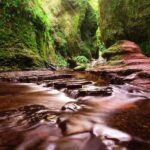
Then there’s the color. The water can look like blood as it flows through the gorge and picks up a crimson tone from the ground around it. It sounds dramatic, and it is—but once you’re there, the effect actually makes sense with the lighting, wet rock, and stained water running through the channel.
What you’re really paying for here isn’t just the destination. It’s getting there with a guide who can read the terrain quickly and help you move through it with confidence. One of the strongest themes from people who do this trip is that they wouldn’t have felt safe trying it alone, especially on the descent.
You can also read our reviews of more tours and experiences in Glasgow.

The Coach Ride From Glasgow Royal Concert Hall
Your day starts in Glasgow city centre at the back entrance of Glasgow Royal Concert Hall, right across from Buchanan Bus Station. It’s a straightforward meet-up point, and it matters because time is part of the deal here. This trip is short—about three hours total—so you don’t want to arrive late, wander around, and lose your place.
The drive out is roughly 45 minutes each way. During that coach time, you can reset your expectations: this is not a slow countryside road trip where you soak up scenery for hours. It’s a focused outing designed to deliver you to the gorge when conditions and timing still work.
A practical note: the trip runs in a van or coach-style vehicle, and the ride can feel intense for some people. If you’re the type who gets nervous on winding roads, it helps to know that buckling in and holding steady is the right mindset.
Walk Into the Gorge: Forest Sounds, Waterfalls, and Photo Moments
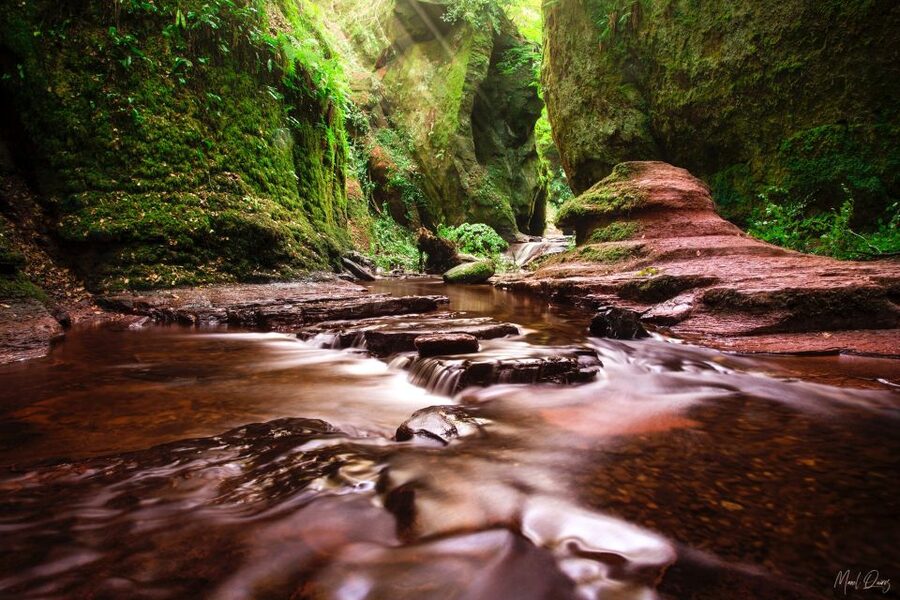
Once you’re dropped off, the experience shifts from city energy to gorge energy fast. You’ll walk through forest, listening to birds and the constant gushing noise coming from below. That sound is a clue: the gorge isn’t just scenic in a postcard way. It’s active, wet, and loud, and you’ll feel that as you move closer.
Along the route, you’ll look down at waterfalls and capture the gorge from safe vantage points. The views tend to be dramatic because the rocks and moss create contrast—dark textures up close, bright water and mist in the distance. If you’re coming for photos, this is where you’ll start building the album before the hard part begins.
The walking portion leading toward the Devil’s Steps is described as fairly approachable, but don’t confuse that with easy. Steep sections and uneven ground are part of the landscape here, and your legs will feel it more once you’ve committed to the descent.
One small but real advantage of going with a guide: you’re not guessing where the best paths are. Guides can route you along the safest lines through the gorge approach, which can save time and reduce stress when you’re trying to keep your footing.
The Devil’s Steps Descent: Ropes, Handholds, and Height Nerves
Here’s where the trip earns its reputation. The Devil’s Steps are an ancient staircase-like descent, and you don’t just walk down them—you manage them. Expect slippery areas, rugged stone, and spots where you’ll use ropes alongside the descent route and grab rocks or secure holds as you go.
This is the part where having an experienced guide changes everything. People doing the trip repeatedly point out that Ferenc (and other guides leading the experience) gives clear technique: step placement, where to hold, and how to move at a pace that feels safe. The goal isn’t speed. It’s control.
Also, you need a good head for heights. Even if you’re not afraid of falling, looking down over the gorge while your feet move over uneven steps can be mentally tiring. If you know you get wobbly when you’re exposed, don’t force it solo. The value of a small-group guided hike is that you’re not making the risk decisions alone.
On some days, groups can be very small. That can make the descent feel more personal and less crowded, because you’ll get more direct attention while you’re working your way down.
Inside the Gorge: Mossy Rock, Crystal Water, and That Haunted Feel
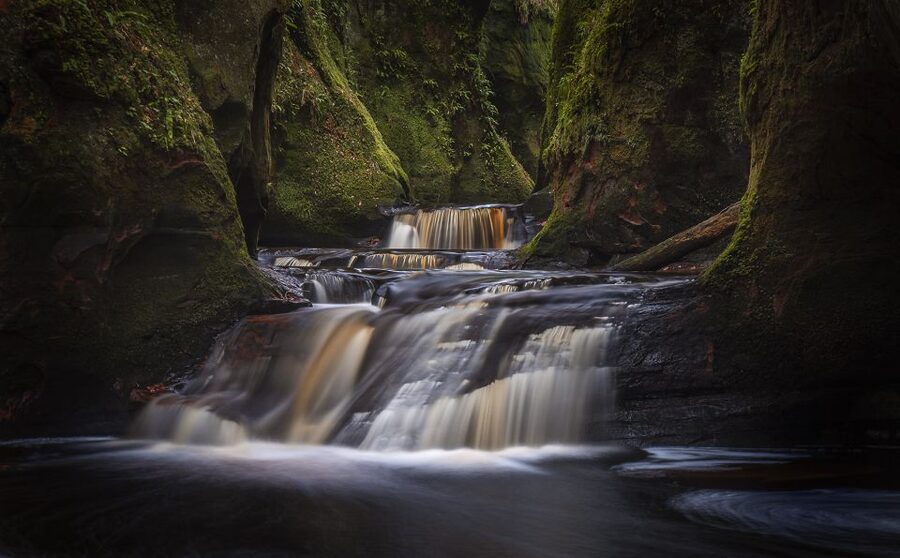
Once you reach the bottom, the scenery changes from steep-and-wet to fully gorge-in-your-face. The gorge is framed by rock formations covered in moss, with crystal-clear water running through. It looks beautiful in a haunted fairy tale way, and that’s not just hype. The combination of narrow space, stained water, and damp rock gives it a distinctive mood.
The cold is real. The water is described as extremely cold, and the rocks can be slippery. This isn’t a “wander casually” moment. You’ll likely need to take your shoes off to go further in or to move across rock edges carefully, depending on what you choose to do.
The best part: you get a front-row view of the gorge and waterfalls from below. That perspective is hard to recreate on your own unless you’re comfortable navigating slippery terrain and exposed steps without a guide.

Going Further Into the Water: Optional, Strenuous, and Absolutely Cold
If you want to extend the experience, there’s an option to go farther into the glen by rolling up your pants and stepping into the water. The warning is consistent: it’s extremely cold. You’ll feel it quickly, especially if you stand still for photos or check your footing more than once.
People also describe the effort as noticeable for arms and legs once you commit to moving further around the gorge. If you’re fit enough for steep steps and cautious scrambling, you’ll probably enjoy the extra exploration. If your legs tire quickly or you’re uncomfortable with cold-water footing, it’s smarter to keep your exploration to the views and safer walk lines rather than pushing past your comfort zone.
The nice thing is that you’re not forced into the deepest version of the experience. A good guide will help you find a path that matches your comfort level while still delivering the gorge magic.
Timing: Why the Trip Works at Three Hours (and When It Feels Short)
This is a tight little adventure. Between the two coach rides and about 1.5 hours of guided time on foot, you’re on a schedule. You get enough time to see the pulpit area, work through the hardest descent, and reach the gorge views and waterfalls, but you don’t get long, slow wandering.
That can be frustrating if you’re the type who wants to linger at every photo spot. A couple of people note they wanted more time on site to enjoy and photograph more carefully. Still, the upside of the short format is that it’s easy to fit into a day in Glasgow without turning your evening into a travel recovery session.
My advice: plan your rest of the day with buffer time after you get back. Your legs and hands may feel it the next day, especially if you fully explore the lower gorge areas.
Price and Value: What You’re Really Paying For
The trip is priced at about $121 per person. For a short outing, that number might feel high until you translate what’s included and what you’re avoiding.
You’re paying for three big value pieces:
1) Transport that gets you from the city centre to Finnich’s Glen and back without you navigating rural access and parking.
2) A live guide who manages the most technical part of the route—steep descent, rope support, and safe movement on slippery rock.
3) Time efficiency: you’re not spending your limited daylight figuring out the approach or second-guessing where the safest lines are.
If you tried this solo, you’d likely spend money on getting out there and time on figuring out routes—while also taking on the safety learning curve yourself. Here, that curve is handled for you.
In short: the price feels fair when you consider you’re buying expertise and reduced risk as much as you’re buying a hike.
Who This Tour Is Best For (and Who Should Pass)
This trip makes the most sense if you want a dramatic nature stop that still fits into a short Glasgow schedule. You’ll enjoy it most if you’re comfortable with:
- steep descents and uneven stone
- exposed areas where a good head for heights matters
- short bursts of careful movement, possibly including cold-water rock walking
It’s also a good choice if you prefer small-group dynamics. Limited group size helps keep attention on you when it counts.
I’d skip it—or at least think carefully—if you’re not comfortable with slippery steps, gripping ropes/rocks for balance, or if cold water and wet footing would make you anxious. The experience can be safe and well-managed with a guide, but it can’t be transformed into a gentle stroll.
Practical Tips That Make the Difference
Here are the practical choices that consistently separate a stressful walk from a smooth one.
- Wear footwear you can adapt. You may end up taking shoes off for water/rock access, and your shoes will get muddy.
- Bring a brace for cold. Even brief contact with icy water changes how your body feels. Dress so you won’t be miserable once you reach the gorge bottom.
- Listen to the guide’s step calls. The best way to move fast safely is to move slowly in the right spots.
- Let your guide steer you. People who feel confident during the descent say the same thing: it’s about technique, not courage alone.
- Use your time wisely for photos. Early viewpoints toward waterfalls look great, but don’t spend so long at one spot that you rush later.
Should You Book This Devil’s Pulpit Day Trip?
If you want the Devil’s Pulpit experience without the headache of figuring out access and without taking on the solo-learning risk of the descent, I think this is a smart booking. The trip’s biggest strength is how it handles the hardest part—the Devil’s Steps—through real guidance, with Ferenc highlighted in the most helpful way possible.
Book it if you’re excited by steep, dramatic gorge scenery and you don’t mind a bit of nerves as long as there’s a clear plan. Skip it if you need an easy walk, hate heights, or know cold water will spike your anxiety.
FAQ
How long is the Devil’s Pulpit day trip from Glasgow?
The total experience lasts about 3 hours.
Where do we meet in Glasgow?
Meet at Glasgow Royal Concert Hall, back entrance on Killermont Street (GLASGOW G2 3NX), across from Buchanan Bus Station.
Is this a small group tour?
Yes. It’s limited to 8 participants.
Is there a live guide, and what language do they speak?
There is a live English-speaking tour guide.
Will I be allowed to bring food or drinks in the vehicle?
No. Food and drinks are not allowed in the car/vehicle.
Do I need to be comfortable with heights and steep stairs?
Yes. A good head for heights is necessary, and the descent involves steep, slippery steps and using ropes alongside the route.