REVIEW · GIJON
From Gijón: Luarca, Cudillero and Avilés Day Trip
Book on GetYourGuide →Operated by buendía · Bookable on GetYourGuide
Coastal Asturias in one long day. This Gijón to Luarca, Cudillero, and Avilés trip strings together three very different seaside moods, all with live guidance and enough viewpoints to keep your camera busy. I like the way it turns a long ride into a proper itinerary, not just bus sightseeing.
I especially love the first stretch: Luarca gets a guided walk through town memories, then you head toward the sea-mountain junction at places like Plaza Miares and the Ermita de la Regalina. The second big win is Avilés, where you get a guided pass through the historic centre, plus key stops like the Church of Sabugo and Plaza de la Merced.
One consideration: because the tour is bilingual, your experience can vary depending on language grouping and pacing. In practice, that can mean you may get less detail in a given moment, and the time in Avilés may feel a bit tight if you want to linger.
In This Review
- Key highlights to know before you go
- From Gijón to the Cantabrian Sea: what makes this day trip work
- Luarca: sea-mountain edges, Nobel connections, and Regalina views
- Practical tip for Luarca
- Cudillero: Villa Pixueta viewpoints and the amphitheatre of houses
- How to handle the free-time window
- Avilés: historic centre highlights plus the old-industry and modern contrast
- A heads-up on time and language
- Price and value: is $50 a good deal for three towns?
- Guide style matters: bilingual tours can change your day
- Getting the timing right: walking comfort, meeting point discipline, and what to bring
- Who should book this day trip from Gijón (and who should skip)
- Should you book this Gijón to Luarca, Cudillero and Avilés trip?
- FAQ
- How long is the day trip and what time does it start?
- What’s included in the price?
- Which towns will we visit?
- Is there a lot of walking?
- Do I need an ID?
- Is the tour suitable for wheelchair users?
Key highlights to know before you go
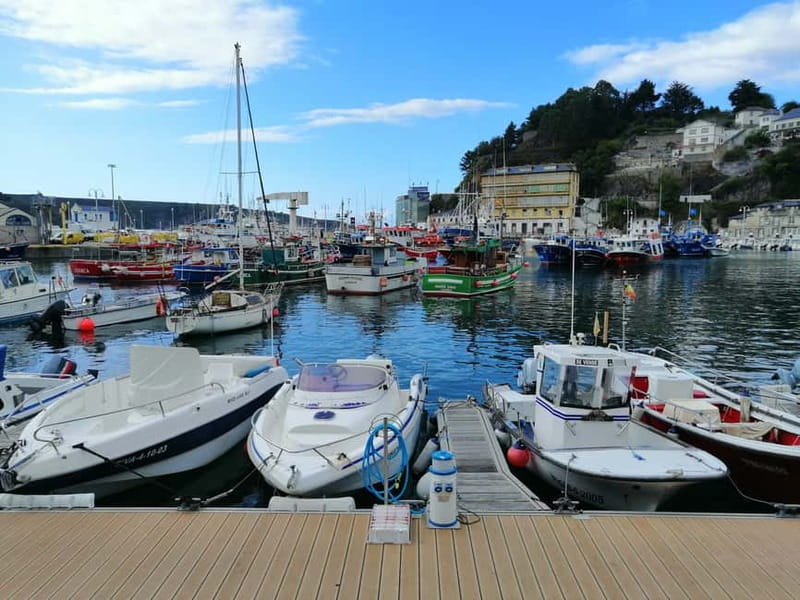
- Ermita de la Regalina viewpoints: big coastal panoramas where land and sea meet fast
- Cudillero’s Villa Pixueta: steep streets, houses facing the water, and classic Asturian drama
- Avilés historic centre with a guide: Church of Sabugo, Plaza de la Merced, and Santo Tomás
- The “old + modern” mix: Avilés includes both historic streets and a major contemporary landmark
- Bilingual live commentary: English and Spanish guidance with group-dependent flow
- Moderate walking, mostly outdoors: expect hills, uneven steps, and coastal paths
From Gijón to the Cantabrian Sea: what makes this day trip work
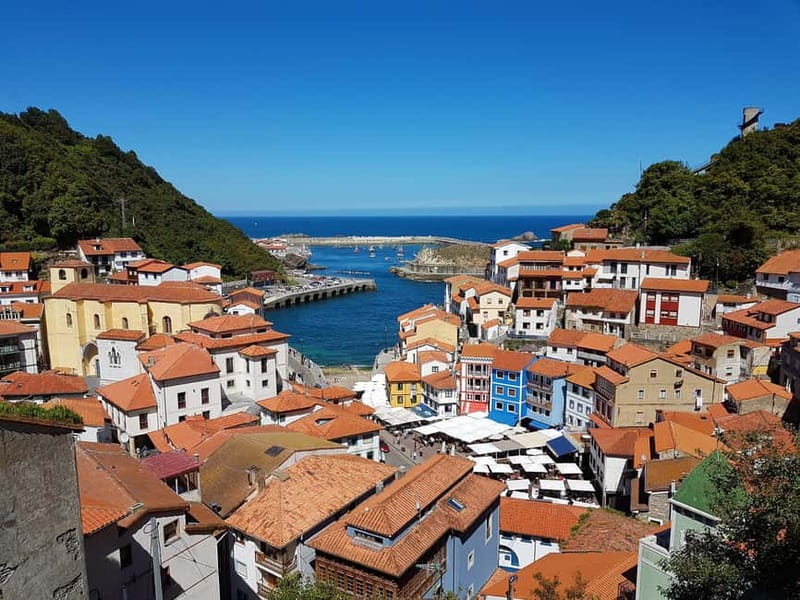
This is a 9-hour day trip built for people who like their planning simple: you leave Gijón at 09:00, ride to three coastal towns, and come back without having to figure out buses, parking, or schedules. For about $50 per person, you’re paying for round-trip transportation plus a live guide in English and Spanish, and that combo is usually the most expensive part of self-planning.
The trip is paced like a sampler platter, not a deep-dive. That’s not a flaw if you pick the right mindset. You’re here for standout scenery, historic highlights, and a few “stop and look” moments that make each town feel distinct.
Also: the day includes a moderate amount of walking. It’s doable for many people, but you should be ready for uneven ground, curb steps, and coastal inclines.
You can also read our reviews of more tours and experiences in Gijon.
Luarca: sea-mountain edges, Nobel connections, and Regalina views
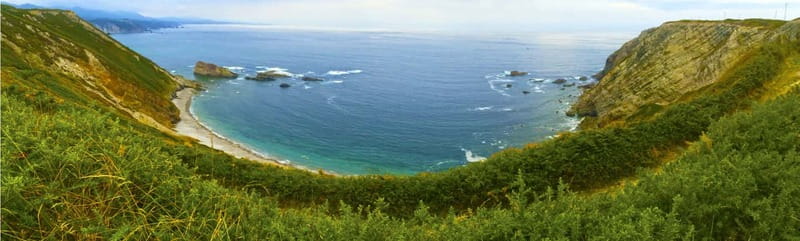
Luarca is a gentler start than you might expect, and that’s the point. You’ll walk through town areas tied to the Nobel Prize in Medicine Severo Ochoa, one of those local figures you’ll keep seeing referenced in everyday life here. It gives your first stop a sense of place that’s more than just postcard scenery.
From there, the itinerary points you toward Plaza Miares and the Ermita de la Regalina. This is one of those stops that works even if you’re not the type to chase viewpoints for fun. The chapel area is made for looking out over the coast, where you can literally see how the terrain folds into the Cantabrian Sea. Bring a layer too, because coastal wind is a real character in Asturias.
What I like about Luarca in this format: you get guidance through the town first, then you get an outlook moment afterward. That order helps you connect the dots. You’re not just told where to stand; you understand what you’re seeing.
Practical tip for Luarca
If the weather turns, you still get value because the key moments are outside-and-open-air. A light rain jacket helps, and a good pair of walking shoes pays off immediately.
Cudillero: Villa Pixueta viewpoints and the amphitheatre of houses
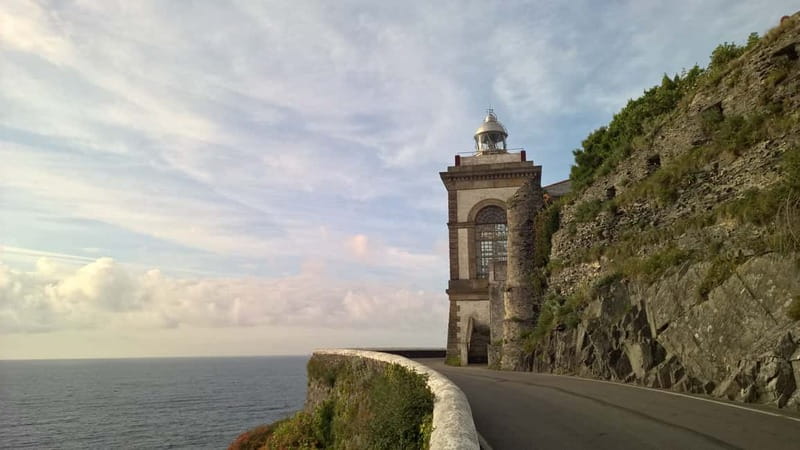
Cudillero is the town you’re going to remember long after you’ve left Asturias. The reason is built into the layout: it’s a coastal place of steep streets and paths that lead down toward the water. The town is often described as the Villa Pixueta, and once you’re there, the name makes sense.
The guide typically frames the town as something more than geography. This is a working seaside community, with houses facing the sea and a lively history tied to fishing. You also get a panoramic view moment, plus the visual signature of Cudillero: the amphitheatre-like setting where buildings seem to step down toward the shore.
Then comes the best part if you like flexibility: you get some free time to taste local gastronomy, with recommendations from your guide. That means you can match your appetite to your energy level, instead of eating whatever’s closest to the bus.
How to handle the free-time window
You’ll likely have to make choices fast. If you want both views and food, plan to do one proper lookout stop and then eat soon after. Cudillero can feel like one more street leads to another street leads to a better view, which is charming—until you have to rejoin the group.
Avilés: historic centre highlights plus the old-industry and modern contrast
Avilés gives you a different flavor of Asturias: more urban, more layered, and more about time periods colliding. It’s known as the village of the forward, tied to a maritime-and-exploration story connected to figures involved in the Indies and reconquest efforts in the 16th century. You’ll hear this framing early enough that later details make more sense.
During the guided part, you focus on Avilés’ historic centre. Expect stops that anchor the walk: the Church of Sabugo in front of the estuary, Plaza de la Merced, and the monumental Church of Santo Tomás. The tour also references the estuary of Avilés, which is tied to the region’s important industrial sector.
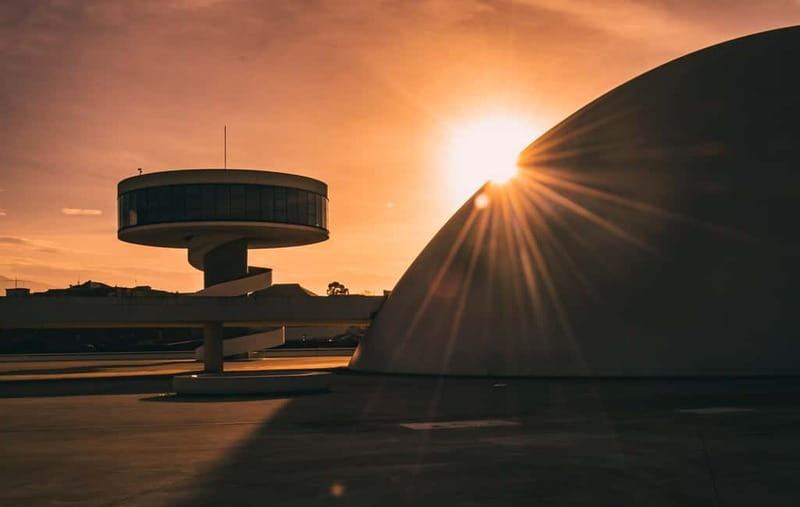
Then there’s a modern angle: the Niemeyer Centre is a standout. Even if you don’t go inside, the idea is that Avilés has moved beyond only industrial identity. It now carries contemporary architecture as a public statement.
A heads-up on time and language
This is where the one major tradeoff can show up. If your group is split by language, or if the guide has different pacing for different participants, your time in Avilés can feel shorter than you’d hoped. If Avilés is the main reason you booked, go with the expectation that you’ll get a guided orientation and key highlights, not hours of wandering without a plan.
Price and value: is $50 a good deal for three towns?
For a $50 day trip, the math works best if you count the “invisible costs.” Round-trip transportation alone can add up fast in Asturias if you’re self-organizing. Add a live guide in English and Spanish, and suddenly your cost isn’t just getting from place to place—it’s buying context, route efficiency, and a curated sequence of viewpoints.
Food is not included, so you’ll need to budget extra for lunch and drinks. The good news is you usually get free time in Cudillero to choose where and what to eat, rather than being locked into one group meal.
In my view, this is strong value for people who want:
- a structured introduction to Luarca, Cudillero, and Avilés
- guided highlights without the stress of planning transit
- enough viewpoints to feel like you used your time well
It’s less ideal for people who want long, unhurried museum time or for anyone who hates guided walking.
Guide style matters: bilingual tours can change your day
Because the guide operates in English and Spanish, the experience can feel slightly different depending on which language group you end up with. The tour is bilingual and there’s an option for how it’s offered when there are more than 6 participants, but that doesn’t guarantee every moment will be equally detailed in both languages.
Here’s what to do with that reality:
- Ask yourself what you care about most. If your top priority is scenery and key sights, you’re in good shape.
- If you care about the historical storytelling at every stop, arrive early and be ready to stay flexible if your group is moving at a slightly different pace.
That bilingual setup can still be great. When it clicks, the commentary makes the places feel connected—fishing past, historic centre layout, and why the estuary mattered.
Getting the timing right: walking comfort, meeting point discipline, and what to bring
This trip runs on a schedule, and it’s built that way for a reason. You should arrive at the meeting point about 15 minutes early, because the guide can’t wait for late arrivals. That matters because the itinerary depends on travel time between towns and the walking windows in each stop.
Packing-wise, keep it simple:
- Bring a passport or ID card.
- Wear comfortable walking shoes. You’ll be on uneven ground and doing hills.
- Bring a light jacket. Coastal weather can shift quickly.
And one important note for comfort: the tour is not suitable for wheelchair users, so plan accordingly.
Who should book this day trip from Gijón (and who should skip)
Book it if you want a fast, guided sampler of Asturias’ north coast—especially if you love viewpoints, seaside towns with character, and an itinerary that doesn’t require micromanaging logistics.
You might skip it if:
- you want deep museum time or long self-guided wandering
- you struggle with moderate walking
- you’re the type who gets frustrated when a bilingual group’s pacing doesn’t match perfectly with your language preference
If you’re traveling with limited time in Gijón and you want to see more than one coastal town in a day, this itinerary fits the bill.
Should you book this Gijón to Luarca, Cudillero and Avilés trip?
If you want an efficient day that blends sea views with guided context, I think this is a solid booking. The strongest selling points are the Ermita de la Regalina outlook, Cudillero’s dramatic hill-town design, and Avilés’ guided historic centre highlights paired with a modern landmark.
My advice: book it if your expectations match the format. This is about highlights and orientation, not a slow, linger-everywhere tour. If that sounds like your style, you’ll come home with a handful of clear images and a better feel for how Asturias developed along its coast.
FAQ
How long is the day trip and what time does it start?
It lasts 9 hours and starts from Gijón at 09:00.
What’s included in the price?
The tour includes a live guide (English and Spanish) and round-trip transportation. Food and drinks are not included.
Which towns will we visit?
You’ll visit Luarca, Cudillero, and Avilés during the day.
Is there a lot of walking?
There’s a moderate amount of walking on the route. Plan for some outdoor walking and uneven terrain.
Do I need an ID?
Yes. You should bring a passport or ID card.
Is the tour suitable for wheelchair users?
No. The tour is not suitable for wheelchair users.