REVIEW · CUSCO
From Cusco: 2-Day Trip to the Sacred Valley and Machu Picchu
Book on GetYourGuide →Operated by Peru Andes Top · Bookable on GetYourGuide
Cusco-to-Machu Picchu in two days is intense. What makes this one workable is the way it strings together Sacred Valley history with a guided Machu Picchu morning, while you rest overnight in Aguas Calientes instead of rushing everything in a single day.
I especially like the two professional guide days (English/Spanish) and the “no-stress” feel: hotel pickup, train/bus connections, entrance to Machu Picchu, and 24-hour support if something goes sideways. The one drawback to plan around is weather and early-entry reality—if your Machu Picchu slot is early and conditions are cloudy, the views can be less dramatic, even though the site still hits hard.
In This Review
- Key takeaways before you go
- Why this 2-day Cusco to Machu Picchu route makes sense
- Day 1: Pisac—terraces, irrigation, and the Inca cemetery
- The craft market stop: souvenirs with purpose
- Day 1 continues: Urubamba lunch break and real-food breaks
- Ollantaytambo afternoon: stonecarving techniques and a temple-city vibe
- Train to Aguas Calientes: tourist vs panoramic, and the “which side matters” tip
- Limited luggage matters more than you think
- Overnight in Aguas Calientes: why it’s worth the extra night
- Machu Picchu morning with a guide: terraces, stairways, and the story
- Weather can change the view, not the impact
- Lunch in Aguas Calientes and heading back to Cusco
- Price and what $370 buys you (and what you still pay separately)
- What’s included
- What’s not included
- Is it good value?
- Who this tour fits best (and who should think twice)
- Practical packing and timing tips before you book
- Should you book this Cusco to Machu Picchu 2-day tour?
- FAQ
- How long is the Cusco to Sacred Valley and Machu Picchu trip?
- What languages are the guides?
- Is pickup included, and where does it happen?
- Is accommodation in Aguas Calientes included?
- What train options are available?
- Are entrance tickets to Pisac and Ollantaytambo included?
- Is lunch included during the trip?
- What ID do I need, and can I bring large luggage?
Key takeaways before you go
- Small group (up to 15 people) keeps questions from getting lost.
- Guides like Wally and Uriel are praised for clear explanations and strong energy.
- Train ride is a highlight, especially if you care about seeing the river canyon as you go.
- Overnight in Aguas Calientes gives you time to settle in and catch an early bus up to Machu Picchu.
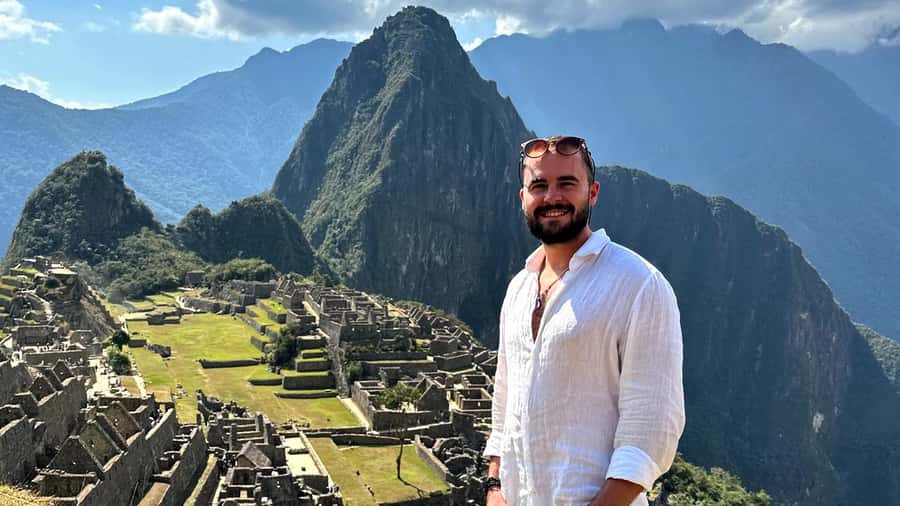
- Machu Picchu with a guide means you’re not just looking at stones—you’re learning what you’re seeing.
Why this 2-day Cusco to Machu Picchu route makes sense
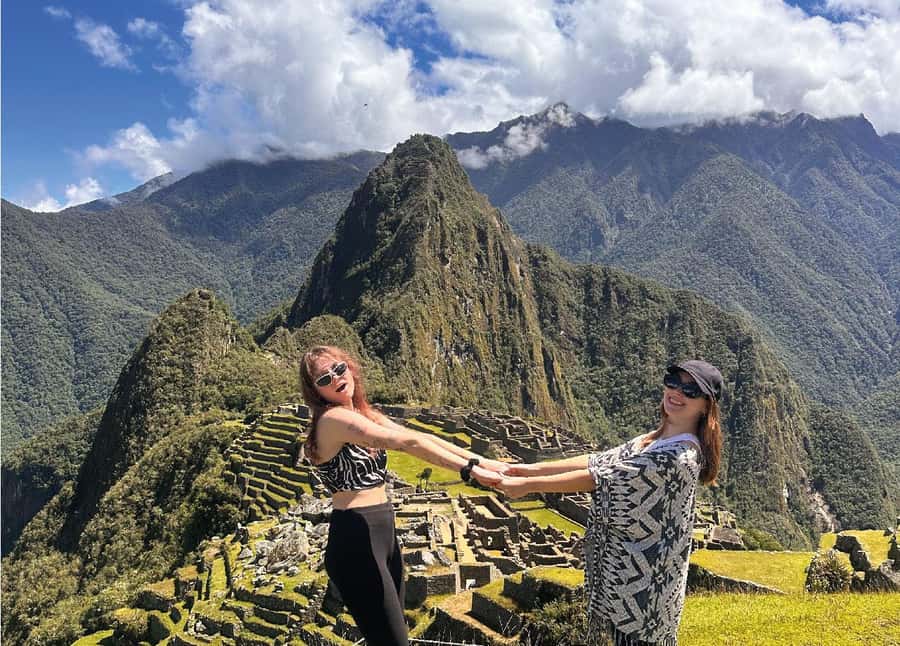
This is a tight, efficient itinerary that’s built for first-timers (and anyone who doesn’t want to trek) who still want the “full story.” You get a morning-and-afternoon pace on Day 1 through the Sacred Valley’s big-name Inca sites, then a Day 2 focused on Machu Picchu itself with an actual guide-led experience.
The value isn’t only the sights. It’s the logistics: pickup in central Cusco, coordinated transport by train and bus, and a timed entry to Machu Picchu. When the schedule is already stitched together for you, you spend less time figuring out connections and more time paying attention—especially on Day 2, when time matters.
One practical note: this trip is sold with optional accommodation in Aguas Calientes (standard or superior category, if you choose that option). If you like waking up refreshed rather than “arriving and scrambling,” that overnight piece is a big deal.
You can also read our reviews of more tours and experiences in Cusco.
Day 1: Pisac—terraces, irrigation, and the Inca cemetery
Pisac is one of those sites where you can feel the Inca mindset: built to last, built to feed people, built to control water. Here, you’ll see stone walls and big agricultural terraces, plus irrigation systems that show how engineering and farming worked together.
Then there’s the quieter, very specific detail that people remember: Pisac includes what’s described as the largest cemetery in the Inca Empire. That alone changes how you look at the site. Instead of only seeing “ruins,” you start noticing how sacred landscapes were structured—where people lived, worked, farmed, and were buried.
The craft market stop: souvenirs with purpose
Right near Pisac, you’ll also have time for the Pisac Craft Market. This is where you’ll find artisan ceramics, textiles, jewelry, Andean instruments, alpaca products, and general souvenirs.
My advice: treat this stop as two parts. First, browse without buying—especially textiles. Second, if you want something, buy it with the intention to use it later. That keeps you from overspending on items that look nice in the moment but won’t make it home useful.
Day 1 continues: Urubamba lunch break and real-food breaks
On the way to Urubamba, you’ll have time to eat. You can purchase lunch at local restaurants in the area with traditional dishes made using fresh products.
A lot depends on what’s scheduled with your specific group timing, but the intent is clear: you’re not just touring. You’re also getting a normal meal break in the Sacred Valley region. That matters because Day 1 is site-heavy, and Machu Picchu day is early.
Ollantaytambo afternoon: stonecarving techniques and a temple-city vibe
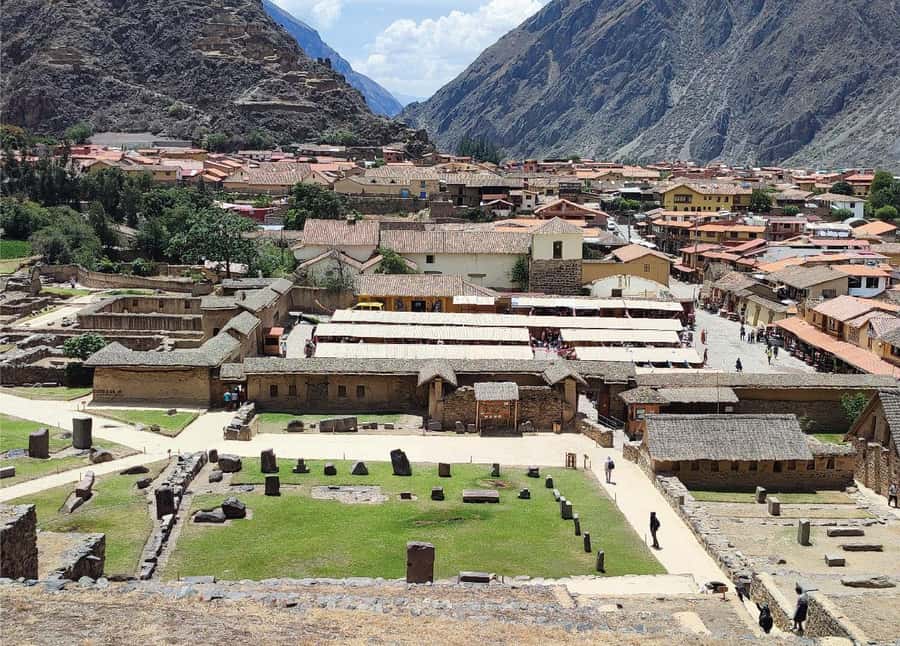
After Pisac, the tour continues to Ollantaytambo. This is a site that feels different from many “single highlight” ruins because it reads like an organized city.
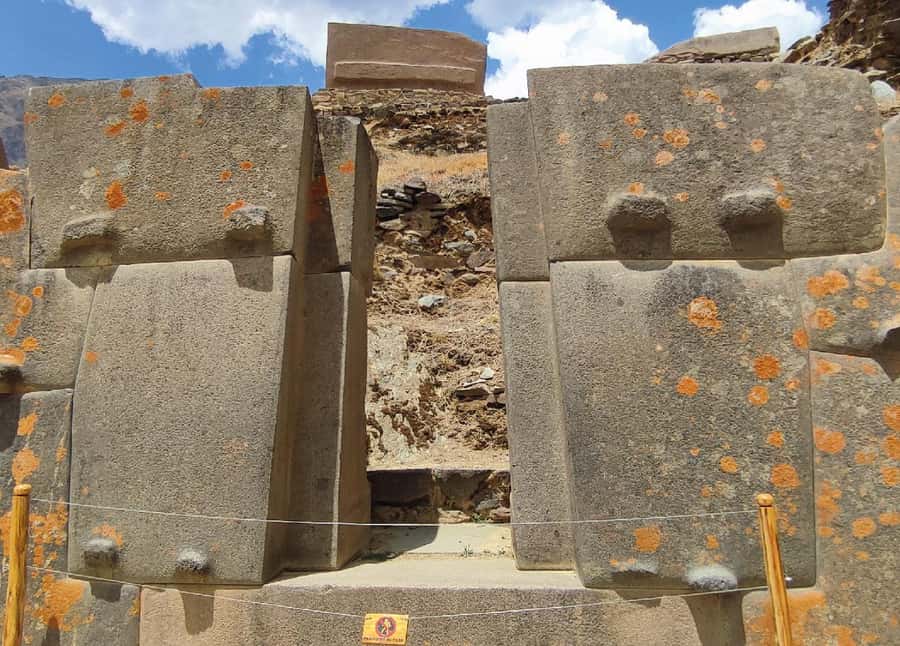
You’ll visit the archaeological complex of Ollantaytambo, where you can learn about Inca stonecarving techniques—how stones were shaped and fitted so precisely they still look unreal. You’ll also see temples, terraces, warehouses, and a large Inca monolith.
Here’s why Ollantaytambo is worth your attention even if you’ve already seen impressive Inca masonry: it helps you connect the dots. You start understanding that these weren’t random monuments. They were functional spaces—religious, agricultural, storage-related, and built for how people moved through daily life.
And it’s not just theory. The afternoon timing is a smart setup because it positions you well for the train portion right after.
Train to Aguas Calientes: tourist vs panoramic, and the “which side matters” tip
Next comes the train from Ollantaytambo to Aguas Calientes. You can choose between the Tourist Train and the Panoramic Train, depending on what you booked.
This is one of the most praised parts of the trip because the route gives you views shaped by the Urubamba River canyon. You’re watching the terrain form while you travel, which makes the journey feel like part of the experience—not just getting from A to B.
A very practical tip from experience shared by past travelers: one side of the train has better views than the other. If river views matter to you, it’s worth paying attention at boarding or when seats are assigned. Even a small seat-side difference can change what you notice through the window.
Limited luggage matters more than you think
This tour notes that luggage or large bags are not allowed. That affects train comfort and bus boarding. If you’re traveling with a lot, plan to pack lighter than you would for a slow trip.
Overnight in Aguas Calientes: why it’s worth the extra night
After the train, you’ll head to your accommodation in Aguas Calientes for the evening (only if you selected the lodging option). This is the part of the plan that keeps the whole thing from becoming a full-day endurance event.
You’re in the right place to catch an early bus up the mountain the next morning. That timing factor matters because Machu Picchu is all about morning entry windows. Being based in Aguas Calientes reduces stress and gives you time to reset.
This stop also acts like a buffer. Weather can shift. Train schedules can run slightly behind. Having an actual evening in the area makes the next morning feel more controlled.
Machu Picchu morning with a guide: terraces, stairways, and the story
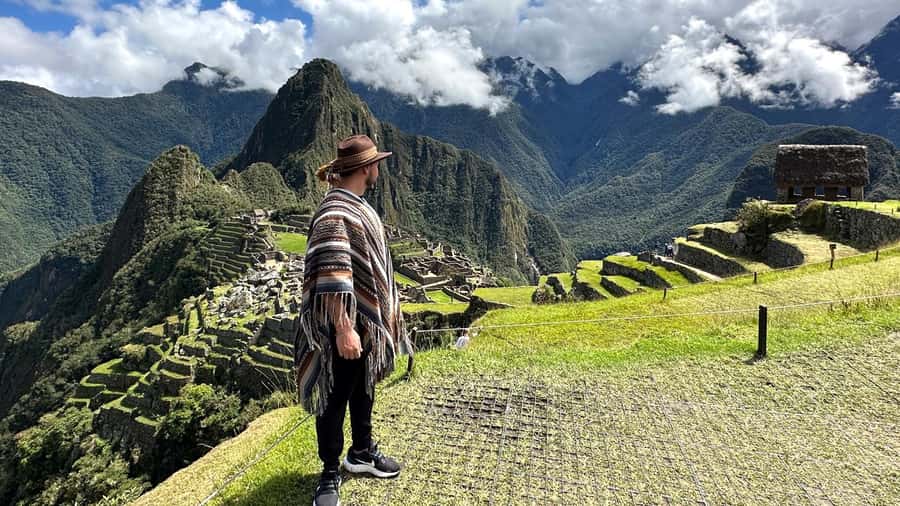
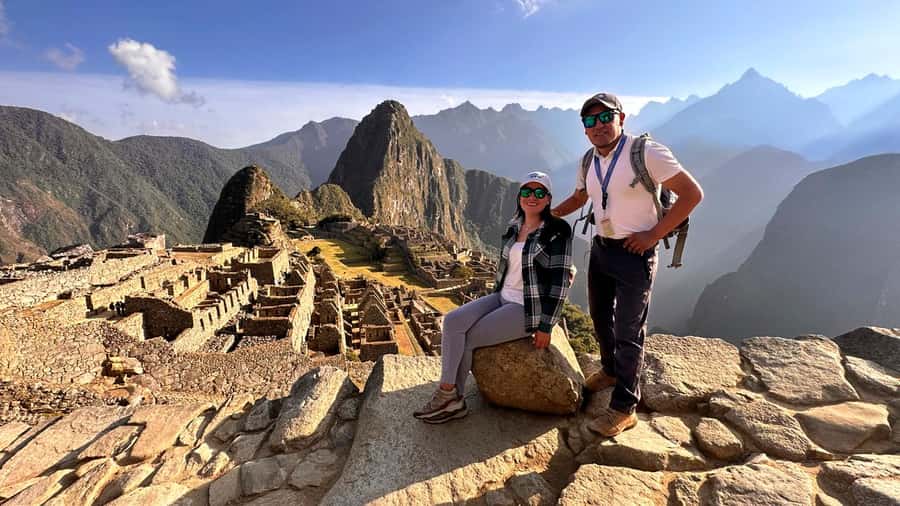
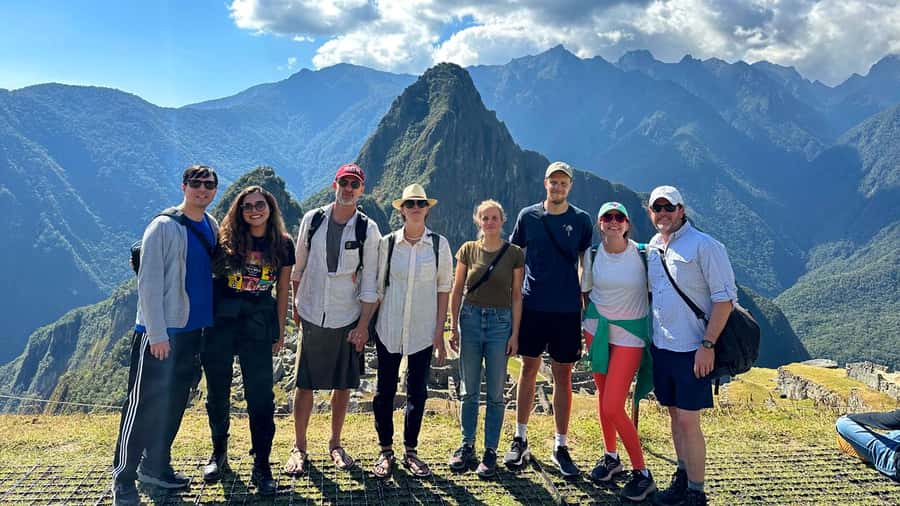
Machu Picchu is Machu Picchu, but the difference here is the guided tour. You’ll explore the Inca citadel on a structured visit that points out the features: terraces, stairways, and ceremonial areas, while you learn what the site meant and how it worked.
The most common praise for the guides comes down to clarity and passion. Past travelers specifically named Uriel and described him as both knowledgeable and engaging. Others talked about guides like Wally and William for the Sacred Valley day, highlighting how they made the information land—especially for non-Spanish speakers.
Weather can change the view, not the impact
One recurring theme: conditions can affect what you see, especially for early entry. If your ticket is a 7:00 slot and the day is cloudy (or foggy), the mountain views might not look as strong.
But even then, you’re still walking through a place people remember for its layout and precision. In fact, cloud can sometimes make the site feel even more ghostlike and dramatic—just be ready for different visibility than the postcard version.
Lunch in Aguas Calientes and heading back to Cusco
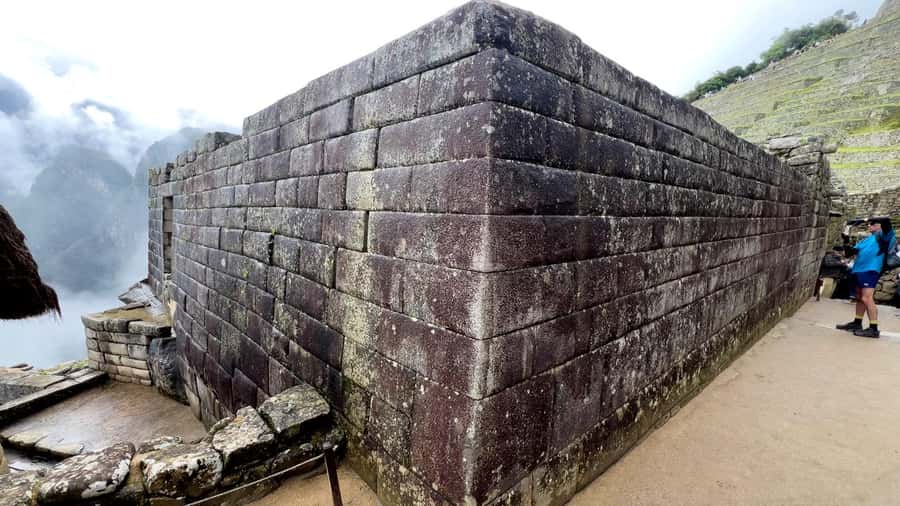
After the guided Machu Picchu visit, there’s time for lunch in Aguas Calientes. This is listed as included, and multiple people praised the meal they got there.
Then it’s back down the system: you’ll take the train from Aguas Calientes back toward Ollantaytambo, where a bus will be waiting to take you back to Cusco.
This return rhythm matters because it closes the loop neatly. You’re not left figuring out transit at the end of a physically demanding morning.
Price and what $370 buys you (and what you still pay separately)
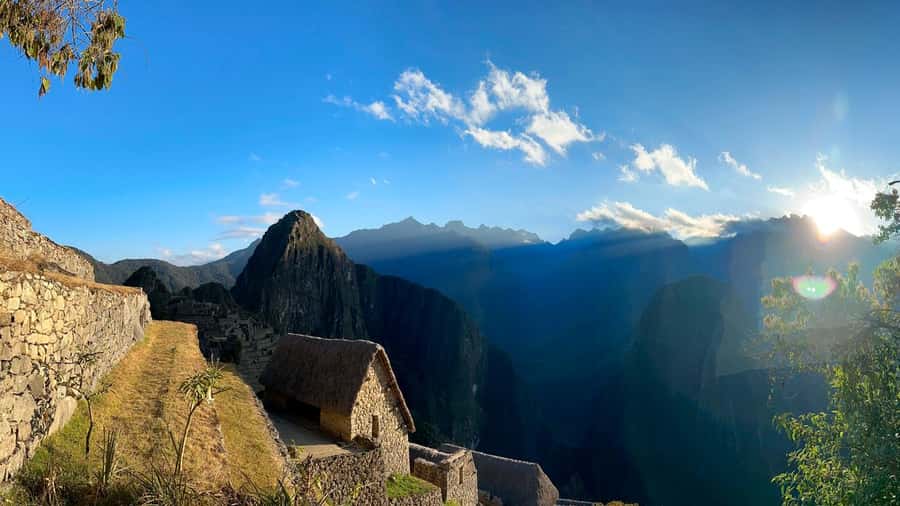
At $370 per person, the real question is what’s covered versus what you’ll pay later.
What’s included
You’re paying for the big-ticket logistics and the core experience:
- hotel pickup and drop-off in the Cusco historic center area
- Sacred Valley tour with a certified guide (English/Spanish)
- Machu Picchu tour with a certified guide (English/Spanish)
- roundtrip train ticket based on your chosen category
- roundtrip bus ticket (Aguas Calientes to Machu Picchu)
- entrance ticket to Machu Picchu
- lunch in Aguas Calientes
- optional accommodation in Aguas Calientes (if you select that option)
- 24-hour assistance
What’s not included
- entrance to Pisac and Ollantaytambo (listed as about $22 total approximately)
- lunch in the Sacred Valley
- drinks
Is it good value?
For many people, yes—because this is not only “transport + tickets.” It’s peace of mind: small-group pacing, trained guides, and coordinated connections. One review directly made the point that you could sometimes find a cheaper DIY approach, but this tour is for when you want things organized so you can focus on the sites.
If you’re comfortable handling train times, ticket rules, and seat/entry logistics on your own, DIY can be cheaper. If you’d rather reduce friction, the structure you’re buying here is worth real money.
Who this tour fits best (and who should think twice)
This fits you best if:
- you want Machu Picchu without a trek
- you prefer small-group guidance over self-exploring
- you don’t want to stress about train/bus timing
- you value historical context explained clearly by guides (English/Spanish support is built in)
- you like having at least some free time in Aguas Calientes to decompress
You might think twice if:
- you strongly want total control over every decision and timing
- you’re traveling with a large bag (this tour restricts luggage)
- you’re very view-dependent and sensitive to weather. Early entry can mean less visibility even when everything runs correctly
Practical packing and timing tips before you book
A few small items can make your trip smoother:
- Bring a passport or ID card.
- Avoid luggage or large bags since they aren’t allowed.
- Be in the hotel lobby about 15 minutes before pickup.
- Pickup times can shift depending on your confirmed train departure time, and you’ll be told the pickup time a couple of days before departure.
Also, take note: the Machu Picchu entrance process has rules where, if you cancel your reservation, the entrance-ticket portion can’t be refunded. If your dates are uncertain, that’s something to weigh before you commit.
Should you book this Cusco to Machu Picchu 2-day tour?
If you want the classic Peru highlight hits with guided explanations and transportation that’s handled for you, this is an easy yes. The Sacred Valley day gives you context and strong site variety (Pisac terraces and irrigation, plus Ollantaytambo’s city-like layout). Then Day 2 concentrates on Machu Picchu with a guide-led walkthrough when you’re already positioned in Aguas Calientes.
Book it if you value smooth logistics and you like small-group attention. Consider an alternative if you’re chasing perfect views only and you’re okay taking on the extra planning load yourself.
Bottom line: this tour is a solid way to do Machu Picchu efficiently, with guides who earn praise for making the experience understandable—not just scenic.
FAQ
How long is the Cusco to Sacred Valley and Machu Picchu trip?
It runs for 2 days. The starting times depend on availability.
What languages are the guides?
Tours are offered in Spanish and English.
Is pickup included, and where does it happen?
Yes. Pickup is included from your accommodation in the historic center of Cusco. You should be waiting in your hotel lobby about 15 minutes before the scheduled pickup time.
Is accommodation in Aguas Calientes included?
Accommodation is included only if you select that option. It’s offered in standard or superior categories.
What train options are available?
You can choose a roundtrip train category: Tourist Train or Panoramic Train.
Are entrance tickets to Pisac and Ollantaytambo included?
No. Entrance tickets to Pisac and Ollantaytambo are not included (listed as approximately $22).
Is lunch included during the trip?
Lunch is included in Aguas Calientes. Lunch in the Sacred Valley is not included.
What ID do I need, and can I bring large luggage?
Bring a passport or ID card. Large luggage is not allowed.