REVIEW · LUXOR
From Cairo: Small-Group Day Trip to Luxor by Plane
Book on GetYourGuide →Operated by FTS Travels · Bookable on GetYourGuide
Ancient Egypt in one day? Yes—Luxor by plane. What makes this trip work is the early flight and the air-conditioned transfers that keep the long day manageable until you hit the first temple. The one catch: it’s a very long day with lots of walking, and Luxor heat can add stress if you’re not ready.
I especially like how the day is built around the heavy hitters—Karnak and the Valley of the Kings—with enough guidance to connect the details you’re seeing to what they meant. And the human factor matters here: names like Aziz, Yousef, Omran, and Dudu come up for strong, patient guiding that helps you keep your bearings through big sites.
In This Review
- Key things I’d pay attention to
- Price and Logistics: What You’re Paying For at $375
- The Cairo Pickup That Sets Your Mood for Luxor
- Flying to Luxor: Fast Access, Tight Timing
- Karnak Temple: Hypostyle Hall and the Reality of Scale
- Valley of the Kings: Tomb Interiors, Optional Tutankhamun
- Hatshepsut’s Temple: Deir el-Bahari Makes the Story Visible
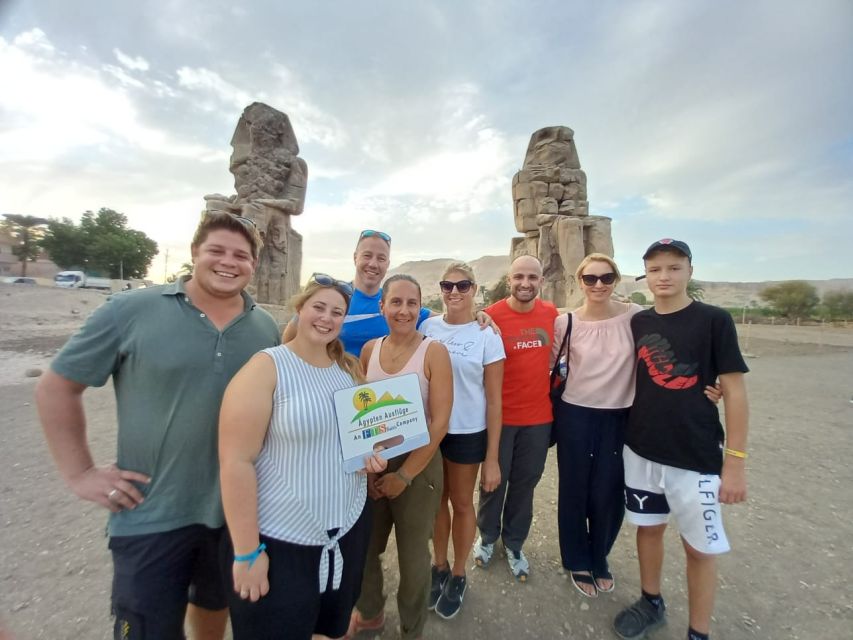
- Colossi of Memnon: The Amenhotep III Guardians (If Included)
- Lunch in Luxor: Simple, Included, and Usually a Relief
- Return Flight and the 8 PM vs 10 PM Decision
- Guides Matter: Why the Human Touch Improves This Trip
- What to Bring (So Luxor Doesn’t Beat You)
- Who This Trip Fits Best (and Who Should Skip It)
- Price and Value: The Real Math Behind $375
- Should You Book This Cairo to Luxor Day Trip?
Key things I’d pay attention to
- Plane-first timing: you trade an overnight train for a tight, day-long itinerary that still covers the essentials
- Karnak’s scale isn’t theoretical: Hypostyle Hall’s columns and carvings are the kind of wow that stays with you
- Valley of the Kings can be customized: Tutankhamun’s Tomb is listed as an option depending on what you select
- Hatshepsut at Deir el-Bahari: the cliffside setting makes the story feel physical, not academic
- Heat and stamina are real: you’ll want comfy shoes, sunscreen, and a plan for pacing yourself
- Lunch and water are included: drinks aren’t, so having a little cash helps if you want more than water
Price and Logistics: What You’re Paying For at $375
At $375 per person, this isn’t a bargain in the way a bus-and-sandwich tour is a bargain. You’re paying for three main things that change the whole experience: round-trip flights, private air-conditioned transfers, and site entries plus a guide. When you price those pieces out separately, the tour starts to make more sense.
That said, it’s still a long day. Expect early timing from your Cairo or Giza hotel, then a full Luxor schedule, then a return flight. One guest described it as about 15 hours, which matches the feel of a “see a lot, move a lot” day.
Also note what’s not included: drinks with lunch aren’t covered, and a Nile boat ride isn’t included. If you want those, you’ll handle them separately (or only if your guide helps coordinate extra time).
You can also read our reviews of more tours and experiences in Luxor.
The Cairo Pickup That Sets Your Mood for Luxor
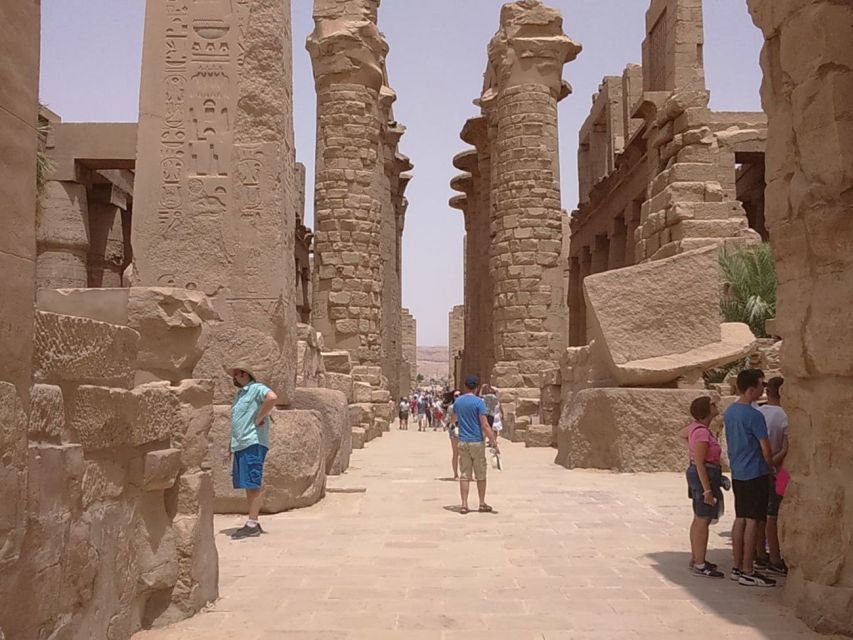
This trip is for hotels in Cairo and Giza, with pickup and drop-off included. Pickup timing depends on where you’re staying, and you’re told to confirm your exact pickup time one day before.
Two practical details matter:
- A pickup delay of up to 10 minutes may happen.
- The tour operator sends the pickup time by email the day before, and you should provide traveler names and passport numbers after booking.
One more thing I like: the info is clear that your personal belongings should not be left in the vehicle. That’s not just legal-speak—on tours like this, you’re better off keeping your essentials on you, especially in hot weather.
Flying to Luxor: Fast Access, Tight Timing

The core idea here is simple: you fly from Cairo to Luxor early, do a structured city tour, then fly back. That is the big advantage of this format. You skip the slow parts and spend the day at the sites that actually matter.
But fast access comes with tight timing. You’ll want to be ready to move at each stop. Also plan your energy like this is a day tour, not a leisurely sightseeing stroll.
If you’re sensitive to fatigue, pack for it. Bring sunglasses and sunscreen. Wear comfortable shoes—the temples mean uneven stone and long stretches on foot.
Karnak Temple: Hypostyle Hall and the Reality of Scale
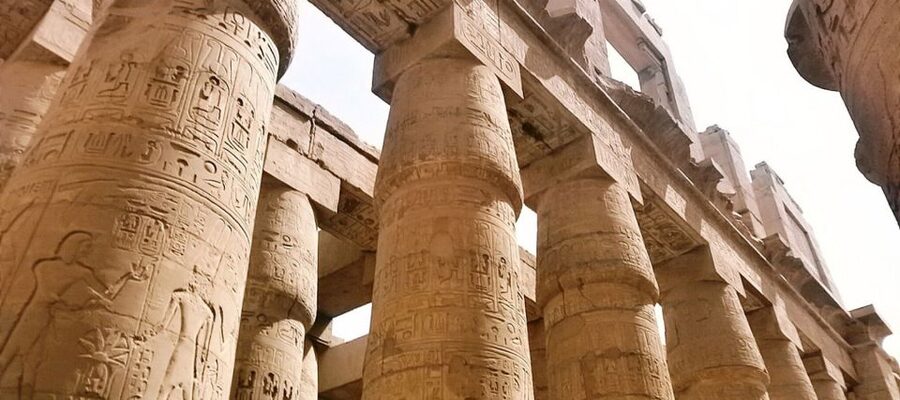
Karnak is the first place where “Egypt is big” turns from a phrase into a feeling.
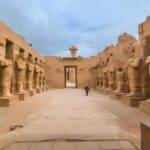
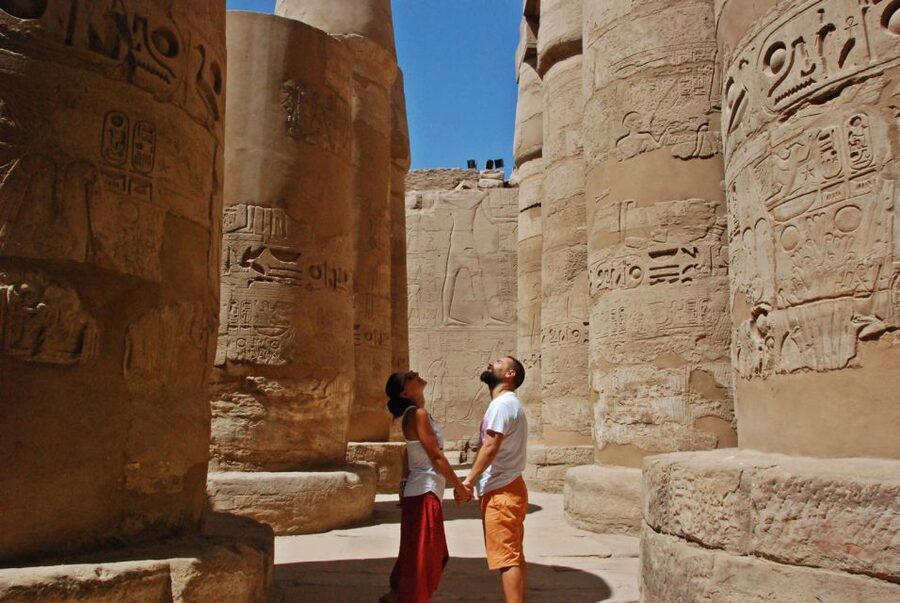
Your visit focuses on the Temple of Karnak, dedicated to Amun and linked with Mut and Khonsu. The headline moment is the Hypostyle Hall, famous for its colossal columns. Even if you’ve seen photos, standing in that space makes the scale hit differently. The carvings and hieroglyphs aren’t just decoration; they’re part of an active visual story of ritual life and divine power.
A tip that helps: slow down inside the hall and pick one area of carvings to study. You don’t have time to read everything, but you can still notice patterns—how scenes are arranged, how surfaces are worn, and how the space guides your eye.
What I like about this tour style is that Karnak isn’t treated like a quick stop. You’re given time to actually look, not just walk past.
Valley of the Kings: Tomb Interiors, Optional Tutankhamun
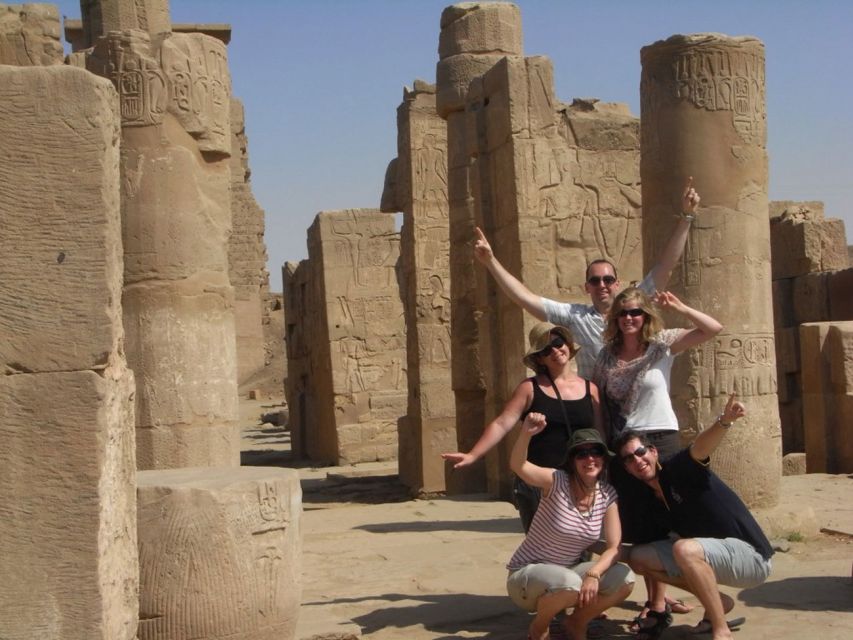
Next comes the Valley of the Kings, the burial landscape for major pharaohs. Here, the goal is to see the tombs and experience how art and architecture carried power even after the reign ended.
One important detail: entry options can vary. The tour data lists Valley of the Kings entry and the Tutankhamun Tomb as options depending on what you select. If you want Tutankhamun’s tomb, make sure you’ve chosen that add-on/option before you go.
Either way, the Valley is the kind of place where you feel the weight of time fast. Tomb entrances and corridors mean more walking in sun and heat outside, then cooler, enclosed spaces inside. You’ll likely find the experience equal parts overwhelming and memorable.
Realistic drawback: tombs can be physically challenging. The tour is not suitable for people with mobility impairments, and it also isn’t listed for pregnancy or pre-existing medical conditions. If you’re in any of those groups, consider another format.

Hatshepsut’s Temple: Deir el-Bahari Makes the Story Visible
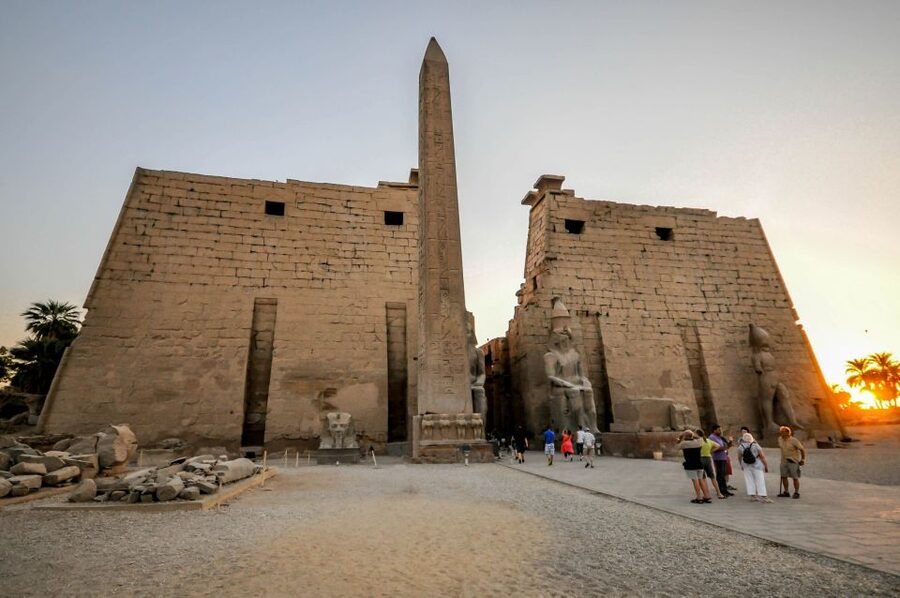
The Temple of Hatshepsut at Deir el-Bahari is one of those stops where the setting does half the teaching.
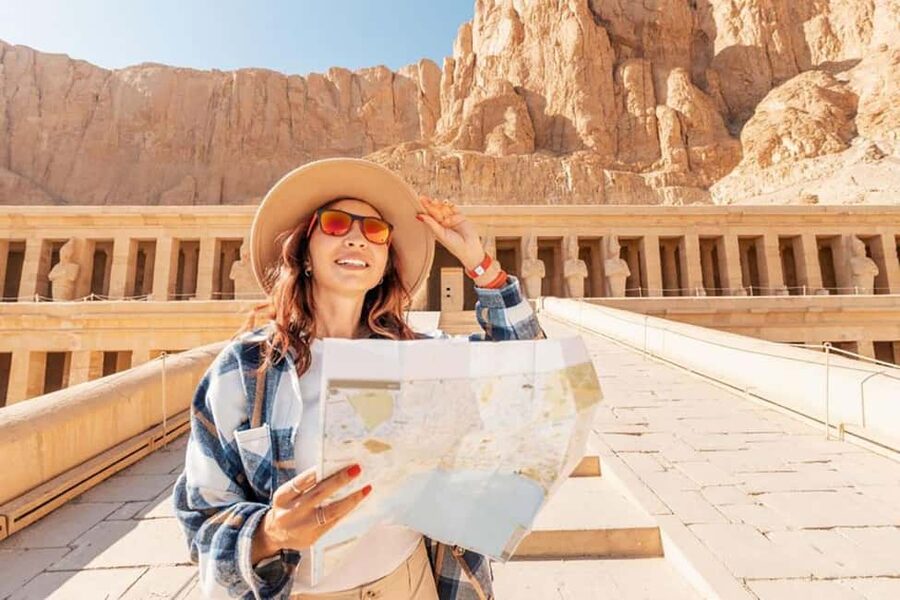
You’re visiting the mortuary temple of Egypt’s first female pharaoh. In the tour description, Hatshepsut’s story is emphasized as a reign where she defied convention to rule as a king. Standing in front of the temple’s design—built to blend into the cliffside—you can see why this matters. The architecture feels planned to last, and the cliff context makes the temple’s scale feel even more intentional.
This is also a good moment to slow your pace. After Karnak and the Valley, Hatshepsut can feel like a breath—still awe-inspiring, but with more open sightlines and a different visual mood.
Practical note: you’ll still be outside in the heat for stretches, so keep water close and move smart.
Colossi of Memnon: The Amenhotep III Guardians (If Included)
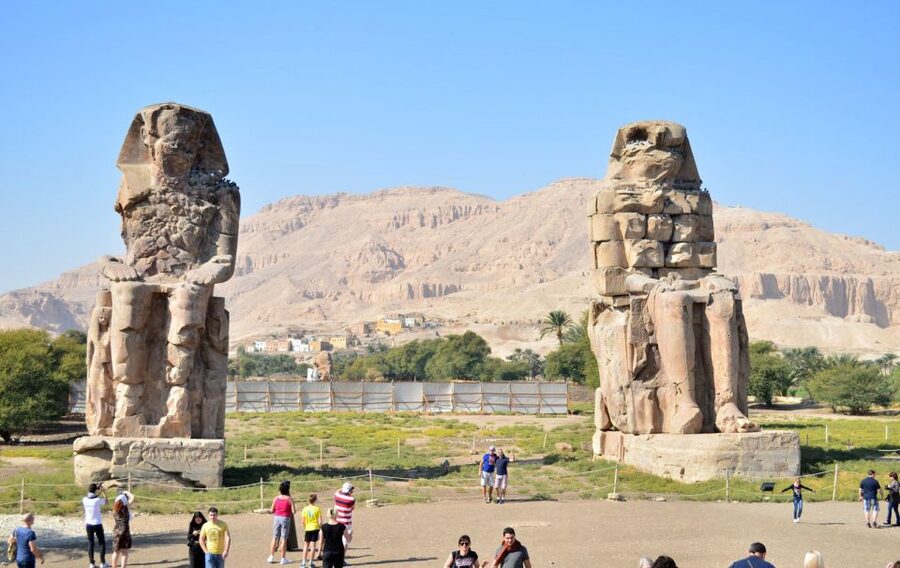
The Colossi of Memnon are listed as an optional add-on/option, so whether you see them depends on what you select. If it’s included, this stop is a quick but strong way to add another layer to the day.
These are the towering statues of Amenhotep III, often described as guardians of a lost temple entrance. Looking up at them gives you a sense of how monumental royal architecture was meant to feel from a distance—like the palace itself was personified.
Even if you’re tired by then, statues like these are worth the effort. They’re memorable without needing long explanations in every direction.
Lunch in Luxor: Simple, Included, and Usually a Relief
You get lunch at a local restaurant in Luxor, and you also get bottle(s) of water. Drinks aren’t included, so if you want juice, soda, or anything beyond water, plan to pay extra.
I like the “lunch break” on days like this because it gives your brain a reset. Temples can overload your senses quickly—columns, reliefs, corridors, then more corridors. Eating somewhere local also helps the day feel lived-in instead of only museum-like.
One small strategy: keep lunch light enough that you can still handle the next stop. You’re not going to want a heavy, slow meal when you still have tombs or temples waiting.
Return Flight and the 8 PM vs 10 PM Decision
The last part of the day depends on your return flight time.
- If your flight back is at 8 PM, your guide transfers you directly to the airport.
- If your flight back is at 10 PM, the guide can take you to local shops and cafes, or you can wait at the airport.
This matters because it can change how tired you feel. If you want a calmer finale, aim for that direct airport transfer. If you’d rather stretch the day and see a little more of Luxor life, the later flight can give you a buffer.
From the experience notes, guides have also been willing to help guests pass long waits more comfortably, including arranging time at a cafe while waiting. Just know that exact timing will depend on your schedule.
Guides Matter: Why the Human Touch Improves This Trip
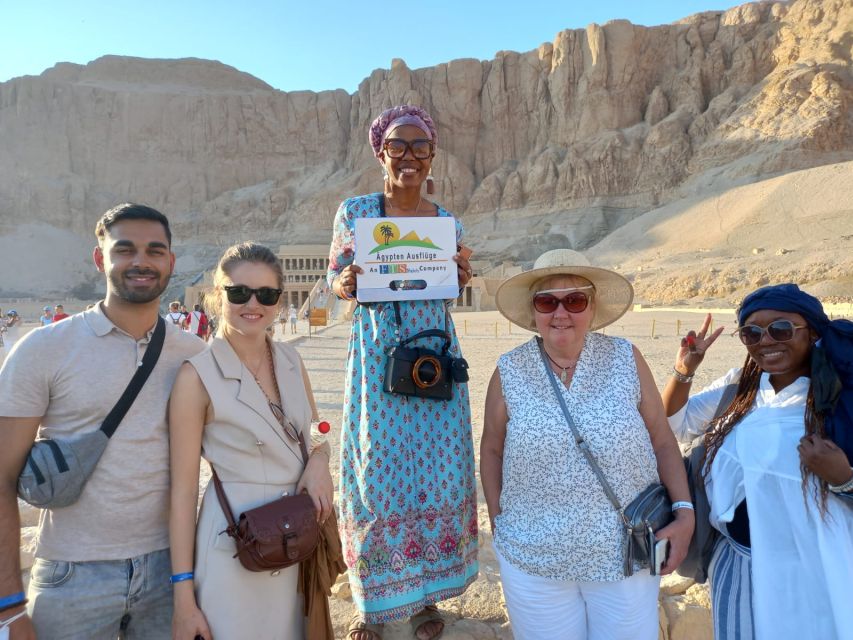
The most consistent praise in the experience is about the guide. Names that show up across strong guiding include Aziz, Yousef, Omran, Dudu, Waleed, and YaYa/DOA. The common thread is simple: clear explanations, helpfulness during the long day, and a flexible, attentive vibe.
A few examples of what that attention can look like in practice:
- Being ready with info that puts what you’re seeing into context (especially at Karnak and the Valley)
- Helping guests with small needs like sun protection
- Making adjustments around what guests want to add, within reason
One guest specifically noted a guide going out of the way to accommodate additional interests, including Howard Carter’s house and even a Nile boat trip as an add-on. That’s not part of the base package (a Nile boat ride is listed as not included), but it’s a reminder that a good guide can sometimes help you personalize your day if time allows.
What to Bring (So Luxor Doesn’t Beat You)
Here’s the short list you’ll be glad you packed:
- Passport or ID card
- Comfortable shoes
- Sunglasses
- Sunscreen
- Cash (especially for drinks and any extras)
- Your essentials with you—don’t leave personal items in the vehicle
If you tend to run hot, bring what you need to stay comfortable. This tour isn’t described as a slow, shade-heavy walkathon. It’s a major sites day.
Who This Trip Fits Best (and Who Should Skip It)
This is a good match if you:
- Want the big Luxor sites in one day and don’t want an overnight plan
- Like guided context while you’re walking the sites
- Can handle a full, long day of standing and walking in heat
This trip is explicitly not suitable for:
- Pregnant women
- People with mobility impairments
- People with pre-existing medical conditions
If any of those apply, you’ll likely be better off choosing a different style of visit with fewer steps or a more flexible pace.
Price and Value: The Real Math Behind $375
Let’s talk value without pretending costs are free.
You’re getting:
- Round-trip flights Cairo ↔ Luxor
- Hotel pickup and drop-off in Cairo/Giza
- Transfers in a private air-conditioned vehicle
- A guide (English/German listed, with multiple language options listed overall)
- Entries for major sites you select (Karnak, Valley of the Kings, Hatshepsut, plus optional adds)
- Lunch and water
- And add-ons if chosen (like a professional photographer and cultural Egyptian scarves)
So when is $375 a smart deal? If you’d otherwise pay for a flight, private transport, multiple entries, and a guided day. In that scenario, the tour bundles a lot of essentials and saves you from coordinating every part.
When might it feel steep? If you already have an Egypt schedule that includes Luxor later, or if you’re the type who prefers a slower pace and fewer transitions. This trip is efficient by design. It’s not built for “take your time, wander wherever.”
Should You Book This Cairo to Luxor Day Trip?
If you’re short on time and want the core Luxor hits with a guide, I’d say yes—this is a strong way to do it. The airplane format is the whole point, and the included lunch, water, and air-conditioned transfers make the long day more survivable.
But be honest with yourself about the trade-offs. It’s a packed day with real walking and heat. If you’re prone to exhaustion, have mobility limits, or have medical concerns listed as disqualifying, skip it.
If you do book, I’d choose options that match your interests—especially the Tutankhamun Tomb if that’s high on your list, and the Colossi of Memnon if you want another iconic stop. And pack for sun early. Luxor doesn’t wait for your sunscreen.