REVIEW · BANGKOK
From Bangkok: Living Green Elephant Sanctuary Day Trip
Book on GetYourGuide →Operated by Living Green Elephant Sanctuary Chiang Mai and Chonburi · Bookable on GetYourGuide
Elephants, right from Bangkok, with real rules. This trip to Living Green Elephant Sanctuary gives you close, hands-on time with rescued elephants while keeping things strictly no-riding, no-chains, no-performances. I like that you don’t just watch from a distance—you feed them, walk nearby through forest paths, and (weather permitting) you can even join the elephants in their bath time. One catch: the round-trip minivan ride can be bumpy and long if Bangkok traffic is heavy.
What makes it especially interesting is how guided and structured the day feels, even though the elephants are free to do elephant things. You’ll start with a briefing and traditional Mo Hom clothing, then spend hours in a peaceful 40-acre setting where the focus stays on welfare and natural behavior.
In This Review
- Key points before you go
- Why this sanctuary visit feels different from typical elephant tours
- Getting there from Bangkok: the ride you should mentally budget for
- The start: mo hom clothing, briefing, and meeting the team
- Feeding and elephant time: close, calm, and supervised
- The jungle walk: your chance to slow down near them
- Bath time: optional for you, natural for them
- Lunch at the sanctuary: Ancient Pad Thai, no rushing
- Time, group size, and what makes the day feel organized
- Price and value: does $57 make sense for what you actually get?
- What to bring (so you enjoy the day, not just survive it)
- Who should book this (and who should skip it)
- Should you book this Living Green Elephant Sanctuary day trip from Bangkok?
- FAQ
- How far is Living Green Elephant Sanctuary from Bangkok?
- What’s the trip length?
- What sessions are available?
- Where do I meet for the tour?
- What’s included in the experience?
- Do I need to bring clothes for the elephant activity?
- Can I swim with the elephants?
- Is it okay for kids and families?
Key points before you go
- Strict welfare policy: no riding, no chains, no performances—time is built around normal elephant behavior
- Real interaction, not a show: hand-feeding, guided walking, and optional bathing in their pond
- Mo hom clothing included: you’ll change before meeting the elephants, so you feel part of the day
- Lunch is included: freshly prepared Ancient Pad Thai made with local ingredients
- Small group feel: the day runs smoothly, and guide attention is usually strong
- Plan for traffic: transport back and forth can stretch far longer than you expect
Why this sanctuary visit feels different from typical elephant tours
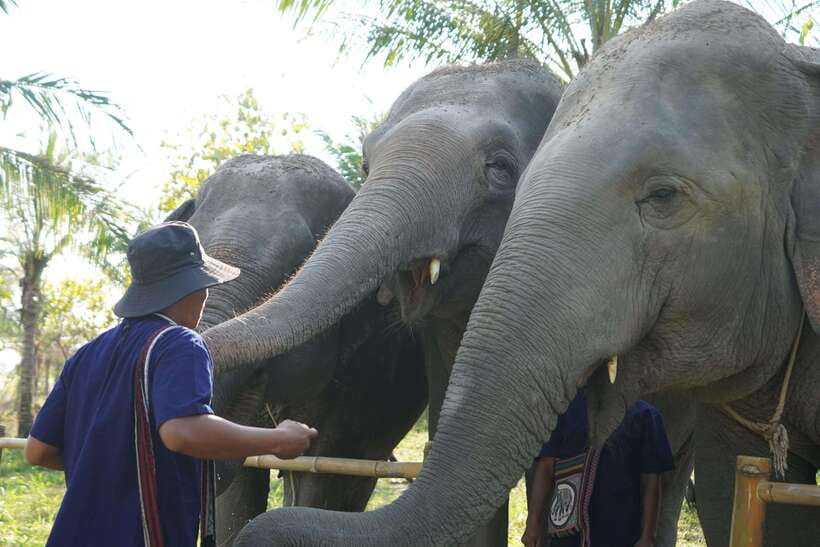
If you’re choosing one elephant experience near Bangkok, this one stands out for how it handles the big, emotional question: how do you get close to elephants without turning them into props?
Here, the emphasis is clear from the start. The sanctuary operates with a hard no-riding, no-chains, no-performances approach. That matters because it changes the whole rhythm of the day. Instead of forcing elephants into tricks, the program is designed around what they choose to do—roam, forage, and socialize—while your guides explain each animal’s background and behavior.
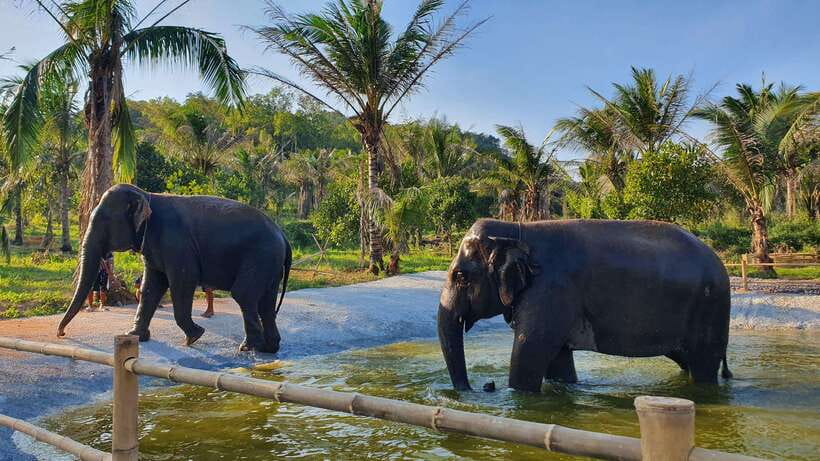
You also get a “hands-on” style that still respects boundaries. You’ll hand-feed the elephants, walk alongside them on small forest paths, and watch their social interactions. Bathing is optional, but it’s built into the experience as a natural behavior, not a staged photo moment.
You can also read our reviews of more tours and experiences in Bangkok.



Getting there from Bangkok: the ride you should mentally budget for
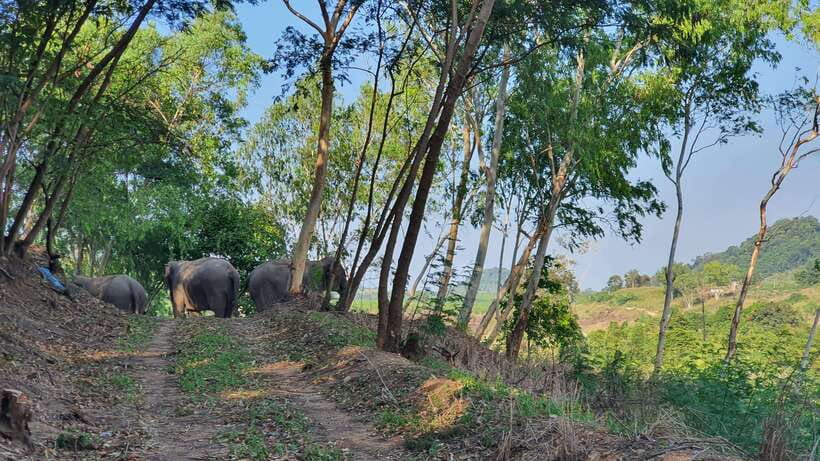
This is a real day trip, not a quick hop. The sanctuary is about 1.5 hours from Bangkok under normal conditions, and the program is listed as a 6–7 hour day including transport (depending on traffic).
You’ll have a few options for where you start:
- Hotel pickup (Bangkok and nearby areas) via an air-conditioned minivan
- Meet at Eakkamai Wat That Thong for some sessions
- Meet directly at the sanctuary (no transfer) for a shorter “you get there” style window
Sessions are offered in two main blocks:
- Morning: 07:00–14:30 (and related meet-up windows)
- Afternoon: 11:00–18:30
Here’s the practical advice: Bangkok traffic can slow everything down. In multiple experiences, the trip was fine once you arrived, but the drive could turn into the longest part of the day—sometimes bumpy too. If you get carsick, bring a little buffer (water, a snack if allowed, and something to help you stay comfortable).
The start: mo hom clothing, briefing, and meeting the team
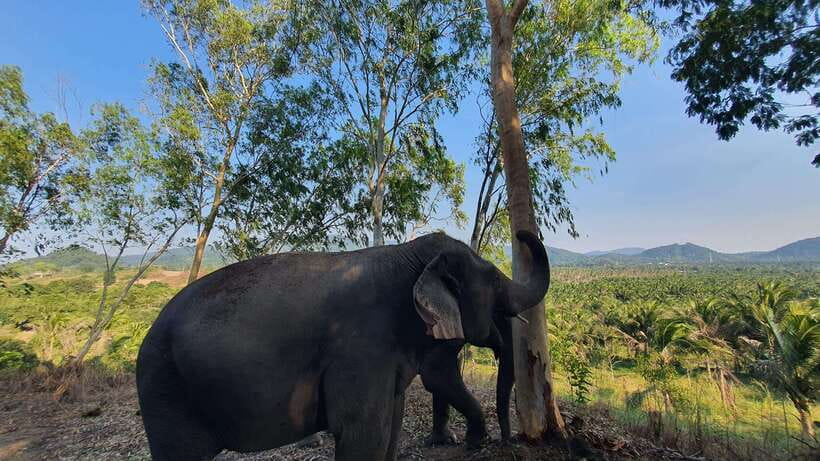
Your visit begins before you see the elephants. You’ll change into traditional Mo Hom clothing, then gather for a briefing about how the sanctuary works and what you’ll do during the encounter.
This is where the “ethical” piece becomes more than a slogan. Guides talk through elephant conservation and why rescued elephants need a protected environment where they can behave naturally. You also learn what to expect with feeding, walking, and bathing, including how safety is handled for both people and elephants.
Many days also include welcome moments like cold water and a warm, organized arrival flow. Guides are English-speaking, and in the real-world delivery you’ll meet familiar guide personalities—names that show up often include Lulu, Mod, Mo, Jumbo, Crazy Man, and Handsome Man. They tend to be funny, which helps when you’re coming into a place that can feel overwhelming at first.
Feeding and elephant time: close, calm, and supervised
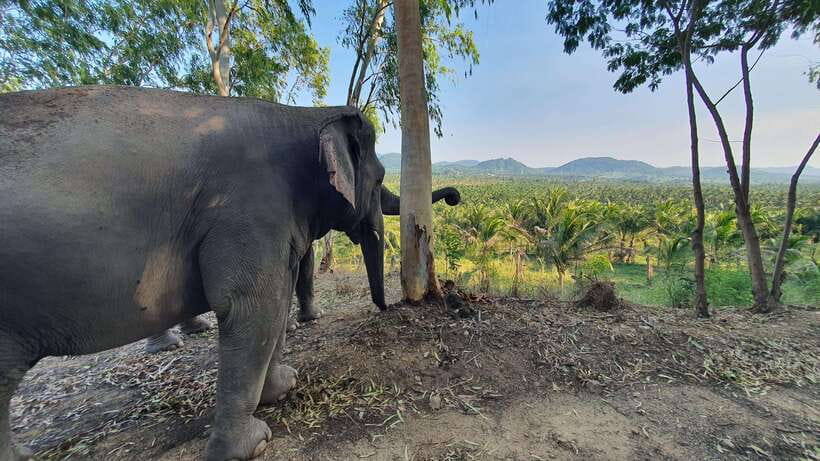
Once the program starts, you’ll join the elephants in a way that feels intimate without feeling invasive.
You’ll typically:
- Hand-feed the elephants (the guides control pace and interactions)
- Watch how they forage and move freely in the sanctuary area
- Learn each elephant’s story, personality, and the reasons they ended up there
What I like about this format is that it gives you time to “read” the animals. Elephants don’t act like performers. When you’re close enough to see details—how they hold their trunk, how they respond to sounds, how they move as a group—you start noticing that each one behaves differently.
In the feedback I’ve seen, a standout moment is often when you meet younger elephants too. One baby named Charlie is mentioned as an unexpected highlight, mostly because he’s cheeky and full of personality.
Also, a helpful detail: guides often take photos during the interaction and may share them afterward for free (some experiences mention getting the photos on the drive back). If you care about photos, this is a nice extra because it reduces the urge to crowd the elephants for your own shots.
The jungle walk: your chance to slow down near them
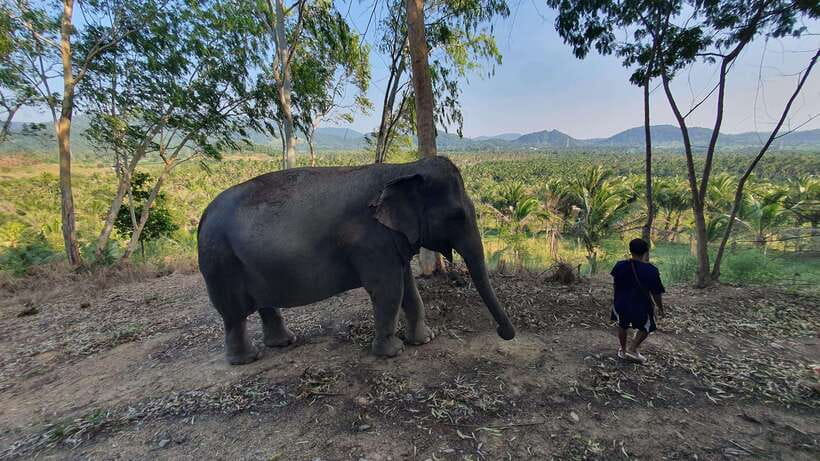
After feeding, you’ll walk with the elephants through forest paths. This part isn’t about conquering a trail. It’s about being in the same space long enough to feel the atmosphere of the sanctuary.
Some of the best value here is not the walking itself, but the context your guide provides as you go. You’ll hear more about:
- Elephant behavior and social life
- How rescued elephants recover and adapt
- The sanctuary’s conservation mission
You should expect the pace to be comfortable and guided, but it’s still outdoors. Wear comfortable clothes, and bring sandals you don’t mind getting dusty.
A quick consideration: since you’re walking near large animals, you’ll want to listen closely during instructions. The point is safety, and the guides are clearly the ones running the flow.




Bath time: optional for you, natural for them
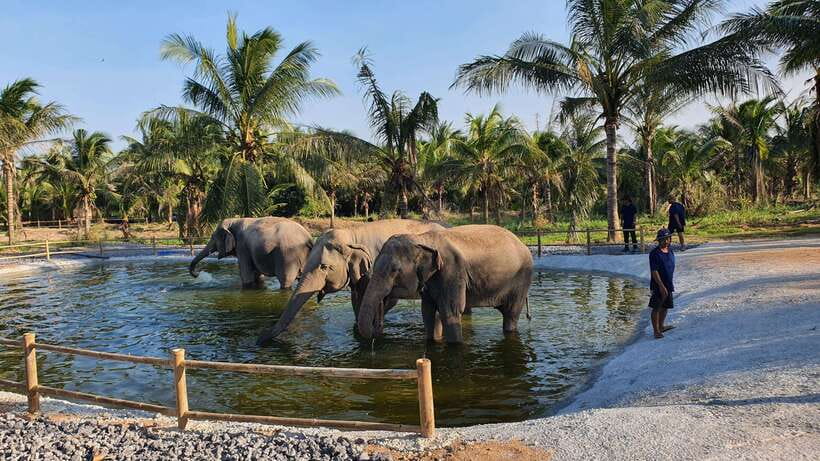
One of the most memorable parts is the bathing section. In this sanctuary model, bathing is treated as an elephant behavior, not a forced trick.
You can join the elephants in their pond if they move into the water. If the weather is cold, elephants won’t be forced into water—you’ll get an observation-focused version of bath time instead.
Practical tips if you plan to get in:
- Bring a towel and a change of clothes
- Wear sandals you can handle getting wet and muddy
- Be aware that some floating matter can be part of real animal ponds
Yes, that can be gross for human noses. But if you want authenticity, that’s the deal. It’s also why the “don’t expect a spa” mindset helps: you’re there to witness and participate in a natural routine, with cleanup managed by the sanctuary standards.
In addition, some experiences mention the presence of clean toilets and showering, which can make the end of the day feel less chaotic when you’re driving back into the city.
Lunch at the sanctuary: Ancient Pad Thai, no rushing
Lunch is included and served onsite as freshly prepared Ancient Pad Thai, made with local ingredients.
This is a small but real value add. You’re not stuck hunting for food after elephant time. Also, the lunch break is a good reset after your brain has been overloaded by big animals and emotional stories.
Many experiences describe lunch as tasty and satisfying enough that you don’t feel drained for the ride home.
Time, group size, and what makes the day feel organized
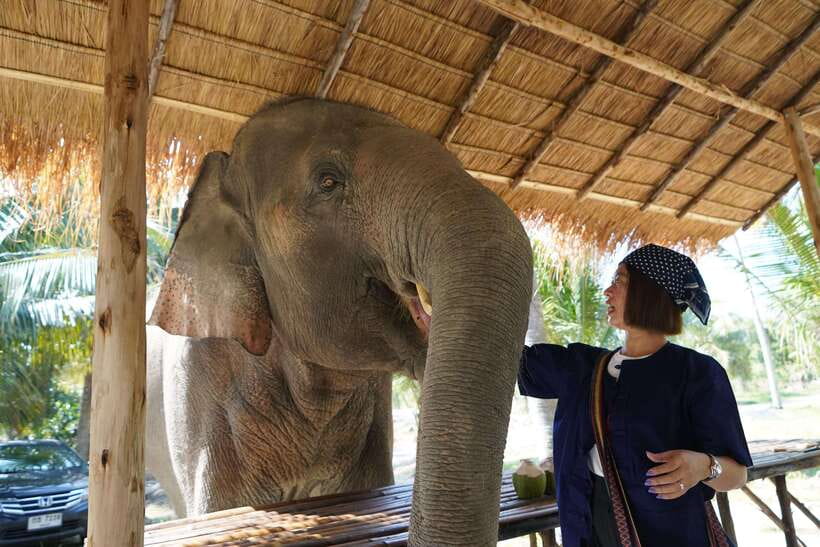
The program includes a local meal, briefing, feeding and interacting, trekking with elephants, and bath time, then a goodbye and transfer back.
A consistent theme in the experiences is that the sanctuary handling feels organized, even when there are lots of people arriving. You get grouped, the intro runs well, and there’s a sense that guides manage turns without turning the elephants into a conveyor belt.
You can also take advantage of the fact that this is a small group option. That usually means you get more attention during the briefing and during the walk, and you’re less likely to be lost in a crowd.
Still, be prepared for timing drift. Some days are right on schedule, and other days run longer due to traffic. If you’re tight on a Bangkok dinner plan the same evening, choose something flexible.
Price and value: does $57 make sense for what you actually get?
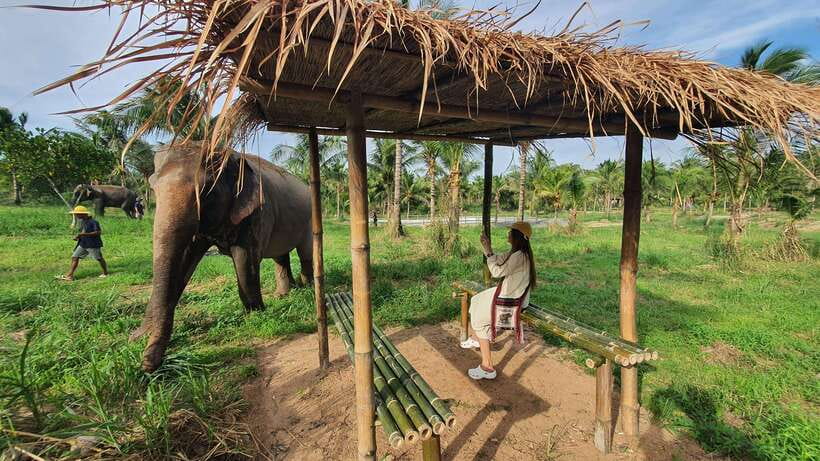
At about $57 per person, this isn’t the cheapest option on the elephant-tour menu. But it’s also not priced like a quick roadside attraction.
Here’s where the value comes from:
- Round-trip transportation from Bangkok (for the packages that include pickup)
- Entry to a sanctuary with a strict welfare policy
- Multiple guided interaction components: feeding, walking, and optional bathing
- A real meal: Ancient Pad Thai
- Included practical items and comfort support: Mo hom clothing and equipment
When you compare this to cheaper tours, the biggest difference isn’t just the setting. It’s the structure around animal welfare and the fact you’re not “processing” elephants for photos on a tight schedule.
The only reason the value might feel off is if transport discomfort hits you hard. If you get carsick or hate rough rides, check what kind of minivan you’ll be in. Some experiences mention cushioned seats and AC, while others mention an older, less comfortable vehicle. That’s not about the sanctuary—it’s about the ride between Bangkok and Chonburi.
What to bring (so you enjoy the day, not just survive it)
The sanctuary provides traditional clothing and necessary equipment, but you’ll still want your own comfort kit.
Bring:
- Change of clothes
- Towel
- Sandals
- Water
- Comfortable clothes
And don’t bring:
- Smoking
- Alcohol or drugs
If you’re going in the morning session, you’ll likely appreciate packing basics the night before so you’re not rushed. If you’re going in the afternoon, you may want to hydrate early because the drive and the walking add up.
Who should book this (and who should skip it)
This trip is suitable for all ages and fitness levels in general, but there are specific “not suitable” notes:
- Children under 2
- Pregnant women
- People with back problems
If you have any concerns that affect walking or standing for longer periods outdoors, it’s worth reconsidering.
Who this fits best:
- Families who want a meaningful, guided encounter rather than a theme-park performance
- People who care about welfare rules and don’t want riding or shows
- Anyone who wants a calm, conservation-focused elephant day rather than a rushed circuit
Should you book this Living Green Elephant Sanctuary day trip from Bangkok?
Book it if you want an ethical elephant experience that’s structured around natural behavior: feeding, walking, and optional bath time with clear rules behind it. The combination of transport from Bangkok, included lunch, and a small-group feel makes it one of the more complete day trips in the area.
Skip it (or choose carefully) if your biggest issue is long, bumpy transport. Some days are smooth; some are not, due to traffic. If you’re fragile in a vehicle or very time-sensitive, plan your day so you’re not rushing immediately back into another obligation.
If your priority is animal welfare and a guided, hands-on day in a real sanctuary setting, this is a strong choice.
FAQ
How far is Living Green Elephant Sanctuary from Bangkok?
It’s about 1.5 hours from Bangkok, depending on traffic.
What’s the trip length?
The program runs about 6–7 hours total, including transport time.
What sessions are available?
You can choose a morning session (07:00–14:30) or an afternoon session (11:00–18:30).
Where do I meet for the tour?
Meet-up depends on the option you choose. Some guests meet at Eakkamai Wat That Thong, and others meet directly at the sanctuary with no transfer.
What’s included in the experience?
You get a briefing, a local meal, elephant interaction and feeding, trekking with the elephants, bathing time with the elephants, and hotel pickup/drop-off where available.
Do I need to bring clothes for the elephant activity?
Yes. You should bring a change of clothes and a towel. You’ll also need comfortable clothes and sandals.
Can I swim with the elephants?
You can join them in the water if conditions allow. If the weather is cold, elephants won’t be forced into water.
Is it okay for kids and families?
The experience is suitable for all ages in general, but it’s not suitable for children under 2 years old.