REVIEW · SEVILLE
Donana National Park: Guided Day Tour from Seville
Book on Viator →Operated by Naturanda Turismo Ambiental · Bookable on Viator
Seville leaves you behind fast. This guided Doñana National Park day tour is built for people who want nature that feels close-up, not far-away, with a UNESCO World Heritage setting and a small group on the road. I like how the day centers on wildlife spotting from the van/4×4-style transport, and many guides (like Jose, Ramon, and Miguel) push hard to identify birds and other animals. One possible snag: if weather or flooding affects access, you may lose parts of the best viewing, and the ride can feel bumpy with comfort varying by vehicle.
I also like the way the itinerary mixes wetlands with Andalusian culture, especially the Santuario de Nuestra Señora del Rocío area around El Rocío. You get a real taste of the Romería del Rocío atmosphere, then you shift into the softer rhythm of Matalascanas beach time and sand-dune walking before heading back toward Seville. If you’re sensitive to long days, plan for a 10-hour schedule with limited control over traffic, road conditions, and wildlife availability.
In This Review
- Key highlights worth your attention
- Why Doñana feels different when you start from Seville
- Seville pickup and the early start at Naturanda Turismo
- El Rocío and the Santuario stop: culture meets the wetlands story
- Matalascanas and Donana Beach: the break that actually resets you
- The core Doñana experience: visiting the park area near El Rocío
- When roads, flooding, or weather affect the route
- Guides, group size, and how to get the most out of every stop
- Food, timing, and what a 10-hour schedule really means
- Price and value: what $95.34 gets you from Seville
- Who should book this Doñana day trip (and who might skip it)
- Should you book Naturanda’s guided Doñana day from Seville?
- FAQ
- How long is the Doñana National Park guided day tour from Seville?
- Is pickup included, and where does the tour start?
- How many people are in the group?
- What language is the tour offered in?
- Is food included in the price?
- What happens if weather is bad?
Key highlights worth your attention
- UNESCO Doñana focus with real bird-and-wildlife viewing time rather than quick photo stops
- El Rocío sanctuary stop that adds culture and local context to the nature day
- Matalascanas and Donana Beach break with dunes and open views
- Small group cap (max 15) for easier questions and better guide attention
- Guide spotting skills you can actually use, with examples like Jose, Ramon, Sergio, and Diego
- Seasonal wildlife changes: water level swings can shift what you see, especially birds
Why Doñana feels different when you start from Seville
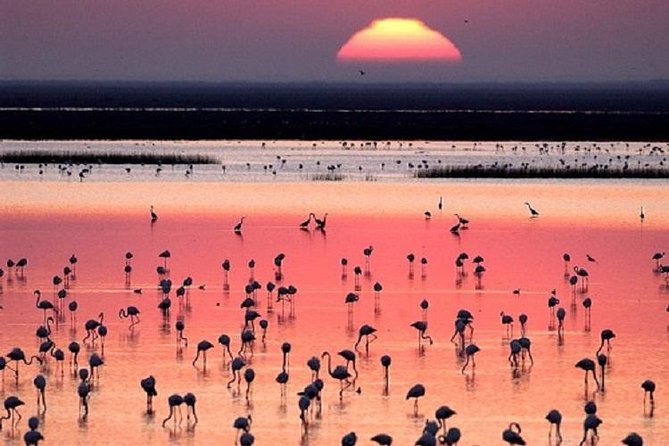
Doñana National Park sits in that rare sweet spot: it’s famous for a reason, but it still feels raw and lived-in once you get out of the city. From Seville, you’re not just commuting to a destination. You’re going from the Andalusian city rhythm into wetlands, dunes, woods, and open bird habitat in a single day.
This tour works because it’s structured for viewing. Instead of a long series of generic pull-ins, it’s set up around timed stops that support wildlife watching. Guides tend to treat the day like a moving classroom: they point out what’s visible right then, explain what matters, and help you track species as they appear. Some guides even share photos the same day, which is a nice bonus when you’re trying to remember what you just saw.
The catch is also obvious: you’re in a protected landscape tied to water and weather. Doñana wildlife can be spectacular, but it’s not guaranteed, and access can shift when roads close or conditions get dangerous.
You can also read our reviews of more tours and experiences in Seville.
Seville pickup and the early start at Naturanda Turismo
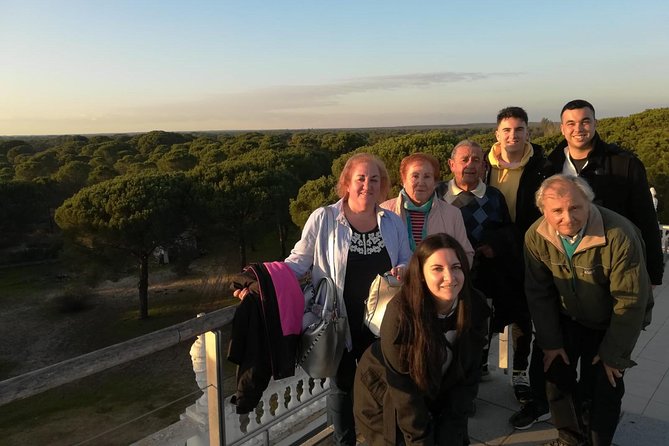
The day begins with a short gathering at Naturanda Turismo (the tourist office in Seville), about 15 minutes. For me, the practical value of this first step is simple: it helps the group get organized before you hit the longer road segments. With a maximum of 15 travelers, you’re more likely to get a quick check-in and a clear plan before things get busy.
You’ll also want to be ready to move fast. This is a day tour that runs on timing, and there aren’t long breaks built in at the start. If you’re prone to running late, aim to arrive a bit early at your selected pickup point since pickup is offered but the tour still has to depart.
Language is listed as English, and the best way to benefit is to be in a spot where you can hear the guide clearly. One review noted it was harder to hear in the back rows, so if hearing is important to you, choose seating that keeps you closer to the front or middle when the vehicle layout allows it.
El Rocío and the Santuario stop: culture meets the wetlands story
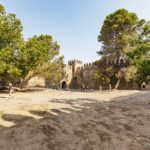
Next up is the Santuario de Nuestra Señora del Rocío area in El Rocío, with about one hour on the schedule. This stop matters because it gives Doñana context. Instead of treating the park as separate from Andalusia, you get a glimpse of the human side of this region: the Romería del Rocío connection, the spiritual center, and the sense of place that draws people here.
What you’ll likely appreciate most is the contrast. You’re not just taking in flat scenery. You’re moving through a real Spanish town atmosphere tied to a major local tradition, then transitioning back toward natural habitat.
A potential consideration: the El Rocío area can feel intense and crowded depending on the day and conditions. If you prefer quiet nature time only, you might find this stop less relaxing than the beach and wetland phases. Still, it’s a useful balance on a full day out of Seville.
Matalascanas and Donana Beach: the break that actually resets you
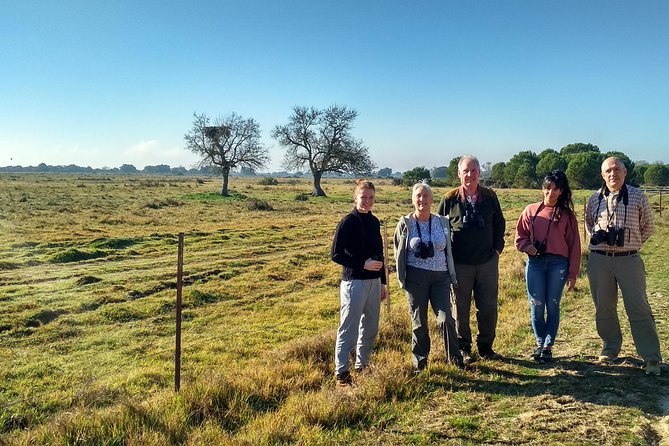
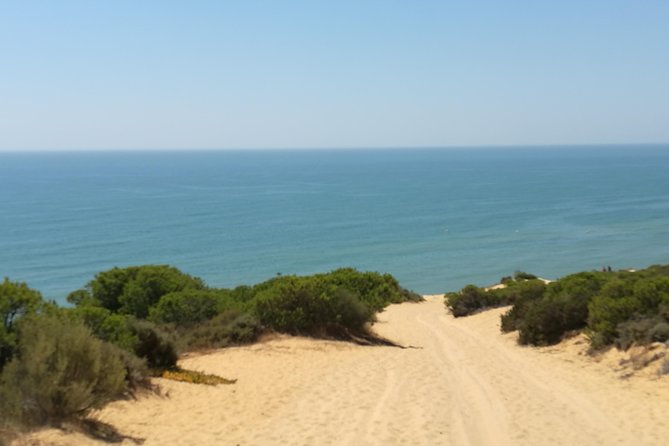
After the El Rocío stop, the tour heads to Matalascanas for roughly 45 minutes. This is your Donana Beach moment, and it plays a practical role: it breaks up the wildlife drive rhythm with open air, wider views, and a different kind of scenery.
Why this stop is worth it: beach and dune areas change the way light hits birds and other wildlife. Even when animal sightings are slower in one section of the wetlands, you often get better chances for sweeping views and different species activity. It also helps you understand the full system Doñana represents—wetlands aren’t the only habitat. Sand dunes and coastal edges matter too.
If you’re expecting a long beach hangout, don’t. The time is short, and it’s more about stepping out, looking around, and taking a break than a full sun-and-sand session. But for a 10-hour day trip, the reset is well placed.
The core Doñana experience: visiting the park area near El Rocío
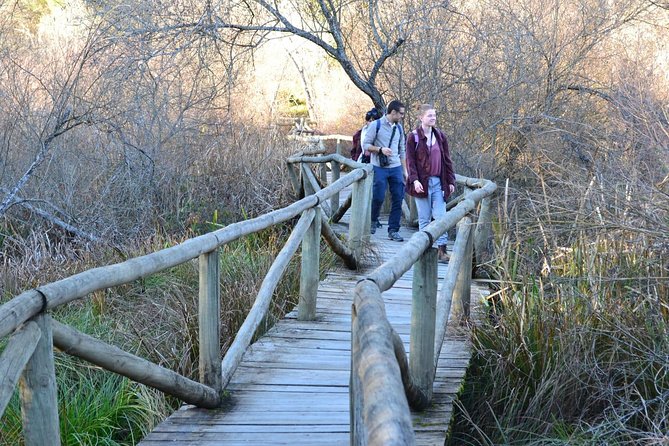
The main nature segment is about three hours, positioned near El Rocío with the specific framing of visiting the Donana National Park area. This is where the day earns its reputation.
Here’s what’s useful to know before you go: Doñana wildlife is tied closely to season and water level. When conditions are wet and lush, you can see more birds moving through feeding areas. When it dries later in the year, activity patterns shift. That means your best sightings depend on the day you get, not just the month.
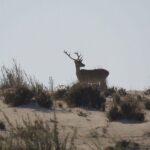
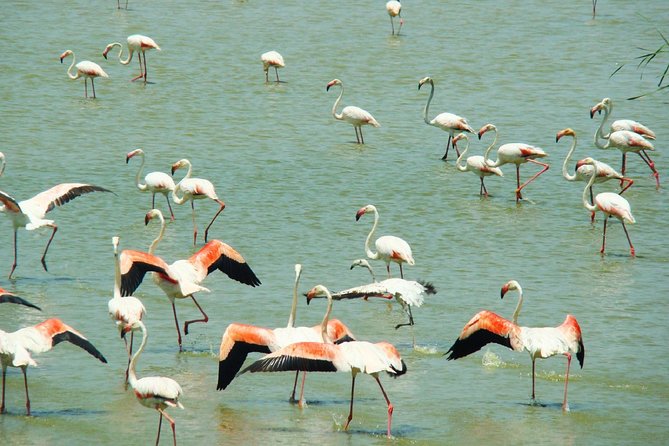
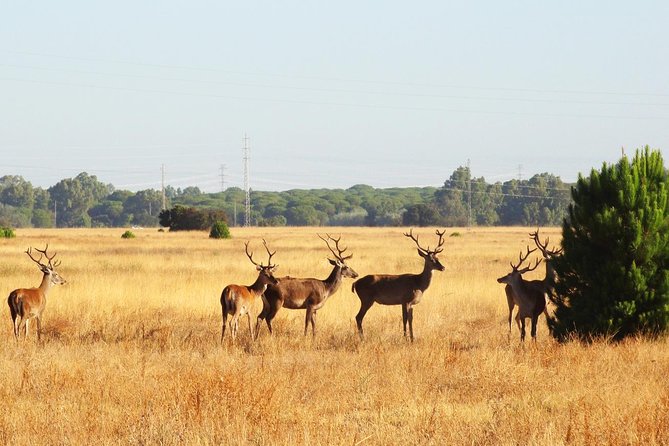
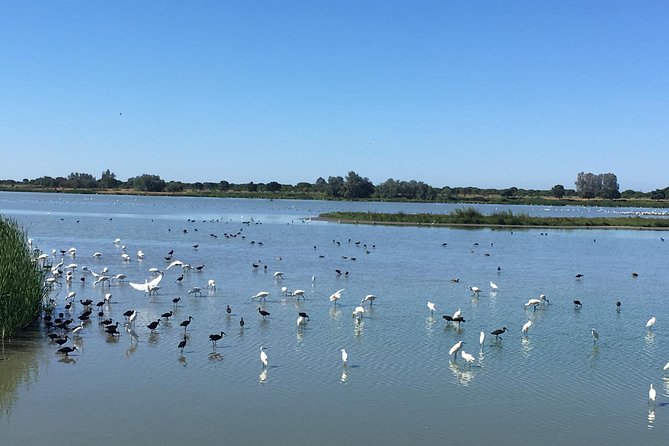
In practice, the day’s value often comes down to how well your guide can spot and interpret what’s happening. Multiple guides named in experiences—Jose, Ramon, Miguel, and others—are praised for bird identification and for working hard to find interesting wildlife even when access is limited. If you’re lucky, you may spot species like flamingos and spoonbills, along with other birds such as storks and eagles (sightings vary by conditions).
And yes, Iberian lynx comes up often in people’s expectations. Some days include high-profile sightings, but it’s not something you can treat as guaranteed. Even when lynx doesn’t show up, a good guide can still make the wetlands feel alive through bird activity, tracks, and smaller wildlife.




When roads, flooding, or weather affect the route
One reason reviews are mixed is that Doñana conditions can change quickly. If flooding makes roads unsafe or certain areas dangerous, you might not reach the exact best viewpoints. In one described rainy/flood-affected scenario, access was limited enough that some expected sections weren’t possible.
This is also where timing matters. The tour is designed for good-weather operation, so if conditions are rough, expect reroutes or reduced park access. The cancellation policy says the experience requires good weather; if it’s canceled due to poor weather, you’ll be offered a different date or a full refund. On at least one rainy day, an alternative option was mentioned (Gibraltar), but that’s not the normal expectation.
My takeaway for you: go in with a flexible mindset. If you treat Doñana like a wildlife forecasting game instead of a checklist, you’ll get more out of the day.
Guides, group size, and how to get the most out of every stop
This tour keeps the group small, with a maximum of 15 travelers. That’s a real advantage in a park day because it makes it easier for the guide to manage sighting breaks, answer questions, and move the group without chaos.
The big theme in positive experiences is guide effort. Guides like Sergio, Drees, Jose, Miguel, Ramon, and Diego show up repeatedly in descriptions, and the consistent praise is about spotting and identification work. In a few experiences, guides even shared photos on the same day, which is handy when you’re trying to remember birds with similar shapes and colors later.
At the same time, there are two practical comfort issues worth flagging:
- Seating can affect audio. If you’re in the back rows, you might struggle to hear commentary clearly.
- The ride can be uncomfortable if roads are rough, and air-conditioning isn’t always described as a strong point.
If you want to maximize value, choose seating that improves visibility and hearing. Aim for front or middle seats if the vehicle allows it, especially if you care about the guide’s species explanations.
Food, timing, and what a 10-hour schedule really means
Food and drinks are not included, so plan accordingly. This is one reason I think the itinerary matters: it includes stops where you might grab a coffee or snacks at a center, but you shouldn’t assume a full lunch is built into the price.
The schedule also runs long enough that you’ll want basic energy management. With about 10 hours total, you’re spending a lot of that time traveling between habitat zones and waiting for the next viewing window. That’s not necessarily a bad thing. It’s how you cover a lot in one day. Just don’t expect constant active walking.
Comfort-wise, you’ll also be dealing with variable terrain and road conditions in a protected area. Even when the plan is solid, the actual drive experience can shift based on weather and access.
Price and value: what $95.34 gets you from Seville
At $95.34 per person for roughly 10 hours, this tour is priced as a value day that trades deep, multi-day park exploration for smart coverage. You’re paying for three things:
- Transportation out and back from Seville (round-trip shared transfer)
- A professional driver-guide who helps you interpret what you’re seeing
- A structured route across multiple habitats (culture stop, beach break, wetlands/park viewing)
What makes it feel fair for many people is the small-group setup and the guide-led wildlife spotting emphasis. If you’ve ever tried to do Doñana on your own, you know how hard it is to know where to look and what you’re actually looking at. This tour solves that problem by bringing someone who’s actively reading the habitat and guiding your attention.
Still, I’d treat the cost as a “best day possible” kind of purchase. If weather or flooding limits access, the experience can shrink in ways that hurt value. That doesn’t necessarily mean the guide didn’t work hard—it can just mean the park itself wasn’t cooperative that day.
Who should book this Doñana day trip (and who might skip it)
You’ll likely love this tour if you:
- Want a wildlife-focused day trip from Seville without planning logistics
- Care about bird identification and guided interpretation
- Prefer small-group tours with time built into viewing windows
- Enjoy a mix of nature and culture, including El Rocío
You might consider skipping (or at least lowering expectations) if you:
- Need long stretches of comfort and smooth travel
- Want only the park interior with no town stops
- Are booking with a strict checklist of specific animals, like Iberian lynx
- Dislike schedule changes when conditions limit access
This is also a moderate physical fitness day. That usually means you should be comfortable with some walking and uneven terrain at stops like dunes or viewing areas.
Should you book Naturanda’s guided Doñana day from Seville?
If you’re choosing between a quick stop and a real guided day, I’d lean toward booking. The combination of small group size, a guide who pushes hard for sightings, and a route that covers wetlands plus beach/dunes makes this a practical way to get the Doñana feel in one day.
My advice is to book with two expectations set clearly:
- Wildlife is seasonal and condition-dependent, so sightings can vary.
- Weather and flooding can change what you can safely access, even with a good plan.
If that flexible mindset fits you, this is the kind of trip that can break up a Seville week with a different side of Andalusia: birds in motion, coastal dunes, and the El Rocío setting that ties the park to local life.
FAQ
How long is the Doñana National Park guided day tour from Seville?
The tour is about 10 hours total.
Is pickup included, and where does the tour start?
Round-trip shared transfer is included, and pickup is offered. You choose your pickup point and share it with the operator.
How many people are in the group?
The tour has a maximum of 15 travelers.
What language is the tour offered in?
The tour is offered in English.
Is food included in the price?
No. Food and drinks are not included.
What happens if weather is bad?
The experience requires good weather. If it’s canceled due to poor weather, you’ll be offered a different date or a full refund.