REVIEW · KATHMANDU
Day Trip to Bhaktapur and Panauti from Kathmandu
Book on Viator →Operated by Royal Mountain Travel · Bookable on Viator
Two towns, one Newari story, no overnight needed. I love the UNESCO-grade Bhaktapur squares packed with shrines and temples, and I love how Panauti slows the day down with rivers, woodcarvings, and a community home-stay visit.
The trade-off: the $34 covers your guide and air-conditioned transport, but entrance fees and lunch are extra, and there’s no hotel pickup.
In This Review
- Key highlights before you go
- Why Bhaktapur and Panauti feel like the right two-step from Kathmandu
- Timing and transport: fitting 7 hours of heritage into your Kathmandu schedule
- Bhaktapur Durbar Square: the three-square city where Newari architecture is the main story
- Panauti community home stay: calm backwater life, rivers, and traditional crafts
- The pace and the guiding style: why the best part might be your guide
- Price and logistics: how the $34 value works (and what to budget beyond it)
- Who should book this day trip, and who should skip it
- Should you book this Bhaktapur and Panauti day trip?
- FAQ
- How long is the Bhaktapur and Panauti day trip?
- What time does the tour start?
- Where does the tour start?
- Where does the tour end?
- What’s included in the price?
- What isn’t included?
- What size is the group?
- Is there hotel pickup and drop-off?
- Do I need cash for entry fees?
- Is there free cancellation?
Key highlights before you go
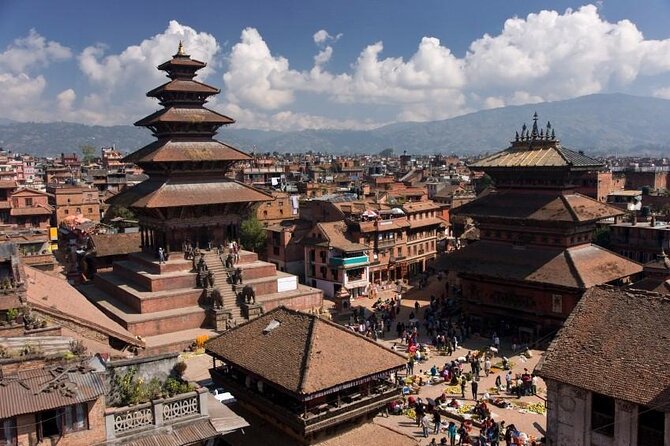
- Bhaktapur Durbar Square’s three-square layout gives you a real sense of how the city functioned centuries ago
- Panauti’s river names matter: Brahmayani, Roshi, and Punyabati shape the town’s culture and daily life
- Max 10 travelers keeps the day from feeling like a cattle chute
- Meet locals through a community home stay, not just a drive-by photo stop
- Guides tailor the pace and make time for questions, pictures, and a bit of shopping
Why Bhaktapur and Panauti feel like the right two-step from Kathmandu
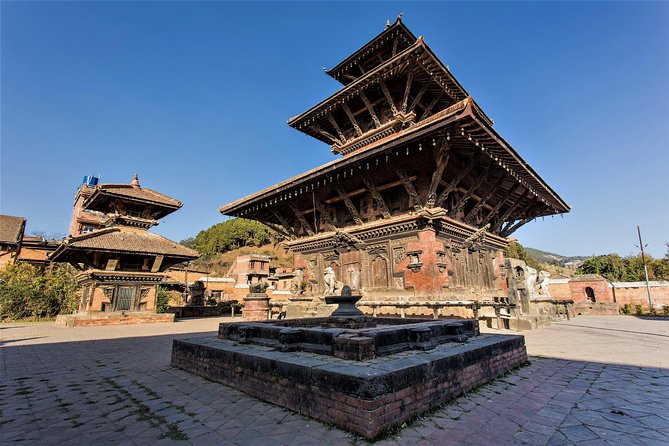
If you only do Kathmandu city highlights, you miss the way the valley’s culture changes just by driving 30–40 minutes. This day trip is a smart one-two punch: Bhaktapur Durbar Square shows the Newari medieval city-state at its most intact, and Panauti gives you a calmer, more countryside-feeling contrast.
What I like best is that you’re not just collecting temples. In Bhaktapur, you’re walking through a whole living layout—big squares, smaller streets, and neighborhoods that still organize around local ponds used for daily and ritual life. Then you shift to Panauti, where the town’s identity is tied to its backwater setting, multiple rivers, and traditional crafts.
One practical note: Bhaktapur can be busy because it’s one of the top sites near Kathmandu. The good news is Panauti is much quieter, so you end up with that rare feeling of seeing two different “modes” of the Kathmandu Valley in one day.
You can also read our reviews of more tours and experiences in Kathmandu.
Timing and transport: fitting 7 hours of heritage into your Kathmandu schedule
The day starts at 9:00 am at Royal Mountain Travel on Lal Durbar Marg, and you’re back at the same meeting point at the end. Total duration is about 7 hours, which is long enough to do real walking and temple time, but short enough for most itineraries.
Transport is by air-conditioned vehicle based on group size, and the group is kept small—up to 10 people. That matters. In smaller groups you get fewer long delays, and your guide can actually manage the pace when people want a photo break or have questions about architecture and religious practices.
You should also plan around a key logistics reality: hotel pickup and drop-off aren’t included. The start point is described as near public transportation, so you’ll want to map out the easiest way to get to Lal Durbar Marg on your own.
Pack like it’s a temple-and-streets day:
- wear shoes you trust on uneven stone and steps
- bring water (temple time adds up fast)
- keep a layer handy, since Kathmandu weather can flip through the day
Bhaktapur Durbar Square: the three-square city where Newari architecture is the main story
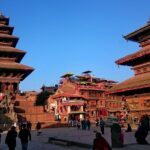
Bhaktapur Durbar Square is the headline for a reason. It isn’t a single landmark you rush past; it’s a whole World Heritage area made up of three large squares. You’ll see shrines, temples, and nonstop activity as the city’s old rhythms continue in smaller ways.
In its heyday (14th to 16th centuries), Bhaktapur was powerful enough to be the capital of Kathmandu Valley kingdoms for about 300 years. Today you still feel the medieval mood, even with constant reminders that earthquakes have damaged parts of the city and the community has kept rebuilding.
Here’s a detail that’s especially worth paying attention to: Bhaktapur’s neighborhoods are still caste-oriented and centered around old ponds (tanks). These tanks were built to store water for daily life—drinking, washing—and also for religious ceremonies. Walking around the squares and streets, you don’t just see structures. You start to understand why people live the way they do.
Expect your guide to focus on what makes the Newari style specific: the layered pagoda forms, the carved wood, and the way the city organizes ceremonial space. If you’re the type who likes architecture buffs’ details, this is where the guided explanations pay off, because the buildings have patterns you’ll miss when you’re just scanning for photos.
Practical tips for this stop:
- Entrance fees aren’t included, so plan on paying at the site
- 3 hours is enough time to see the key clusters without feeling rushed
- take your time with the smaller side alleys—some of the best views come when you slow down
Panauti community home stay: calm backwater life, rivers, and traditional crafts
Panauti is the palate cleanser. The tour frames it as a town that used to be commercial in medieval times, but is now much quieter and still. Instead of the big-city intensity, you get a slower walk through temples, stupas, and restored older mansions.
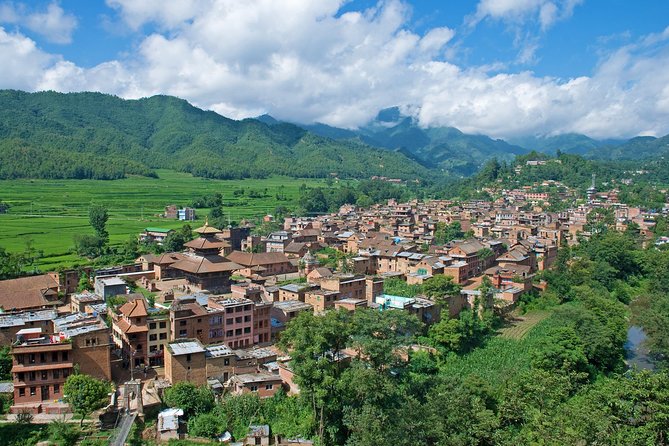
One of the most interesting parts of Panauti is how connected it is to water. The stop description highlights three rivers—Brahmayani, Roshi, and Punyabati—and explains that the town’s name and identity are tied to the holy river connection. That river story isn’t just trivia; it helps you make sense of why temples and sacred spaces are where they are.
Panauti is also described as a working community. You’ll see cues of metal works and agriculture, including rice terraces, which means you’re not only looking at heritage buildings. You’re seeing how people still live with the land and seasonal cycles that shaped the town.
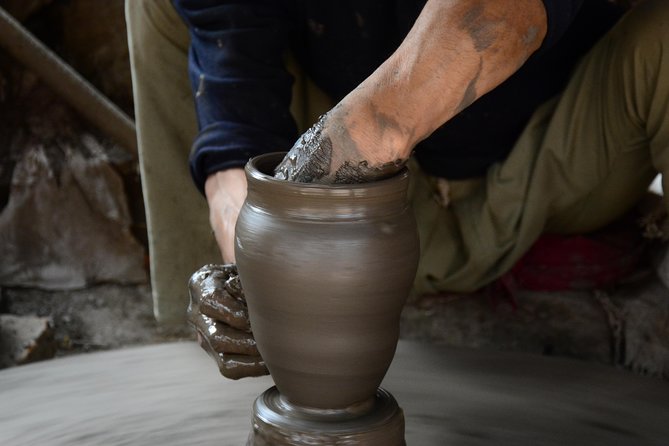
There are temples, woodcarvings, and stone art around the area. Festivals and fairs are also part of the picture, which is a reminder that this isn’t a museum neighborhood frozen in time.
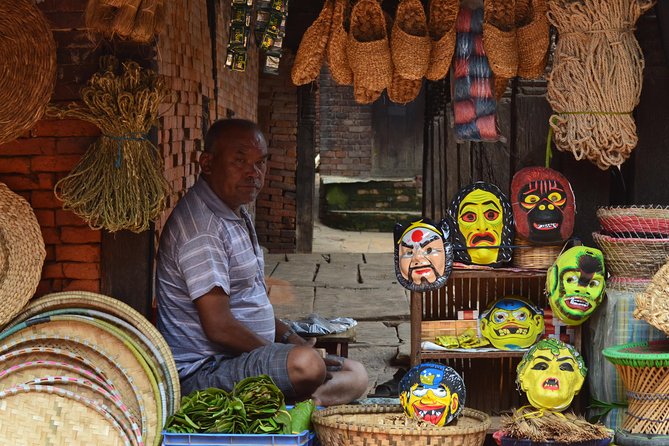
The “community home stay” element is where the day becomes more human. The tour is set up so you can meet locals and connect with local entrepreneurs, not just follow a script. In multiple experiences connected with this route, guides have arranged a homestay meal, sometimes with hosts adjusting the spice level to guests’ preferences. That’s not guaranteed every day, so if you care about lunch, ask your guide early in the morning.
This stop lasts about 3 hours, which is a good length: long enough for conversation and walking, not so long that you feel stuck in place.
The pace and the guiding style: why the best part might be your guide
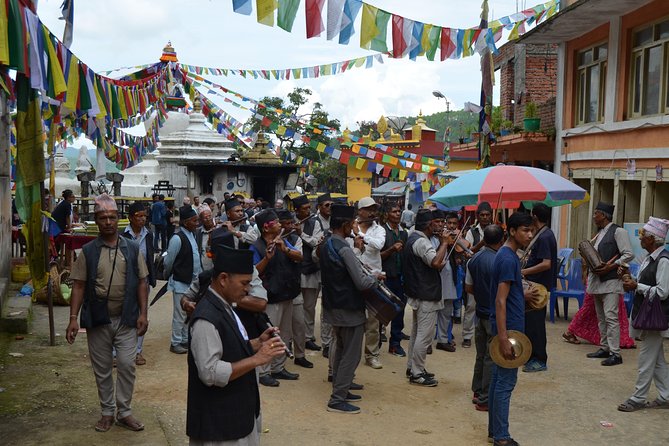
This tour only runs with an English-speaking tour guide, and the small max group size changes the whole feel. You’re not just being transported. You’re getting explanation as you go, and the guide can keep adjusting when you’re curious about one topic more than another.
In real-world examples from this program, guides have been praised for being punctual and organized, and for tailoring the day to what you want. Names you may hear include Monica, Puspa, Anup, Kalpana, Raj, and Sarita—and guests consistently describe them as detailed, thoughtful, and responsive.
You’ll also benefit from a guide who understands how to balance:
- history and architecture
- religious context (Hindu and Buddhist traditions appear in the conversation)
- practical breaks for photos and time to shop
One recurring theme is that the day doesn’t feel like a sprint. People specifically mention feeling like they could take their time in Bhaktapur, and still enjoy Panauti without the trip turning into a nonstop bus ride.
If you’re traveling solo, this matters even more. Several experiences mention how comfortable the group size and guide support felt, especially when you might otherwise worry about getting lost or falling behind.
Price and logistics: how the $34 value works (and what to budget beyond it)
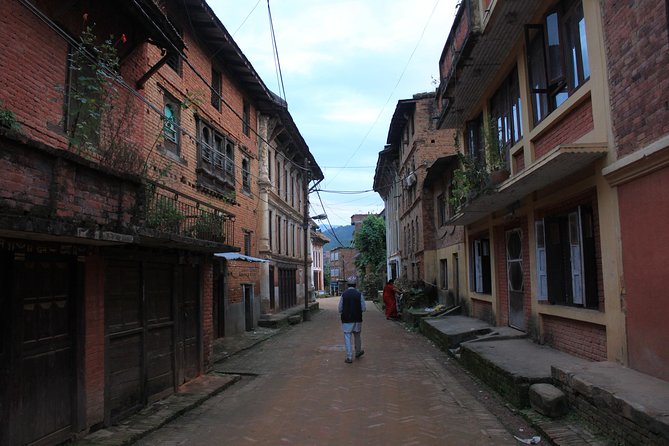
Let’s talk money in a way that helps you plan. The price is $34.00 per person for an approximately 7-hour day trip. For that, you get:
- an English-speaking guide
- air-conditioned transport
- a mobile ticket
That’s strong value if you would otherwise pay for private transport and hire a guide separately.
But the fine print that actually affects your total cost: entrance fees and lunch aren’t included. Admission ticket is listed as not included, and all fees and taxes are also not included. So your real budget should add some extra cash for site entries in Bhaktapur and any temple-area charges during the Panauti portion.
Also remember: there’s no hotel pickup and drop-off. If you’re staying far from Lal Durbar Marg, factor in the cost and time of getting yourself to the meeting point (or using local transport).
A simple budgeting approach:
- Keep the $34 as your base
- Add entrance fees once you know what’s required at the stops
- Decide whether you’ll pay for lunch in/around the community home stay area
Who should book this day trip, and who should skip it
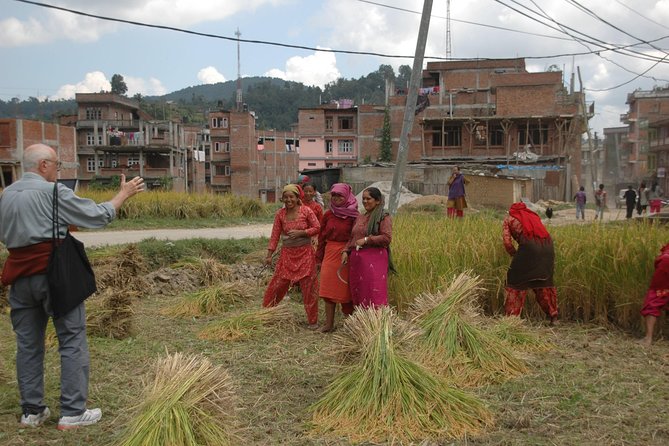
Book this if you want:
- UNESCO World Heritage city walking time without a full day of travel planning
- Newari architecture and temple design explained in plain language
- a quieter second stop in Panauti, where the vibe feels more local than central Kathmandu
- meaningful interaction through a community home stay visit (and possibly a meal if it’s arranged for your day)
It’s also a good choice for history and architecture lovers. Bhaktapur gives you the built forms and medieval city structure; Panauti gives you the living cultural setting—rivers, crafts, agriculture, and everyday religious life.
Consider skipping or swapping if:
- you dislike temple areas and want mostly modern attractions
- you don’t want to manage extra costs for entrances during the day
- you need a schedule with lots of minimal walking time, because both stops involve moving around active areas and sacred spaces
One more practical point: you should be prepared for multiple hours of driving. Even when roads are fine, the day is structured around getting from Kathmandu to two towns and back.
Should you book this Bhaktapur and Panauti day trip?
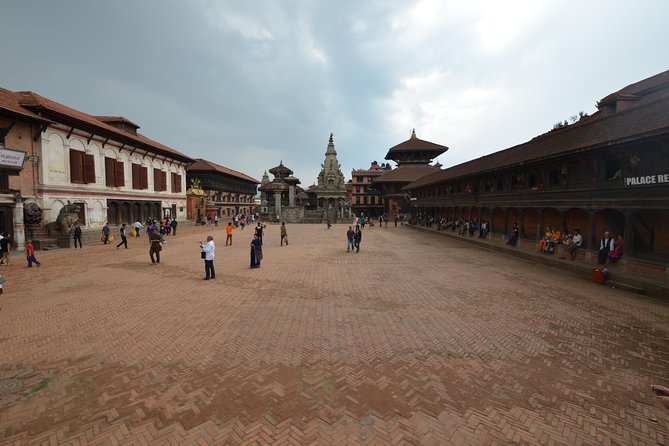
For most people doing Kathmandu for a few days, I think this is a yes. You get two towns with totally different energy: Bhaktapur’s temple-and-square world and Panauti’s river-and-community pace. The small group size and English guide make it feel like more than sightseeing.
The only reason to hesitate is money and timing flexibility. Since entrance fees and lunch aren’t included, you’ll want to budget for extra spending on the ground. And since there’s no hotel pickup, make sure you’re comfortable getting to Lal Durbar Marg by 9:00 am.
If you like walking, asking questions, and seeing how heritage still shapes daily life, this is the kind of day trip you’ll remember longer than you expect.
FAQ
How long is the Bhaktapur and Panauti day trip?
It runs for about 7 hours total, with around 3 hours at Bhaktapur Durbar Square and around 3 hours at Panauti.
What time does the tour start?
The start time is 9:00 am.
Where does the tour start?
It starts at Royal Mountain Travel, Lal Durbar Marg, Kathmandu 44601, Nepal.
Where does the tour end?
The activity ends back at the meeting point.
What’s included in the price?
The tour includes an English-speaking tour guide and transport by air-conditioned vehicle (based on group size).
What isn’t included?
Entrance tickets are not included, and lunch is not included. All fees and taxes are also not included.
What size is the group?
The tour has a maximum of 10 travelers.
Is there hotel pickup and drop-off?
No. Hotel pickup and drop-off aren’t included.
Do I need cash for entry fees?
Entrance fees apply and are not included, so you should plan to pay on site.
Is there free cancellation?
Yes. You can cancel up to 24 hours in advance for a full refund.