REVIEW · ADDIS ABABA
Day Trip From Addis Ababa To Debre Libanos & Portuguese Bridge
Book on Viator →Operated by Ethio Travel And Tours · Bookable on Viator
Portuguese bridge and monastery in one day. This day trip from Addis Ababa takes you out past the city grid to Debre Libanos, then down toward the Jemma River Gorge for bird-filled stops and big views. I love the mix of 13th-century Ethiopian Orthodox spirituality at Debre Libanos and the outdoors time at the Portuguese Bridge, where you can spot geladas and lots of native birdlife. One thing to consider: the day is weather-dependent and the schedule can feel like a push, especially if you’re unlucky with timing on the road.
Here’s the vibe: you get a real sense of Ethiopia’s faith and landscape (yes, the drop is the point), without needing multiple days or planning anything yourself. I also like that the tour is built around a guide at the key sites, plus entry fees and bottled water are handled. The only drawback is that a few past departures had rough logistics, so I suggest keeping your expectations flexible if anything shifts.
In This Review
- Key moments worth planning around
- Day Trip Math: 6–8 Hours, 9:00am Start, and What $100 Covers
- Debre Libanos Orthodox Church: St Teklehaimanot and the Monastery Feel
- Jemma River Gorge Walk: Why the 1000-Meter Drop Makes Sense
- Portuguese Bridge: The Narrow Span and the Rainy-Season Cascade
- Geladas and Baboons: Wildlife Stops That Actually Feel Natural
- Getting There Comfortably from Addis: Air-Conditioned Ride and Private Group
- Food, Coffee Stops, and the Real Tempo of the Day
- What to Wear and Bring for Church Steps and Gorge Footing
- When the Schedule Feels Tight: Weather and Day-of Flexibility
- Should You Book This Addis Day Trip?
- FAQ
- How long is the day trip from Addis Ababa to Debre Libanos and the Portuguese Bridge?
- What time does the tour start?
- Is pickup from my hotel included?
- Are entrance fees included?
- Is bottled water provided?
- What happens if the weather is bad?
Key moments worth planning around
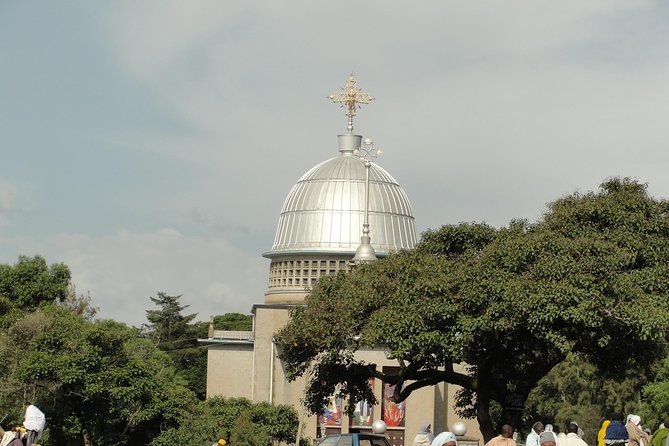
- Debre Libanos and St Teklehaimanot’s legacy: a monastic center dating back to the 13th century
- Jemma River Gorge walk: a near-1000-meter drop makes the views earned, not handed to you
- Portuguese Bridge in old style: Portuguese influence with local rebuilding in the style, plus a cascade in rainy season
- Birdlife and endemic species: think geladas and a long list of birds you can actually look for
- A private, guided day: you ride in an air-conditioned vehicle with your group and a guide at the sites
Day Trip Math: 6–8 Hours, 9:00am Start, and What $100 Covers
This is a 6 to 8 hour day trip with a 9:00am start. You’re paying $100 per person, which is not “budget,” but it does include the big cost drivers: air-conditioned transport, all entrance fees, a guide at the sites, and bottled water. For Ethiopia day trips out of Addis, that kind of all-in structure is usually where the value comes from.
The timing matters. You’re out long enough to feel you left Addis for real, but not so long you’re stuck all day with nothing to do. If you’re short on time—like waiting for a flight—this kind of packed day can make sense.
And it’s a private tour, so it’s only your group. That often makes museum-style visits and church stops feel less rushed than in big group shuttles.
You can also read our reviews of more tours and experiences in Addis Ababa.
Debre Libanos Orthodox Church: St Teklehaimanot and the Monastery Feel
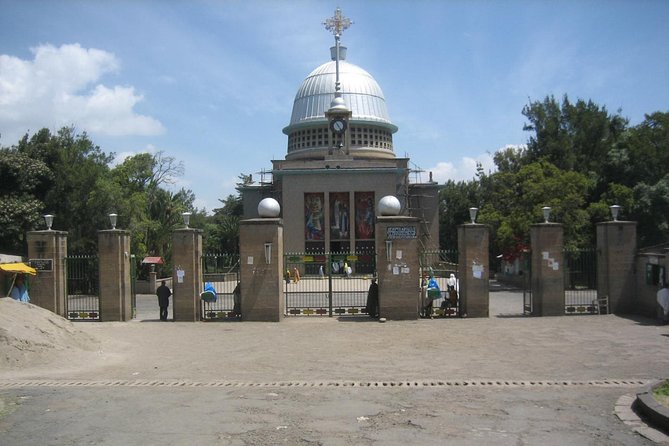
Debre Libanos is one of Ethiopia’s important monastic centers for Ethiopian Orthodox Christianity. The monastery traces back to the 13th century, and it’s associated with St Teklehaimanot, a renowned mystic tied to the site’s founding.
What I like about this stop is that it’s not just a building photo. The tour is set up so you get context from a guide, and that usually changes how you experience a church visit. Ethiopian Orthodox practice has its own rhythm—space, symbolism, and sacred atmosphere—and without background it can feel like you’re watching a tradition from the outside. With a guide handling the “why,” the church becomes easier to read.
Practical note: church visits often mean covering appropriately, and at least one family-friendly review specifically called out clothing expectations for women. So plan on having something that lets you cover comfortably without turning the day into a problem.
Jemma River Gorge Walk: Why the 1000-Meter Drop Makes Sense
After the monastery, you head to the Jemma River Gorge. The Jemma is listed as one of the Nile tributaries, and the key detail here is the nearly 1000-meter drop to the valley below. That means you’re not just walking for the sake of walking—you’re moving through a real change in elevation.
The itinerary is designed so you’ll walk downhill to the Portuguese Bridge area. The practical win is timing: by the time you’re walking, you’ve already had your cultural anchor at Debre Libanos, so you’re ready for the outdoors.
This is also where the tour turns into something more than a viewpoint stop. The guide-led walk is paired with a bird-focused approach, and that’s a huge deal in this area. You might spot birds including:
- Banded Barbet
- Black-headed forest oriole
- White-billed starling and Red-billed starling
- White-winged cliff chat
- White-backed black tit
- White-cheeked Turaco
- Hemprich’s hornbill
You don’t have to be a hardcore birder to enjoy this. The point is that the tour is structured around watching—slow down, look closely, and let the guide help you connect species names to what you’re seeing in the trees and along cliff edges.
One caution: downhill walking can be tiring, especially if you’re not used to uneven paths or quick schedule transitions. Bring sturdy shoes.
Portuguese Bridge: The Narrow Span and the Rainy-Season Cascade
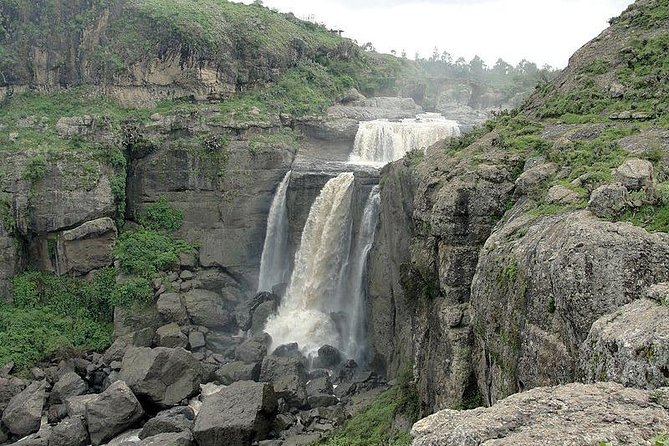
The Portuguese Bridge near Debre Libanos is a classic Ethiopia curiosity: it’s described as being erected by Portuguese in the 16th century, but the current structure is said to have been built around the turn of the 19th century by Ethiopians using the old Portuguese style.
The bridge itself is narrow, and the “photo moment” comes fast: you’re not dealing with wide tourist infrastructure here. Instead, the bridge feels like a working structure in a place where water power and steep terrain dominate.
Then there’s the cascade. In the rainy season, there’s a gushing flow just below the bridge, and that added sound and movement makes the stop more than a static view. Even if you visit outside peak rain, the gorge setting still does the heavy lifting.
You get around one hour at this stop, which I think is a good match. It’s long enough to walk around, take photos from a couple angles, and enjoy birdwatching, without feeling like you’ve been parked.
Geladas and Baboons: Wildlife Stops That Actually Feel Natural
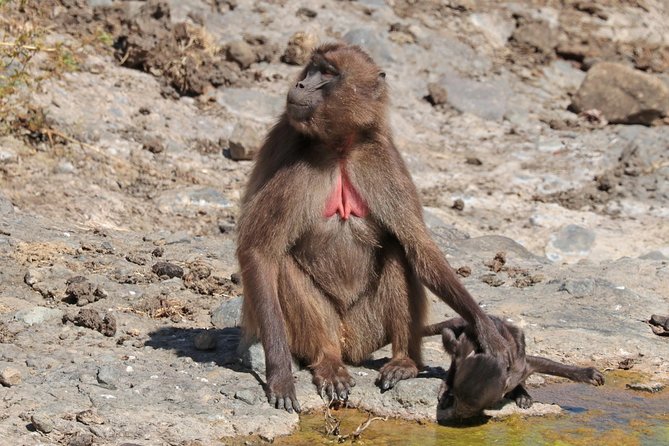
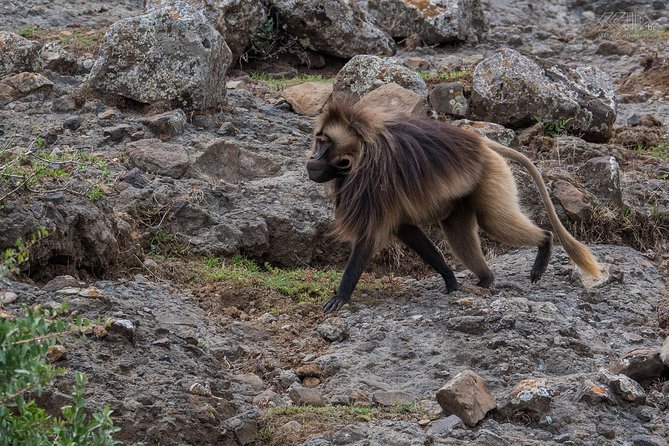
This tour keeps wildlife from becoming a separate, random detour. The area is noted for geladas, an endemic type of baboon. If you catch them, it changes the day from “church and bridge” into something more lived-in—like you’re seeing Ethiopia’s animal life in the same space as its culture.
The stronger angle here is that wildlife is part of the route, not tacked on at the end. When you’re walking down through gorge terrain with birdlife attention, it also becomes easier to notice other animals that move in the same habitat.
If you’re traveling with kids, this is also the kind of stop that can hold attention. Reviews mention it as a standout moment, with the gorge walk and cascade giving the day an adventure feel.
Getting There Comfortably from Addis: Air-Conditioned Ride and Private Group
Transportation is part of the package: you’ll be picked up from your hotel in an air-conditioned vehicle. Fuel surcharge and driver allowance are included, and your driver is part of the day’s overall rhythm—getting you out and back in time for the church and gorge stops.
Because it’s private, you’re not trapped waiting for other groups to shuffle along. That can matter on a day trip with a set start time.
I also paid attention to guide names that come up in feedback. People specifically called out guides such as Ayob, Kenaw, and Eyob for making the day feel organized and for adding context. Yarid was mentioned for strong driving. You might not meet the same people, but it tells you the tour often runs with capable site support.
Food, Coffee Stops, and the Real Tempo of the Day
Food isn’t listed as an inclusion, so I’d treat lunch as something you’ll either buy on the way or have arranged as part of the day’s flow. In practice, reviews mention a good local lunch and even a traditional coffee stop. That fits the overall pattern of Ethiopian day trips: you take breaks at the right moments so the day doesn’t collapse into fatigue.
So how should you plan your energy? I’d do it like this:
- Bring a light snack to keep you comfortable until lunch
- Drink water when you can (bottled water is included)
- Use the bridge and gorge time to rest your brain after the church
Your day has two very different moods—quiet sacred space and outdoor movement—so having a planned reset helps.
What to Wear and Bring for Church Steps and Gorge Footing
For Debre Libanos, plan on clothing that works for a church setting. One review specifically mentioned that women should cover. Even if you’re not sure what’s required beyond that, covering shoulders and knees is a safe bet.
For the gorge walk, wear shoes with grip. You’re walking downhill to the Portuguese Bridge area, and even when the trail isn’t described as extreme, uneven footing adds up over a few hours.
Bring:
- Comfortable, grippy shoes
- A light layer for cooler gorge air
- Sun protection (the itinerary is weather-dependent, so conditions can vary)
Since bottled water is included, you don’t need to buy drinks to stay hydrated—still, having your own small snack is smart.
When the Schedule Feels Tight: Weather and Day-of Flexibility
This tour requires good weather. If conditions aren’t right, you’ll either get offered a different date or a full refund. That matters because the gorge walk and the bridge setting are all about visibility and safe footing.
Also, keep one practical mindset: day trips can get thrown off by travel delays, vehicle changes, or a late start. Some past experiences described rocky beginnings due to pickup confusion or car changes, while the rest of the day turned out well. That doesn’t mean it will happen to you, but it does mean you should avoid booking this tour as the one thing that must go perfectly if you have a strict onward flight.
If you want this tour for a tight travel window, try to give yourself cushion time in Addis afterward.
Should You Book This Addis Day Trip?
Book it if you want a one-day mix of Ethiopian Orthodox culture and nature-focused sightseeing. Debre Libanos is for people who like their travel with context, not just checkmarks. The Jemma River Gorge + Portuguese Bridge pairing is also strong value because you’re not just getting a view—you’re getting a guided walk with birdlife attention, plus the option to see geladas.
Skip it or rethink it if:
- You dislike any downhill walking at all
- You’re visiting during a period where weather is often unreliable
- You need a very predictable start and hate the idea of schedule hiccups
If you’re deciding between doing nothing in Addis and taking one meaningful excursion outside the city, this one usually makes sense. It’s structured, guided, and it uses a full day to connect faith, geography, and wildlife in the same loop.
FAQ
How long is the day trip from Addis Ababa to Debre Libanos and the Portuguese Bridge?
The tour lasts about 6 to 8 hours.
What time does the tour start?
The start time is 9:00am.
Is pickup from my hotel included?
Yes. Pickup is offered, and the tour includes transportation from your hotel in an air-conditioned vehicle.
Are entrance fees included?
Yes. All entrance fees are included.
Is bottled water provided?
Yes. Free bottled water is included.
What happens if the weather is bad?
This experience requires good weather. If it’s canceled due to poor weather, you’ll be offered a different date or a full refund.