REVIEW · MUNICH
Dachau Small-Group Half-Day Tour from Munich By Train
Book on Viator →Operated by In Their Shoes Dachau Memorial Tours · Bookable on Viator
Dachau hits hard, and it stays with you. This half-day trip from Munich pairs round-trip train travel with an authorized guide who helps you make sense of what you’re seeing at the Dachau Concentration Camp Memorial Site. You get the structure of a guided visit without the stress of figuring out transit on your own.
What I like most is how well this tour handles the big, emotional questions in a clear order, from the rise of the Nazis through the camp system and its aftermath. I also love the small-group setup (max 20), which helps the guide keep the group together and answer questions without rushing. One thing to consider: the material is heavy, and the visit mixes indoor and outdoor walking—plus you may not get long, quiet time to wander inside on your own.
In This Review
- Key things that make this tour work
- From Marienplatz to Dachau: stress-free, timed, and actually useful
- The heart of the day: your guided route through Dachau Memorial Site
- What you’ll learn as you walk (and why it matters)
- Indoor vs outdoor time: what to expect at Dachau (and what might feel tight)
- Price and value: what you’re really paying for
- Who this tour is best for (and who should pause)
- Should you book? My decision guide for Dachau from Munich
- FAQ
- How long is the Dachau small-group half-day tour?
- Where does the tour start in Munich?
- What time does the tour depart?
- Is the tour offered in English?
- How many people are in the group?
- What’s included in the ticket price?
- What’s not included?
- Are children allowed?
- Is a mobile ticket used?
- Can I cancel if plans change?
Key things that make this tour work
- Small-group pacing (max 20): easier listening and smoother movement through a crowded site
- Train round trip from Marienplatz: you’re not left guessing platforms and connections
- A guided, educational route: history tied directly to the memorial spaces you pass
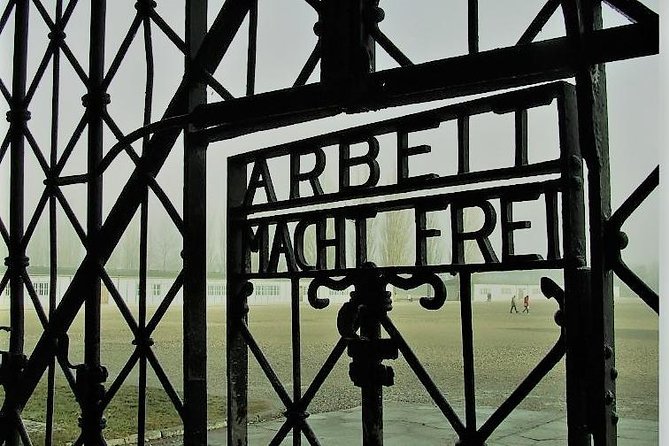
- Focused topics you’ll actually recognize: ARBEIT MACHT FREI at the gate house, Kristallnacht, and the camp’s role as a model
- Practical timing: early departure at 9:00 helps you arrive while the site is calmer
From Marienplatz to Dachau: stress-free, timed, and actually useful
This tour starts at Marienplatz 15 in central Munich, with a 9:00 am departure. Plan to arrive by 8:45 am so check-in doesn’t eat the first part of your day. Once you’re with the guide, the experience becomes mostly about getting from point A to Dachau with minimal waiting and clear direction.
The big value here is that the transport is built into the tour: you travel by train with your authorized guide, then continue on to the memorial area (often involving a bus leg, depending on how the day runs). In reviews, the guide leadership on transit stood out—people praised how they used experience to reduce downtime and even suggested where to stand on train platforms while waiting for the next connection.
That matters because Dachau can feel overwhelming even before you reach the gate. Having a guide who keeps the group together and explains what’s next helps you arrive mentally ready for what you’re about to see. And since this is an English offering with a licensed professional guide, you’re not relying on your own guesswork for names, dates, and what each area meant.
Price-wise, $60.46 sounds like a lot until you remember what’s included: the guide and public transport costs to and from the memorial area. For a half-day, that’s usually the difference between a frustrating solo trip and a visit that actually makes sense.
You can also read our reviews of more tours and experiences in Munich.



The heart of the day: your guided route through Dachau Memorial Site
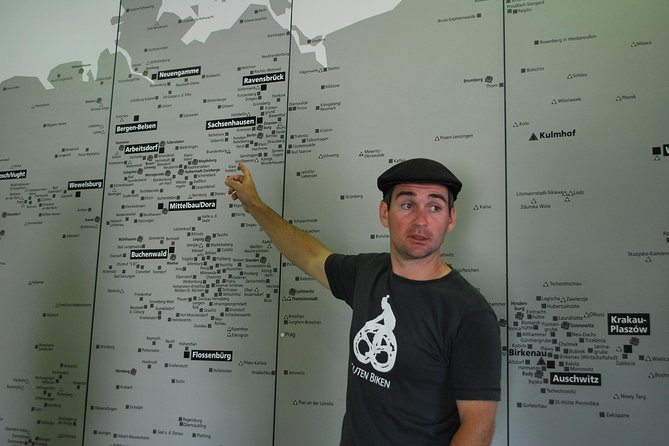
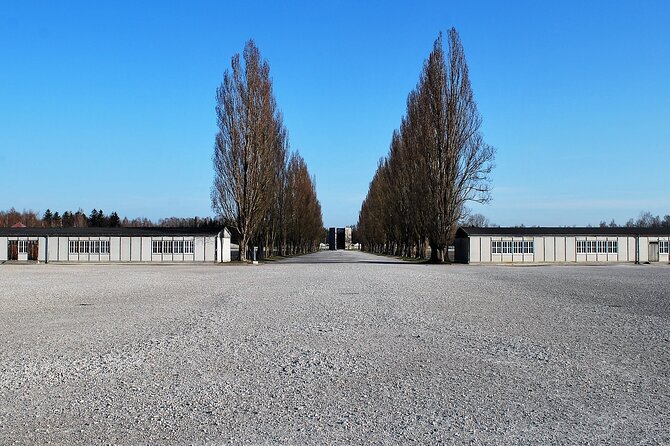
You’ll spend about 5 hours at the memorial, covering areas accessible to the public. The goal isn’t just to point at buildings—it’s to build a timeline while you walk. The tour is designed to connect the Nazi rise to the machinery of repression, so the memorial isn’t just a list of grim sights.
You start with the early context: the rise of Adolph Hitler and the Nazi Party in the 1920s, leading up to his appointment as Chancellor in 1933. Then the tour shifts into how the concentration camp system took shape—covering things like the burning of the Reichstag and how camps were formed afterward.
As you move through the site, you’ll hit key places and themes you’ll recognize right away:
- The main gate house (the one with the infamous ARBEIT MACHT FREI slogan)
- The SS training facility
- The camp’s function as a model for other camps
- The three major phases of the camp system
- The liberation of the camp and what followed afterward
- What happened between 1945 and the unveiling of the Documentation center in 1965
This is where having a guide pays off. The memorial is powerful on its own, but it also has layers. A skilled guide helps you understand why each section matters, so you’re not just absorbing images—you’re learning the logic behind the system.
What you’ll learn as you walk (and why it matters)
This tour doesn’t try to be gentle. It’s educational, direct, and focused on how a society can shift toward persecution and organized cruelty. I like the way the route builds toward the camp system, rather than treating Dachau as isolated history.
A standout topic is how the camp system fit into the larger Nazi world. You get an in-depth look at the concentration camp system and also how ghettos and extermination camps relate to that wider network. The guide also walks you through how prisoners were registered and sorted into various categories—details that help the site feel structured and comprehensible, even when the subject is unbearable.
You’ll also cover Kristallnacht from 1938, described here as the pogrom against Jews and the first major influx of Jewish prisoners at Dachau. That’s important context because it shows how policy and violence escalated step by step—then spread outward.
One review called the experience emotionally intense from the moment you enter the gate, which matches what many people feel: the atmosphere is immediate. If you’re the type who needs to understand the background before you see places, this tour is set up well. You’ll get historical framing timed to the locations you’re standing in.
And yes, the tour aims for balance. It includes what happened to prisoners and the daily realities of the camp system, while also keeping your attention on respectful interpretation of the memorial spaces.
Indoor vs outdoor time: what to expect at Dachau (and what might feel tight)
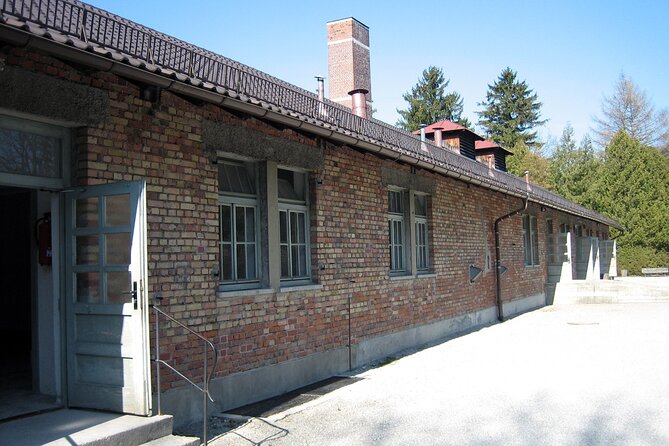
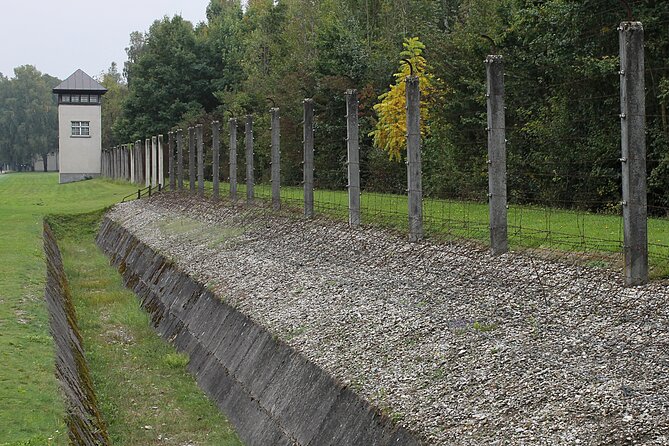
You’ll be moving between outdoor grounds and indoor areas, so your clothing matters. Wear comfortable shoes—the site involves walking on gravel and cement, and you don’t want sore feet turning a serious visit into a countdown.
Time inside can feel limited if you’re the type who likes to read every placard and linger over exhibits. One review mentioned a wish for more time to read inside the museum areas. That’s a fair consideration: a guided route has to balance group movement with content coverage.
The good news is the guides in reviews were praised for pacing and for adjusting when the site got crowded. If you hit busy paths, you’ll likely see the guide reroute slightly to keep your group moving and keep listening possible. Reviews also highlighted that guides like James filled short transit pauses with relevant historical context, so downtime didn’t feel wasted.
A practical note: refreshments and snacks are not available during the tour. You can purchase them at several locations near the meeting point, so plan ahead if you need a snack to make it through 5 hours. Since the day is somber, having a small routine can help you focus.
Price and value: what you’re really paying for
For $60.46 per person, you’re paying for more than a ticket. The core value is the licensed guide and the included transportation costs from Munich. For many people, that’s the difference between learning and just walking.
If you try to do Dachau on your own, you’ll still have to solve transit, timing, and interpretation. The tour handles the logistics and gives you a structured narrative tied directly to what you see. That structure shows up in the range of topics included—rise of Nazism, Reichstag aftermath, camp phases, SS training, the gate house slogan, liberation, postwar events up to the documentation center unveiling in 1965, plus registration categories and Kristallnacht context.
You do have to provide your own basics like food and drinks. But for a half-day, the tradeoff is usually worth it: you get an expert explanation in real time at the exact locations where history happened.



Who this tour is best for (and who should pause)
This is a best-fit tour if you want a guided introduction or a clearer understanding of how Dachau fits into the larger Nazi concentration camp system. It’s also a good choice for people who appreciate respectful interpretation and want to ask questions without juggling multiple resources.
You should probably think twice if you’re traveling with kids who are under 14, since the memorial site will not allow children under 14 to join guided tours. If you have mobility limits, the tour is still described as walk-and-visit friendly for most travelers, but it does involve a mix of surfaces and indoor/outdoor movement—so you’ll want to pace yourself.
Emotionally, this is not a casual outing. Expect a very somber experience. It’s educational, and it can feel intense—because it is. If you’re prepared for that reality, the guided structure can make the visit clearer and more meaningful.
Should you book? My decision guide for Dachau from Munich
Book it if you want the easiest way to do Dachau with context. This tour is built around what most people need: a licensed English guide, round-trip transit from Marienplatz, and a focused route that connects major events and camp features in a logical order.
Skip or reconsider if you know you need long unstructured reading time inside museums, or if you’re not ready for a heavy, emotional visit. Also, if you’re sensitive to themes around the Nazi camp system, go in knowing the tone won’t be light.
If you do book, do the small things that make a difference: arrive early, wear good walking shoes, and plan for snacks elsewhere since food isn’t provided.
FAQ
How long is the Dachau small-group half-day tour?
It’s about 5 hours, with time spent traveling from Munich and then touring the memorial site.
Where does the tour start in Munich?
The meeting point is Marienplatz 15, 80331 München, Germany, and the tour ends back at the same meeting point.
What time does the tour depart?
It leaves at 9:00 am sharp. You should arrive 15 minutes early (by 8:45 am) for check-in.
Is the tour offered in English?
Yes, it’s offered in English.
How many people are in the group?
The tour has a maximum of 20 travelers, keeping it small-group in practice.
What’s included in the ticket price?
You get a fully licensed professional guide and public transport costs to and from the memorial site. Admission is also covered.
What’s not included?
Food and drinks aren’t included, and refreshments and snacks are not available during the tour.
Are children allowed?
The memorial site will not allow children under 14 to join guided tours.
Is a mobile ticket used?
Yes, the tour provides a mobile ticket.
Can I cancel if plans change?
Free cancellation is available up to 24 hours before the experience starts for a full refund.