REVIEW · PUERTO JIMENEZ
Corcovado National Park: Sirena Day Tour From Puerto Jimenez
Book on Viator →Operated by Corcovado Wild Tours · Bookable on Viator
Sirena hits before the coffee. A 5:30 am start from Puerto Jiménez lines up a boat ride and a guided hike to Sirena Station, one of Corcovado’s most wildlife-dense spots. I really like the small-group setup (up to 8) and how the ICT-certified naturalist guide helps you read the forest fast. One catch: you must bring water shoes or adjustable sandals because the landing is wet and there’s no dock.
This is the kind of day tour that feels like two trips in one: the Osa Peninsula by speedboat, then a jungle walk where cars can’t go. You also get practical comfort built in—light breakfast with coffee and fresh fruit, plus lunch at Sirena Station.
You should also plan around the reality of Corcovado rules and rainforest conditions. You’ll want to skip anything the park doesn’t allow (like food and plastic bottles), and pack sunscreen/mosquito repellent yourself since they’re not included.
In This Review
- Key Points I’d Plan Around
- Why Sirena Station Is the Main Event
- The Osa Peninsula Boat Ride: Wildlife Odds and Real Water
- Hitting the Trail: What the Sirena Hike Feels Like
- Footwear: The One Rule That Prevents a Bad Day
- The Lunch Timing at Sirena Station (and Why It’s Not Just Food)
- What the Tour Actually Includes (and What You Must Bring)
- Price and Logistics: Is $190 Worth It?
- Small Group Size: The Difference You Feel
- What to Watch For: Guide Styles and Language Fit
- Who Should Book This Sirena Day Tour
- Should You Book This Corcovado Sirena Day Tour?
- FAQ
- FAQ
- What time does the Sirena day tour start?
- How long is the tour?
- What’s included in the price?
- What’s the lunch situation at Sirena Station?
- What footwear do I need?
- Are mosquito repellent and sunscreen included?
- Can I bring food or plastic bottles into the park?
- How big is the group?
- When will I receive confirmation after booking?
- What happens if I cancel?
Key Points I’d Plan Around
- 5:30 am departure to make the most of daylight in Corcovado
- Sirena Station rainforest hike with an ICT-certified bilingual naturalist
- Small group size (max 8) for better pace and more questions
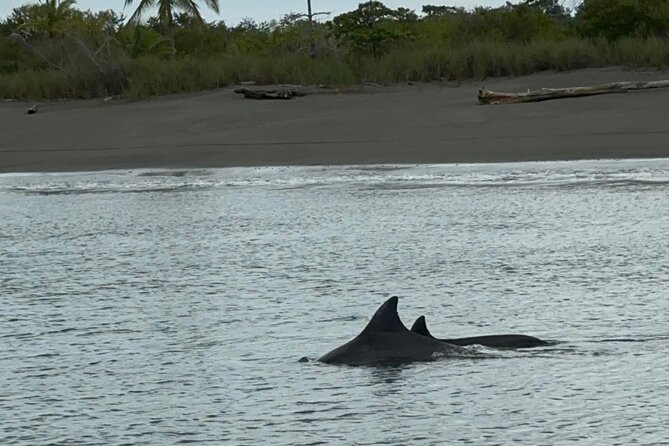
- Boat ride wildlife chances for dolphins, sea turtles, and seasonal whales
- Wet, no-dock landing—water shoes or adjustable sandals are mandatory
- Lunch at Sirena Station cafeteria timed around late morning hiking
Why Sirena Station Is the Main Event
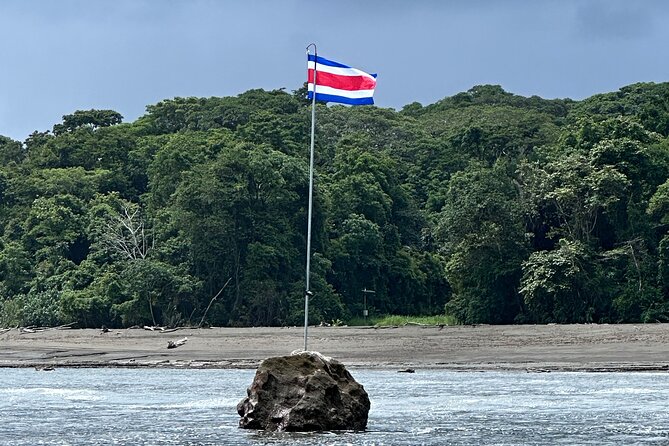
Corcovado’s big draw is the sheer mix of life—big animals, birds, insects, and everything tied together in the food chain. Sirena Station is where that density turns into a walk you can actually experience in a single day. You’re not just looking at trees; you’re learning how the ecosystem works while your guide points out signs you’d otherwise miss.
What I like most is that the tour doesn’t treat this as a generic “nature walk.” The guide is bilingual and certified by the Costa Rican Tourism Board (ICT), so you’re getting interpretation—not just a hike with somebody walking ahead. And because the group is limited to 8 travelers, you can ask questions without feeling like you’re competing with ten other people for attention.
The pace also makes sense. You depart early from Puerto Jiménez, get to Sirena with enough time for a solid rainforest session, then come back by boat. That rhythm is what turns a long day into a day that feels complete.
The Osa Peninsula Boat Ride: Wildlife Odds and Real Water
The morning starts on the water along the Osa Peninsula. This is when you’re most likely to get dolphins, sea turtles, and—depending on season—whales. Even when you don’t hit whales, the boat trip still matters. It’s part of the route into a place where the roads stop and the jungle takes over.
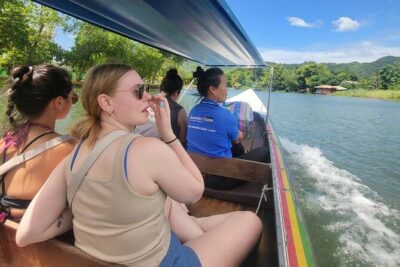
Expect the ride to be fast. One review specifically called out a speedboat that took about 1.5 hours and felt choppy. If you get motion-sensitive, that’s useful information to take seriously. A practical tip from the ride experience: if the waves bother you, sit toward the rear of the boat, where the motion can feel different.
Also keep your expectations grounded. Boat encounters can be hit-or-miss. But you’re not just “hoping”—the boat captain’s job is to position the group so you all have a fair shot at spotting animals. That’s why the boat portion feels like more than transit.
Hitting the Trail: What the Sirena Hike Feels Like
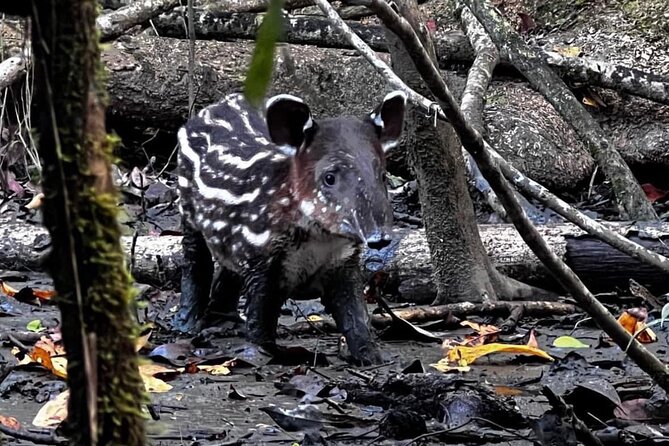
Once you reach Sirena Ranger Station, the day shifts from ocean to rainforest. The hike is guided by a certified naturalist, and you spend hours walking trails through lush jungle. You cross rivers along the way and look for animals in the habitat where they actually live, not behind a barrier.
This is where the guides you’ve got lined up make a huge difference. In the standout experiences, guides like Melvin, Jairo, Carlos, and Éric were praised for spotting wildlife efficiently and explaining what you’re seeing in plain language. One person noted that Jairo could identify birds by sound and even mimic calls to help with spotting. Another highlighted Melvin’s bird identification skills from far away—basically, he can “read” the jungle like it’s a map.
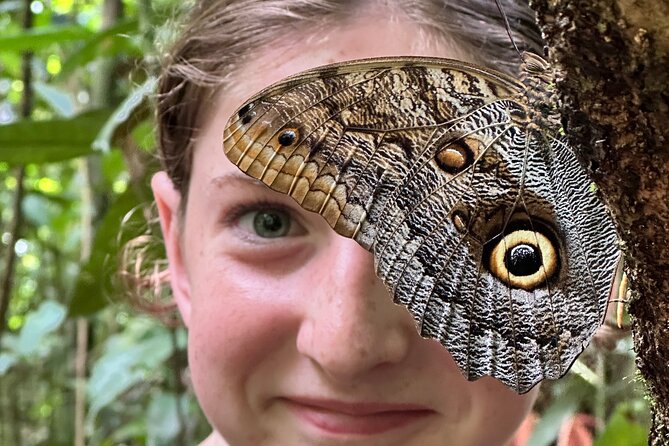
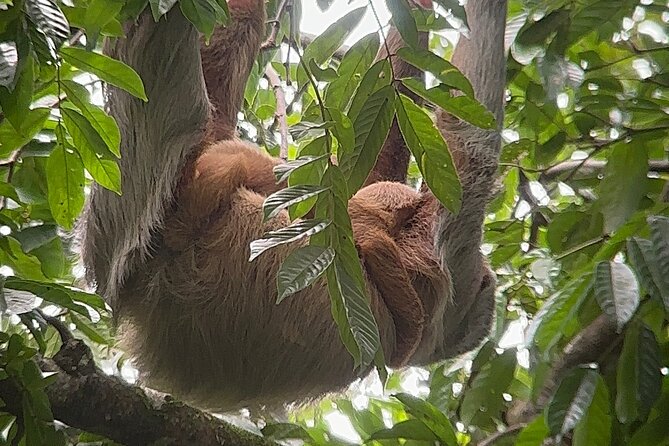
You’ll likely see a mix of animals such as monkeys, toucans, sloths, and tapirs, plus lots of smaller wildlife. It’s also common to have wildlife viewing come in waves: a burst of animal activity, then a stretch of quiet observation as the guide tracks where the action is likely to be.
Distance matters too. One detailed account said the hike was about 8 km. So yes, this is a full-day physical activity. The upside is that the time on the trail isn’t random. It’s guided with a goal: help you notice what’s there and understand how it connects.
Footwear: The One Rule That Prevents a Bad Day
This tour is strict about footwear because there’s no dock at Sirena. You’ll need water shoes or adjustable sandals for the wet landing. One important detail: hiking shoes may not be allowed inside the cabin area for lunch, so plan to be able to switch footwear.
A smart approach is packing one comfortable pair for wet transfer and cabin time, and keeping your hiking shoes/boots for the actual trail. If you show up with only “trail-only” shoes, you can end up doing extra managing at the worst possible moment—mud, river edges, and a crowd moving.
The Lunch Timing at Sirena Station (and Why It’s Not Just Food)
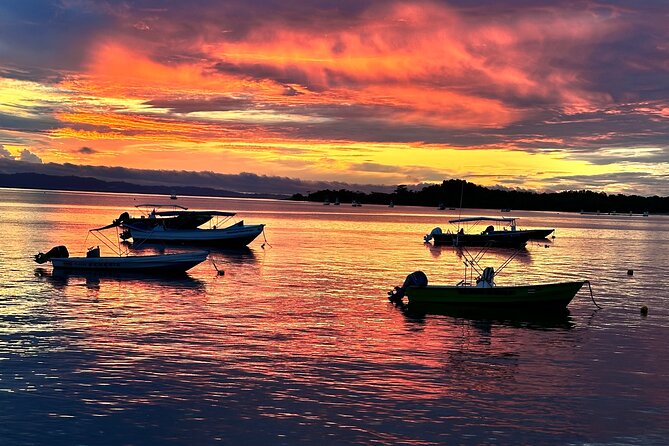
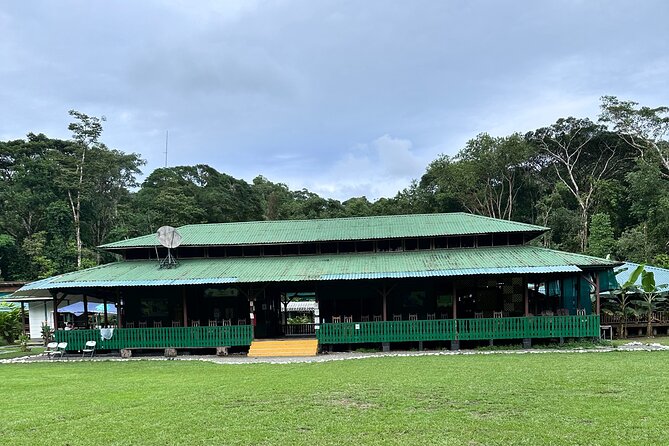
Lunch is included, and it happens at Sirena Station. The schedule is roughly from 11:30 am to 12:00 pm, which lines up with a late-morning reset after the first stretch of hiking.
A practical bonus here: the lunch stop also gives you a buffer to regroup. You can dry off a bit, eat, and get instructions for the rest of the day. It’s the kind of break that keeps the afternoon from feeling like a second forced workout.
One review noted that the lunch after the hike was good. Another specifically pointed out that hiking shoes weren’t allowed inside the cabin area, again tying back to footwear. So don’t treat lunch as “just eat and go.” Treat it as a logistics checkpoint in a place with rules.
What the Tour Actually Includes (and What You Must Bring)
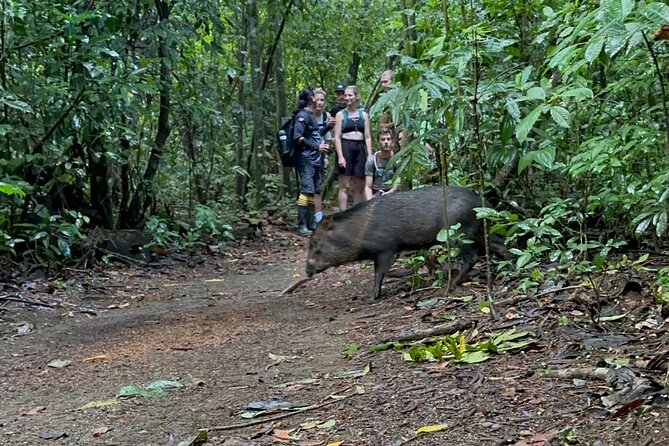
For $190 per person, you’re not just paying for a guide and a ticket. The included items are a big part of the value.
You get:
- National Park tickets
- Round-trip boat tickets
- A bilingual ICT-certified guide
- Reusable water bottles
- A light breakfast (coffee and fresh fruit)
- Lunch at Sirena Station
- Car parking (exclusive parking is offered at the Corcovado Wild Tours office, about 300 meters south of the public dock in Puerto Jiménez)
You also get a cleaner day if you prepare for what’s not included. You should bring:
- Mosquito repellent
- Sunscreen
- Water shoes or adjustable sandals (this one is mandatory)
And since the park rules are strict, plan ahead so you don’t arrive with something you can’t take inside. Corcovado National Park does not allow you to bring in food, plastic bottles, cigarettes, drugs, or alcohol.
One small planning trick: even though the tour provides a reusable bottle, don’t assume you can carry extra bottled drinks. The park rules focus on plastic bottles, so keep things simple.
Price and Logistics: Is $190 Worth It?
Let’s talk value without pretending this is cheap.
At $190 per person, this day tour is positioned for travelers who want a high-effort nature experience without stitching together multiple parts themselves. You’re paying for access, certified guidance, and the boat-and-hike format that gets you into a remote rainforest where you can’t just drive in.
Here’s how I’d judge the price:
- If you have limited time in the Osa region, you’re buying a full day of guided Corcovado contact: breakfast, boat, hike, lunch, and park tickets all handled.
- If you’re the kind of traveler who likes birds and animal spotting, this cost can feel more “reasonable” because the guide’s ability to find wildlife (especially birds by call) can change what you see.
- If you hate early starts or rougher boat conditions, it may feel expensive because you’ll experience the less-comfy parts harder than the fun parts.
One caution worth noting: one review mentioned that the boat ride was handled externally and flagged an extra $60 per person. Your tour details say round-trip boat tickets are included, so what you should do is simple: confirm at booking that the boat portion is fully covered in your exact package. That’s how you avoid sticker-shock moments mid-trip.
Also remember that this is non-refundable and weather-dependent. Corcovado is not a “guaranteed all-wildlife” kind of place. The company can’t manufacture animals. What you’re really paying for is access plus skill plus organization.
Small Group Size: The Difference You Feel
Up to 8 travelers isn’t just a marketing number. On a hike that can involve river crossings and careful animal-spotting, a smaller group helps with movement and attention.
In the best experiences, people emphasized that they weren’t rushed, that the guide made time for questions, and that the captain positioned everyone for animal viewing. In a crowded environment, you can lose all the “why am I here?” feeling.
That said, Corcovado can draw many boats and many groups. One account described a situation where many groups ended up in the same general area because everyone was targeting the same animal. Even with a small group, that crowd energy can show up in certain spots.
So the realistic expectation is this: your group stays small, but the park is still a popular ecosystem. The difference is that with a good guide, you’ll stay focused on the wildlife and not get stuck only watching other groups.
What to Watch For: Guide Styles and Language Fit
This is where I’d be honest with you. The tour is built around a bilingual naturalist guide, and that matters a lot in the forest when you want to understand behavior and ecology—not just label species.
Still, the reviews included a language mishap story where an English tour ended up feeling too Spanish-heavy due to guide accent/communication. Another critique said the guide seemed disconnected from one solo traveler at the start.
Those aren’t the majority of experiences, but they’re the kind of things that can affect your day. My advice: if language comfort is a deal-breaker for you, confirm what bilingual means in practice for your departure. And if you’re traveling solo, be ready to ask early and clearly—good guides can shift their focus, but they need your prompt.
Who Should Book This Sirena Day Tour
This tour is a strong fit if you:
- Want a single-day hit at Corcovado with a certified naturalist
- Like wildlife spotting and bird watching (especially bird calls and identification)
- Are comfortable with early mornings and a full hike
- Want the convenience of breakfast, lunch, park tickets, and boat transport handled
You might think twice if you:
- Get motion sick on choppy, fast speedboats
- Want a slow, totally uncrowded experience with no “park logistics” energy
- Need very specific language support and don’t have flexibility
Should You Book This Corcovado Sirena Day Tour?
If you want Corcovado in one day and you like the idea of a guided hike that’s built around wildlife—not just scenery—this tour makes sense. The combination of early start, small group size, ICT-certified bilingual guidance, and included meals is exactly what helps a remote place feel achievable.
Book it if you can handle the practical side: water shoes for the wet landing, sunscreen and repellent you bring yourself, and a full day of walking. Skip or compare other options if boat choppiness or language comfort would put a damper on your trip.
FAQ
FAQ
What time does the Sirena day tour start?
It starts at 5:30 am from Puerto Jiménez.
How long is the tour?
The duration is about 8 hours.
What’s included in the price?
National park tickets, round-trip boat tickets, car parking, a bilingual ICT-certified guide, reusable water bottles, a light breakfast (coffee and fresh fruit), and lunch.
What’s the lunch situation at Sirena Station?
Lunch is included and served at Sirena Station, around 11:30 am to 12:00 pm.
What footwear do I need?
You must bring water shoes or adjustable sandals because there is no dock in Corcovado and you’ll have a wet landing.
Are mosquito repellent and sunscreen included?
No. Mosquito repellent and sunscreen are not included.
Can I bring food or plastic bottles into the park?
No. Food and plastic bottles are not allowed inside Corcovado National Park.
How big is the group?
The tour has a maximum of 8 travelers.
When will I receive confirmation after booking?
Confirmation is received within 48 hours of booking, subject to availability.
What happens if I cancel?
This experience is non-refundable and cannot be changed for any reason.