REVIEW · FRANKFURT
Central and Eastern Europe Highlights 7-Day Tour from Frankfurt
Book on Viator →Operated by goEUgo International Limited · Bookable on Viator
Prague in one week? Yes, and more. This Central and Eastern Europe Highlights tour strings together big-name sights across six countries with a coach-driven rhythm that keeps logistics off your plate. I like the way it bundles UNESCO-style cultural stops with real travel time, so you get variety without spending hours planning each turn.
Two things I really like: you get guided highlights in the major cities (Prague Castle and St. Vitus Cathedral, plus Vienna’s core sights), and you also get a proper mountain-and-lakes contrast in Switzerland with Titlis and Lake Zurich/Lake Titisee. The main thing to keep in mind is the pace: this is a lot of walking and a lot of bus hours, so it’s better for people who enjoy seeing plenty rather than lingering.
In This Review
- Key Things That Make This Tour Worth Your Time
- Price and What You Actually Get for It
- Day 1: Frankfurt to Prague by Coach, With the Journey Doing Some of the Work
- Day 2: Prague Castle and St. Vitus Cathedral on the Royal Route
- Day 3: Danube Cruise in Budapest, plus Fisherman’s Bastion and Matthias Church
- Day 4: Vienna’s Palace-and-Opera Core, From Schönbrunn to St. Stephen’s
- Day 5: Mondsee and Munich Marienplatz—Sound of Music to Beer Gardens
- Day 6: Titlis (Revolving Gondola, Ice Cave, Suspension Bridge), Plus Lucerne and a possible stop in Liechtenstein
- Day 7: Lake Zurich, Rhine Falls, and the Black Forest at Lake Titisee
- Hotels, Rooms, and the Reality of a Fast, Multi-Country Route
- Tour Managers, Pace, and How to Avoid Common Friction Points
- Who This Tour Suits Best (and Who Should Think Twice)
- Should You Book This 7-Day Frankfurt-to-Switzerland Tour?
- FAQ
- How long is the tour?
- What’s the starting point and meeting time?
- Where does the tour end?
- What’s the price per person?
- What’s included in the price?
- Are attraction tickets included?
- Are lunch and dinner included?
- Is there a daily gratuity?
- What’s the maximum group size?
- What are the luggage limits?
Key Things That Make This Tour Worth Your Time
- One coordinator does the hard part: you show up at the start point and the route moves day to day.
- Big-city highlights without deep planning: Prague Castle, Golden Lane, and St. Vitus Cathedral are handled for you.
- Danube-to-Alps contrast: Budapest’s river cruise energy followed by snow-and-ice views on Mount Titlis.
- Four-country flavor in the middle: Austria and Germany are split across multiple days, so you don’t just pass through.
- Most praised: guides who keep the group on track: names like Daniel, Andy Lo, Lex, Miriam, Jack, Geno, and Mano came up repeatedly in positive feedback.
- Value is real, but optional spending adds up: tickets and meals aren’t included, and Europe is expensive.
Price and What You Actually Get for It
At about $1,035.42 per person for roughly 7 days, you’re paying for the convenience package: coach transport, a tour manager, and hotels with private facilities in 3-star (minimum) accommodations, plus breakfast (6).
What that price buys you in real-life terms:
- Fewer logistics headaches. You do not need to navigate train changes or rebook everything when timings shift.
- Time efficiency. You’re covering Frankfurt → Prague → Bratislava → Budapest → Vienna → Munich → Titlis/Lucerne → Zurich → Black Forest/Lake Titisee, with overnight stops in the major hubs.
- A structured route with guided stops, especially in Prague, Budapest, and Vienna.
The drawback is that the tour does not include lunch or dinner, and admissions for specific attractions are not included either. Also, a €10 per person per day gratuity is collected in cash. If you’re hoping for a mostly “pay once and forget it” vacation, plan on adding costs for meals, optional activities, and paid viewpoints.
You can also read our reviews of more tours and experiences in Frankfurt.
Day 1: Frankfurt to Prague by Coach, With the Journey Doing Some of the Work
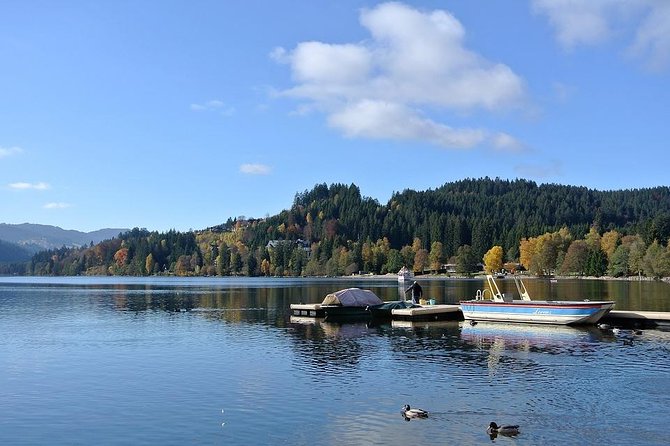
You start at Frankfurt (Main) Central Station (Am Hauptbahnhof) at 8:30 am. Then it’s a full-day coach ride through German countryside with Prague as your evening arrival.
This day is less about sightseeing and more about arrival with your energy intact:
- You get the long-distance travel handled, which matters when you’d otherwise be juggling trains and station transfers.
- You arrive in Prague in the evening, which is a nice way to avoid losing an entire day just getting there.
One watch-out: you’re starting from a busy transport hub. In a few pieces of feedback, people noted a chaotic first-day meeting point when weather was poor, so show up early and expect a little organization-building before you get moving.
Day 2: Prague Castle and St. Vitus Cathedral on the Royal Route
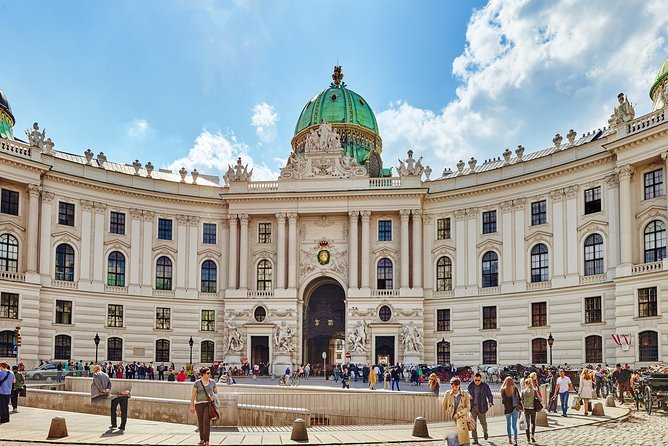
Prague is where the tour turns from travel mode into proper history-and-architecture mode.
You begin with Prague Castle, walking along the Royal Route from Castle Hill in the Hradcany area. This is a practical way to see the castle complex as more than just “another big building.” You also get the bigger context: the castle has been the seat of Bohemia royalty since the 9th century, and it has served as a home base for presidents in more modern times.
Then the focus sharpens:
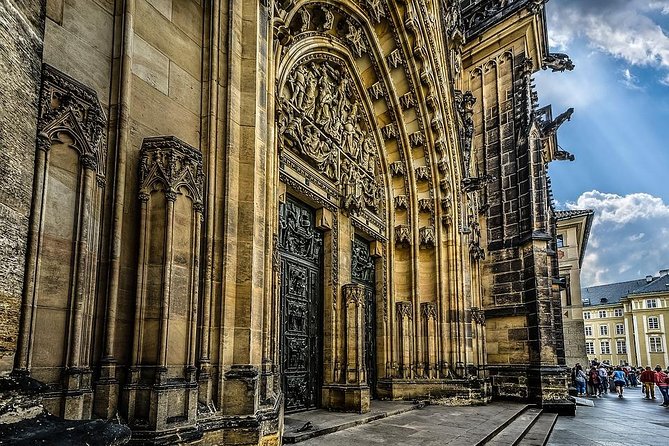
- St. Vitus Cathedral (Gothic scale, major interior sightlines)
- Golden Lane, a historic street lined with traditional buildings
- St. George’s Basilica (part of the castle-side circuit)
You’ll also connect to the Old Town area, including the Old Town Hall and Astronomical Clock, and then do Charles Bridge before transitioning onward. After lunch at the square, the bus ride takes you onward to Bratislava for the night.
What to consider:
- This is a day built for walking. If your feet get cranky fast, plan to pace yourself early.
- Admission tickets are not included, so some of the most famous interiors may cost extra depending on what you want to enter.
Day 3: Danube Cruise in Budapest, plus Fisherman’s Bastion and Matthias Church
On Day 3 the tour hits its “iconic river” moment: you’re in Hungary with Budapest, split into two sides—Buda and Pest.
The day starts with a Danube River cruise, one of the best ways to grasp how Budapest sits along the water. If you’ve only seen Budapest from photos, the cruise is where it starts to feel real: viewpoints shift quickly, and you see how the city’s grand buildings line up along the river.
Afternoon and evening time is built around Buda side viewpoints and museum/cultural stops:
- Budapest History Museum – Castle Museum (plus options like the Hungarian National Gallery or shopping)
- Fisherman’s Bastion and its terrace views
- Matthias Church
- Gellért Hill for panoramas
Across the river, you also touch Heroes’ Square and the Parliament Building area. There’s an optional Hungarian dinner with classic dishes like goulash and goose liver, plus folk music and dance.
The big value here is balance: cruise for perspective, viewpoints for photos, and museums/churches for context. The drawback is the same as most multi-country tours: once you hit “high concentration sights,” the time for independent wandering gets smaller. If you want long unstructured city time, you’ll need to adjust expectations.
Day 4: Vienna’s Palace-and-Opera Core, From Schönbrunn to St. Stephen’s
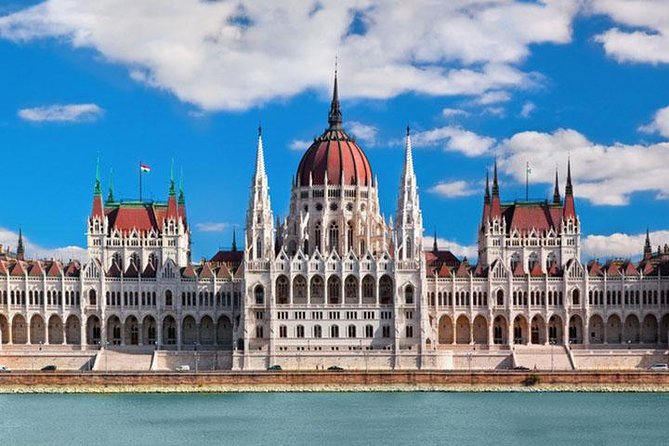
Vienna day is big on “grand Europe” energy, but the stops are spread so you don’t just bounce from one façade to another.
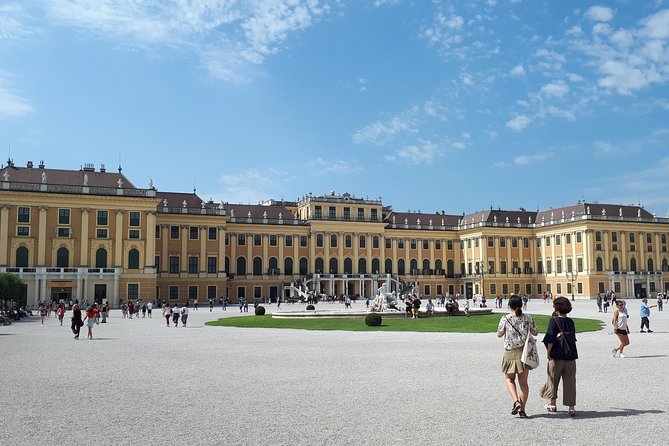
You start at Schönbrunn Palace, the Rococo summer residence linked to the Habsburgs. Then it’s on to The Hofburg, with a driving tour past landmark buildings like City Hall and the Austrian Parliament.
Later you get:
- Wiener Staatsoper (Vienna State Opera house)
- St. Stephen’s Cathedral
- A stroll through Stadtpark, including the famous gilded bronze Johann Strauss II statue
There’s also an evening suggestion for a Viennese waltz concert, which can be a smart way to soften the “walking day” while still doing something very Vienna.
What you’ll love most here is how Vienna is paced:
- Palace in the morning
- Government/court area mid-day
- Church and music culture later
What to keep in mind: shops and meal timing can be tight because this tour keeps moving. If you’re a serious museum person, you may want to add extra nights in Vienna later, after the tour.
Day 5: Mondsee and Munich Marienplatz—Sound of Music to Beer Gardens
Day 5 connects Austria to Germany with a smaller-town stop and then a major city finish.
You begin at Basilika St. Michael in Mondsee, on the shore of Lake Mondsee. The cloister church is known for being used as the wedding location in The Sound of Music, which makes this stop more than just a church photo-op.
Then you cross into Germany and head to Munich, with time at:
- Marienplatz and the New Town Hall
The tour notes that you can either enjoy a beer garden moment or use the time to explore on your own before heading to the hotel.
Real talk:
- Munich is a popular city, and tourist zones are expensive. The tour gives you a “taste” rather than a full day deep-dive.
- Admissions aren’t included, so if you want specific interiors here, you’ll pay extra.
Day 6: Titlis (Revolving Gondola, Ice Cave, Suspension Bridge), Plus Lucerne and a possible stop in Liechtenstein
This is the day that turns the trip into something you’ll remember beyond city walls.
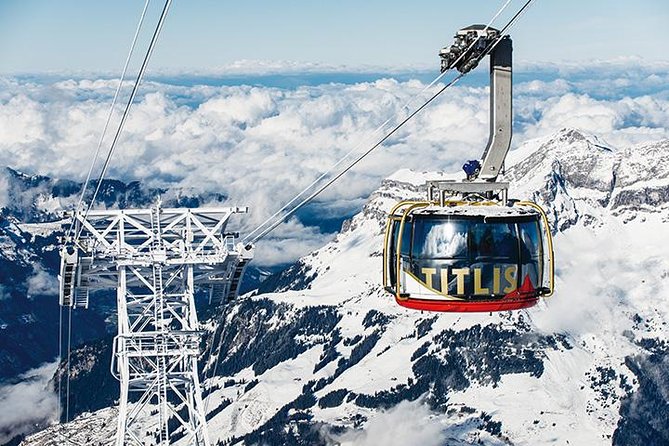
You head into the Swiss Alps via Engelberg and up to Mount Titlis, where you can opt for the cable car system. The big draw is the final lift on the Titlis Rotair, a revolving gondola with wide-open valley and glacier views. At the summit you’re looking at 360° mountain panoramas, and there’s also a 150-metre ice cavern plus a walk across Europe’s highest suspension bridge.
Then the day pivots to culture and lakes:
- In Lucerne, you have time near the Lion Monument (often described as Mark Twain’s most mournful piece of stone)
- You see Chapel Bridge
- There’s a mention that, if weather and traffic allow, you might make a photo stop in Liechtenstein
You’ll end the day in Zurich.
Why this works well in a 7-day tour: after Prague, Budapest, Vienna, and Munich, you need a “reset” day. Mountain views are that reset, and Titlis is a high-impact choice because it’s not just scenery. It’s also a variety of paid and optional experiences if you want them.
Day 7: Lake Zurich, Rhine Falls, and the Black Forest at Lake Titisee
Your final day has two themes: Swiss icons first, then a Germany nature twist.
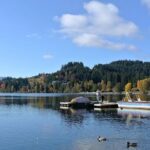
You start in Zurich, with a chance for a picture stop at Lake Zurich, then a stop at Rhine Falls, described here as Europe’s biggest waterfall.
After that, you cross back into Germany and head to the Black Forest region and Lake Titisee. Here you can stop at lakeside cafés for Black Forest cherry cake, and the tour notes cuckoo clock making demonstrations—plus time for souvenirs.
Finally, you return to Frankfurt am Main Hauptbahnhof, ending back where you started.
A consideration for this last day:
- This is not a “slow goodbye.” You’ll be moving through a lot of scenery in limited time. If you’re prone to fatigue from long travel days, keep your expectations realistic and save extra shopping for a later trip.
Hotels, Rooms, and the Reality of a Fast, Multi-Country Route
The tour includes accommodations in comfortable 3-star (minimum) hotels with twin/double/single rooms and private facilities. Breakfast is included on 6 mornings.
A few practical details matter:
- You can bring one luggage up to 30kg plus a small hand carry (camera bag, backpack, purse, etc.).
- A standard twin room is booked, and you can request a double bed. Triple rooms aren’t arranged due to limited availability.
- Hotel details are provided 24–48 hours before check-in.
In the feedback, most stays were described as clean and decent, but there were also clear exceptions:
- One person described a problematic hotel room size and comfort level in the Czech Republic.
- Another mentioned sketchy-feeling areas or weaker conditions in Budapest.
- Zurich lodging needs were raised in at least one comment.
So here’s the honest way to plan: treat hotel quality as “good enough for a multi-stop tour,” not as the top priority of a luxury vacation.
Tour Managers, Pace, and How to Avoid Common Friction Points
The strongest recurring praise is about the guides. Names like Daniel, Andy Lo, Lex, Miriam/Mirjam, Jack, Eric, Mano, Geno, Denny, Krisztian, and Choung Ho came up with compliments for clear explanations and keeping people on schedule.
That matters because this kind of itinerary can fall apart if timing slips. A few pieces of feedback mentioned:
- lost time when people were late returning,
- meeting points lacking clear direction on the first day (especially with rain),
- and one case where a driver was distracted on the road.
I can’t control what happens on any single departure. But you can control your odds:
- Build a habit of being early to the bus. Not on time. Early.
- Keep small cash ready for gratuities and paid extras.
- Don’t overpack the day with expensive add-ons you can’t comfortably manage.
Also, from feedback, expect plenty of walking and note that public bathrooms sometimes require payment. If you’re the type who hates surprises, plan ahead with a small wallet plan: a bit of cash plus a few coins can save time.
Who This Tour Suits Best (and Who Should Think Twice)
This tour is a good fit if you:
- want a structured sampler of Central and Eastern Europe plus Switzerland in one week,
- like guided highlights more than DIY planning,
- enjoy mountains and viewpoints as much as churches and palaces,
- and can handle a fast pace with walking.
It may not be ideal if you:
- want lots of free time in each city,
- have mobility limits or fatigue from steep sights like castle hills and hilltop viewpoints,
- or are traveling with young kids. One comment specifically suggested it’s not the best match for children under 10 due to walking and long bus rides.
If you’re unsure, treat this as a “taste trip.” If you fall in love with Prague, Budapest, Vienna, or Switzerland, you’ll be better positioned to plan a second trip with more breathing room.
Should You Book This 7-Day Frankfurt-to-Switzerland Tour?
I’d book it if your priority is seeing a wide slice of iconic Europe without logistics stress. The itinerary has a smart sequence—cities for culture, the Danube for perspective, and Titlis/Lucerne/Zurich for pure scenery payoff.
I’d think twice if you need quiet time, prefer slower mornings, or expect every hotel to feel equally top-tier. This is a high-output tour. For the right traveler, that’s the whole point.
If you want to maximize your satisfaction: arrive ready to move, be early to the bus, and plan your optional spending around the moments that genuinely matter to you—especially Titlis and any evening cultural add-ons.
FAQ
How long is the tour?
It’s about 7 days.
What’s the starting point and meeting time?
The tour starts at Frankfurt (Main) Central Station (Am Hauptbahnhof) at 8:30 am.
Where does the tour end?
It ends back at the same Frankfurt am Main Hauptbahnhof meeting point.
What’s the price per person?
The listed price is $1,035.42 per person.
What’s included in the price?
Included are 3-star (minimum) hotel accommodation with private facilities, daily air-con coaches, an experienced tour manager, and breakfast (6).
Are attraction tickets included?
No. The tour notes that admission tickets are not included for the attractions on the route.
Are lunch and dinner included?
No. Lunch and dinner are not included, and the tour leader offers assistance with reservations and directions.
Is there a daily gratuity?
Yes. There is €10 per person per day, collected in cash by the tour manager during the tour.
What’s the maximum group size?
The tour has a maximum of 30 travelers.
What are the luggage limits?
You can bring one luggage up to 30kg and one small hand carry on (camera bag, backpack, purse, etc.).