REVIEW · BEIRUT
Byblos, Jeita Grotto & Harissa Day Trip -With Lunch (4G on Board)
Book on Viator →Operated by Nakhal & Cie · Bookable on Viator
Lebanon can feel huge in one day, so this combo tour helps you pack the big stories into one plan. I especially like the Jeita Grotto experience: a boat ride through the lower caverns, then time in the upper caves on foot. The whole thing is built around a guided, no-stress route from central Beirut.
I also really value the included Lebanese mezze lunch in Byblos and the way the stops are structured around iconic sights (not just driving past them). One drawback to keep in mind: the day moves fast, and if you’re the kind of person who wants a long, wandering lunch-break or extra time in Byblos, you may feel a little rushed.
In This Review
- Key highlights worth planning for
- A smart day route from Beirut for first-timers and history lovers
- Jeita Grotto: the boat on the subterranean lake (then the upper caves)
- Byblos Castle and the old souks: how to make the most of limited time
- Harissa and the Shrine of Our Lady of Lebanon: cable car views and pilgrimage sites
- Lunch in Byblos: Lebanese mezze set menu value (and vegetarian options)
- Price and logistics: what you’re paying for at $98 per person
- Group size, pacing, and when the schedule can feel tight
- What to expect from the guide (and how to get the most from them)
- Practical tips for comfort during caves, coastal history, and a hilltop shrine
- Should you book this Byblos, Jeita Grotto and Harissa day trip?
- FAQ
- What time does the tour start?
- How long is the day trip?
- Is lunch included?
- What do you see at Jeita Grotto?
- Is the cable car included at Harissa?
- Does the price include entrance fees?
- Where does pickup happen?
- Is WiFi available during the trip?
- What happens if Jeita Grotto is closed?
- What’s the cancellation window?
Key highlights worth planning for
- Jeita Grotto by boat and on foot: lower caverns by subterranean lake, upper caverns by walking
- Byblos Castle + old souks: a classic mix of fortress views and medieval-market streets
- Harissa’s Our Lady of Lebanon shrine: cable car to the hilltop, plus access to the chapel area and spiral staircase
- Lunch in Byblos (Lebanese mezze set menu) with a soft drink
- Local guide commentary in English/French and onboard WiFi and bottled water to keep you comfortable
A smart day route from Beirut for first-timers and history lovers
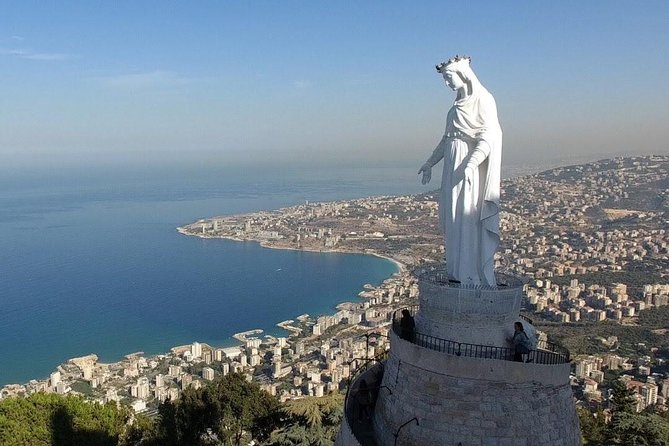
This trip is designed for people who want the Lebanon postcard moments without the hassle of arranging drivers, tickets, and timing across three separate locations. You start in central Beirut, ride out in an air-conditioned vehicle, and return after about eight hours.
What makes it work is the mix: caves, ancient coastal city layers, and a major pilgrimage shrine. You’ll see how different periods of Lebanon’s story overlap—pharaoh-era ruins’ neighbors, Roman-era port history, and modern religious devotion all on the same day.
You can also read our reviews of more tours and experiences in Beirut.

Jeita Grotto: the boat on the subterranean lake (then the upper caves)
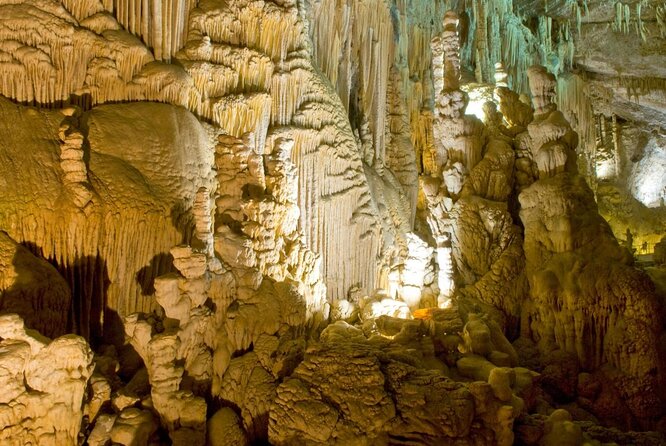
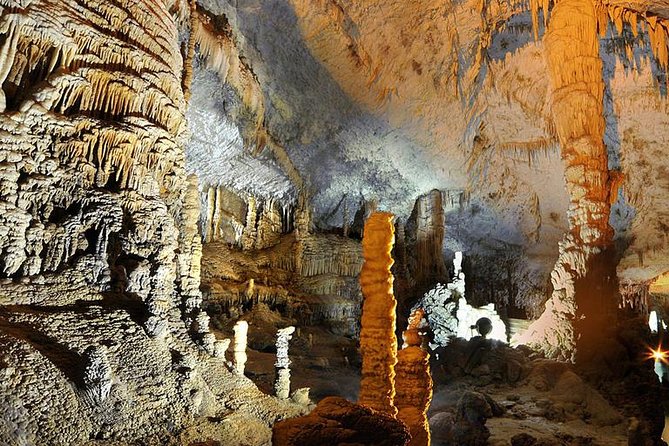
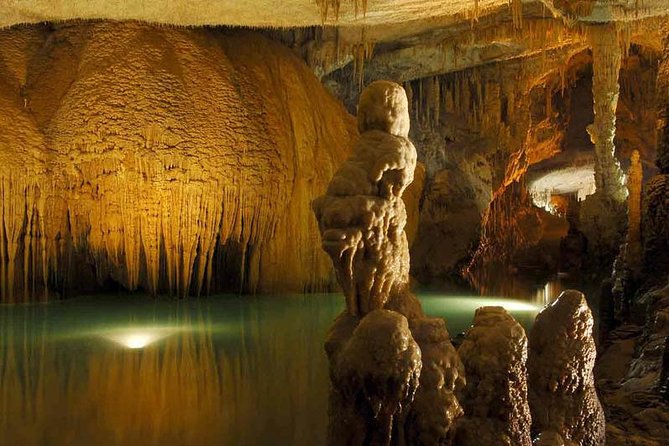
Jeita is the star for a reason. The experience starts in the lower caverns with a boat ride on a subterranean lake—quiet, enclosed, and very different from the street-level world you came from. It’s the kind of place where your photos look better once you stop trying to force the perfect shot and just watch the light shift through the rock.
After the boat ride, you head into the upper caverns on foot. This part changes the pace: more walking, more open viewpoints inside the cave system, and time for your guide to frame what you’re seeing so it’s not just pretty stalactites.
Two practical notes matter here. First, Jeita can be weather-affected in terms of timing and access, and the operator notes that the experience requires good weather. Second, there’s a maintenance window: Jeita Grotto is closed Feb 1–15, so plan around those dates if you’re traveling then.
Byblos Castle and the old souks: how to make the most of limited time
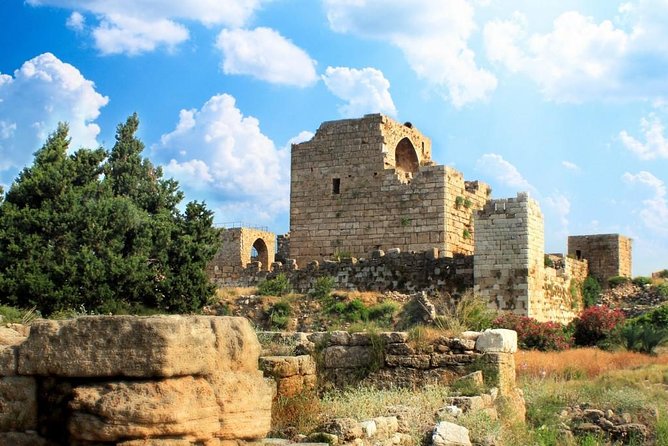
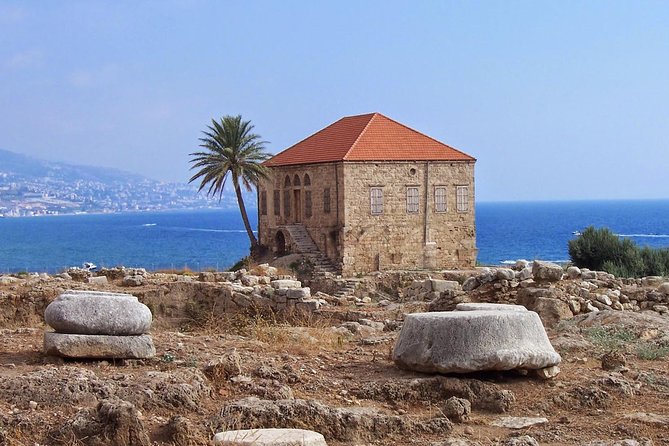
Byblos is one of the oldest cities in the world, and the day trip covers it in a focused, guide-led way rather than a slow, independent wander. You’ll visit the Byblos Castle and the old souks, plus a stop at the medieval Roman port area.
Here’s the key: Byblos is layered. Even if you only get a slice of it, you’ll notice the shift from fortress-like structure (views, stonework, defensive shape) to the feel of old trade lanes around the souks. Your guide’s commentary helps you connect the physical spots to the long sequence of civilizations that shaped the area.
The only caution I’d give is time pressure. This is a full-day itinerary, and a few people have felt the Byblos stop can be tight. If you love detail—coins, inscriptions, architecture angles—arrive ready to choose your priorities fast. In practice, that means you should ask your guide at the start of the stop how long you’ll have and what the plan is for lunch timing.
Harissa and the Shrine of Our Lady of Lebanon: cable car views and pilgrimage sites
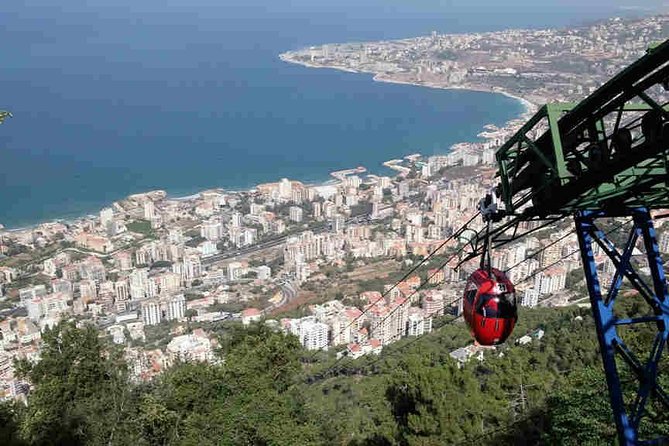
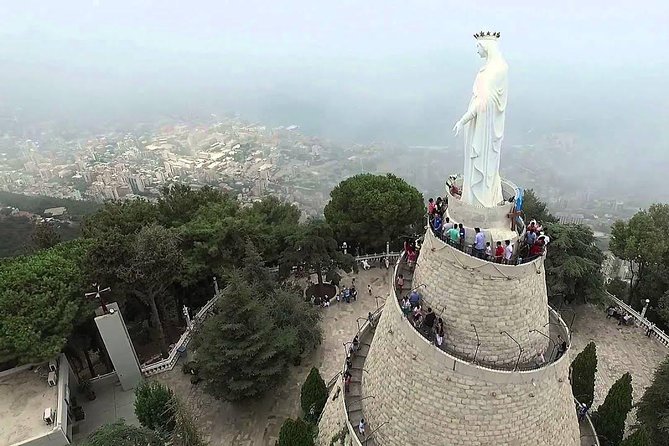
Harissa is the emotional “finish” of the day, even if you’re not visiting for religious reasons. You’ll reach the Shrine of Our Lady of Lebanon via cable car, and the stop is built around seeing the Virgin Mary statue complex, including the chapel area and a spiral staircase.
Then you get the moment your neck will thank you for later: the hilltop views over the Bay of Jounieh. It’s the kind of perspective you can’t get from the sea streets or the cave ceiling—everything looks wider up there.
Your guide also explains why these sites attract pilgrims. That context can change how you interpret the crowds and the rituals you might see. Instead of it feeling random, it feels rooted.
From a logistics standpoint, this stop benefits from good weather too. If visibility is poor, the viewpoint part is less satisfying, so check conditions on the day.
Lunch in Byblos: Lebanese mezze set menu value (and vegetarian options)
Lunch is included, and that matters because it keeps the day from turning into a scavenger hunt for food between attractions. The set menu is Lebanese mezze, plus a main dish and fruits or dessert, along with one soft drink.
A few practical value points:
- It’s not just a snack. The format is meant to refuel you for the return drive and the hilltop stop.
- One review notes a vegetarian option could be arranged on short notice at the lunch venue. If you have dietary restrictions, it’s smart to flag them ahead of time or early in the morning so the restaurant can plan.
Also, this is Lebanon, so lunch often becomes part of the memory. People tend to talk about the meal as much as the sights, especially when it’s served by the water in Byblos.
Price and logistics: what you’re paying for at $98 per person
At around $98 per person for roughly eight hours, you’re paying for three things: transport, guided interpretation, and included admissions. Entrance fees are listed as included, and the tour also includes bottled water and onboard WiFi, which is a nice touch if you’re trying to map your day or share updates.
The big value question is whether you want to manage this yourself. If you’re comfortable driving, buying tickets, and timing three separate attractions, you might save money on paper. But if you’d rather trade control for reduced stress—and you like learning as you go—this format is built for you.
Where the price can feel less perfect is when group logistics get messy. Some departures have felt crowded or hard to hear, and in at least one case the day started later than expected without clear communication. That doesn’t mean it’s your experience. Still, it’s worth keeping a flexible mindset and planning to get your day back through calm patience.
Group size, pacing, and when the schedule can feel tight
The tour lists a maximum of 25 travelers, which is a reasonable size for guided stops. But you should still expect group dynamics. You’ll likely be moving in waves through attractions, and at some points you may feel the pace is designed for coverage rather than slow browsing.
Pacing is the trade-off for seeing all three “big names” in one day. Jeita takes time. Byblos needs your attention to make it meaningful. Harissa adds elevation, viewpoints, and a focused shrine visit. Add lunch and transport between them, and there’s simply not room for long detours.
If you’re the type who wants lots of free time, consider arriving with a short list of what matters most. For example:
- If you’re cave-first, treat Byblos as a concentrated hit.
- If you’re city-first, know you’ll still have a walk-and-see pace at Jeita.
- If you’re shrine-first, Harissa will likely feel most satisfying if the viewpoint is clear.
What to expect from the guide (and how to get the most from them)
This tour includes a professional licensed guide speaking English and French. In real life, that means you’ll get historical context and on-the-ground explanation rather than just being dropped at the gates.
From past runs, guide quality seems to be a major reason people score the trip highly. Names that came up include Georgette, Mia, Lucy, and Romeo. People described guides like Mia as especially good at answering questions and adapting to what the group wanted in terms of language.
Here’s the practical takeaway: when the guide introduces the day, ask one direct question early—how the timing works for each stop and when lunch happens. That simple habit helps prevent the feeling of being rushed or not knowing what you’re walking into.
Practical tips for comfort during caves, coastal history, and a hilltop shrine
You’ll be in a full-day rhythm: morning pickup in Beirut, then caves, city ruins and souks, lunch in Byblos, and a cable-car climb to Harissa before heading back.
To make it easier on yourself:
- Bring a camera, but also pause often. Inside caves and shrine areas, the best moments come when you look up and let the light do its work.
- Wear comfortable walking shoes. You’ll do both boat/steps at Jeita and walking at Byblos and Harissa.
- Expect changing conditions. Even if the caves feel cool, you’ll be outside later, so packing a light layer can help.
And one more tip that’s worth repeating: if you want more time at Byblos, ask for it. With any group tour, the difference between a satisfying stop and a rushed one can come down to one early question.
Should you book this Byblos, Jeita Grotto and Harissa day trip?
Book it if you want a guided, admissions-included way to see three major Lebanon highlights in one day, especially if it’s your first visit to Beirut. This is a good fit for history lovers who like context, and for people who would rather ride in an air-conditioned vehicle than figure out three separate logistics chains.
Skip it (or at least adjust expectations) if you’re sensitive to group pacing or long waits. A few past experiences mention late departures, difficulty hearing due to crowding, or feeling rushed at Byblos. If you’re planning this trip during periods with known cave maintenance (Feb 1–15), double-check timing because Jeita can be closed.
If you can travel with flexibility and you’re excited by the idea of caves, ancient ports, and a hilltop shrine all in one day, this tour is usually a strong value for your time.
FAQ
What time does the tour start?
The tour starts at 8:30 am, with pickup arranged from central Beirut hotels that are located within Beirut City.
How long is the day trip?
It runs for about 8 hours.
Is lunch included?
Yes. Lunch is included as a set menu with Lebanese mezze, a main dish, fruits or dessert, and one soft drink.
What do you see at Jeita Grotto?
You visit both the lower and upper caves. The lower caves include a boat ride on a subterranean lake, and the upper caves are explored on foot.
Is the cable car included at Harissa?
Yes. The Shrine of Our Lady of Lebanon visit includes one cable car ride (Telepherique).
Does the price include entrance fees?
Yes. Entrance fees to the sites mentioned in the program are included.
Where does pickup happen?
Pickup is offered if your hotel is located within Beirut City. The meeting point listed is Nakhal Tourism and Travel in Beirut.
Is WiFi available during the trip?
Yes. There is WiFi on board, and bottled water is included.
What happens if Jeita Grotto is closed?
Jeita Grotto is noted as closed for maintenance from Feb 1 to Feb 15.
What’s the cancellation window?
You can cancel up to 24 hours in advance for a full refund. The experience requires good weather, and if it’s canceled due to poor weather you’ll be offered a different date or a full refund.