REVIEW · BRASOV
Brasov Private Tour: Transfagarasan road & Poienari Fortress
Book on Viator →Operated by Active Travel Day Tours · Bookable on Viator
Sky-high roads and Vlad in one day.
This full-day tour strings together the Transfăgărășan Highway (the Road to the Clouds) with mountain stops like Bâlea Lake, all with hotel pickup and a guide in the car. I especially like how the route feels like a real road trip: you get photo breaks at the right moments, not just bus-window sightseeing. And I love the guide energy, too. In past days, guides such as Dan and Charlie have been praised for mixing history with a relaxed, human vibe.
One possible drawback: the mountains run on conditions, not promises. The highway can take longer because of construction, and Poienari Castle access can be closed or limited to fixed ascent times. Add the 1,480 to 1,500 concrete stairs, and you’ll want to be ready for a legit climb.
In This Review
- Key things I’d plan for
- Transfăgărășan and Poienari: why this tour feels like a “mountain day,” not a checklist
- Pickup, timing, and how the day really runs from Brașov
- Stop 1 on the route: Transfăgărășan Highway and the real-world timing behind the wow factor
- If the highway is closed (Nov 1 to Jun 30)
- Bâlea Waterfall: a short hike with high altitude drama
- Bâlea Lake: why the glacial scenery is the best “pause button” of the day
- Făgăraș Mountains stop: views at altitude plus some smart context
- Vidraru Dam: the quick stop that still feels purposeful
- Poienari Fortress: Vlad’s story, 1,480 to 1,500 stairs, and the real access risk
- Food, comfort, and the small stuff that makes a long day easier
- Small group size, private feel, and why the guide can make or break the day
- Price and value: is $223.26 per person fair for this kind of day?
- Who should book this tour, and who might want to rethink it
- Should you book? My practical take
- FAQ
- Is hotel pickup included?
- What time does the tour start?
- How long is the day?
- Is the Transfăgărășan Highway open year-round?
- What happens if the Transfăgărășan road is closed?
- Are there stairs at Poienari Fortress?
- Is lunch included?
- Is Poienari entrance fee included?
- Is the tour available in English?
- When is cable car use required, and is it extra?
Key things I’d plan for
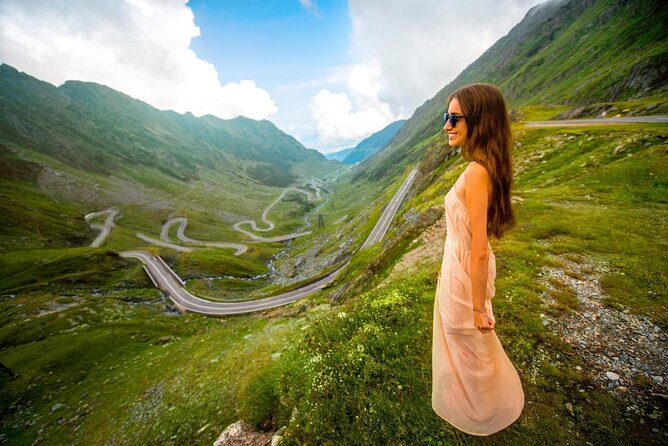
- Transfăgărășan Highway season matters: open July 1 to Oct 31, otherwise you’ll miss parts of the route
- Long day, many stops: expect about 10 hours and plenty of time in the car
- Bâlea Waterfall hike: a short walk, but at altitude and in changing weather
- Bâlea Lake can require a cable car: extra cost and weather/operating rules apply
- Poienari is stair-country: plan for the climb, and keep closure timing in mind
- Guide quality is a big part of the value: most guides are highly praised, but one report flags a mismatch
Transfăgărășan and Poienari: why this tour feels like a “mountain day,” not a checklist
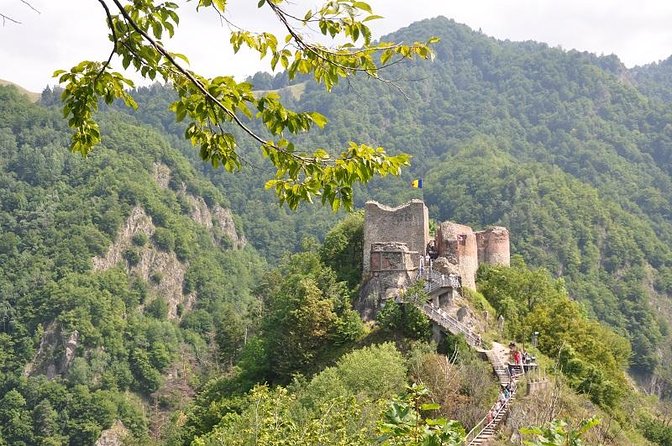
If you’re basing yourself in Brașov, this is one of the easiest ways to tackle one of Romania’s most famous drives without stitching together trains, rental cars, and complicated timing. The day is built around a simple idea: drive the Transfăgărășan Highway for big-carving curves and dramatic overlooks, then hit the Vlad-related stronghold at Poienari, topped off with more mountain scenery along the way.
What makes it work is the pacing. You’re not stuck at one stop for hours, but you also aren’t rushed through five locations like a speed-run. You’ll have short, focused visits where you can actually step out, look around, and grab pictures before moving on.
You can also read our reviews of more tours and experiences in Brasov.

Pickup, timing, and how the day really runs from Brașov
You start early, with the tour beginning at 8:00 am from the George Barițiu County Library area. If you’re staying in Brașov city, pickup and drop-off are included, and pickup timing varies by your location. The vehicle is air-conditioned, which matters because the day is long and the drive is winding.
Also note that your schedule can flex. Construction works on the highway can make the tour take longer than usual, and road closures can happen for events. One past guest described a biking race causing parts of the road to be closed; the company offered options such as postponing by about four hours so the group could still experience the highway. So if you’re the type who needs everything on a stopwatch, this may test you a bit. If you’re more about enjoying the day and going with the flow, you’ll likely love it.
Stop 1 on the route: Transfăgărășan Highway and the real-world timing behind the wow factor
The headline is the drive itself. This road gets nicknames like Road to the Sky and Road to the Clouds, and it lives up to the hype because the views keep changing every few minutes. You’re also getting guided context during the ride, including how this was used as a strategic military route.
Two practical notes I’d take seriously before you go:
- Season rules the itinerary. The Transfăgărășan road is open from July 1 to Oct 31.
- Construction can slow things down. The tour warns that road works may add time, and that’s not a small detail. It changes your whole day.
One more thing: the route often feels alive. In one account, the group saw bears from a safe distance on the roadside. Don’t count on animal sightings, but do expect this to be more than a quiet drive. Bring patience for the curves and the timing.
If the highway is closed (Nov 1 to Jun 30)
The tour swaps the plan. You won’t do Poienari Fortress and you won’t do Vidraru Dam. Instead, you’ll drive up to Bâlea Waterfall, and if weather allows, you can take the cable car up to Bâlea Lake (approx. extra €20 per person, with the cable car ticket for the guide included). In that alternative day, you also visit the ruins of the Cistercian Abbey of Carta and Sâmbăta de Sus Monastery.
So your decision point is simple: if you want the full “road + Vlad + dam” version, aim for July through October.
Bâlea Waterfall: a short hike with high altitude drama
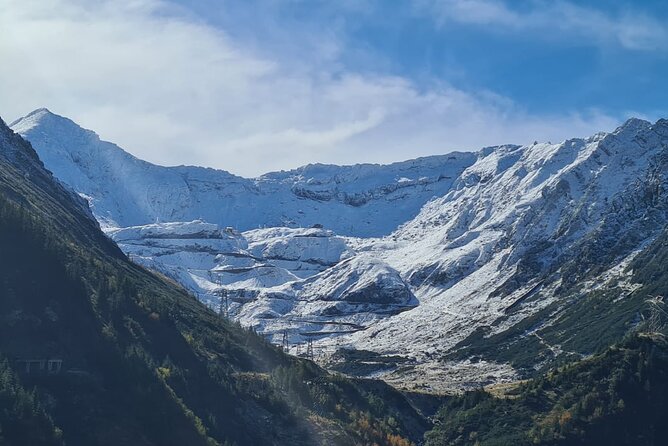
After the highway drive, you stop at Bâlea Waterfall, walking to see it up close. It’s described as the highest step-waterfall in Romania, more than 60 meters tall.
This is the type of stop that makes you remember where you are. The air can feel sharper up there, and the waterfall tends to create a kind of misty atmosphere even when the weather looks fine from lower down. You don’t need special hiking skills, but you do need sturdy shoes. The day includes concrete stairs later, so you might as well start by protecting your feet.
The stop is short on paper (about 20 minutes), but in practice you’ll use that time the way you want: photos first, then a quick look around. If conditions are rough, you’ll still get the main view without needing to overcommit.
Bâlea Lake: why the glacial scenery is the best “pause button” of the day
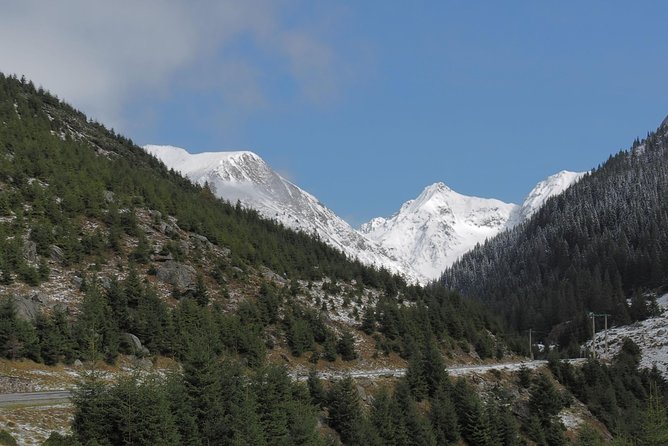
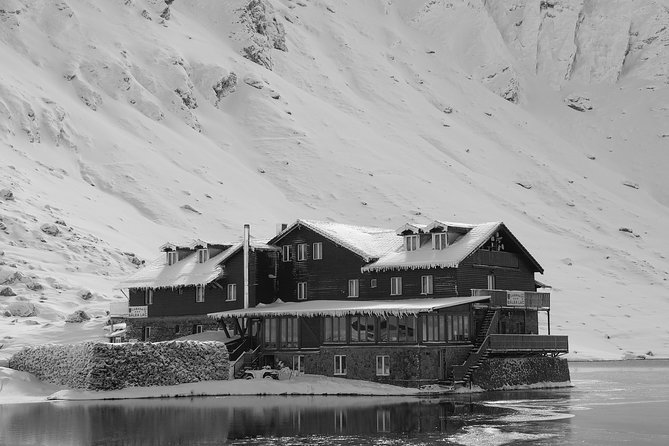
Next comes Bâlea Lake, a natural glacier lake at about 2,040 meters. The dimensions listed are 360 meters long, 240 meters wide, and around 11 meters deep. Even if you’re not a geography nerd, that altitude and scale change how the water looks and how the whole place feels.
You’ll usually spend about one hour here. For me, that’s the sweet spot: long enough to walk around a bit, find your best photo angle, and enjoy the calm. It’s also where the day shifts from driving and stops into something more like being in the mountains for real.
If Transfăgărășan is closed and you’re going up via cable car, that lake visit can depend on weather and cable car operations. The cable car generally operates with rules around capacity (it operates at least for 10 people) and mentions how tourists are prioritized over freight shipments. In adverse weather, there may not be a smooth ride. Bottom line: pack for the possibility of shifting conditions.
Făgăraș Mountains stop: views at altitude plus some smart context
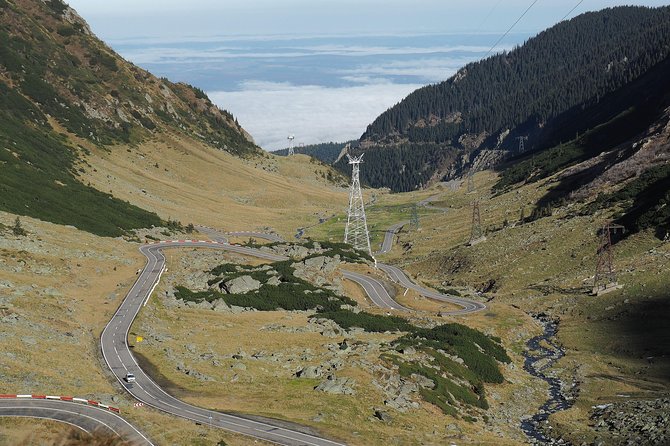
Between the major attractions, you get a stop in the Făgăraș Mountains area. This part isn’t just scenery for scenery’s sake. You get a bit of natural history and geography context, including how the name Făgăraș is linked to old language for big beech forests, and that the region includes different types of forests than you might expect at lower elevations.
You also learn about the protected-feeling nature of the area, including mentions of Dumbrava Vadului and plants like narcissus locally known as coprine. Then you get a look at Mioarelor, a glacial lake around 2,282 meters, described as the highest glacial lake in the Carpathians.
Even if you don’t care about the botanical details, this stop is worth it because it breaks the day up. You’re not just seeing one famous spot after another. You’re getting a sense of why this region looks the way it does.
Vidraru Dam: the quick stop that still feels purposeful
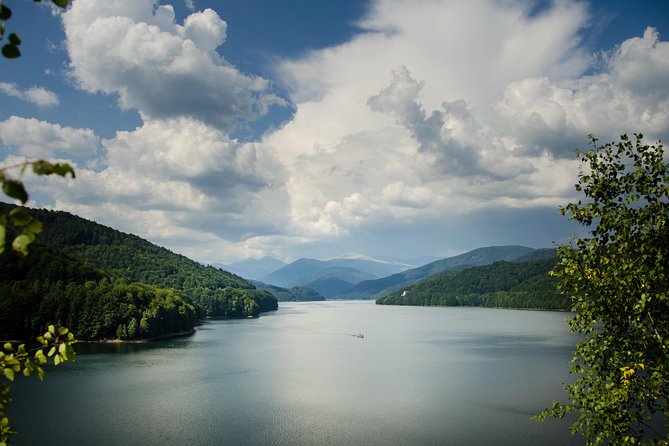
Then you head to Vidraru Dam, completed in 1966 on the Argeș River, creating Lake Vidraru. The dam is listed as an arch dam with 166 meters height and 305 meters arch length, holding about 465 million cubic meters of water. It’s a hard-number kind of sight, which is fun after all the sweeping views.
The visit is short (about 15 minutes), so don’t expect a long, museum-style stop. Instead, think of it as a viewpoint-and-facts moment: you’ll see a huge engineering structure sitting inside steep mountains. If you enjoy architecture and “how did they pull this off” moments, this is a nice counterweight to the castle stairs later.
Poienari Fortress: Vlad’s story, 1,480 to 1,500 stairs, and the real access risk
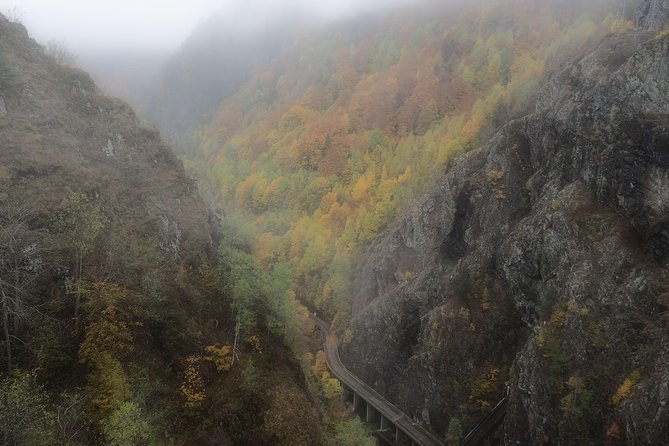
Poienari Fortress is the emotional center of the day for a lot of people. It’s tied to Vlad Țepeș (the ruler linked with Dracula’s legend), and your climb is the big physical challenge: you reach the citadel by climbing 1,480 concrete stairs (the description also refers to about 1,500 steps).
Two things to know up front:
- This isn’t optional effort. Even if you’re fit, you’ll feel it. If you’re not used to stair climbing, start slow and take breaks as needed.
- Access can be limited. The data you have says Poienari Fortress is closed until further notice, yet it also lists organized group ascent times such as 9:00 am / 11:00 am / 1:00 pm / last ascent at 3:00 pm. So your day may depend on what’s actually running when you arrive.
So how do you protect yourself? Treat Poienari as a high-reward stop, not a guaranteed win. If it’s open, great. If it isn’t, you’ll still have a strong day because the highway, Bâlea, and Vidraru are already worth the effort on their own.
The good news from past experiences is that the climb, while challenging, often feels manageable with a good guide and the right pacing. Several guides are praised for being encouraging and patient during the day, and that matters when you’re climbing stairs with a view at the top.
Food, comfort, and the small stuff that makes a long day easier
Lunch is not included, so you’ll need to budget for food on your own. The good part is that the stops are planned enough that you’re not stuck hungry in the car with no options. In one account, the guide worked with the group to keep things comfortable and suggested local food breaks.
For gear, I’d keep it simple:
- Wear sturdy hiking footwear.
- Bring a layer. Mountain weather changes fast.
- Use the car time to rest your legs, because the stair climb is usually after several hours of driving.
Also, think about energy management. This is about 10 hours total, and the drive time is real. If you’re hoping to shop, pack in Bran Castle, or add extra stops in Brașov afterward, you might feel tired. Plan a calmer evening after.
Small group size, private feel, and why the guide can make or break the day
The tour is listed as small-group with a limit of 7 people. It also states it runs as a private experience for your group, meaning you have a dedicated guide and flexibility. In practice, that usually translates to fewer crowds at photo stops and a more relaxed rhythm.
The guide isn’t just there for facts. The best days come from how your guide handles timing, weather, and comfort. Several guides are specifically praised for friendly professionalism and for adjusting to the group pace. For example, Dan is credited for being helpful and respectful of timing, while Charlie gets mentioned for keeping the day enjoyable even with rough weather.
One caution: there is at least one report describing a guide who seemed more like a driver and had below-average English and historical knowledge. That’s not the dominant story, but it’s a reminder to come with a positive attitude and ask questions during the ride if you want more detail.
Price and value: is $223.26 per person fair for this kind of day?
At $223.26 per person, this tour sits in the “worth it if you hate logistics” category. You’re paying for three big value pieces:
- Time and transportation: round-trip in an air-conditioned vehicle, with hotel pickup and drop-off within Brașov city.
- A guide for the whole route: commentary during driving and support at stops.
- A multi-stop day: Transfăgărășan Highway plus Bâlea Waterfall and Bâlea Lake, then Vidraru Dam, and the Poienari climb when access is available.
Extra costs can pop up:
- Poienari entrance is listed as €6.00 per person and is not included.
- If the highway is closed and you go to Bâlea Lake by cable car, it’s approx. €20 per person extra.
Does that make it overpriced? Not if you compare it to the cost and stress of doing it yourself with uncertain mountain conditions. But if you’re already renting a car and you’re comfortable with seasonal closures, you may find cheaper routes. The main advantage here is that the day is organized and guided, with flexibility for real-world changes.
Who should book this tour, and who might want to rethink it
This is a great fit if you:
- want a single-day mountain hit from Brașov
- like road trips with stops and photo time
- don’t want to manage the logistics of highway access and mountain timing
- are okay with a moderate fitness level for the stairs
It may be less ideal if you:
- have knee issues or struggle with steep stair climbs
- need a totally fixed schedule with no room for delays
- travel in winter and expect the Transfăgărășan portion to be available (it isn’t open year-round)
Should you book? My practical take
Book it if you want the best of Romania’s mountain drama in one day and you’d rather spend energy on views than planning. I’d especially recommend it in July to October when the highway route is open and you can get the full sequence.
If your main priority is Poienari and Vlad lore, do a reality check first: access can be closed or limited, and there are fixed ascent times listed. Still, even with that uncertainty, this day has enough top-tier scenery (Bâlea Waterfall and Bâlea Lake in particular) and enough guided context that it usually lands well.
FAQ
Is hotel pickup included?
Yes. Pickup and drop-off are included for hotels within Brașov city.
What time does the tour start?
The tour starts at 8:00 am.
How long is the day?
It’s listed as about 10 hours.
Is the Transfăgărășan Highway open year-round?
No. It is open from July 1 to Oct 31.
What happens if the Transfăgărășan road is closed?
When it’s closed (Nov 1 to Jun 30), the tour drives to Bâlea Waterfall and does not visit Poienari Fortress and Vidraru Dam. If weather allows, the tour may take the cable car up to Bâlea Lake.
Are there stairs at Poienari Fortress?
Yes. Access to the citadel is made by climbing concrete stairs (listed as 1,480 stairs, and also described as about 1,500 steps).
Is lunch included?
No. Food and drinks are not included. Lunch is an own-expense break.
Is Poienari entrance fee included?
No. Poienari entrance is listed as €6.00 per person.
Is the tour available in English?
Yes. English is offered.
When is cable car use required, and is it extra?
Cable car use is mentioned as an option when the highway is closed and weather allows reaching Bâlea Lake. It’s listed as approx. extra €20 per person.