REVIEW · HOBART
Bonorong Wildlife Sanctuary Half-Day Tour from Hobart
Book on GetYourGuide →Operated by Gray Line Tasmania · Bookable on GetYourGuide
Tasmanian Devils in a half-day is a treat. I love how this tour packs Richmond history and up-close wildlife encounters into a tight 4 hours, and the Tasmanian Devil experience is the kind of thing you can’t replicate on your own. The main catch: the sanctuary time is limited, so if you want lots of slow, repeat animal encounters, this may feel a bit rushed.
This is one of those simple day plans that works well when you’re short on time but still want something authentic. The bus ride isn’t wasted either; you get a guided look at Hobart’s area on the way out, plus a guided orientation in Richmond before you head out to explore.
In This Review
- Quick hits: what you’ll notice right away
- Hobart to Richmond: a quick taste of Tasmania’s old-and-new
- Richmond’s 70 minutes: charming streets, and a little reality check
- Getting to Bonorong Wildlife Sanctuary: what the drive adds to the day
- Bonorong: the real reason to book, from devils to hand-feeding
- Hand-feeding and close encounters (and why it’s such a big deal)
- The best part: learning from the people doing the work
- A heads-up: 70 minutes can be fast for animal lovers
- The guide and driver effect: why this tour feels smoother than it sounds
- Is it worth $88? Value math for a half-day wildlife + history mix
- Who this tour is best for (and who should think twice)
- Small practical tips before you go
- Should you book this Bonorong and Richmond half-day tour?
Quick hits: what you’ll notice right away
- Tasmanian Devil close encounter at Bonorong, with an expert-led feel to the experience
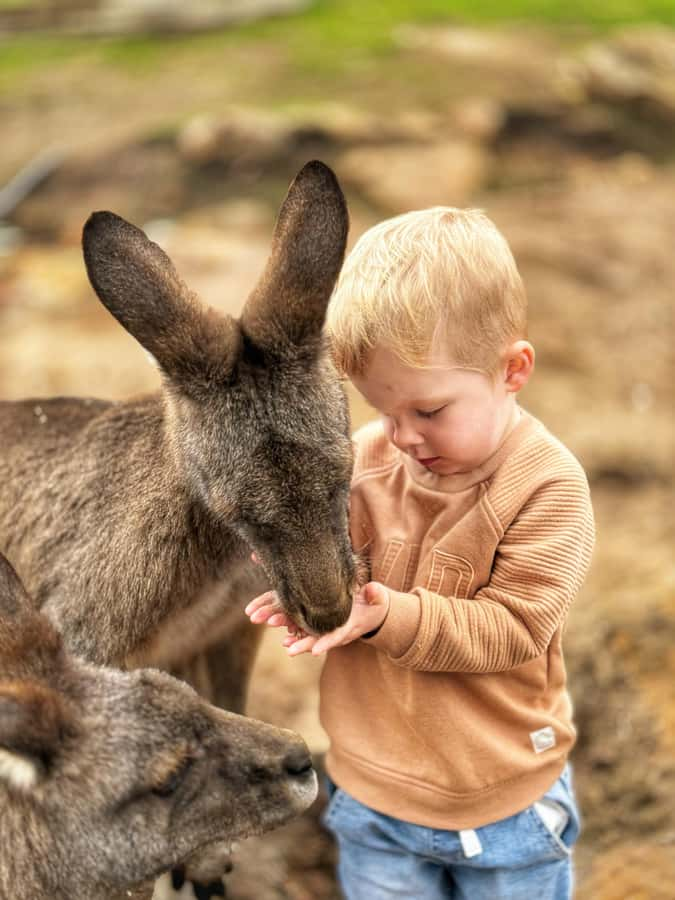
- Hand-feeding roaming animals in the sanctuary grounds (kangaroos are a standout in reviews)
- Historic Richmond walk time, including time to browse shops and galleries
- A guided orientation in Richmond so you’re not wandering totally blind
- Friendly, talky guides and drivers you can actually understand (names like Shaun, Hugo, Phil, and Sue pop up often)
- Photo-friendly setup as you move between sanctuary areas and animal encounters
Hobart to Richmond: a quick taste of Tasmania’s old-and-new
The tour starts at Brooke Street Pier in Hobart, with a coach ride that takes you across the Tasman Bridge into the Coal River Valley area. Even though this is only a half-day, you get the feeling of leaving the busy parts behind and heading into a slower, older tempo.
This first segment matters because it sets the tone. You’re not just transporting yourself to an attraction—you’re being guided toward what to notice. Several reviews praise the commentary from the driver/guide along the way, with people specifically calling out history and local context. One reviewer mentioned driver Hugo as good on Tasmania’s history; another flagged Phil as friendly and very informative; Shaun also received high praise for interesting information en route.
And then there’s Richmond.
You can also read our reviews of more tours and experiences in Hobart.


Richmond’s 70 minutes: charming streets, and a little reality check
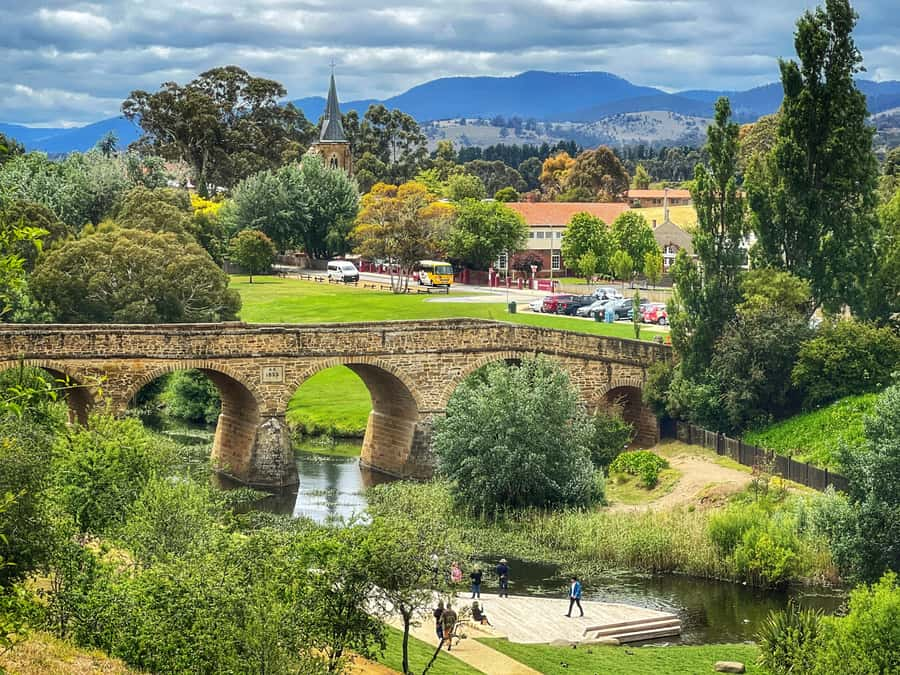
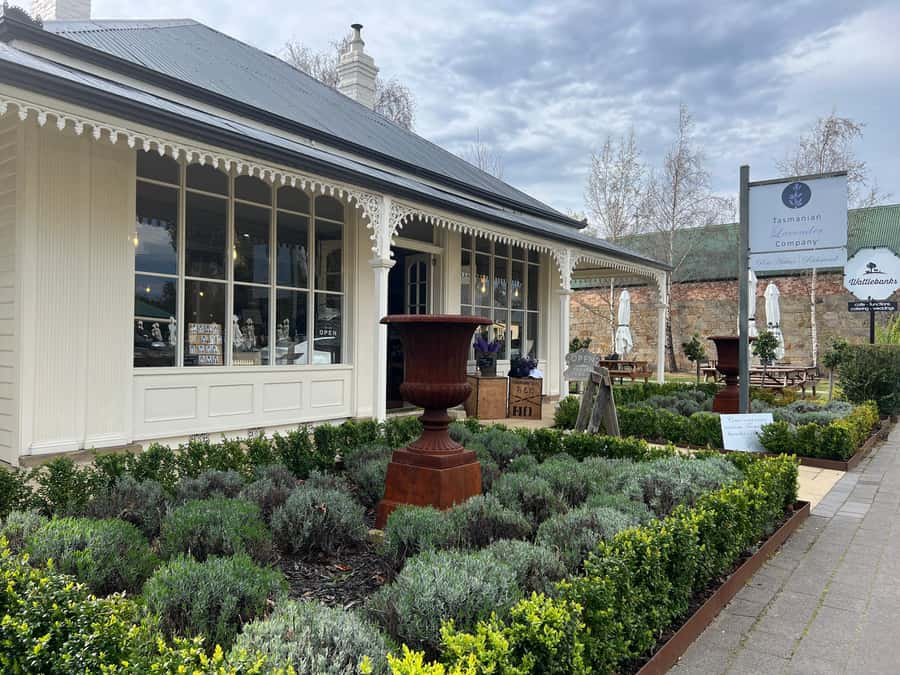
Your Richmond stop is 70 minutes. That’s a decent chunk of time for wandering, but it depends on what you came for. I like Richmond because it’s compact and walkable, and the town has a distinct, story-rich look: mellow stone cottages, classic Georgian mansions, and historic landmarks you can actually point at while you stroll.
You also get a short orientation tour from your driver. That’s a big deal in small towns. It helps you decide where to spend your time—rather than doing the usual loop and hoping you didn’t miss the best corner.
Here’s what makes Richmond especially worth it on this particular tour:
- The area includes historic convict-era elements, including the oldest Convict built road bridge in Australia and the oldest operating Catholic Church.
- You get time along the Coal River and through quaint village streets, which is where the town’s charm really shows.
- You have a practical window to browse shops and galleries for gifts and souvenirs.
One possible drawback: Richmond can feel like the weaker link for people who want nonstop action. In the feedback, a couple folks said the time felt long for what they personally found there, while others thought Richmond was super cute. If you’re the type who loves historic towns and doesn’t mind casual wandering, you’ll likely enjoy this stop more. If you’re mainly chasing wildlife, treat Richmond as the warm-up act.
Getting to Bonorong Wildlife Sanctuary: what the drive adds to the day
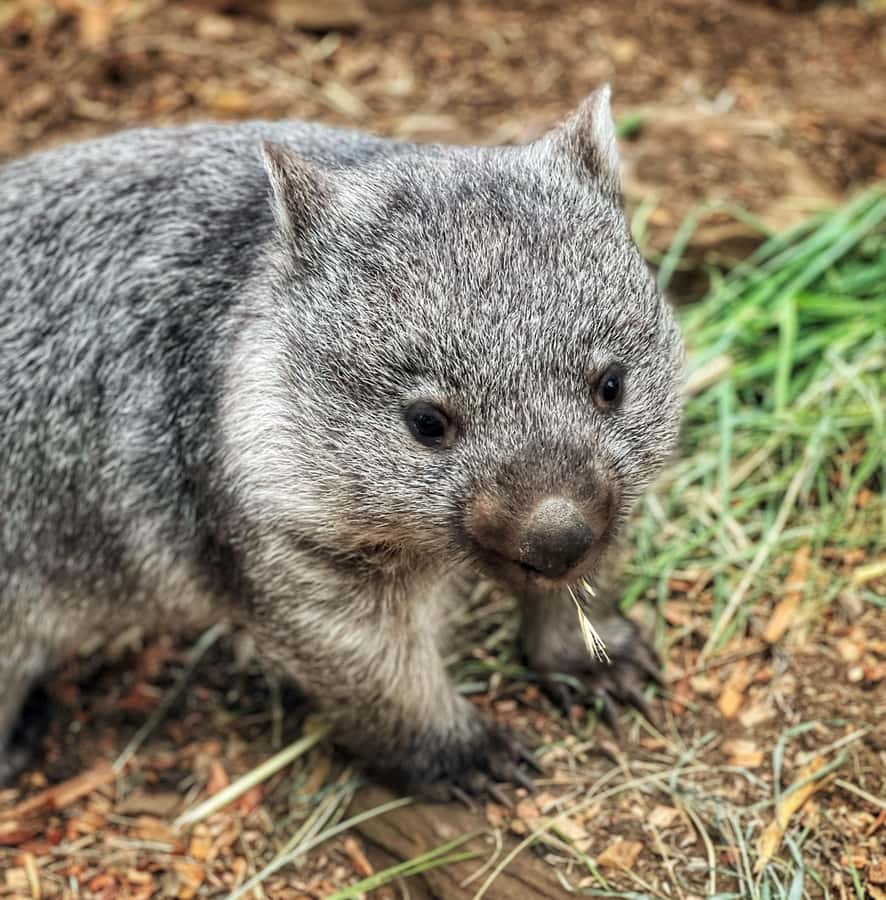
After Richmond, you head to Bonorong Wildlife Sanctuary for another 70 minutes. The overall ride structure is straightforward: about 40 minutes each way by coach, plus the two main stops (Richmond and Bonorong). That schedule is part of why this tour works.
A half-day means you’ll likely be mentally switching modes—historic streets to wildlife hands-on—within the space of a couple hours. This is where having a live guide helps. The tone of the driver/guide commentary in reviews is often described as friendly, funny, and easy to follow, which matters when you’re trying to pay attention on a moving bus.
Also, there’s a small but real advantage to going with a group: you don’t have to figure out timing, parking, or routing. You just show up at the sanctuary and make the most of the time you have.
Bonorong: the real reason to book, from devils to hand-feeding
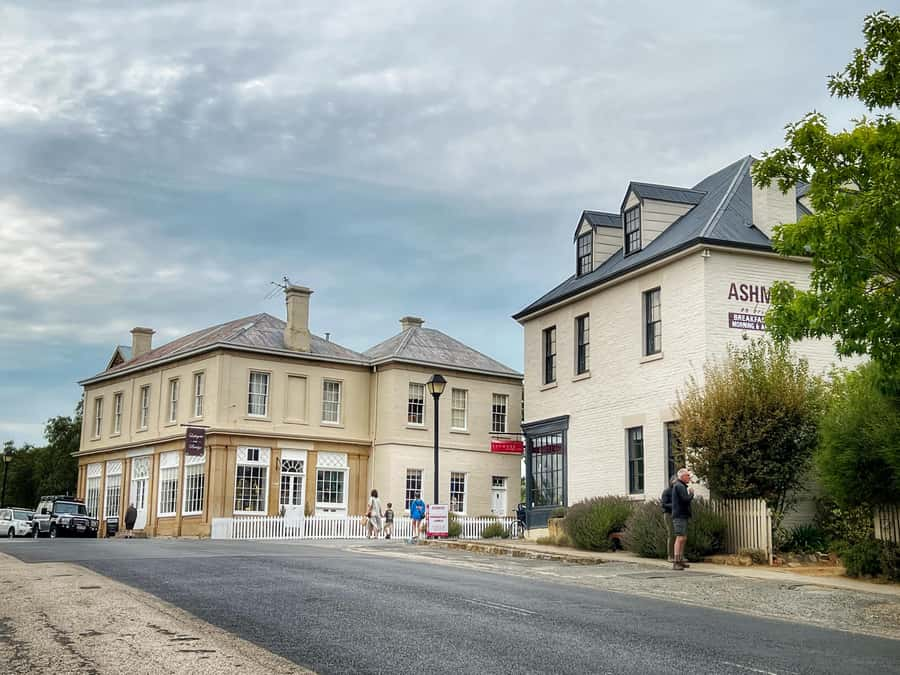
Bonorong is a wildlife sanctuary and a breeding site for the Tasmanian Devil, and that focus shows in the way the experience is structured. The emphasis is on up-close encounters and learning how the sanctuary helps protect fragile native wildlife.
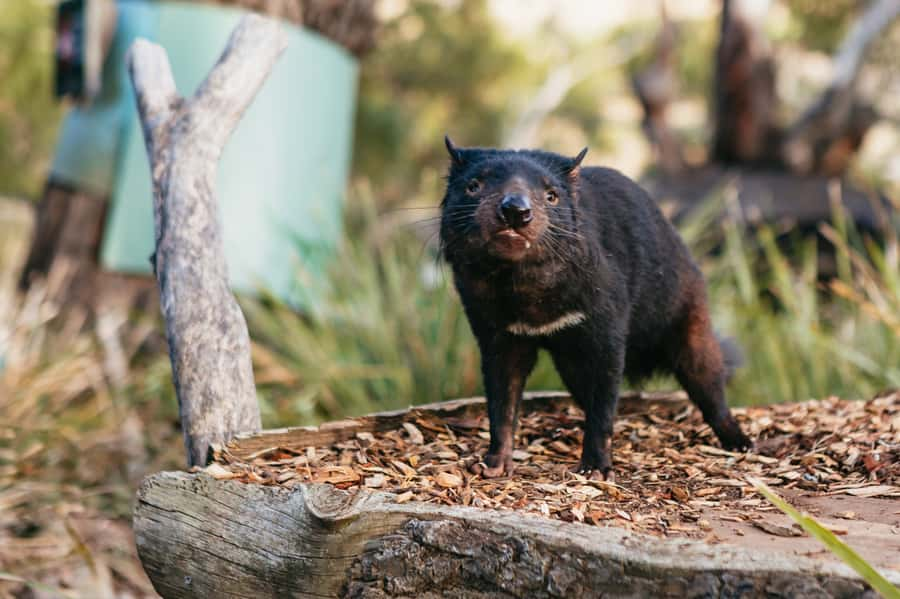
The Tasmanian Devil moment is the headline. If you’ve only ever seen devils in photos, this is the chance to experience the animal in a controlled setting and hear how caretakers approach conservation. Multiple reviews specifically call out the devil as a highlight, including people who were excited to see them and learn more about what the sanctuary is doing.
But the devil isn’t the only joy here.
Hand-feeding and close encounters (and why it’s such a big deal)
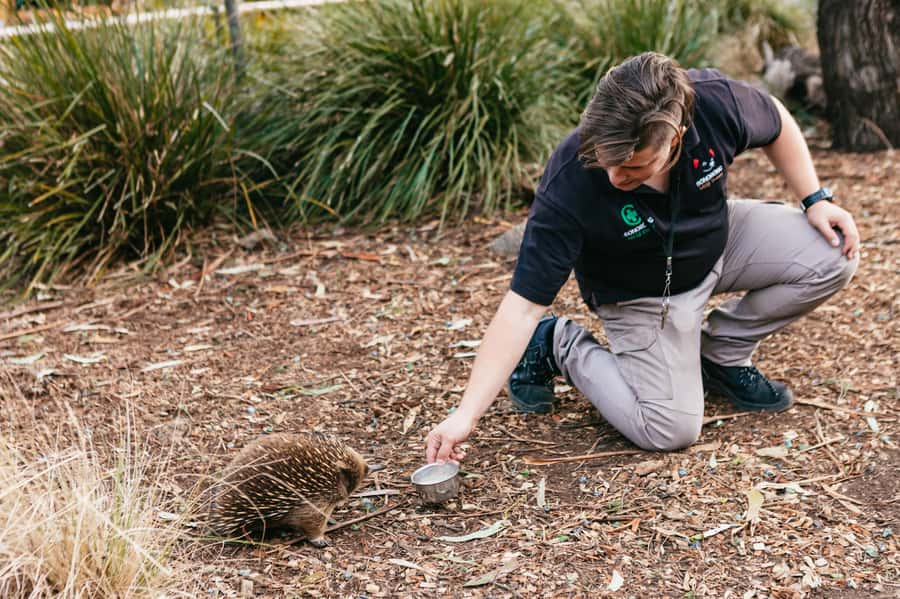
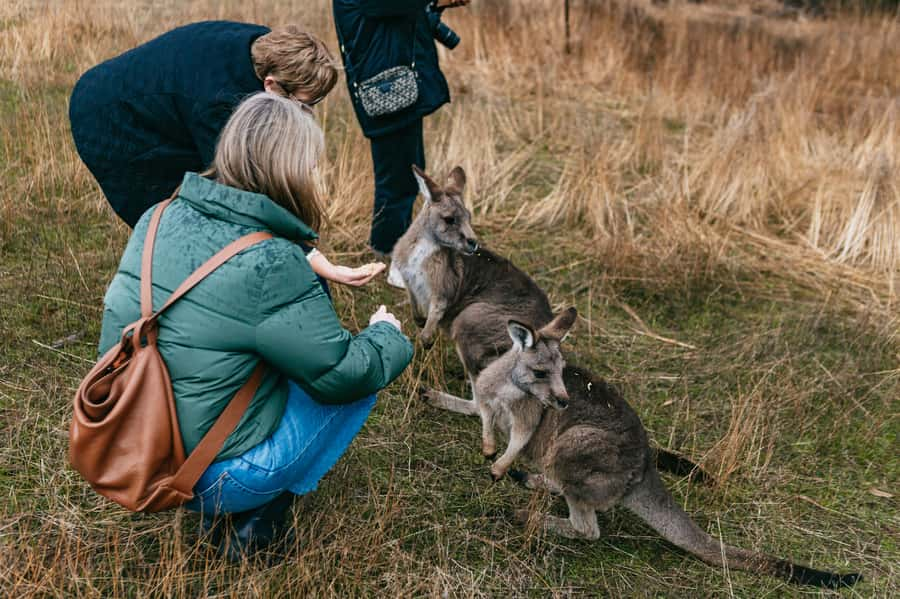
A standout feature is that you can stroll the grounds and hand-feed animals that roam free. Reviews repeatedly mention kangaroos as a favorite during these moments. That matters because it shifts the experience from passive viewing to something more personal. You’re standing close enough to notice behavior—how animals approach, how they react, and how caretakers manage safe interaction.
You can also expect other Australian native animals to be part of the experience. In the reviews you’ll see favorites like:
- wombats (including baby wombat mentions),
- echidnas (often described with delight at their personalities),
- and even a cockatoo named Fred.
You might also see additional animals such as koalas, which came up in one review. I’d treat this as a “you’ll likely spot several iconic species” situation rather than a guaranteed list, since the sanctuary experience is the experience—not a scripted zoo tour.


The best part: learning from the people doing the work
One theme that comes through strongly is the passion and care shown by sanctuary staff. People note that staff members are passionate about animal care and that they answer questions in a way that makes the learning feel real. A reviewer even said they were impressed with the environment in the enclosures, which suggests it’s not just about close encounters—it’s also about the setting.
If you care about conservation (or even just enjoy ethical wildlife experiences), you’ll probably appreciate that Bonorong isn’t positioned as a one-note attraction. It’s about protecting animals, breeding programs, and building knowledge.
A heads-up: 70 minutes can be fast for animal lovers
Here’s the honest tradeoff. Several reviews mention that sanctuary time could feel short, especially if you’re hoping for more than a few encounters. If you love lingering, watching behavior, and repeating photo moments, 70 minutes might feel like you’ve barely settled in.
That doesn’t mean it’s not worth it. It just means you should go with the right expectations: you’ll see a lot in a short window, but you won’t get hours of unlimited roaming time.
The guide and driver effect: why this tour feels smoother than it sounds
This half-day tour relies on two moving parts: the coach and the people running it. When that works well, you feel looked after. When it doesn’t, you feel rushed.
In reviews, the guiding and driving quality is a consistent bright spot:
- Shaun is praised for interesting information along the way.
- Hugo gets called out for communicating Tasmanian history clearly.
- Phil is noted as friendly and very informative.
- Sue is mentioned as funny and informative in the story-telling mode.
- Colin and Neil also come up positively for being helpful and welcoming.
Even when people were less thrilled with the time allocation at Richmond or the sanctuary, the overall impression often remained that the guide made the day easier to enjoy and understand.
One practical note: a couple reviews mention situations like equipment issues on the bus (like no commentary due to sound problems). That’s not something you can predict, but it’s worth knowing that most of the value comes from the live narration.
Is it worth $88? Value math for a half-day wildlife + history mix
At $88 per person for 4 hours, this isn’t the cheapest thing you can do in Hobart. But it’s also not trying to be. You’re paying for three key value drivers:
- Transport + timing: coach out to both locations, back to Brooke Street Pier.
- Entry + organized encounters: sanctuary admission and the close-up format.
- Guided time in Richmond: not just a drop-off, but a quick orientation so you get more out of your wandering time.
When you put it this way, the cost starts to make sense if your goal is to do a “two-stop highlights” day without spending your precious time planning. For visitors who want to see the Tasmanian Devil and still squeeze in Richmond, this is a smart use of a half-day.
The value equation changes if you only care about one stop:
- If Bonorong is your top priority, the sanctuary time limit is worth factoring in before you book.
- If you only want Richmond-style wandering, you might feel like the sanctuary dominates the price while Richmond is just the prelude.
For most people looking for a tight, guided Tasmania hits sampler, $88 is reasonable.
Who this tour is best for (and who should think twice)
This is a great fit if you want:
- a guided way to see Richmond without getting lost in what’s worth your time,
- an animal-focused half-day with Tasmanian Devil access as the anchor,
- and a plan that doesn’t require you to drive.
It’s a tougher fit if:
- you prefer long, unhurried wildlife time,
- you get impatient with small-town strolling or only want one type of attraction,
- or you’re the type who wants to revisit animal areas over and over with zero time pressure.
If your ideal day is a slow roam with lots of stops, you might feel the time limits more. If your ideal day is “see the highlights with guidance and come away happy,” you’ll likely appreciate this format.
Small practical tips before you go
A few things will help your day go smoothly:
- Meet at Brooke Street Pier and be ready at pickup time. Pickup timing can shift with traffic.
- If you’re using hotel pickup, plan to be waiting outside your hotel about 5 minutes before pickup.
- Wear comfortable walking shoes. Richmond streets and the sanctuary grounds both call for easy footwear.
- Bring your camera. The sanctuary setup is designed for close encounters and photo opportunities.
Should you book this Bonorong and Richmond half-day tour?
If you want a half-day that combines Richmond’s historic streets with an actual Tasmanian Devil encounter, I think this is an easy yes—especially if you’re short on time in Hobart. The guide/driver quality tends to lift the day, and the sanctuary experience is the main event.
Just be honest with yourself about pacing. The sanctuary is only 70 minutes, and some people feel they’d like more. If you’re okay with a focused sampler that hits the best moments efficiently, book it. If you want hours of wandering and multiple rounds of animal interaction, you may prefer a longer, standalone sanctuary visit instead.