REVIEW · BAKU
Baku: Gobustan, Volcanoes, Fire Temple and Yanardag Day Trip
Book on GetYourGuide →Operated by Baku City Tours · Bookable on GetYourGuide
Stone carvings and eternal fire in one day. This Baku day trip strings together UNESCO Gobustan petroglyphs and the Absheron Peninsula’s famous Yanardag and Ateshgah sites, with a quick stop at Bibi-Heybat’s historic oil well. I really like that it’s built as a proper history-and-nature route with no shopping stops, so your time goes to what you came for.
The only real consideration is the pace: it’s a full 6–8 hours, and on rainy days the mud volcanoes portion can be skipped for safety.
In This Review
- Key points that make this day trip worth your time
- A no-shopping day built for real sites outside Baku
- Pickup, timing, and how the 6–8 hours will feel
- Bibi-Heybat oil well: a quick stop with big historical weight
- Gobustan National Park museum: petroglyphs you can actually read
- Mud volcanoes: the geology stop that feels almost unreal
- Lunch near the coast: budget-friendly, flexible, and not included
- Ateshgah fire temple: Zoroastrian tradition made visible
- Yanardag burning mountain: the continuous flame moment
- Guides shape the day: names you might hope to get
- Value for $29: what you’re really paying for
- Who this tour suits best (and who might want something else)
- Should you book the Gobustan, mud volcanoes, and fire temple day trip?
- FAQ
- How long is the day trip from Baku?
- Does the tour include hotel pickup and drop-off?
- What sites are visited on this day trip?
- Is lunch included in the price?
- Are there shopping stops during the tour?
- What languages are the guides?
- Are entrance fees included?
- What happens on rainy days?
- Can I cancel for a full refund?
Key points that make this day trip worth your time
- No shopping stops: more time at UNESCO sites and less time in stores.
- Gobustan rock art + museum stops: indoor context plus outdoor petroglyphs, not just a quick walk.
- Mud volcano eruption viewing: a rare geology show with a short, focused visit.
- Zoroastrian Ateshgah: a dedicated stop at the fire-worship tradition.
- Yanardag burning mountain: natural gas flames that keep going, day after day.
- Hotel pickup and drop-off: less hassle in Baku than DIY planning.
A no-shopping day built for real sites outside Baku
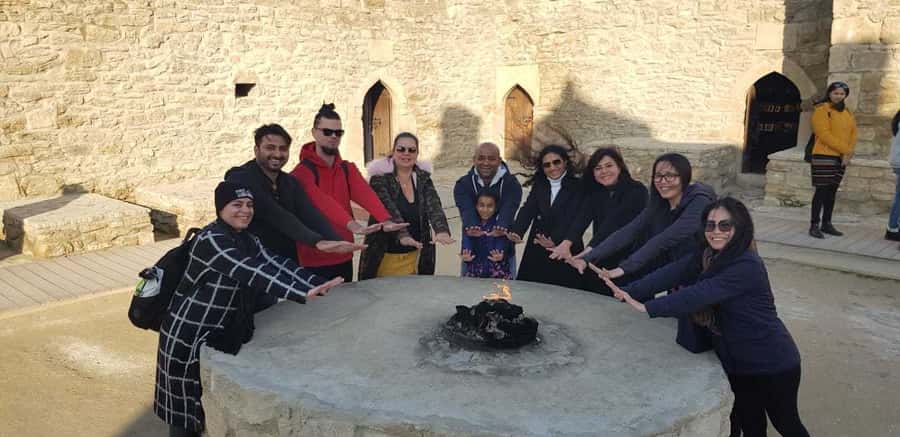
This is the kind of tour I like in Baku: you ride out to the peninsula and spend your hours seeing the places that explain why Azerbaijan’s land and faith are so linked to fire and earth. The route is fairly straightforward—Gobustan first, then coastline geology, then two fire-related stops—so you’re not constantly guessing where you’ll be spending your time.
The big win here is the no shopping stop approach. Instead of turning your schedule into a retail circuit, the tour keeps moving through sites that are actually tied to the story: Stone Age life in Gobustan, the geology behind mud volcanoes, and the religious symbolism at Ateshgah and Yanardag.
Pickup, timing, and how the 6–8 hours will feel
You’ll get hotel pickup and drop-off in Baku, and the provider reaches out the day before to confirm your pickup time. Duration is listed as 6–8 hours, which usually means one long, packed day with a few guided segments and short sightseeing windows.
The itinerary’s rhythm is built around short guided blocks—about 30 minutes at Bibi-Heybat, 1 hour at Gobustan’s museum, then smaller guided windows at the other stops. Those time boxes keep you from burning hours on transfers, but they also mean you’ll want to be ready to move on when the group moves on.
One more timing reality: Gobustan and the coastal viewpoints can get busy, and you’ll cover a lot of ground for photos. A guide who stays on top of pacing matters, and many guides associated with this tour are praised for staying organized and answering questions in a clear, friendly way.
Bibi-Heybat oil well: a quick stop with big historical weight
Before Gobustan, you stop near Bibi-Heybat for a guided look around the historic oil site. The highlight here is simple and dramatic: this area is tied to the first industrialized oil well in the world.
This isn’t a long stop—about 30 minutes—so treat it like a short “set the scene” moment. It helps you understand that Azerbaijan’s relationship with underground energy isn’t only about gas fires and mud. It stretches into the era when modern oil production began.
If you’re the type who likes context, this brief stop pays off later in the day when you see other sites powered by natural energy.
Gobustan National Park museum: petroglyphs you can actually read
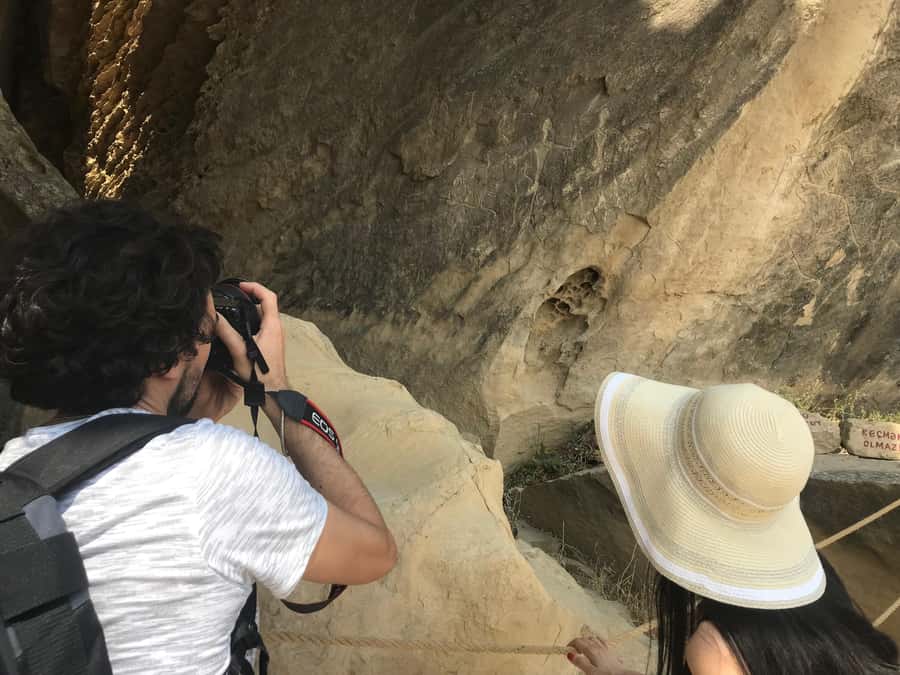
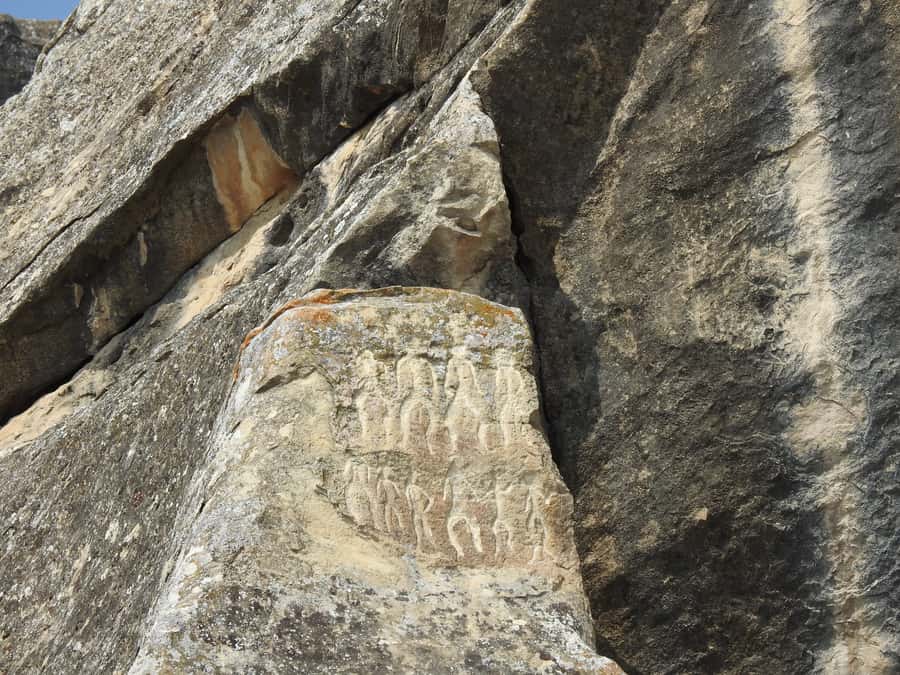
Gobustan is the reason many people build their whole Baku trip around a day tour. You’ll go to the Gobustan Museum of Petroglyphs, which includes both indoor displays and outdoor viewing areas, around 70 kilometers from Baku.
You’ll get about 1 hour of guided time here, and that guidance is key. Rock art can look like random scratches until someone explains what you’re seeing—how markings relate to daily life, the economy, and how people pictured their world. The goal at Gobustan isn’t just to say you saw drawings. It’s to understand why they were carved and what they suggest about survival and belief.
Practical tip: bring a camera you can use quickly. You’ll likely want wide shots of the carvings in their rock context, then close-ups where the lines and figures are clearer. In places like this, the best photos often come from good timing and stable footing, not fancy gear.
Mud volcanoes: the geology stop that feels almost unreal
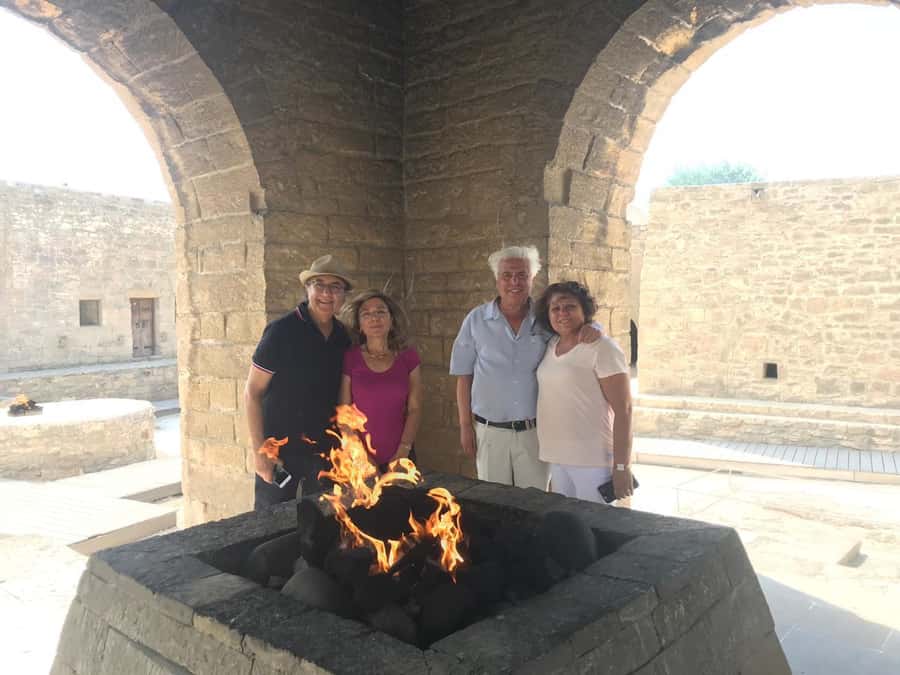
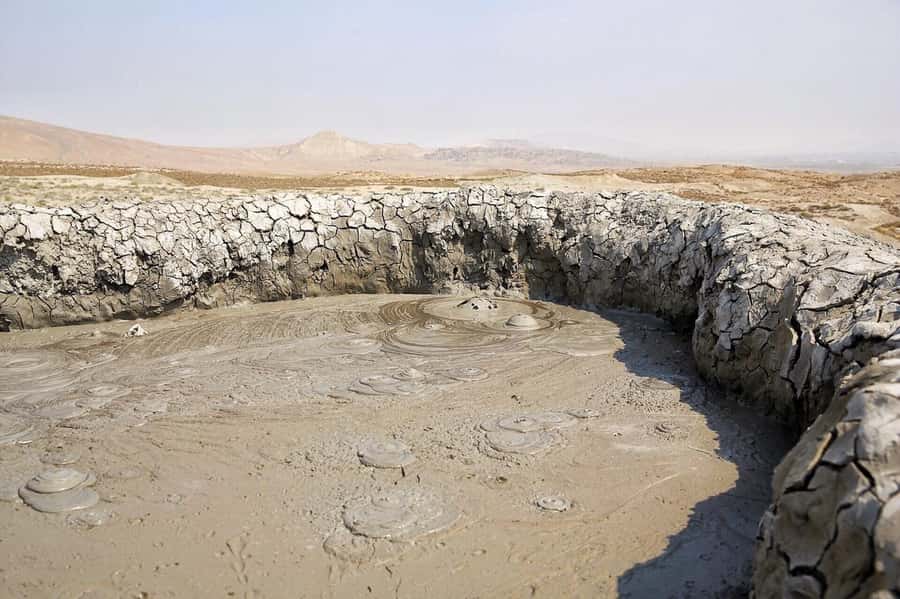
After Gobustan, the tour heads toward the coastal area where there are around 400 mud volcanoes. You’ll get about 20 minutes for sightseeing at the mud volcano area.
This is the “hold your breath” moment. Mud volcanoes look like something from a movie, but they’re real—an ongoing reminder that the land is active and alive. You’re not there long, so you’ll want to use the time for both observation and quick photos.
Important note for planning: on rainy days, the mud volcanoes visit may be skipped for safety reasons. If you’re traveling in a season where rain is common, it’s worth mentally preparing for a possible change in the itinerary.
Also, based on past experiences, the ride to the viewing spots can be done in older style off-road vehicles. If that sounds fun, great. If you’re sensitive to bumpy roads, keep that in mind and pack motion comfort as needed.
Lunch near the coast: budget-friendly, flexible, and not included
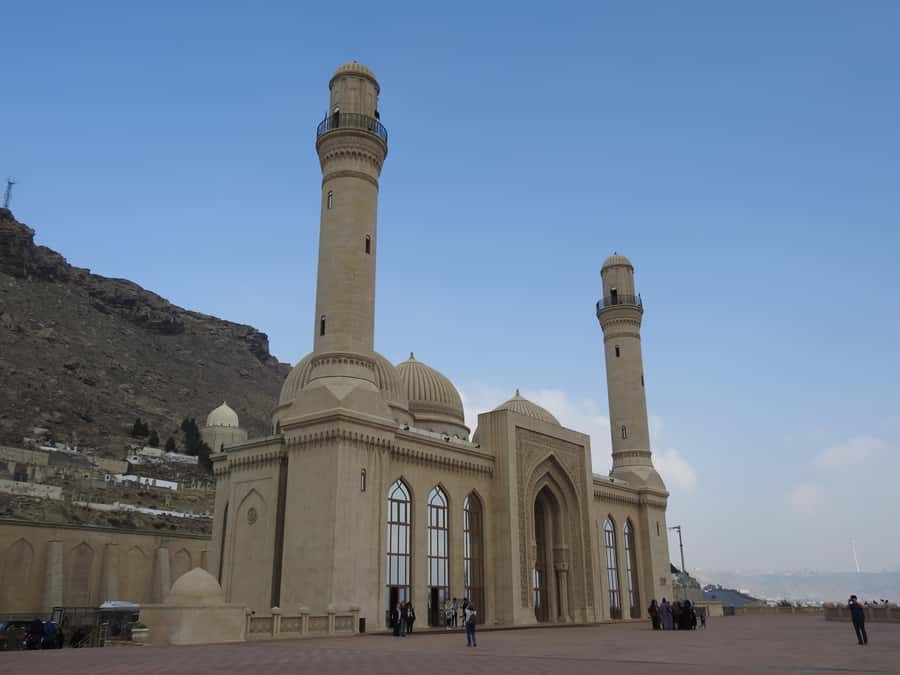
Lunch is not included in the base price. You’ll stop at a buffet-style restaurant where you can purchase lunch for about 8–12 USD.
Because lunch is paid on-site, you can choose what suits your appetite that day. The downside is that you’ll want to plan for the extra time and cost. This is one of those small gaps between “priced tour” and “real day total,” so check your expectations.
If you can, order something filling but not too heavy. You’ve still got the fire temple and Yanardag after lunch, and you’ll likely stand around outdoors for at least part of that time.
Ateshgah fire temple: Zoroastrian tradition made visible
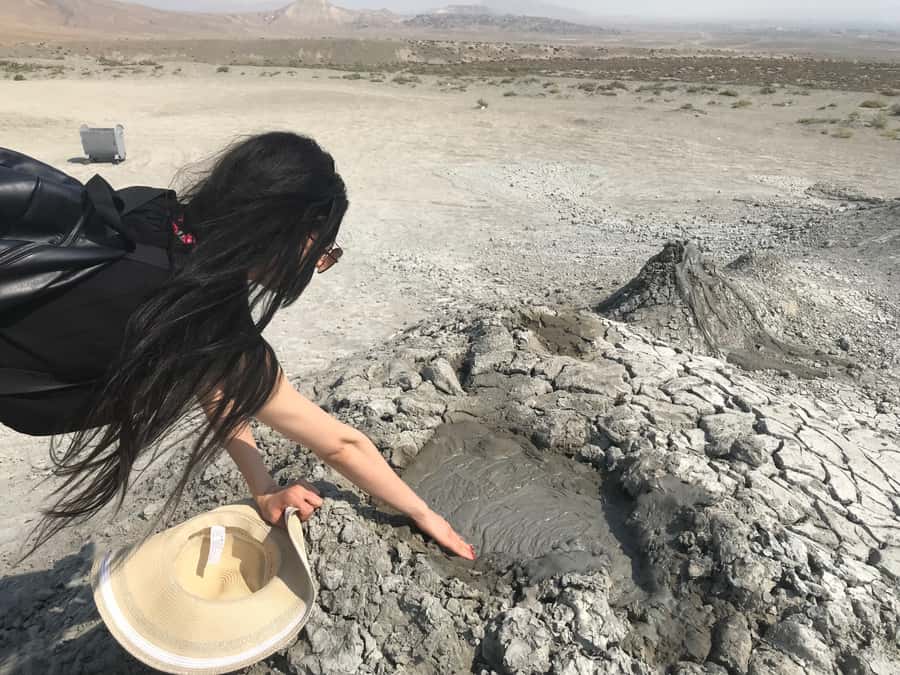
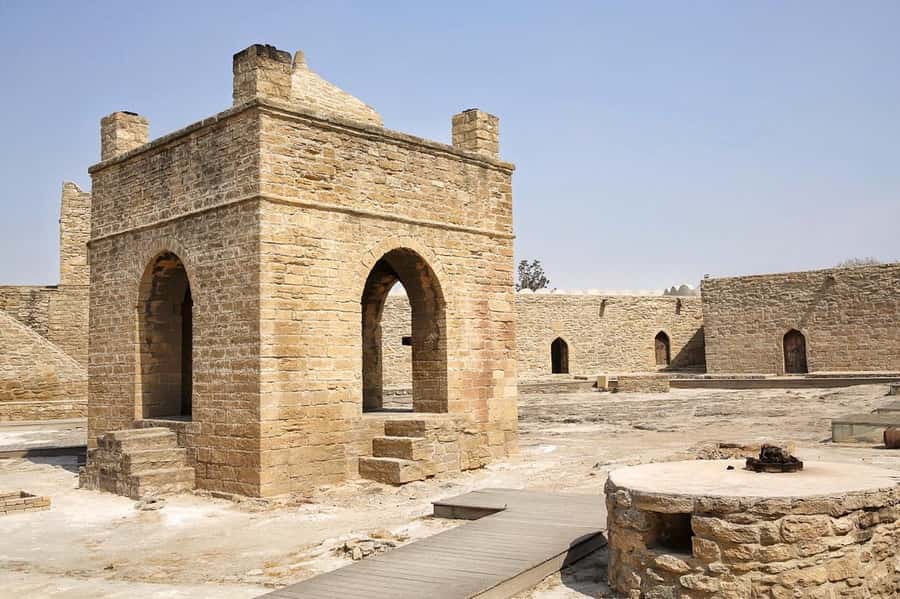
After lunch, you’ll visit the Ateshgah Temple (Ateshgah of Baku), a historic site linked to Zoroastrian fire worship. Your time here is about 40 minutes, with guided sightseeing.
What makes Ateshgah compelling is that it isn’t just a decorative stop. It’s a place designed around the idea of sacred fire and the belief system behind it. You’ll see why fire is treated as something more than heat—something spiritual, something that connects humans to the energy of the earth.
I like this stop because it provides a bridge between what you felt earlier in the day (earth activity in Gobustan and mud volcanoes) and what you’ll see next (the ongoing flames at Yanardag). It’s the cultural layer that turns natural phenomena into meaning.
Yanardag burning mountain: the continuous flame moment
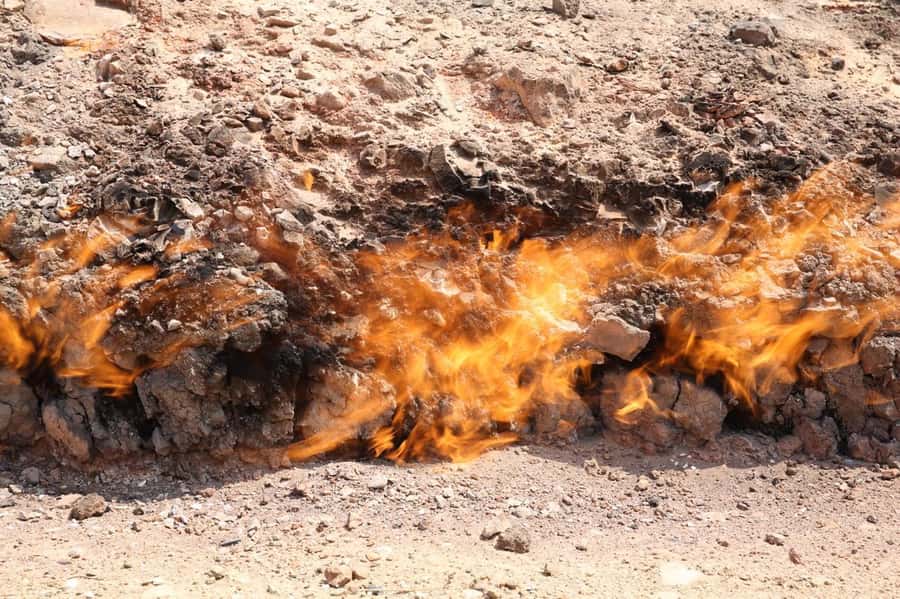
The day rounds off at Yanardag, often described as the burning mountain. Here, the key detail is that the fire is a natural gas fire that blazes continuously on the hillside of the Absheron Peninsula.
You’ll have about 30 minutes for guided sightseeing. In that half hour, you can usually get the photos you want, plus some time to watch how the flames behave in wind and distance. Yanardag tends to be the emotional closer for a lot of people because it feels like the day’s themes have finally merged: earth energy, spiritual symbolism, and pure visual spectacle.
If you’re thinking about photos, try different angles. Flames look different based on where you stand and how the hillside slopes toward you.
Guides shape the day: names you might hope to get
This tour leans hard on the guide for turning a list of sites into a story you can remember. And the consistency in the feedback is striking: guides like Mahabat, Sayed, Leyla, Elcan, Musa, Asaf, and Nazir are repeatedly praised for being warm, organized, and genuinely into the sites.
What you should look for (and what those guides seem to do well) is clear explanations, enough humor to keep the group relaxed, and the ability to answer questions without rushing people out of the moment. A guide also matters for practical crowd control at Gobustan—especially if it feels busy, which can happen around popular rock-art areas.
If you care about having context while you walk, this is where you’ll feel the value most.
Value for $29: what you’re really paying for
The listed price is $29 per person, with duration 6–8 hours. Lunch costs extra (about 8–12 USD), but the base price covers the main friction points of getting outside Baku.
Here’s why that matters: you’re paying for hotel pickup and drop-off, transportation, and a professional guide, plus museum tickets and entrance fees if the option is selected. You also skip the ticket line, which can save time when you’re moving quickly across multiple stops.
When I judge value on tours like this, I think about three things: (1) how much guided time you get at the key sites, (2) whether you have to manage transportation yourself, and (3) whether the day is structured around the best parts. This one hits those points. Most of your day is spent on Gobustan, mud volcanoes, Ateshgah, and Yanardag—not on long detours.
Who this tour suits best (and who might want something else)
This trip is ideal if you want a high-impact day beyond Baku’s city streets, especially if you’re interested in:
- Stone Age rock art and the human side of Gobustan
- Geology with a spectacle factor, like mud volcano eruptions
- The way fire shows up in culture and belief, from Ateshgah to Yanardag
If you’re traveling with limited time and you’d rather not stitch together multiple taxis and ticket lines, the pickup-and-transport setup is a big help.
If you dislike long days or bumpy rides, be realistic: it’s a 6–8 hour outing with multiple outdoor stops, and mud volcano access may change on rainy days. This is still a good tour—but go in with the right expectations about pacing.
Should you book the Gobustan, mud volcanoes, and fire temple day trip?
I’d book it if you want a single organized day that connects Gobustan’s petroglyphs to the Absheron Peninsula’s fire themes. The no shopping stop rule makes a difference, because your time stays aligned with the best parts of the region.
I’d think twice if your schedule is tight on time or if rain is a major concern for your travel dates, since the mud volcano portion can be skipped for safety. Otherwise, this is one of the more focused ways to see the area’s big outdoor sites without turning your day into logistics.
FAQ
How long is the day trip from Baku?
The tour runs about 6–8 hours.
Does the tour include hotel pickup and drop-off?
Yes. Pickup and drop-off are included, and you meet the guide at your hotel lobby.
What sites are visited on this day trip?
You’ll visit Bibi-Heybat, the Gobustan Museum of Petroglyphs, the mud volcano area, Ateshgah of Baku, and Yanardag.
Is lunch included in the price?
No. Lunch is available at a buffet-style restaurant, and you pay for it on-site (about 8–12 USD).
Are there shopping stops during the tour?
No. The tour is described as a no shopping stop experience.
What languages are the guides?
The tour is offered with live guides in English and Russian.
Are entrance fees included?
Museum tickets and entrance fees are included if you select the option for them.
What happens on rainy days?
On rainy days, the mud volcanoes may be skipped for safety reasons.
Can I cancel for a full refund?
Yes. You can cancel up to 24 hours in advance for a full refund.