REVIEW · ATHENS
Athens: Meteora Monasteries, Caves & Coastal Stopovers with Lunch
Book on Viator →Operated by Visit Meteora · Bookable on Viator
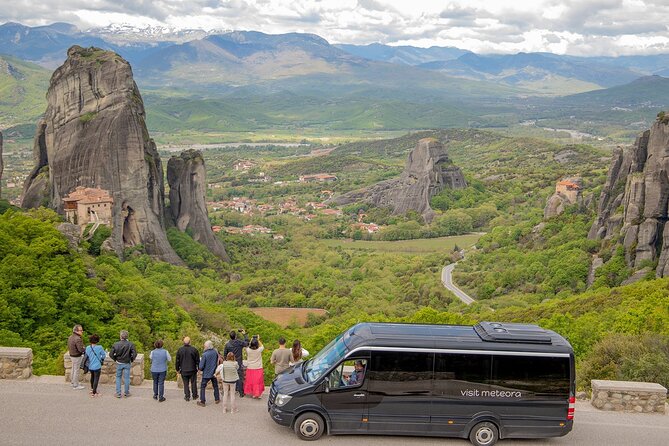
Meteora looks unreal from the bus windows. This full-day trip from Athens lets you see Meteora’s monasteries and the Badovas hermit caves, with guided context plus lots of time for photos. I especially love how the coach and planned stops handle the long-distance stress, and how you get real time inside three active monasteries instead of just quick photo stops.
The other big win for me is the rhythm of the day: seaside breaks in Kamena Vourla, a proper lunch stop around Kastraki, and then a monastery circuit that mixes inside visits with outside viewpoints. One practical thing to consider first: it’s a long day with stairs and no elevators at the rock-top sites, so plan for walking and modest dress.
In This Review
- Key points at a glance
- Why Meteora Feels Like Another World
- Getting to Meteora: Larissis Station to Kalambaka and Back
- Kamena Vourla and Kastraki: The Stops That Make the Day Work
- Inside the Monasteries: Varlaam and Great Meteoro (Plus One More)
- Badovas Hermit Caves: The Quiet Part Most People Miss
- The Outside-View Circuit: Agios Stefanos, Trinity, Roussanou, and More
- Practical Money and Timing: What Your €5 Entrance Fees Change
- How to Pack for Monastery Dress, Stairs, and Photo Moments
- Who This Tour Suits Best (And Who Might Prefer a Different Plan)
- Should You Book This Meteora Day Trip?
- FAQ
- How long is the tour from Athens?
- What time does the tour start, and where does it meet?
- How many Meteora monasteries can I enter?
- Are monastery entrance fees included?
- Does the tour include lunch?
- Is there free Wi-Fi on the bus?
- Does the tour include the hermit caves?
- What about dress code for monastery visits?
- What happens if it rains?
- Is the tour guided in English?
Key points at a glance
- Air-conditioned coach with Wi-Fi and USB chargers to make the long drive more bearable
- Interior access to 3 monasteries plus outside viewing of the rest
- Badovas hermit caves included as an exclusive-style experience
- Seaside stopovers in Kamena Vourla for optional brunch and dinner
- Modest dress code required, plus cash for monastery entrances
- Small group size (max 35) keeps the day feeling controlled
Why Meteora Feels Like Another World
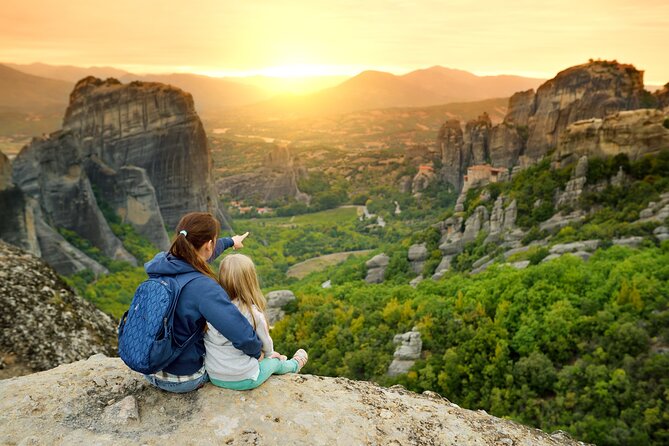
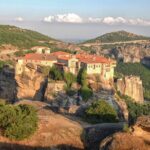
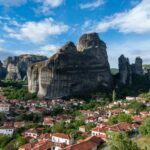
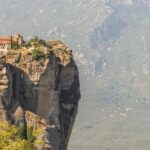
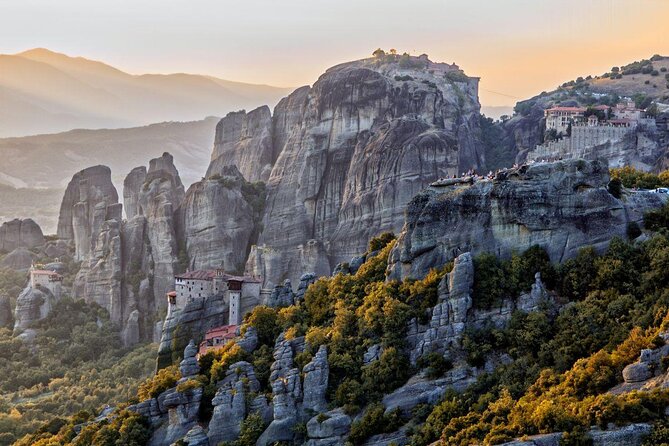
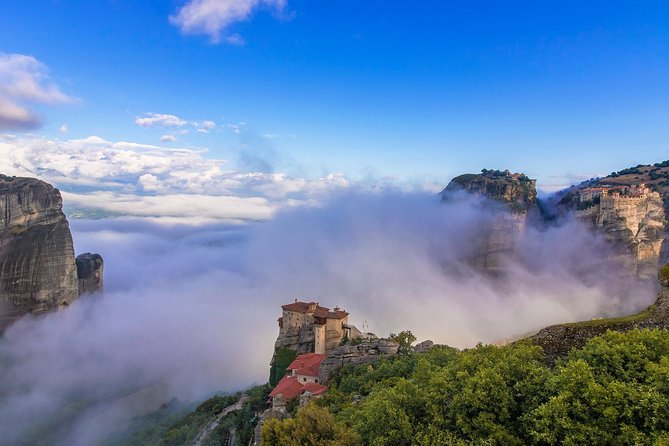
If you’ve only seen Meteora in photos, this is where it gets real. The monasteries perch on towering rock formations in a way that makes your brain keep asking, how is this even possible? And once you’re there, you start noticing the practical details monks needed back when reaching these places meant serious effort.
I like that the day doesn’t treat Meteora as just a photo museum. You get guided explanation for the monasteries you enter, so you understand what you’re looking at—church architecture, monastic life, and the history behind the rock-top sanctuaries.
The scenery changes fast too, especially once you leave the Athens region and move through valleys and cliffs toward Kalambaka and the Meteora rocks. You’re building toward the big moment the whole way.
You can also read our reviews of more tours and experiences in Athens.


Getting to Meteora: Larissis Station to Kalambaka and Back
This starts at Larissis Railway Station in Athens at 8:00 am. You’ll ride a modern, air-conditioned coach with free Wi-Fi and USB chargers, plus bottled water that’s offered during the monastery stops (not at every stage of the drive).
The trip is long—roughly a four-hour stretch from Athens each way before factoring in breaks and traffic. Plan on a full day, and keep your expectations realistic: even the best day trips can’t dodge the fact that Meteora is far from Athens.
On some days, the return route can get delayed by road conditions and restrictions. I’ve seen this play out in real life with schedule impacts, so give yourself a little buffer mindset.
Kamena Vourla and Kastraki: The Stops That Make the Day Work
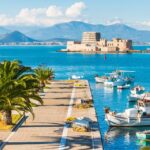
Early in the morning you stop in Kamena Vourla for a seaside reset. This is a short break (around 30 minutes) and it’s designed as a chance to stretch your legs and grab something if you want. The seaside brunch option is available onsite and payable there.
Then you reach Kastraki (near Kalambaka) where the day’s lunch rhythm starts. You get a break with restroom time and a chance to eat at a traditional taverna. If you choose the Day Trip + Lunch rate, lunch is included and you can select vegetarian options (the lunch break is set up for easy ordering and fewer hassles).
That lunch menu is one of the details I appreciate most because it’s not a sad afterthought. You can choose from options like:
- Meat and poultry: chicken baked in the oven with potatoes, soutzoukakia (meatballs in red sauce), pastitsio (Greek-style lasagna)
- Vegetarian: Greek salad, spinach and feta cheese pie, cheese pie
- Vegan: stuffed peppers and tomatoes with risotto (gemista), briam (roasted vegetables), gigantes (giant beans), plus bread and water included
If you prefer to pay directly at the restaurant instead, you can.
Inside the Monasteries: Varlaam and Great Meteoro (Plus One More)
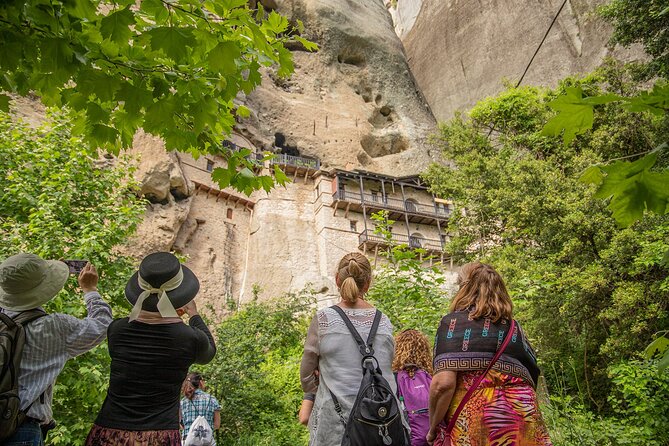
At Meteora, the big difference between a good visit and a rushed one is time inside the churches. On this tour you enter three active monasteries, spending about 45 minutes inside each one. Entrance fees are separate, so you’ll want to budget for that with cash on hand.
You’ll typically hit Varlaam first. It’s known as the second biggest monastery and sits opposite Great Meteoro. Varlaam has key church and art details worth paying attention to—especially the Catholicon, built in the honor of Agioi Pantes (1541–42), with main church decorations dated to 1548. If you like art history, this is the stop where you’ll start noticing the painted surfaces and thinking about restoration and survival across centuries.
Then comes Great Meteoro—the biggest and oldest monastery in the group. It’s tied to the idea of Meteora being suspended or raised on those massive rocks. It was founded by Saint Athanasios the Meteorite, with systematic koenovion (organized communal monastic life) associated with the early structure. Standing inside it, you feel the scale of effort it took to build and sustain a religious community in such a hard location.
A third interior monastery is part of the package too (with the rest handled as outside viewing). Even with limited time, three interiors is a meaningful hit: enough to compare how each monastery’s church space feels, and enough time to notice the differences in layout and preserved details.
One major practical note: you’ll need to follow a modest dress code. Women need a skirt below the knee (or longer). Pants, shorts, or sleeveless tops aren’t allowed. Men can’t wear sleeveless clothing and shorts above the knee are also prohibited. It’s worth packing accordingly—there’s no quick outfit swap when you’re already on the rock path.
Also, note the tour guide is not the official inside monastery specialist. The tour leader provides the guidance for the day, while inside-monastery licensed guides aren’t included.
Badovas Hermit Caves: The Quiet Part Most People Miss
Between monasteries and outside viewpoints, the tour makes room for the hermit caves of Badovas. This is one of the most interesting parts because it shifts the focus from big monastic institutions to solitude and survival at the edge of the rocks.
You’ll stop for about 25 minutes here, with time to look at remnants of dwellings and to understand what life would have meant for hermits living in remote spaces far from daily comforts. It’s also a great photo moment—those caves and rock features give you depth beyond the main monastery buildings.
The key for me is that the caves make Meteora feel more human. You start thinking about discipline, hardship, and why the monasteries worked as spiritual centers rather than just architectural achievements.
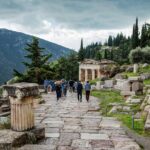
The Outside-View Circuit: Agios Stefanos, Trinity, Roussanou, and More
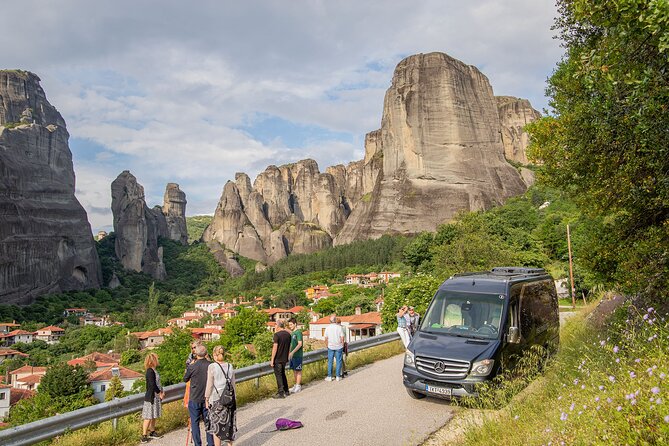
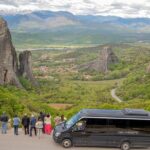
After the interior visits, you’ll still see much more of Meteora. The day includes outside stops and viewpoints for multiple monasteries, letting you compare what you just walked into with what you only see from below or from the van route.
Here are the standout ones:
Agios Stefanos is often the easiest monastery access because instead of climbing steps, you cross a small bridge to reach the entrance. It’s a good choice if steps are a concern, and it still delivers a real monastery experience once you’re inside. The complex includes two cathedrals: an older 16th-century chapel that was severely damaged during WWII and the Greek Civil War, and an 18th-century main cathedral dedicated to Saint Charalambos with his holy relics.
Agios Nikolaos Anapaphsas is encountered early on the way to Meteora and is described as the first monastery on that route, founded at the end of the 14th century. This stop helps you understand how the monastic map was built across the rocks, not in one single dramatic block.
Roussanou is known for the lower elevation that makes it more accessible compared to some other rock monasteries. It started as a monastery for monks, later became a convent in 1988, and suffered severe damage during WWII. It’s a good “pause and look” location because it’s a different angle on how the buildings sit against the stone.
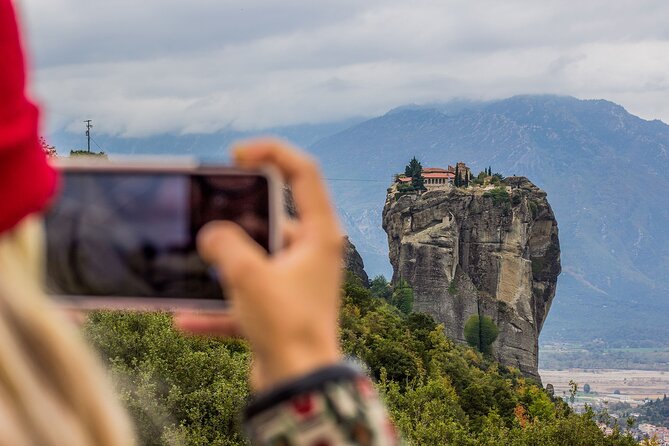
Holy Trinity Monastery (Agia Triada) is described as the most difficult to reach because you follow a pathway and then climb about 140 steps. Once you’re up there, the payoff is the panoramic reach across the rock formations and the area below. If you’re afraid of heights, you’ll want to think carefully and take it slow.
You’ll also stop for a panoramic view of Kalambaka and take in additional monasteries from outside. This matters because Meteora is a cluster: you don’t really get the full idea from one rock top alone.
Practical Money and Timing: What Your €5 Entrance Fees Change
The tour price is $88.28 per person, and it’s priced like a full-day transport-and-guidance package. What you get for that price is meaningful: round-trip coach travel, onboard amenities, bottled water at monasteries, a local English-speaking tour leader, and interior access to three monasteries plus the Badovas caves.
But the monastery entrances aren’t included. Plan for €5 per person per monastery for the visited sites, with cash needed because there’s no ATM in the immediate area. The tour also doesn’t include optional seaside brunch or sunset dinner.
This is the best way to think about the real budget: calculate the included core (transport + 3 interiors + caves + guidance), then add the predictable costs (about €15 for three monastery fees), then decide how much you want to spend on optional meals in Kamena Vourla.
If you choose the upgrade options, you may see better value depending on what you want. There’s an option to include village lunch, a private tour, or an overnight stay.
How to Pack for Monastery Dress, Stairs, and Photo Moments
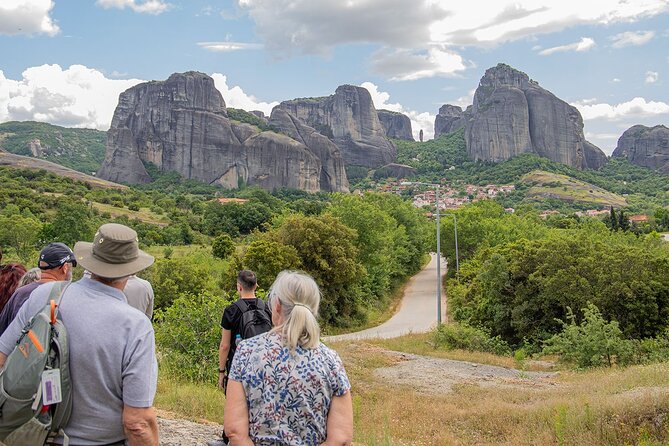
Meteora is a day trip that punishes sloppy planning. Dress code isn’t optional, and stairs are part of the deal.
Wear shoes you can trust on stone. You’ll walk on uneven surfaces, and at several monastery sites you’ll deal with stairs and steep angles. The tour notes there are no elevators, and reaching monastery tops involves climbing steps—so mobility needs matter here.
Also plan for weather. This runs rain or shine, so you’ll want layers and something that can handle wet conditions if skies turn. Even when the weather shifts—fog, rain, or mist—you still get access to the main experience if sites are open, but your views may change.
For photos, keep your phone battery ready. Between drives, inside visits, and outside viewpoint stops, you’ll be switching modes often.
Who This Tour Suits Best (And Who Might Prefer a Different Plan)
This is a great fit if you want Meteora from Athens without doing complex logistics yourself. The coach handles the long transfer, and the stops are spaced to keep you moving rather than wandering around lost in the countryside.
It also suits people who value guidance. One day with a good tour leader helps you connect church details, monastic history, and the layout of the rocks fast.
If you’re traveling with mobility limits, be cautious. The tour includes monasteries that involve steep climbs and a lot of steps, and there’s no elevator option. In that case, an overnight plan or a more tailored visit might be less exhausting—but for this specific day trip, your walking tolerance is the deciding factor.
The group size cap of 35 is another plus. It keeps the day organized and makes it easier for the leader and driver to manage everyone through entrances, restrooms, and timing.
Should You Book This Meteora Day Trip?
I’d book it if your goal is a high-impact Meteora day that covers the big sights: three monastery interiors, Badovas caves, and multiple outside monastery viewpoints with plenty of time to take photos. The coach setup, the seaside timing, and the structured stops make it feel like a real day planned for non-drivers—not a stressful scramble.
Skip it or rethink it if you know you struggle with stair-heavy sites or you want a slower pace. Meteora rewards patience, and a one-day schedule can feel like rushing if you want longer inside time and longer viewpoints.
If you do go, I’d bring two things that matter more than anything else: an outfit that passes the dress code on the first try, and enough cash for the €5 monastery entrances. Then you’ll be free to focus on the views, the church spaces, and that quietly wild feeling you get when you look down from those rocks.
FAQ
How long is the tour from Athens?
The tour runs for about 14 hours including the drive and site stops.
What time does the tour start, and where does it meet?
It starts at 8:00 am at Larissis Railway Station in Athens.
How many Meteora monasteries can I enter?
You enter three monasteries and you see the other monasteries from outside.
Are monastery entrance fees included?
No. Entrance fees for the visited monasteries are not included and are listed as €5 per person. Cash is needed.
Does the tour include lunch?
Lunch is included only if you choose the Day Trip + Lunch rate. Vegetarian options are available.
Is there free Wi-Fi on the bus?
Yes. The coach includes free Wi-Fi and USB chargers.
Does the tour include the hermit caves?
Yes. You’ll discover the Badovas hermit caves as part of the experience.
What about dress code for monastery visits?
You must follow a modest dress code: skirts below the knee or longer for women, and no sleeveless clothing or shorts above the knee for men. Pants/shorts/sleeveless tops are not allowed.
What happens if it rains?
The tour runs regardless of weather. You should come prepared for rain or shine.
Is the tour guided in English?
Yes, the tour leader guides in English. There is also a SMART audio guide available in multiple other languages.