REVIEW · ATHENS
Athens: Delphi, Corycian Cave, and 300 Battlefield Day Trip
Book on GetYourGuide →Operated by PAPILLON EXPERIENCE Ι.Κ.Ε. · Bookable on GetYourGuide
Athens to Central Greece in one day is a lot of moving pieces. You’ll pair Delphi (museum plus sacred site) with the spooky Corycian Cave oracle story and then finish at Thermopylae for the 300 Spartans battlefield. It’s a rare day trip that mixes classic sightseeing with “wait, this is actually happening on this exact terrain” moments.
I especially love how the stops are explained in plain language—Apollo, Python and the Pythia setup at Delphi, then the Leonidas battle geography at Thermopylae. I also like the pacing for a 12-hour day: breaks at Arachova, real time at Delphi, and lunch with a viewpoint instead of a rushed food grab. One consideration: it’s a long day with stairs and walking, and the minivan can feel tight (plus the day includes an off-road stretch to the cave).
In This Review
- Corycian Cave and Thermopylae in the same 12 hours
- A long Athens-to-Delphi day that still feels focused
- The Athens drive: Marathon, Thebes, and the road to myth
- Arachova: the ski-village break with photo stops and coffee
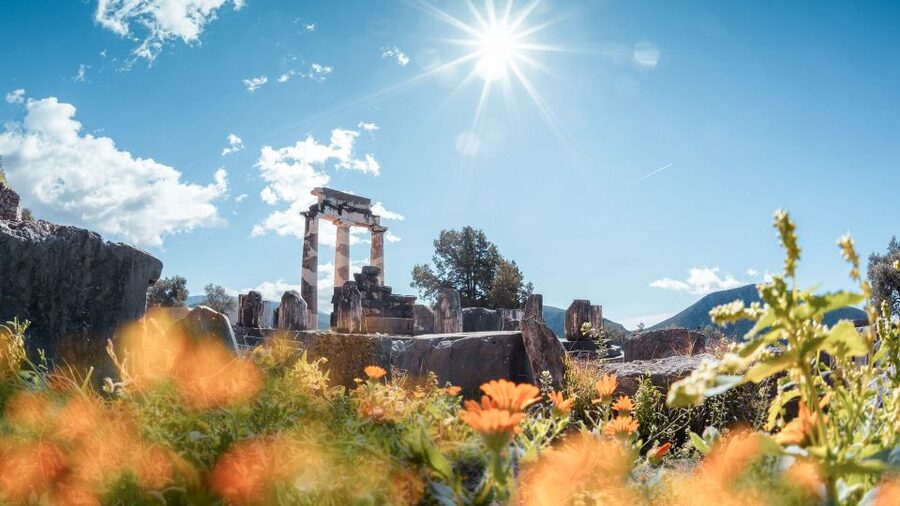
- Delphi archaeological site and museum: Apollo, Pythia, and the holy spring
- Lunch in Delphi: views that make the day feel worth the drive
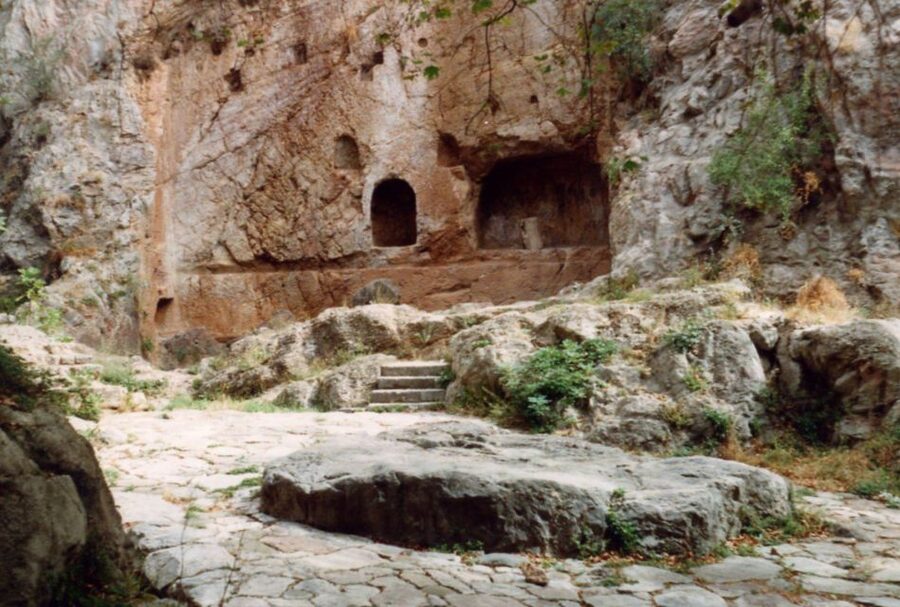
- Corycian Cave from 4000 BC: the oracle story and the off-road approach
- Thermopylae and the 300 Spartans: seeing the battlefield instead of imagining it
- What you’re really buying for $170: value in time, not just sightseeing
- Small group comfort, guides, and what to pack
- Who should book this tour and who might skip it
- Should you book this Delphi–Corycian Cave–Thermopylae day trip?
- FAQ
- How long is the day trip from Athens?
- How many people are in the group?
- Is pickup provided from central Athens?
- Are Delphi archaeological site and museum tickets included in the price?
- What’s included during the tour?
- Is the tour suitable for wheelchair users?
Corycian Cave and Thermopylae in the same 12 hours
- Delphi with a guided museum-and-site approach so you don’t just see stones—you connect them to the myths.
- Small-group size (up to 8), which makes it easier to ask questions and hear what’s going on.
- Off-road access to the Corycian Cave area up high around 1500m, with views you’ll remember.
- Thermopylae from multiple angles, including the hot gates and the hill tied to the last stand story.
- Lunch in Delphi with valley views rather than a generic stop in the middle of nowhere.
- English guides with story-led driving, where mythology and “why this matters” get explained between sites.
A long Athens-to-Delphi day that still feels focused
This tour is built for people who like their history with context. You start in Athens and then head into Central Greece in an air-conditioned vehicle, stopping for the kind of places you’d otherwise skip because you’d have to plan them separately. The full day lasts about 12 hours, so expect a “go-go, then chill” rhythm rather than a relaxed half-day.
For me, the value is in the combination: Delphi + Corycian Cave + Thermopylae is not three random stops. Delphi gives you the religious “why” of ancient Greece. Corycian Cave gives you the mystical “how did people treat this place” feeling. Thermopylae gives you the political and military “this is where decisions were made” lens. Together, they make the ancient world feel less like a textbook and more like a lived space.
The tradeoff is physical. You’ll walk, you’ll climb stairs at Delphi, and you’ll be moving through uneven cave terrain. If you’re easily worn down, plan on comfortable shoes and a slow evening afterward.
You can also read our reviews of more tours and experiences in Athens.


The Athens drive: Marathon, Thebes, and the road to myth
Before you ever reach Delphi, you’re already getting context. The bus route includes highlights tied to early Greek stories and geography—Marathon (the start of the original marathon race), Thiva/Thebes, and a dramatic Oedipus connection noted through the Aeschylus tragedy backdrop.
On longer drives, the guide matters. This day is structured so you’re not just watching scenery through a window. The guide uses the drive time to connect the dots: not only Delphi, but wider themes like religion, the idea of an immortal soul linked with the Eleusinian mysteries, and how ancient Greeks thought about the world through both myth and early science.
Practical note: a few people have said sound can be tricky in the back of the vehicle during briefing time due to echo or how the vehicle speakers carry. If you have a choice, sit where you can hear clearly. You’ll get more out of the stories that way.
Arachova: the ski-village break with photo stops and coffee
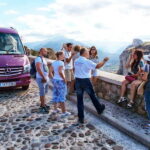
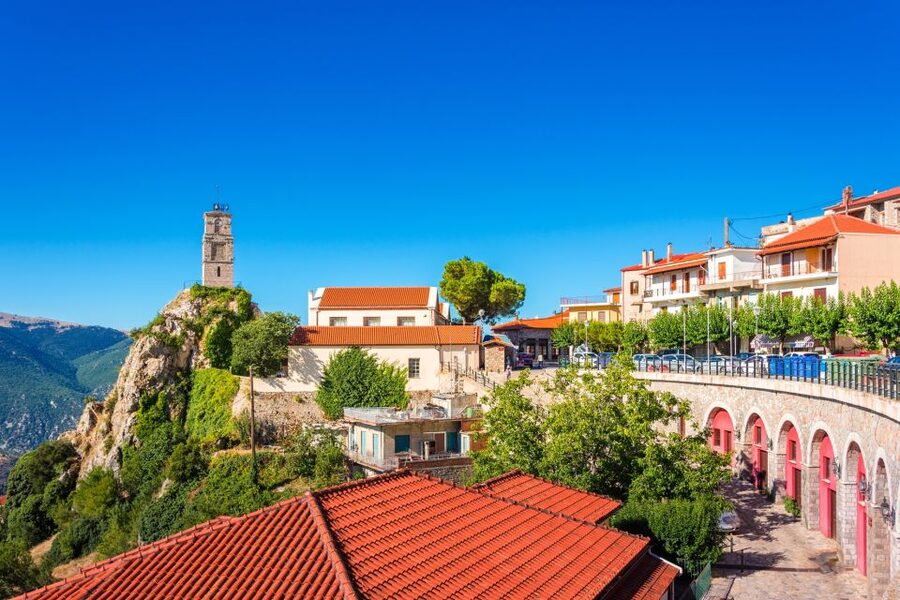
First major stop after leaving Athens is Arachova, a traditional village with a celebrity ski-resort vibe. You’ll get a break for photos, coffee, and a short walk—about 30 minutes—which is exactly what you want on a long day. It’s not a long “sightseeing tour inside the stop.” It’s a reset.
Why it’s worth it: Arachova gives you a taste of mountain Greece before Delphi and helps you shift from city time into sacred-site time. Also, the photos here are easy wins. Even if you aren’t into shopping, you’ll likely enjoy the streets and viewpoint angles.
The drawback is simple: you’ll only have a short window. If you want a deeper look, you’d need a separate stop. Here, it’s all about fueling up and stretching your legs.
Delphi archaeological site and museum: Apollo, Pythia, and the holy spring
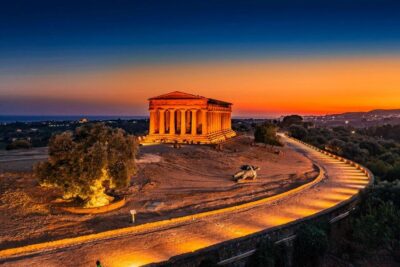
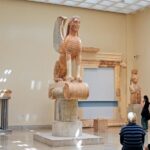
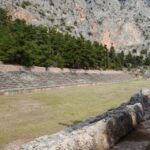
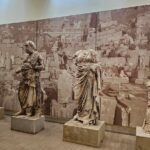
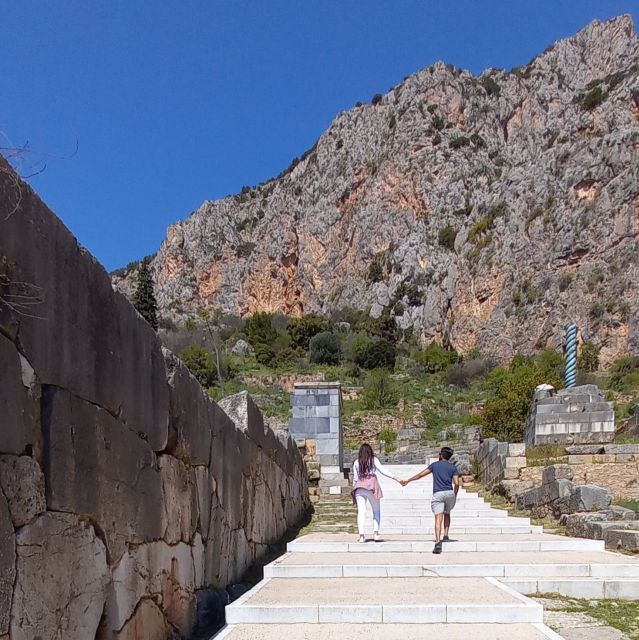
This is the heart of the day. At Delphi you get guided time with a book-style guide for the archaeological area, plus museum time. You’ll have about 2 hours at the archaeological site and museum, which is a sensible chunk for first-timers.
What you’re aiming to see includes the major sacred landmarks named in the tour flow:
- Temple of Athena
- Tholos Monument
- Kastalia, the holy spring area
- The broader Delphi sacred landscape and key remains that connect to the myths
What I like about doing the museum plus site here is that Delphi is easy to misunderstand if you only walk among ruins. The stories—Apollo and Python, plus how the Pythia fits into the sacred traditions—help you connect symbols to the physical space. You’re not guessing at meaning. You’re building a mental map while you walk.
Timing also matters. Delphi can get hot, and stone sites make the sun feel intense. Even if the day is packed, the guided structure helps you prioritize. You’ll cover the highlights without feeling like you’re sprinting.
Lunch in Delphi: views that make the day feel worth the drive
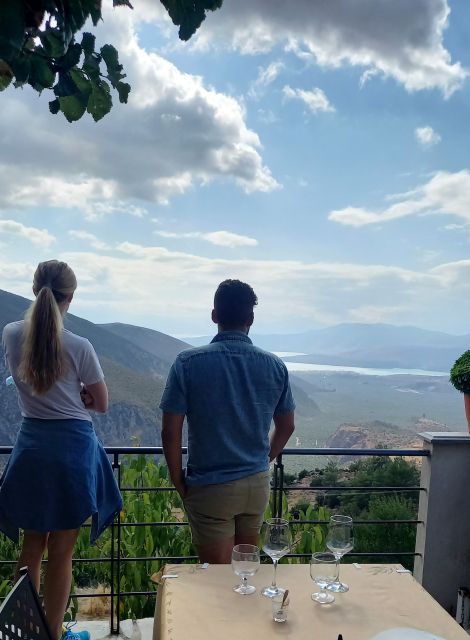
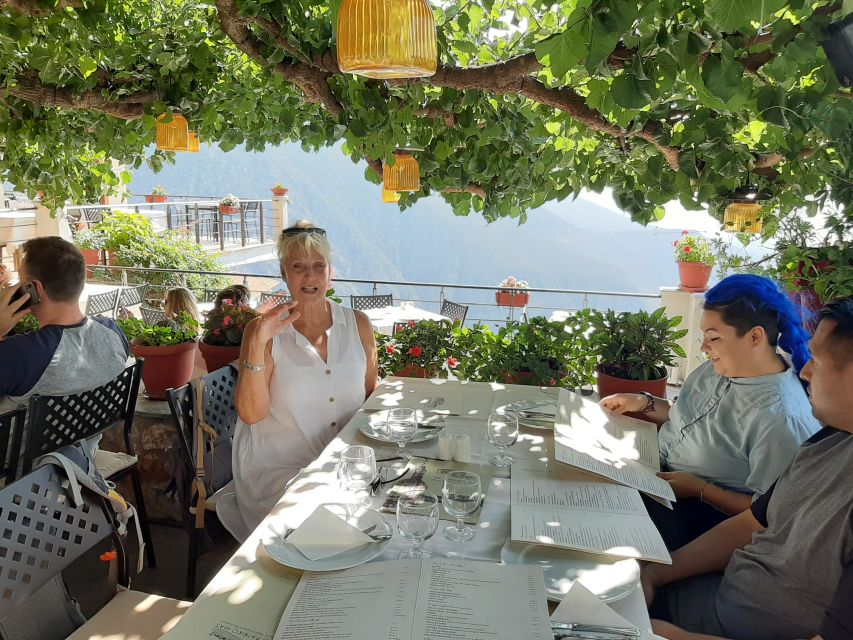
Around 13:00, you’ll break for lunch in Delphi for about 1.5 hours. This is a viewpoint meal stop—people talk about the Delphi Riviera-style outlook and the big olive-tree valley feel.
Here’s the practical value: you’re halfway through a long day and you need a moment where your brain can stop processing trivia and just take in the place. Lunch at a restaurant with scenery helps that. It’s also where you can adjust your energy—slow down if you’re feeling it, or speed up if you still feel good.
One important detail: lunch is not included in the listed price. So budget for it on the spot.


Corycian Cave from 4000 BC: the oracle story and the off-road approach
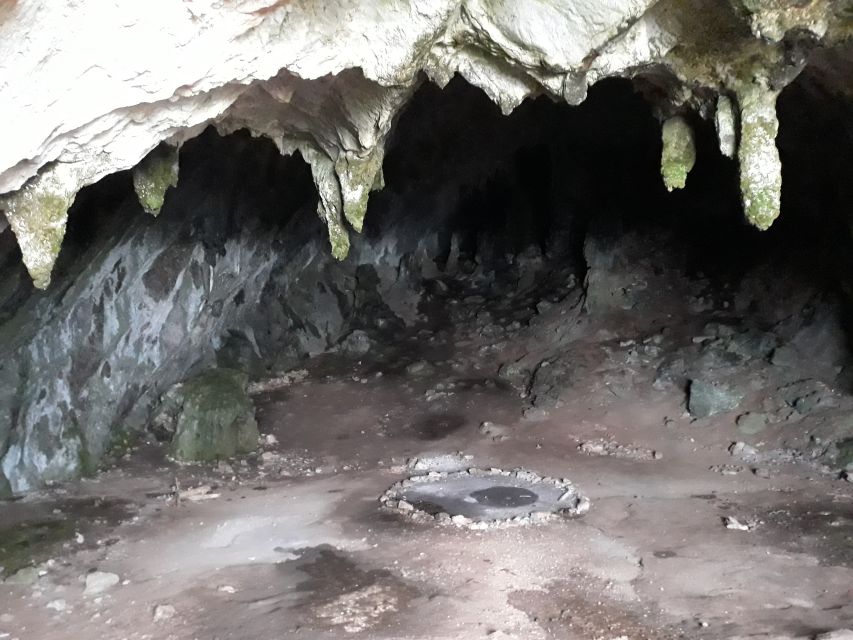
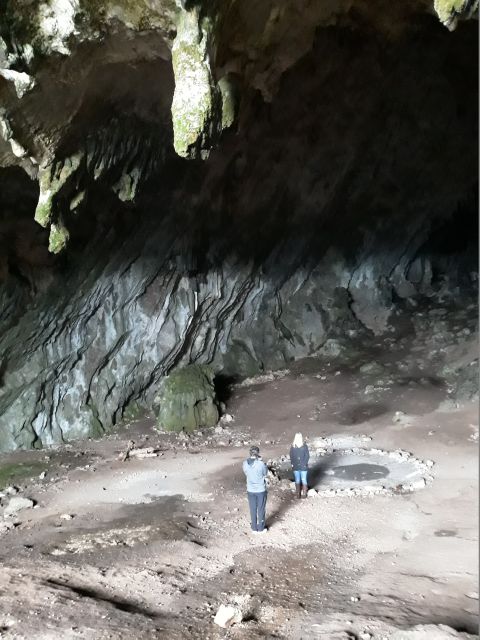
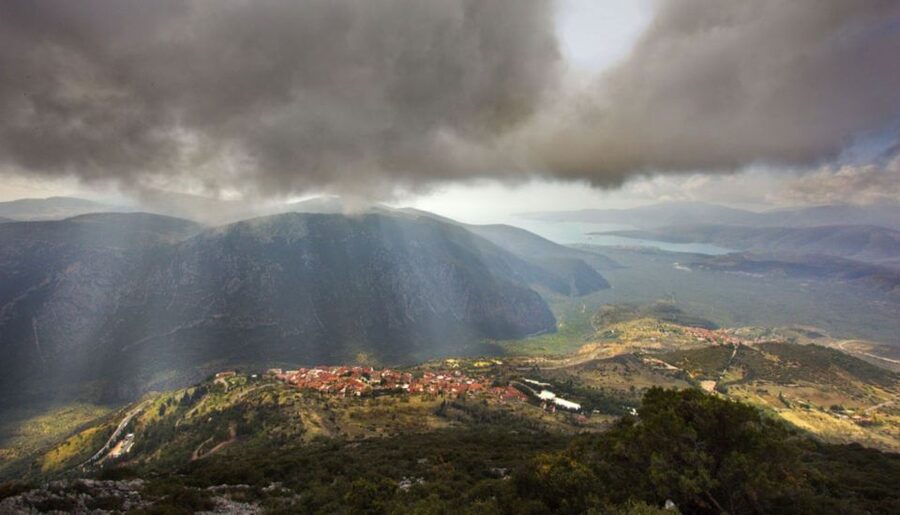
After lunch, the tour changes pace in the best way. You drive higher toward Mount Parnassos and then take an off-road route up around 1500m to reach the Corycian Cave. The story element here is the “oracle” claim that the cave was connected to the oracle tradition as far back as 4000 BC—and the site is described as not fully excavated yet.
The physical experience is half the attraction. Even though you’re “only” there for a short visit time, the approach and setting matter:
- The ride gets bumpier as the road turns off-road.
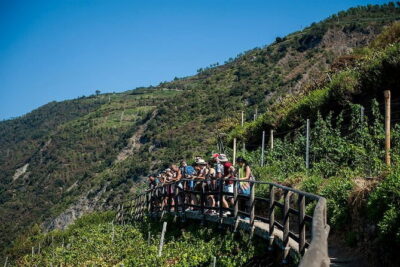
- You gain altitude and you get serious mountain views.
- Once there, the cave atmosphere feels very different from open-air ruins.
For your comfort and safety, do two things:
- Wear shoes with grip. If you’re on slick surfaces, you’ll want traction.
- If you’re prone to car sickness, ask the guide about positioning. There’s an option discussed to manage motion on the hill approach.
This stop is also where a sense of adventure shows up. One person called it spooky in a good way, and another loved how the scenic views from the perch felt like the payoff for climbing up.
Thermopylae and the 300 Spartans: seeing the battlefield instead of imagining it
Thermopylae is where the tour earns its name on history alone. You arrive and get a viewpoint-focused look at:
- the ancient hot gates area
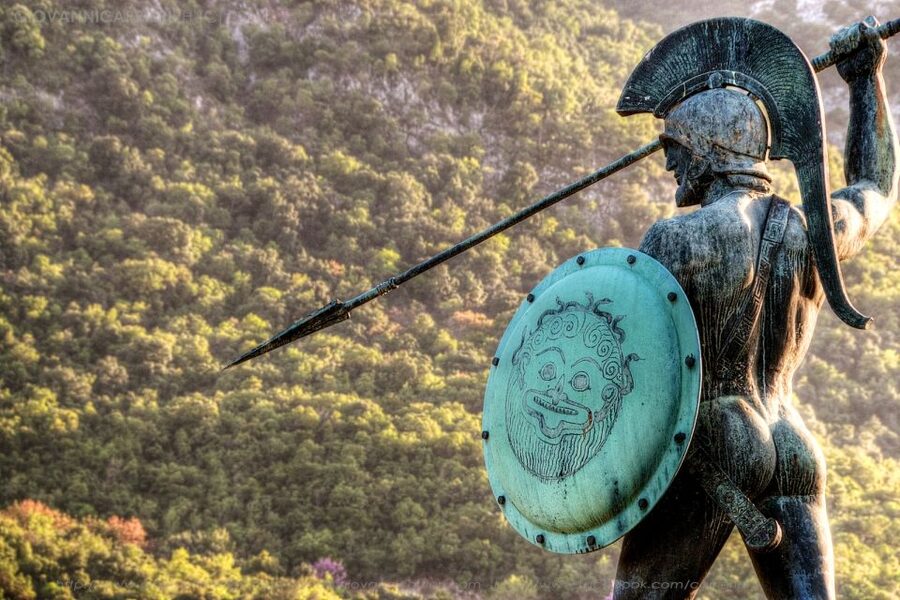
- the Leonidas and 300 Spartans monument
- Kolonos Hill, described as the place where the last Spartans died protecting the body of King Leonidas
The big difference between reading about Thermopylae and standing nearby is terrain. The guide’s narration is designed to help you understand why the battle happened the way it did—what the ground allowed, what it restricted, and how the fighting unfolded. The tour also includes a full detailed description of the battle at the site, which turns “war story” into something you can follow step-by-step.
There’s also a practical realism note. Construction upgrades near the monument can create roadside noise, and the sound environment can make the guide harder to hear from certain seats or angles. If you care about hearing the story clearly, try to be closer to where the guide is briefing or where the audio carries better.
And yes: you’ll need a bit of imagination. One of the most honest parts of battlefield travel is that the modern scene doesn’t look exactly like a movie. But with the guide’s help, the key “action logic” lands.
What you’re really buying for $170: value in time, not just sightseeing
Price is always the hard part, so I look at what you’re getting per hour and per stop. At $170 per person for a 12-hour day, you’re paying for three things:
- Transportation in an air-conditioned vehicle from central Athens.
- Guided interpretation at Delphi and the battlefield narrative at Thermopylae, plus the Corycian Cave context.
- The effort of bundling distant locations into one schedule without you driving or timing trains and buses.
Delphi entry tickets are not included (noted as 20 euro in summer and 10 euro in winter). Lunch is also not included. That means your all-in day cost will likely be higher once you add tickets and food. Still, the structure saves you the hassle of planning a multi-stop day yourself—especially the cave approach and the specific battlefield briefing focus.
What makes it feel like good value is the small group size (up to 8 participants). A larger bus would turn Delphi into a stampede. Here, it’s easier to ask questions and hear explanations without constantly being shoulder-to-shoulder.
Small group comfort, guides, and what to pack
This is a “one-day workout in history clothes” kind of trip. Reviews commonly mention minivan tightness. Even with AC, leg room may feel limited for taller passengers, especially toward the back. You’re also in the vehicle for a long time between stops—then walking starts again.
So pack like you’re hiking a little:
- Comfortable, grippy shoes (cave terrain + stone steps)
- Water is provided as water and soda, but you should still plan to hydrate and use breaks wisely
- Light layers for temperature shifts (coastal heat in the lower areas, cooler mountain air near higher elevations can surprise you)
- Sun protection for Delphi and Thermopylae viewpoints
Guide quality is another big factor. English guides on this route vary, but they’re generally credited with explaining myths and history clearly while keeping the schedule running. Names like Kostas and Panagiotis show up in guide mentions tied to humor, helpfulness, and making the day feel smooth.
One more tip: if you’re sensitive to heights, the Corycian Cave approach is described as involving a road up a side of a hill that can feel a little scary. That doesn’t mean it’s unsafe—it means you should be mentally prepared, go slow, and let the guide handle the driving confidently.
Who should book this tour and who might skip it
I think this tour is a great fit if:
- you want major ancient Greece sites in a single day without driving
- you like myth and history explained in a story format, not just a list of monuments
- you enjoy a bit of adventure, like the off-road cave approach
I’d consider a skip if:
- you have limited mobility or can’t handle stairs and uneven walking (wheelchair use isn’t suitable)
- you hate long days. This is a full 12-hour schedule, and you’ll end it tired.
If you’re a history lover who also likes photos and viewpoints, this tour hits a sweet spot. Delphi gives you the “religion and culture” angle. Corycian Cave gives you the “people believed this was special” mood. Thermopylae gives you the battlefield “now I get it” effect.
Should you book this Delphi–Corycian Cave–Thermopylae day trip?
Yes—if you want maximum impact with minimal planning, this is one of the stronger day-trip choices from Athens. The big reason to book is not just that you’ll see Delphi and Thermopylae. It’s that the day is built around guided storytelling at the exact places where the myths and battles happened (or at least where the traditions point you).
Book it if:
- you can handle a long day of walking
- you’re okay paying for Delphi tickets and lunch on top of the tour price
- you’re excited by the off-road Corycian Cave stop
Think twice if you want a slow, leisurely day or you’re worried about hearing the guide from your seat. If you’re comfortable with those tradeoffs, you’ll likely come home with more than photos—you’ll have a clearer sense of how Delphi’s sacred world linked to the Greek mind, and how Thermopylae became the ultimate terrain-based legend.
FAQ
How long is the day trip from Athens?
The total duration is 12 hours.
How many people are in the group?
It’s a small group limited to 8 participants.
Is pickup provided from central Athens?
Yes, pickup is from the center of Athens. There’s also an email sent a day before the tour with details (pickup is described as optional).
Are Delphi archaeological site and museum tickets included in the price?
No. Delphi tickets are not included. They are listed as 20 euro in summer and 10 euro in winter.
What’s included during the tour?
You get an air-conditioned vehicle, water and soda, and a Delphi guided book for the archaeological site. The tour language is English.
Is the tour suitable for wheelchair users?
No. It’s not suitable for wheelchair users.