REVIEW · ZANZIBAR CITY
Zanzibar: Stone Town, Spice Tour, Prison Island with Lunch
Book on GetYourGuide →Operated by Beach & Safari Holidays · Bookable on GetYourGuide
Spices, tortoises, and street history in one day. I really like the spice farm portion because it’s hands-on (smell, touch, and taste) and the traditional Swahili lunch makes it feel more like a local stop than a checklist. I also love how Prison Island gets you close to Aldabra giant tortoises at Changuu. The main drawback: it’s a full day, and Prison Island (and Stone Town time) can feel a bit tight if you want to linger.
This is a guided, mostly on-foot experience through Stone Town’s UNESCO streets, then a quick boat ride offshore to see the tortoises and learn the island’s darker prison-era story. At $68 per person and about 6–9 hours total, it’s a solid way to get your bearings fast in Zanzibar—just plan for sun, crowds, and a schedule that moves.
In This Review
- Key things I’d put on your must-do list
- Stone Town walking tour: making sense of the maze of Zanzibar’s streets
- Spice farm visit: the part you’ll remember after Stone Town fades
- Prison Island (Changuu): Aldabra tortoises and a short museum stop
- Old Fort, Palace Museum, and the Sultan’s Palace stops that matter
- Price and logistics: is $68 per person really good value?
- Who this Zanzibar day trip suits best
- My quick booking call: should you do it?
- FAQ
- FAQ
- How long does the tour take?
- Is hotel pickup and drop-off included?
- What happens first during the day?
- Is lunch included?
- Do I need to pay extra for the slave market?
- How do you get to Prison Island?
- How long is the Prison Island visit?
- Can I buy spices during the tour?
- What should I bring for comfort and safety?
- Is this tour suitable for people with mobility needs?
Key things I’d put on your must-do list

- Spice farm tastings: you’ll smell and sample cloves, cinnamon, turmeric, vanilla, cardamom, lemongrass, and more, plus tropical fruits like papaya and coconut
- Stone Town landmarks on foot: you’ll pass and stop for major sites including the Palace Museum, Sultan’s Palace, Old Fort, and the slave trading history context
- Prison Island Changuu by boat: fast little boats and a one-island museum + tortoise walk
- A swahili lunch included (when selected): a farm-style meal that uses the spices you just learned about
- Good value for a first Zanzibar day: hotel pickup, guide help, entry tickets when selected, and bottled water are part of the package
Stone Town walking tour: making sense of the maze of Zanzibar’s streets
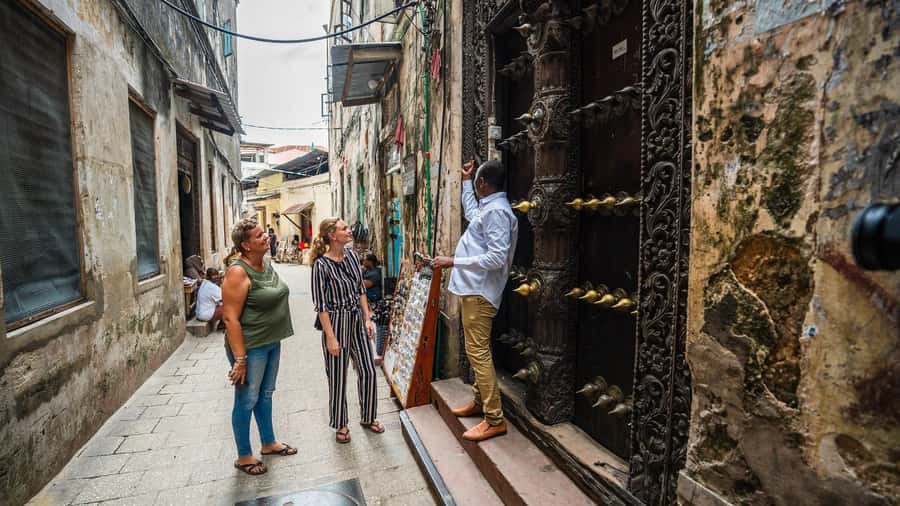
Stone Town is the part of Zanzibar that rewards slow attention, but this tour gives you the practical version: you get a guided walk that helps the streets click into place. The pace is geared for seeing the key stops without losing the whole day to wandering, so it’s great if it’s your first trip or you’re short on time.
You’ll cover the historic core, including the areas tied to markets and everyday life, plus the port-city world that shaped Zanzibar’s reputation. Your guide focuses on how Stone Town formed from different influences—Arab, Indian, Persian, and European—and you’ll also get a clear, not-sugarcoated look at the slave trading era. If you choose the slave market entry add-on, it’s typically handled as a paid option (there’s a $10 per person slave market ticket if that option is selected).
What I like about this style of tour is that it doesn’t treat Stone Town like a theme park. You’re taught what to look for: the coral-stone streets, the colonial-era buildings, and the famous carved Zanzibari hardwood doorways. Those doors are more than decoration; they’re a window into status and craft traditions that grew around trade.
Two practical notes:
- Sellers do set up shop in busy areas, and you’ll have shopping time built in. If you don’t want the push-and-pull, keep your shopping focus narrow and your eyes forward.
- Stone Town’s walking lanes are tight. Sunglasses and a hat matter because the sun bounces off pale stone.
Spice farm visit: the part you’ll remember after Stone Town fades
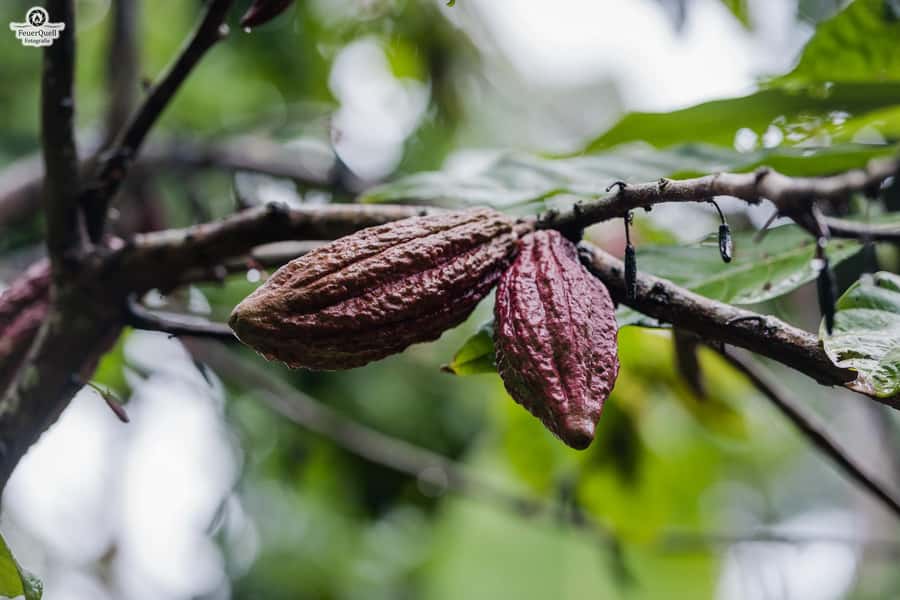
For most people, the spice farm is the reason to book this day. It turns Zanzibar’s Spice Island reputation from marketing into something you can actually understand with your senses.
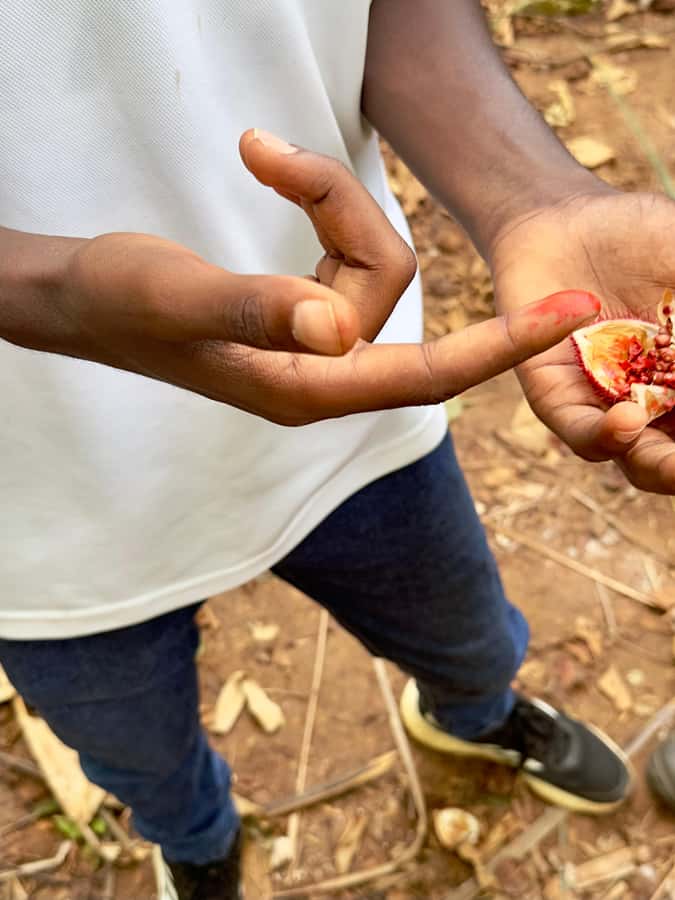
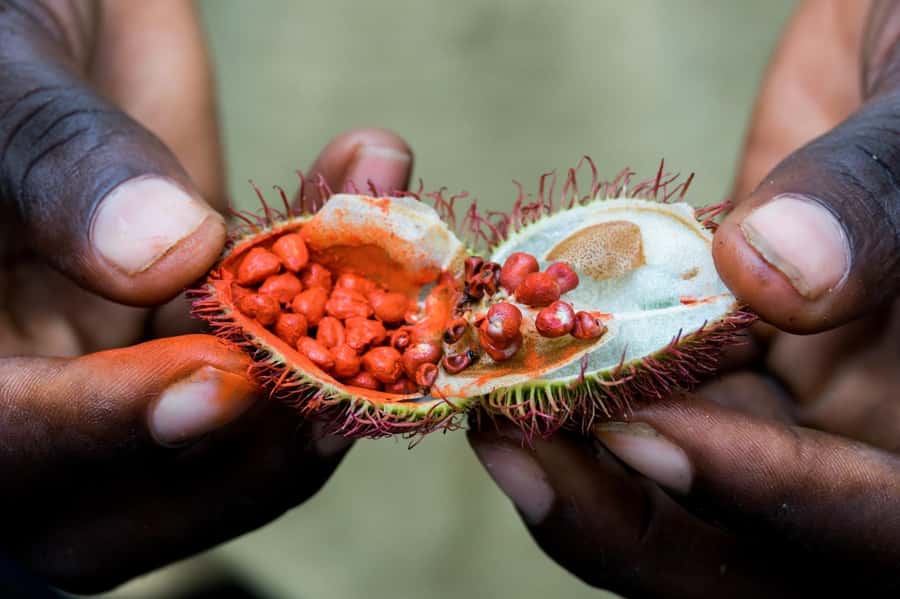
After pickup and the Stone Town walk, you drive out to an organic spice farm where you get a guided walking tour. The focus is not just “here’s a plant.” You’re encouraged to smell and touch crops and hear how they’re cultivated and used. Then comes the best part: tasting.
You’ll get exposure to a long list of spices and herbs tied to Zanzibar’s global trade fame, including:
- cloves, nutmeg, cinnamon (core spice names people associate with Zanzibar)
- turmeric, vanilla, cardamom, black pepper, cassava
- lemongrass and chili
And it’s paired with tropical fruits such as papaya and coconut.
A detail I appreciate: the guide context explains how spices reached the island—Portuguese traders are mentioned as introducing many of these spices in the 16th century, with origins traced through colonies in South America and India. That historical thread helps you see Zanzibar not just as a place that grows spices, but as a place that became central to shipping and mixing food cultures.
Lunch at the farm is typically a traditional Swahili meal. Based on what people say, it’s often a genuine highlight because it tastes like it belongs to the crops you were just learning about. Still, keep expectations realistic: one or two people felt the lunch didn’t match the excitement of the spice tour itself. If food is your top priority, it helps to treat lunch as part of the package rather than the main event.
Bring sun gear. You’ll want water too, and while bottled water is included, it’s smart to carry a little extra if you run hot.
Prison Island (Changuu): Aldabra tortoises and a short museum stop
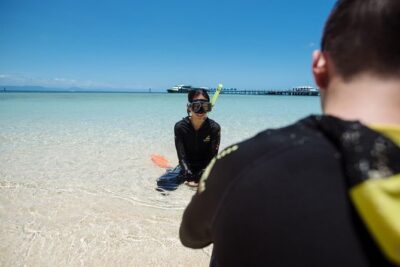
Prison Island is reached by boat—small, fast boats that move you from Stone Town’s shoreline to Changuu offshore. This is often the emotional hit of the day because the tortoises aren’t a distant photo moment. You get guided time on the island, plus free time to look around.
Once you arrive, you’ll meet Aldabra tortoises, one of the world’s biggest tortoise types. The sanctuary is described as having extremely old residents, including an oldest tortoise reported around 200 years old. Some visitors mention seeing individuals around 123 years old too, so expect to encounter tortoises with serious age. On top of that, the average weight is given around 200 kg, which is why you feel the scale when you stand near them.
What’s also included is the island’s history. You’ll hear about its use as a prison for rebellious slaves in the 1860s, and there’s a small museum portion that helps explain what you’re seeing. Even if you only have about an hour on the island, the museum + tortoise walk gives you a meaningful contrast: gentle animals, and then the hard human history behind the island’s name.
Two practical considerations:
- The boat ride can be a little rough at times. If you’re prone to motion sickness, plan ahead.
- The island can get busy, and your visit can feel a touch rushed. If you love slow nature time, keep your hopes grounded: you’ll get a solid look, but not hours of wandering.
A note on safety: at least one person reported that the boats didn’t have safety vests available. It doesn’t mean your trip won’t be fine, but it’s worth asking the crew at departure so you know what’s on board.
Old Fort, Palace Museum, and the Sultan’s Palace stops that matter
Stone Town isn’t one building—it’s a set of layered places. In the tour, you’ll hit big reference points so you can navigate later on your own.
Expect photo stops and short guided time around major landmarks, including:
- the Palace Museum
- the Sultan’s Palace area
- Old Fort
These stops work best when your guide connects them to the trading era. Even if you’re not an architecture nerd, you’ll come away knowing why certain buildings are important and what role the waterfront city played.
One thing to keep in mind: Stone Town can become a shopping circuit fast. The tour is designed to include “shopping later on,” and that’s usually where sales pressure ramps up. If you want souvenirs, it helps to set a budget before you walk in.
Price and logistics: is $68 per person really good value?

At $68 per person for about 6–9 hours, this tour has one clear value advantage: you don’t just get sightseeing. You get transportation support and multiple guided components in one day—Stone Town walking, spice farm, and Prison Island by boat—plus bottled water.
Here’s what’s typically included:
- hotel pickup and drop-off within Zanzibar
- English-speaking guide help
- boat transportation to Prison Island
- entrance tickets if selected
- lunch if you choose the lunch option
- bottled water
And what might cost extra:
- slave market entry ticket is listed as $10 per person if that option is selected
The “value math” comes from how much is packed into the day. If you tried to self-plan all three segments, you’d still spend time coordinating guides, entry tickets, and the boat transfer. This format compresses that work into one organized trip.
The trade-off is time pressure. Multiple stops mean less free time than doing each area separately. Several people said Stone Town on its own would be even better if you had extra days. If you can only do one first day, this tour is a strong starter. If you have two or three days in Stone Town, consider doing Stone Town with a separate, longer guide and using this tour for spice and tortoise time.
Who this Zanzibar day trip suits best

This experience is ideal if you want a grounded introduction to Zanzibar culture rather than another beach-only day.
It fits especially well if:
- it’s your first time in Zanzibar and you want a guided orientation
- you care about food and local crops (the spice farm is the anchor)
- you want a meaningful history component, including slave trading context
- you like guided structure with enough time for photo stops and shopping
It may not be the best choice if:
- you want slow, unhurried nature time (Prison Island is timed)
- you get annoyed by sales stops (Stone Town includes shopping time)
- you need high mobility accommodations (the tour is not suitable for wheelchair users and people with mobility impairments)
My quick booking call: should you do it?
If you’re trying to decide whether to book this day, I’d say yes if your priorities are spice knowledge, tortoise encounters, and a guided Stone Town overview. The spice farm experience is consistently the strongest part, and the Prison Island visit adds a memorable animal-and-history contrast.
I’d hesitate only if you strongly prefer long stays at fewer places. In that case, Stone Town deserves its own day at a slower pace, and you might add Prison Island separately.
If you book, go prepared for sun and tight timing: hat, sunglasses, sunscreen, and water shoes (or sturdy non-slip footwear) help a lot, and having small cash ready makes life easier for tips and purchases.
FAQ
FAQ
How long does the tour take?
It runs about 6 to 9 hours, depending on the starting time.
Is hotel pickup and drop-off included?
Yes. Pickup and drop-off are included within Zanzibar.
What happens first during the day?
You start with a guided walking tour in Stone Town, then head to the spice farm, and finish with a boat trip to Prison Island.
Is lunch included?
Lunch is included if you select the lunch option.
Do I need to pay extra for the slave market?
There is a slave market entry ticket listed as $10 per person if that option is selected.
How do you get to Prison Island?
You take a boat ride offshore to Prison Island (Changuu).
How long is the Prison Island visit?
You’ll have guided time plus free time on the island, with about an hour on Prison Island.
Can I buy spices during the tour?
Yes. The spice farm experience includes time where you can purchase spices (and related items made on-site).
What should I bring for comfort and safety?
Bring sunglasses, a hat, sunscreen, water, and water shoes or sturdy non-slip footwear. Having waterproof shoes can also help.
Is this tour suitable for people with mobility needs?
No. It’s listed as not suitable for wheelchair users and people with mobility impairments. It’s also not recommended for people over certain age ranges listed by the operator.