REVIEW · AUCKLAND
Rotorua Highlights inc. Waiotapu & Te Puia Day Tour from Auckland
Book on Viator →Operated by Cheeky Kiwi Travel · Bookable on Viator
Wai-O-Tapu plus Rotorua in one day. This tour strings together two of the North Island’s biggest geothermal drawcards, with live commentary as you roll out of Auckland and a proper guided stop at both Wai-O-Tapu and Te Puia. I like the small group feel (up to 15) and that you get hotel pickup and drop-off from major areas instead of wrestling with public transport this early.
My other favorite piece is the time you do get at Wai-O-Tapu. You’re not just dropped at the gate—you get two hours at Thermal Wonderland with key sights such as Champagne Lake and Devil’s Bath. The main drawback is timing: the Rotorua portion is a quick driving tour, and the day is long with a lot of road time between stops.
In This Review
- Key Things To Know Before You Go
- Price and What You’re Actually Paying For
- The Morning Drive Out of Auckland: Commentary and Quick Photo Stops
- Wai-O-Tapu Thermal Wonderland: Where the Day Flows (and Why It’s Worth the 2 Hours)
- Te Puia After Lunch: Māori Crafting + Thermal Culture in a Tight 90 Minutes
- Rotorua Highlights by Bus: Big Names, Short Stops
- The Return to Auckland With Secret Stops: Ending on a Story
- Guides, Group Size, and the Bus Reality Check
- What to Pack (So the Long Day Doesn’t Beat You)
- Is This Tour Good Value for You?
- Should You Book Rotorua Highlights from Auckland (Wai-O-Tapu and Te Puia)?
- FAQ
- How long is the tour?
- What time does the tour start?
- Are Wai-O-Tapu and Te Puia tickets included?
- Is lunch included?
- How much walking is involved?
- What happens if the tour is cancelled due to weather?
Key Things To Know Before You Go
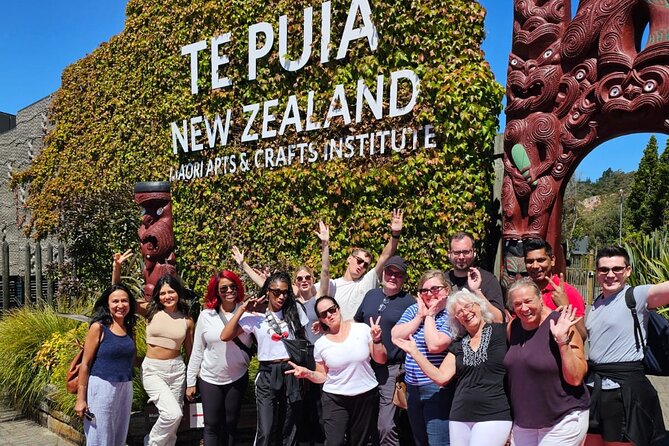
- Two guided attractions in one long day: Wai-O-Tapu (guided) plus Te Puia (90-minute guided cultural/thermal visit).
- Early start, late return: Meet at 6:30 am; expect about 12 hours total.
- Most sightseeing happens at Wai-O-Tapu: Rotorua gets a fast highlights drive, not a long stay.
- Water and snacks are provided, but lunch isn’t: plan to buy lunch on your own during the break.
- Moderate walking is involved: wear comfy shoes; this isn’t ideal for severe mobility issues.
- Weather matters: the tour runs in all weather, but if conditions force cancellation, you’ll be offered another date or a refund.
Price and What You’re Actually Paying For
This tour costs $247.61 per person for roughly a 12-hour day. On paper, that can feel pricey compared with DIY travel. But the value logic is pretty clear: you’re paying for a full-day driver-guide, hotel pickup, and two paid entry components—Wai-O-Tapu admission and Te Puia admission—plus bottled water and snacks.
If you tried to do this alone, you’d still spend real money on intercity transport (or rental car), and you’d likely end up paying for entry fees anyway. Also, geothermal sites are the kind of place where context helps. Even without fancy extras, having someone explain what you’re looking at—then pointing you toward the notable spots—can be worth a lot when time is tight.
You can also read our reviews of more tours and experiences in Auckland.



The Morning Drive Out of Auckland: Commentary and Quick Photo Stops
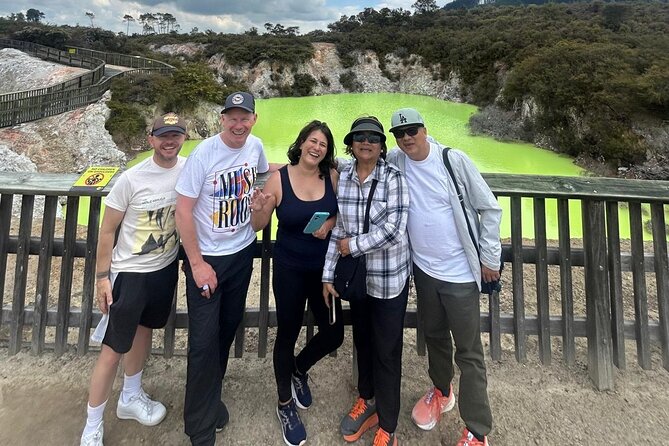
You start early: 6:30 am. The point of that early departure is simple—you want daylight for the geothermal and cultural parts, and you want to reduce the odds that your Wai-O-Tapu time gets chopped by slow logistics later.
Once you leave Auckland, the trip becomes part sightseeing, part orientation. Your guide sets the scene for the day and points out city highlights as you roll out. Then the scenery shifts into Waikato farming country, where you get plenty of chances for photos of big rivers and open pastoral views.
A fun detail along the route is Tirau, nicknamed the Corrugated Iron Capital of the World for its corrugated-iron sculptures and buildings. It’s not a long stop, but it’s one of those oddball New Zealand moments that makes the journey feel like more than just transit.
What to watch for: this is a “get up early” tour. If you’re hoping to sleep in or arrive late-day energetic, this one will not cooperate.
Wai-O-Tapu Thermal Wonderland: Where the Day Flows (and Why It’s Worth the 2 Hours)
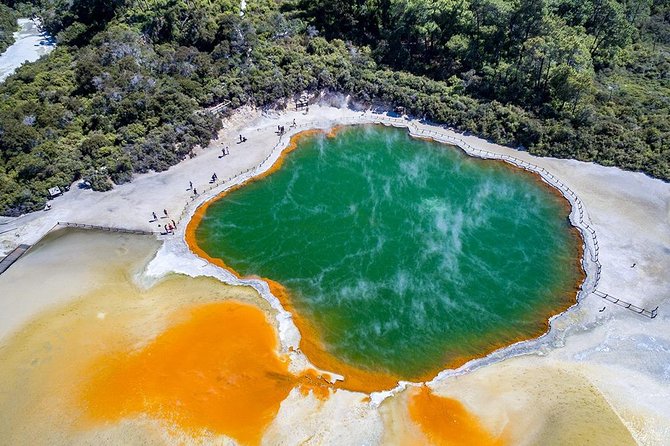
Wai-O-Tapu is the main event, and the schedule reflects that. You get about 2 hours at Wai-O-Tapu Thermal Wonderland with admission included, plus guided time that helps you make sense of what you’re seeing.
You’ll see iconic features that people come from across the world to photograph, including:
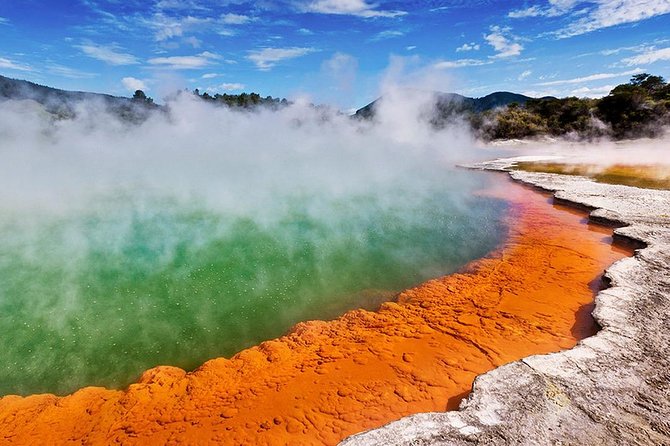
- Champagne Lake
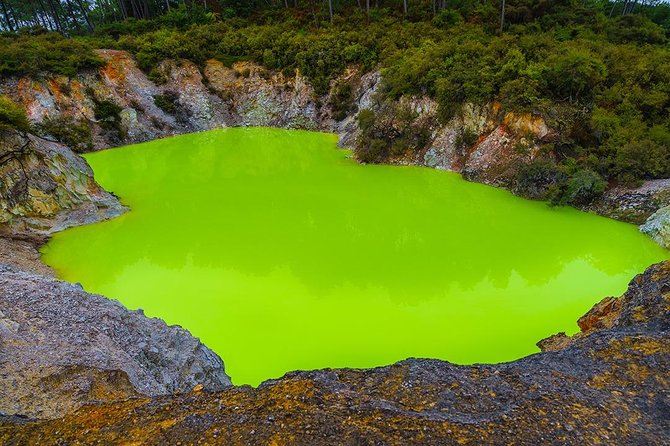
- Devil’s Bath
- Other local geothermal points along the walk
The big value here isn’t just seeing the sights. It’s understanding the geothermal patterns—why colors look the way they do, why certain areas smell stronger, and what’s happening underneath. In geothermal parks, you can either wander randomly (and miss the best views), or follow a guide who knows which stops make the strongest first impression.
Also, Wai-O-Tapu is the easiest part of the day to “feel like you got your money’s worth.” The park is designed for walking and viewing, and the guide helps you choose the stops that give the best return for your limited time.
Practical note: wear closed shoes and expect uneven ground and active steam areas. Plan to keep your camera ready, because lighting and colors change as you move.
Te Puia After Lunch: Māori Crafting + Thermal Culture in a Tight 90 Minutes
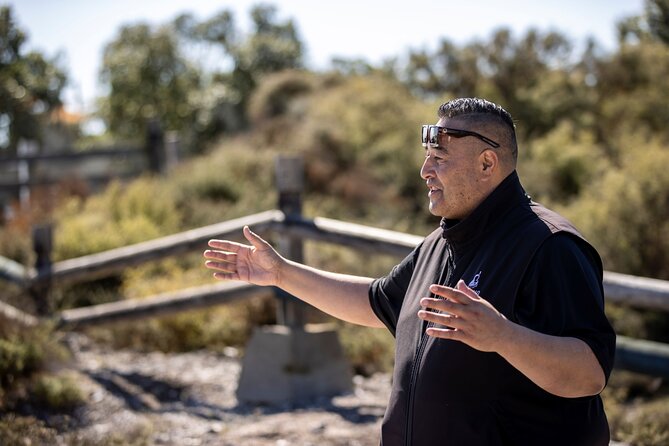
After Wai-O-Tapu, there’s a break for lunch on your own, then you head to Te Puia. You’ll get a 90-minute guided tour, with admission included. This is where the itinerary broadens from geothermal spectacle into culture and tradition.
Te Puia is known for both Māori heritage and the thermal environment. On this tour, you’ll learn about Māori history and traditions and watch skilled artisans at work—especially craft techniques tied to carving and weaving (the kind of hands-on mastery you can’t really replicate from pictures).
Some tours here also include a cultural show, but this one warns that show timing can be limited. Translation: don’t assume you’ll automatically see a full performance. If seeing a show is a priority, it’s smart to ask in advance what’s actually scheduled on your day.
The value for you: this stop is ideal if you want your geothermal day to include more than sulfur steam and photos. It gives you a story to attach to the region—who the people are, what practices matter, and how geothermal landscapes tie into everyday Māori life.
The tradeoff: 90 minutes is short. You’ll come away informed, not overwhelmed—good if you want highlights, not so good if you’re trying to linger deeply.
Rotorua Highlights by Bus: Big Names, Short Stops

After Te Puia, you finish Rotorua with a guided driving tour and short city stops. The time you spend on foot is minimal—think about 15 minutes total for the Rotorua highlights portion—and that’s the part that creates the most mixed feedback.
You’ll pass key sights such as:
- Lake Rotorua
- Rotorua Museum
- Government Gardens
- Whangapipiro (Rachel Spring)
- Blue Baths
Here’s how to think about it: this driving tour is designed to give you a mental map. It helps you recognize what Rotorua is famous for, then lets you decide if you want to return later on your own (or on a dedicated Rotorua activity day).
My practical take: if Rotorua is your main destination and you want more time exploring neighborhoods, viewpoints, or museums on foot, plan a separate Rotorua-focused day. If your priority is Wai-O-Tapu and Te Puia, this quick Rotorua finish works because you’re not dragged through long detours after you’re already tired.




The Return to Auckland With Secret Stops: Ending on a Story
You start heading north again after the Rotorua portion, with a fully guided return to Auckland and what are described as secret stops along the way. Those are the little bonus moments that can turn a long day into a more pleasant ride.
The return trip matters because it brings your total day into one controlled flow: you don’t have to figure out how to get back, where to park, or how to manage timing. With early pickup and multiple fixed entry windows, that convenience is real.
What I recommend: bring a light layer for the bus. Early mornings in New Zealand can feel cooler than you expect, and buses can swing between warm and drafty.
Guides, Group Size, and the Bus Reality Check
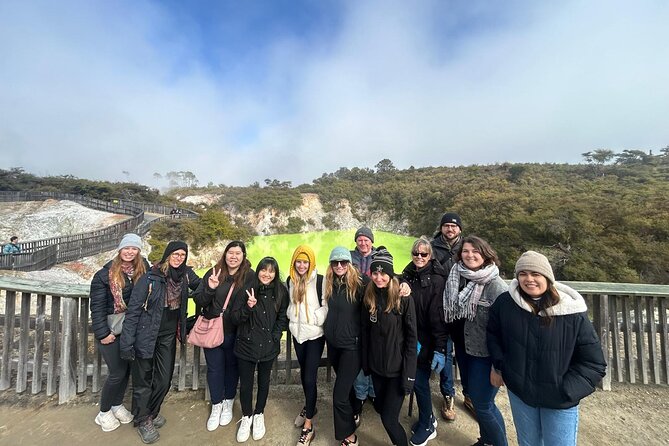
This is a small group tour with a maximum of 15 travelers. That limit is what keeps the day from feeling like a cattle-call bus parade. In the better moments of this kind of tour, the guide can adjust pacing and help you manage the order of stops without chaos.
Guides in particular are a big part of the success here. Names like Grant and Alessandro show up as praised for being excellent throughout the day, and Michael is also noted for doing a great job explaining sites. Even when timing feels tight, a good guide can make it feel less rushed by choosing the right priorities.
One more real-world point: the vehicle can vary. Some people expect a certain brand of bus, and the operator has noted that Mercedes Sprinters are common, with the occasional Ford Tourneo in the fleet for smaller groups/private-style setups. If you’re sensitive to seat comfort or vehicle style, don’t assume the exact model. Instead, focus on the part that won’t change: the schedule’s core stops.
What to Pack (So the Long Day Doesn’t Beat You)
This tour includes walking at geothermal sites and is described as having moderate physical demands. Here’s the kit that makes it easier:
- Comfortable walking shoes (non-negotiable for thermal terrain)
- Weather-appropriate clothing (it operates in all weather conditions)
- A small day bag for your essentials
- Snacks from home if you want backup
Water and snacks are provided, but some people recommend bringing your own snacks just in case your preferred timing doesn’t match the stop rhythm.
- Camera (you’ll want it at Wai-O-Tapu, and also for the road scenery)
If you’re traveling with kids, note that children 7 and below need a child safety car seat. The tour indicates you can hire seats for $20 NZD per seat or bring your own.
Is This Tour Good Value for You?
This tour is best when your priorities match its structure:
Book it if:
- You want Wai-O-Tapu first and foremost
- You also want Te Puia but don’t want to plan transportation
- You like a guide that points out what matters so you don’t miss the big geothermal highlights
- You can handle a long day with time split between guided attractions and driving
Consider other options if:
- You’re mainly after deep Rotorua exploring on foot
- You hate rushed schedules and long transit windows
- You want more flexibility to linger at waterfalls/viewpoints or to skip the driving tour pace
This tour tries to cover ground efficiently. That’s its strength—and also why some people feel the Rotorua portion is a quick taste rather than a full experience.
Should You Book Rotorua Highlights from Auckland (Wai-O-Tapu and Te Puia)?
I’d book this if you’re on a first visit and you want two high-impact experiences without logistics stress. The guided Wai-O-Tapu time is the anchor, and the Te Puia guided tour gives you the cultural side so the day doesn’t feel like only steam and sulfur.
But go in with eyes open: the Rotorua city part is a highlights drive, not a long exploration block. If you’re the type who needs hours walking through gardens, museums, or multiple viewpoints, you’ll probably want a separate Rotorua plan after this day.
If you want an efficient one-day introduction from Auckland that hits the region’s geothermal and Māori craft/cultural angles, this is a solid fit.
FAQ
How long is the tour?
The tour runs for about 12 hours.
What time does the tour start?
The meeting time is 6:30 am.
Are Wai-O-Tapu and Te Puia tickets included?
Yes. Wai-O-Tapu entry is included, and Te Puia has a guided tour with admission included.
Is lunch included?
Lunch isn’t included. There’s time for a lunch break where you can purchase food on your own.
How much walking is involved?
There is a moderate amount of walking, especially at the geothermal attraction. Comfortable walking shoes are recommended. It is not recommended for severe mobility difficulties.
What happens if the tour is cancelled due to weather?
If the experience is cancelled due to poor weather, you’ll be offered a different date or a full refund.