REVIEW · MARRAKESH
Ourika Valley with Atlas Mountains Day Trip from Marrakech
Book on GetYourGuide →Operated by Ando Travel Ltd · Bookable on GetYourGuide
Fresh air and mountain water beat city heat. This Ourika Valley day trip gives you a fast, realistic taste of the High Atlas Mountains without complicated logistics. You’ll visit the Tnin Ourika weekly Berber market, stop in Setti Fatma for a waterfall walk, and spend time in a green valley cooled by streams and shade.
I especially like that it’s built around everyday local life, not just photo stops. The market stop and the Berber house visit (including a look at how women extract argan oil) turn the day into more than scenery. I also like the human pace: mint tea breaks, time to linger near the water, and lunch on your own terms by the stream.
One thing to weigh: the waterfall path can be steep and slippery, and the walk isn’t wheelchair-friendly. If you’re in sandals, you’ll feel it. Comfortable shoes matter.
In This Review
- Key highlights to look for on this trip
- Why this Ourika Valley day trip feels worth the time
- Getting out of Marrakech: the drive through the Haouz Plains
- Tnin Ourika Berber market: real rhythm, not a staged show
- The Berber house visit: argan oil and mint tea as a living craft
- Setti Fatma village: where the waterfall hike begins
- The hike itself: enjoy the climb, but plan for the crowd
- Lunch by the stream: tagine is great, but your wallet choices are yours
- Price and value: what $23 really covers (and what you should budget)
- What makes the experience feel smooth: drivers and on-the-ground help
- Practical tips that make your day easier
- Who this day trip suits best
- Should you book this Ourika Valley day trip from Marrakech?
- FAQ
- How long is the Ourika Valley day trip from Marrakech?
- Where do I get picked up in Marrakech?
- What’s included in the price?
- Is lunch included?
- When is the Tnin Ourika Berber market and when is it busiest?
- Do I get a local guide for the waterfall walk?
- Is the trip wheelchair accessible?
- What should I bring, and is cancellation refundable?
Key highlights to look for on this trip
- Tnin Ourika weekly market with extra energy on Mondays
- Argan oil lesson via a Berber house visit and mint tea pause
- Setti Fatma waterfall hike with local guides available for hire
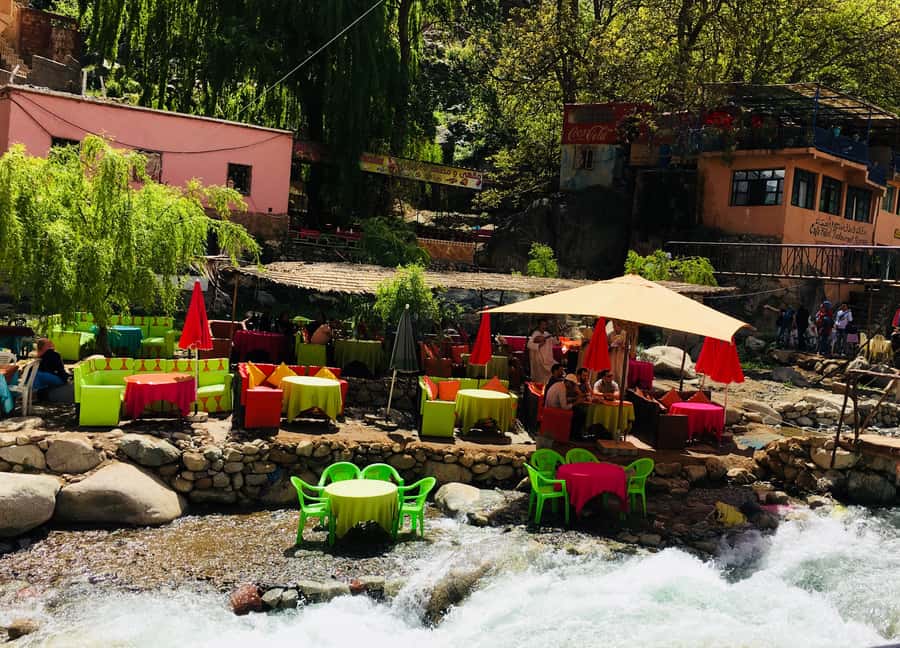
- A lunch break by the stream where you can order tagine or keep it simple
- Air-conditioned minibus pickup from your riad or the Jemaa el-Fnaa area
- A tight 6.5-hour schedule that still leaves room to enjoy the valley
Why this Ourika Valley day trip feels worth the time
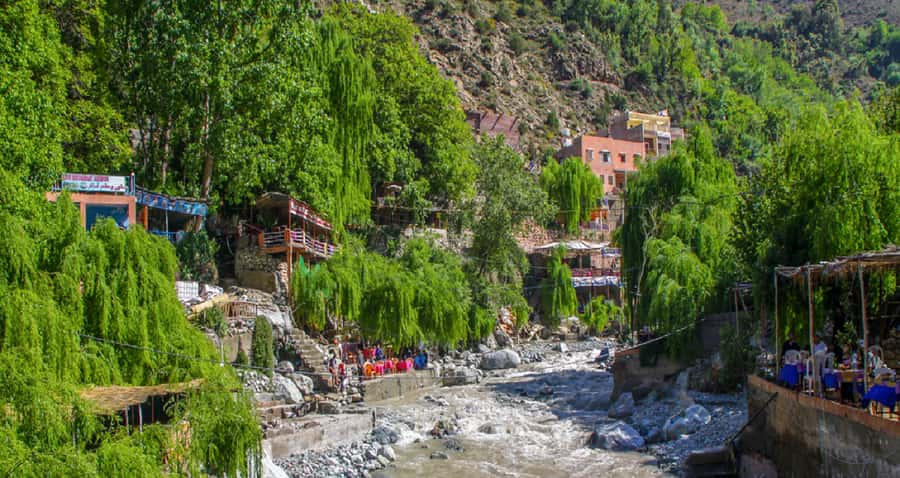
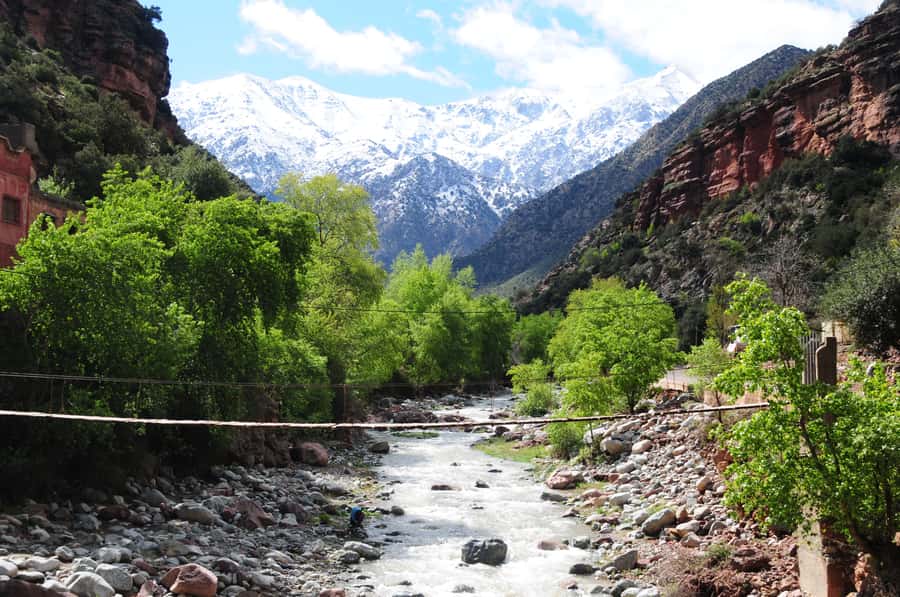
Ourika Valley is one of those rare places where a day trip actually works. It’s close enough to Marrakech that you get mountains and running water without losing the whole day to transit. You’ll also feel the seasonal switch: this valley is a summer escape for locals, which means the mood changes from hot, busy city energy to something calmer and cooler.
The structure is also smart for first-time Morocco visitors. You get a cultural stop (the Berber market), a small taste of craft and household life (argan oil and mint tea), and then a nature payoff (the hike near Setti Fatma). Even if your fitness is modest, the trip still lets you participate in a way that feels natural, not rushed.
Getting out of Marrakech: the drive through the Haouz Plains
You’ll leave Marrakech in a small shared group by air-conditioned minibus, with pickup from your hotel or riad or the nearest accessible point. In practice, many pickups happen around the Jemaa el-Fnaa area, so plan for a little walking if your riad is in a tight lane.
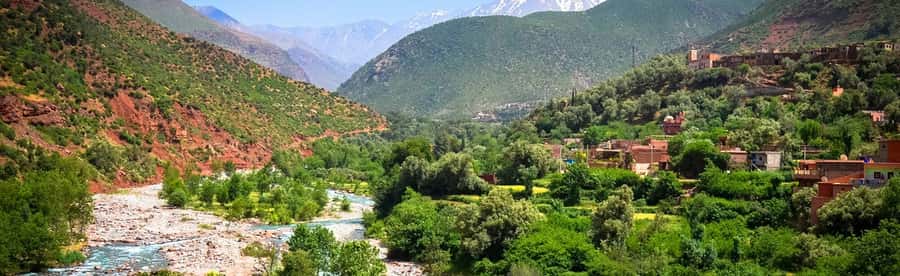
The ride takes about 1H30 south-east of the city. Along the way, you pass through the Haouz Plains, which is helpful context: it explains why the Marrakech region is productive and why this mountain access point matters. Several stops for views and breaks are common, which makes the day feel less like a long commute and more like a moving introduction to the Atlas area.
Tnin Ourika Berber market: real rhythm, not a staged show
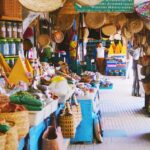
The Tnin Ourika market stop is the kind of cultural moment that’s easy to enjoy if you go in with curiosity. The market is an open-air weekly gathering, and it runs daily—Mondays tend to be busier and livelier.
Here’s what makes this stop valuable for you: you’re seeing commerce as daily life. You’ll likely notice how people organize their day around the market, how foods and goods flow through the space, and how conversations shape the stalls. It’s not a museum scene; it’s where locals actually come to buy and sell.
Practical pacing tip: go early in the stop window if you can. Markets get crowded later, and crowd pressure can shrink your time to look closely. If your goal is photos, you’ll also want a little patience—this isn’t a controlled grid. It’s Morocco in motion.
The Berber house visit: argan oil and mint tea as a living craft
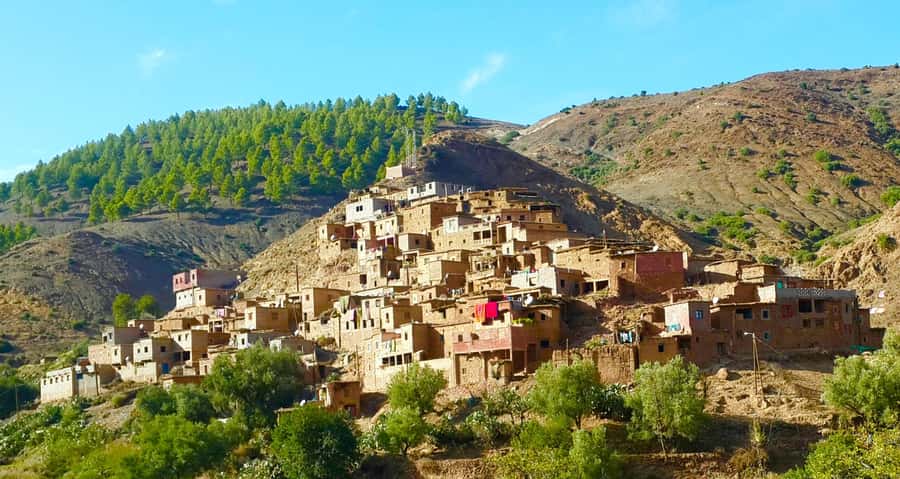
One of the best parts of the day is the Berber house stop. This is where you learn about how local Berber women extract argan oil. It’s a practical skill rooted in daily work, not an abstract “tour theme.”
You’ll also get mint tea, usually served as a welcoming pause before you continue. I like this kind of break because it slows the day down just enough for you to really notice the setting and how you’re being hosted. It also helps you understand that these stops aren’t just for your entertainment; they’re part of how families interact with the outside world.
A note to keep expectations grounded: some stops along the route can include a showroom element, and you may be guided toward purchases if you’re interested. You stay in control—if you don’t want to buy, you can simply be polite, listen, and move on.
Setti Fatma village: where the waterfall hike begins
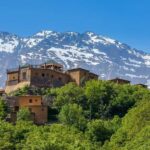
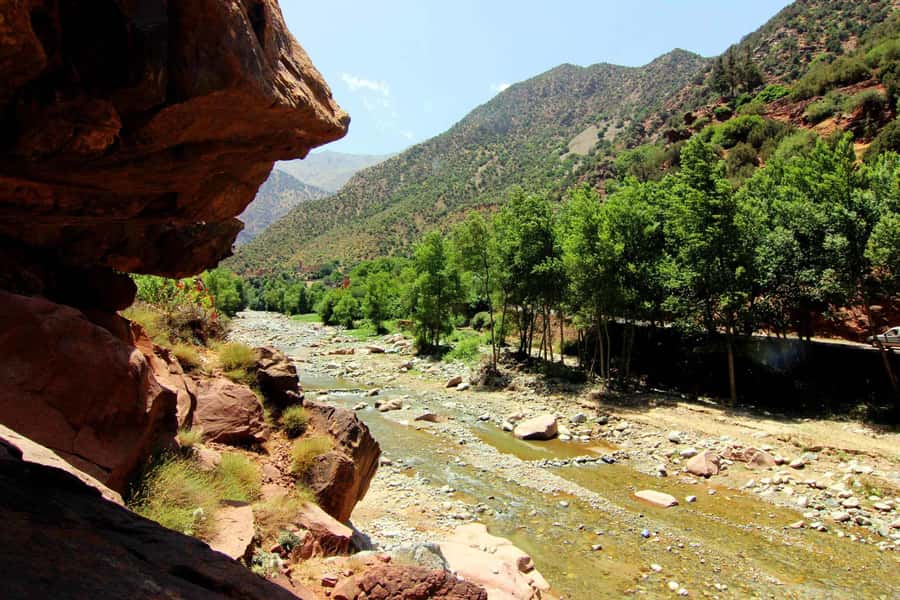
Setti Fatma is the mountain village base for the highlight walk. From the road, the valley feels close and green, and once you’re in the village area you understand why people come here to escape heat.
After arrival, the trip includes a guided light trek to the waterfalls above the village. If you want extra help—or you’d just like company on the steeper sections—local guides are available for hire. This matters because the trail can be uneven, and choosing confidence over bravery makes the whole day more enjoyable.
Based on the difficulty people report, sandals are a bad idea. The climb can be steep and can get slippery, especially with damp stones. Good walking shoes make the hike feel like a solid day in the mountains instead of a leg-punishment challenge.
The hike itself: enjoy the climb, but plan for the crowd
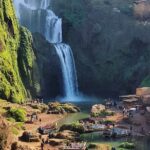
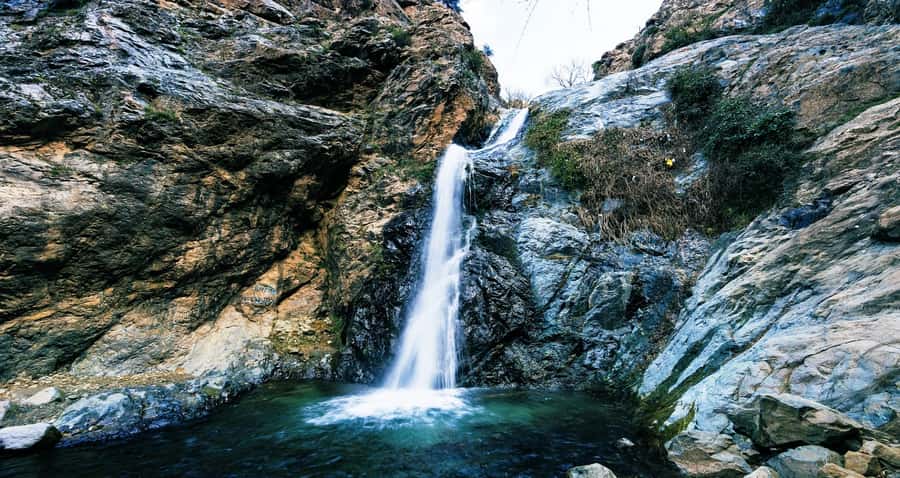
The waterfall section is why this trip exists. You’ll walk up from Setti Fatma toward the falls, then head back down. The walk up is typically the hardest part; the return down often feels easier.
What you should expect to change as you go: at the top, the experience shifts from “village trail” to a more tourist-infrastructure stretch, with more people and stalls nearer the popular spots. In peak times (summer, busy weekends), you may not get long, quiet moments at every turn. If you want solitude, aim for a calmer time window in your day schedule and keep your flexibility.
Still, the reward is real. The waterfall zone gives you that Morocco mountain feel: cool water, strong sounds of the stream, and a sense of being inside a living valley rather than looking at it from far away.
Lunch by the stream: tagine is great, but your wallet choices are yours
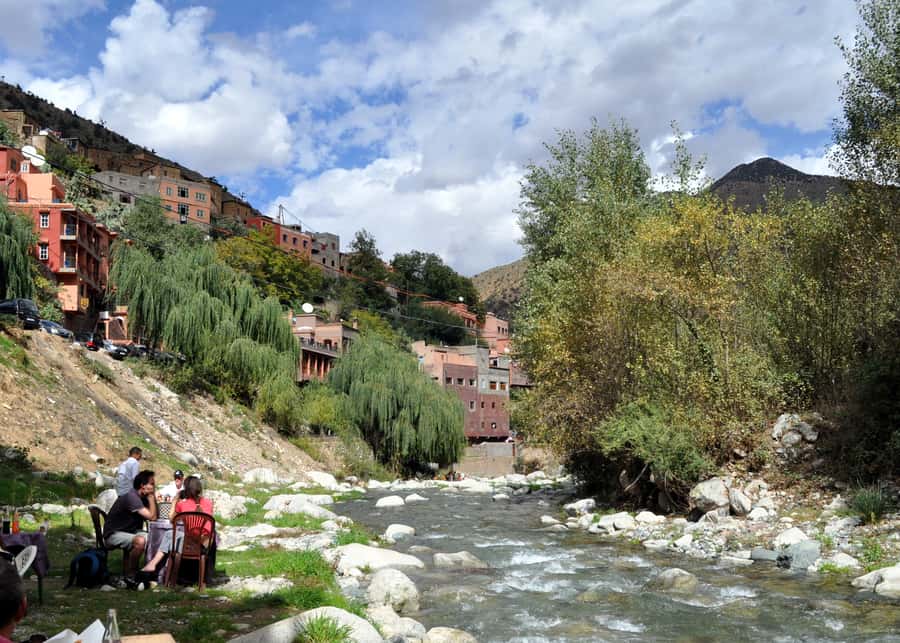
Lunch is typically at your leisure once you’re back near the streamside cafés. Lunch isn’t included in the base price, but this is where the day becomes comfortable again: you can sit near running water under shade, then choose what to eat.
A Berber tagine is a common order here, and it’s a good match for the valley setting. If tagine prices feel high to you, you can often choose simpler food options at nearby places. One practical strategy: treat lunch as a decision point. Eat early if you’re hungry and want good seating, or keep it light if you want to save for snacks later.
This is also when you can slow down your legs. Stretch a bit, drink water, and let your hike settle before you return to Marrakech.
Price and value: what $23 really covers (and what you should budget)
At $23 per person, this trip is a value-focused option because transportation is covered: pickup and an air-conditioned minibus ride with an English/French-speaking driver. That’s not nothing in Morocco, especially when you want comfort leaving Marrakech.
What isn’t included is also clear: lunch isn’t included, and a local guide isn’t included. The waterfall guide option is available for hire, and it’s worth considering if you want extra confidence on the steeper sections.
So the real budget math is simple:
- Base cost covers transport and the organized flow of stops.
- You’ll likely spend extra on lunch.
- If you hire a local guide for the waterfall walk, budget for that too.
What makes the experience feel smooth: drivers and on-the-ground help
A lot of this day trip’s quality comes down to the people driving and coordinating. Many days are run with friendly, helpful drivers such as Mohammed, Mohamed, Maxim, or Abdelaali, and they often take extra care with breaks and the overall pace.
Some guiding at the waterfall can also be excellent. For example, a local guide named Khalid has shown up in people’s experiences as kind, friendly, and effective at getting through the walk. The point for you: when you get a good driver and a capable local guide, the trip feels safer and less stressful, especially in a crowded waterfall area.
Also pay attention to comfort details like air conditioning. Most transport is described as air-conditioned, but there have been reports of “air conditioning” not feeling powerful in the way you might expect. Plan for Moroccan heat by carrying water and using breaks wisely.
Practical tips that make your day easier
If you take nothing else from this review, take the shoes note seriously. The path can be steep and slippery, and one of the most common pieces of advice is: wear trainers or solid walking shoes.
Beyond that, I’d do these:
- Bring your passport or ID card, since pickup and tour checks rely on it.
- Wear shoes with grip for uneven stones and slick spots near water.
- Keep water with you. The walk can be tiring, and it’s easy to underestimate how much effort you’ll use in mountain terrain.
- If you’re sensitive to crowds, be ready for busy days at Setti Fatma and at popular market hours.
Who this day trip suits best
This is best for you if you want:
- A straightforward way to see the High Atlas foothills without multi-day planning
- Local culture time in the market and Berber household stop
- A nature activity that’s a hike, not a full trek
- A day that still includes plenty of sitting and eating by the stream
If you want a fully relaxed day with no steep walking, consider a gentler approach at the waterfall section or ask about the level of the walk when you arrive. And if accessibility is a priority, this trip isn’t suitable for wheelchair users based on the stated limitations.
Should you book this Ourika Valley day trip from Marrakech?
Book it if you want a high-value day that mixes Berber market life, an argan oil learning stop, and a genuinely enjoyable waterfall walk—all within about 6.5 hours. It’s also a smart choice when you’re short on time in Marrakech but still want more than city sightseeing.
Skip it or adjust expectations if you dislike strenuous climbs, travel with mobility limitations, or want a quiet, uncrowded nature moment. The hike is the core of the experience, and the day can feel busy in peak seasons.
Also, if you like flexibility, this activity offers free cancellation up to 24 hours in advance for a full refund, and reserve now, pay later options are offered. That lowers the risk if you’re juggling weather or fitting this into a full Marrakech schedule.
FAQ
How long is the Ourika Valley day trip from Marrakech?
The duration is 390 minutes, which is about 6 hours 30 minutes.
Where do I get picked up in Marrakech?
Pickup is included at your hotel or riad in Marrakech, or at the nearest accessible point. The Jemaa el-Fnaa Square area is mentioned as a pickup reference point.
What’s included in the price?
It includes pickup, transportation by air-conditioned minibus, and an English/French-speaking driver.
Is lunch included?
No. Lunch is not included in the price.
When is the Tnin Ourika Berber market and when is it busiest?
The Tnin Ourika market operates every day, but Mondays are much busier and livelier.
Do I get a local guide for the waterfall walk?
A local guide is not included. Local guides are available for hire for the light trek to the waterfalls.
Is the trip wheelchair accessible?
No, it is not suitable for wheelchair users.
What should I bring, and is cancellation refundable?
Bring your passport or ID card and comfortable shoes. The trip offers free cancellation up to 24 hours in advance for a full refund.