REVIEW · OURIKA VALLEY
Ourika Valley Day Trip from Marrakech with Guide & Lunch
Book on GetYourGuide →Operated by marrakech best trips · Bookable on GetYourGuide
A waterfall hike, 60 km from Marrakech. This day trip turns a simple drive into Berber village life and an Atlas Mountains climb with real payoffs: views, falls, and a lunch break by the river. I especially liked the stop at a women’s argan oil cooperative and the chance to see daily life inside a Berber home, including a traditional mill powered by river water. The only thing to plan for is a hike that can be slippery or crowded depending on season, plus some waiting in the Setti Fatma area.
You get a lot of Moroccan texture in just 8 hours: mint tea, river sounds, walnut trees, and those postcard-worthy mountain overlooks that make you stop mid-sentence and take another photo. Guides like Mostafa and Said (among many) often help with pacing and—crucially—where to stand for the best shots. One caution: this is a shared trip, so you’ll follow the group timing even if you’d like to linger.
If you want a quick escape from Marrakech without the stress of figuring out transport, this is a strong pick. It’s also ideal if you like structured days where someone handles the tricky parts—meeting points, timing, and the hike route—while you just enjoy the valley.
In This Review
- Key highlights at a glance
- Why the Ourika Valley day trip works (even if you’re short on time)
- Getting there from Marrakech: old Medina, then Atlas views
- Berber house visit: mint tea and the sound of daily life
- Argan oil and the women’s cooperative: what you’ll actually see
- Setti Fatma: where the waterfall hike begins
- The hike to the waterfalls: strength, footing, and a guide who helps
- Lunch by the river: where the day slows down
- The drive back to Marrakech: direct and practical
- Value and pricing: why $12 can feel like a steal
- Who this day trip fits best (and who might want a different option)
- Tips that make a noticeable difference
- Should you book the Ourika Valley day trip?
- FAQ
- How far is Ourika Valley from Marrakech?
- How long is the tour?
- What’s included in the price?
- Is lunch included?
- Are drinks included with lunch?
- Is pickup available from my hotel?
- What kind of hike is it?
- What should I bring?
- What languages are guides available in?
- Can I cancel?
Key highlights at a glance
- A short drive that feels like a full reset from Marrakech into the Atlas Mountains
- Berber house visit with mint tea and a river-powered mill
- Women’s argan oil cooperative plus aromatic gardens and medicinal plants
- Setti Fatma as your hike base, with a local guide leading the way
- Waterfalls hike through walnut trees, with photo-friendly viewpoints
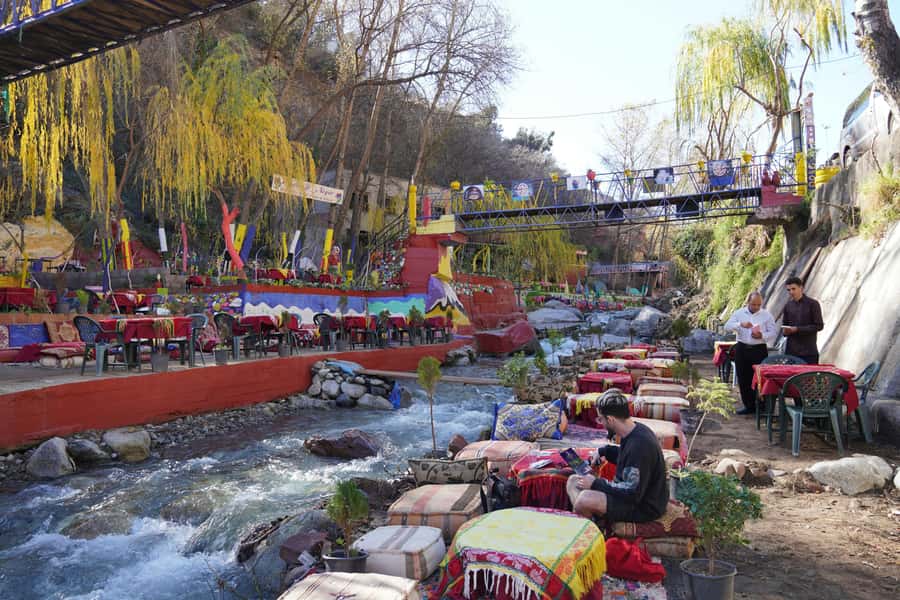
- Lunch by the river in a scenic restaurant setting
Why the Ourika Valley day trip works (even if you’re short on time)
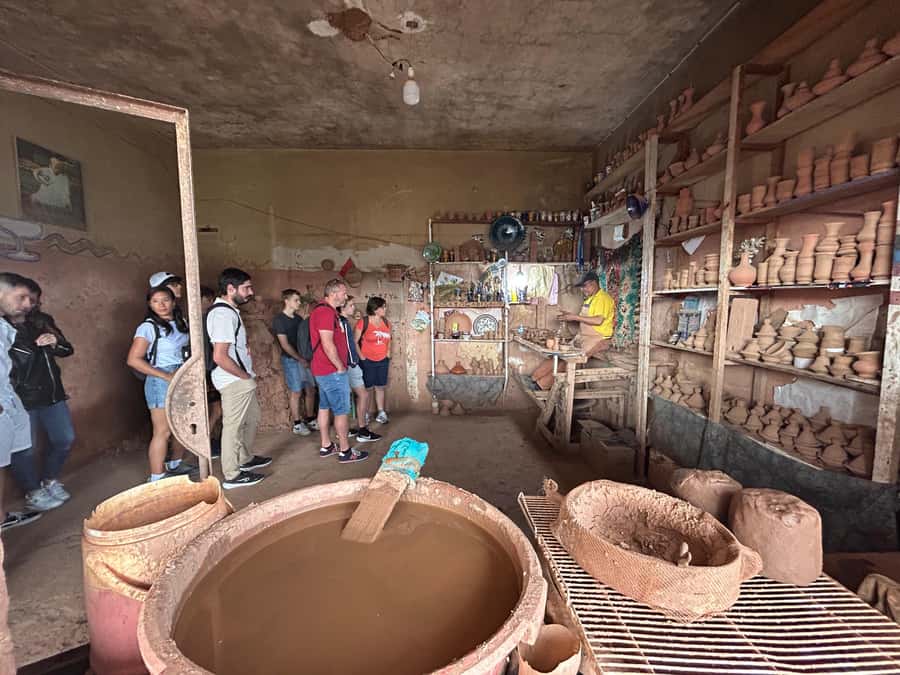
Ourika Valley is close enough to do as a day trip, but far enough to feel like a different world. You trade Marrakech’s busy streets for river life, mountain air, and small villages tucked into steep valleys. The route is part of the fun too. You’ll drive through scenic stretches and pass viewpoints where the whole valley opens up in layers—perfect for photos and for that quick sense of scale you don’t get from within the city.
What makes this tour stand out is the rhythm. It’s not just “drive, hike, done.” You get cultural stops that explain how people live and work here, then you earn the waterfalls with a guided walk. That balance matters when you’re comparing options, because a cheap outing that skips the meaningful parts often ends up feeling rushed and shallow.
Getting there from Marrakech: old Medina, then Atlas views
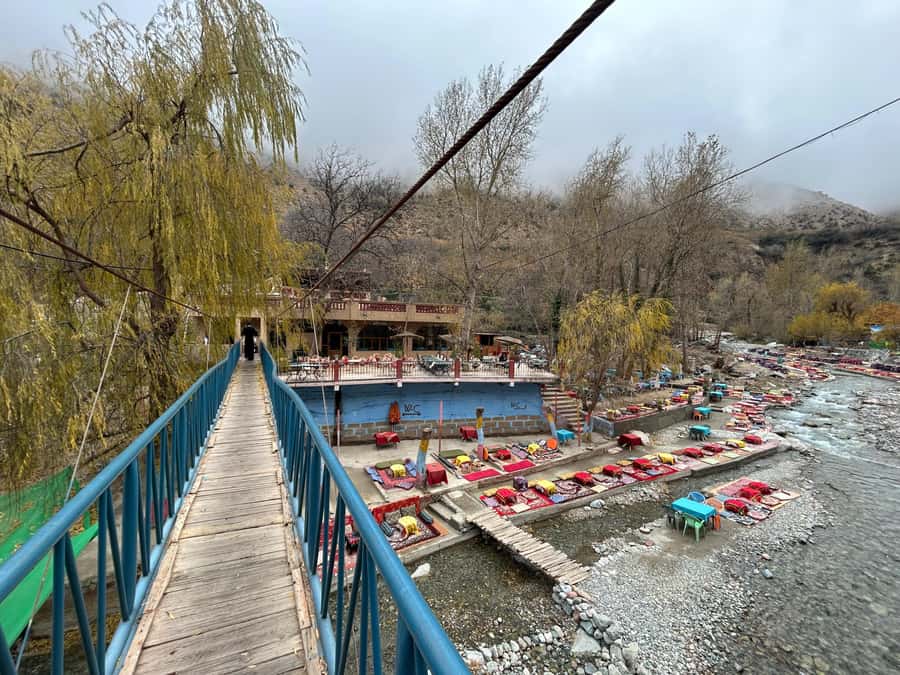
Your day starts with hotel pickup in Marrakech, and you head out toward the Ourika region by air-conditioned car. If your hotel is inside the pickup zone and the road is accessible, pickup is from your accommodation. If not, you’ll meet the group at the nearest car-accessible point.
The drive itself is timed so you’re not stuck staring out a window for hours. On the way, there’s typically a viewpoint stop where you can photograph the Berber villages from higher ground. Expect it to be one of those moments where everyone gets a little quieter because the scenery is doing the talking.
Practical note: bring sunglasses and a sun hat. Even in cooler months, the ride and valley stops can put you under strong light.
Berber house visit: mint tea and the sound of daily life
One of my favorite parts is the Berber home stop. This isn’t just a quick photo op. You’re shown the different parts of the house and invited into the pace of everyday life—tea first, then questions, then a slow tour guided by family members.
Two details make this stop especially worthwhile:
- Mint tea in a Berber house gives you a real cultural welcome, not a canned “tourist tea.”
- The traditional mill powered by river water connects the valley’s geography to work people do every day.
If you like understanding how communities actually function, this is the kind of stop that sticks in your memory. It also helps you enjoy the rest of the day more. After seeing how water and land shape daily life, the later hike to waterfalls feels less like a random attraction and more like the valley’s natural “center.”
Argan oil and the women’s cooperative: what you’ll actually see
Another highlight is the visit to a women’s argan oil cooperative (including time at تعـاونية أمل أوريكة). This stop is designed to show the production process behind cosmetic products and argan oil—so you’re not just buying a jar and moving on.
You’ll also find an aromatic garden and medicinal plants during this part of the day. It’s a sensory stop as much as it’s an educational one. Smells, textures, and simple explanations help you understand why argan oil is so valued locally: it’s tied to practical use, not just marketing.
About shopping: there are chances to browse. From what I’ve seen on this kind of visit, these are usually straightforward and not pushy. Still, it’s smart to go in with a plan—decide what you want (oil, soaps, creams, or herbal items) so you don’t end up overspending just because everything looks interesting.
Setti Fatma: where the waterfall hike begins
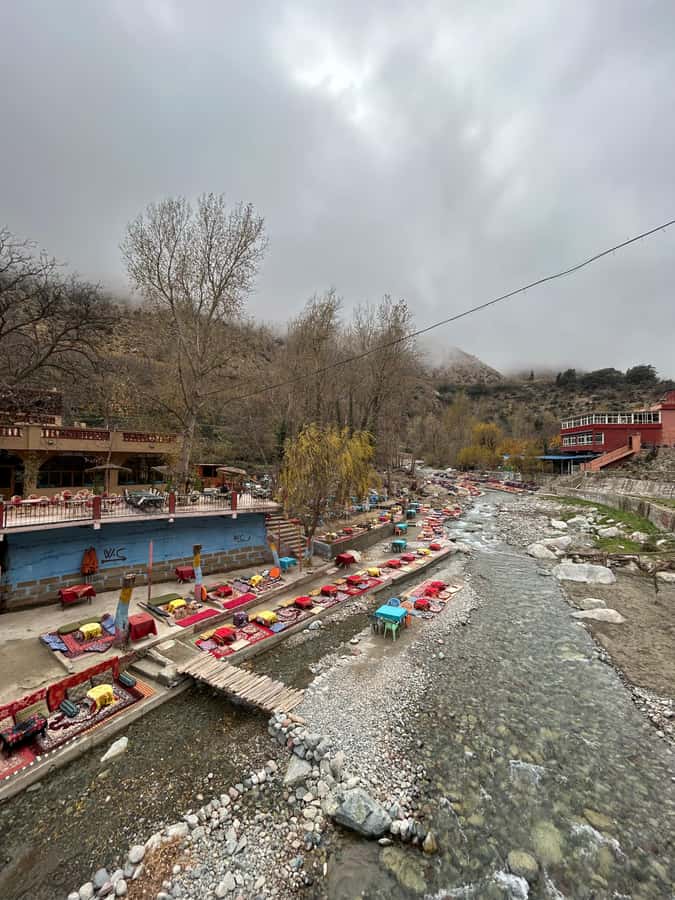
After the cultural stops, you reach Setti Fatma, the main village area of the Ourika Valley. There’s time for a restroom break and then you shift from valley visiting mode into hiking mode.
Setti Fatma works well as a base because it’s close to the trails and keeps the day moving. You meet your local mountain guide here, and then the hike begins through walnut trees. Even if you’re not a “hiker,” you’ll be walking on a route that feels purpose-built for getting to the cascades.
One consideration: Ourika Valley can be busy. You may see waiting lines during the walk up, depending on when you go and conditions on the trail. This isn’t the kind of place where you’ll always find quiet solitude—so pack patience along with your water and snacks.
The hike to the waterfalls: strength, footing, and a guide who helps
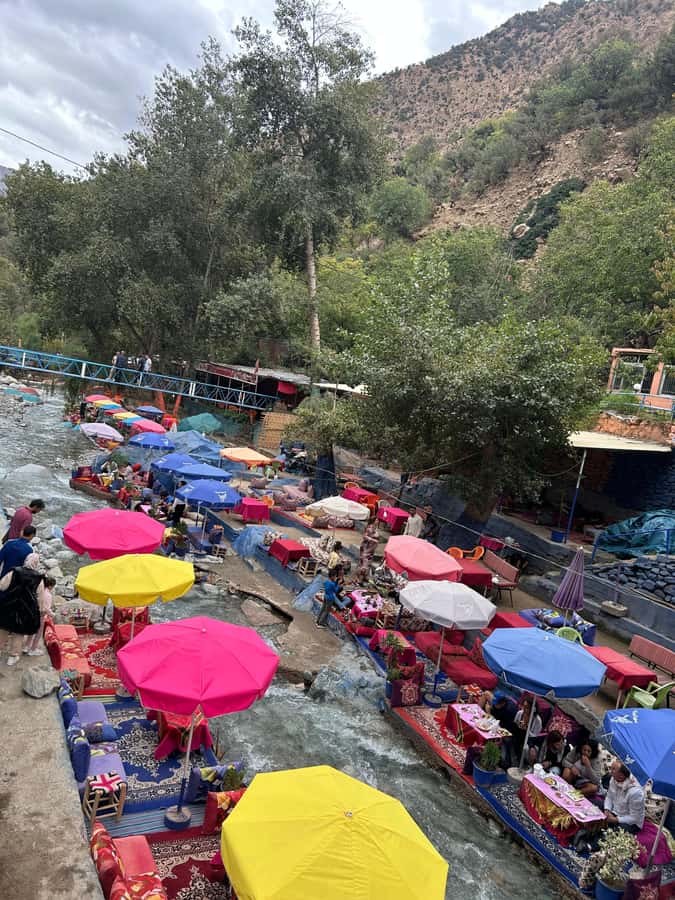
This is the heart of the day. The hike up to the waterfalls typically takes around an hour and a half on the trail route, with the local guide managing pacing and safety.
Here’s what to expect on your feet:
- You’ll climb steps and negotiate large stones in places.
- The footing can get sketchy if conditions are slick. Some seasons bring snow or slippery patches, and hikers have mentioned it firsthand.
- If you’re nervous about heights or uneven ground, tell your guide early. Several guides on this route are very used to adjusting for comfort.
The best part is that you usually don’t hike alone. Local guides lead the way and help you navigate around tricky sections. People also mention extra-photo help—guides directing where to stand and when to move for better angles.
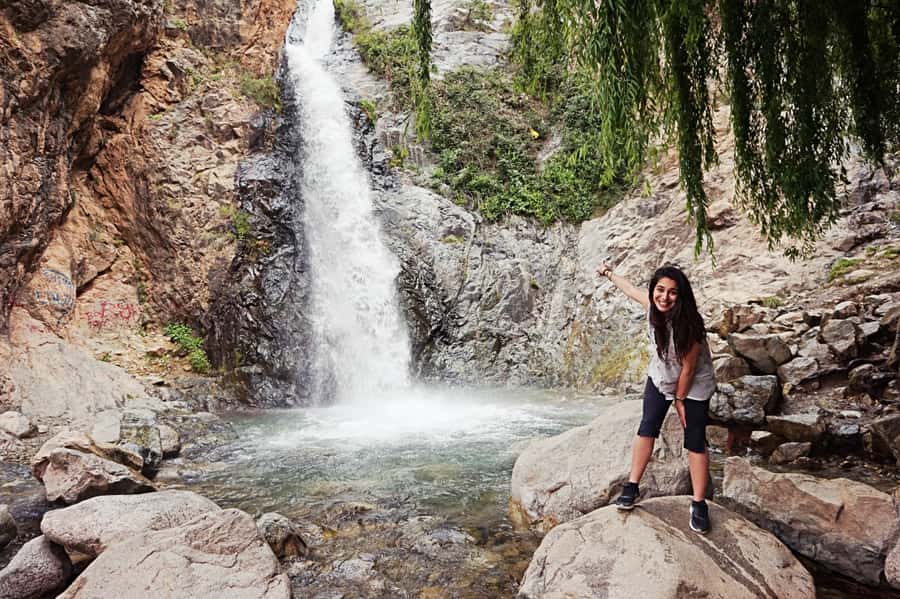
When you reach the falls, the payoff is immediate: water, mountain air, and that satisfying feeling of earned views. In some conditions, the hike can take you toward additional cascades (some guides have been noted for leading groups to extra waterfalls), so you might find there’s more to see than you expected.
Lunch by the river: where the day slows down
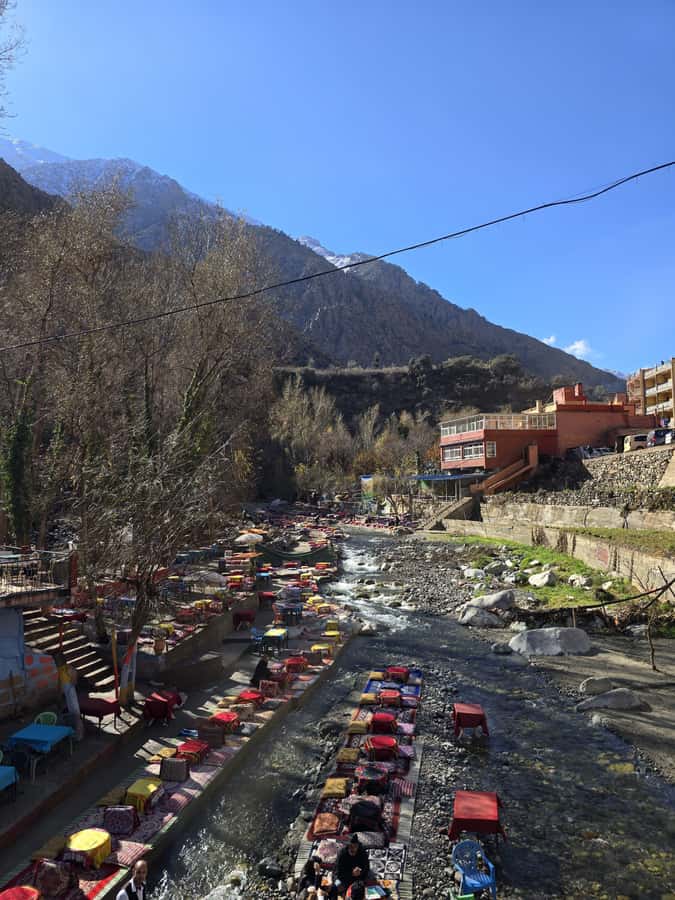
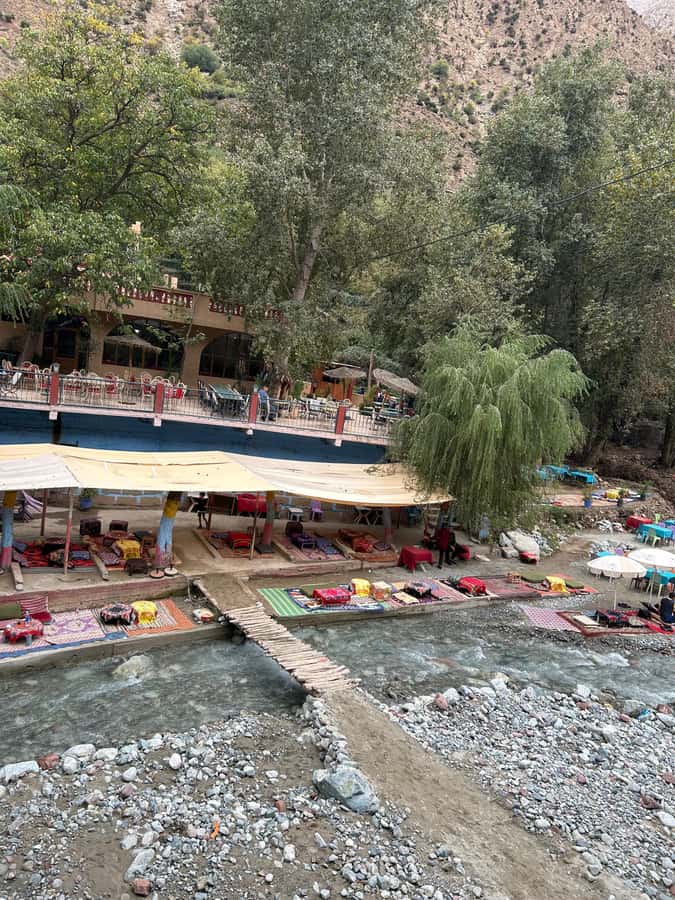
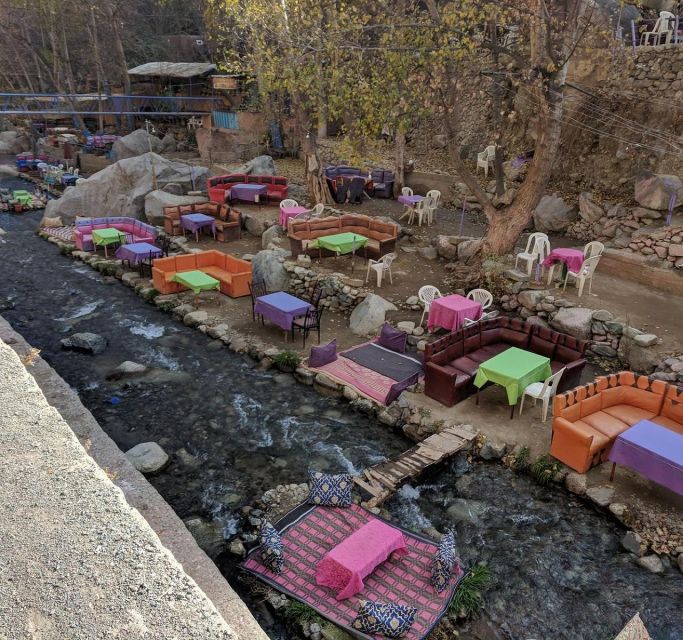
After the hike, lunch is served back in the valley at a restaurant by the river. This is the kind of meal break that restores energy fast—because you’ve used your legs and your appetite has caught up.
I like this lunch setup because it removes decision fatigue. You don’t have to find a spot, ask for menus, or worry about timing. Reviews and experience descriptions consistently point to a traditional Moroccan lunch and a pleasant setting with river views. Also, there’s often flexibility for needs like vegetarian options if you communicate them.
A small but important tip: hydrate before and after the hike. Valley days can feel cooler in the mountains, but you’re still walking, and the afternoon sun can sneak up.
The drive back to Marrakech: direct and practical
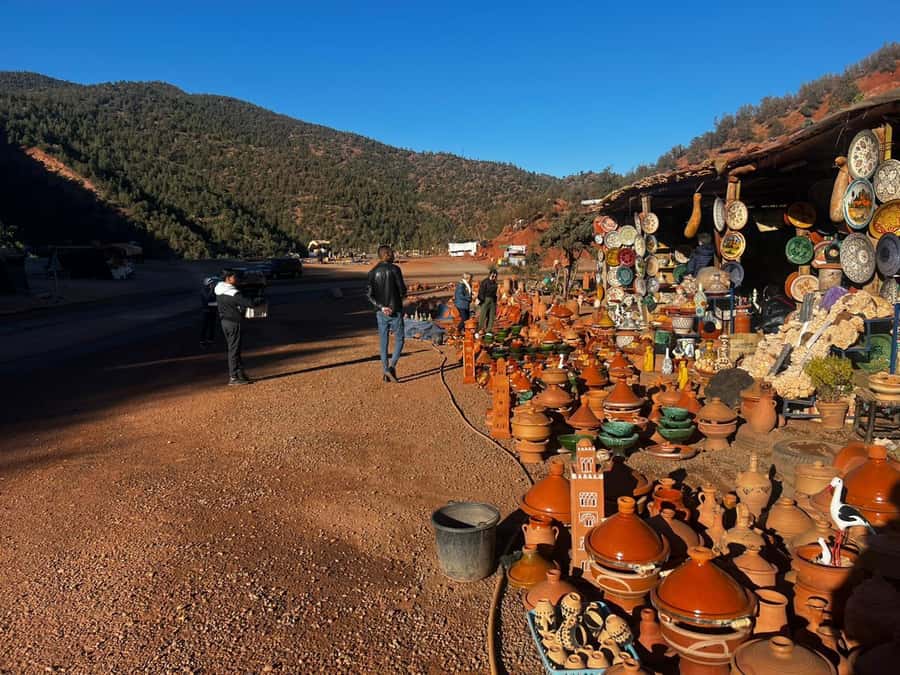
Once lunch and the valley time wrap up, you head back toward Marrakech in the same air-conditioned car. The return is direct, which keeps the day from dragging.
Expect a calm finish rather than a “one last stop” shopping sprint. The earlier parts already include the main cultural and scenic moments, so the drive home feels like a landing.
Value and pricing: why $12 can feel like a steal
At $12 per person for an 8-hour guided day trip, the value is hard to ignore—especially because the day includes hotel pickup and drop-off, transportation in an air-conditioned car, a local guide, entry to Setti Fatma, and guided cultural stops. You’re also getting mint tea and time at a women’s argan cooperative, plus the waterfall hike with a mountain guide.
A realistic way to think about it: you’re paying for logistics and for access—someone has arranged the cultural visits, guided walking portion, and the rhythm of the day. If you tried to DIY this with public transport or taxis, you’d likely spend more on time, planning, and transport coordination.
The only reason this could feel “less good” is if you’re expecting a totally private, no-waiting, all-slow-and-lazy itinerary. This is a shared format. You’ll go when the group goes.
Who this day trip fits best (and who might want a different option)
This trip is ideal if:
- You want a guided waterfall hike without figuring out trail logistics.
- You like cultural stops that explain local work—like argan production and Berber household life.
- You’re visiting Marrakech and want one real nature-and-culture day within reach.
Consider another option if:
- You dislike crowds. Setti Fatma and the hike area can get busy.
- You’re looking for a very relaxed stroll rather than a climb with uneven footing.
- You want complete control over pacing and time at each stop. This tour follows a set schedule.
Tips that make a noticeable difference
Bring comfortable shoes with grip. The trail can be rocky and slippery depending on season. If you’re hiking in winter conditions, pay extra attention to traction.
Plan for photo time. There are multiple viewpoints and moments where guides help with angles. If you like photography, this is the kind of day where you’ll use your camera more than you expect.
For purchases, shop with intent. The argan cooperative and related stops are where you’ll likely find the most authentic, explained products. If you want souvenirs, this day is a logical time to buy—but you’ll still want to compare with your own priorities, like skin type or what products you actually need.
Should you book the Ourika Valley day trip?
I think you should book it if you want a full day that blends Moroccan culture and real mountain nature without the planning headaches. The combination of Berber house storytelling, an argan cooperative visit, and a guided hike to waterfalls is exactly the kind of itinerary that makes a short trip to Morocco feel big.
If you’re mainly after solitude or an easy walk, you might feel the shared-group pace and the occasional busy trail. But for most visitors—especially first-time Morocco travelers—this is one of the best ways to turn a single day outside Marrakech into something you remember for months.
FAQ
How far is Ourika Valley from Marrakech?
Ourika Valley is about 60 km from Marrakech.
How long is the tour?
The duration is about 8 hours.
What’s included in the price?
Hotel pickup and drop-off, air-conditioned transportation, a local guide, mint tea in a Berber house, a women’s argan oil cooperative visit, and entry to Setti Fatma.
Is lunch included?
Yes. Lunch is part of the day in the Ourika Valley, by the river.
Are drinks included with lunch?
Drinks are not included.
Is pickup available from my hotel?
Pickup is available from accommodations inside the pickup zone if accessible by car. If not, you’ll be picked up from the nearest car-accessible meeting point.
What kind of hike is it?
You’ll walk/hike up toward the waterfalls from Setti Fatma with a mountain guide. The route can include steps and uneven stones.
What should I bring?
Comfortable shoes, sunglasses, and a sun hat.
What languages are guides available in?
The driver and experience team may speak French, English, Spanish, or Arabic.
Can I cancel?
Free cancellation is available up to 24 hours in advance for a full refund.