REVIEW · MARRAKESH
Marrakech: Ourika Valley Waterfalls & guided hike
Book on GetYourGuide →Operated by Get Excursion SARL · Bookable on GetYourGuide
Seven waterfalls start with a short drive. This Ourika Valley day trip trades big-city pace for Atlas Mountains views and the kind of small moments that make Morocco feel personal. I like that you get real Berber hospitality (tea and a family visit) plus a guided walk that helps you reach the waterfalls without turning the day into a solo struggle.
What I also like is how the day is paced: scenic stops for photos, an argan oil cooperative visit, and then time by the Ourika River for your own pace. One drawback to plan for: the hike may be described as easy, but the paths can be uneven, slippery, and steep in spots—so your shoes matter more than you think.
In This Review
- Key highlights that make this Ourika day feel worth it
- Marrakech to Setti Fatma: the morning rhythm into the Atlas
- Why this drive part is more valuable than it sounds
- Berber villages and tea hospitality: a small stop with big payoff
- What to watch for
- The argan oil women’s cooperative stop: more than a tourist checkbox
- Why this is worth your time (even if you’ve heard argan before)
- Setti Fatma and the waterfall hike: what you’re really signing up for
- How the hike usually feels
- A practical caution: weather can change the trail
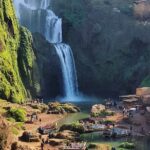
- The waterfalls: your payoff at the end of the trail
- Lunch and riverside time on the Ourika River: rest, eat, reset
- How to use your riverside break well
- Guides and drivers: the real secret sauce
- Language support actually matters here
- What to pack for a waterfall day that doesn’t punish you
- Price and value: why $10 can work if you manage expectations
- The expectation sweet spot
- Who should book this Ourika Valley waterfalls tour
- Should you book this Ourika Valley waterfalls tour?
- FAQ
- What time does the tour usually start in Marrakech?
- How long is the day trip?
- Is the hike to the waterfalls difficult?
- Do I have time to skip the hike?
- What is included in the price?
- Is lunch included?
- Are drinks included?
- What should I bring?
Key highlights that make this Ourika day feel worth it
- Berber family home tea: you’re not just passing through; you’re welcomed in for a cup and a chat.
- Argan oil women’s cooperative visit: a practical demo and tasting-focused stop, with guides who explain without pressure.
- Guided hike to the waterfalls: local help on the ascent, plus support when footing gets tricky.
- Photo stops with panoramic views: you’ll have real chances to shoot the valley, not just quick pull-offs.
- Time by the Ourika River: you can eat, rest, and watch the water while the day winds down.
Marrakech to Setti Fatma: the morning rhythm into the Atlas
Most days start with hotel pickup in Marrakech. The meeting point is often right by your riad or hotel entrance, but if your street is too narrow for the van, you’ll be directed to a nearby spot on foot. Then you’re off in a small group in a mini-van—typically leaving around the 9am range.
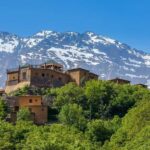
The first stretch is all about changing scenery. You’ll get a steady build-up of Atlas Mountain atmosphere: villages along the route, road-side views, and frequent chances to stop for photos. One thing that stood out in how the day runs is that the drivers and guides treat the trip as a full experience, not just transportation. People praised drivers like Jamal, Hassan, Hicham, and Yassine for being punctual, friendly, and good at adjusting the day when needed.
Why this drive part is more valuable than it sounds
You might be tempted to think the drive is just the intro. But here’s the catch: the valley views and Berber villages on the way are part of what you came for. When the route is done well, you arrive to Ourika already in the right mood—camera ready, hydrated, and calm enough to enjoy the later hike.
Berber villages and tea hospitality: a small stop with big payoff
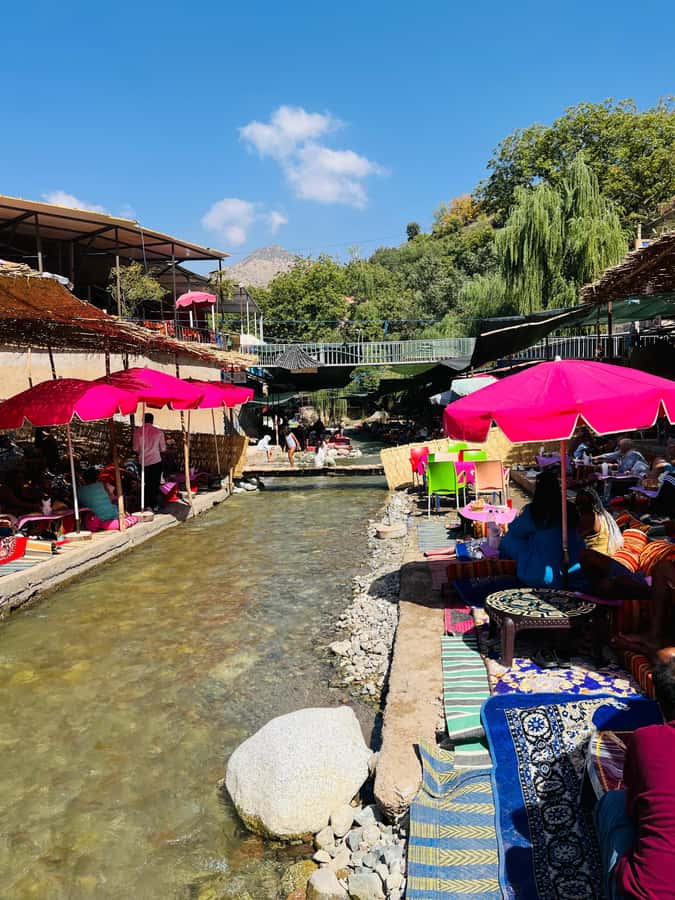
A key moment on this trip is the Berber hospitality stop. You’ll visit a family house and usually get time for tea. It’s not a museum-style performance. Instead, you get a real sense of daily life—warm welcome, a bit of explanation, and that Morocco feeling where conversation starts naturally.
In recent trips, guides like Majed and Mustafa were specifically praised for being helpful and supportive, especially when people needed extra time or guidance. Even when conditions were not perfect (rain was mentioned), the tone stayed relaxed—tea, photos, and then moving on together.
What to watch for
If you’re shy about speaking, don’t worry. You don’t need a fluent script. The value is in the interaction and hospitality, and guides can help with context, including the names of places and what you’re looking at.
The argan oil women’s cooperative stop: more than a tourist checkbox
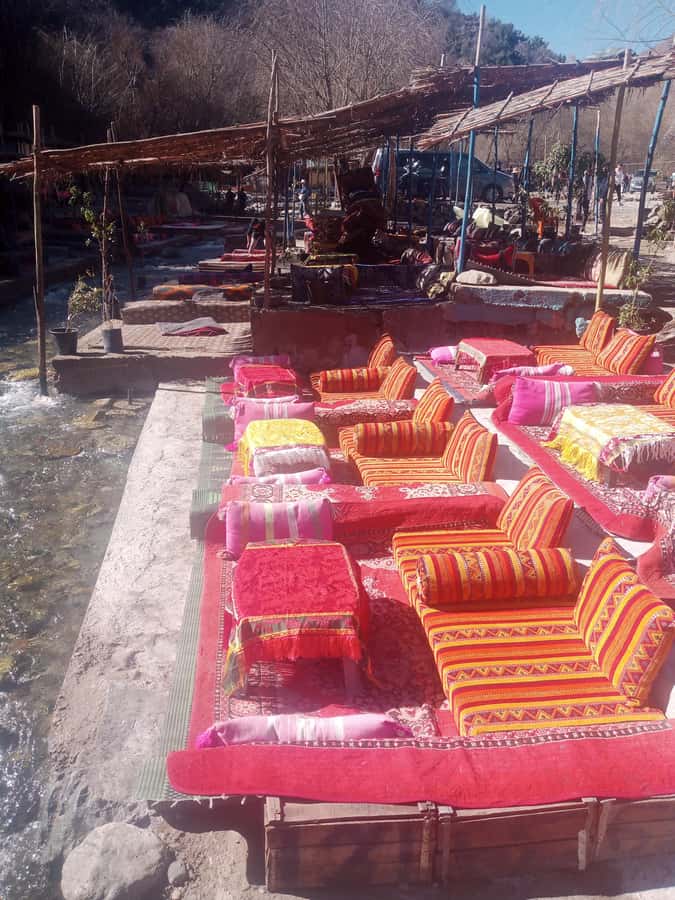
On the way to Setti Fatma, the van stops at a women’s cooperative focused on argan oil. Expect a demonstration of how argan products are made and a tasting component—often including local-style sweet or nut-based options.
This is one stop where the details matter. Several people noted that the cooperative felt authentic and welcoming, especially because it didn’t turn into aggressive sales. Guides such as Said and tour leaders in the car often explained what you’re seeing, and some visitors said they appreciated the respectful pacing and non-pushy approach.
Why this is worth your time (even if you’ve heard argan before)
Argan oil is common in souvenir form, but the cooperative visit gives you the human context: who makes it, why it matters, and what the process involves. It’s also a good break from sitting in the van—your legs get movement and your mind gets a story.
Setti Fatma and the waterfall hike: what you’re really signing up for
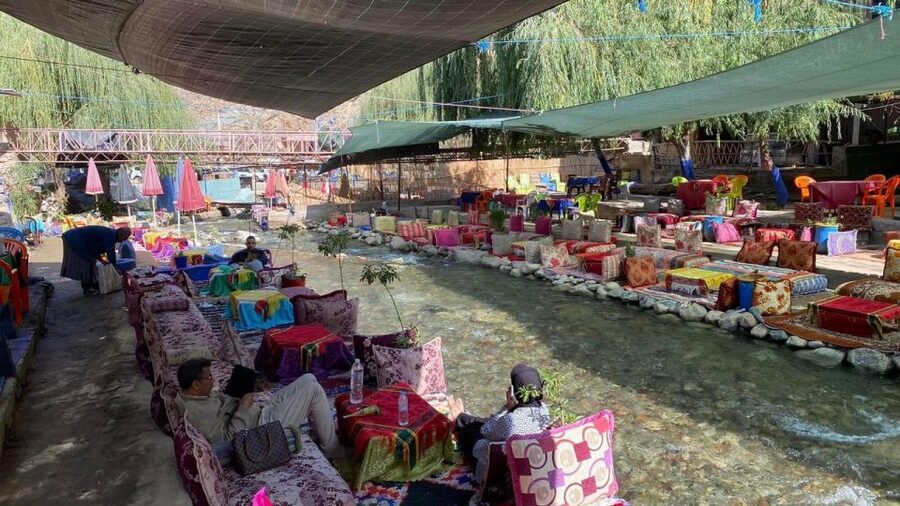
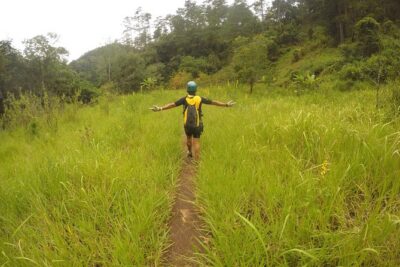
Once you reach the Setti Fatma area, you meet the local guide for the waterfall hike. The walk is often described as not too hard, and it’s true in the sense that the group is typically not doing extreme mountaineering. But I want you to plan realistically: the trail can involve uneven footing, rocky sections, and changes in elevation.
Local guides like Abdul, Said, Kamal, and Saheed were repeatedly praised for support on the climb—especially for people needing extra help. One person even mentioned hand-holding support for a child during the ascent and descent. Another described skipping the hike entirely because of pregnancy, and still enjoying the day comfortably at the riverside restaurant.
How the hike usually feels
- You start with a guided route toward the waterfalls, with occasional picture moments.
- As you get closer, the views open up and the sound of water becomes louder.
- At the waterfall, you get time to enjoy the refreshing spot, take photos, and regroup.
- Then you walk back down, still with guide support where needed.
A practical caution: weather can change the trail
Rain and thunderstorms came up in a few experiences. If the path is wet, it can feel harder than it looked on a sunny day. If you’re thinking shoes are optional, don’t. Bring comfortable shoes with solid grip. If you’re traveling in colder seasons, you may also want a light layer—one group noted they were provided blankets when the sun disappeared.
The waterfalls: your payoff at the end of the trail
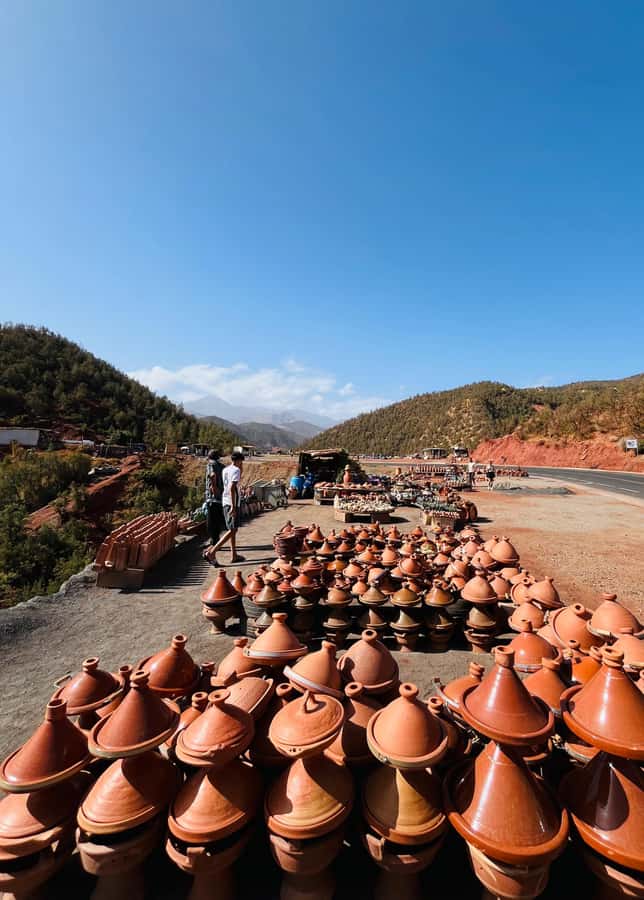
The reason you do the hike is the waterfalls. And when you reach them, it hits in a simple way: water volume, cool air, and the Atlas backdrop around you. It’s not just a viewpoint. It’s a moment where the day finally feels earned.
Many people described the view as overwhelming in the best way—especially when the climb was supported well by the guide. If you want the best experience, aim to slow down at the main waterfall area. Don’t race through your photos. Give yourself a few minutes to listen and look around. That’s when the scenery stops being background and becomes the memory.
Lunch and riverside time on the Ourika River: rest, eat, reset
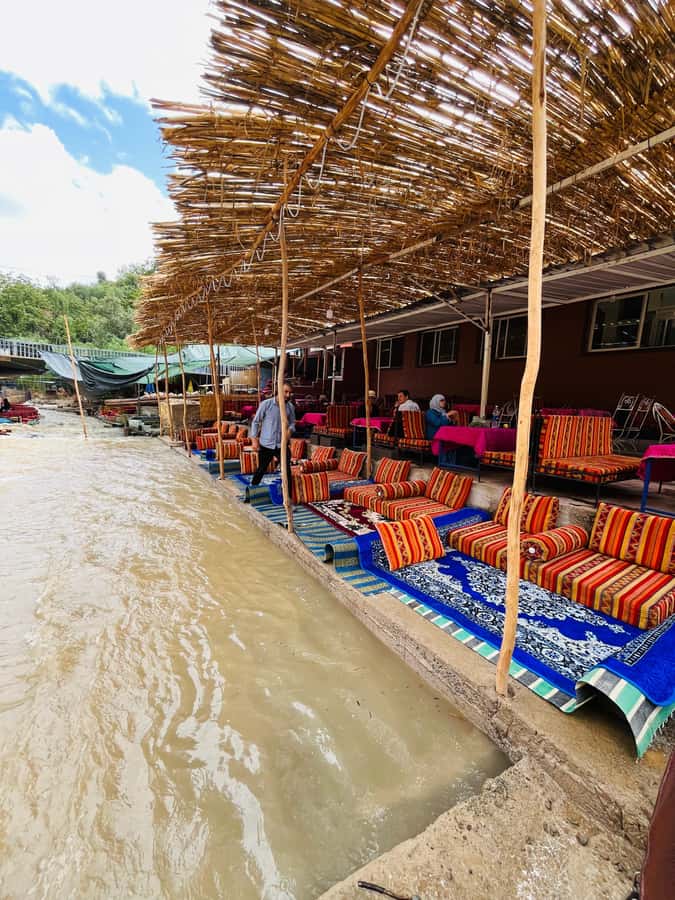
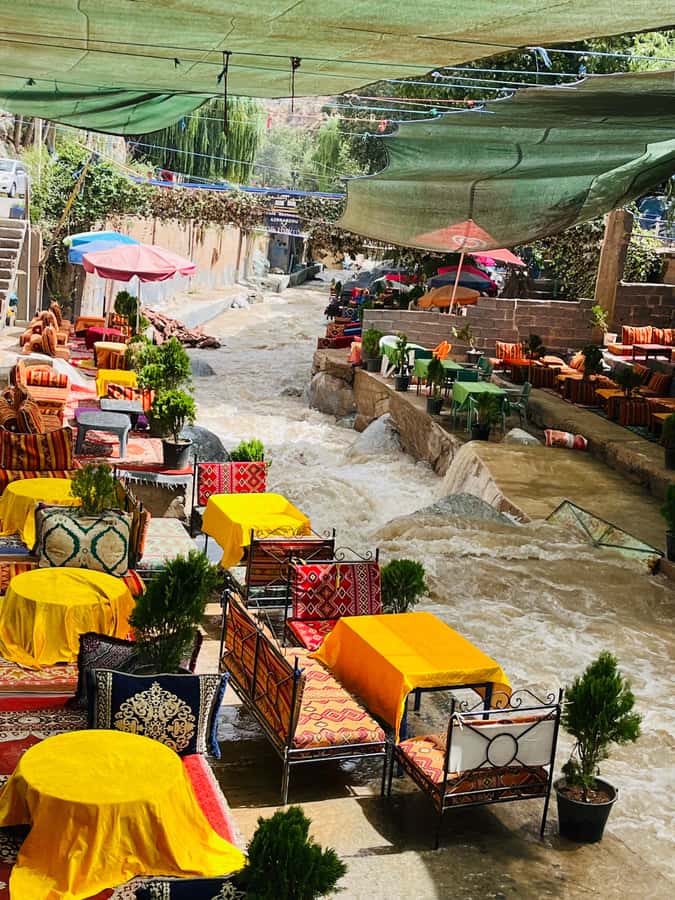
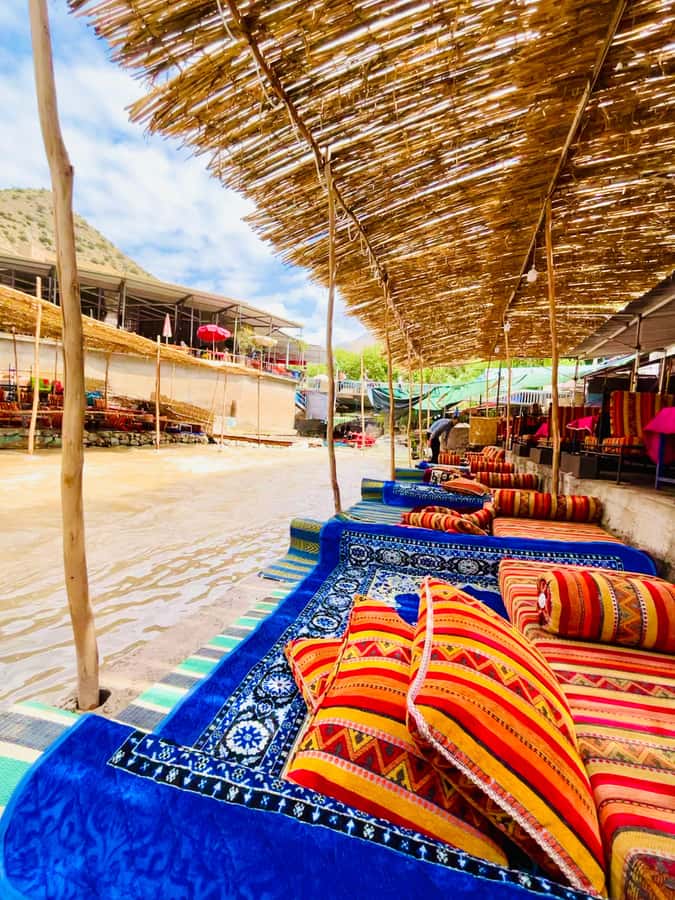
After the hike, you head to a riverside restaurant area near the Ourika River. Then you get free time to eat and relax—often around a two-hour window.
Important detail for budgeting: the trip information states that lunch and drinks are not included. Still, the restaurant time is a built-in part of the day, and people reported enjoying set meals there (one person described a three-course menu they found worth it). So plan on paying for your meal on site, then enjoy the setting while you eat.
How to use your riverside break well
If you want an easy win:
- Sit near the water if you can—shade and sound make a difference.
- Bring cash for small extras.
- If it rained earlier, the ground may be damp. Choose a spot and pace yourself.
This is also where you can choose your comfort level. If you didn’t want to hike (or needed to adjust because of mobility concerns), this riverside time is the fallback option that keeps the day enjoyable.
Guides and drivers: the real secret sauce
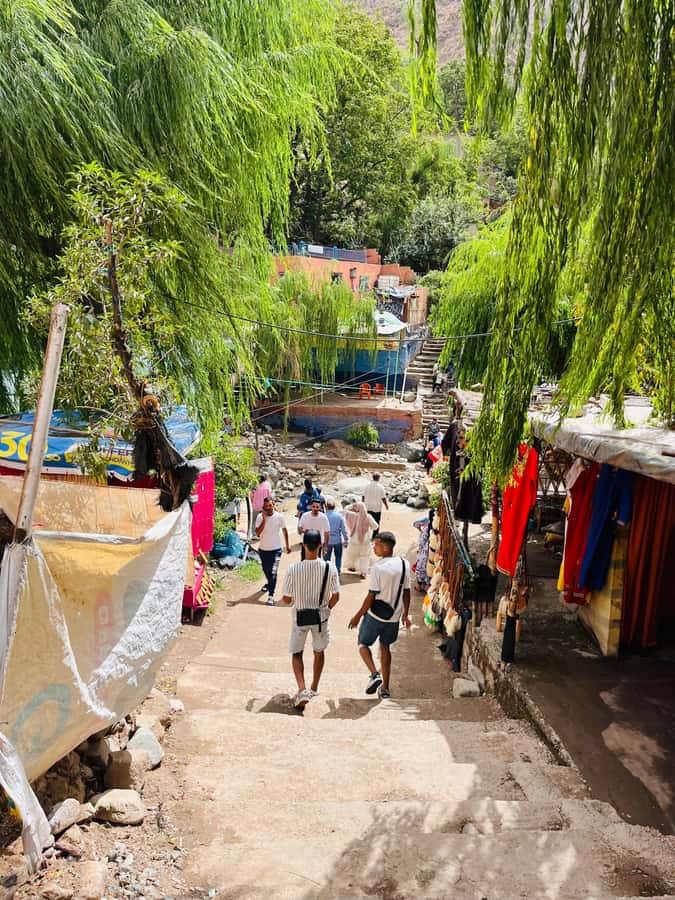
This tour lives or dies on people skills. And the scores reflect that.
I saw repeated praise for punctuality and helpfulness from drivers like Majed, Jamal, Mohamed, Hassan, Hicham, and Yassine. Several guides were mentioned by name for walking support and for explaining plants, herbs, and the area along the trail.
One standout pattern: guides often adapted for the group. People with back pain, kids, or pregnancy situations received extra care. That means the day doesn’t feel like you either suffer or you don’t. It’s more like you get supported so you can participate in the way you need.
Language support actually matters here
Some visitors were only English-speaking, and still felt well included. That came down to guides and drivers switching between French and English and communicating clearly.
If language is a concern, this kind of flexibility is a big deal. You’re here for connection to place, not to translation chaos.
What to pack for a waterfall day that doesn’t punish you
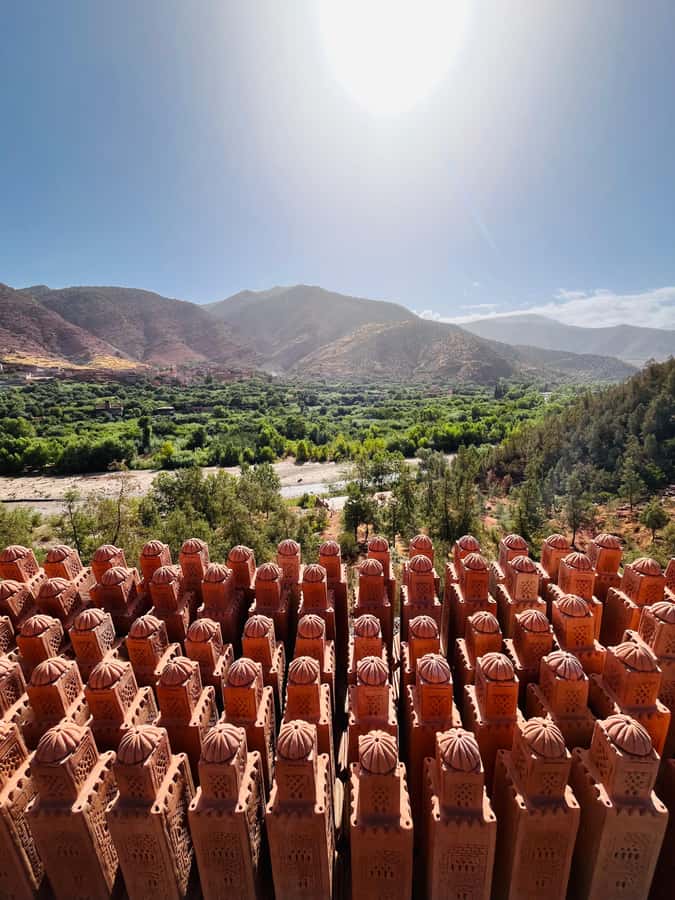
For this trip, the essentials are simple and very real:
- Comfortable, grippy shoes (not flip-flops, not smooth soles)
- Hat (sun exposure can be intense even when you feel cooled by mountain air)
- Camera (you’ll stop for photos more than once)
- Cash (helpful for cooperative tastings and restaurant purchases)
Also note what’s not allowed: alcohol and drugs. If you’re traveling with mobility devices, this tour is wheelchair accessible, but electric wheelchairs aren’t allowed. If you use a wheelchair, confirm your pickup location details since narrow streets may require a different meeting point.
Price and value: why $10 can work if you manage expectations
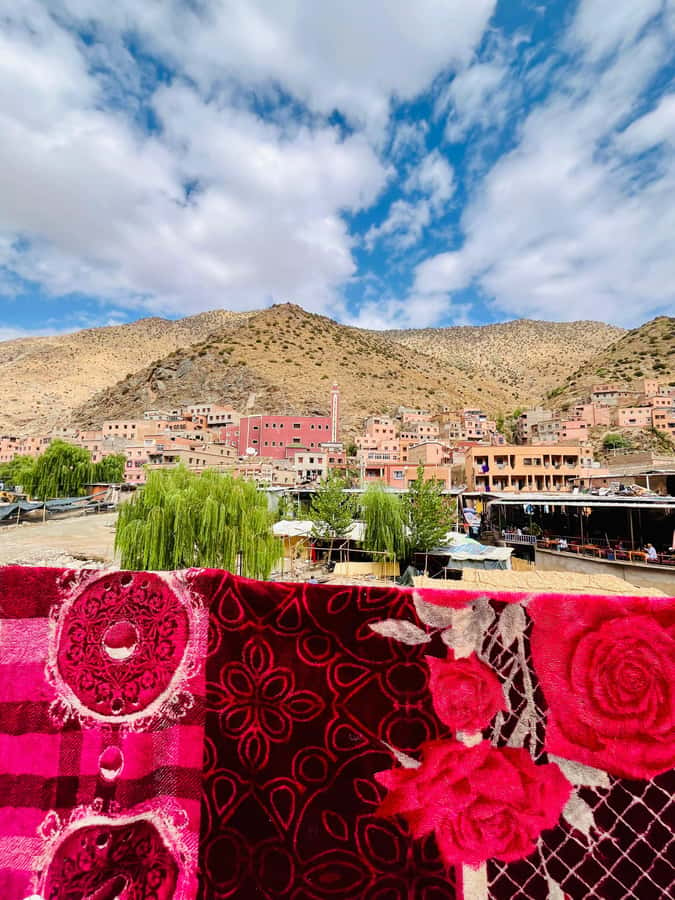
At $10 per person for a 7-hour day, the value is the main storyline. You’re paying for:
- hotel/riad pickup and drop-off
- transport in a mini-van
- scenic stops and panoramic photo opportunities
- visits connected to Berber life and argan production
- a local guide for the waterfall walk
- time to enjoy the riverside area
The obvious missing piece is food and drinks—those are not included. Also, this isn’t a private tour. You share the day. And the hike pace depends on the guide and the weather.
The expectation sweet spot
This tour is best if you:
- want a focused day trip without planning stress
- enjoy guided walking and local explanations
- are okay paying for lunch on your own
- understand that mountain trails can be a bit more physical than they look
If you want luxury comforts and zero uneven ground, you might be happier with a different style of tour. But if you want a real Atlas day for a real-world price, this is hard to beat.
Who should book this Ourika Valley waterfalls tour
Book it if you:
- want waterfalls plus Berber culture in one day
- like the idea of a short hike with guide support
- want a structured day without wasting time organizing transport
- appreciate photo stops and a cooperative visit that explains something practical
You might skip it if you:
- have very limited mobility and can’t handle uneven paths
- expect all-inclusive meals and drinks
- want a fully private experience with no sharing
Should you book this Ourika Valley waterfalls tour?
Yes—if you match the trip style. It’s built for people who want a classic Ourika day: Atlas drive, Berber tea, argan cooperative learning, and then a guided walk to the waterfalls with enough time to actually enjoy where you end up.
My final advice is simple: wear proper shoes and keep your expectations flexible for weather. If rain hits, the day can still be great with a good guide and smart pacing. With that mindset, $10 for a full guided day is the kind of value that makes Marrakech feel like more than a launch point.
FAQ
What time does the tour usually start in Marrakech?
Pickup is typically around the 9am range, and you’ll receive the exact details by WhatsApp the day before (including pickup time and van information).
How long is the day trip?
The total duration is about 7 hours.
Is the hike to the waterfalls difficult?
It’s described as a walk for everyone, but the trail can be uneven and may feel more intense when conditions are wet. Good grip shoes help a lot.
Do I have time to skip the hike?
Yes. If you’re not interested in hiking, you can stay at the restaurant by the river while the group goes for the waterfall visit.
What is included in the price?
Hotel/riad pickup and drop-off, transport, a local guide for the waterfall visit, photo stops, and a visit to the Berber women’s argan oil cooperative. Tea and Berber hospitality are also part of the experience.
Is lunch included?
Lunch is not listed as included. You’ll have free time near the river to eat, but you should plan to pay for it.
Are drinks included?
Drinks are not included.
What should I bring?
Comfortable shoes, a hat, a camera, and cash are recommended.