REVIEW · HO CHI MINH CITY
Long Tan and Nui Dat – Australian Battlefield one-day tour from Ho Chi Minh City
Book on Viator →Operated by Saigon Tours · Bookable on Viator
Long Tan’s story sticks. This one-day Australian Battlefield tour from Ho Chi Minh City takes you to the Long Tan memorial area and the only Australian base linked to Vietnam War operations at Nui Dat, with a guide who adds context instead of just dropping you off. You’ll also see the Long Phuoc Tunnels, where Viet Minh and Viet Cong fighters hid and sheltered, so the day connects multiple sides of the conflict in a single route.
I really like the structure here: clear stop-by-stop pacing, English-speaking guidance, and the fact that the sites are built around remembrance, not shopping stops. I also like the practical comfort—air-conditioned transport, bottled water, and lunch—because you’re out for about 6 to 8 hours. One possible drawback: if you’re expecting a heavy focus on detailed base archaeology and lots of time onsite, you might feel the value depends a lot on the specific guide you get and how much they use maps/books versus photos and site interpretation.
In This Review
- Key points to know before you go
- Long Tan and Nui Dat: why this day trip feels meaningful
- The real logistics: timing, comfort, and HCMC pickup
- Stop 1: The Battle of Long Tan memorial site
- Stop 2: Nui Dat SAS Hill and the base perspective
- Stop 3: Long Tan Cross Memorial for Australian and Vietnamese soldiers
- Stop 4: Long Phuoc Tunnels and what they reveal
- Late lunch in Ba Ria: fuel for the ride back
- Guide quality is the difference-maker here
- Price and value: is $119 a fair trade?
- Who should book this, and who might want to skip
- Practical expectations: pace, photos, and respectful behavior
- Should you book the Long Tan and Nui Dat one-day tour?
- FAQ
- How long is the Long Tan and Nui Dat one-day tour from Ho Chi Minh City?
- Is hotel pickup included?
- What stops are included on the tour?
- Is lunch included?
- Are entrance tickets included?
- What kind of guide will you have?
- Are children allowed?
Key points to know before you go
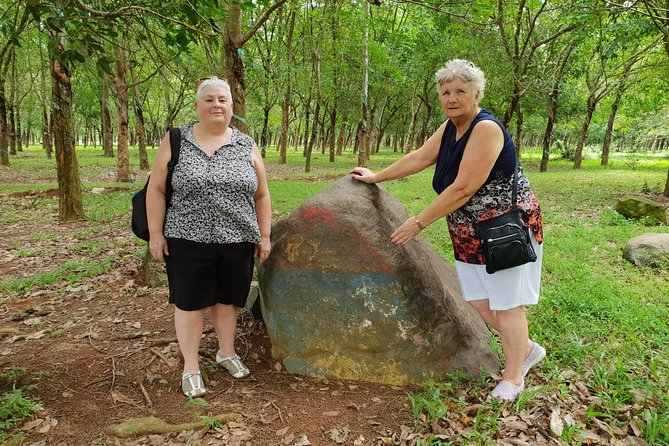
- Long Tan battlefield memorial in a rubber plantation setting, focused on remembrance
- Nui Dat SAS Hill stop with helicopter parking/camping context and a wide-area view from the hill
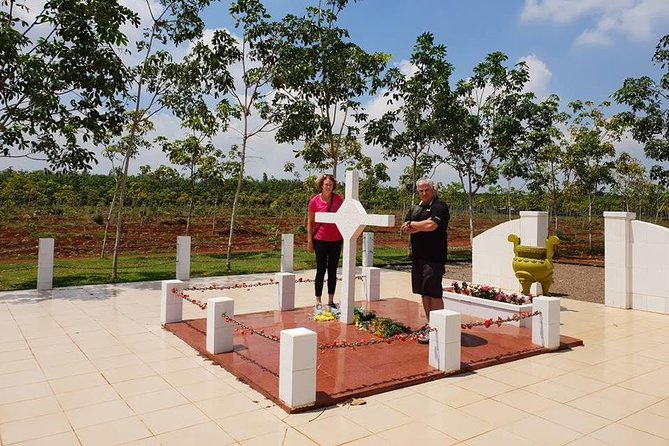
- Long Tan Cross Memorial for Australian and Vietnamese soldiers, with a tone of reflection
- Long Phuoc Tunnels for the Viet Minh/Viet Cong side of the story
- Pickup from HCMC Districts 1, 3, and 4 is usually easiest, with extra fees if you’re outside those areas
- Lunch in Ba Ria late enough to keep the day flowing, with guide suggestions for local specialties
Long Tan and Nui Dat: why this day trip feels meaningful
If you’re in Ho Chi Minh City and want Vietnam War context without doing an all-week travel marathon, this tour hits a sweet spot. The route is designed around the Long Tan battle sites and Australia’s Vietnam War presence at Nui Dat, not just general war talk. That matters because Long Tan isn’t a random name on a plaque—it’s one of the best-known Australian engagements of the war, and it happened in a rubber plantation landscape.
The other thing I like is how the day moves from outdoors remembrance to a more enclosed survival environment at the Long Phuoc Tunnels. That contrast helps you understand why people built defenses and shelters the way they did. You get a sense of place: open fields and plantation ground outside, then the squeeze and concealment underground.
This tour also has a built-in “let someone else drive” advantage. You’re far enough from central Saigon that your time is better spent listening, looking, and asking questions than wrestling with timing and transport.
You can also read our reviews of more tours and experiences in Ho Chi Minh City.



The real logistics: timing, comfort, and HCMC pickup
You’re signing up for a 6 to 8 hour day, and the schedule is built around four main stops plus travel time and a late lunch. Since you’ll be off doing field-site visits, the exact minute-by-minute rhythm can shift a bit, but the overall flow is consistent: Long Tan memorial area first, then Nui Dat hill, then the Long Tan Cross Memorial, then Long Phuoc Tunnels, and finally the return to HCMC.
Transport is usually the easy part. You’ll ride in an air-conditioned car/minibus, with bottled water included. That’s not a small detail in southern Vietnam weather. It helps you arrive at the sites with your energy intact and makes the tunnel portion feel less exhausting.
Pickup is offered, with an important detail: there can be an extra charge if your pickup point is not in District 1, 3, or 4. If you’re staying outside those districts, you’ll want to double-check where they can meet you. Also, confirmation happens at booking time, so you should know what you’re working with in advance.
One more practical note: this is a private tour/activity for your group, so you won’t be squeezed into a massive shared coach day. That can make conversations easier—especially on history-heavy visits where you’ll want your guide’s attention.
Stop 1: The Battle of Long Tan memorial site
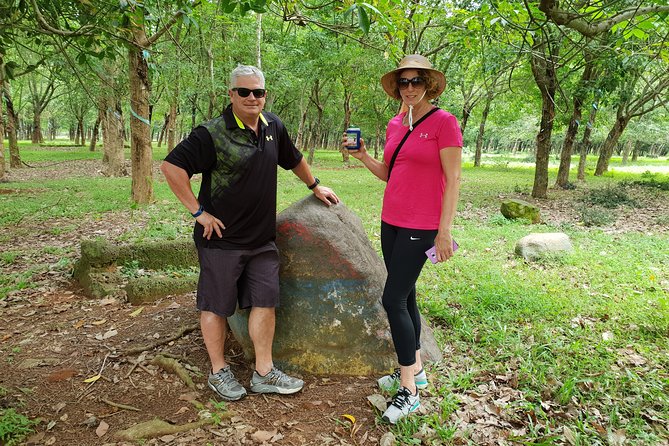
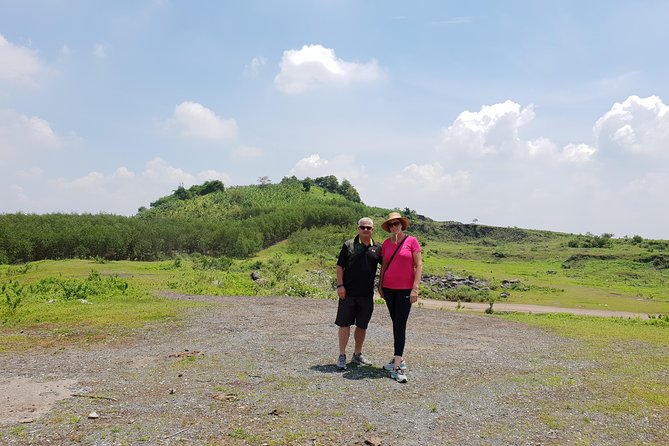
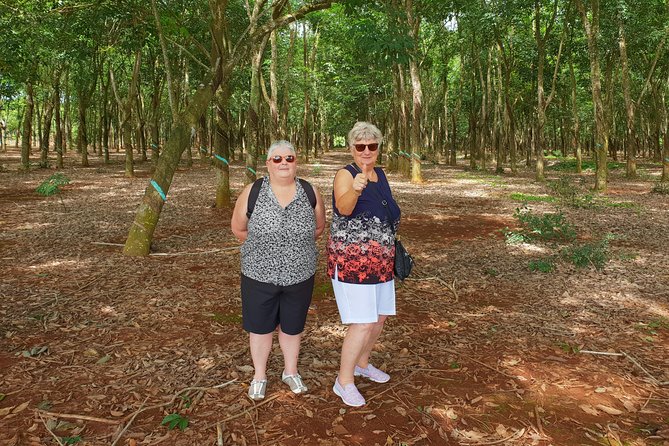
Your first meaningful stop is the Battle of Long Tan area. Long Tan is famous for being the most well-known battle fought by the Australian Army during the Vietnam War, and it took place in a rubber plantation. That rubber plantation detail matters because it explains the ground and the feel of the battlefield—roads, trees, and plantation lines change what fighting looks like compared with an open battlefield.
This portion is timed at about 2 hours, and admission at this stop is listed as free. That’s a good sign for value: you’re not paying extra just to stand, read, and absorb. Instead, you’re using your time to understand the setting and why the remembrance area exists.
Expect a guided orientation rather than a rushed walk-through. The strongest moments here tend to be when your guide uses photos and comparisons to help you picture the site during wartime, not just today’s landscape. If that kind of explanation is what you enjoy, this first stop sets the tone for the whole day.
Stop 2: Nui Dat SAS Hill and the base perspective
Next comes Nui Dat hill, with a stop at SAS Hill. This is where the tour earns its “Australian base” claim. You’re not just hearing about a battle—you’re getting a view into how Australian forces operated from Nui Dat, including the helicopter parking and camping areas and key points tied to the war.
This stop runs about 1 hour, and you’re given an overview of a wide area from the hill. Even if you’re not a military history expert, a viewpoint like this helps you understand distance and positioning. Hills in wartime aren’t just scenic; they’re functional. They help people see and judge movement.
Here’s the thing to watch: because this is an elevated viewpoint, the day’s meaning will depend on your guide’s storytelling style. Some guides keep it picture-driven and site-specific. Others may rely more on books or maps. If you’re paying good money for a “see the sites” experience, you’ll want your guide to connect what you’re looking at to what happened there.
Stop 3: Long Tan Cross Memorial for Australian and Vietnamese soldiers
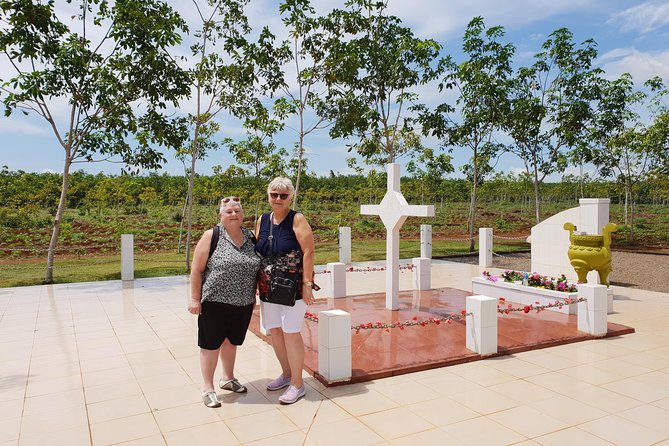
After Nui Dat, you head to the Long Tan Cross Memorial, focused on commemorating both Australian and Vietnamese soldiers who lost their lives. This stop is about 1 hour and includes admission.
What I appreciate about this part of the day is the tone. It’s not a place built for spectacle. It’s remembrance, and it helps put the battle into a human frame—soldiers on multiple sides, families who carried the weight long after the fighting ended.
The best guides bring this stop to life with care. In past experiences with the tour’s guides (like Dingo or Chien), the remembrance elements can include thoughtful personal touches—things like setting up memorial moments and laying flowers/wreaths. Even if your guide doesn’t do the exact same extras, you should expect a respectful, reflective style.
Practical tip: bring a moment of quiet with you. This isn’t the stop to rush for photos every 10 seconds. Give yourself time to read, stand, and let the place do the work.






Stop 4: Long Phuoc Tunnels and what they reveal
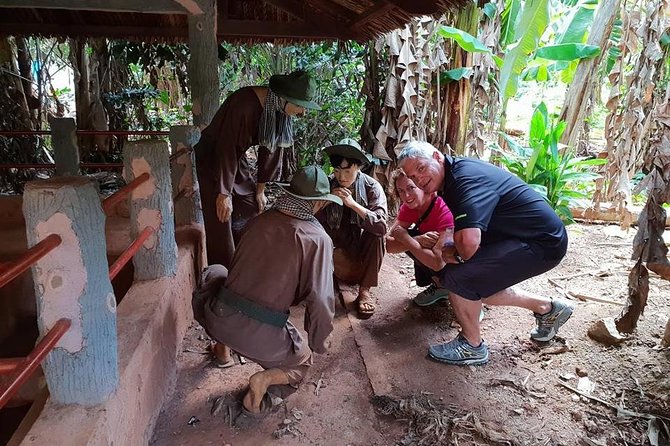
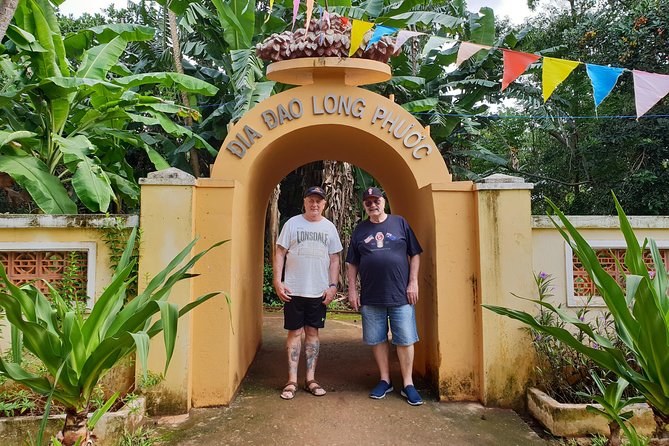
Then the tour shifts to Long Phuoc Tunnels, dug by the Viet Minh and Viet Cong for fighting and sheltering. This stop is also about 1 hour, and admission is included.
Tunnels are one of those experiences where the physical reality hits faster than lectures. Even without extra technical details, you start to understand how shelter, movement, and survival were built into the landscape. You can see why underground spaces mattered: protection from the open air, the ability to hide, and the chance to regroup.
A consideration: tunnels can be a lot for people who don’t like enclosed spaces. The tour duration is short, but it’s still inside. If you have mobility or comfort concerns, it’s worth being honest with your group guide about what you can handle.
Also, don’t treat this stop as a side quest. It’s a key part of the tour’s “bigger picture” logic. Long Tan explains a famous Australian battle; Long Phuoc shows why networks and shelter systems shaped how fighting happened.
Late lunch in Ba Ria: fuel for the ride back
After the tunnel stop, you drive back to Ba Ria for a late lunch at a local restaurant. The timing is late enough that you’ll likely be hungry, but not so late that the day feels like it’s stuck in meal limbo.
Lunch is included, and your guide will recommend specialties of the region. That’s one of the best parts of a tour like this: you avoid the guesswork of what to order when you’re far from your normal food routine.
If you’re picky about timing, this is also the point where you should ask yourself: do you want a slower pace through the meal, or do you want to eat fast and keep moving with minimal downtime? Either is fine—your day still has enough time to return to Ho Chi Minh City comfortably.
Guide quality is the difference-maker here
This tour lives or dies by your guide. The sites are powerful, but a great guide turns locations into understanding.
I’ve seen firsthand (and heard directly from the tour’s own guide culture) that some guides go heavy on research and visuals. Names that come up include Hill Billy Jack, Dingo, and Chien. One guide style uses photos to show how the area might have looked during wartime, which can make the memorial stops feel more immediate. Another guide style leans into respectful humor and Aussie references, which keeps the day human without making it goofy.
The most impressive guide touches are often about remembrance and care—extra memorial moments or ceremonial gestures like flag service and flower wreath laying (as described in guide-led experiences). Those are not guaranteed, but they reflect what a strong guide brings: attention to meaning.
What you can do before you go: keep your expectations tied to how your guide explains the sites, not just how many stops you check off. When your guide is active—asking and answering and pointing out what you’re looking at—the value feels much higher.
Price and value: is $119 a fair trade?
At $119 per person, this is not a cheap Saigon excursion. The question is whether you feel you’re buying access and interpretation, not just transport.
Here’s what you actually get for the price, based on what’s included:
- Air-conditioned car/minibus
- English-speaking tour guide
- Entrance ticket(s)
- Lunch
- Bottled water
You also get a structured, site-based route that takes you out to Long Tan and the Nui Dat base area, then adds the Long Phuoc Tunnels. That combination is harder to DIY because of timing and because the value is in the guided context.
So when does it feel like a miss? If you’re the type who expects your guide to spend most of the day on-site explaining, and instead you get a lot of time with books, maps, or less active interpretation, you might feel underwhelmed. One downside that shows up is when a guide’s attention seems split (like double-booking), which can reduce the “undivided attention” you’re paying for.
If you want the best value, match the tour to your interests. This tour is for people who want the Vietnam War story through specific sites tied to the Australian Army—especially Long Tan and Nui Dat—and who appreciate careful remembrance.
Who should book this, and who might want to skip
This is a strong fit if you’re:
- An Australian traveler or New Zealander who wants a Long Tan-linked day with respectful memorial context
- A history buff who likes specific places over generic war lectures
- Someone who wants the convenience of a guide and driver for a longer day outside the city
You might want to think twice if you:
- Want a purely casual day trip with minimal talking and lots of free time
- Don’t like enclosed spaces, since tunnels are part of the schedule
- Expect a long, base-focused deep-dive on military engineering details only (this is still a day tour, and the time per stop is limited)
Also check the age rule: children under 12 are not allowed.
Practical expectations: pace, photos, and respectful behavior
The day is built around a few high-impact stops, each with about an hour or two allotted. That means you’ll have time to see and read, but you won’t have an entire day of wandering alone. Plan to be comfortable with a guided pace.
Photo opportunities are part of the experience, especially at memorials and viewpoints. Still, keep the tone respectful at sites connected to loss. The most satisfying visits are the ones where you take fewer photos and spend more time absorbing what’s written and what your guide explains.
If your guide uses photos from wartime, lean into it. Those comparisons can help you understand scale and terrain in a way modern landscapes don’t automatically show.
Should you book the Long Tan and Nui Dat one-day tour?
Yes, I’d book it if you want a structured, meaningful Vietnam War day trip out of Ho Chi Minh City with real memorial stops and an Australian base context. It’s good value for travelers who care about Long Tan and Nui Dat specifically, and who appreciate a guide that can connect the places to what happened there.
Skip it or shop around for guide style if you:
- Hate tours where the explanation feels more like reading from materials than walking through the site
- Prefer more open-ended free time
- Have strong sensitivity to enclosed environments due to the tunnel stop
If you book, go in with one clear mindset: this isn’t a sightseeing loop. It’s a remembrance-focused day with history anchored in place.
FAQ
How long is the Long Tan and Nui Dat one-day tour from Ho Chi Minh City?
It runs about 6 to 8 hours.
Is hotel pickup included?
Pickup is offered, but there may be an extra charge if your pickup point is outside Districts 1, 3, and 4.
What stops are included on the tour?
You’ll visit the Battle of Long Tan area, Nui Dat SAS Hill, Long Tan Cross Memorial, and Long Phuoc Tunnels, plus lunch and the return drive to Ho Chi Minh City.
Is lunch included?
Yes. Lunch is included, along with bottled water.
Are entrance tickets included?
Yes. The tour includes entrance ticket(s). The Battle of Long Tan stop lists admission as free, while other stops include admission.
What kind of guide will you have?
You’ll have an English-speaking tour guide.
Are children allowed?
Children under 12 years old are not allowed on this tour.