REVIEW · SURABAYA
From Yogyakarta or Bali: Bromo & Ijen 3D2N w/ Multi Drop-Off
Book on GetYourGuide →Operated by YKExplore · Bookable on GetYourGuide
Bromo dawn meets Ijen blue fire. This is Java’s volcano highlight run, timed for early starts and run by English-speaking staff who keep things moving. With guides such as Azhari and Sam, you get that rare mix of big nature payoff and real human help when the hike turns steep and cold. You’ll also get multi drop-off convenience in Bali, so the trip ends with less hassle than most DIY plans.
I love the 4×4 Jeep access for Bromo sunrise, because it gets you to the right viewing zones before crowds and before the light turns dramatic in a good way. I also love that Ijen includes the practical gear like the gas mask and flashlight, so you’re not scrambling for safety equipment at the last minute.
One drawback to plan for: this tour is physical and sleep-light, with very early wake-ups and a hike that asks for steady footing. Also, accommodation quality can be mixed depending on whether you choose budget homestays or standard hotels.
In This Review
- Key Points Worth Knowing Before You Go
- Why Bromo + Ijen in 3 Days Feels Worth It
- Getting There: Yogyakarta vs Bali Starts, Train, Van, and the Ferry Link
- If you start in Yogyakarta
- If you start in Bali
- The Bali drop-off convenience
- Day 1: Pickup, Travel to East Java, and Your First Sleep Plan
- Day 2 Bromo Sunrise: 4×4 Jeep, Sand Sea Photos, and the Crater Rim Walk
- The jeep ride sets the tone
- Widodaren hill and the sand area stops
- The crater rim hike
- How weather changes the day
- Day 3 Ijen Blue Fire: 2am Hike, Mask and Flashlight, and the Turquoise Rim Moment
- The 2am start and steep crater path
- Gas mask and flashlight included
- The blue flame moment
- Crater rim sunrise after the flames
- Back to the ferry, then Bali
- Guides and Drivers: Why This One Feels More Managed Than Wild
- Accommodation Choices: Budget Homestays vs Standard Hotels
- Budget style
- Standard style
- The honest trade-off
- What It Costs, and How to Budget Your Meals
- Fitness, Cold Mornings, and How to Pack Smart
- You’ll want
- Who should avoid this one
- Weather, Crowds, and When Sunrise Might Not Perfectly Cooperate
- Should You Book This Bromo & Ijen Multi Drop-Off Tour?
- FAQ
- How hard is the hiking for Bromo and Ijen?
- What gear is provided for Mount Ijen?
- Is the Bromo sunrise included, and how do you get there?
- How do transfers work from Yogyakarta or Bali?
- Where does the tour end in Bali?
- Are meals included?
- What happens if I travel solo?
- What should I bring for the early mornings?
Key Points Worth Knowing Before You Go
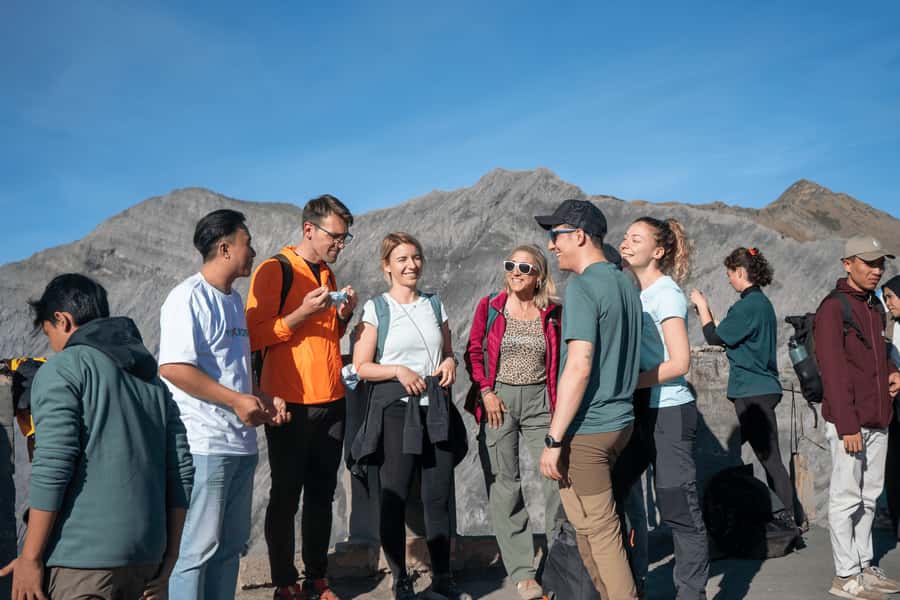
- Door-to-door pickup and Bali multi drop-off saves you from untangling transport at the worst time of day
- Bromo by 4×4 means sunrise happens where you want it, not after you get stuck in traffic or crowds
- Ijen blue fire timing (around 2am starts) is the whole point, and it works best when you’re ready for the lost sleep
- Mask and flashlight for Ijen are included, which makes a real difference on a sulfur crater night
- Small groups often mean you reach key spots early enough to feel like the world got quieter for a while
- Hotel style changes your comfort: budget homestays vs standard hotels with private bathrooms
Why Bromo + Ijen in 3 Days Feels Worth It
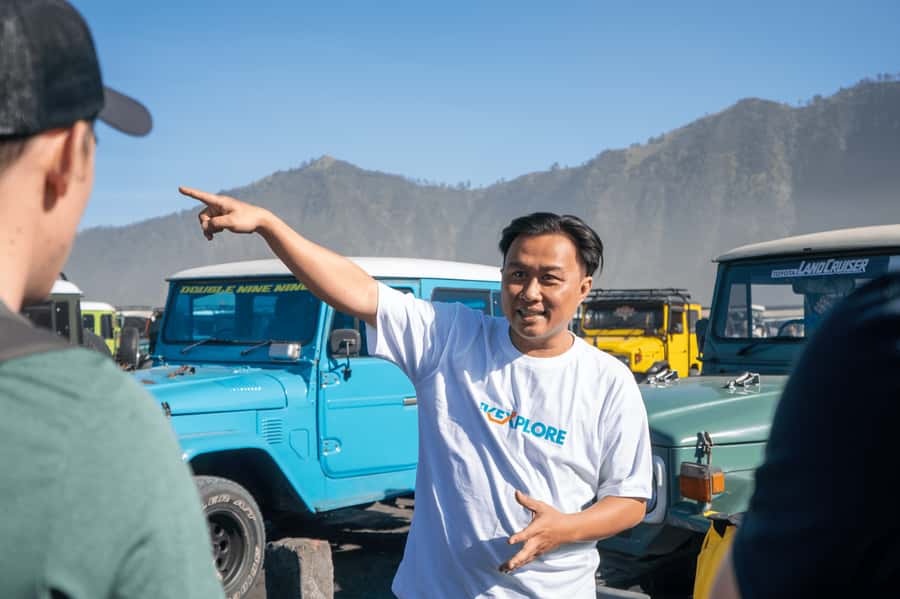
If you’ve only seen photos of Java’s volcanoes, this trip is where the images become real. Bromo gives you that famous sunrise drama from the crater rim, with a sea of sand around it that looks almost unreal when the light hits. Ijen is different. It’s not just pretty views. It’s the blue flames at night, plus a steep crater walk that feels like you earned the sight.
What makes this tour work for most people is the built-in rhythm. You don’t waste hours figuring out routes or timing. You’re moved by van/car or a jeep when it matters, and you’re guided by an English-speaking team that can translate the basics you actually care about—where to stand, how to pace the hike, and how to stay safe.
I also like that it’s not only nature photos. The guides tend to explain what you’re seeing and why it looks the way it does. On Bromo, that can mean history and volcanic context. On Ijen, it’s more about the sulfur landscape and the mining activity down in the crater. That extra layer turns a checklist activity into a story you’ll remember.
Getting There: Yogyakarta vs Bali Starts, Train, Van, and the Ferry Link
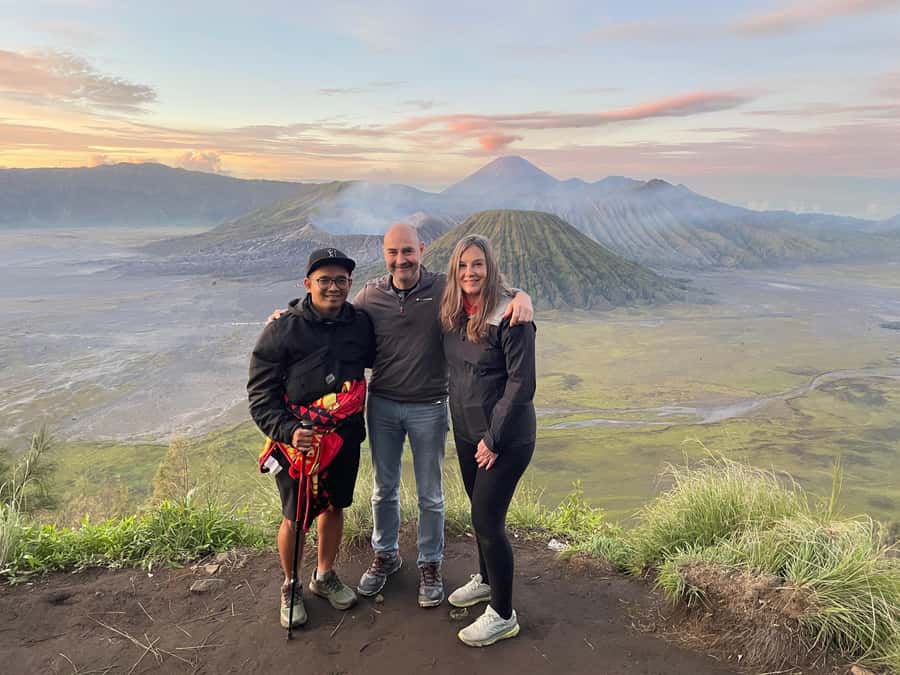
This tour is designed around the simple fact that Bromo and Ijen sit on the far side of Java from Bali. The company handles the long-distance links for you, including the ferry connection.
If you start in Yogyakarta
You’ll travel toward East Java using either:
- Train (budget option) from Yogyakarta to Probolinggo, with staff assisting you at the station
- Car/van (standard option) when you want a smoother road transfer
Once you’re in the East Java area, the tour switches to the local-style transport for volcano access, including a 4×4 Jeep for Bromo.
If you start in Bali
You’ll head toward the ferry port from your Bali pickup zone (Ubud, Kuta, Denpasar, and nearby areas). Your transport is organized for you, then the ferry brings you across the water. There’s also a standard Bali option that includes a flight ticket, which can reduce some of the longest travel chunks depending on your selected package.
The Bali drop-off convenience
One of the most practical perks is the hassle-free drop-off at your Bali hotel (Ubud, Denpasar, or Kuta) for the Bali-starting packages, and drop-off options vary depending on where you started. Either way, you’re not left hunting for a ride after the hardest part (early morning hikes).
Day 1: Pickup, Travel to East Java, and Your First Sleep Plan
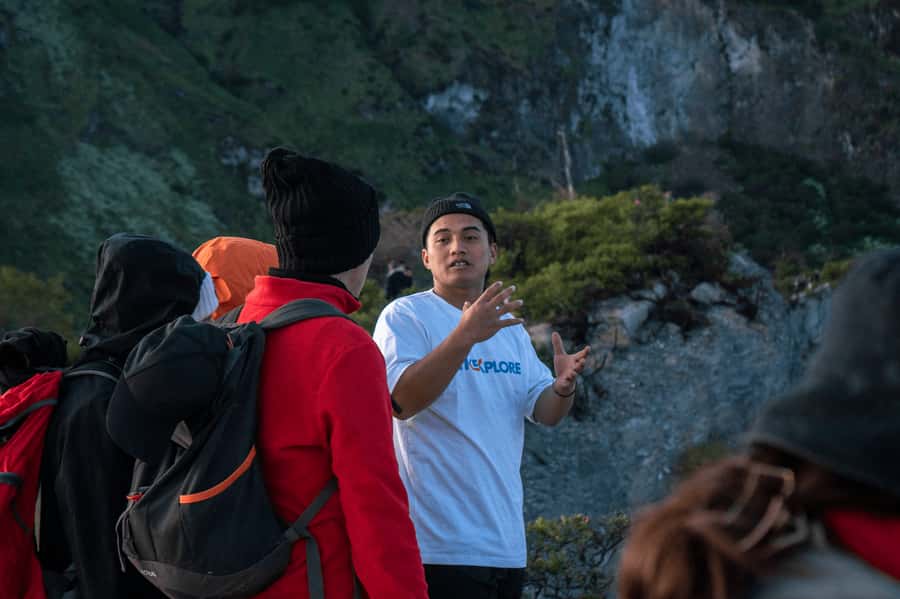
Day 1 is the “get into position” day. You’re picked up from your selected area, then transported toward the mountain region, with hotel pickup included. Where you end the day depends on your option and whether Bromo or Ijen comes first for your route.
If you’re doing this tour from Yogyakarta, you’ll usually start by moving toward either the Bromo side or the Ijen side so the next morning start doesn’t feel like a logistics emergency. If you’re starting from Bali, it’s the same idea in reverse: you get to the East Java staging area early enough for the big crater wake-up.
This matters because volcano trips run on timing. If your first night is too far from where the hike starts, you lose the entire benefit of going with a tour. Here, the goal is simple: get you close enough that the early starts don’t feel like a punishment you chose on purpose.
One practical tip: keep your jacket and shoes easy to reach. Early mornings are when you’ll be fumbling if your bag is buried under everything.
Day 2 Bromo Sunrise: 4×4 Jeep, Sand Sea Photos, and the Crater Rim Walk
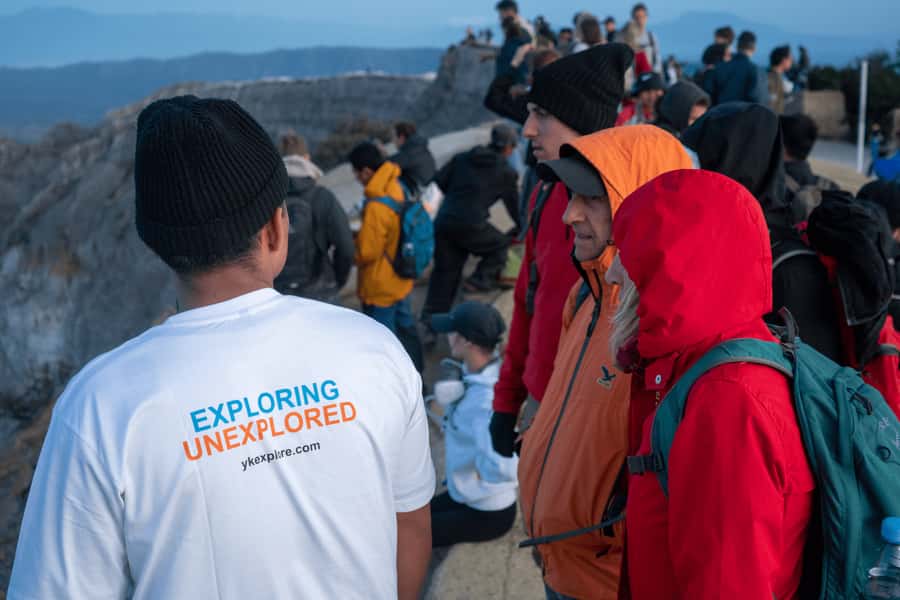
Bromo day is the one most people picture first. You head out in the dark, then watch the sky change fast—usually long before you feel fully awake.
The jeep ride sets the tone
You’re picked up and taken by 4×4 Jeep toward the sunrise area. This is a key value point. Bromo has roads and paths that aren’t friendly to standard vehicle access the same way. With the jeep, you’re placed where you can see well once the light begins.
Widodaren hill and the sand area stops
After sunrise viewing, there’s a photo stop area with the Widodaren hill in the background, and you move into the sand zone that lets you stage pictures with the crater view behind you. This part can feel a little touristy on paper, but it’s also where you get the famous “sea of sand” look without needing to figure out the route yourself.
The crater rim hike
Then the real Bromo moment arrives: you hike toward the crater rim. The walk isn’t just for views. You’re moving into the heart of the action—closer to the smoking crater landscape and the volcanic scale that photos can’t fully explain.
The guides tend to manage pacing and photo timing. I’ve seen this kind of trip go wrong when everyone spreads out too far in the dark. Here, you stay on a guided flow, and it’s easier to keep the group together.
How weather changes the day
Bromo sunrise is a big reveal, but weather can reduce clarity. Even when visibility isn’t perfect, the experience can still be worth it. In the reviews you can feel this: sometimes the team adapts, and the guide works to find other crater moments when sunrise conditions aren’t ideal.
Day 3 Ijen Blue Fire: 2am Hike, Mask and Flashlight, and the Turquoise Rim Moment
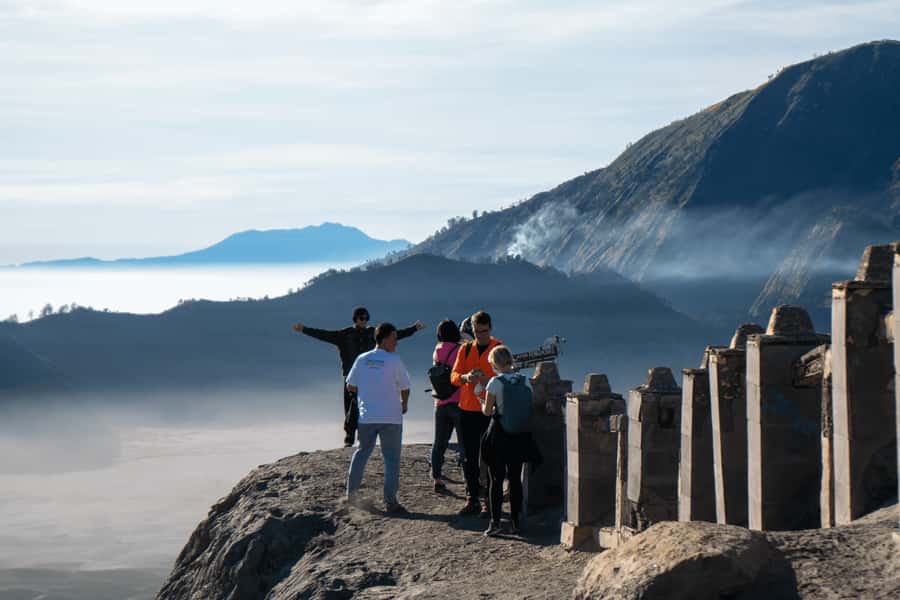
Ijen is the reason people plan their sleep around a volcano at all. Blue fire isn’t a daytime thing. It needs darkness, timing, and safe gear.
The 2am start and steep crater path
The hike to the blue fire point starts around 2am, and the walking time is about two hours on the way in. Expect a steep path. This is where your shoes matter and where your energy management matters more than your speed.
This part isn’t for casual strolling. It’s for people who can handle long minutes with steady steps.
Gas mask and flashlight included
You’re given a gas mask and a flashlight for Ijen. That’s a real practical benefit. You show up with the right basic kit already covered, so you don’t waste time or money hunting gear on short notice.
Also, the flashlight matters because the terrain is uneven and it’s dark where you’re walking.
The blue flame moment
When you reach the blue flame viewing area, you get the signature sight that made Ijen famous. The flames aren’t just color. They connect you to the geothermal activity and the sulfur-rich environment down in the crater.
Even when you don’t get a perfect sky, the crater itself still feels powerful up close.
Crater rim sunrise after the flames
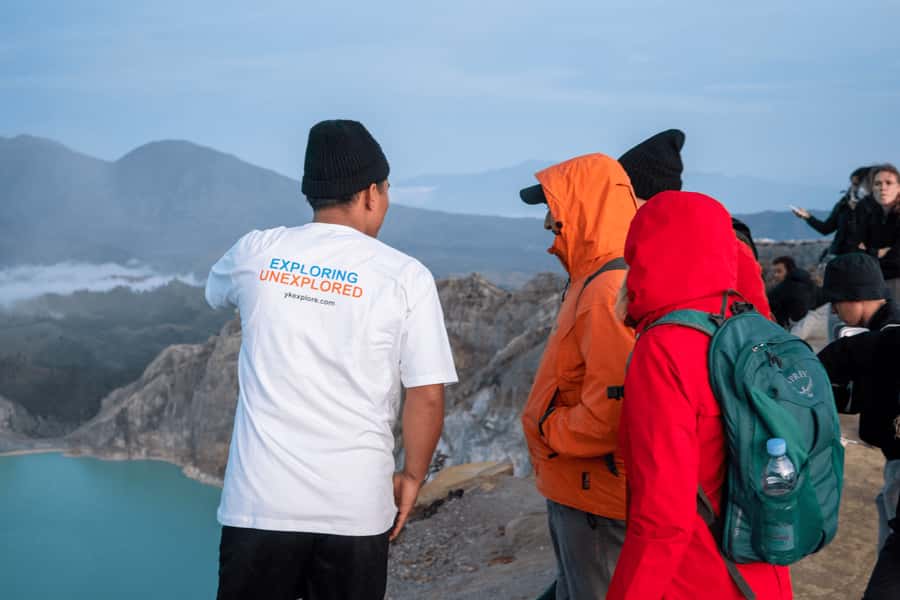
After the blue fire point, you return toward the crater rim area to catch the morning light. This is paired with a sunrise moment, often described as a turquoise lake view in the crater area. Whether the lake color shows its fullest intensity depends on conditions, but the rim sunrise is still a satisfying end to the night hike.
Back to the ferry, then Bali
From the starting side in Java, you’ll drive back to the ferry terminal, typically around 9am, so you can link to Bali. Your drop-off in Bali depends on your selected package, but the big idea is that the hard travel is wrapped up for you, not left as a solo puzzle.
Guides and Drivers: Why This One Feels More Managed Than Wild
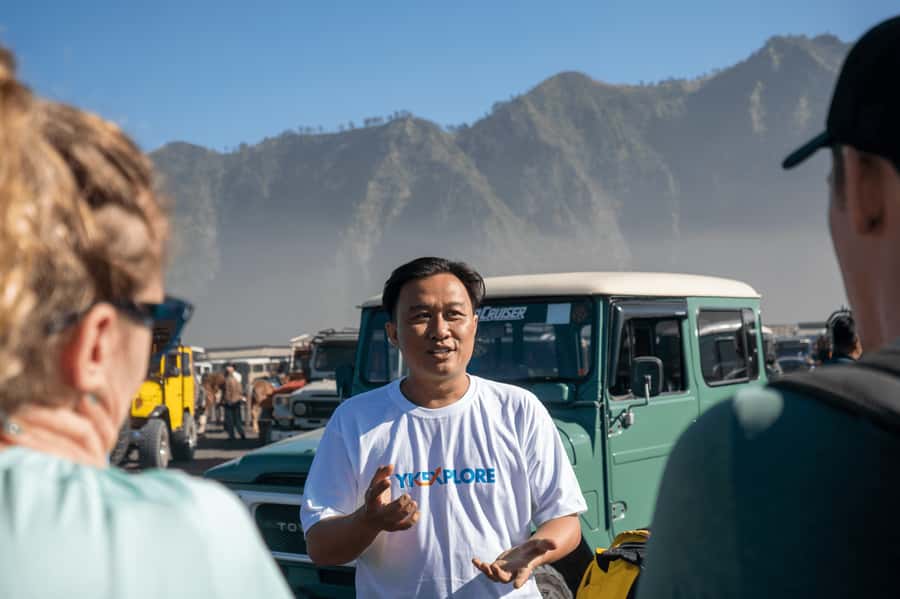
You can’t fake the volcano timing. What you can do is get good people behind the schedule, and this tour leans hard into that.
Across the trips, names come up again and again: Azhari is praised for guiding the best spots and handling weather twists. Sam (and also Sem in another account) gets credited with patience and a steady pace during the Ijen hike. Rafa is mentioned for being knowledgeable and photo-focused on Bromo.
On transport, drivers like Yana, Benni, Bagus, and Luqman show up in reviews as on-time, communicative, and safety-minded. That matters because you’re often dealing with dark roads and early departures. If a driver is calm and punctual, your nervous system follows along.
Also, many people mention small-group vibes. One group even described being nearly the only group at the crater at sunrise. You should aim for that mindset: arriving early and moving smart creates that quieter, more personal feeling.
Accommodation Choices: Budget Homestays vs Standard Hotels
The tour offers different accommodation styles, and it’s worth choosing based on what you need after a hike.
Budget style
Budget options use carefully selected homestays or dormitories with clean dry toilets. Amenities and toiletries can vary, so you’ll want to bring your own basics. If you’re traveling light and expect simple lodging, this can work fine.
Standard style
Standard options use well-rated hotels with private bathrooms and more complete basic amenities. This is a comfort upgrade that matters when sleep is already in short supply.
The honest trade-off
You’re not spending the whole day at the hotel. But you do need a place to wash up and reset. If you’re choosing budget, accept that it’s more functional than luxurious.
What It Costs, and How to Budget Your Meals
At $176 per person for 3 days, the value is in what’s bundled.
You’re not just paying for the guided walks. In the included items, you get:
- Bromo and Ijen entrance tickets
- Bromo 4×4 Jeep
- Gas mask and flashlight for Ijen
- 2 nights of accommodation with breakfast
- Ferry ticket
- Land transport via minivan/van/train depending on your option
- English-speaking guide/driver support
- Hotel pickup and Bali drop-off (for many Bali packages)
What’s not included is lunch and dinner. So you’ll still need a food budget for the days you’re out on the crater schedule.
If you’re trying to compare to DIY, this is where the math usually favors the tour. The early timing, gear handling, and inter-city transport links are the expensive time-savers. You pay for that organization so you can spend your energy on the volcanoes, not on planning.
Fitness, Cold Mornings, and How to Pack Smart
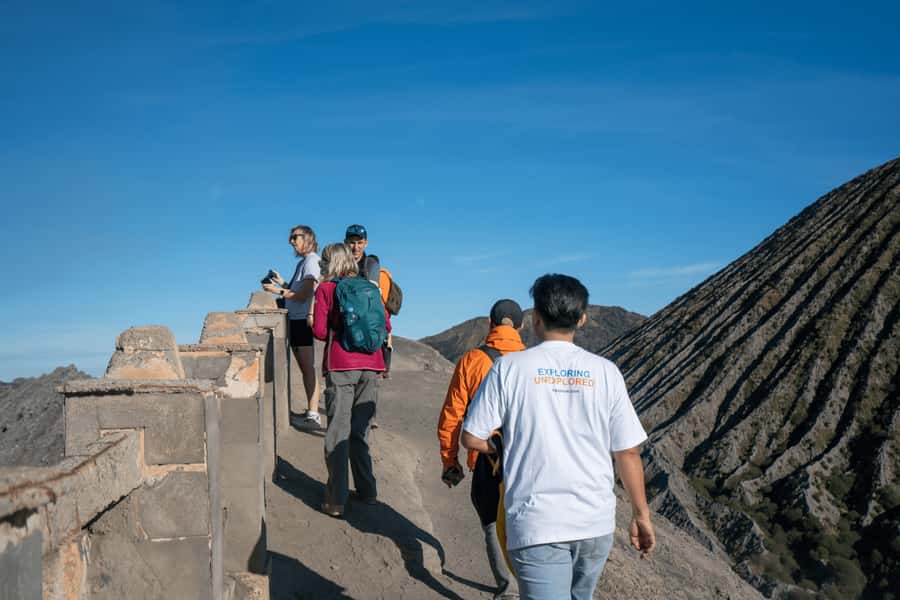
This tour asks for moderate to high fitness. That’s not branding language. It’s the actual reality of two demanding crater hikes and long early mornings.
You’ll want
- Comfortable shoes with grip for steep, uneven paths
- A jacket for early hours and cold crater mornings
In reviews, people also note that the Ijen hike can feel intense even when you’re prepared. So don’t treat it like a casual walk.
Who should avoid this one
It’s not suitable for pregnant women, people with mobility impairments, or wheelchair users. The terrain and steep parts make that a safety issue, not a preference issue.
Weather, Crowds, and When Sunrise Might Not Perfectly Cooperate
Volcano mornings are weather-dependent. Cloud cover can soften sunrise colors and reduce crater visibility. You can still have an amazing time, but it won’t always look like the cleanest postcard you’ve seen.
The good part: guides often adjust. There are accounts of guides finding alternative ways to make the day special even if conditions aren’t ideal for sunrise. Also, arriving early tends to reduce crowd pressure at the key viewing zones.
Still, manage expectations. Sunrise is the plan, but Mother Nature has veto power. Your best defense is choosing a tour where the schedule is tight and the staff can respond quickly when visibility changes.
Should You Book This Bromo & Ijen Multi Drop-Off Tour?
Book it if you want:
- One organized plan that handles Yogyakarta or Bali transport, ferry links, and the volcano timing
- The full sunrise-at-the-crater experience at both Bromo and Ijen
- Included support like Ijen mask/flashlight and Bromo jeep access
- Less stress after the hikes, thanks to the Bali drop-off
Skip or reconsider if:
- You don’t handle very early starts well
- You’re not comfortable with steep hiking
- You know you’re picky about lodging cleanliness and you’re considering budget homestays
For most people, this is a strong value because you’re paying for timing, safety gear, and transport between regions—not just the walking. If your priority is seeing Bromo and Ijen without turning your trip into a logistics project, this is one of the cleaner ways to do it.
FAQ
How hard is the hiking for Bromo and Ijen?
You should have moderate to high fitness. Bromo involves a walk toward the crater rim after sunrise. Ijen includes a steep early-morning hike that starts around 2am and takes about two hours to reach the blue fire point.
What gear is provided for Mount Ijen?
The tour provides a gas mask and a flashlight for the Ijen hike.
Is the Bromo sunrise included, and how do you get there?
Yes, you’ll go to the sunrise point for Bromo. The tour uses a 4×4 Jeep to reach Bromo’s sunrise area.
How do transfers work from Yogyakarta or Bali?
From Yogyakarta, budget options use a train to Probolinggo, while standard options use car/van. From Bali, you’re picked up in selected areas and taken toward the ferry port. A ferry ticket is included on all options.
Where does the tour end in Bali?
For Bali drop-off, you can be taken to your hotel in Ubud, Denpasar, or Kuta, depending on your option.
Are meals included?
Breakfast is included with the 2-night accommodation. Lunch and dinner are not included.
What happens if I travel solo?
Solo travelers share a room with another participant of the same gender. Single supplement may be available as an add-on at check-out.
What should I bring for the early mornings?
Bring comfortable shoes and a jacket. Early mornings at the volcanoes can be cold.