REVIEW · TAKAYAMA
From Takayama: Guided Day Trip to Takayama and Shirakawa-go
Book on GetYourGuide →Operated by Machinovate Japan Ltd. · Bookable on GetYourGuide
Edo-era streets and Shirakawa roofs, one day. This trip strings together two of Japan’s most recognizable “step-back-in-time” scenes: the Takayama Jinya (a centuries-old government outpost) and UNESCO-listed Shirakawa-go with its classic gassho-zukuri farmhouses. You get guided walking time in both towns, plus breathing room to eat, shop, and linger where you want.
I love the way the Jinya tour isn’t just a dry museum stop. You walk through a building that’s already part of the story, and the guide brings the 17th–19th century world of Takayama to life with artifacts like period books, tools, and other household items. I also like the balance of guided moments and freedom in the Sanmachi area and at the Miyagawa Morning Market, where the Hida region food options make the timing feel natural instead of forced.
One possible drawback: it’s a long day with multiple segments—walking in historic districts, then a bus ride to Shirakawa-go, then more exploring. If you already know Takayama well or hate group pacing, the free time can feel a bit limited compared to going independently.
In This Review
- Key highlights worth marking on your map
- Entering Takayama Jinya: a historic building, not a typical museum
- Sanmachi streets and the Miyagawa Morning Market: plan your snacks
- Riding to Shirakawa-go: use the bus time for viewpoints and photos
- Shirakawa-go: gassho-zukuri houses and the village story in layers
- Myozenji Museum, Kanda House, and the Three Houses photo stops
- Free time in Shirakawa-go: lunch, snacks, and choosing your pace
- Price and logistics: does $158 feel worth it?
- Who should book this day trip
- Book it or skip it? My take
- FAQ
- How long is this tour?
- Where do I meet the guide?
- Is lunch included?
- What’s included in the price?
- Is the tour offered in English?
- Where are the drop-off locations?
- Can I change my plans if needed?
Key highlights worth marking on your map
- Takayama Jinya inside a functioning old power center with guided access, not just outside views
- Sanmachi old town + the Miyagawa Morning Market, timed for snacking and quick shopping
- Scenic viewpoints on the way to Shirakawa-go, including a dedicated photo lookout
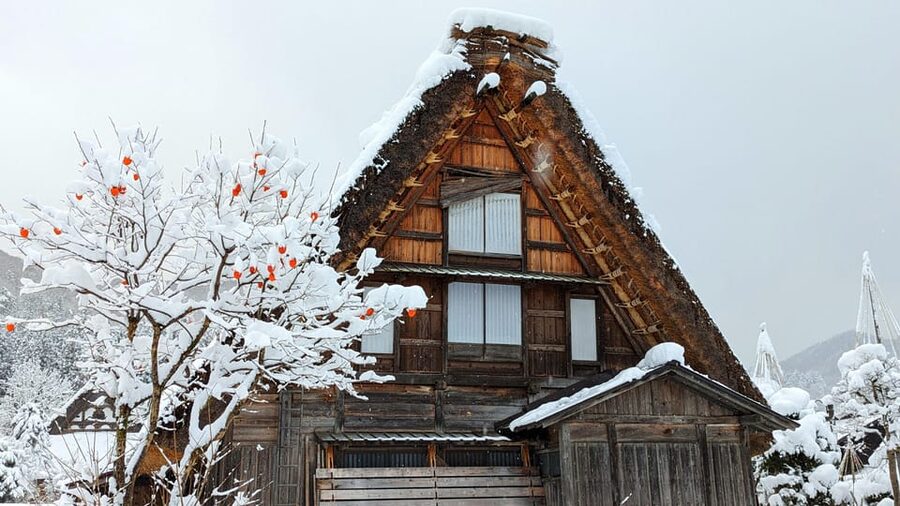
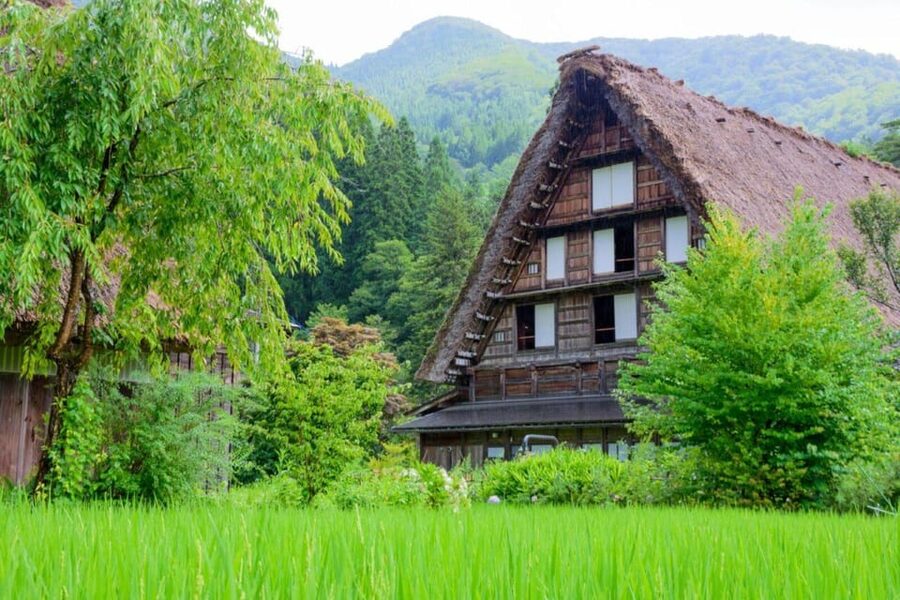
- Gassho-zukuri houses in the rice paddies, with the guide pointing out the key village highlights
- Bonus photo stops like Myozenji Museum area, Kanda House, and Shirakawa-go Three Houses
- Guide-led photo tips, with many past guests praising guides for helpful shot locations
Entering Takayama Jinya: a historic building, not a typical museum
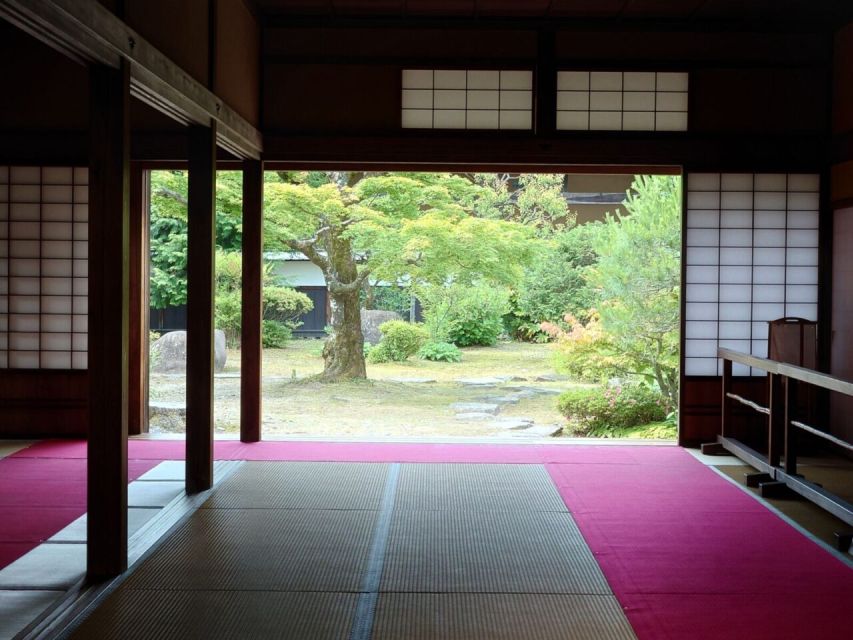
Takayama Jinya is the kind of stop that makes you slow down. You’re going to walk from Takayama Station to the jinya area on foot, then spend about an hour inside with a guide. What makes this special is the scale of the place and the fact that you’re learning in the same aged space as the objects.
The jinya served as a governor’s office during the Edo period era, and the tour focuses on how Takayama worked—who ran things, what the building was for, and how local life tied into that system. You’ll see period items on display, including art, books, and tools from roughly the 1600s through the 1800s. The guide’s job is to connect those artifacts to the rooms and functions of the building, so it lands as lived history instead of trivia cards.
Practical tip: wear shoes you can feel good in for indoor-outdoor transitions. The pacing is steady, but you may find yourself standing to look closely at items and architecture details. If you’re a photos person, this is one of the best early stops—your eyes are still fresh, and the lighting is usually manageable before the day gets busier.
Sanmachi streets and the Miyagawa Morning Market: plan your snacks
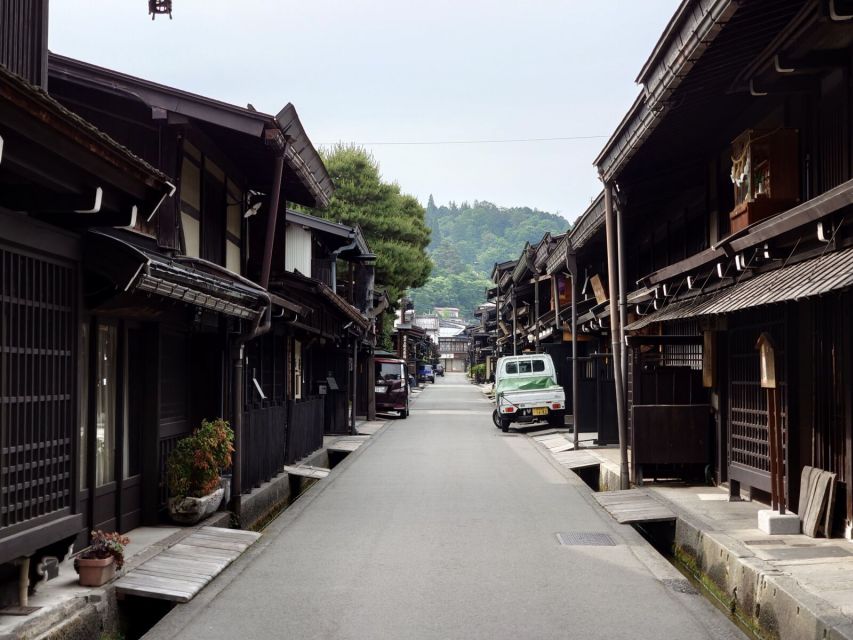
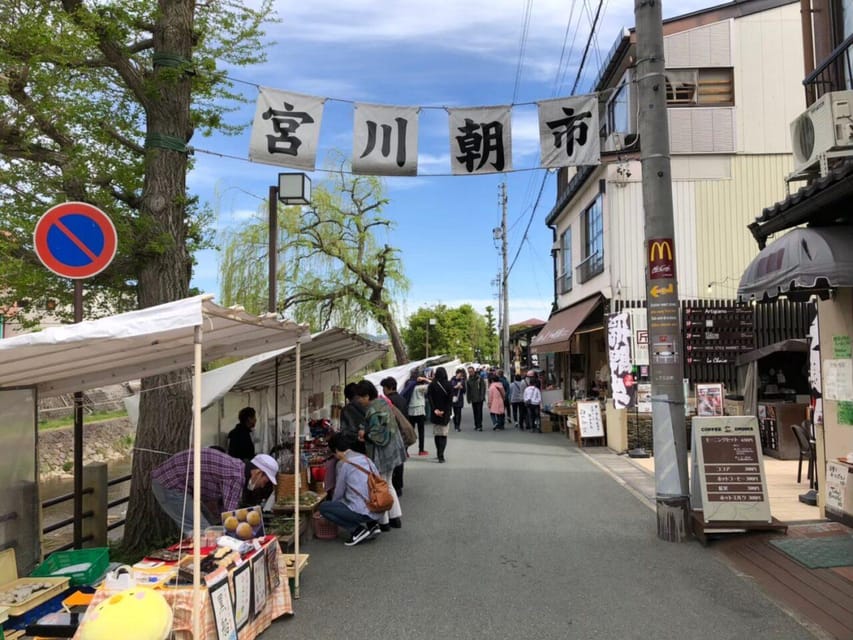
After Jinya, you head into Takayama’s historic “Sanmachi” preserved houses area. This is where the city looks the most like a heritage postcard: narrow streets, old merchant structures, and that Edo-style streetscape vibe that makes you want to take one more corner slowly.
You get a guided walk here too—about half an hour—so you’re not just wandering. The guide points out highlights and helps you understand what you’re looking at, including why these preserved buildings matter and what they represented to the merchants and families who lived and worked here.
Then you arrive near the Miyagawa Morning Market. You’ll have about 1.5 hours of free time, which is a good chunk if you plan it right. I like this structure because it matches the way Takayama food works: you can graze as you go, decide what you want before you commit to a sit-down meal, and still have time to circle back to shops in the Sanmachi area.
What to do with your free time:
- If you want a full taste of Hida region flavors, start at the market and pick one sweet and one savory item first.
- If you want a real meal, use the market as a warm-up and choose your restaurant afterward.
- If you care about gifts, look for small local goods while you’re close to the preserved-house shopping streets.
Past guests often mention that guides share strong food recommendations and even help with snack-style decision-making. So if you have a sweet tooth or you want something regional but safe, ask. A quick question can save you time later.
Riding to Shirakawa-go: use the bus time for viewpoints and photos
Once you meet back up with the guide, you board the coach for the trip toward Shirakawa-go. The day includes travel time in both directions, and that matters more than it sounds because it shapes your energy.
About 50 minutes of bus time early on gives you a chance to settle in, look at the scenery outside, and arrive without starting Shirakawa-go stressed. Then you continue into the second half with scenic stops and a lookout point designed for photos.
This matters because Shirakawa-go is most dramatic when you see it from a distance first. Getting that broad view early helps you later when you descend into the village and start noticing details in the houses, the street layout, and the surrounding rice paddies.
Practical tip: bring a light layer. Even in warmer months, temperatures can shift between Takayama and mountain valleys, and sitting on a bus can make you feel colder than you’d expect once you stop for photo breaks.
Shirakawa-go: gassho-zukuri houses and the village story in layers
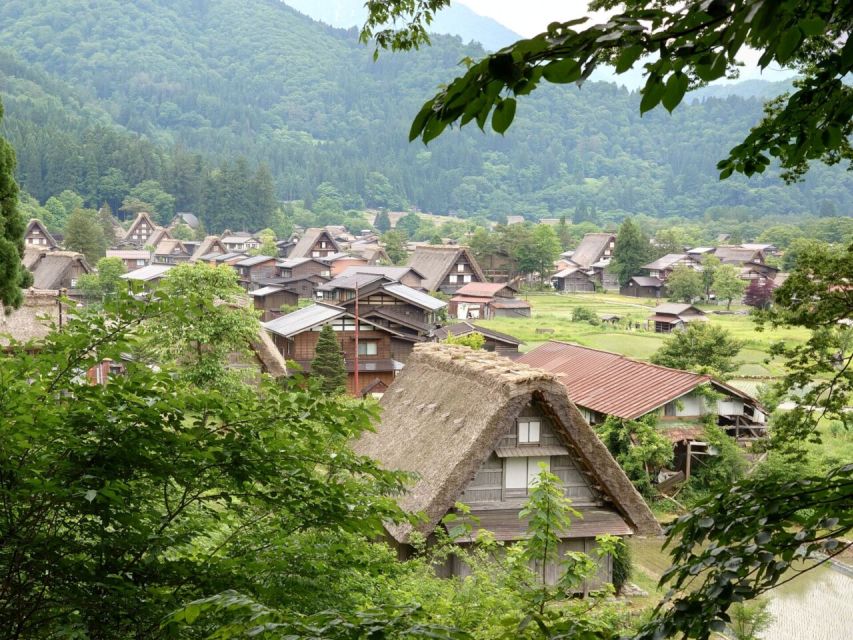
This is the heart of the trip. You’ll head to a famous lookout point for a breathtaking view of Shirakawa-go, then follow the guide down into the village. The walk includes descending into rice paddies and moving through quaint streets, which is exactly the kind of approach that helps the village make sense.
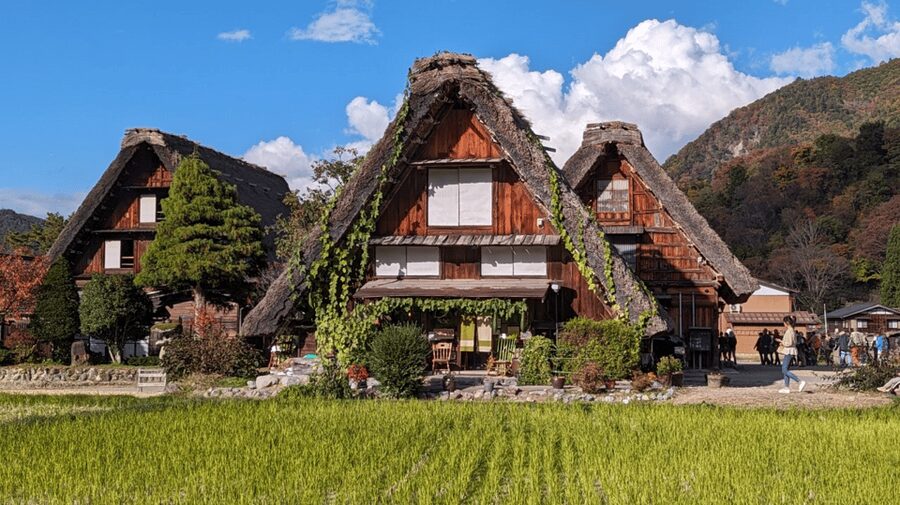
You’ll learn what makes these gassho-zukuri-style houses distinctive, including how the larger hamlet of these houses forms the village’s signature look. The guide’s role is to point out the highlights so you don’t miss the details you only notice when someone shows you where to look.
The tour pacing here tends to work well: guided highlights first, then time to explore on your own once you’ve got your bearings. That’s a good plan because Shirakawa-go is easy to overdo if you try to see everything at once, and it’s also easy to under-see it if you only take photos and keep moving.
If you’re traveling with family, this is also one of the calmer UNESCO-area formats. You can follow the group for interpretation, then branch off at your own speed during the free time.
Myozenji Museum, Kanda House, and the Three Houses photo stops
After the main walking introduction, the schedule includes additional photo stops and site visits. These include:
- A photo stop and visit area at Myozenji Museum
- A photo stop and visit at Kanda House
- Shirakawa-go Three Houses as another photo moment
I like these add-ons because they give you different angles on the same theme. Instead of repeating the same view, you shift between viewpoints and household-scale experiences. That’s where the village becomes more than scenery. You start to understand how the houses functioned, what rooms could be like, and how the architecture relates to the seasons.
Practical tip: keep an eye on what your guide is asking you to notice. The differences can be subtle from a distance, but once someone points out what to watch for, you see far more in the same time.
Also, many guides are praised for helping people get better photos. If you want classic angles, ask your guide where they like to stand. Even if you’re already carrying a smartphone, those small placement tips can make a big difference.
Free time in Shirakawa-go: lunch, snacks, and choosing your pace
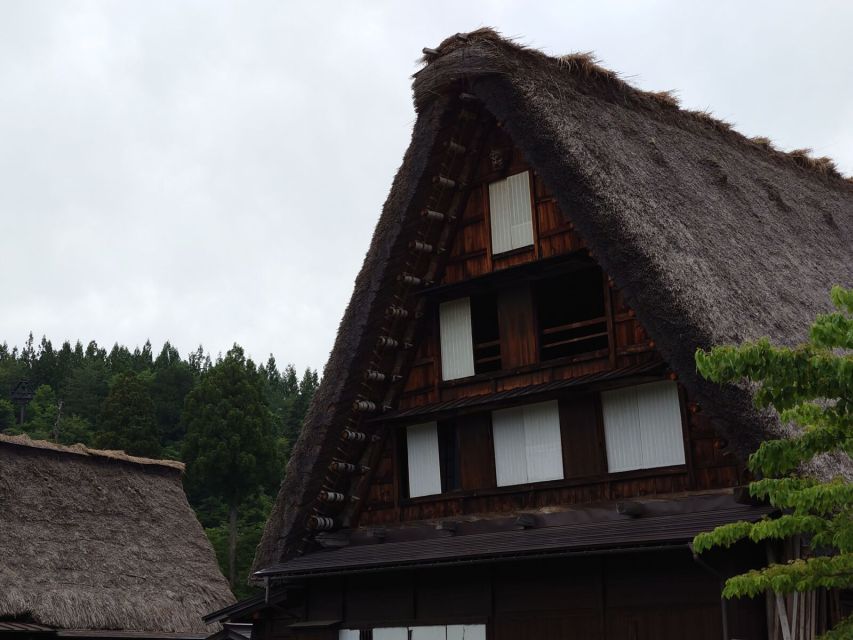
You’ll get a self-guided chunk of time—about an hour—to explore. This is where you decide your priorities:
- Want a closer look at gassho-zukuri houses you liked?
- Want to shop along the main street?
- Want lunch without the pressure of group decisions?
The day’s free time can also be used for trying snacks sold along the main street, and you might have the option to visit a traditional mountain farmhouse during your time there, depending on what’s available on your day.
I recommend doing one “mission” and one “wander.” For example, mission could be lunch at a place you pick after looking at options, and wander could be looping back for one more photo set where the lighting looked best earlier.
And if you’re tempted to pack your hour with everything, don’t. Shirakawa-go is one of those places where slowing down pays off. The roofs, the narrow lanes, and the sense of distance from modern cities are exactly what you came for.
Price and logistics: does $158 feel worth it?
At $158 per person for a 1-day trip, you’re paying for convenience plus expert guidance. Here’s what you’re getting:
- roundtrip transportation from Takayama
- a live English-speaking guide
- entry to Takayama Jinya
- guided walking tour time in Takayama
- guided walking tour time in Shirakawa-go
Lunch is not included, so that’s one extra cost you’ll plan for. But the trade-off is that you’re not spending your day figuring out connections, tickets, or timing between two very different areas.
Is it cheap? Not really. But it tends to feel like a good value if:
- you want Shirakawa-go plus Takayama’s key historic stops in one day
- you’d rather pay for smooth logistics than manage public transport schedules
- you care about learning context and not just taking photos
You’ll also notice that transport quality is a big theme in the feedback, and the group stays comfortable enough even when conditions are less than perfect (some days can be snowy). If you’re going during colder months, that bus-and-stop structure matters.
Who should book this day trip
This works especially well if you:
- want a guided overview of both Takayama and Shirakawa-go without hiring separate experiences
- like walking tours but still want time to eat and shop on your own
- value historical explanations tied to real places, not just exhibits
It may feel less ideal if:
- you already covered Takayama’s old town deeply and want more time in other parts of the region
- you dislike group pacing or long days with several segments
- you prefer total independence with zero scheduled stops
Book it or skip it? My take
If your time in central Japan is tight, I’d book this. It’s a strong mix of guided context and free time, and the structure makes it easy to see the main sights without turning the day into a checklist.
Where it really wins is the Jinya-to-old-town-to-Unesco flow: you move from governance and merchant life in Takayama to the farm-village world of Shirakawa-go. Add in guides who consistently get praised for energy, humor, and practical photo help, and you’re likely to leave with more than pictures—you’ll understand what you saw.
If you’re the type who needs long unbroken exploration time, consider whether you want a slower, more self-directed Shirakawa-go day. But for most people, this “two cities in one” format is the smart use of a single day.
FAQ
How long is this tour?
It’s a 1-day experience.
Where do I meet the guide?
Meet outside the ticket gates at JR Takayama Station. The guide will be wearing a Snow Monkey Resorts tour tag. You should be at the meetup point at 9:00 AM.
Is lunch included?
No. Lunch is not included, and you’ll have free time in Takayama and Shirakawa-go where you can grab food.
What’s included in the price?
Roundtrip transportation from Takayama, a guide, entry to Takayama Jinya, a walking tour of Takayama (about 1.5 hours), and a walking tour of Shirakawa-go.
Is the tour offered in English?
Yes, the live tour guide speaks English.
Where are the drop-off locations?
You’ll have drop-off locations at Kanazawa Station and Takayama Station.
Can I change my plans if needed?
The activity offers free cancellation up to 24 hours in advance for a full refund, and you can reserve now and pay later.