REVIEW · CAFAYATE
From Salta: 4-Day Trip in Salta Province & Salinas Grandes
Book on GetYourGuide →Operated by TIAMAR TRAVEL EVT · Bookable on GetYourGuide
This trip has a way of stacking wow moments back-to-back. You’ll see Cafayate valleys, then move on to Salinas Grandes and the color hills near Hornocal and Humahuaca. It’s a great way to cover a lot of Salta Province without building your own route.
I especially love the variety: La Quebrada de las Conchas scenery in Cafayate and the surreal salt flat world at Salinas Grandes. I also like the mix of viewpoints and real stops, like the winery visit in Cafayate, so the days don’t feel like only driving and staring.
One consideration: the route includes about 2 hours of low-quality dirt roads plus about 2 hours of highway on the way back, so if your back is sensitive, it may not be your best match.
In This Review
- Key Highlights You’ll Feel Right Away
- Price and Value: Is $183 Reasonable for 4 Days?
- Hotel Pickup Timing: Start Early, Stay Organized
- Getting Around: Dirt Roads, Highway Hours, and Comfort
- Day-by-Day Feel: Cafayate, Wine, and Quebrada Views
- Cuesta del Obispo and Parque Nacional de Cardones: The Route With Character
- Salinas Grandes: One of Argentina’s Salt-Flat Wonders
- Hornocal’s Hill of 14 Colors: The One Time Language Changes
- Humahuaca: Hill of Seven Colors Keeps the Story Going
- What the Guide Actually Adds (Beyond “Point and Shoot”)
- Who This Trip Is Best For
- What to Bring (So Your Days Feel Easy)
- Should You Book This 4-Day Salta Province Tour?
- FAQ
- Is food and drinks included on this tour?
- What languages are available?
- When does hotel pickup happen in Salta?
- Where do I need to go for the Hornocal part?
- How long is the trip?
- Is the tour suitable if I have back problems?
Key Highlights You’ll Feel Right Away
- La Quebrada de las Conchas in Cafayate: canyon views that look different at almost every turn
- Winery time in Cafayate: a practical cultural stop, not just scenic pulls over
- Cuesta del Obispo and Parque Nacional de Cardones: big road scenery with iconic cacti
- Salinas Grandes (UNESCO area): one of Argentina’s best-known salt-flat sights
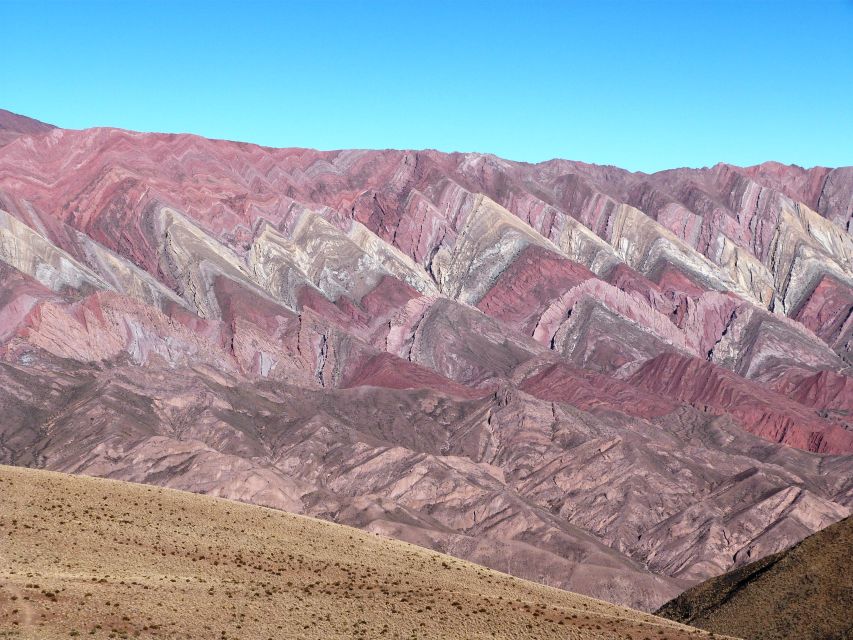
- Hornocal’s Hill of 14 Colors: a signature photo stop in Hornocal town
- Humahuaca’s Hill of Seven Colors: the color-theme continues, with its own look
Price and Value: Is $183 Reasonable for 4 Days?
$183 per person for a four-day guided circuit is usually a “value” price in this region because you’re paying for more than transport. You’re also buying convenience: hotel pickup and drop-off, plus a guide through multiple major stops across Salta Province.
The tradeoff is simple. Food and drinks are not included, so you’ll want to budget for meals during the day. Also, this is a structured tour, so you’re following a plan rather than roaming freely on your schedule.
If you want to see Cafayate, Cachi, Salinas Grandes, Hornocal, and Humahuaca in one shot, this price makes sense. If you’d rather take your time and move at your own pace, a self-drive or public-transport approach could feel more flexible, but it won’t be as hands-off.
Hotel Pickup Timing: Start Early, Stay Organized
Pickup happens between 07:00 AM and 07:40 AM from your downtown Salta hotel lobby or reception. It’s one of those trips where an early start is what makes the later long-sightseeing blocks possible.
There’s a special timing note for Hornocal: please be at Caseros 420 at 06:30 AM for that part of the itinerary. That matters because Hornocal is an early-day stop, and being late can throw off your day more than you’d expect.
Practical tip: keep your ID/passport easy to grab the night before. You’ll also want a small layer for the van, since early mornings can feel cooler even when the daytime sun is strong.
Getting Around: Dirt Roads, Highway Hours, and Comfort
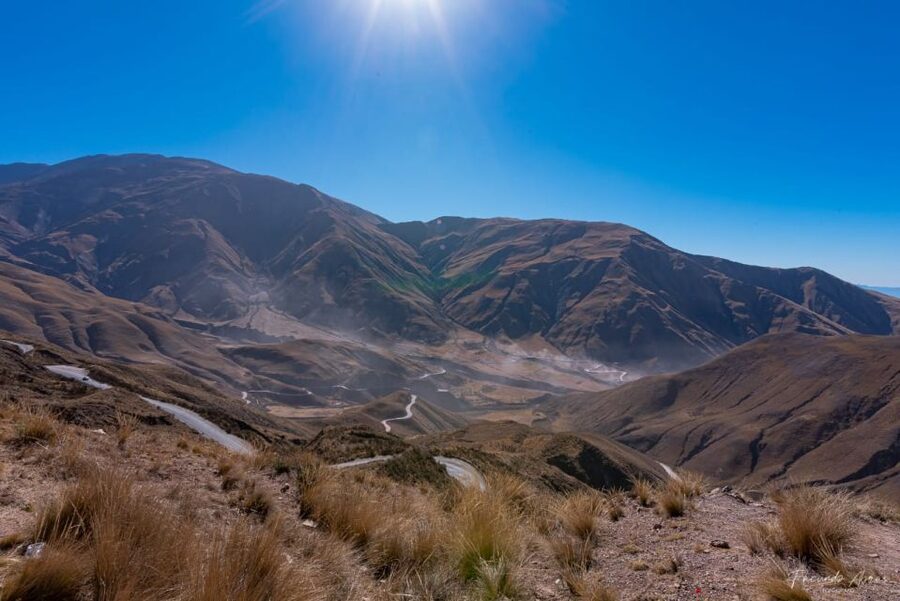
Plan for a travel-heavy day at least at points during the route. The trip includes around 2 hours of low-quality dirt roads and around 2 hours of highway on the way back. That doesn’t mean it’s uncomfortable by default, but it does mean you should be mentally prepared for a rougher ride segment.
The good news: the vehicles are high-quality minivans. That helps a lot with basic comfort, especially when roads aren’t at their best.
Also note: the Hornocal part of the itinerary is entirely in Spanish. Everything else is provided in your chosen language, so if your Spanish is limited, treat Hornocal as the one part where you may need to follow along more through observation than explanation.
Day-by-Day Feel: Cafayate, Wine, and Quebrada Views
You’ll start in Salta and head toward Cafayate, traveling through Alemania on the way. Even if you don’t think of transit days as part of the vacation, this route is scenic enough that the drive doesn’t feel like dead time.
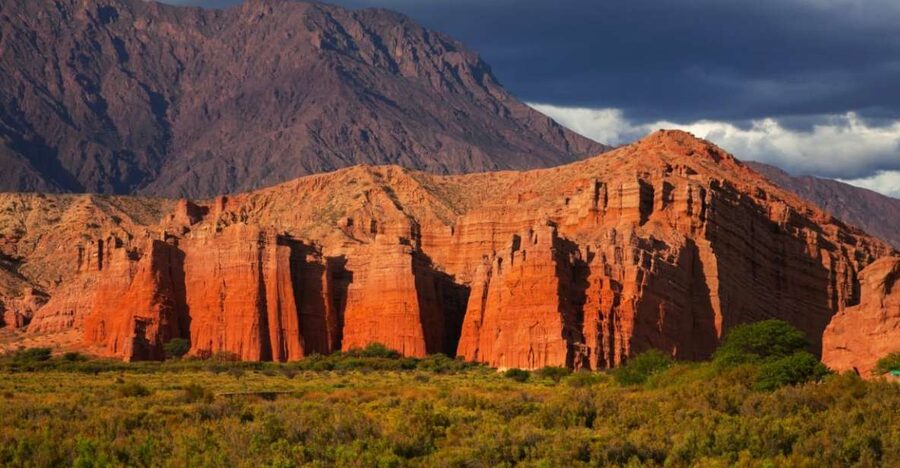
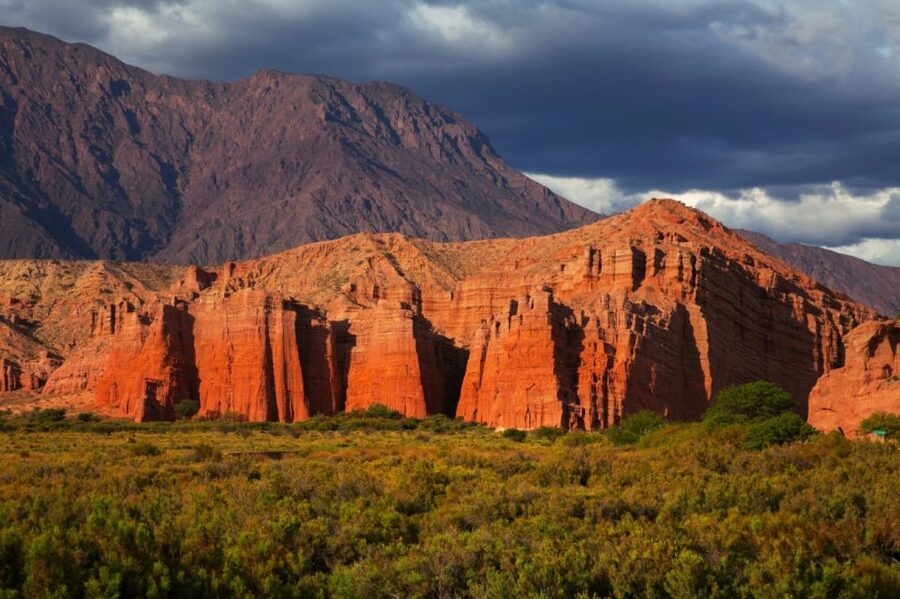
Once in Cafayate, the highlight is La Quebrada de las Conchas. This is canyon scenery with dramatic shapes and colors, where the best strategy is to take your time at the viewpoints rather than just snapping and moving on. The guide’s role here is real: they help you read what you’re seeing and point out features so the scenery feels less random.
You’ll also visit a winery in Cafayate. This is a smart balance if you want more than geology and photos. A winery stop gives you context for the region’s agriculture and culture, and it breaks up the “only scenic stops” rhythm.
Two things I’d do here: wear comfortable shoes (some viewpoints can involve uneven ground) and keep your camera battery handy, because the canyon colors can be hard to resist in multiple lighting conditions.
Cuesta del Obispo and Parque Nacional de Cardones: The Route With Character
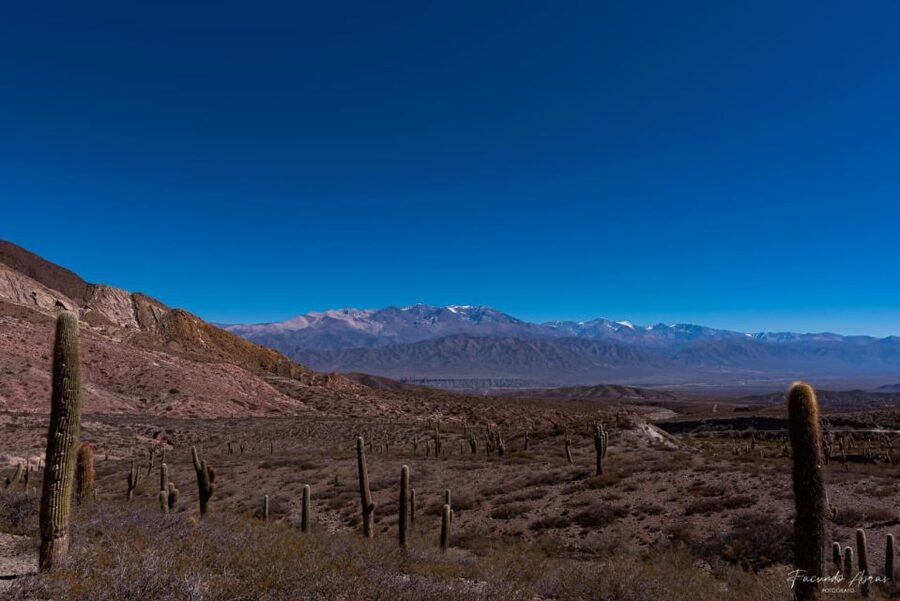
The tour continues through some of the most iconic “road scenery” areas in the region, including Cuesta del Obispo and Parque Nacional de Cardones. This is where the journey starts to feel like part of the experience, not just getting to the next place.
Cuesta del Obispo is known for its dramatic elevation changes and views that open up as you climb. If you like “pull-offs with a view,” this is that style—short stops, good sightlines, and lots of moments where you’ll want to slow down and look both left and right.
Then comes Parque Nacional de Cardones, where you’ll see the famous large cacti that define the area. The practical takeaway: don’t rush this stop. Even if you think you’ve seen cacti before, the scale here makes a difference, and it helps you understand how the desert environment shapes everyday life in the region.
If you’re the type who enjoys photos but also wants to know what you’re looking at, the guide matters most on these drive-and-stop segments.
Salinas Grandes: One of Argentina’s Salt-Flat Wonders
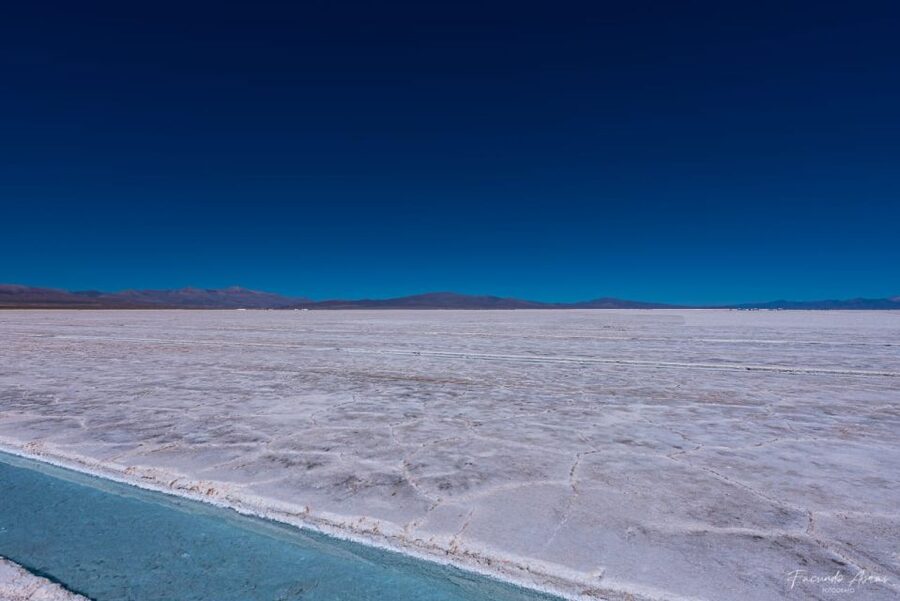
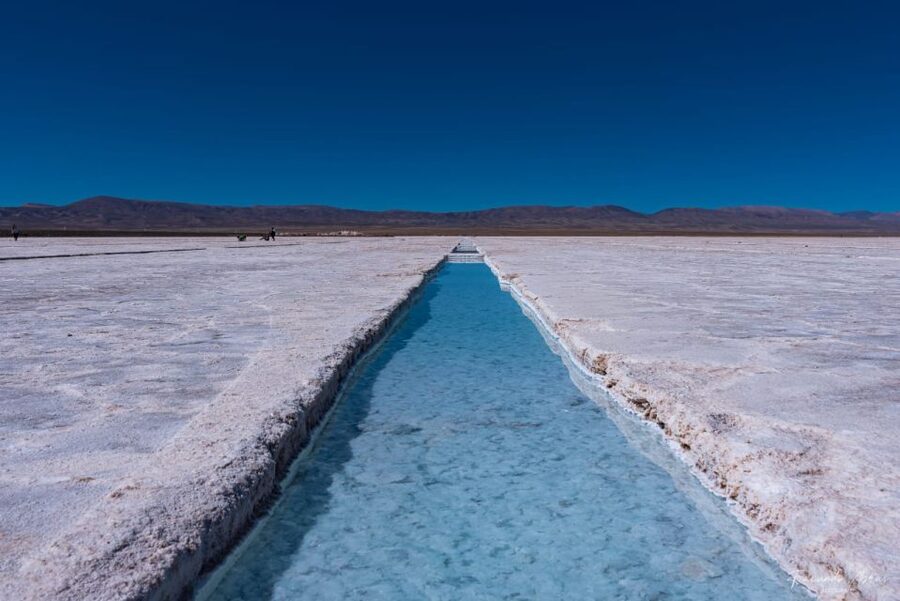
One of the biggest “wow” moments is Salinas Grandes, described as one of the 7 Wonders of the Argentine Republic. This is a place that feels almost unreal: flat, bright, and different from anything most people see close to home.
Why it’s worth your time: salt flats aren’t just a single view. You get a sense of scale, light, and texture depending on where you stand and how the sun hits the salt. It’s the kind of stop where your photos look best when you pause and reposition instead of shooting from one spot the whole time.
Also, this is one of the stops where having a guide helps with flow. You don’t want to spend half the visit trying to figure out what to do next. With a guided tour, you can focus on seeing.
Practical tip: bring layers and protect your eyes from glare, since bright salt scenes can be surprisingly harsh on comfort.
Hornocal’s Hill of 14 Colors: The One Time Language Changes
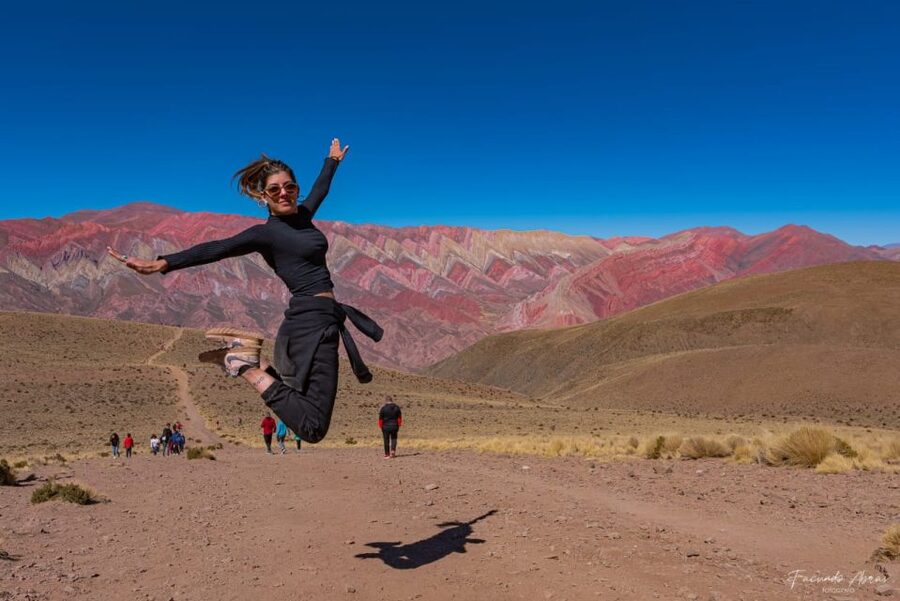
Hornocal is a signature stop, tied to the Hill of 14 Colors. It’s located in Hornocal town, and it’s the kind of viewpoint where you’ll instantly understand why the name matters.
Here’s the key detail for planning: the Hornocal part is entirely in Spanish. If you chose English, you can still enjoy the scenery fully, but the explanation may not be as accessible. You’ll still benefit from seeing it, but your comfort will depend on how you handle Spanish-only narration.
Timing-wise, you’ll need to be ready early: arrive at Caseros 420 at 06:30 AM for the Hornocal segment. This is one of those moments where “early” isn’t optional, because the timing supports the best conditions for the viewpoint.
What to do once you’re there: take a slow walk to find your angle, and watch how the colors shift with your position and light. That shifting effect is part of the attraction.
Humahuaca: Hill of Seven Colors Keeps the Story Going
After Hornocal, the tour heads to Humahuaca and its Hill of Seven Colors. This keeps the color-theme moving, but the feel is different enough that it doesn’t feel like repetition.
Humahuaca adds a cultural geography element to the physical scenery. It’s where the trip starts to feel more like a province route than a set of isolated photo points. If you’re paying attention to how the region changes, these color hills help you connect the dots between rock formations and how the towns fit into the terrain.
Practical tip: keep your phone storage and memory space free. You’ll likely want multiple shots from slightly different angles, because that’s how the colors show up best.
What the Guide Actually Adds (Beyond “Point and Shoot”)
The guide is more than logistics. You’ll get interpretation—history and culture context tied to the places you pass and the viewpoints you stop at.
The tour style is still mostly practical: you’re moving through multiple stops with a plan, not wandering for hours without structure. But the best part is that the guide tries to make the trip understandable, so you don’t feel like you’re just looking at random scenery pulls.
One review-style theme that fits the overall experience: it can feel partly like a well-run excursion with plenty of guided moments rather than a deeply lecture-style tour. That’s a good match for most people who want the locations and don’t need every minute to be a classroom.
Who This Trip Is Best For
This works best if you:
- Want a multi-day route covering major Salta Province highlights in one package
- Enjoy scenic drives with scheduled viewpoints, not just museums
- Prefer having a guide to explain what you’re seeing
- Are comfortable with early mornings and some road roughness
It may not be ideal if:
- You have back problems (the tour is not suitable for this)
- You need full English narration at every stop (Hornocal is Spanish-only)
- You want lots of free time to wander on your own without structure
What to Bring (So Your Days Feel Easy)
The essentials are straightforward:
- Passport or ID card (including for children)
- Comfortable clothes
- Something comfortable for long days on a minivan and at viewpoints
If you tend to get sore or tired on travel days, bring a small neck pillow or something similar. The dirt-road segments can be less forgiving than highway, even with a good vehicle.
Also, keep your essentials dry and reachable. When you’re moving between multiple viewpoints, it’s easy to waste time digging for items you need right now.
Should You Book This 4-Day Salta Province Tour?
Book it if you want a guided, efficient way to hit the province’s top hits—Cafayate, Salinas Grandes, Hornocal, and Humahuaca—without planning the route yourself. The price is reasonable for what you get: hotel pickup/drop-off plus a live guide across several big, far-apart sights.
Skip it (or think twice) if you’re sensitive to rougher roads, since the tour involves dirt-road time, or if you need non-Spanish guidance at Hornocal. Also, be realistic about meals: food and drinks aren’t included, so budget for that.
If you’re ready for early starts, big scenery moments, and a route that feels like a proper Salta Province sampler, this is a strong choice.
FAQ
Is food and drinks included on this tour?
No. Food and drinks are not included, so you’ll need to plan your own meals during the trip.
What languages are available?
The tour guide is available in English and Spanish. The Hornocal portion of the itinerary is entirely in Spanish.
When does hotel pickup happen in Salta?
Pickup from downtown Salta hotels takes place between 07:00 AM and 07:40 AM.
Where do I need to go for the Hornocal part?
For Hornocal, you should be at Caseros 420 at 06:30 AM.
How long is the trip?
The tour duration is 4 days. Starting times depend on availability.
Is the tour suitable if I have back problems?
No. The tour is not suitable for people with back problems.