REVIEW · MARSA ALAM
From Marsa Alam: Private Day Trip to Luxor by Car
Book on GetYourGuide →Operated by FTS Travels · Bookable on GetYourGuide
Luxor from Marsa Alam is a long day, then it pays off. You’ll ride in air-conditioned comfort, visit Luxor’s headline temples, and feel the weight of Egypt’s past from Karnak to the Valley of the Kings.
What I like most is the private guide experience. Guides such as Aziz (a trained archaeologist), Ragab, and Dia are the kind of people who can explain why statues, pillars, and tomb choices mattered—not just what you’re looking at. My only real caution is the drive: plan for a very early start and a tiring amount of time on the road.
The practical side matters here. Pickup can run very early (around 2:15–2:55 a.m. in some cases), you’ll likely be doing a full day with only a few breaks, and there’s no room for big bags.
In This Review
- Key things to know before you go
- Private Luxor by Car: What You Gain From Traveling This Way
- The Long Drive Reality From Marsa Alam (and How to Handle It)
- Karnak Temple: Walking Through Power Made Stone
- Lunch by the Nile: Rest Your Feet Without Losing the Day’s Momentum
- Colossi of Memnon: Two 60-Foot Figures That Still Feel Huge
- Valley of the Kings: Picking 3 Tombs and Knowing Why You’re Picking Them
- Temple of Hatshepsut: Cliffs, Sandstone Steps, and a Female Pharaoh
- Your Guide Makes the Difference: Aziz, Ragab, Dia, and Said in Practice
- Price and Logistics: Is $375 per Person Fair Value?
- Who This Luxor Car Trip Fits Best (and Who Should Rethink It)
- Should You Book This Tour?
- FAQ
- Is this a private Luxor day trip from Marsa Alam?
- What sights are included in the tour?
- How does pickup timing work from Marsa Alam hotels?
- Is lunch included, and are restaurant drinks included too?
- Are there restrictions on luggage, and what should I bring?
- What’s the biggest practical thing to consider before you go?
Key things to know before you go
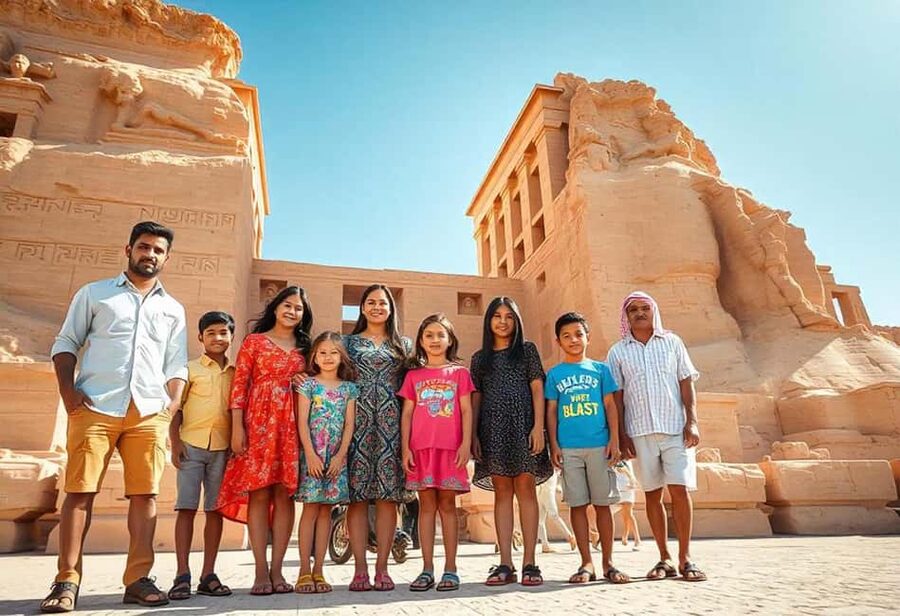
- Private door-to-door transfers in an air-conditioned vehicle, with drinks while you travel
- Expert English-speaking guidance from guides like Aziz, Ragab, Dia, and Said
- Temple highlights in one sweep: Karnak, Colossi of Memnon, Valley of the Kings, and Hatshepsut
- Nile-front lunch included, but drinks at the restaurant cost extra
- A long drive via Safaga and checkpoints is the main downside to plan around
- Optional extra tomb visit (like Tutankhamun’s) can be worth the splurge if offered
Private Luxor by Car: What You Gain From Traveling This Way
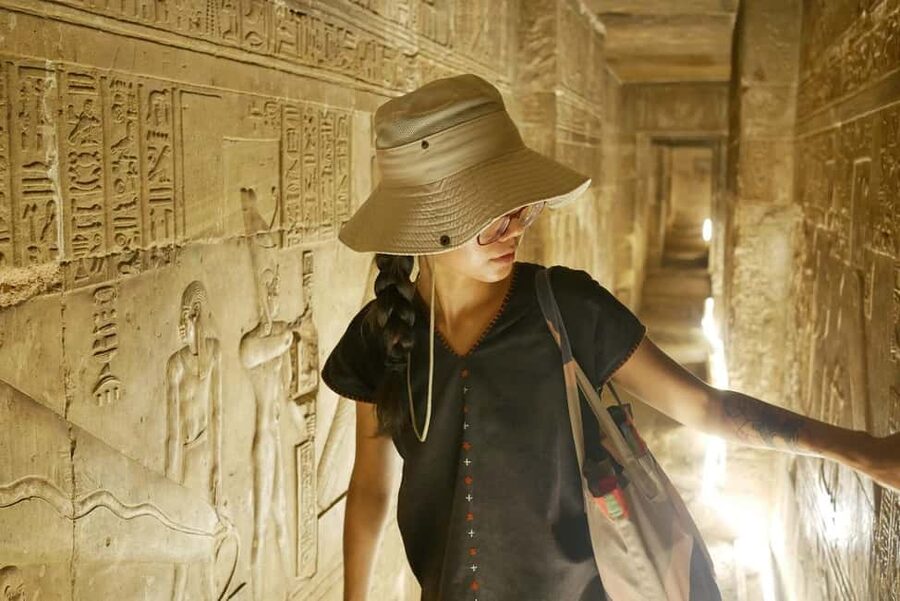
This is not the quick “hop on, hop off” kind of trip. From Marsa Alam, you’re essentially doing a dedicated Luxor route by car, which means your day stays controlled instead of split across schedules and transfer hassles.
The private setup also helps you move at a human pace. With a guide staying with you throughout the sightseeing parts, you’re not just walking from one gate to another—you get explanations, context, and time to ask questions. That matters most at sites like Karnak, where the details would otherwise melt into a blur of columns and carvings.
On the comfort side, the vehicle is air-conditioned and the trip includes drinks while you’re on the road. People have also noted blackout curtains, fresh water, and small comfort touches like sleep-friendly breaks. If you’re trying to stay functional for a marathon day, those things count.
You can also read our reviews of more tours and experiences in Marsa Alam.

The Long Drive Reality From Marsa Alam (and How to Handle It)
Let’s talk honestly about the biggest tradeoff: the road time. The drive can be longer than you’d expect, with checkpoints and the route running via Safaga. In some cases, people reported over 5 hours each way, and one long day clocked close to 19 hours total on the road.
So build your plan around that. This trip is best for travelers who can handle early mornings and don’t mind spending a lot of time in a vehicle before seeing a single temple. If you’re sensitive to long travel, you might find it exhausting even with air-conditioning and regular stops.
A smart tip is to treat this like a sleep-and-stretch mission. One practical suggestion from the experience: bring (or ask about) a pillow setup so you can doze during the ride. Even a small improvement to sleep can make the difference between enjoying Karnak and feeling foggy in front of the columns.
Also note the pickup timing depends on your exact hotel location. You’ll need to confirm the pickup time ahead of the day of the tour, and there can be delays of up to 10 minutes.
Karnak Temple: Walking Through Power Made Stone
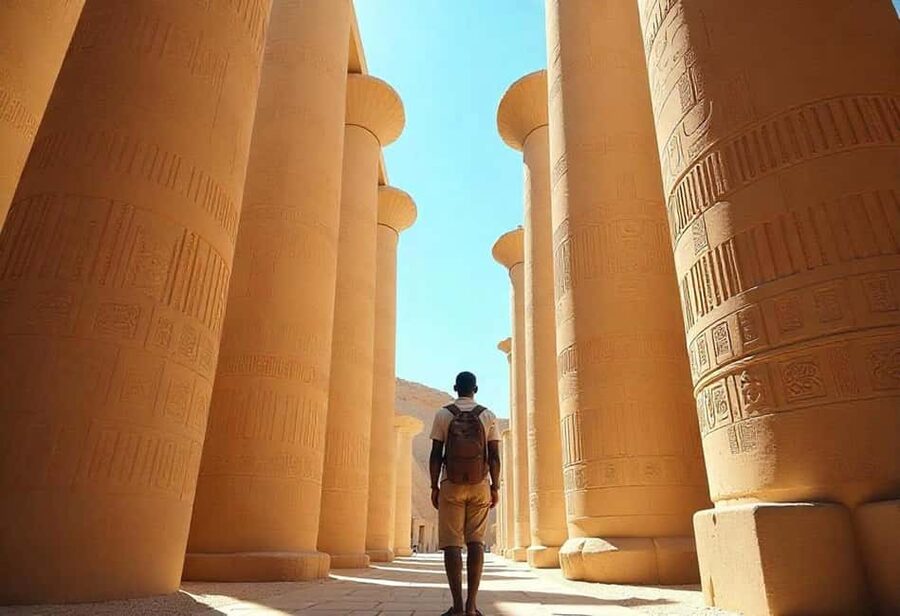
Karnak Temple is the kind of place where scale does the talking first. You’ll explore the sprawling grounds and move through a space marked by an intense rhythm of statues and massive lines of pillars.
This is where a good guide changes everything. A well-led visit turns Karnak from scenery into meaning. The guide helps you understand why statues were placed where they were, and how the layout supported religious and political roles in ancient Egypt.
One clear advantage of this tour style is timing. People have found that the dedicated transport helps you arrive before larger tour buses start flooding in. That means you can see the main areas with less crowd pressure, which helps you actually read the temple walls and take in what you’re standing in front of.
Plan to walk. Karnak’s not just one photo stop; it’s an extended set of spaces that reward slow movement and attention.
Lunch by the Nile: Rest Your Feet Without Losing the Day’s Momentum
After Karnak, you’ll stop for lunch at a fine dining restaurant on the banks of the Nile. Lunch is included, but drinks at the restaurant aren’t, so it helps to have cash or payment ready if you want something extra.
This break is more than food. It’s your chance to reset before the afternoon’s big visual hits: the Colossi, the Valley of the Kings, and Hatshepsut. If you tend to get cranky on low energy, this is where you can fix it—eat steadily, hydrate from the vehicle when you can, and don’t rush.
One detail I like here: the day stays structured. You’re not wandering hungry through Luxor. You get a proper pause, then you roll back into the sights.
Colossi of Memnon: Two 60-Foot Figures That Still Feel Huge
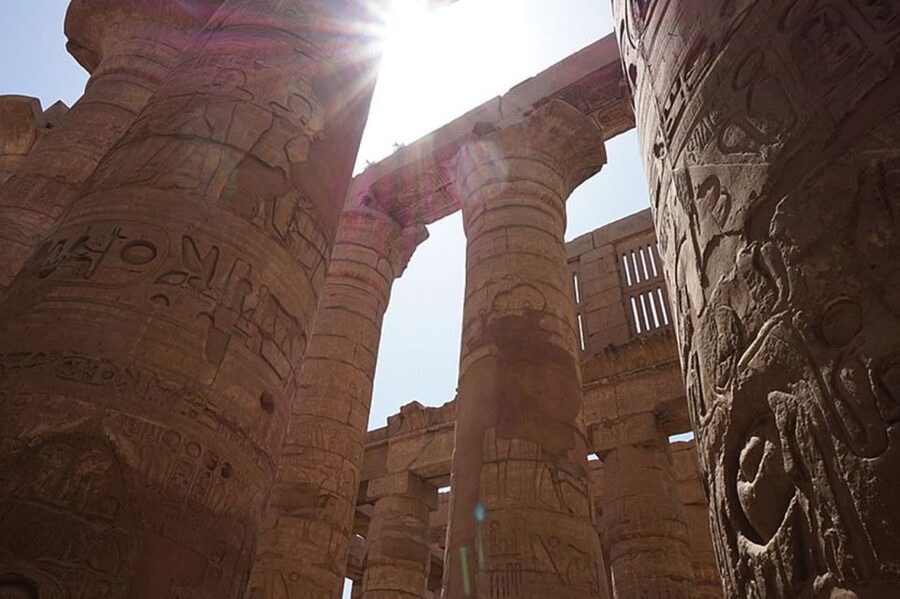
Next up are the Colossi of Memnon—two enormous statues of Amenhotep III, each about 60 feet tall. Even if you’ve seen pictures, seeing them in person gives you that “how did they move this?” feeling.
The stop is short compared to temples, but it works well in the flow of the day. You get a dramatic visual break between major complexes. It also sets you up mentally for the Valley of the Kings, where the focus shifts from massive monuments to carved history in mountain rock.
Bring sunglasses and comfortable shoes. Bright desert light bounces hard, and you’ll be standing and walking on uneven surfaces.
Valley of the Kings: Picking 3 Tombs and Knowing Why You’re Picking Them
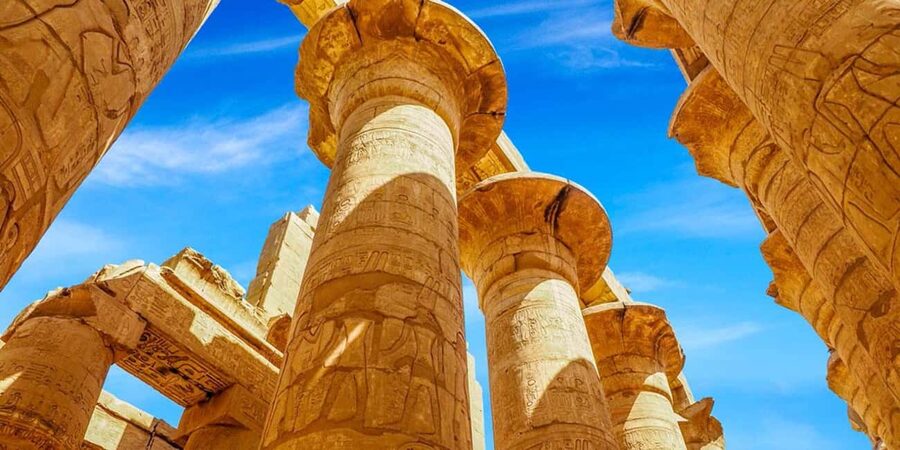
Then you head to the Valley of the Kings, a set of tombs carved into the surrounding mountains. You’ll visit three tombs during the tour.
Three tombs is a solid number. More than that can turn into one long tunnel of walls and names, and fewer might not give you enough variety. With three, you can compare styles and learn how tomb design tied to religious beliefs and royal status.
Here’s the one practical choice to think about: if there’s an optional extra tomb visit—often Tutankhamun’s tomb—you may be offered it as an upgrade. Many people consider that type of add-on worth the extra effort because it’s the one name most travelers want to see. If you’re on the fence, ask your guide what the timing looks like that day.
Temple of Hatshepsut: Cliffs, Sandstone Steps, and a Female Pharaoh
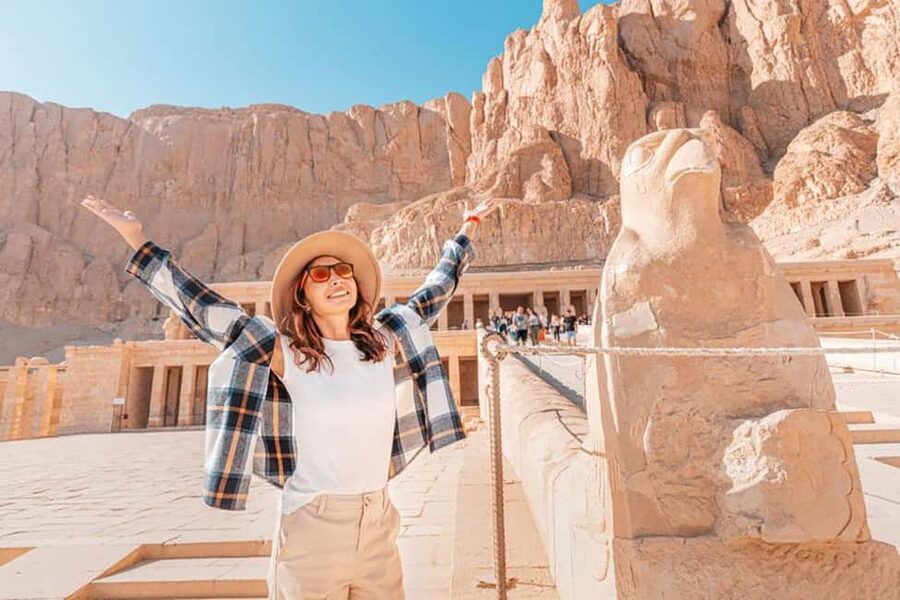
Hatshepsut’s Temple sits above the desert on sandstone cliffs. The structure feels like it belongs to the rock itself—layered terraces, dramatic angles, and a sense of elevation as you move through the complex.
This is one of the stops where an expert guide pays off. With proper explanations, you don’t just see a famous pharaoh’s name—you understand the context of why a female ruler matters, and how the temple’s design fits into ancient Egyptian authority.
Expect walking. You’ll move along terraces and viewpoints, and you’ll want steady footwear because surfaces can be rough. Heat management matters here too, so plan on breaks when your guide suggests them and keep water close.
Your Guide Makes the Difference: Aziz, Ragab, Dia, and Said in Practice
The guide side is a major reason this trip earns such strong ratings. People specifically called out Aziz, a trained archaeologist who was patient, humorous, and very detailed in explanations. Others highlighted Ragab and Dia as excellent guides who handled questions well and adapted to pace.
That adaptation is important. At temples and tombs, not everyone wants the same pace. Some people like a quick walkthrough; others want to linger at a carving and ask what it means. A guide who can flex makes the day feel less like a rush and more like a guided lesson you can actually enjoy.
There’s also a logistics reality to remember: some parts of the operation involve drivers who may not speak English. Your guide should handle communication around the sites, but if you’re the kind of person who likes to ask lots of questions in transit, it helps to have your guide do the translation and context.
Price and Logistics: Is $375 per Person Fair Value?
At $375 per person, this isn’t a cheap weekend add-on—it’s a full remote-day expedition from Marsa Alam to Luxor and back. The value comes from what’s included versus what you pay separately.
Included elements that add up:
- Roundtrip air-conditioned private transfers
- A private English-speaking tour guide
- Entrance fees for the sights in the plan
- Drinks in the vehicle
- Lunch at a fine dining Nile-front restaurant
- FTS scarf if an add-on option is selected
Not included (so budget for it):
- Drinks at the restaurant
- Personal expenses
- Any optional items like a felucca ride
If you’re comparing this to piecing things together yourself, the pricing starts to make more sense because you’re buying time, coordination, and entry fees folded in. The main reason you feel the cost is the distance: you’re paying for a long dedicated drive plus the guide time needed to make it worthwhile.
The best way to judge value is simple: if you want Karnak, the Valley of the Kings, Hatshepsut, and the Colossi in one organized day with a guide, this price often feels reasonable. If you only care about one or two sites—or you get worn out by road time—then it’s harder to justify.
Who This Luxor Car Trip Fits Best (and Who Should Rethink It)
This tour is ideal for you if you want a focused Luxor day without planning on your own. It’s also a strong match if you enjoy the “why” behind the monuments, because the guides highlighted names like Aziz and Ragab for explaining details clearly.
It can work for families, too, as long as you can handle long days and very early starts. One review specifically mentioned it working with children and noted that there were clean toilet stops built into the day.
If you’re older, have mobility issues, or know you struggle with extreme early starts and long drives, you’ll want to think hard. The road time can be heavy even with comfort features, and temples and tombs still involve plenty of walking.
Should You Book This Tour?
I’d book this if you’re set on seeing the Luxor classics—Karnak, Valley of the Kings, Hatshepsut, and Colossi of Memnon—and you want the benefit of a private guide who can explain what you’re looking at. The value holds up well when you factor in included entrance fees, lunch, and the long roundtrip logistics from Marsa Alam.
I’d hesitate if your top priority is minimizing driving time, or if you need a relaxed schedule. This trip is designed for stamina: you’ll start very early, spend hours on the road, then pack in major sites after arrival.
FAQ
Is this a private Luxor day trip from Marsa Alam?
Yes. It’s a private day trip with roundtrip transfers in an air-conditioned vehicle and a private English-speaking tour guide.
What sights are included in the tour?
The tour includes Karnak Temple, Colossi of Memnon, the Valley of the Kings (with three tombs visited), and the Temple of Hatshepsut.
How does pickup timing work from Marsa Alam hotels?
After you arrive at your hotel, you send your room number by email to the local partner. At least one day before the tour, you’ll be informed of your exact pickup time. Pickup time depends on your hotel location, and a delay of up to 10 minutes may happen.
Is lunch included, and are restaurant drinks included too?
Lunch is included. Drinks at the restaurant are not included.
Are there restrictions on luggage, and what should I bring?
Large bags and luggage are not allowed. Bring your passport or ID card, comfortable shoes and clothes, sunglasses, cash, and avoid packing large items.
What’s the biggest practical thing to consider before you go?
The drive is long, with the route via Safaga and multiple checkpoints. Plan for very early pickup and a tiring amount of road time, even with comfort features like air-conditioning and drinks in the vehicle.