REVIEW · MARRAKESH
From Marrakech: Imlil Day Trip & lunch in Local Family house
Book on GetYourGuide →Operated by Trekking Morocco · Bookable on GetYourGuide
One road trip can change your whole view of Morocco. This Imlil Valley day trip swaps Marrakech bustle for mountain villages, waterfall stops, and big Toubkal views.
What I like most is the focus on real daily life: tea in a small village, then lunch in a family house with a view of the Atlas. I also like that your guide sets a pace that fits you, with route choices that can feel less crowded.
The one thing to watch is the hike: it’s not a long trek, but the first part can be rocky and demanding, especially in cooler months.
In This Review
- Key points at a glance
- Marrakech to Imlil: the scenic drive up the Righaya Valley
- First hike hours around Imlil: villages, terraces, and the Toubkal look
- Mzzik Village tea stop: why it matters more than a photo break
- Waterfalls and Berber village life: the cultural layer on the path
- Optional argan oil cooperative and an Asni Market Saturday
- Lunch in Ait Souka: tagine, mint tea, and a mountain-view table
- How hard is the trek, and how to pack like you’re going to the mountains
- Value for $27: what you get, and why it’s not just a cheap outing
- Who should book this day trip (and who should rethink it)
- Should you book Imlil Valley with lunch in a local family house?
- FAQ
- How long is the Imlil day trip from Marrakech?
- Do I get pickup in Marrakech?
- How difficult is the hike?
- What will I do during the day?
- Is lunch included, and can you do vegetarian or vegan?
- Is mule riding available?
- Which languages are the guides available in?
- What should I bring for the trip?
- What’s not allowed during the tour?
- Can I cancel if plans change?
Key points at a glance
- Hotel pickup that actually works from many areas in Marrakech, or a clear meeting point if the medina streets are too tight
- Village hiking with flexible pacing, typically around 1–2 hours of walking, sometimes adjusted by fitness and age
- Mint tea stop in Mzzik Village plus time to meet locals in the rhythm of the valley
- Waterfall scenery with Mount Toubkal views on the walk and viewpoints along the way
- Lunch in a local Berber home in Ait Souka, usually tagine-style and made with what’s grown locally
- Optional argan oil / cooperative stop (often a women’s argan project in the area) and an Asni Market visit if you’re there on Saturday
Marrakech to Imlil: the scenic drive up the Righaya Valley
The day starts with pickup in Marrakech. If your hotel is hard to reach by car, you’ll get a practical meeting point inside the medina instead. Either way, you’re not left figuring out transport on your own, which matters because the Atlas road isn’t exactly “grab a taxi and go.”
From Marrakech, the van heads toward the foothills, and you’ll spend real time on the way out—complete with photo stops and a guided look at what you’re passing. The route goes through the Righaya Valley, with views via Moulay Ibrahim gorges, and you get breaks that keep the drive comfortable rather than rushed. Reviews also mention the driving is handled with care, and that you’ll have chances to stop, stretch, and reset.
One practical thought: if you’re prone to motion sickness, pick your seat carefully. Some people found certain seating arrangements made it worse on bendy mountain roads, so it’s worth asking for the most comfortable spot you can get.
First hike hours around Imlil: villages, terraces, and the Toubkal look
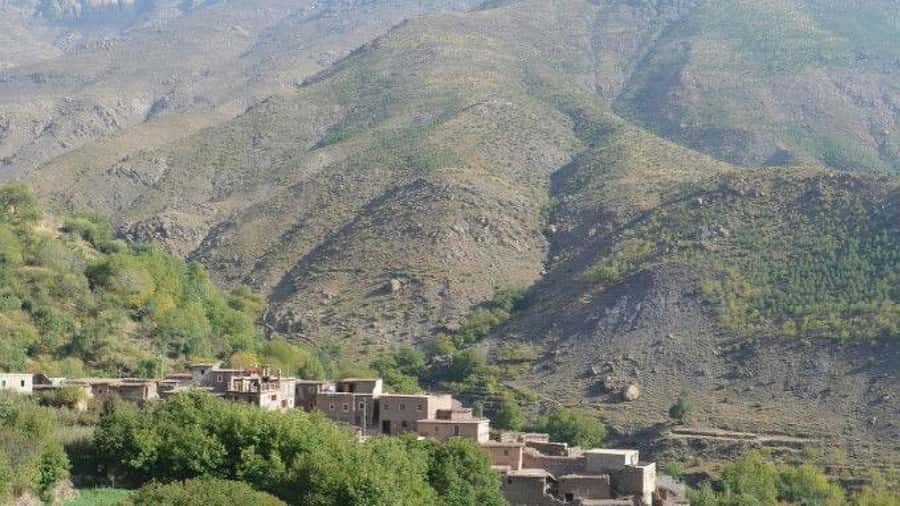
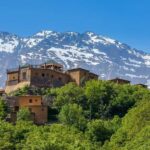
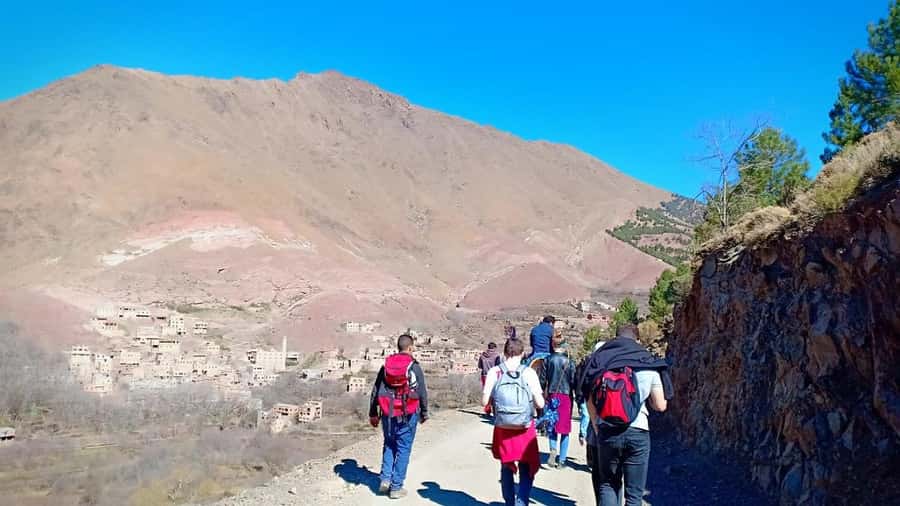
Once you reach Imlil, the real point of the trip begins. This is the Atlas “little Chamonix” feel people talk about—valley villages stacked against mountain walls, walnut terraces, and paths that go past homes rather than straight past sights.
Your walk typically runs about 1 to 2 hours and is described as not hard, but still active. The route can be flexible depending on fitness and age, so you may do a slightly shorter loop or a variant that fits your group. Most importantly: the pace isn’t set for the fastest walker—it’s set so you can enjoy the valley and still make it to lunch without turning the day into a struggle.
The walk often starts with a short, steeper rocky section. One review noted the first 45 minutes can be the most rigorous up rocky trails before things ease. In winter or cold snaps, you might also find icy patches underfoot, so good shoes matter more than style.
As you hike, you’ll move through places like Arghen and Mzzik, and you’ll get viewpoints that bring Mount Toubkal into view. Even if you’re not climbing Toubkal itself, seeing it from the valley gives you that “wait, this is right by Marrakech?” moment.
Mzzik Village tea stop: why it matters more than a photo break
The mint tea stop in Mzzik Village is more than a caffeine moment. It’s where the trip slows down and shifts from scenery to people. You’ll meet locals in a setting that feels like life continues around you—people working, chatting, and treating the tea like part of the day rather than an activity.
Tea here is usually paired with small extras like nuts (based on how this stop is described). This is also when your guide can connect the dots between what you’re seeing—terraces, village layout, daily routines—and what it all means for how people survive in the mountains.
If you want to remember one thing about this trip, make it this: the walk is pretty, but the tea stop gives it context.
Waterfalls and Berber village life: the cultural layer on the path
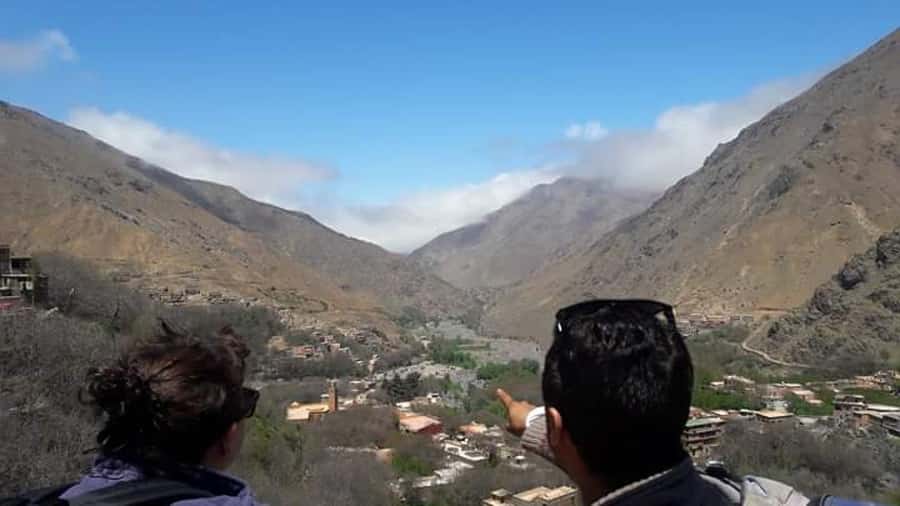
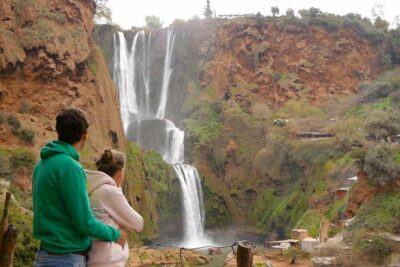
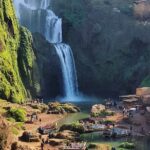
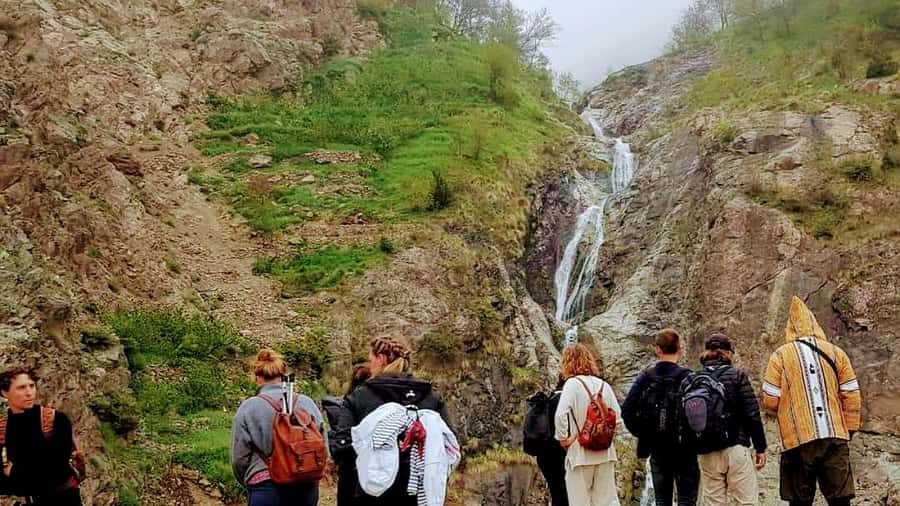
The itinerary includes a visit to waterfalls, with time to enjoy the view and the sound of water coming down the valley. Depending on season and water flow, the waterfall moment can be the day’s most photogenic stop—especially when you’re framed by mountain ridges and village edges.
This is also where guides add the cultural layer. Multiple guides are mentioned by name—Sabir, Mohammed, Hassan, Mohammed Larbi, and Ibrahim—and the common thread is how they explain day-to-day life. You might hear about local traditions, the economy of the valley, and how people adapt to mountain conditions. Some people even mentioned learning about real-world challenges affecting the region, which adds weight beyond the scenery.
If you’re traveling with kids or someone with limited mobility, focus on the “manageable but active” reality. The tour can be flexible, and a good guide can help you adjust, but you should still be ready for uneven paths.
Optional argan oil cooperative and an Asni Market Saturday
A key part of the day can be stopping at an argan oil cooperative, often tied to women’s groups in the Tahnaout area. You’ll see how argan oil production works and hear the story behind it. Reviews mention these stops can be lively—music, lots of tea, and storytelling—so it doesn’t feel like a factory visit.
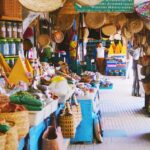
You may also visit Asni Market if your day falls on Saturday. Markets can be a good way to see what locals buy and sell in the surrounding region. If you prefer calm sightseeing, keep in mind that markets do bring more people and more noise than a village trail.
A smart way to handle these stops: think of them as education, not just shopping. If you want products, go ahead and buy, but don’t feel pressured to haggle for the sake of it.
Lunch in Ait Souka: tagine, mint tea, and a mountain-view table
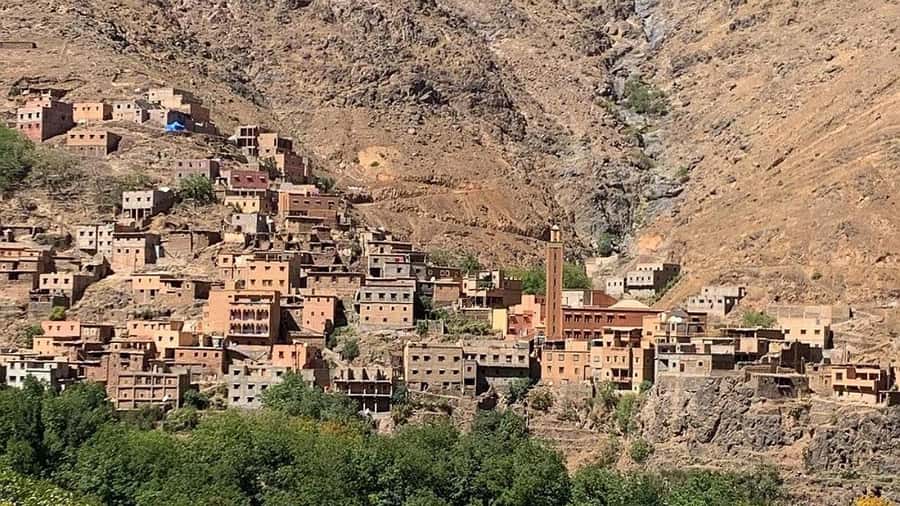
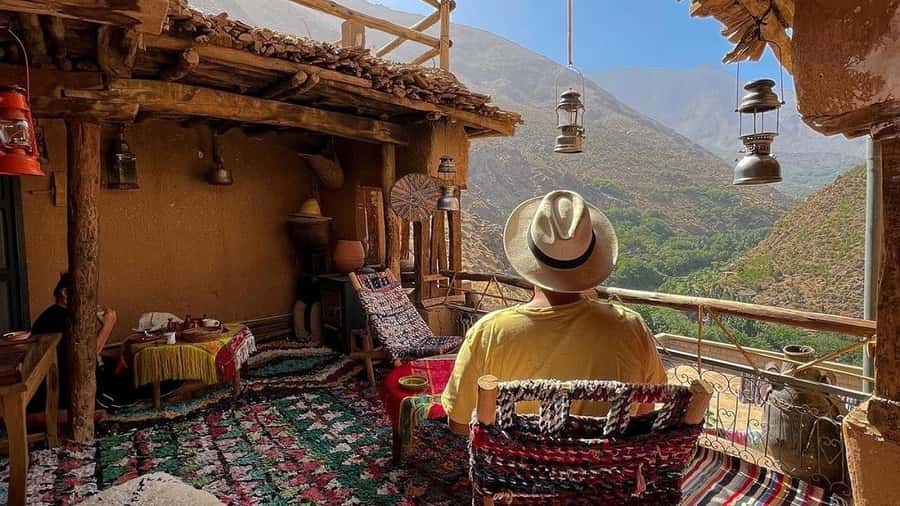
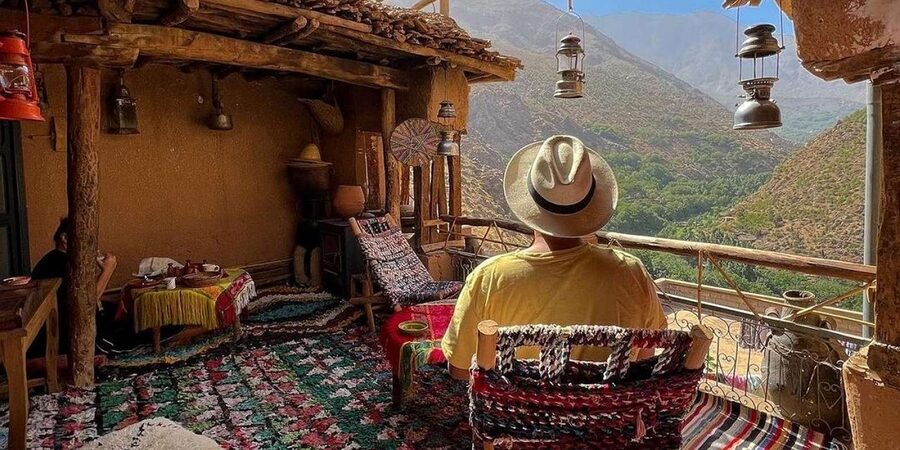
Lunch is one of the strongest reasons to book this day trip. You’ll eat in a local family house in Ait Souka, facing the Atlas Mountain chain. This is where the “authentic” part becomes real: you’re not just eating food that tastes good—you’re eating it in the setting that shaped it.
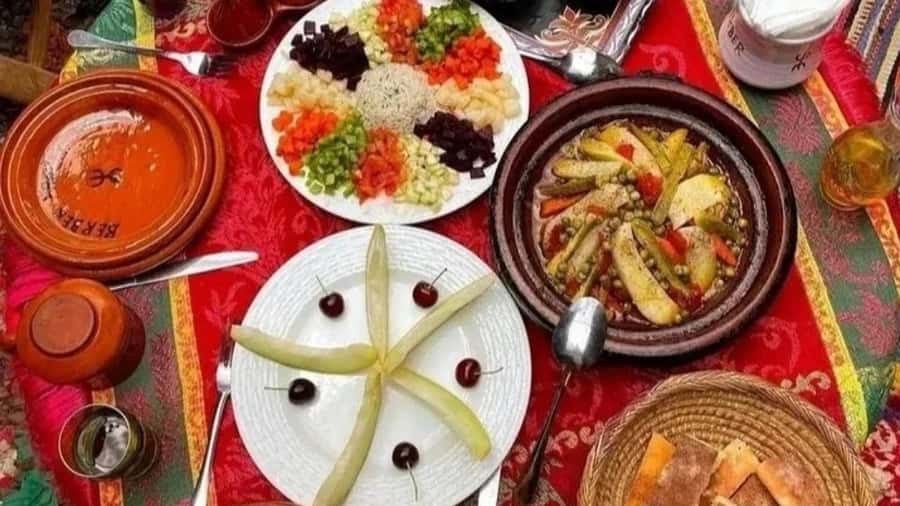
Food is often described as tagine (with salads, bread, olives, fruit, and mint tea in some accounts). Portions tend to be described as satisfying but not huge, which is useful if you hike actively and don’t want to feel stuffed afterward. The best part is the view: you’re sitting down while Toubkal’s presence hangs over the valley.
Dietary needs are handled. The tour states vegetarian and vegan options are available. If you have allergies or strong dietary restrictions, it’s worth mentioning in advance so the team can adjust cooking.
How hard is the trek, and how to pack like you’re going to the mountains
Even though this is a day trip, it has mountain energy. The tour asks you to bring:
- Comfortable shoes (not flip-flops)
- Warm layers (temperatures shift fast)
- Sunglasses and a sun hat
- Sunscreen and a camera
It’s also smart to bring something you can layer, because you can go from cool start to warmer sun—or from sun to shade on rocky paths. Reviews also flagged that in colder periods some spots can be icy, which makes shoe grip a priority.
And don’t expect “sit and admire” hiking. This is a walk through villages, terraces, and footpaths. You’ll likely spend time climbing, turning, and moving across uneven ground.
Value for $27: what you get, and why it’s not just a cheap outing
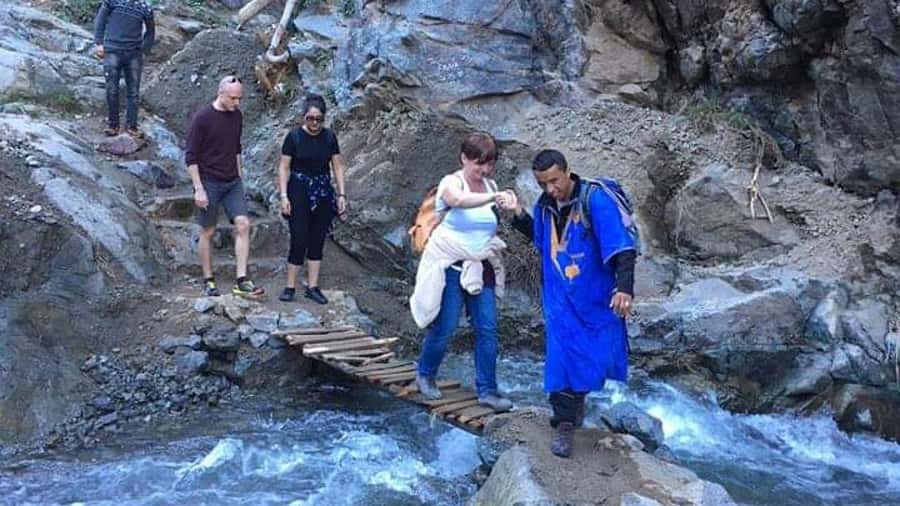
At $27 per person, you’re paying for more than a bus to the mountains. You get pickup and drop-off, transportation, a local guide, lunch in a local family house, and mint tea. For a full-day experience with food included, that pricing usually feels fair because you’re not separately arranging guides, meals, and transport.
Where the value really shows: the guide work. Reviews repeatedly praise guides like Ibrahim for being conversational and thoughtful, Sabir for a smooth pace, and Hassan for routing that can feel less touristic. When the guide chooses a better path and explains what you’re seeing, your day feels fuller.
Who should book this day trip (and who should rethink it)
This is a great fit if you want:
- A short hiking day that still feels “real”
- Views of Toubkal without climbing it
- A day built around villages and local meals
- A guide who can slow you down for photos and context
It might be less ideal if:
- You don’t handle uneven rocky paths well (especially the early climb)
- You’re traveling with very young kids who can’t do even a modest hike
- You get motion sickness easily on curvy mountain roads
The flexibility matters here. The trek can change based on your fitness and age, and a good guide will help you adjust so you don’t suffer through it.
Should you book Imlil Valley with lunch in a local family house?
I’d book it if you want your Marrakech trip to include a proper Atlas day: tea in a village, a hike between Berber communities, waterfall time, and then lunch in someone’s home with a mountain view. At the price point, it’s one of those deals where transport + guide + meal together make sense.
I’d hesitate only if you know your limits and you’re uncomfortable with rocky footing or cold, icy underfoot conditions. If that’s you, consider bringing trekking poles or asking about a gentler route on the day.
If you’re okay with a moderate walking day and you care about eating where locals actually live, this is a strong choice.
FAQ
How long is the Imlil day trip from Marrakech?
The duration is listed as 1 day. The hike itself is typically around 1 to 2 hours, and the exact walking time can change based on fitness and age.
Do I get pickup in Marrakech?
Yes. The tour includes hotel pick-up and drop-off. If your hotel is not accessible by car, you’ll meet at a designated meeting point in the medina.
How difficult is the hike?
It’s described as involving about 1 to 2 hours of hiking that is not hard, but can be more or less depending on your level and the route chosen. Some people note the first part can be the most rigorous due to rocky trails.
What will I do during the day?
You’ll drive from Marrakech to the Imlil area, do a guided hike through villages, have a mint tea stop in Mzzik Village, visit waterfalls, and then enjoy lunch in a local family house in Ait Souka before returning to Marrakech.
Is lunch included, and can you do vegetarian or vegan?
Lunch in a local family house is included. The tour states vegetarian and vegan options are available.
Is mule riding available?
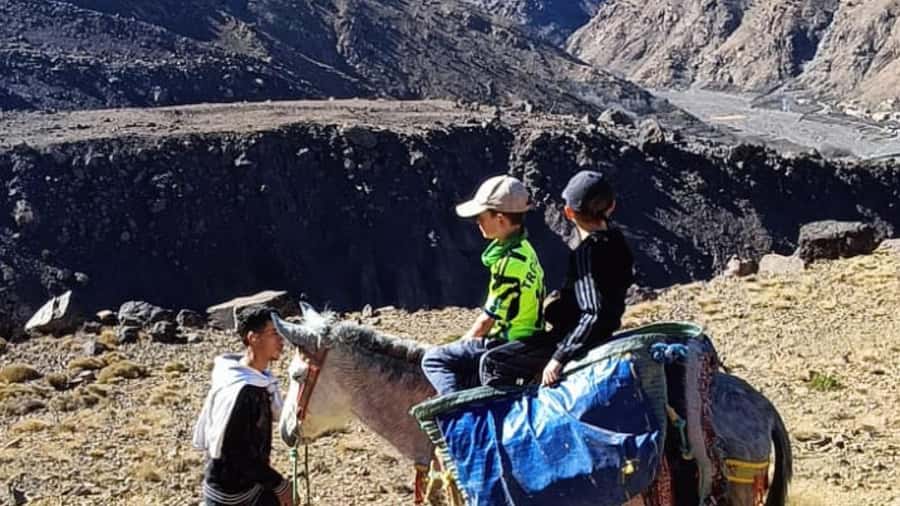
Yes. If you want to ride a mule for extra assistance, there is an additional 15€ charge paid locally to the mule owner, and the team can book it for you.
Which languages are the guides available in?
The live guide can speak Arabic, English, French, and Spanish.
What should I bring for the trip?
Bring comfortable shoes, warm clothing, sunglasses, a sun hat, sunscreen, and a camera.
What’s not allowed during the tour?
Alcohol, drugs, intoxication, and fireworks are not allowed.
Can I cancel if plans change?
Free cancellation is offered up to 24 hours in advance for a full refund.