REVIEW · MARRAKESH
From Marrakech: Atlas Mountains and Three Valleys Day Trip
Book on GetYourGuide →Operated by Targa Travel and Art Cuivre · Bookable on GetYourGuide
A day trip through Morocco that feels personal. You’ll get Berber village life, an Atlas hike to waterfalls, and a desert-style sunset over Agafay, all in one long but varied outing. Two standout parts for me are the Berber home lunch (tagine or couscous with homemade bread) and the short hike to waterfalls with local explanations along the way. One thing to think about: it’s an outdoors day with walking, and you should expect a pace that can feel busy if you’re sensitive to long drives and uneven ground.
What I especially like is how the tour mixes “scenery stops” with real human stops—like the argan oil women’s cooperative in a Berber village—then caps it with tea, cookies, and optional-style fun like the camel ride. Based on the guide stories people share (punctual drivers, great English/Spanish/French, and guides who adjust pace), it usually runs smoothly. The main drawback is that the itinerary can stretch longer than the listed 7 hours depending on pickup locations and conditions, so plan for a full-day commitment.
In This Review
- Key moments that make this trip worth your time
- Morocco from Marrakesh, with villages you can actually talk to
- Pickup, timing, and how to set expectations
- Azrou and the argan oil women’s cooperative stop
- The waterfall hike: what it feels like and how to prep
- Lunch at a Berber family home: tagine, couscous, and bread you’ll remember
- Amizmiz Valley tea break: the part that turns sightseeing into understanding
- Agafay desert pass: camel ride, free time, and sunset
- Price and value: why $28 can feel like a deal
- The staff factor: guides that keep the day friendly
- Who this trip suits best
- Should you book this Atlas Mountains and Three Valleys day trip?
- FAQ
- How long is the day trip, and are there different starting times?
- What’s included in the price?
- Can I cancel and get a full refund?
- What languages are available for the live guide?
- Where do I meet in Marrakesh?
- Is the tour suitable for pregnant women or wheelchair users?
Key moments that make this trip worth your time
- Azrou argan co-op visit: Meet the women’s cooperative that produces argan oil and products.
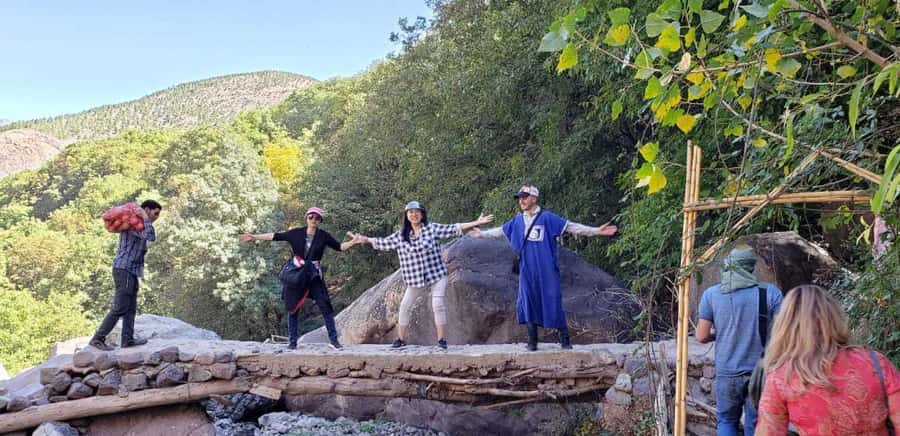
- Waterfall hike with a local guide: A short trek through Berber countryside to waterfalls.
- Lunch inside a Berber family home: Tagine or couscous, plus fresh salad and homemade bread.
- Amizmiz Valley mint tea break: Tea, cookies, and conversation that explains daily traditions.
- Agafay camel ride and sunset: Stony dunes at golden hour with hot drinks to slow things down.
Morocco from Marrakesh, with villages you can actually talk to
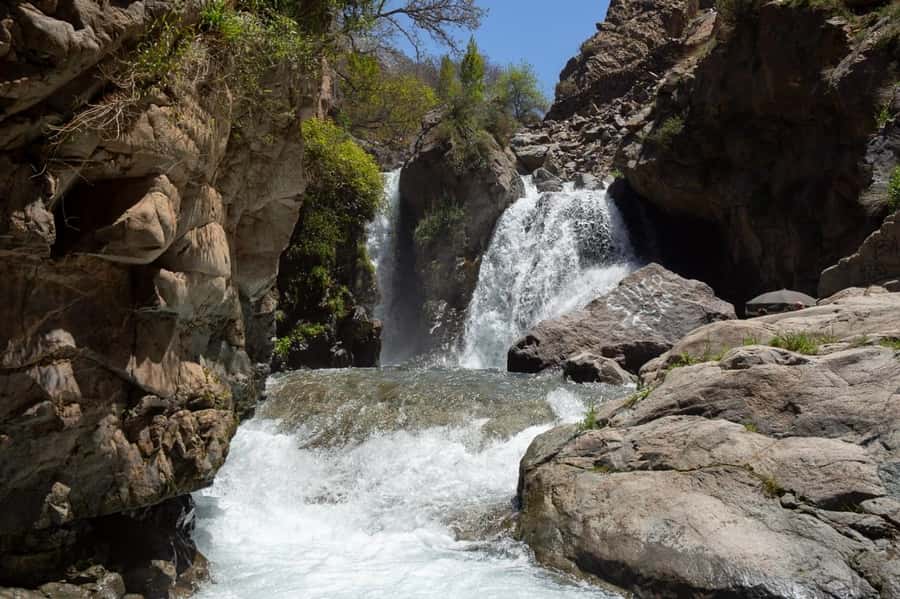
This is the kind of day trip that gives you more than views. You’ll leave Marrakesh and spend the day moving through the Atlas foothills, stopping in Berber villages, then finishing in the Agafay desert area for sunset. You’re not just looking at culture from the roadside—you’re eating with locals, drinking mint tea with a host, and listening to how people explain their own traditions.
The Atlas is famous for color, and the drive is part of the show. You’ll see rocks in changing tones as you move up and around, and the scenery keeps shifting—valleys, village clusters, and green patches when the season cooperates. Then comes the payoff: the short hike to waterfalls, which is where the day stops feeling like “transport between spots” and starts feeling like an outdoor outing.
Pickup, timing, and how to set expectations
The tour lists a duration of about 7 hours and includes hotel pickup and drop-off, with a meeting option at the Morocco Trips Services office in Marrakesh. In real life, door-to-door time can run longer. Some people report finishing around early evening, while others mention longer hotel-to-hotel days, especially when the group includes different neighborhoods and the schedule has to flex.
The good news is that many guides and drivers are praised for being on time and keeping the plan moving without rushing people out of viewpoints. Names that pop up in bookings include Aziz (driver), Ahmed (welcoming pickup), Ibrahim (guide), Hamid (walk/hike guide), Hussain Mail, Idriss, and Lahcen Mansouri. Even when weather changes, the better teams try to adjust the order to keep the day comfortable.
If you hate feeling crammed, bring patience. This is a structured day with multiple stops, and it’s best done with a flexible mindset.
Azrou and the argan oil women’s cooperative stop
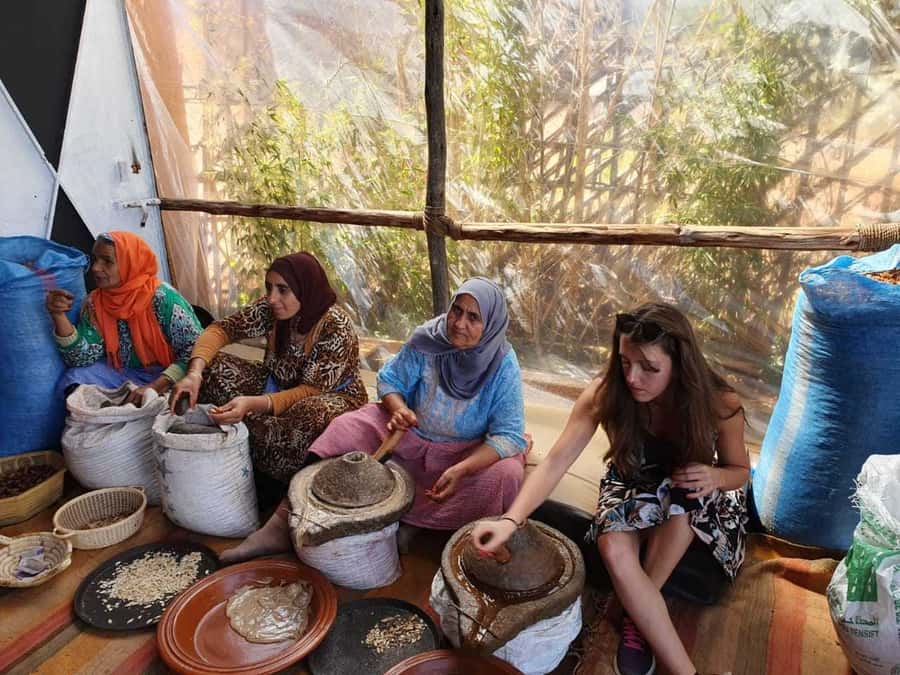
A visit to a women’s argan oil cooperative is a meaningful stop, not just a photo stop. In Azrou, you’ll see how a product tied to local trees connects to jobs, family income, and traditional knowledge. It’s also a cultural checkpoint: you’re in a Berber village setting before the day gets more “outdoors intense” with the hike.
One practical tip: if you decide to buy argan-based products, know the price before you commit. A booking mentions that the products are wonderful but you should understand the cost upfront. That’s smart travel anywhere, but it matters here because cooperatives can feel more like introductions to livelihoods than typical storefront shopping.
Even if you skip purchases, you’ll still get something valuable: a clearer sense of how everyday work in the area is tied to what you’re seeing on the trip. And yes, the scent of argan products can follow you for hours.
The waterfall hike: what it feels like and how to prep
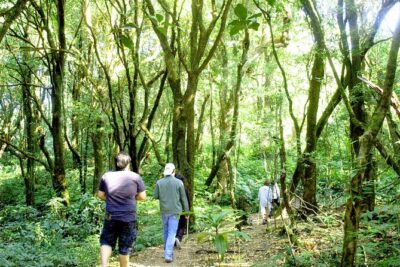
The waterfall portion is the heart of the Atlas segment. After stops in the valley area, you’ll take a short hike and reach viewpoints near waterfalls. Expect a walk through Berber villages and valley terrain with a guide giving context along the way.
What to bring matters here. Comfortable clothes are a start, but good footwear is the real difference-maker. One review notes snow in February, which is a clue that conditions can vary by season. If you travel outside peak summer, assume colder air and slick patches are possible, especially in shaded areas.
Also, this hike is not described as a full mountaineering day, but it still involves walking on uneven ground. It’s listed as not suitable for wheelchair users and pregnant women, which usually means the route relies on mobility and outdoor movement.
If you’re thinking about photos: guides are often praised for help with pictures and for knowing the best angles and timing. Names that come up around waterfall guiding include Hamid, Rashid, Babala, and Ismail Larbi, and several people say the explanations and photo help were top-notch.
Lunch at a Berber family home: tagine, couscous, and bread you’ll remember
One of the best reasons to book this trip is the lunch setting. Instead of a restaurant-by-the-road, you’re eating at the home of a local Berber family. That’s a big deal for two reasons: you get food that’s usually cooked fresh, and you get a sense of how hospitality works in a household.
The meal is described as traditional. You can expect tagine or couscous, served with homemade bread and fresh salad. People also mention plenty of food, and some say there’s breakfast earlier in the morning depending on the departure. In other words, you’re not paying just for a quick bite—you’re settling into a longer lunch break as the day’s energy resets.
If you’re the type who worries about “tourist meals,” this is where your trust should kick in. Many bookings call the lunch one of the best meals in Morocco, with the home setting described as beautiful (sometimes even with rooftop views of the Atlas). And the best guides treat the meal like a cultural moment, not just a pit stop.
Dietary needs aren’t listed in the details you provided, so I can’t promise options. If you have strict requirements, ask the operator before you go.
Amizmiz Valley tea break: the part that turns sightseeing into understanding
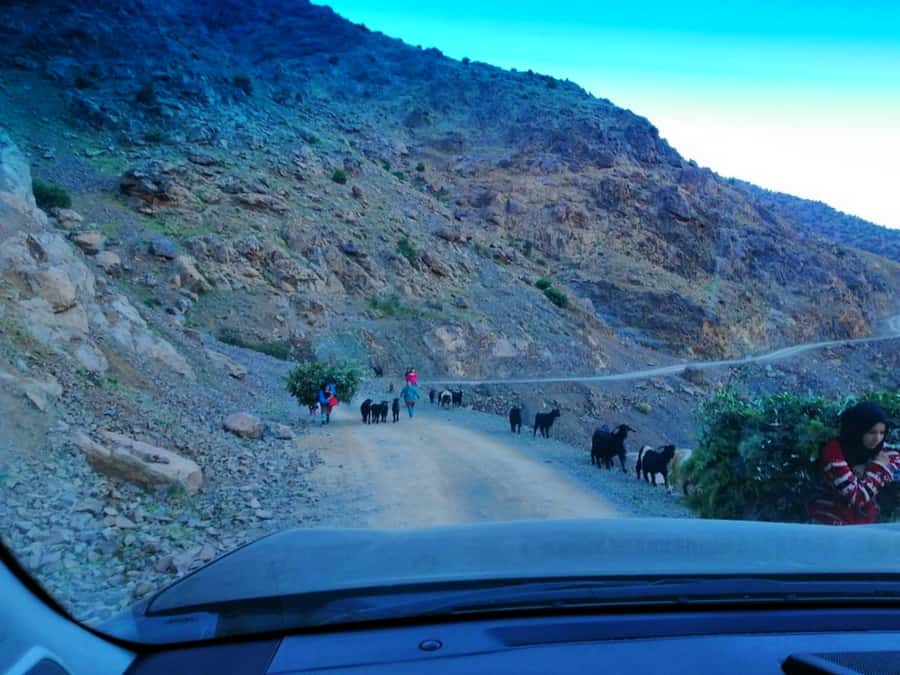
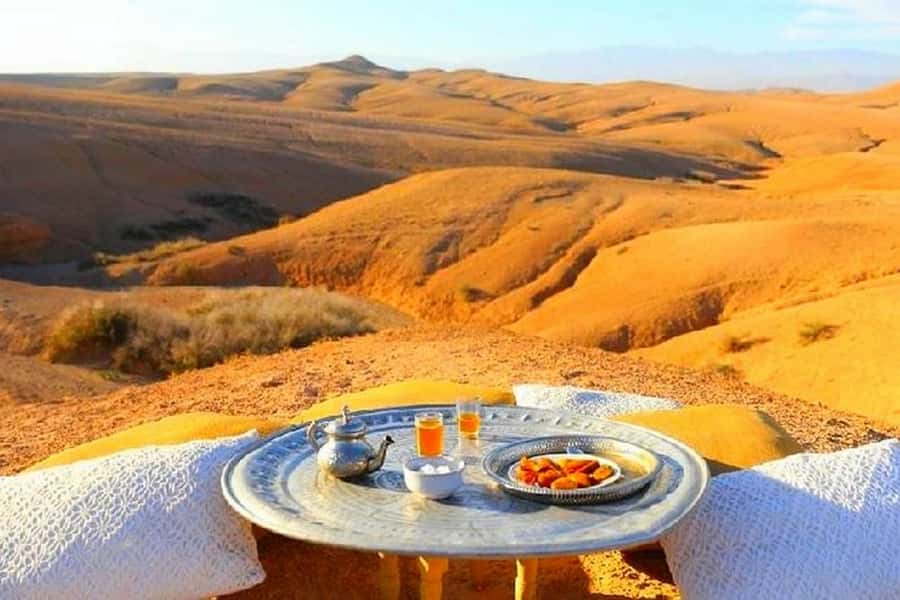
After lunch, you’ll head toward the Amizmiz Valley for a mint tea break with cookies. This is one of those stops that sounds simple—tea and sweets—but it often ends up being surprisingly informative. You get time to slow down, chat with your guide and local family, and learn how traditions show up in daily routines.
Mint tea in Morocco is its own ritual, and here it’s paired with a cultural explanation. The tour’s structure supports this: you’ve already seen how villages live, then you eat, then you sit with tea again while context lands.
You’ll also notice how guides handle pace and group needs. Some people report their guide helped everyone move at a comfortable speed during the hike portion, and that kind of attention usually continues into the tea and cultural conversation.
Agafay desert pass: camel ride, free time, and sunset
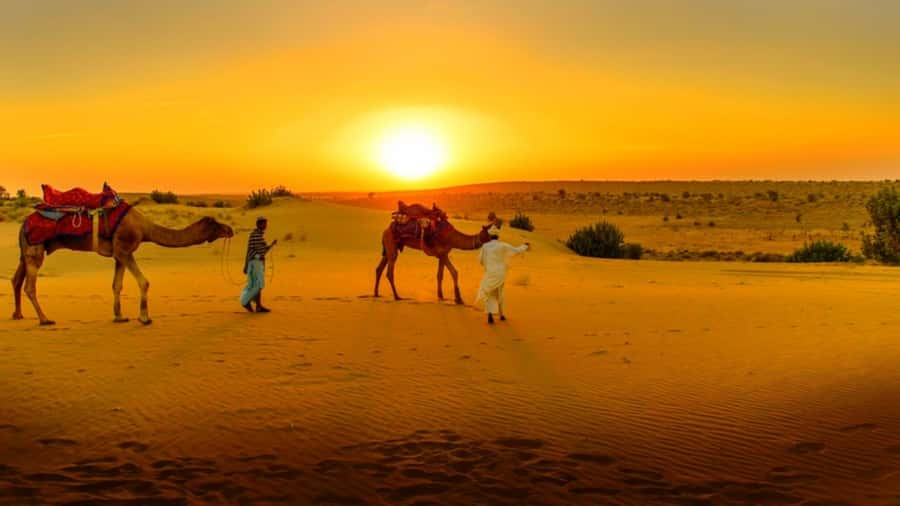
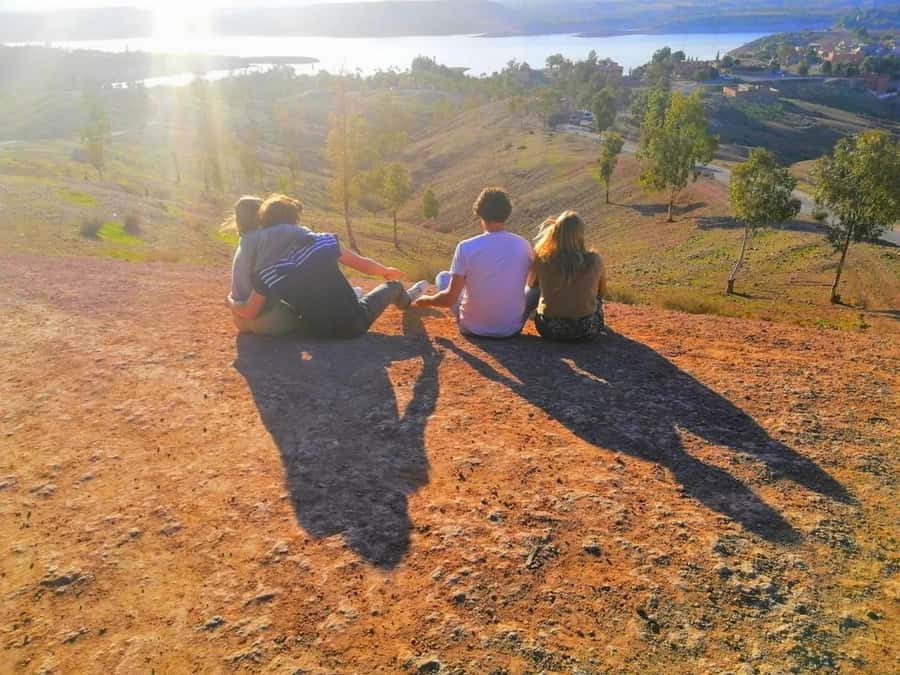
Agafay is not Sahara sand, but it delivers the drama. It’s described with stony dunes, and that’s part of the charm: the terrain looks different from the usual “golden dunes” fantasy. Then the sunset happens, and your brain stops focusing on the day’s logistics.
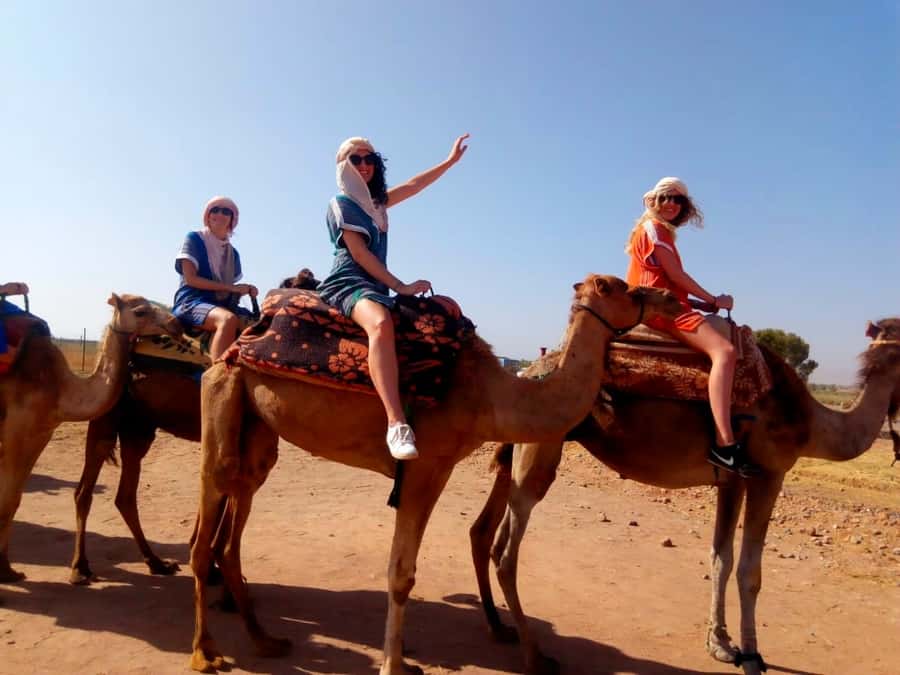
The tour includes a camel ride, plus hot drinks at the desert stop. One booking mentions a group member who preferred not to ride camels, and the guide allowed them to walk with the group instead. That tells me the better teams try to accommodate reasonable preferences when possible, but don’t treat it as guaranteed—ask before the ride if you’re unsure.
Free time is built in so you can relax, meditate, or just stare at the sky for a few minutes without someone herding you. That matters, because without this pause, a packed day can feel like checklists.
Price and value: why $28 can feel like a deal
At $28 per person for a day around 7 hours with multiple guided stops, lunch, camel ride, and hot drinks, this can be strong value. Here’s how I’d break down what you’re getting:
- Transportation and pickup/drop-off: You’re paying to leave Marrakesh comfortably and return without hassle.
- Guide time: A real guide covers several areas and explains culture and what you’re seeing.
- Lunch: Eating at a family home with tagine/couscous, salad, bread, and tea is usually where the value shows up.
- Experience add-ons: Argan co-op visit, waterfall hike, and camel ride aren’t just “watch from a bus.”
Some tours that cost a little less cut into one of these pieces. Here, the structure seems built to give you both practical value and emotional payoff: food plus movement plus culture plus sunset.
One more value angle: the high rating (4.5 with hundreds of reviews) suggests the experience is usually consistent, not random. It’s often the guides that make or break a day like this, and many bookings praise staff for communication and care.
The staff factor: guides that keep the day friendly
On tours like this, the guide’s personality matters. You can tell a lot by how often people mention small details: smooth pickup timing, safety-minded driving, and guides who answer questions instead of rushing through.
Names that show up repeatedly include Hameed, Idriss, Ibrahim, Hussain Mail, Mohammed (sometimes nicknamed potato), Lahcen Mansouri, Ismail Larbi, and Hamid. Several comments highlight guides who speak strong English (and also French/Spanish depending on the booking), and drivers like Waha and Ahmed who keep things calm on the roads.
Safety comes up too. One booking specifically praises a driver’s careful handling on switchbacks, which is a real concern in mountain roads. So if you’re anxious about comfort while traveling, this is another point in the tour’s favor.
Who this trip suits best
This is a great match if you want:
- Berber culture through people-to-people moments (tea, family lunch, cooperative visit)
- A short hike that adds variety without taking over the whole day
- Scenic contrasts: Atlas foothills in the morning and Agafay sunset in the late afternoon
- A guided experience with enough structure that you don’t have to plan every stop
If you’re traveling with kids, the trip can still work—some bookings mention families enjoying it, and the guides reportedly help manage pace. If you’re pregnant or have mobility limitations, the tour is explicitly listed as not suitable, and you should respect that.
If you dislike camel rides, you can ask about alternatives. At least one guide reportedly accommodated a guest who didn’t want to ride, but again, don’t assume that will happen for every group.
Should you book this Atlas Mountains and Three Valleys day trip?
I’d book it if you’re visiting Marrakesh and you want a day that actually connects you to life beyond the medina. The strongest “buy” signals are the family-home lunch, the waterfall hike with guided context, and the mix of tea/culture stops that don’t feel like random errands.
Skip it (or choose carefully) if you:
- Need a very low-walking day
- Get cranky when a long door-to-door schedule runs longer than the headline time
- Have strict dietary needs without clear accommodation info
- Are uncomfortable with outdoor terrain and the possibility of seasonal conditions
If your idea of a great Morocco day includes good food, real conversations, and a sunset that feels earned, this one is a solid choice. Plan for comfy shoes, bring sunscreen and a hat, and go in with a relaxed, curious mindset.
FAQ
How long is the day trip, and are there different starting times?
The duration is listed as 7 hours. Starting times vary, so you’ll need to check availability for the schedule for your travel dates.
What’s included in the price?
The included items are hotel pickup and drop-off, lunch, a guide, a camel ride, and hot drinks.
Can I cancel and get a full refund?
Yes. The tour offers free cancellation up to 24 hours in advance for a full refund.
What languages are available for the live guide?
The live tour guide is available in English, French, and Spanish.
Where do I meet in Marrakesh?
Pickup is included, but the information also states you meet at the Morocco Trips Services office in Marrakesh. If you’re coordinating pickup from your hotel, confirm the exact meeting point with the operator.
Is the tour suitable for pregnant women or wheelchair users?
No. The experience is listed as not suitable for pregnant women and wheelchair users.