REVIEW · FES
From Fez: Middle Atlas Mountains Day Trip
Book on GetYourGuide →Operated by El ouarti voyagistes & tourisme · Bookable on GetYourGuide
A day out of Fes can still feel intimate in Morocco. This Middle Atlas trip links Berber cave homes, Ifrane’s French-style townscapes, and a cedar-forest chance to spot the rare Barbary macaques. It’s a smart way to cover a lot of ground in one day without feeling like you’re just racing between stops.
What I like most is the mix: you get cultural time in Immouzar and Azrou, plus real nature time in Ifrane National Park. I also like that the experience often comes with a careful, safety-first approach from drivers and guides (names you may see praised include Soufiane, Samir, Fahran, Abdul, Momo, Ismail, Hamza, Othmane, Munir, and Mehdi).
One consideration: lunch isn’t included, and cave visits have small fees, so you’ll want a bit of extra cash. Also, some people feel the day can be a touch time-balanced toward Ifrane—if you’re monkey- and forest-focused, ask your driver where you can add time.
In This Review
- Key things to know before you go
- Why the Middle Atlas day trip feels worth it from Fez
- Hotel pickup and the calm start: Immouzar and cave homes
- Ifrane’s French-inspired streets, the stone lion, and a quick photo break
- Ifrane National Park: cedar trees, and spotting the Barbary macaques
- Lunch stop (not included): plan for a real break
- Azrou at about 4,100 feet: shepherds, flour grinding, and crafts
- The Berber cave house tea: where the day turns personal
- Price and logistics: what $17 really covers
- Guides and driving quality: why it often feels safe and easy
- Who this trip is best for (and who might want a different plan)
- Should you book the Fez to Middle Atlas day trip?
- FAQ
- How long is the Middle Atlas day trip from Fez?
- Does this tour include hotel pickup and drop-off?
- What’s included in the price?
- Are entrance fees included?
- Is lunch included?
- Will I see Barbary macaques on this tour?
- Is there time to walk around Ifrane and Ifrane town sights?
- Where do you have the tea at the end of the day?
- Can I cancel and get a full refund?
Key things to know before you go
- Cedar forest monkeys: Ifrane National Park is where you’re most likely to see Barbary Macaque apes in the trees.
- Cave tea with a family: The day ends with Moroccan tea in a traditional cave home, not just a quick photo stop.
- Ifrane’s French influence: Expect stone lion landmarks, neat streets, and French-inspired architecture.
- Azrou at high altitude: It’s around 4,100 feet, so the air can feel cooler than Fes.
- A classic Berber village loop: Immouzar → Ifrane → Azrou gives you contrast without long travel days.
- Professional driver, not necessarily a lecturer: You may get lots of context, but this is more guided driving plus local stops than a museum tour.
Why the Middle Atlas day trip feels worth it from Fez
This tour is built for people who want a full day with clear goals: culture, town sights, and a nature highlight you can’t easily replicate on your own. You start in Fes with pickup, then you’re off toward the Middle Atlas where life changes fast—from urban streets to cedar forests and highland villages.
Two strengths make it work. First, you get multiple textures of the region in one outing: cave houses, a university-town vibe, shepherd life, and then monkeys in cedar. Second, it’s a relatively low-cost day (listed at $17) for something that includes hotel pickup/drop-off and a professional driver. That combination is great if you’re on a budget but still want variety.
The main trade-off is that it’s still a day trip. You’ll move between places, and lunch and some cave entry costs are on you. If you prefer slow travel, you may wish you had more time in the forest or one village.
Hotel pickup and the calm start: Immouzar and cave homes
Your day begins with pickup from your Fez hotel and an air-conditioned drive toward the Middle Atlas. This matters more than it sounds. Outside the city, timing and comfort affect your mood, and starting with transport handled for you keeps the day from turning into logistics.
Immouzar is the first real cultural stop. You’ll see the traditional cave homes of a local Berber community. These aren’t staged sets; they’re part of how people have lived with the environment here—shaped by local building traditions and daily routines.
You also get a sense of local identity through the town’s September Apple Festival. Even if you’re not there in September, knowing it’s a seasonal anchor gives you a better read on why people talk about the area the way they do.
What I’d watch for: the cave stop is also where you’ll likely run into the extra cost. Cave entry is listed separately (2 euros). If you want to photograph, plan on spending a little extra time positioning yourself. Caves can be darker than you expect.
Ifrane’s French-inspired streets, the stone lion, and a quick photo break
As you head toward Ifrane, you make a stop to admire Ain Vital’s hills—a classic pause for views and photos. This is one of those small moments that can make the whole day feel less rushed, because you’re not only driving—you’re getting little scene changes.
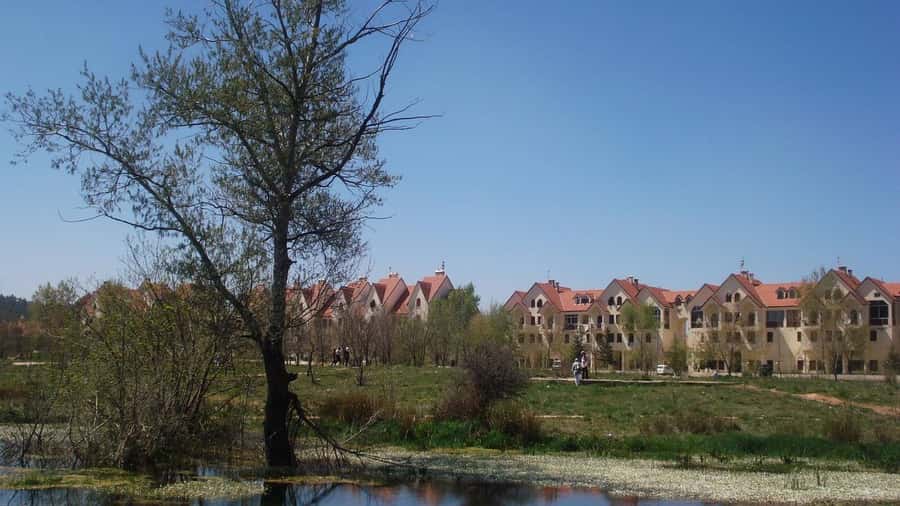
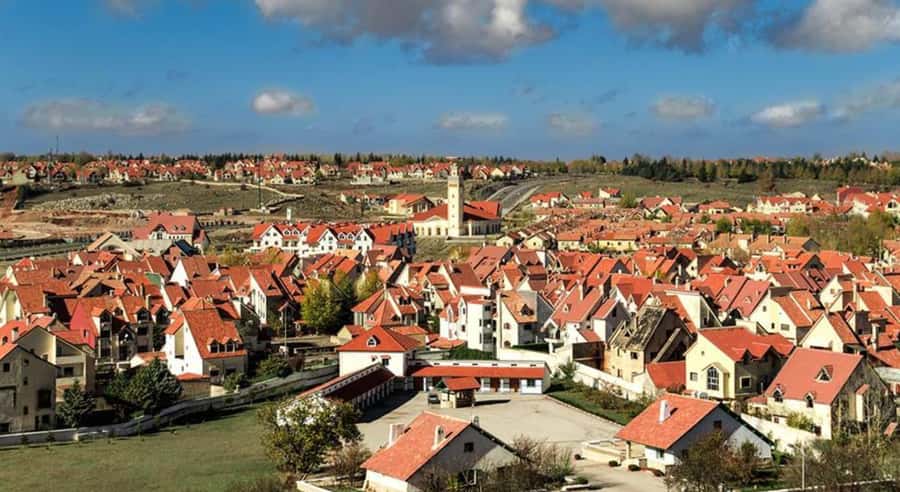
Then comes Ifrane. Founded in 1930 by French immigrants, it has that unmistakable French-inspired look: neat streets, building styles that feel different from the surrounding highlands, and the kind of town layout that’s easy to walk. In town, you’ll spot the massive stone lion, and you’ll also see Al Akhawaine University.
If you like landmarks that give you a quick mental map, the stone lion helps. It’s big, memorable, and it makes it easier to orient yourself while you stroll through alleys and architecture.
One practical note: Ifrane can feel like a contrast zone—tidier and more built-up than the villages that came before and will come after. If your heart is set on nature, use Ifrane time strategically: short walks, good photos, then back on the road.
Ifrane National Park: cedar trees, and spotting the Barbary macaques
This is the highlight for many people: Ifrane National Park and the chance to see Barbary Macaque apes in cedar trees. The key here is expectation. You’re not visiting a zoo with scheduled feedings. You’re watching wildlife in trees, and sightings depend on where the apes are at that moment.
Still, this stop is valuable even if you don’t get a perfect view of every monkey. Being in the cedar forest gives you a real sense of the Middle Atlas ecology, and the apes are a strong reason to make the journey from Fes.
How to get the best shot (and avoid annoying wildlife):
- Keep a respectful distance while you watch.
- Look up into the cedar branches, not just at ground level.
- Give yourself time. The apes may drift between trees, and quick walking won’t always match their movement.
One more thing: since some people suggested spending a bit less time in Ifrane so the forest gets more time, you can treat Ifrane as flexible. If your priority is the monkeys, ask your driver if there’s a way to focus more time on the park without cutting out everything else.
Lunch stop (not included): plan for a real break
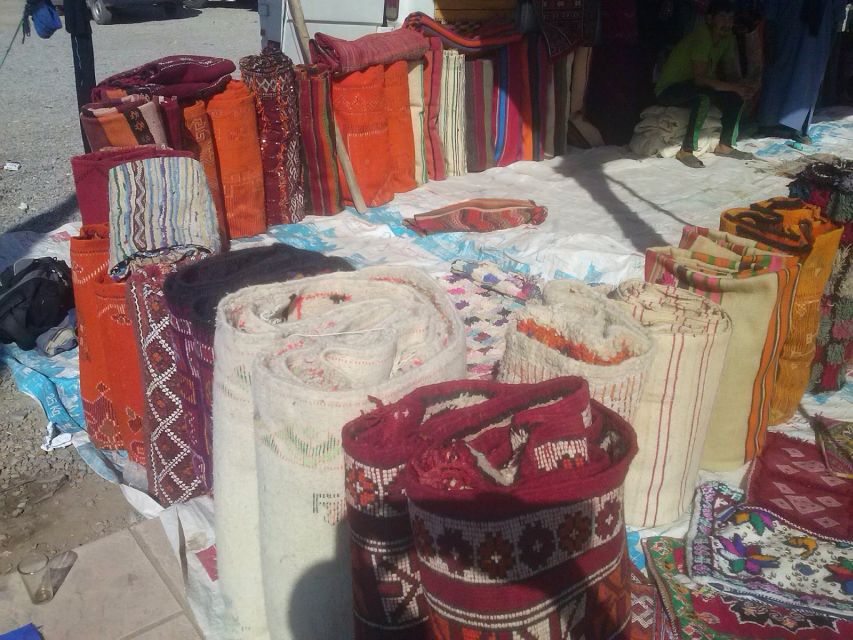
After leaving the park, you stop for lunch. Lunch isn’t included in the tour price, so you’ll be paying yourself.
This matters for two reasons. First, timing—after a forest drive and wildlife watching, you’ll likely be ready to eat. Second, you’ll be deciding where to recharge, which can change the feel of the second half of the day.
Because lunch is separate, you can also choose how heavy you want the meal to be. If you tend to get tired after big lunches, keep it moderate so you still have energy for Azrou and the cave tea.
A good approach is simple: when your driver recommends a spot, ask for something filling but not heavy. You’re going to highland villages next, and you want to stay comfortable.
Azrou at about 4,100 feet: shepherds, flour grinding, and crafts
Next you drive to Azrou, a Berber village located around 4,100 feet in the Middle Atlas region. Going higher changes the air and often the feel of the day, so don’t be surprised if it feels cooler than the lowlands near Fes.
Azrou is all about everyday life. You’ll see:
- Traditional houses of the Berber community
- Berber men with their flocks
- Grinding flour and other trades
Carpentry is specifically mentioned as a practiced trade here. That detail is useful. Instead of just looking at buildings, you’re seeing how people make things, maintain tools, and sustain daily routines—small glimpses that make the village feel like a living place, not a performance.
If you’re interested in culture over checklists, this is one of your best moments. You can watch activities from a respectful distance, take notes for later, and connect what you saw in Immouzar (cave living) with what you’re seeing now (village life and work).
One practical consideration: villages can mean uneven ground. If you’re wearing sandals or uncomfortable shoes, you’ll feel it during short walks.
The Berber cave house tea: where the day turns personal
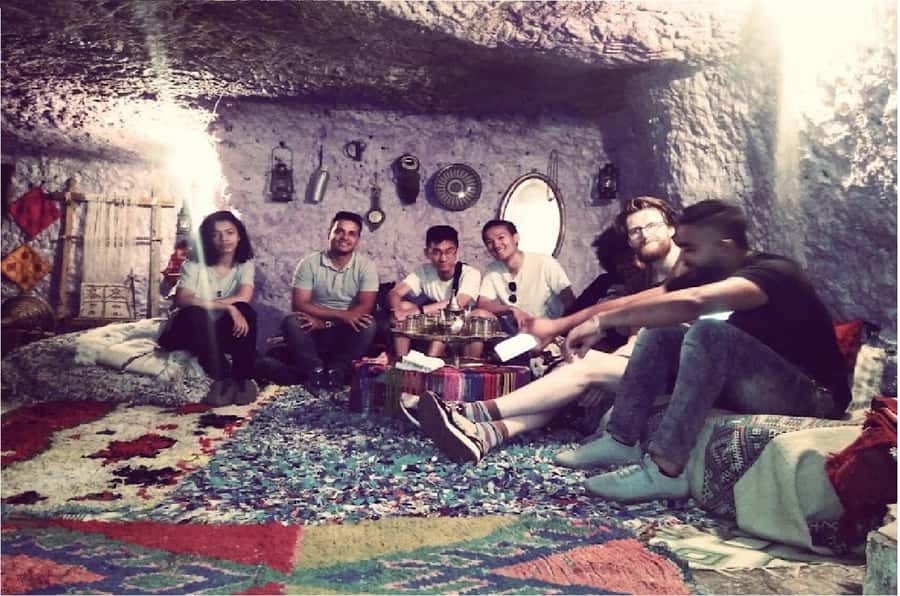
The day ends with a visit to a Berber family living in a traditional cave house, where you’ll enjoy a cup of Moroccan tea. This is the part that often lingers, because it’s not a public square stop. You’re invited into a home experience—steaming tea, conversation, and a chance to learn about Berber culture and traditions in a quieter setting.
Cave entry fees are listed separately (2 euros for the cave), so you’ll want to budget for that. Beyond the fee, think of it as paying for access and time. Tea isn’t just a drink here—it’s a social ritual.
What I recommend: go in with patience for conversation pace. Even if your French or Arabic is limited, you’ll usually find common rhythm through gestures and basic phrases around tea, family, and daily life. If you ask simple questions, you often get clearer answers than you expect.
And yes, it’s okay to take photos—just keep it respectful. In homes, you’ll do best if you ask first.
Price and logistics: what $17 really covers
At $17 per person for a 7-hour day trip, the value is strong—especially because it includes:
- Hotel pickup and drop-off
- A professional driver
That takes care of the hardest part of day trips from Fes: transportation timing. And it’s why this tour works well for people who don’t want to negotiate with multiple taxis or rent something just for one outing.
What’s not included is where you should budget a little extra:
- Entry fees: 2 euros for the cave
- Lunch: not included
- Food and drinks: not included
So your real total will depend on how you handle lunch and any additional snacks or drinks. Still, even with those add-ons, this typically stays reasonable compared with paying for a private car plus entry fees.
One more logistics detail worth noticing: the tour is listed as wheelchair accessible. That’s helpful if mobility is a concern, and it’s also a sign the route is designed for standard transport and practical stops.
Guides and driving quality: why it often feels safe and easy
A lot of the best experiences on this kind of route come down to driving and pacing, not just sightseeing. In the feedback around this trip, drivers and guides named like Soufiane, Samir, Fahran, Abdul, Momo, Ismail, Hamza, Othmane, Munir, and Mehdi are praised for being friendly, safe, and informative.
That’s not a small detail. Middle Atlas roads can be busy or curving, and a driver who keeps things steady makes the whole day less stressful. Several notes also mention guides being accommodating with time to explore and answering questions in good English (and in at least one case, multiple languages).
One minor caution to keep in mind: there’s at least one mention that a driver should avoid getting too close to vehicles in front. If you’re sensitive to road comfort, don’t hesitate to communicate calmly if you notice any discomfort in driving style.
Who this trip is best for (and who might want a different plan)
This day trip suits you if you want:
- A single-day overview of the Middle Atlas region
- A nature stop focused on Barbary macaques
- Cultural experiences in cave homes and highland villages
- A budget-friendly day with pickup included
It also fits families who want a guided day without complicated planning. The mix of town walking (Ifrane) and open-air wildlife viewing (cedar forest) can keep different interests satisfied.
You might want to consider alternatives if you’re extremely nature-only, because the day includes town time in Ifrane and visits beyond the park. If you’d rather spend half a day only in the forest, look for a tour that centers the park more heavily—or be ready to adjust how long you linger in town.
Should you book the Fez to Middle Atlas day trip?
I’d book it if you want variety with minimal planning: cave life in Immouzar, the French-style contrast of Ifrane and its stone lion, and a cedar-forest shot at Barbary macaques, topped off with Berber family tea in a cave house.
It’s especially good for first-time visitors to the region and people who like a well-paced sampler rather than one long, single-purpose hike. Just keep a small budget buffer for lunch and the cave fee.
If monkeys and forest time are your top priority, go into Ifrane with a plan: quick stroll, good photos, then focus on getting the most time you can in the park.
FAQ
How long is the Middle Atlas day trip from Fez?
The tour duration is 7 hours.
Does this tour include hotel pickup and drop-off?
Yes. Pickup from your hotel in Fez is included, and you’ll also be dropped back at the end.
What’s included in the price?
The included items are hotel pickup and drop-off, plus a professional driver.
Are entrance fees included?
No. Cave entry fees are listed separately, including 2 euros for a cave.
Is lunch included?
No. Lunch is not included, and you’ll have a stop for lunch after the national park.
Will I see Barbary macaques on this tour?
The itinerary includes a stop at Ifrane National Park, which is where you’ll look for Barbary Macaque apes in the cedar trees.
Is there time to walk around Ifrane and Ifrane town sights?
Yes. You’ll stop in Ifrane and stroll through alleys with French-inspired architecture, including sights like the massive stone lion and Al Akhawaine University.
Where do you have the tea at the end of the day?
You’ll visit a Berber family living in a traditional cave house and enjoy Moroccan tea there.
Can I cancel and get a full refund?
Yes. Free cancellation is available up to 24 hours in advance for a full refund.