REVIEW · FES
From Fez: Middle Atlas and Monkey Forest Day Trip
Book on GetYourGuide →Operated by Sami trip · Bookable on GetYourGuide
A morning drive out of Fez turns into a wildlife and culture day. You’ll see Ifrane National Park’s Barbary macaques, plus Berber life in cave homes and mountain villages.
I especially like the way the day mixes small, human moments with big scenery stops. Tea in a cave with a Berber family feels personal, and the cedar-forest monkey time is the kind of nature encounter you can’t replicate in the medina.
One thing to plan for: lunch isn’t included, and the cave entrance fee is separate, so bring a little extra cash if you want the full cave-tea experience.
In This Review
- Key highlights worth booking
- From Fez to the Middle Atlas in One Day
- Immouzar: cave homes and mountain-town rhythm
- Ain Vital: quick hill views that actually deliver photos
- Ifrane: French-style buildings, a big stone lion, and a mountain mood
- Cedar forest and the monkeys: Ifrane National Park
- Lunch break: not included, but plan for a proper pause
- Azrou at 4,100 feet: Berber village life beyond the tourist map
- Tea in a Berber cave house: the cultural finale that makes the trip stick
- Price and value: is $22 a good deal?
- What can feel like a drawback (and how to handle it)
- Who this tour suits best
- Should you book the Fez to Middle Atlas Monkey Forest day trip?
- FAQ
- How long is the tour?
- What does the tour price include?
- Is lunch included?
- Is the cave tea included, and is there an extra fee?
- What languages do the guides speak?
- Can I cancel for a full refund?
Key highlights worth booking
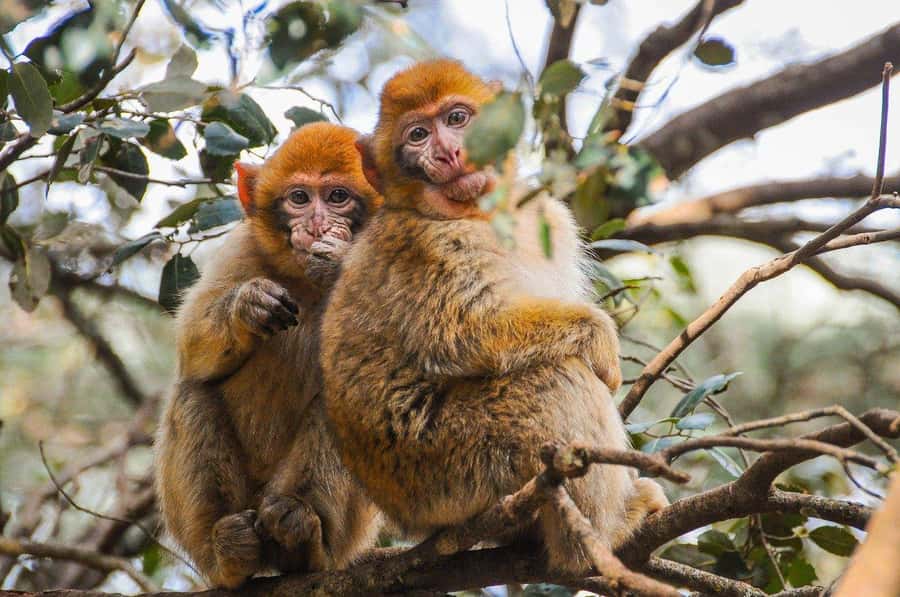
- Barbary macaques in cedar trees at Ifrane National Park
- Tea in a Berber cave house, with real family conversation
- French-era architecture in Ifrane, plus a big stone lion
- Azrou at about 4,100 feet for Berber village life and crafts
- Ain Vital photo stop for quick, scenic hill views
From Fez to the Middle Atlas in One Day
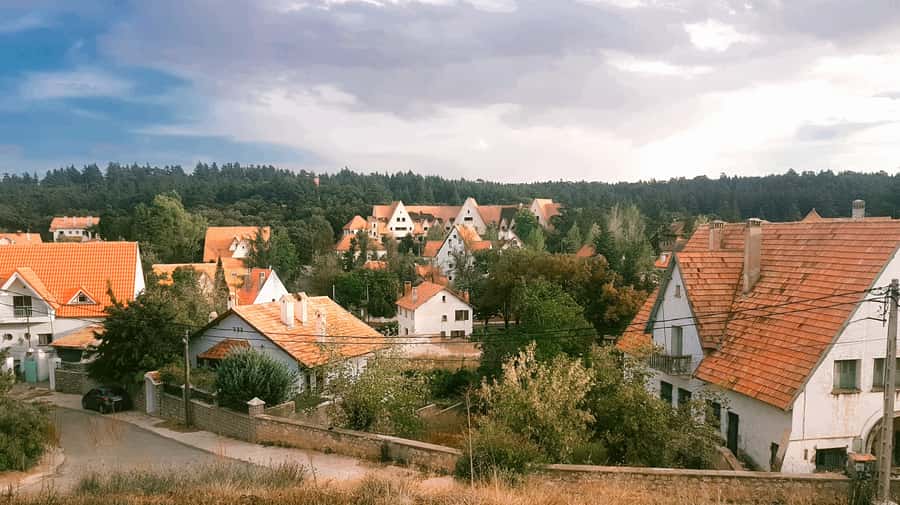
This is a classic Fez day trip: you leave the city behind early, ride into the Middle Atlas Mountains, and come back with a mix of wildlife, mountain towns, and Berber culture. It runs as a guided experience with hotel pickup and drop-off, plus an air-conditioned ride—useful when you’re bouncing between highland stops.
What makes this day work so well is the pacing. You’re not just ticking boxes. Each place has a job: one is culture, one is architecture, one is wildlife, one is village life, and the finale brings you into someone’s home for tea. It’s a full loop through the region’s different faces.
Immouzar: cave homes and mountain-town rhythm
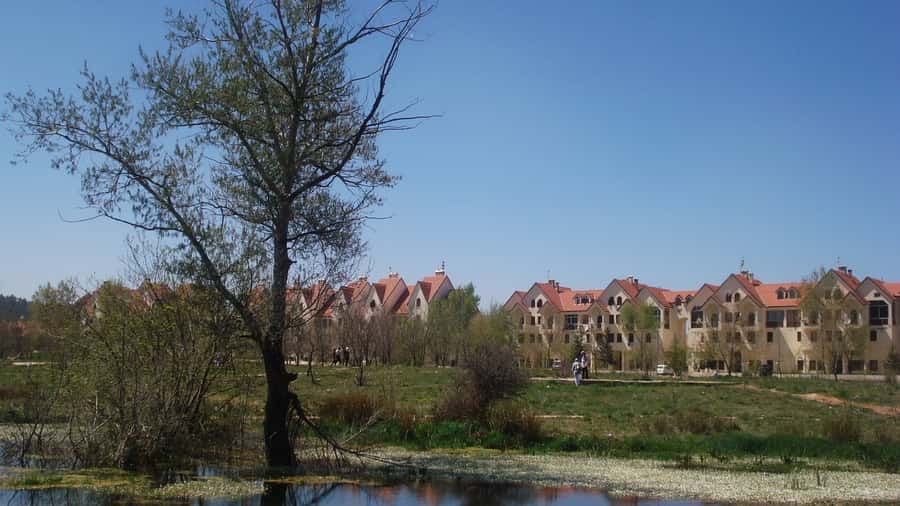
Your day starts with pickup from your hotel in Fez, then you head toward Immouzar. This stop is about Berber community life and the local “texture” you don’t get from a driving-only tour. You’ll see cave homes in the area, and you’ll hear about Immouzar’s well-known September Apple Festival, which gives you a sense of how the town’s calendar shapes daily life.
Immouzar is also a good early warm-up for what’s coming later. Even before you reach Ifrane and the national park, you’re already thinking about altitude, mountain weather, and how communities here live close to the land.
If you hate feeling rushed, this is one of the calmer transitions. You get time to look around rather than constantly moving.
Ain Vital: quick hill views that actually deliver photos
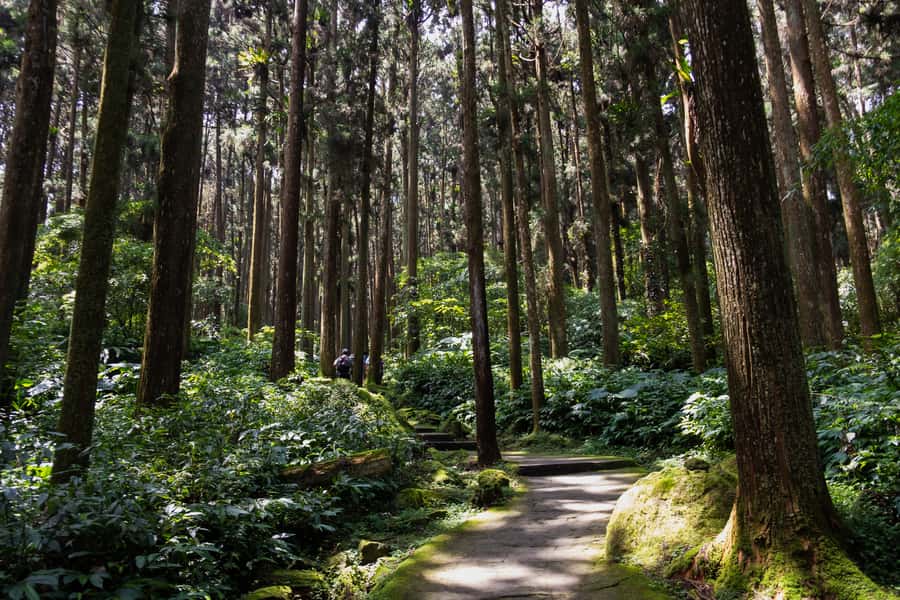
Right before Ifrane, there’s a stop at Ain Vital—mainly for the viewpoint and photos. This is the kind of break that matters more than it sounds. After hours in a van, you get your legs back and a clear angle on the Middle Atlas terrain.
It’s not a long stop, but it’s a smart one. You’ll likely come away with the kind of “where exactly am I?” landscape shot you usually don’t manage from street level in Fez.
Practical tip: dress for cool air. Even in warmer months, the mountains can feel noticeably brisk, and a short stop can turn chilly fast.
Ifrane: French-style buildings, a big stone lion, and a mountain mood
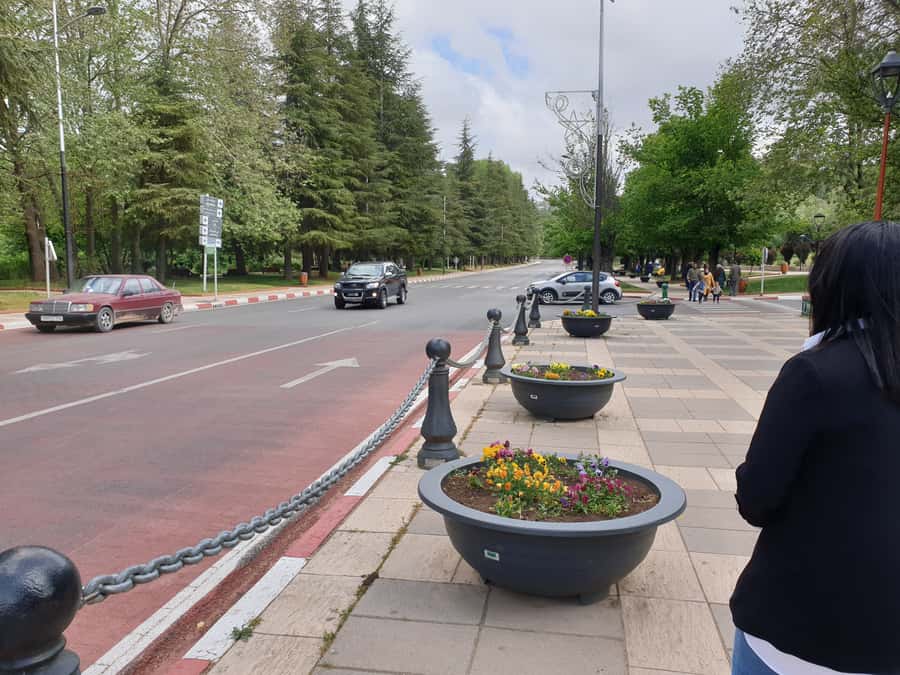
Ifrane is often described as the Switzerland of Morocco for a reason. Founded in the 1930s by French immigrants, it has a distinctly European feel compared with the rest of Morocco. You’ll stroll through alleys lined with French-inspired architecture, and you’ll also spot Al Akhawaine University during your time in town.
One playful landmark is the massive stone lion in Ifrane. It’s the sort of thing you remember because it breaks the pattern—there’s nothing subtle about it.
For many people, this stop becomes the emotional reset of the day. You go from Berber cave-home impressions into a tidy, planned-feeling mountain town. It’s a quick culture contrast that helps you understand how varied this region is.
If you’re traveling with kids, this town stop tends to work well because there’s a clear “wow” factor: buildings, monuments, and lots of room to wander without tight constraints.
Cedar forest and the monkeys: Ifrane National Park
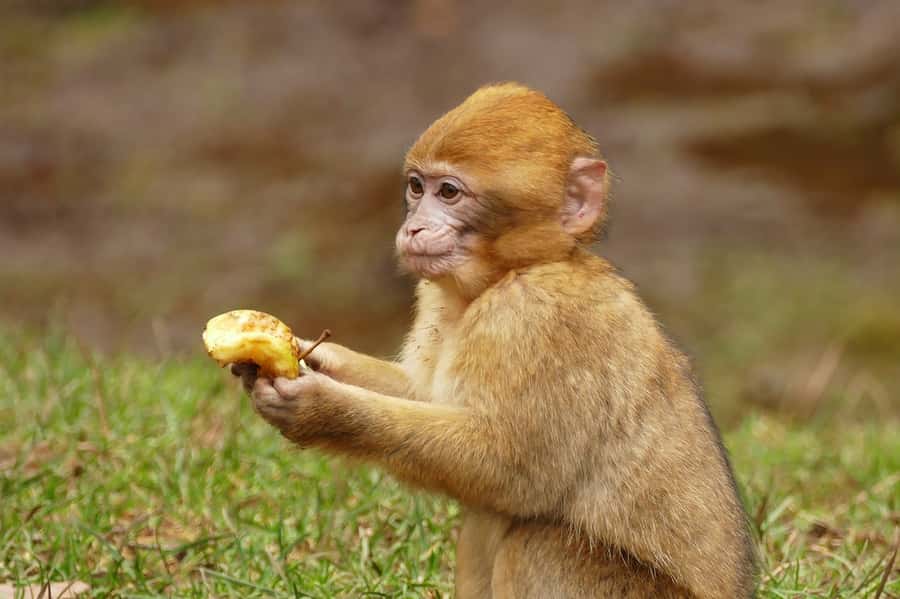
Now for the headline: Ifrane National Park and its Barbary macaques in the cedar forest. This is the most purely nature-driven segment of the day. The monkeys live among the trees, and seeing them up close in their natural setting is a very different experience from zoo-style viewing.
A few important notes for managing expectations:
- You may have a chance to buy nuts from a local vendor and feed the monkeys. That’s a highlight for many people, but it also means you’ll want to follow the guide’s instructions closely around wildlife.
- The experience depends on where the monkeys are at that moment. Wildlife doesn’t wait for your camera.
If you want a real wildlife memory, this is the section to pay attention to. Watch where they move through the cedar branches, look for family groups, and give yourself a couple of slow minutes instead of rushing for the perfect shot.
This part of the day also helps the whole trip feel meaningful. Barbary macaques are endangered, so the visit isn’t just entertainment—it’s an encounter with a protected species in a fragile habitat.
Lunch break: not included, but plan for a proper pause
After leaving the park, you stop for lunch at a local spot. Lunch isn’t included, so you’ll need to budget separately and choose what fits your tastes. Reviews often describe lunch as tasty, but the key for you is simply this: don’t schedule anything tight after pickup. You’ll want that mid-day sit-down.
If you’re sensitive to food changes while traveling, stick to simpler choices and drink plenty of water. This is a day trip that moves between town and countryside, so your body appreciates a steady rhythm.
Azrou at 4,100 feet: Berber village life beyond the tourist map
Next comes Azrou, a Berber village sitting around 4,100 feet in the Middle Atlas. This stop is where the day shifts from viewing to understanding daily life. You’ll see traditional houses and you’ll also pass Berber men walking with their flocks.
Pay attention to the small details:
- You might spot grinding flour and everyday trades, including carpentry.
- The village feel is more work-and-routine than landmark-tour.
Azrou is also a great place to slow down. You get context for what you saw earlier in the day—cave homes, village culture, and mountain survival—and you see it in motion.
Altitude note: Azrou can feel cool, especially outside peak summer months. Bring a layer you don’t mind wearing on and off through the day.
Tea in a Berber cave house: the cultural finale that makes the trip stick
The day finishes with a visit to a Berber family living in a traditional cave house. This is the emotional close of the itinerary: you get a cup of Moroccan tea and conversation that goes beyond surface explanations.
A key detail: the cave entrance fee is separate (listed as €2 per person), because entry fees are included except for the cave. So if you’re counting on the full cave experience, keep some cash ready.
What makes this moment valuable is how it re-grounds everything you’ve seen. You’re not only looking at culture from the outside; you’re sitting inside it for a short while. Tea here is more than a drink—it’s the social rhythm of the home.
This is also where the best guides make a difference. Many days include guides who explain what you’re seeing, help with respectful interaction, and keep you comfortable in an unfamiliar setting. In past departures, names like Youssef, Abdul, Said, Othman, Reda, Tarik, and Karim have been singled out for being kind, informative, and ready to help across languages.
Price and value: is $22 a good deal?
At $22 per person for a full-day, guided tour from Fez, this is strong value—especially when you compare it to the cost of transport plus paid stops on your own.
Here’s what you do get:
- Hotel pickup and drop-off in Fez
- A driver and guidance during the day
- Entry fees to attractions (with the cave as the exception)
- Water
What costs extra:
- Cave entrance fee: €2 per person
- Lunch (not included)
- Food and drinks beyond what’s provided
So the real question isn’t just the price tag. It’s whether you’re comfortable handling small extras and lunch. If yes, you’re paying for a full day that would be annoying (and time-consuming) to organize solo: multi-stop logistics, park visit, and cultural entry points.
For a one-day trip, that convenience is a big part of the value.
What can feel like a drawback (and how to handle it)
The main consideration is that this is a packed day. Even with good pacing, you’ll still be traveling between several stops. If you prefer a slow, sit-and-stare style itinerary, you might feel the schedule a bit.
The fix is simple:
- Plan for a cooler-than-you-think mountain day with layers
- Keep your expectations realistic about wildlife timing
- Accept that lunch is on you, not provided
Also, if the cave tea and cave interior are your top priority, remember the cave entrance fee is separate. You’ll want cash ready so you don’t end up stressed at the end of the day.
Who this tour suits best
This one fits best if you want:
- A one-day break from Fez without giving up meaningful stops
- Wildlife time with the Barbary macaques (cedar forest, not a city cage)
- A genuine cultural interaction—tea in a cave home
- A mix of Berber village life, mountain towns, and Ifrane’s French-era architecture
It’s a good choice for couples, families, and solo travelers who want structure. If you’re traveling solo and prefer not to navigate out-of-town transport, hotel pickup and guided stops are a big relief.
Should you book the Fez to Middle Atlas Monkey Forest day trip?
I’d book this tour if you want variety packed into one day: Barbary macaques, Ifrane’s distinctive look, Azrou’s Berber village rhythm, and a cave-tea finale. The parts that make it special are the ones you can’t fake with quick photos—tea in a Berber cave home and time in the cedar forest where the monkeys live.
Don’t book it if your ideal day is slow and unstructured. This is more of a “see a lot, learn as you go” outing than a relaxed half-day drift.
If you do book, bring layers, plan for lunch outside the included price, and keep some cash for the cave entrance fee. Then show up curious, listen to the guide, and let the day unfold across mountains, town streets, and one very memorable cup of Moroccan tea.
FAQ
How long is the tour?
It runs for 1 day.
What does the tour price include?
Hotel pickup and drop-off in Fez, a driver, entry fees to attractions (except the cave), and water are included.
Is lunch included?
No. Lunch isn’t included.
Is the cave tea included, and is there an extra fee?
Tea in a traditional Berber cave house is part of the experience, but there is a cave entrance fee listed as €2 per person.
What languages do the guides speak?
The driver/guide languages listed are English, French, Spanish, Icelandic, and Italian.
Can I cancel for a full refund?
Yes. Free cancellation is available up to 24 hours in advance for a full refund.