REVIEW · BUCHAREST
From Bucharest: Small Group Day Trip to Medieval Bulgaria
Book on GetYourGuide →Operated by EASTERN EUROPEAN EXPERIENCE · Bookable on GetYourGuide
One border crossing turns into a medieval time machine. This small-group day trip mixes UNESCO rock churches with the dramatic hilltop ruins of Tsarevets Fortress, plus craft workshops and the 16th-century village of Arbanassi. I especially like how the itinerary gives you both big-name sights and hands-on local culture in the same long day.
Two things I like a lot: the Ivanovo Rock Churches are visually unlike anything near Romania, and the Samovodene artisan stops make medieval history feel practical. One thing to consider: it’s a 12-hour itinerary with a long drive, and you’ll be on your feet for multiple sites (plus stairs at the fortress).
In This Review
- Key Highlights You’ll Actually Feel
- Crossing Into Bulgaria From Bucharest: What a 12-Hour Day Really Means
- UNESCO Ivanovo Rock Churches: Carved Chapels in a Gorge
- Veliko Tarnovo at a Walkable Pace: Capital-Era Vibes Without the Overwhelm
- Samovodene Artisans Street: Where Trades Still Show Up in Real Workshops
- Tsarevets Hill Fortress: Royal Power With Real Scale
- Arbanassi Village: The 16th-Century Merchant World
- Lunch, Photo Fees, and Walking Logistics: How to Make It Feel Easier
- Price and Value: Is $87 a Fair Deal From Bucharest?
- Who This Tour Suits Best (and Who Might Want to Rethink It)
- Should You Book This Bucharest to Veliko Tarnovo Day Trip?
- FAQ
- How long is the Small Group Day Trip to Medieval Bulgaria?
- What’s included in the price?
- Is lunch included?
- Are entry tickets included?
- What language is the tour guide?
- Do you handle hotel pickup and drop-off?
- Do I need to worry about visas when crossing borders?
Key Highlights You’ll Actually Feel
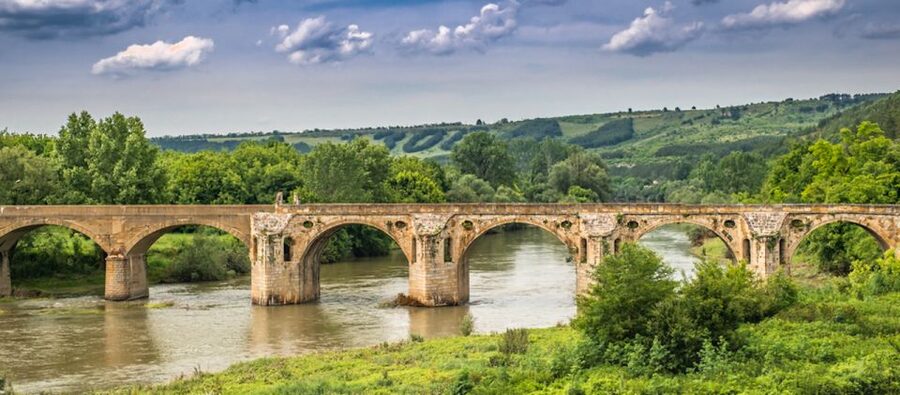
- Ivanovo Rock Churches (UNESCO) in a gorge with medieval frescoes and monastic rooms carved into rock
- Tsarevets Fortress on the hill with viewpoints over Veliko Tarnovo and standout royal-era remains
- Samovodene Artisans Street where traditional trades are still demonstrated, including metalwork for Turkish coffee cups
- Arbanassi Village architectural reserve with streets and churches dating back to the 1500s
- Pickup from central Bucharest and an English live guide who keeps the day organized on a tight schedule
- Skip-the-line entry handling for the main stops, even though entry tickets aren’t included
Crossing Into Bulgaria From Bucharest: What a 12-Hour Day Really Means
This trip is built for people who want a full taste of Bulgaria without changing hotels. You’ll meet your guide at your centrally located accommodation in Bucharest, then settle in for a southbound drive that includes the border crossing process and the Danube crossing via the Friendship Bridge. It’s a long day by design, so your “plan” is really about energy management: eat before you’re rushed, wear good walking shoes, and be ready for a packed route.
The good news is that the trip is structured around fewer, higher-impact stops rather than dozens of quick photo snaps. You’ll also have a licensed private guide and a driver who handles the route end-to-end, so you’re not stuck figuring out transit or logistics. As for timing, the ride is long enough that you’ll probably want to bring snacks and a charged phone/camera battery, because the scenery and photo chances come in waves.
You can also read our reviews of more tours and experiences in Bucharest.
UNESCO Ivanovo Rock Churches: Carved Chapels in a Gorge
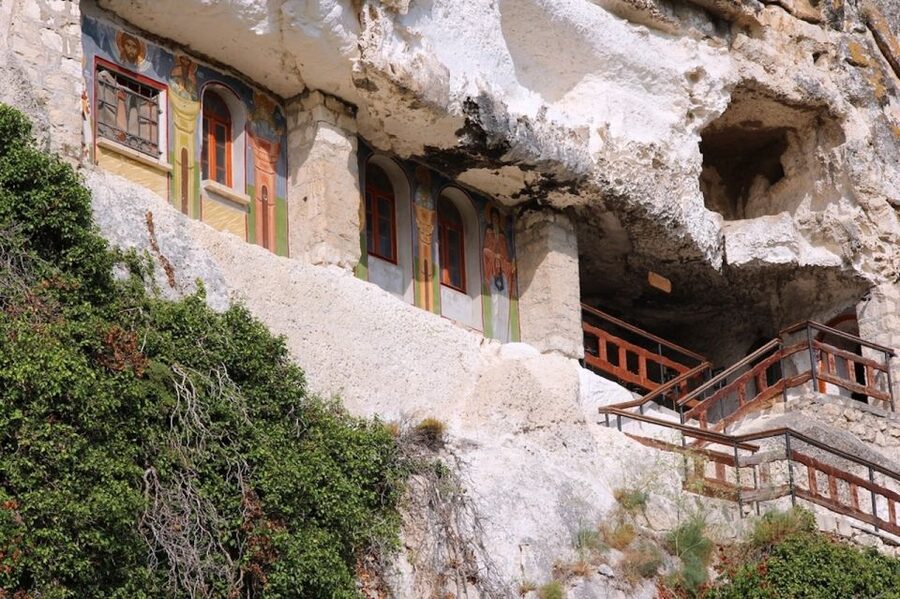
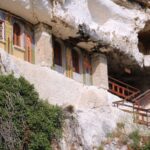
The morning starts with the Ivanovo Rock Churches near the village of Ivanovo. These are Bulgarian medieval churches, chapels, and monastic cells cut directly into a jagged gorge beside the Roussenski Lom River. What makes this stop memorable is the sense of scale: you’re standing in a real rock cut into living earth, not just looking at a building that happens to be old.
Inside, you’ll see restored elements that date back to the 13th century, including inscriptions, portraits of saints, and other recovered artwork details. Even if you’re not a hardcore art-history person, this is the kind of site that grabs you because it feels engineered by faith and survival. It’s also one of those places where the guide’s context matters—why these spaces existed, how they functioned, and what you’re actually looking at.
Practical note: rock churches usually mean uneven paths and stairs. Plan for careful footing, and don’t assume you’ll be able to move as fast as you would on flat city sidewalks.
Veliko Tarnovo at a Walkable Pace: Capital-Era Vibes Without the Overwhelm
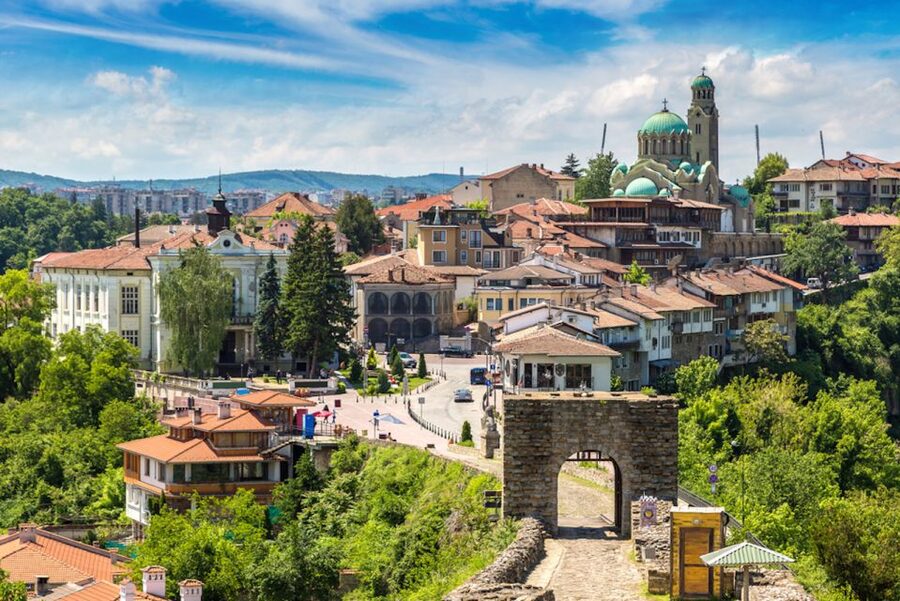
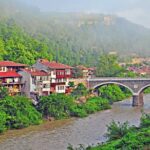
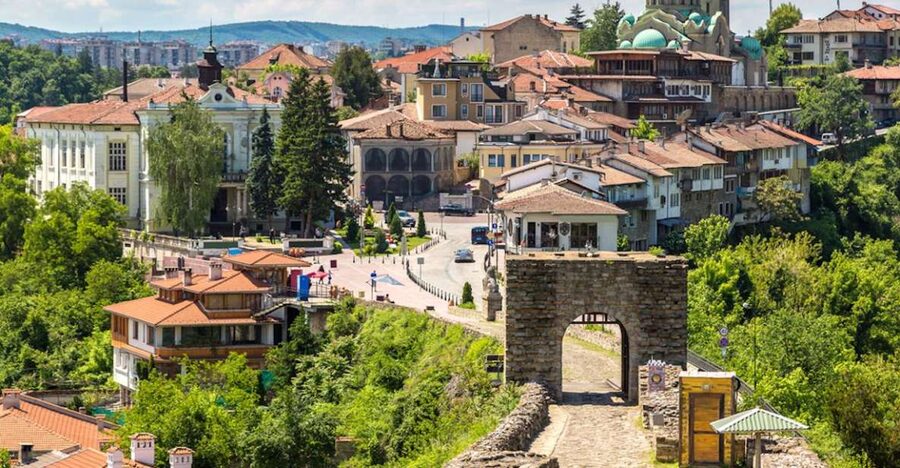
Veliko Tarnovo is the second Bulgarian Empire’s former capital, and the city still carries that prestige in the way its neighborhoods stack around the hills. You’ll get a guided look at what’s historically important and also what makes the place feel alive today—there’s a student presence tied to one of Bulgaria’s largest universities, which helps explain why the city doesn’t feel like a museum town.
In practical terms, you’re there long enough to get your bearings and experience the city as more than a backdrop for castles. You’ll also be moving efficiently between stops, which matters because the day continues on (and Arbanassi comes later).
If your idea of “value” is seeing the story of a place in the right order, Veliko Tarnovo works well here. You’re not just checking off a fortress—you’re also getting the streets, craft life, and the sense of where power was located.
Samovodene Artisans Street: Where Trades Still Show Up in Real Workshops
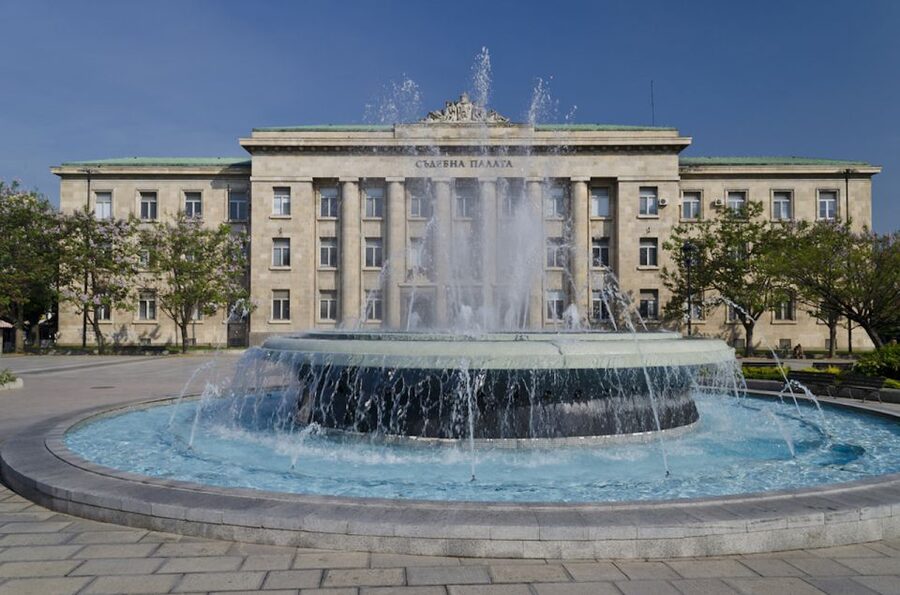
One of my favorite parts is the walk on Artisans Street, known for shops and workshops connected to traditional crafts. The key word here is practical: you’re not just browsing souvenirs, you’re learning what people actually made and how. You can pass workshop doors owned by Bulgarian families for generations, including crafts like a coppersmith and a silversmith, plus an icon painter and other trades.
The day’s most striking detail for many visitors is the chance to see a fully functional coppersmith workshop. You’ll see copper plates and cups made for Turkish coffee—small objects with a big cultural footprint. This is the kind of stop that helps the medieval sites click. It connects the “capital” and “fortress” story to everyday life: food rituals, household objects, and the skill behind them.
Candid caution: depending on timing and how the workshops are scheduled, you might not have endless time for deep shopping. If you’re serious about buying handmade items, keep your expectations realistic and treat it as a look-and-learn first.
Tsarevets Hill Fortress: Royal Power With Real Scale
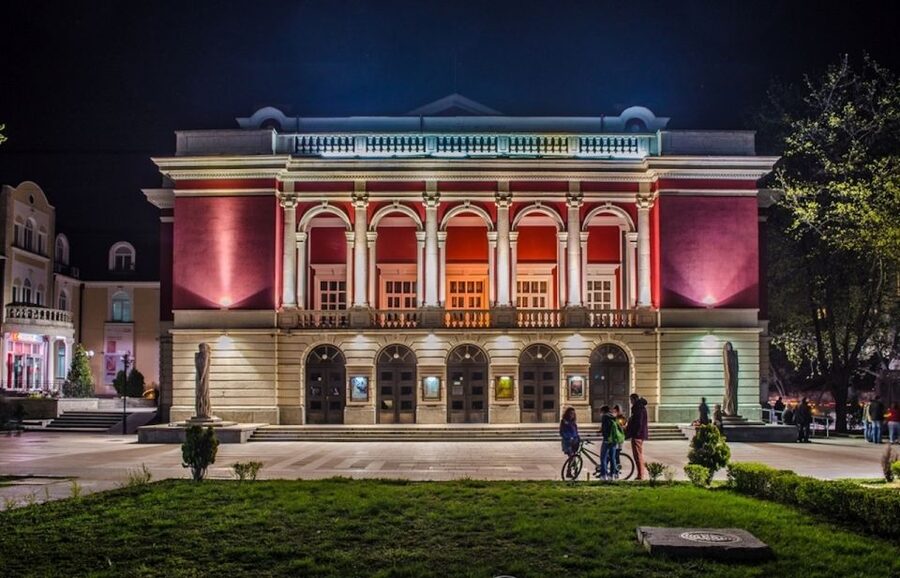
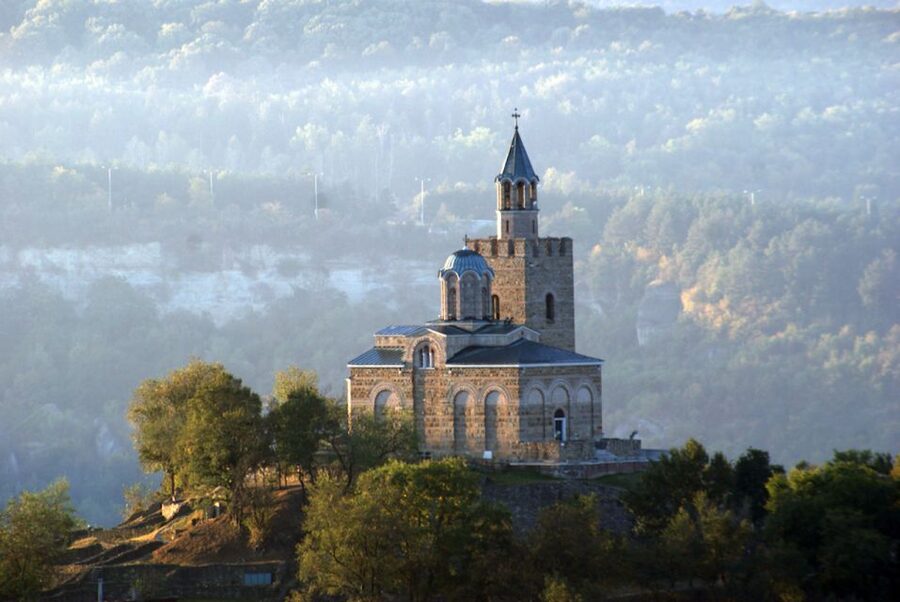
Then you climb to Tsarevets Hill, where the remains of the castle and church of Bulgarian kings have been standing since the 12th century. Tsarevets is the dramatic centerpiece, not just because of the viewpoint, but because the fortress layout helps you understand how medieval power was organized around a hilltop stronghold.
You’ll tour the fortress area and key structures, including the Patriarchal Church, the Royal Palace, and Emperor Balduin’s Tower. Even without reading every stone, you can feel the logic of the place: defensive height, central religious authority, and royal residence all built into one rugged system.
This is also where the long day pays off. When you’re at the top, the drive feels worth it. The hilltop view over Veliko Tarnovo makes the whole empire story feel less abstract.
Practical note: fortress sites usually mean uneven ground, steps, and repeated climbs. Pace yourself. If you need to slow down, do it early rather than waiting until you’re already tired.
Arbanassi Village: The 16th-Century Merchant World
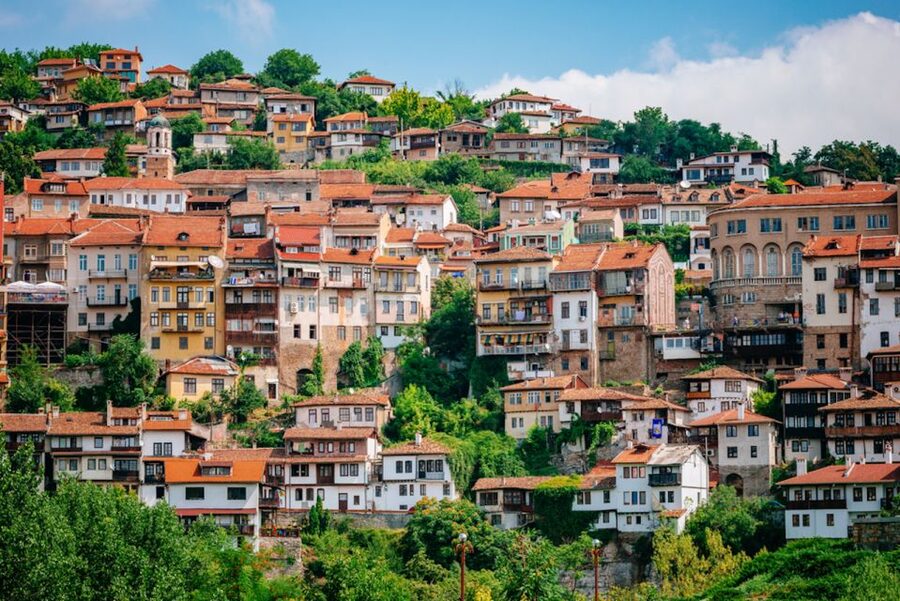
After Tsarevets, the tour shifts to Arbanassi Village, an architectural reserve unique in Bulgaria. This is the “step back in time” segment, with streets lined by houses and churches that date back as far as the 16th century. Instead of only looking at ruins on a hill, you’re walking a place that preserved a style of wealth and everyday structure.
Arbanassi is closely tied to prosperous merchant life. One guided stop highlights the Konstantsalieva House, showing a lavish but still simple lifestyle of the nobility. It’s the kind of house visit that helps you understand what status looked like in real rooms, not just in legends.
This is also the portion of the day where the tour’s pacing really matters. If you’re used to exploring slowly, you might feel tempted to linger more than the schedule allows. The flip side is that you get a clear overview without getting stuck in logistics.
Lunch, Photo Fees, and Walking Logistics: How to Make It Feel Easier
Lunch is not included, and that’s normal for this style of day trip. Your guide will recommend options, and the plan usually includes time to eat before the next segment. Since you’ll be on the move most of the day, I’d treat lunch as fueling, not as a slow sit-down meal.
Photo fees are also not included. If you’re the kind of person who likes to take lots of photos, this is worth keeping in mind so you’re not surprised at the entrance.
Bring cash for practical reasons. One useful tip I saw is to have some money ready for quick currency needs, especially around border situations. And bring your passport: you’ll go through border formalities with stamps when entering and exiting.
One more reality check: a 12-hour schedule can feel tight. For example, at least one guide had about 20 people to organize, so your best strategy is to listen carefully at meeting points and keep an eye on timing.
Price and Value: Is $87 a Fair Deal From Bucharest?
At $87 per person for a 12-hour, cross-border small-group tour, the value comes from the mix of transportation + guide + multiple high-demand sites. You’re not just paying for entry to one place. You’re getting:
- pickup and drop-off from central Bucharest
- a licensed guide who manages the order of stops
- time-saving handling like skip-the-ticket-line for the major attractions
- a day that hits UNESCO-level Ivanovo, a capital-era fortress, artisan workshops, and Arbanassi
The items not included—lunch, photo fees, and entry tickets—are the usual “travel variables” where your total can rise. Still, the way the itinerary clusters the sites reduces wasted hours. If you tried to do this on your own, you’d spend extra time coordinating transit and border timing, and you’d likely lose the context that makes stops like Tsarevets and Ivanovo land.
This is a good fit when you want a guided story-driven day and don’t want to babysit transport schedules. If you prefer slow travel and lots of free time in one town, you may feel rushed. But if you like concentrated highlights, this day trip delivers what it promises.
Who This Tour Suits Best (and Who Might Want to Rethink It)
I’d put this tour high on the list if you:
- want a first Bulgaria day from Bucharest without staying overnight
- care about medieval sites but also want craft and everyday culture
- like small-group guidance and a structured route
- enjoy seeing how power (Tsarevets) connects to life (Samovodene)
You might want to rethink it if:
- you dislike long drives and early starts
- you need a lot of downtime between stops
- you’re sensitive to stairs and rocky terrain
One more fit question: are you traveling with a group where history is a mixed-interest topic? The artisan street and the living workshop style can keep non-history folks interested while the fortress and rock churches satisfy the history lovers.
Should You Book This Bucharest to Veliko Tarnovo Day Trip?
If your goal is a focused, high-impact day—UNESCO rock churches, Tsarevets Hill, artisan workshops, and Arbanassi all in one—this is the kind of tour that makes sense. The price feels reasonable for what’s included, especially the guide work and the fact that you’re crossing into Bulgaria for multiple major stops without planning the route yourself.
Book it if you’re ready for a long day, comfortable walking, and you like learning as you go. If you want a slower pace with lots of free wandering time, you’d likely enjoy adding an overnight in Veliko Tarnovo and taking Arbanassi at a more relaxed speed. But for a one-day sampler, this itinerary is a strong choice.
FAQ
How long is the Small Group Day Trip to Medieval Bulgaria?
It lasts 12 hours.
What’s included in the price?
You get a licensed private guide and pickup and drop-off from centrally located hotels or hostels in Bucharest.
Is lunch included?
No. Lunch isn’t included.
Are entry tickets included?
No. Entry tickets for the mentioned attractions aren’t included, though the tour does offer skip-the-ticket line.
What language is the tour guide?
The live tour guide is in English.
Do you handle hotel pickup and drop-off?
Yes. Pickup and drop-off are included from centrally located hotels/hostels and accommodations.
Do I need to worry about visas when crossing borders?
If you’re a citizen outside of the EU, make sure your visa is eligible for multiple entries into Romania, since there are multiple border crossings.