REVIEW · YPRES
From Brussels: Flanders Fields Remembrance Full-Day Trip
Book on GetYourGuide →Operated by BRUSSELS CITY TOURS · Bookable on GetYourGuide
WWI in Belgium hits different when you see the ground. This full-day trip from Brussels strings together Passchendaele and Tyne Cot Cemetery with major memorial moments and a real museum stop.
I especially like how the day is guided step by step, from the run-up to the war to the atrocities on the front, and how you get a quiet place to think at the Brooding Soldier statue. One thing to keep in mind: it’s a long day on a coach, and the schedule can move quickly at key stops.
In This Review
- Key highlights at a glance
- A sobering day trip into Belgium’s WWI front lines
- Getting from Brussels: the coach ride is part of the experience
- German cemeteries, trenches, and the Hill 60 story
- Passchendaele: standing on the battlefield you’ve heard about
- Tyne Cot Cemetery: one of the biggest Commonwealth resting places
- In Flanders Fields Museum in Ypres: great material, tight time
- Essex Farm Cemetery and Dr. John McCrae’s poem
- Menin Gate at 8 p.m.: the Last Post Ceremony experience
- Guides and pacing: why the storytelling matters
- Price and value: what $107 buys you
- Who should book this tour—and who should skip it
- Should you book this Brussels to Flanders Fields trip?
- FAQ
- How long is the full-day trip from Brussels to Flanders Fields?
- What’s included in the price?
- Where do I meet the tour in Brussels, and where does it end?
- Does the tour include the Menin Gate ceremony?
- Is hotel pickup and drop-off included?
- Is this tour suitable for people with mobility impairments or wheelchair users?
Key highlights at a glance
- Passchendaele battlefield: see one of the defining ground battles of WWI
- Tyne Cot Cemetery: walk one of the world’s largest Commonwealth cemeteries
- In Flanders Fields Museum: a focused look at trench warfare stories
- Brooding Soldier & Hill 60 area: Canadian gas-attack sacrifice, plus tunnelling history
- Essex Farm field hospital: connect the poem In Flanders Fields to the place
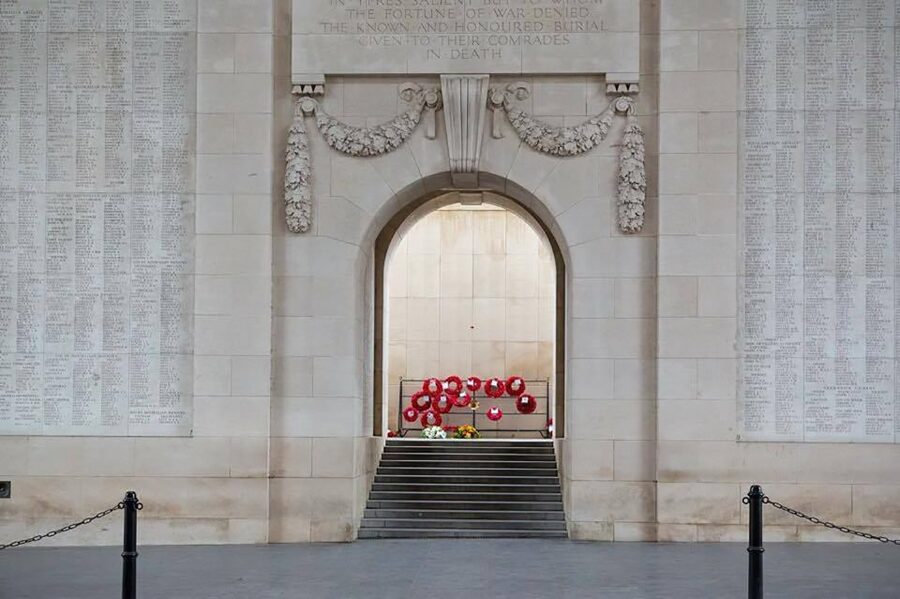
- Menin Gate at 8 p.m.: the daily Last Post ceremony for missing Commonwealth soldiers
A sobering day trip into Belgium’s WWI front lines
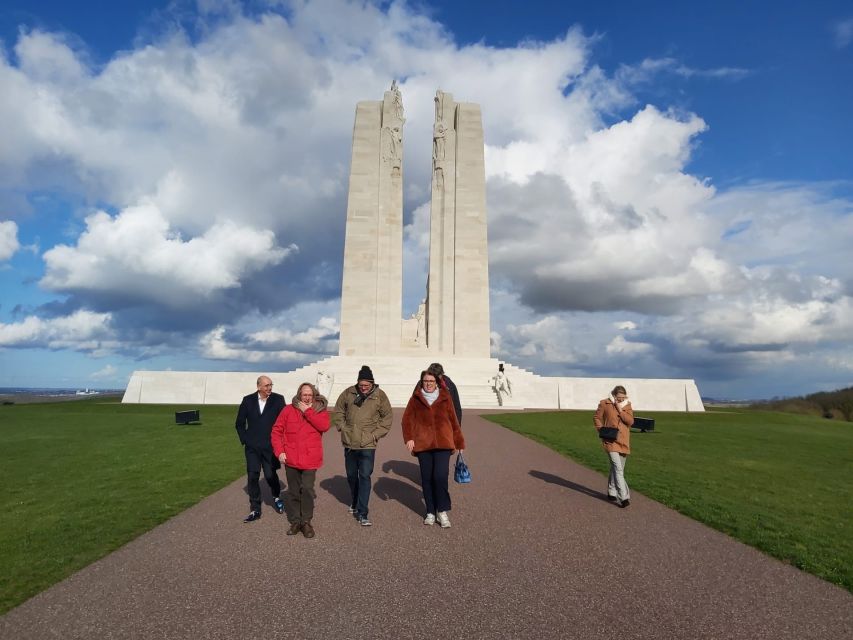
This tour is built for people who want more than photos. You’re going to stand where the fighting happened, and you’ll also get guided context for what that landscape meant in 1914–1918. Expect the tone to be serious from start to finish. It’s not the kind of day where you snack your way through tragedy.
What keeps this from feeling like a history lecture is the mix of places: battlefield ground, cemetery rows, trench-related sites, and a museum. You also get a strong emotional rhythm. The day doesn’t just show suffering; it also marks remembrance in a way that feels deliberately paced.
Getting from Brussels: the coach ride is part of the experience
You start in Brussels at Bd de Berlaimont 18, meeting the Keolis coach outside the National Bank of Belgium. The drive to the Flanders region takes time, and that time is used well. As you travel, your guide explains how the war unfolded, so you’re not just staring out the window with a dead phone battery.
The total day runs about 13 hours, and that matters for your energy. You’ll want comfortable shoes (you do a lot of walking, often on uneven ground near memorial sites). Also, plan to mentally switch from sightseeing mode to remembrance mode. By the time you reach the evening ceremony, you’ll be ready to listen closely.
German cemeteries, trenches, and the Hill 60 story
Early in the day, you’ll stop at a German cemetery before heading to a trench section. That first cemetery stop is a useful grounding point: it reminds you this was not one-sided suffering, even though the tour’s focus is Commonwealth history and specific key sites in the Ypres region.
Then you move into the trench-era portion of the route, where the guide ties the physical spots to what soldiers faced. Two stops stand out here:
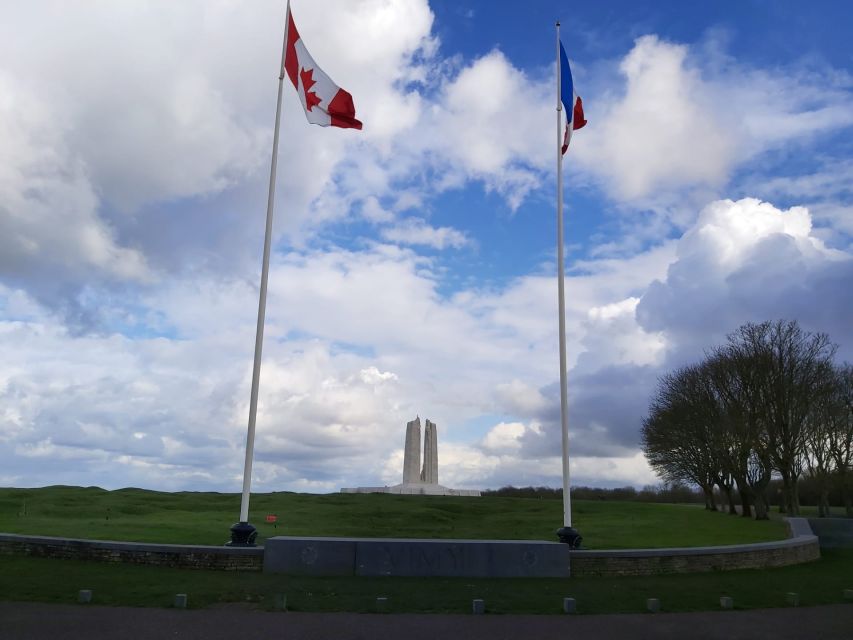
- The Monument of the Brooding Soldier, which commemorates the sacrifice of 2,000 Canadian soldiers during the first German gas attack.
- Nearby Hill 60, dug by tunnelling companies of the Royal Engineers before falling into German hands.
If you’ve ever read about gas attacks and tunnelling, seeing how the area connects to those events gives the details weight. The guide’s job is to make these names and facts feel like something you can picture, not just something you memorize.
Passchendaele: standing on the battlefield you’ve heard about
The tour takes you to the Passchendaele battlefield. This is one of those WWI names that pops up in books and documentaries for a reason: it represents long, grinding fighting with huge casualties and relentless pressure on the ground.
On this stop, the value isn’t just that you’re there. It’s that the guide has already built the storyline, so you understand why certain ridges or trench areas mattered. You’ll also be seeing the battlefield with the knowledge that memorial culture is built on the idea that the dead should never become a vague statistic.
Practical note: this portion of the day is outdoors. Even if the weather is kind, wear shoes you can stand and walk in for a while. You’re not strolling a museum courtyard.
Tyne Cot Cemetery: one of the biggest Commonwealth resting places
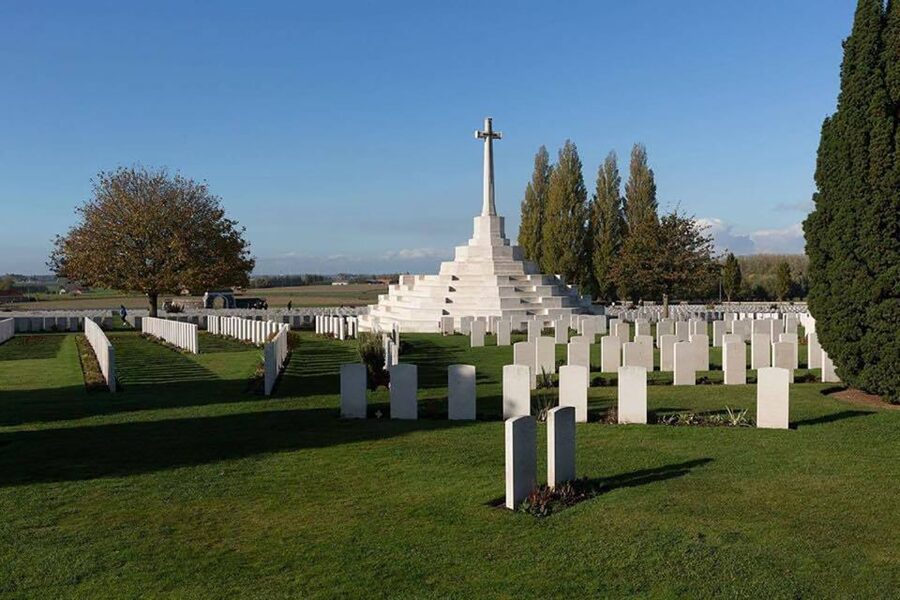
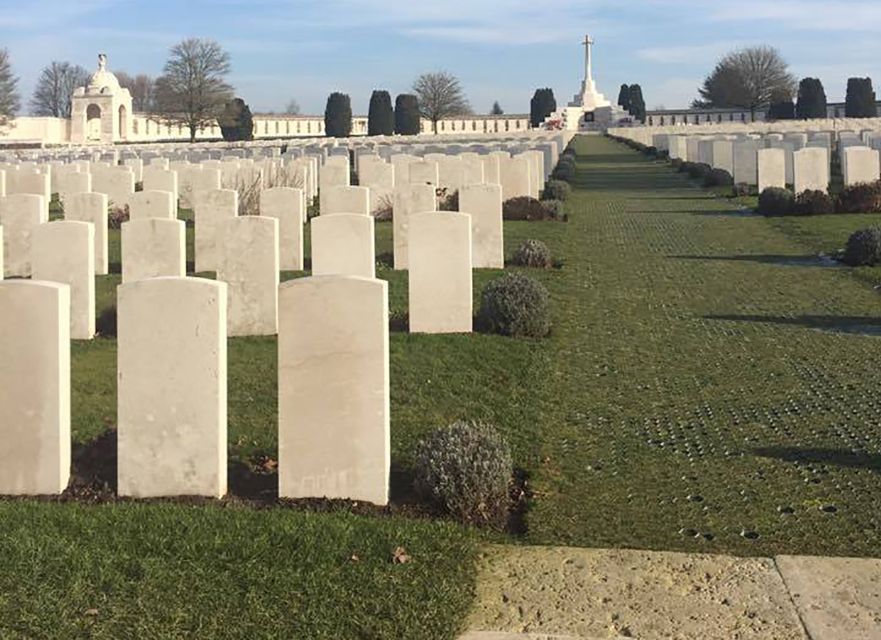
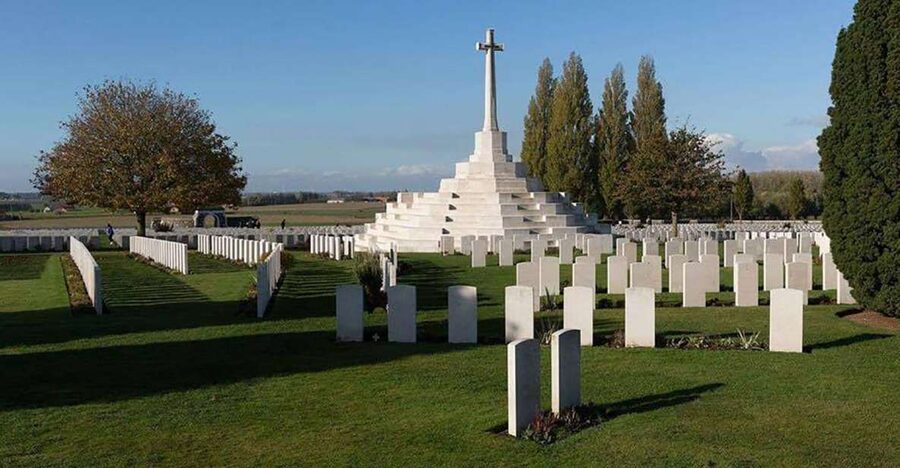
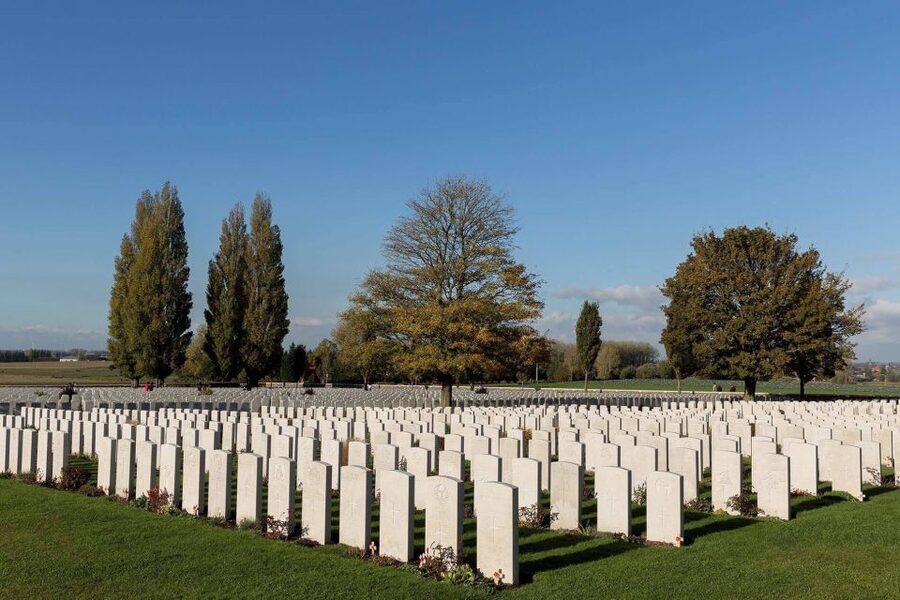
Next up is Tyne Cot Cemetery, described as the largest Commonwealth cemetery in the world. This is where the trip becomes very physical. Rows of headstones stretch out, and the sheer scale makes the day feel personal in a different way.
One of the most useful parts of a guided visit is that you’re not just reading names at random. You’re understanding what the cemetery represents for the nations involved. Tyne Cot is where British, Irish, Australian, and Canadian soldiers rest together. That blend matters, because WWI history is often grouped by country in stories, but the battlefield mixed everything in real life.
If you’re the type who likes to take notes, this is a good place to pause and write down names you notice. Later, when you’re back home, those little anchors help you remember what you were seeing.
In Flanders Fields Museum in Ypres: great material, tight time
After time in the battlefield and cemetery areas, you’ll have lunch in Ypres, then head to the In Flanders Fields Museum. This is a major part of why the tour earns its reputation with WWI fans. The museum brings together trench warfare stories so you can connect what you saw outside to what people experienced inside the system of war.
Here’s the catch: you’ll have a set slot for the museum, and it can feel short. Plan for a focused visit rather than a slow, “read everything” session. If you care about specific themes, go in knowing what you want:
- trench conditions and daily survival
- major operations tied to the Ypres sector
- how documentation and memory were shaped after the war
If you want a full museum marathon, build that into a separate day trip later. On this tour, the museum is one stop in a packed remembrance circuit.
Essex Farm Cemetery and Dr. John McCrae’s poem
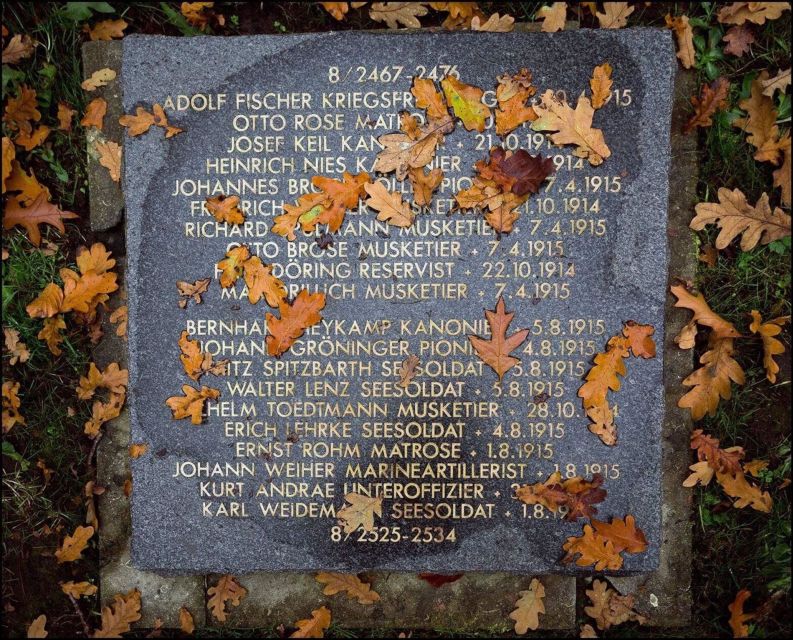
The tour then goes to Essex Farm, where the field hospital is located. This stop is a direct connection point to literature: Canadian field surgeon Dr. John McCrae wrote the famous poem In Flanders Fields here.
Even if you’ve already read the poem, seeing its location changes how you read it. The words stop being a classroom text and become something tied to a real place where medical staff tried to cope with impossible conditions.
This is also a good moment to slow down a bit. Your day has been moving between battle ground and remembrance, and this stop offers a slightly different angle: the human cost through the lens of care, writing, and memory.
Menin Gate at 8 p.m.: the Last Post Ceremony experience
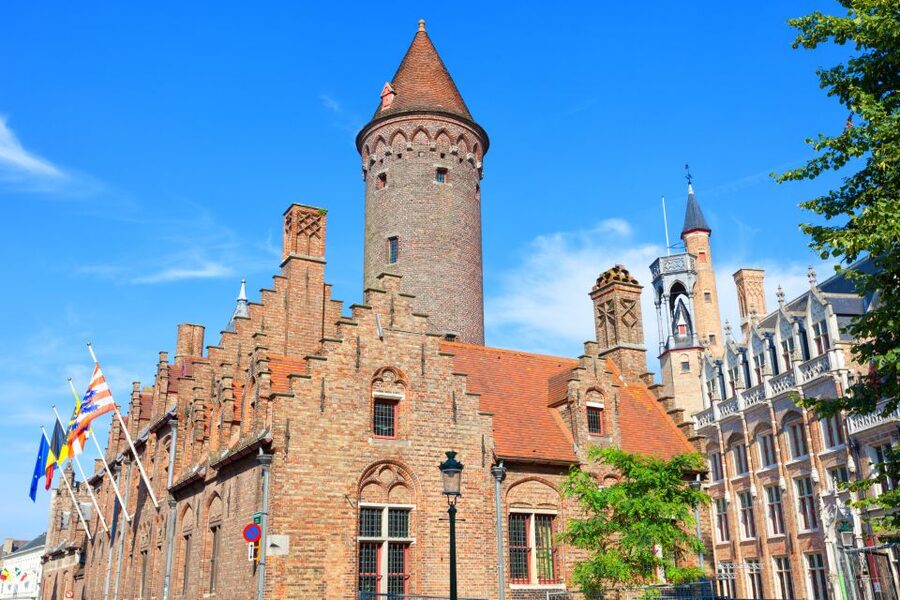
The highlight for many people is the evening ceremony at the Menin Gate. The tour is timed for the 8 p.m. Last Post Ceremony, a daily tribute to all Commonwealth soldiers and officers missing after battle.
This is one of the clearest “why this tour works” moments. A battlefield visit can feel heavy in a private way. A ceremony pulls that heaviness into a shared act of remembrance with structure and silence. It’s simple, but it’s powerful.
A detail worth planning for: you’ll likely be hungry by then. The schedule includes time back in Ypres for a quick snack before the ceremony. If you’re someone who eats lightly all day, you might want to plan your snack choices smartly so you don’t feel wiped out during the ceremony.
Guides and pacing: why the storytelling matters
The tour’s quality depends a lot on the guide’s ability to connect the locations. From the guide names you may encounter—Diedrich, Stefan, Dietrich, or Steffen—the common thread is strong on-the-ground WWI storytelling.
What I like about this kind of guide-led format is that it reduces the guesswork. You’re not standing in front of a monument wondering what you’re supposed to notice. You get a narrative structure: events leading to the war, key sites around the Ypres area, and the memorial meanings behind each stop.
At the same time, understand that with a day this packed, the pacing won’t be perfect for everyone. If you’re a serious WWI enthusiast who knows every unit and every date, you may wish you had more time to go back to specific plaques or museum sections. The tour gives a strong overview, not a full reference library.
Price and value: what $107 buys you
At about $107 per person, this isn’t a budget outing. The value comes from three things you’re getting in one package:
- Roundtrip coach from Brussels for a full-day, long-distance itinerary
- A professional guide who explains how the sites connect
- Entrance to the In Flanders Fields Museum
When you compare that to doing the same stops on your own—especially museum entry plus transportation across the Ypres region—the packaged price starts to look more sensible. You’re paying for someone else to handle routing, timing, and the “what matters here” framing.
The trade-off is flexibility. You can’t linger endlessly, and you may feel the schedule’s momentum at the museum or during lunch breaks. If you hate time limits, you’ll feel it. If you’re happy to follow a structured day and remember later, it’s good value.
Who should book this tour—and who should skip it
This tour is a strong match if you:
- care about WWI history and want major locations in one day
- want the Last Post Ceremony experience without having to plan it yourself
- like guided context that helps you understand what you’re seeing
It may not be a great fit if you:
- have limited mobility or need wheelchair access (the tour isn’t suitable for wheelchair users)
- dislike long coach days or fast stop-to-stop pacing
- need lots of time at museums or prefer self-paced wandering
Also, keep your expectations realistic: this is a remembrance-focused route. It’s not designed to feel like a casual sightseeing loop.
Should you book this Brussels to Flanders Fields trip?
If your heart is in WWI memorials and you specifically want Passchendaele, Tyne Cot, In Flanders Fields Museum, Essex Farm, and Menin Gate, then I’d book it. The combination is rare: battlefield ground, cemetery scale, museum context, a literary tie-in to In Flanders Fields, and then the quiet gravity of the 8 p.m. Last Post Ceremony.
I’d just go in with two smart expectations. First, it’s a long day with a fixed schedule. Second, you’ll get an overview that’s meant to connect the dots—not an exhaustive, hour-by-hour research session at every stop.
If that sounds like your style, you’ll come away with more than facts. You’ll have a sense of place—and that’s the hardest thing to recreate later.
FAQ
How long is the full-day trip from Brussels to Flanders Fields?
The tour runs about 13 hours.
What’s included in the price?
It includes a professional guide, roundtrip coach transportation, and entrance to the In Flanders Fields Museum.
Where do I meet the tour in Brussels, and where does it end?
You meet at Bd de Berlaimont 18, outside the National Bank of Belgium area, and the tour ends back at Central Station.
Does the tour include the Menin Gate ceremony?
Yes. You attend the Last Post Ceremony at Menin Gate at 8 p.m.
Is hotel pickup and drop-off included?
No. Hotel pickup and drop-off are not included.
Is this tour suitable for people with mobility impairments or wheelchair users?
No. It is not recommended for people with limited mobility and is not suitable for wheelchair users.