REVIEW · BRUGES
From Bruges: Flanders Fields Remembrance Full-Day Trip
Book on GetYourGuide →Operated by BRUSSELS CITY TOURS · Bookable on GetYourGuide
A day of silence in Flanders. This full-day WW1 trip from Bruges links the big story of the war to places you can stand in, from the Passchendaele battlefield to the Menin Gate ceremony at 8pm. I really liked the way the day mixes “what happened” with “where it happened,” so it never feels like museum-only history.
My other favorite part is the human scale of the stops: the Monument of the Brooding Soldier for 2,000 Canadian soldiers and the quiet weight of Tyne Cot. One thing to consider up front: it’s a very long day, and you don’t get forever at each site, so the pace can feel tight if you like to linger.
In This Review
- Key highlights that make this WW1 day trip worth your time
- From Bruges pickup to the WW1 story starting on the coach
- The Brooding Soldier, the gas attack, and why Hill 60 still matters
- German cemetery stop: the part that stays with you
- Ypres lunch time and why the schedule is built around the afternoon museum
- In Flanders Fields Museum: connecting trench war to real people
- Passchendaele battlefield and Tyne Cot: where the war becomes geography
- Essex Farm and the Dr. John McCrae link that turns remembrance into literature
- Ypres again, then Menin Gate at 8pm for the Last Post
- Price and value: is $91 a fair deal for a 10-hour WW1 route?
- Timing, walking, and hearing the guide: the practical stuff that decides comfort
- Who should book this tour, and who might want a different format?
- Should you book the Bruges Flanders Fields Remembrance trip?
- FAQ
- Where does the tour start in Bruges?
- How long is the full-day tour?
- How much does the tour cost?
- Is hotel pickup included?
- What’s included in the ticket price?
- Is lunch included?
- What language is the tour guide?
- How much walking is involved?
- Is the tour wheelchair accessible?
- What time is the Last Post ceremony?
- Is Menin Gate affected by construction?
- FAQ
- Can the tour be canceled?
- What should I bring?
- Is there an option to change plans if I’m booking ahead?
Key highlights that make this WW1 day trip worth your time
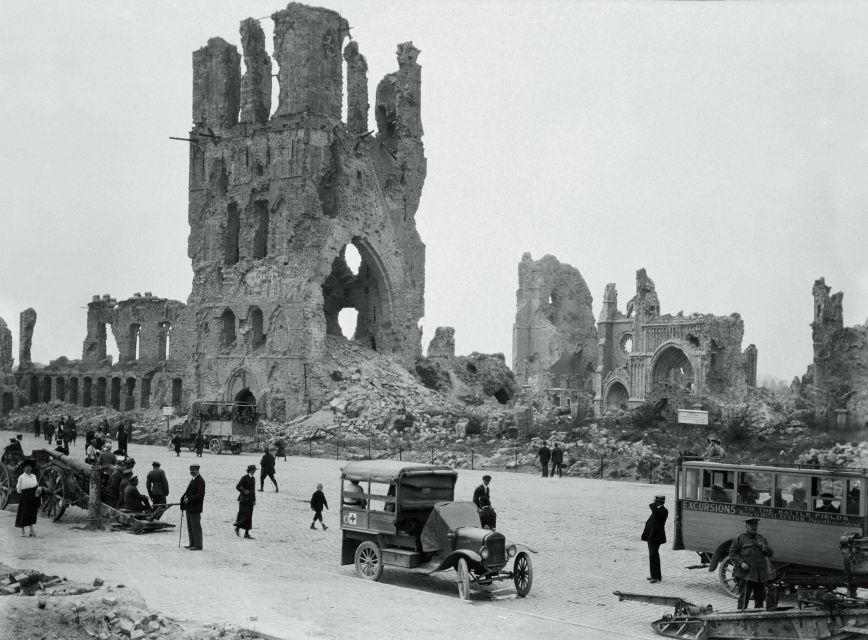
- Brooding Soldier + Hill 60: a direct line to the first German gas attack and the mined Hill 60 story with Royal Engineers tunnellers.
- In Flanders Fields Museum: guided interpretation of four years of trench war, not just facts on a wall.
- Passchendaele battlefield viewing: you see the terrain where the fighting unfolded, then connect it to the larger campaign story.
- Tyne Cot Cemetery: the largest Commonwealth cemetery in the world, with British, Irish, Australian, and Canadian burials.
- Essex Farm + Dr. John McCrae: where the field surgeon wrote In Flanders Fields, turning grief into words.
- Last Post at Menin Gate (8pm): a daily tribute for Commonwealth soldiers and officers missing after battle, even with restoration ongoing.
From Bruges pickup to the WW1 story starting on the coach
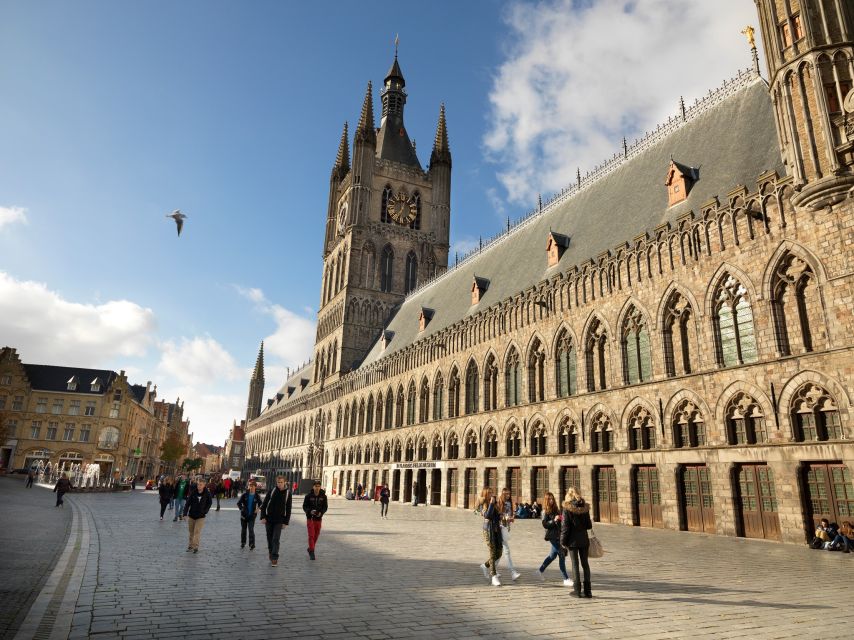
Most people think they’re signing up for a day of monuments and cemeteries. What surprised me is how much the day’s meaning starts before you arrive anywhere. You leave Bruges by bus/coach, and your guide sets the stage: which events led into the First World War and how the disaster unfolded into trench warfare in this region.
It’s a 10-hour day in total, with roughly an hour each way by coach. That sounds simple until you realize you’re also spending time on the road listening, not just sitting. On this kind of guided route, that matters because the sites make more sense when you’ve already got the timeline in your head.
Practical tip: if you’re sensitive to sound, sit where you can clearly hear the guide. There are moments when the bus audio can be hard to catch, especially if you’re farther back. A small workaround (like using your own audio aids) can make the coaching talk a lot easier to follow.
You can also read our reviews of more tours and experiences in Bruges.
The Brooding Soldier, the gas attack, and why Hill 60 still matters
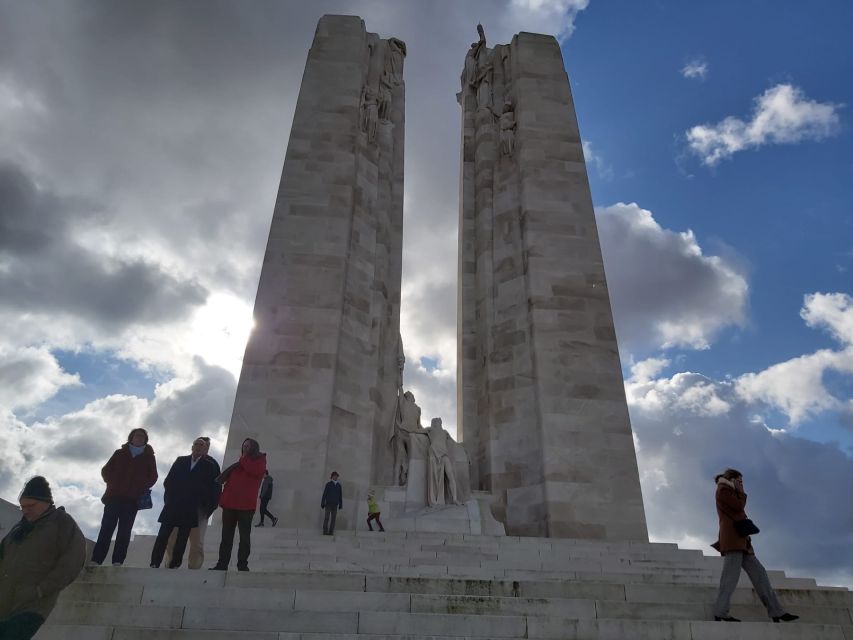
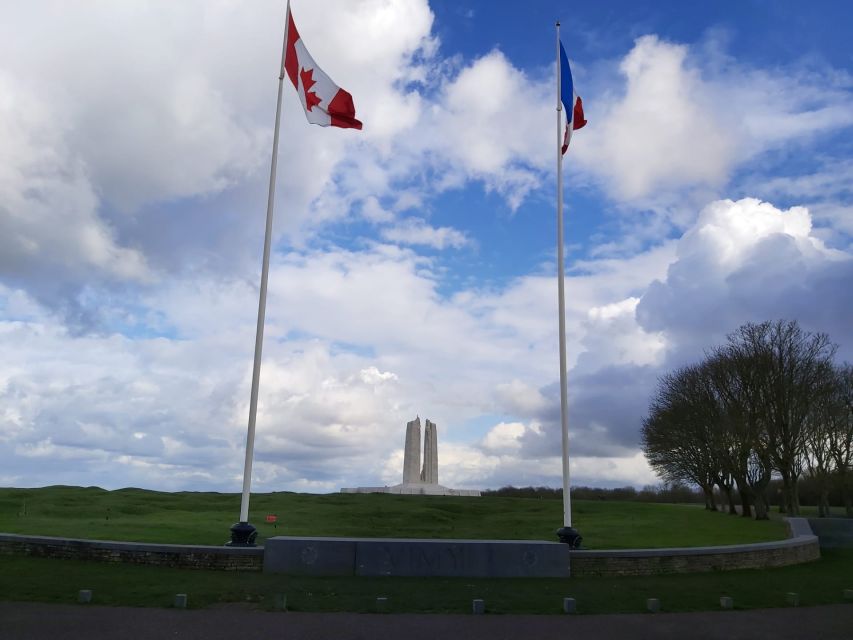
Your morning focuses on the war in the landscape around Ypres, and two stops tell a powerful part of the story: the Monument of the Brooding Soldier and nearby Hill 60.
The Brooding Soldier is one of those memorials that makes the history feel personal. It commemorates the sacrifice of 2,000 Canadian soldiers during the first German gas attack. Even if you’ve read about gas warfare before, standing near this kind of monument changes the way the information lands. It stops being a “tactic” and becomes a human event.
Close by is Hill 60, a place that fell into German hands but was mined by tunnelling companies of the Royal Engineers. That’s an important detail because it broadens the picture of WW1 beyond guns and uniforms. You’re seeing a war of underground work, planned destruction, and endurance.
A small note on value: these two stops work best together. The monument gives you the emotional anchor. Hill 60 adds the technical and tactical angle so the story doesn’t stay vague.
German cemetery stop: the part that stays with you
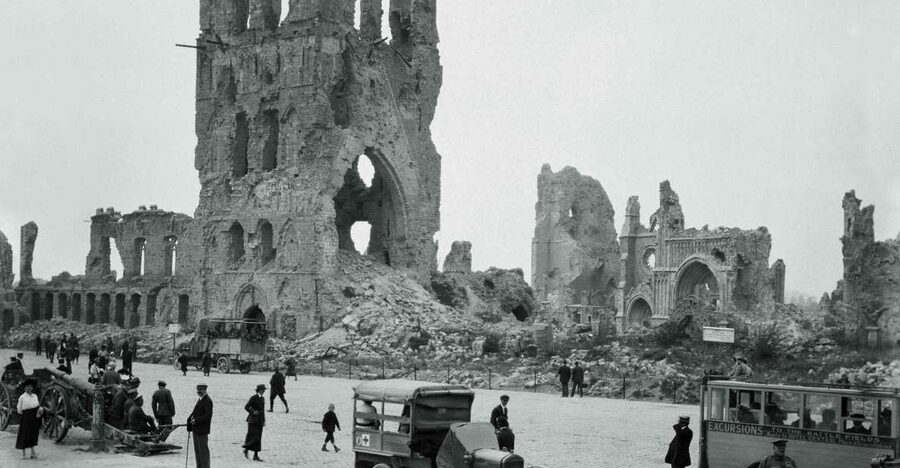
Before moving deeper into the Allied memorial landscape, the tour includes a stop at a very moving German cemetery. This is the moment when the trip starts to feel less like a guided tour and more like a shared act of remembrance.
It can be tempting to rush through cemeteries for photos, but you’ll get more out of this stop if you slow down. The setting is meant for reflection, and WW1 history here hits hardest when you give it a few quiet minutes without trying to “collect” everything.
Ypres lunch time and why the schedule is built around the afternoon museum
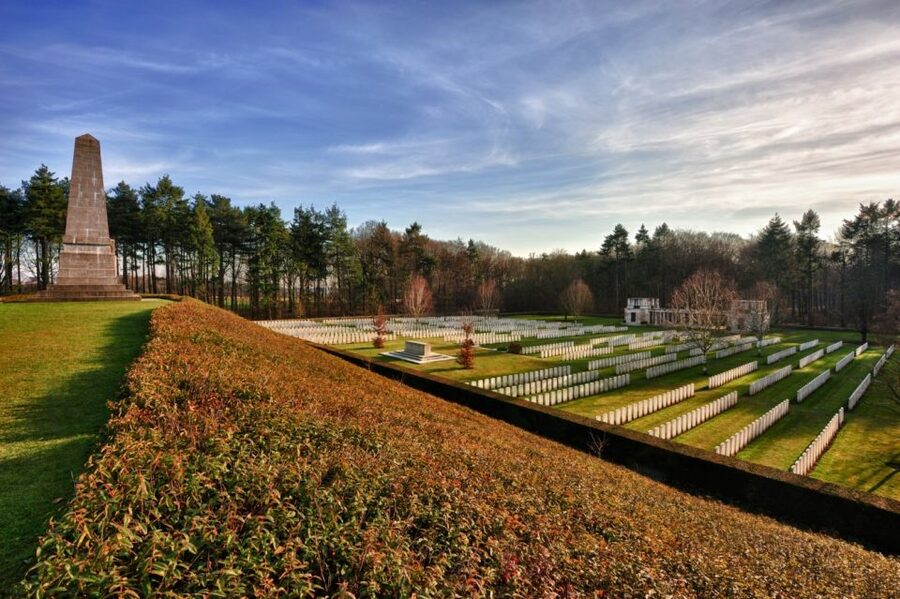
After the trench-area sites, you’ll stop in Ypres for lunch time. The tour gives you about 45 minutes at a local restaurant, but lunch isn’t listed as included in the base price.
This middle-of-the-day break is practical. You’re about to spend serious time at the In Flanders Fields Museum, and that visit tends to work better when you’re not running on empty. If you’re traveling with a tight energy budget, use this break to eat something filling and hydrate.
In Flanders Fields Museum: connecting trench war to real people
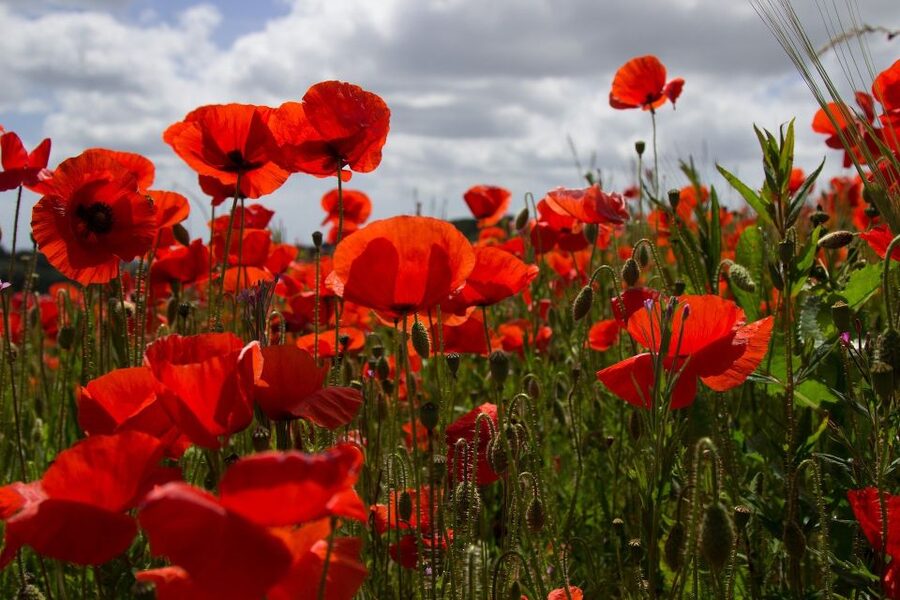
The centerpiece of the afternoon is the In Flanders Fields Museum with an included guided visit of about 70 minutes for the museum portion. The guide explains touching stories behind four years of trench war, which helps you move from broad campaign history to the lived experience of soldiers.
The museum is one of those places where it’s easy to get lost if you’re reading everything at your own pace. With a guided interpretation, you get a clearer path through the material. You don’t just see objects and dates; you hear how they connect to what you were seeing outside.
That said, there’s a genuine trade-off: some people want more time to browse on their own. If you’re the type who reads every panel and wants to take notes, you may feel slightly rushed. If you can flex and let the guide steer you, you’ll likely find this museum stop is the best “information per minute” moment of the whole day.
Passchendaele battlefield and Tyne Cot: where the war becomes geography
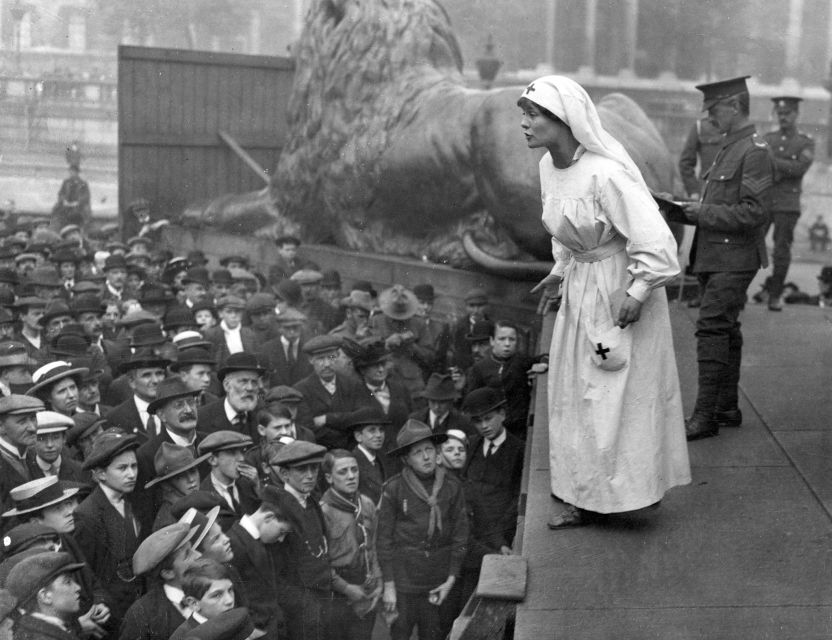
Next comes the battlefield area at Passchendaele and then the Tyne Cot Cemetery visit. Together, these stops are the heart of the outdoor experience.
At Passchendaele, you’re there to connect the war story to ground. WW1 battlefields aren’t scenic in a postcard way. They’re hard places, and the point isn’t beauty. It’s perspective: you see why positions mattered, why movement was punishing, and why this war took so much from so many.
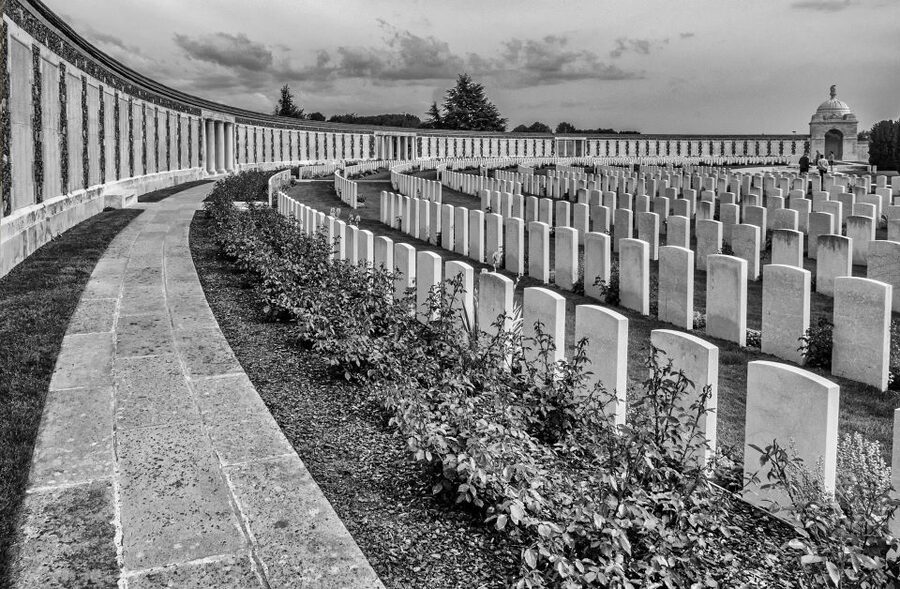
Then you step into Tyne Cot Cemetery, the largest Commonwealth cemetery in the world, with burials of British, Irish, Australian, and Canadian soldiers. This is the kind of site where your brain starts to work differently. Names, ages, and units turn the history into something concrete and immediate.
If you’re visiting for family connections, this is the stop that usually delivers the strongest emotional impact. Even if you aren’t, Tyne Cot helps you understand the scale of sacrifice.
One practical reality: expect walking and standing time on paths and among graves. The tour isn’t recommended for people with limited mobility, and it’s not aimed at wheelchair users. Comfortable shoes are non-negotiable.
Essex Farm and the Dr. John McCrae link that turns remembrance into literature
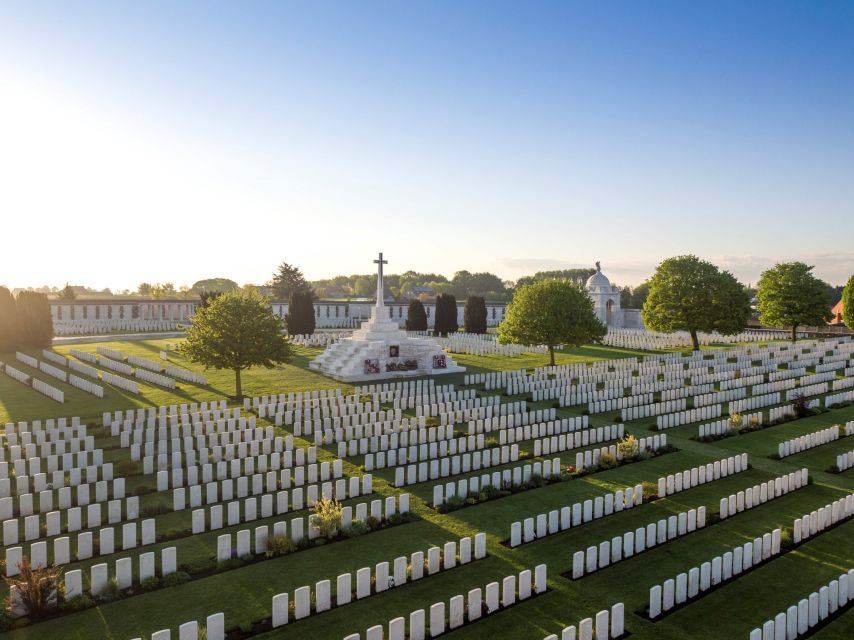
The tour also includes Essex Farm Cemetery and the field hospital connection where Canadian field surgeon Dr. John McCrae wrote the famous poem In Flanders Fields.
This stop is valuable because it connects the day’s themes. You’ve looked at trenches and memorial stones; now you meet the language that kept grief from disappearing into the past. Even if you only remember the poem by a few lines, the location gives context to why those words mattered.
It’s also a good reminder that WW1 wasn’t only about battle details. It was about how people tried to make meaning after the worst kind of loss.
Ypres again, then Menin Gate at 8pm for the Last Post
After the battlefield and cemetery visits, you return to Ypres for a quick snack before the evening ceremony. Then you head back to Menin Gate for the Last Post Ceremony at 8pm.
The Last Post is described as a daily tribute to all Commonwealth soldiers and officers missing after battle. That line matters. This isn’t only for the people with known graves. It’s for those whose final resting place wasn’t recovered, which is a large part of the WW1 story in this region.
Important context: Menin Gate is under restoration works until mid-2025. That can change the look of the setting (scaffolding and visual coverage), and it may slightly alter how you frame the moment for photos. The ceremony itself still runs, and the emotional core stays intact.
One more scheduling detail that affects your day: the ceremony is short in pure time on-site (about 20 minutes of visit time), so you’ll want to be ready and settled when you arrive.
Price and value: is $91 a fair deal for a 10-hour WW1 route?
At about $91 per person for roughly 10 hours, the value depends on what you want out of the day.
Here’s what you’re getting, priced into that number:
- Roundtrip transportation by bus
- A live English-speaking guide
- Entry to the In Flanders Fields Museum
- Access to multiple major WW1 sites and the Last Post Ceremony
What you’re not getting:
- Lunch and dinner
For many people, the biggest value is not “saving money.” It’s saving time and effort. Public transport between these specific WW1 locations can be doable, but it’s rarely as straightforward as one guided route with a coach timed to key moments like the 8pm ceremony.
I also think the inclusion of the museum is important. A museum ticket alone doesn’t make it worthwhile, but museum access plus a guided storyline can be the difference between collecting facts and actually understanding the war’s progression.
Timing, walking, and hearing the guide: the practical stuff that decides comfort
This is a packed day, and you feel it in two ways: time pressure at stops and physical demands.
Some stops are designed for reflection, but the group is always moving. If you’re a slow reader, want lots of close-up photos, or like to sit and watch the whole view change, you may feel you’re moving too fast. There are also reports of some guests wishing for longer breaks, especially around the museum and major cemeteries.
On top of that, you do walking at multiple outdoor sites. The tour isn’t recommended for limited mobility and isn’t suitable for wheelchair users.
Finally, hearing matters. A few people found it hard to hear the guide on the coach, due to bus acoustics and constant movement while talking. If you know you struggle with audio in group settings, plan accordingly.
Who should book this tour, and who might want a different format?
This tour fits best if:
- You want an organized full day centered on the Ypres/Passchendaele WW1 area
- You like guided interpretation connecting multiple sites into one storyline
- You care about memorial culture, especially Commonwealth remembrance at Menin Gate
- You’re fine with a long day and walking at cemeteries and battlefield sites
It’s less ideal if:
- You need wheelchair access or have limited mobility
- You prefer independent exploring with lots of free time in each location
- You want strong focus on angles not emphasized by the route’s main combat narrative (for example, some people asked about the role of women such as nurses, and this tour may not cover that as much as you’d like)
Should you book the Bruges Flanders Fields Remembrance trip?
If your goal is to understand WW1 in Flanders through the places that shape the story, I think this is a strong choice. The combination of major cemeteries, the In Flanders Fields Museum, and the Last Post at 8pm is a rare package. The memorial stops are the emotional core, and the guide’s narration is what ties it together into something you can carry home.
My main hesitation is time. You’ll be out all day, you’ll walk, and some stops feel better than others depending on how much reading and lingering you want to do.
If that sounds like you, book it. Bring comfortable shoes, plan to be outside, and set the expectation that this day is built for meaning, not for leisurely wandering.
FAQ
Where does the tour start in Bruges?
The meeting point is Bargesquare (also referred to as Bargeplein), at the bus parking spot. You can wait under the large red canopy next to the public bathroom.
How long is the full-day tour?
The duration is 10 hours.
How much does the tour cost?
The price is $91 per person.
Is hotel pickup included?
No. Hotel pick up and drop-off are not included.
What’s included in the ticket price?
Roundtrip transportation by bus, a live English-speaking guide, and entry to the In Flanders Fields Museum.
Is lunch included?
No. Lunch is not included in the listing details. There is a scheduled lunch stop at a local restaurant for about 45 minutes.
What language is the tour guide?
The tour is conducted in English.
How much walking is involved?
The tour includes multiple cemetery and battlefield stops, and it is not recommended for people with limited mobility. Wear comfortable shoes.
Is the tour wheelchair accessible?
No. It is not suitable for wheelchair users.
What time is the Last Post ceremony?
The tour arrives for the Last Post Ceremony at Menin Gate at 8pm.
Is Menin Gate affected by construction?
Menin Gate is listed as under restoration works until mid-2025, which may affect the setting during the ceremony.
FAQ
Can the tour be canceled?
Yes. The tour may be canceled if the minimum number of participants is not met.
What should I bring?
Bring comfortable shoes, since you’ll be walking at multiple stops.
Is there an option to change plans if I’m booking ahead?
There is free cancellation up to 24 hours in advance for a full refund, and you can reserve now & pay later to keep flexibility.