REVIEW · LISBON
Évora and Megaliths Full-Day Tour from Lisbon
Book on GetYourGuide →Operated by Around Lisbon Tours · Bookable on GetYourGuide
Skulls, stones, and cork trees in one day. This full-day trip links Portugal’s oldest monuments to a beautifully layered UNESCO town, then ends with the Chapel of Bones. I especially love the way Cromeleque dos Almendres is explained like a calendar you can walk through, with sun and star alignments you can actually see.
My second favorite part is the run through Évora’s historic core, from the Roman Temple of Diana to a roof-top cathedral view over the surrounding plains. The one drawback: lunch isn’t included, so you’ll want to plan a food break in Évora instead of relying on the tour to feed you.
In This Review
- Key points to know before you go
- The day-trip math: why Évora and Almendres fit your Lisbon time
- Cromeleque dos Almendres: the megalith site that feels like an ancient observatory
- The countryside drive: cork country and why it matters in this region
- Évora’s UNESCO center: Roman-to-Renaissance layers you can walk through
- Inside Évora Cathedral: the roof climb and the gold plains view
- St. Francis Church and the Chapel of Bones: unusual, powerful, and unforgettable
- Cork oak to cork stop: what you’ll actually learn (and why it’s not just scenery)
- Guides, pacing, and small-group comfort: where the day really clicks
- Price and value: what you’re really paying for at $94
- Who should book this tour (and who might skip it)
- Should you book this Évora and megaliths day trip from Lisbon?
- FAQ
- How long is the Évora and megaliths tour from Lisbon?
- Is lunch included?
- What’s included in the price?
- Do I get hotel pickup in Lisbon?
- What languages is the live guide available in?
- Are there any suggested items to bring?
- Is the Chapel of Bones visit part of the tour?
- What cancellation options are available?
Key points to know before you go
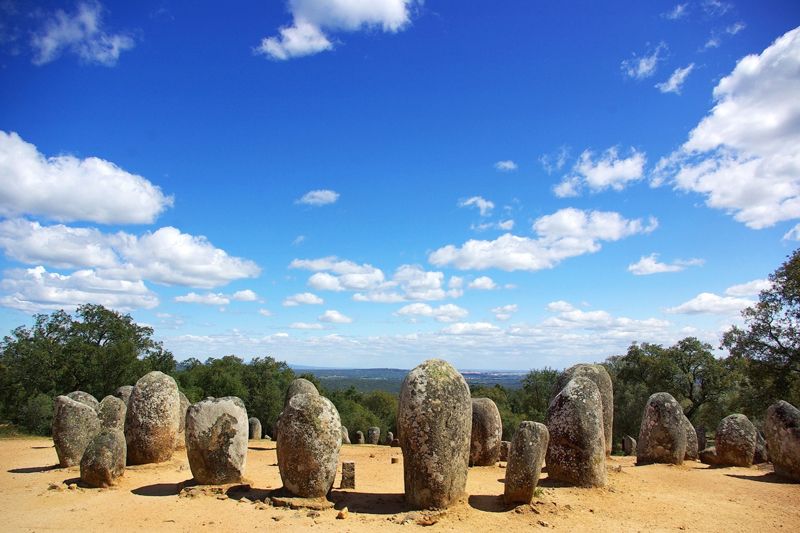
- Cromeleque dos Almendres (older than Stonehenge) with alignments tied to the sky
- Roman Temple of Diana plus Roman-to-Renaissance layers in Évora’s center
- Cathedral roof climb for wide views over the Alentejo
- Chapel of Bones entry included for a surprisingly powerful stop
- Cork oak countryside and a cork processing visit, not just town sightseeing
- Guides often keep the day paced well and adapt if a megalith road is closed
The day-trip math: why Évora and Almendres fit your Lisbon time
This is one of those Lisbon side trips that actually changes your perspective. You leave the city and trade traffic and tiles for open sky, ancient stone, and a slow, countryside pace.
With an 8-hour format and hotel pickup/drop-off, you also avoid the big hassle: getting yourself to Évora and back on time. For many people, the value is less about the sites costing money and more about removing the logistics stress so you can focus on the experience.
You can also read our reviews of more tours and experiences in Lisbon.



Cromeleque dos Almendres: the megalith site that feels like an ancient observatory
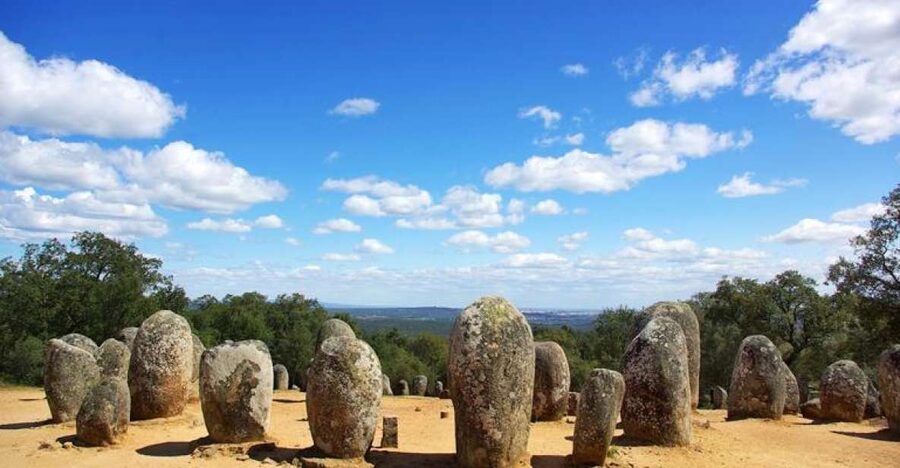
The day starts with the Almendres Cromlech, and that first hour sets the tone. This is the largest megalithic complex on the Iberian peninsula, and it’s older than Stonehenge—so you’ll feel the weight of time right away.
What I like is that the guide doesn’t just point at stones. You learn how the stones’ positions connect to astronomy, and you look for the alignments with the sun and stars, which turns photos into something more meaningful.
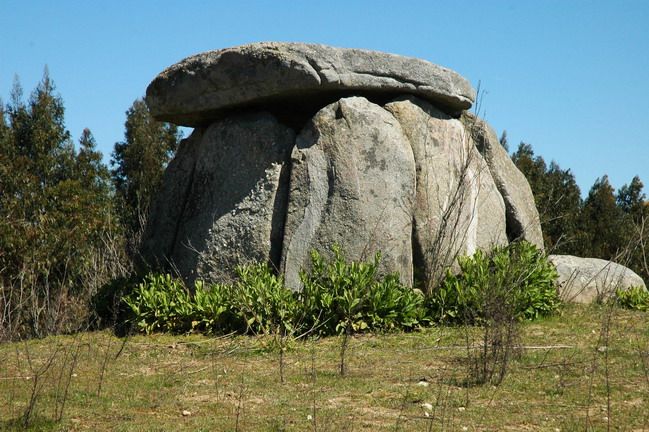
A practical heads-up: access can change. One common snag you might hit is road issues at the Almendres area. When that happens, guides have adapted with alternative megalith stops (including a dolmen and, in at least one case, a burial-chamber-style visit), so you still get the megalith “core” of the day.
The countryside drive: cork country and why it matters in this region
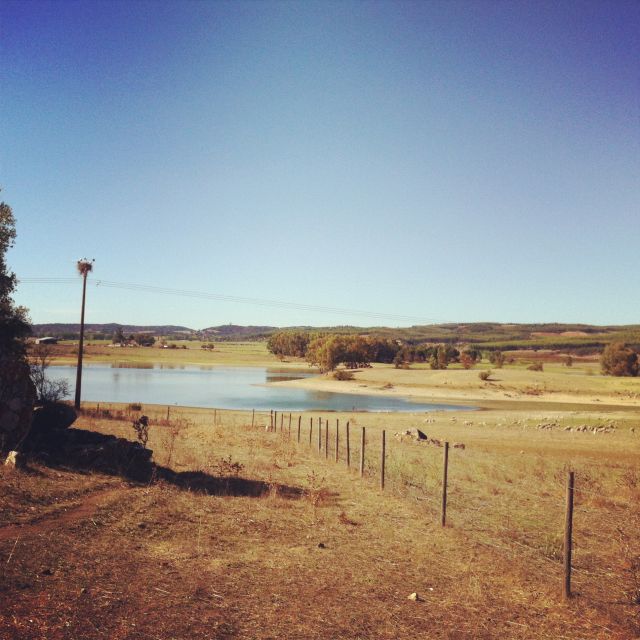
Even before you reach Évora, the drive is part of the point. You’re moving through Alentejo surroundings—cork trees, open rural stretches, and a feel for how this region lives beyond Lisbon’s spotlight.
Then the tour shifts into a very hands-on topic: how cork is extracted from cork oak trees, plus a stop at a cork processing facility. This isn’t a sales stop disguised as culture. It’s a real look at a local craft that links the landscape to everyday materials and products.
If you’re the type who likes tours that explain how the place works—not only what it looks like—this cork segment gives you context you can carry back into town.
Évora’s UNESCO center: Roman-to-Renaissance layers you can walk through
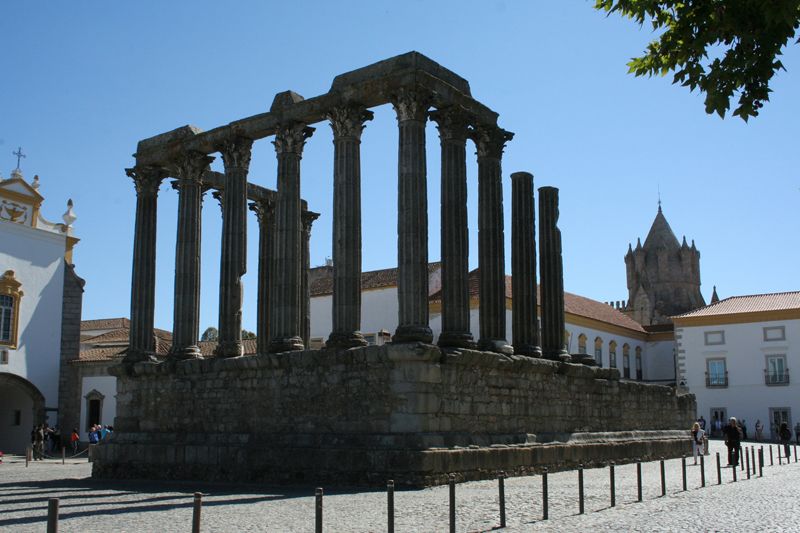
Once you arrive, Évora does what great historic towns do: it stacks eras. You’ll spend time in the UNESCO-classified center and see remnants from Roman through Renaissance periods, so the city feels like a living timeline.
A highlight here is the Roman Temple of Diana. It’s compact, striking, and an easy anchor point for understanding why Évora mattered long before Portugal became what most people picture today.
The best part is how the guide strings the story together as you move. Instead of isolated “spot photos,” you start noticing how the architecture, street layout, and monuments hint at who controlled the area and how priorities changed over time.
Inside Évora Cathedral: the roof climb and the gold plains view
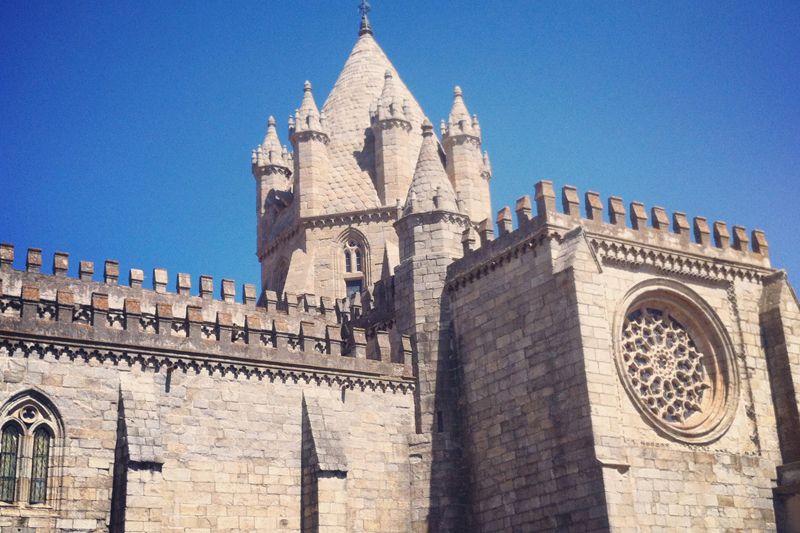
Next comes the medieval Évora Cathedral and the chance to climb up onto the roof. That roof stop is more than a quick look—it’s a viewpoint that puts you above the town so you can see the wider Alentejo setting.
From up there, Évora reads differently. The rooftops turn into a pattern, the surrounding countryside becomes the backdrop, and you get a better sense of why this location attracted settlements across centuries.
Keep in mind that a roof climb means walking in and around historic surfaces. Comfortable shoes are not optional on this one, especially if the day is hot or a bit uneven.




St. Francis Church and the Chapel of Bones: unusual, powerful, and unforgettable
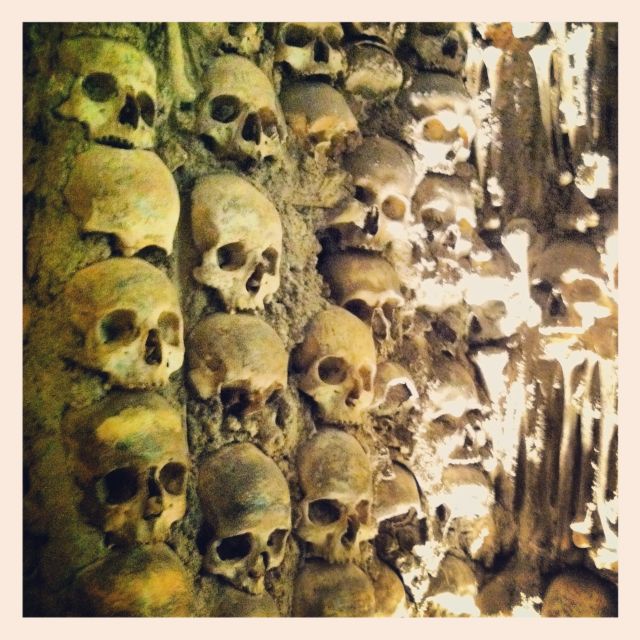
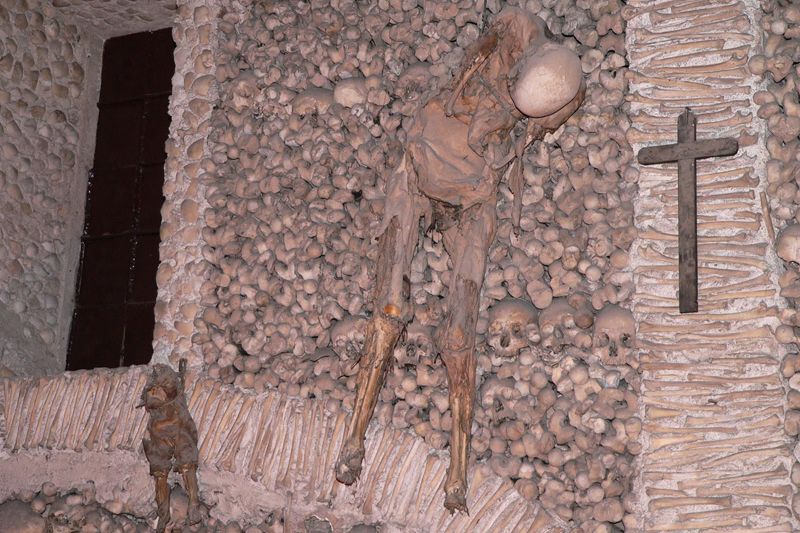
If the megaliths handle the distant past, the Chapel of Bones handles the human past—up close. In the Renaissance Church of St. Francis, you’ll visit the Chapel of Bones, and entry is included.
The walls are covered with human skulls and bones, and it’s one of those places where your brain keeps trying to file it as either art, ritual, or shock. It doesn’t matter which label you pick. What matters is that it makes mortality feel local and specific, not abstract.
I’ll be honest: if you’re sensitive about human remains, this can be too much. But if you can handle it, you’ll likely come away with a different kind of respect after seeing how the church uses symbolism to talk about death and memory.
Cork oak to cork stop: what you’ll actually learn (and why it’s not just scenery)
This tour doesn’t treat cork like a trivia question. You learn how cork is extracted from cork oak trees, and you also visit a processing facility so you can connect the countryside story to the finished products you see later in shops.
In a town day full of stone and statues, this is a breath of fresh practicality. It’s easier to understand regional economics when you watch the steps that turn a living tree resource into something you can use.
If you like buying souvenirs that feel tied to place, cork products also make a logical choice here. You’ll know what you’re looking at.
Guides, pacing, and small-group comfort: where the day really clicks
The difference between an okay day trip and a great one is often the guide. Names you may hear include Nuno (a frequent standout), Diogo, João, and Tiago, and the common thread is style: friendly, story-driven explanations, and a real focus on keeping you comfortable.
Several guides also adjust the pace so you can breathe. That matters on a day that mixes a megalith site, a major town walk, and multiple indoor stops.
You should also know that hearing can vary depending on the vehicle and seating. One traveler found it a strain to hear on the drive and felt the fix would be sitting closer to the front. If you’re sensitive to audio, choose a seat where you can hear your guide clearly.
And if you’re going with kids or teens, you’ll appreciate that the day isn’t only lectures. For example, families have said the Roman Temple and Chapel of Bones held attention, while the megalith stops gave younger people room to think, not just rush.
Price and value: what you’re really paying for at $94
At around $94 per person for an 8-hour day, the value is in what’s included—not just the driving. You get hotel pickup and drop-off, WiFi on board, bottled water, and Chapel of Bones entry.
Lunch is not included, so you’ll pay for that separately. Still, the structure makes sense: you’re not stuck hunting for lunch without help, and you can build your meal around the time you’re in Évora rather than forcing a stop on the road.
Also, you’re paying to compress two very different worlds—megalith astronomy and an old-town walking tour—into one day with interpretation that would be harder to piece together on your own without careful planning.
Who should book this tour (and who might skip it)
I think this tour is ideal if you want more than a checklist. If you like history that has a story thread—ancient stone tied to the sky, Roman remnants tied to power, and a cork stop tied to local life—this is a strong match.
It’s also a good fit if you dislike the big, exhausting crowd vibe. The megalith approach and the countryside feel quieter than the most famous Lisbon highlights.
You might skip it if you’re uncomfortable with the Chapel of Bones content or if you want a very relaxed, slow day with long breaks. It’s full, and you’ll be on your feet at multiple points, including the cathedral roof.
Should you book this Évora and megaliths day trip from Lisbon?
Yes, if you want a day that mixes real variety without the hassle of planning transport. Évora’s layers are made for a guided walk, and the Almendres stop is the kind of site where having context turns seeing stones into understanding a way of thinking.
Book it especially if you can handle the Chapel of Bones stop and you’ll appreciate cork and countryside stops as part of the story, not as interruptions. If you’re unsure, put your priority on which experience matters most to you—megaliths, old town, or the Chapel—and choose based on that.
If you do go, bring comfortable shoes, a photo ID, and an open mind. This is one of those days where the past doesn’t feel dusty. It feels present.
FAQ
How long is the Évora and megaliths tour from Lisbon?
The tour lasts 8 hours.
Is lunch included?
No. Lunch isn’t included.
What’s included in the price?
Hotel pickup and drop-off, bottle of water, WiFi on board, and entry to the Chapel of Bones are included.
Do I get hotel pickup in Lisbon?
Yes, pickup is included from your hotel or apartment in Lisbon.
What languages is the live guide available in?
The live tour guide is available in English and Portuguese.
Are there any suggested items to bring?
You should bring a passport or ID card and comfortable shoes.
Is the Chapel of Bones visit part of the tour?
Yes. Chapel of Bones entry is included.
What cancellation options are available?
Free cancellation is available up to 24 hours in advance for a full refund.