REVIEW · KAMPOT
Discover Kampot-Kep for a day trip include Bokor mountain
Book on GetYourGuide →Operated by Kampotians · Bookable on GetYourGuide
Kampot-Kep in one day is a lot. What makes it work is the pace: you cover Bokor Mountain and the pepper-salt-seafood circuit without wasting your limited time circling the same roads. I especially like the way the day balances big viewpoints with down-to-earth countryside stops, and it’s designed for people who want value fast.
I also really like the food angle here. You get a chance to meet Kampot’s famous pepper world through a local farm visit and tasting, then finish at the Kep crab market area where seafood is the point of the day.
The main thing to consider is the physical side. It’s a long 10-hour day with walking at several sites, and a tuk-tuk style ride can feel bumpy and dusty on some stretches.
In This Review
- Key things to know before you go
- A one-day loop that actually makes sense
- Getting from Kampot by tuk-tuk (and why it matters)
- Bokor Mountain stops: Hill Station to Wat Sampov Pram
- Bokor Hill Station: the viewpoint warm-up
- Bokor Catholic Church: short break, photo-friendly
- Wat Sampov Pram: a photo stop with real atmosphere
- Pepper farm tasting: where flavor becomes real
- Countryside rhythm: Popok village and the Lok Yeay Mao moment
- Salt Farm Coffee and the salt fields break
- Kep Crab Market: seafood that needs no translation
- La Plantation Restaurant and lake views: where you slow down
- The timing reality: a long day, well-paced
- Value and cost: why $55 can be a fair deal here
- Who should book this tour (and who should skip it)
- Should you book the Kampot-Kep day trip with Bokor Mountain?
- FAQ
- How long is the Kampot-Kep day trip with Bokor Mountain?
- Where does the pickup happen?
- What’s included in the price?
- Are meals included?
- Is Bokor Mountain included?
- How big is the group?
- What should I bring?
Key things to know before you go
- Small group (up to 9 people) means you get time to ask questions and adjust the day’s flow.
- Bokor Mountain viewpoints include multiple nature-and-religion stops, not just one quick photo.
- Kampot pepper tastings are built into the day, so you don’t just hear about it—you sample it.
- Salt fields + Secret Lake area offer a calmer break and a change of scenery from towns.
- Kep Crab Market stop gives you a straightforward way to eat local seafood without planning on your own.
- English-speaking driver-guide keeps the day understandable, practical, and lively (often with humor).
A one-day loop that actually makes sense
This trip is for the traveler who has one day in the Kampot region and hates the idea of picking only one “big thing.” The route is built like a loop: Kampot start, up to Bokor’s cooler hill air and scenic stops, then back down toward the countryside and into Kep for the crab market and shoreline vibe.
What I like about this design is that it hits the core identities of the area. Kampot isn’t just a river town. It’s pepper-country. It’s salt flats. It’s mountain views when the weather behaves. And it’s also got a real food culture in Kep. In one day, you get a story arc instead of a pile of random stops.
You’ll also feel the value in how long you’re out and what you’re paying for. For $55 per person, you’re buying a full-day driver-guide, transport between sites (tuk-tuk, SUV, or van depending on availability), entrance fees, and the basics like water, soft drinks, and snacks. Meals are not included, but you’re not left to solve transportation and ticket logistics on your own.
Getting from Kampot by tuk-tuk (and why it matters)
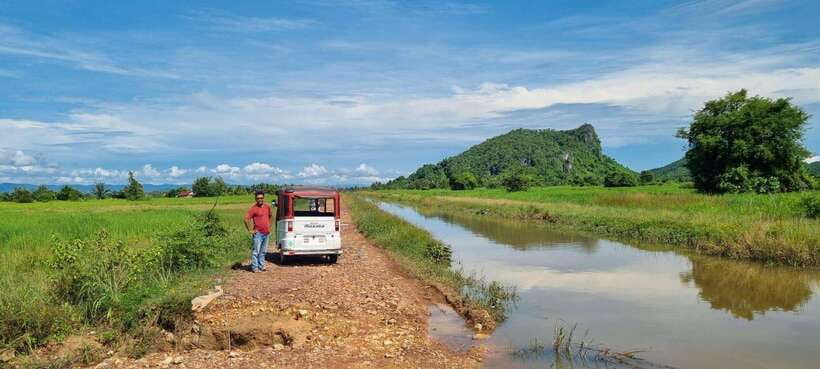
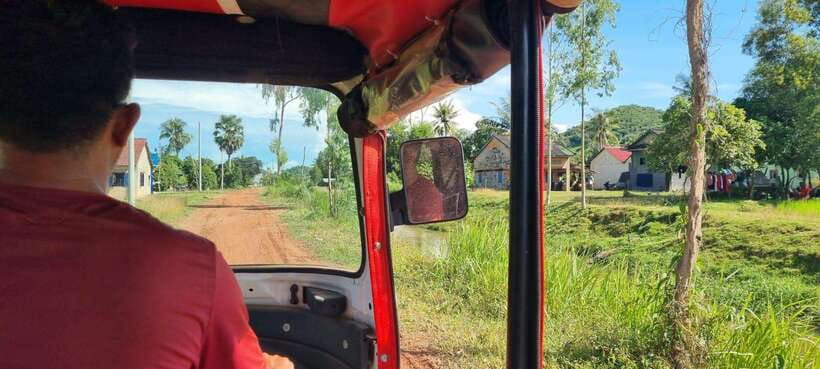
From Krong Kampot, you start with a tuk-tuk ride for about 75 minutes before reaching the Bokor area. The time on the road matters because it sets expectations: you’re not doing this like a quick city hop. You’re doing it like a day excursion where the drive is part of the experience.
The tour reserves the right to switch vehicles depending on availability—sometimes that means tuk-tuk, sometimes a larger SUV/van. That flexibility can help when roads are rough, but if you’re sensitive to dust or bumpy rides, plan for it. One clear takeaway from past experiences: some legs can be uncomfortable on a tuk-tuk.
Your best move is simple: come with the mindset that the day has a bit of “Cambodia road energy,” then reward yourself with the hill views and stops that happen along the way.
Bokor Mountain stops: Hill Station to Wat Sampov Pram
Bokor is the reason this trip feels like more than a normal countryside tour. You don’t just drive near the mountain—you make multiple stops along the way up and down.
Bokor Hill Station: the viewpoint warm-up
Your first Bokor stop is Bokor Hill Station, a quick 20-minute guided visit and walk. This is your first chance to feel the altitude change and catch scenic views on the drive. Even when the skies are not perfect, this stop is still useful for orientation—Bokor feels different from lowland Kampot, and the viewpoint helps you understand why people talk about it.
Bokor Catholic Church: short break, photo-friendly
Next comes the Bokor Catholic Church. You get around 30 minutes, including a break and guided sightseeing. This is one of those stops that works well even if you’re not a church person. The setting, views, and photo angles are usually the draw. It also gives your legs a chance to recover before the next drive and walk.
Wat Sampov Pram: a photo stop with real atmosphere
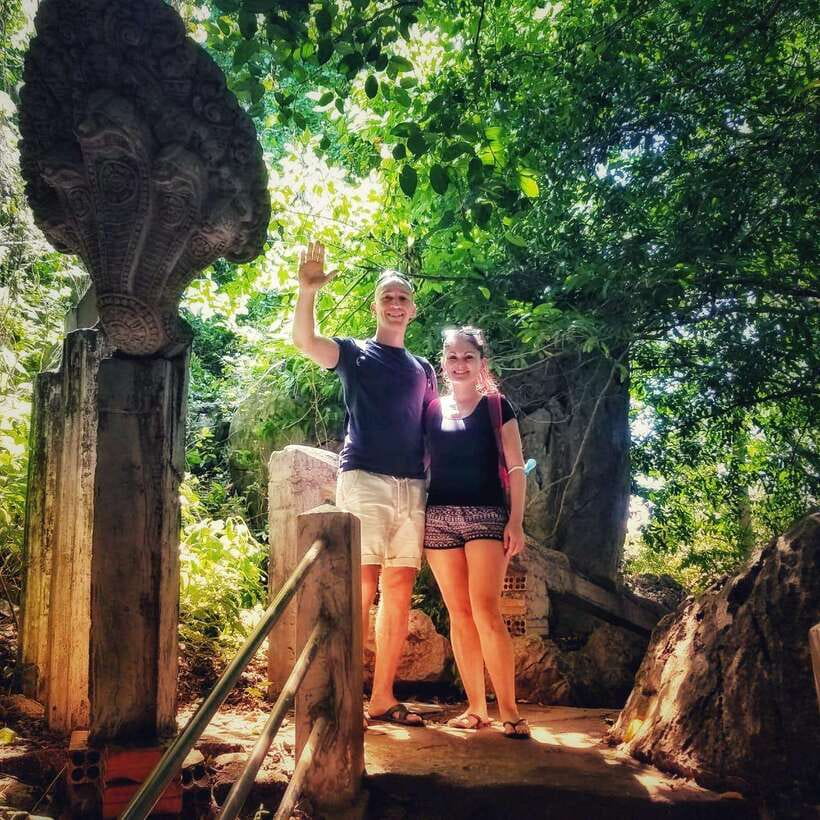
Then you head to Wat Sampov Pram for about 30 minutes. Expect a mix of photo time and a guided visit. It’s the kind of stop where you notice details you’d miss if you went straight past—small religious elements, the view corridor, and local context explained by your English-speaking driver-guide.
Tip for your day: if weather looks shaky, don’t treat viewpoints like a quick check-box. Past experiences with guides like Micki/Micky included adjusting timing to make the most of mountain views when conditions changed. If you can stay a little patient, Bokor gives more.
Pepper farm tasting: where flavor becomes real

After the mountain side, the day shifts into production and everyday life. The pepper farm stop is one of the big “why this tour” points, because it’s not only scenery.
You’ll visit a pepper growing area and get a guided experience focused on Kampot pepper—including tasting different types. Kampot pepper is famous, and the tour approach is straightforward: you learn what makes the flavors different and then taste so you can tell for yourself. If you’ve ever bought pepper back home and wondered what you’re actually tasting, this is where it clicks.
In practical terms, arrive ready for sensory work. Pepper tasting is about subtle differences—heat, aroma, and character. Even if you’re not a spice nerd, it’s still fun because it turns a label on a package into something you understand.
Countryside rhythm: Popok village and the Lok Yeay Mao moment
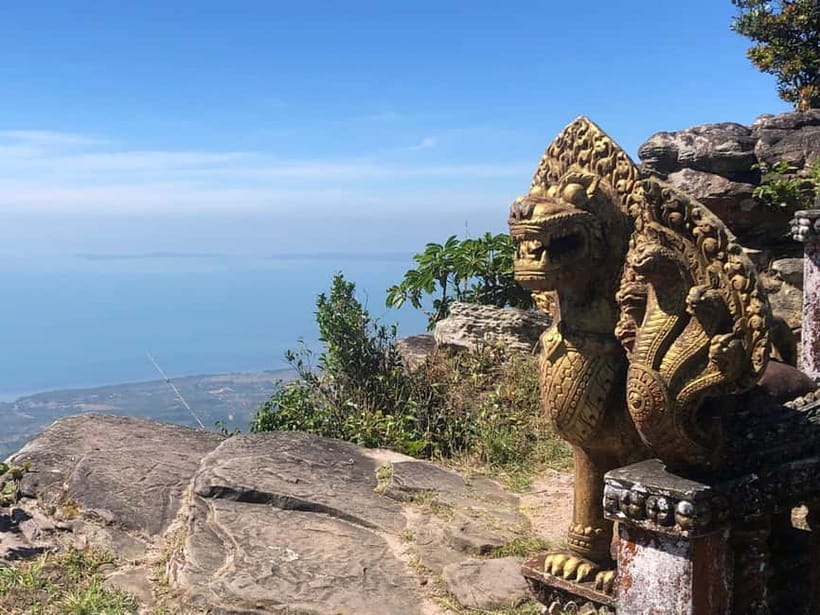
Between farm and the next nature/countryside breaks, you’ll have additional short stops that keep the day from feeling like a nonstop “drive to the next photo.” One of these includes Phumi Pôpôk Vil, with a guided look and a break time around 30 minutes.
Then there’s the Lok Yeay Mao Monument stop, also about 30 minutes, usually set up as photo time plus guided context. These segments matter because they slow the day just enough to show how the region feels beyond major landmarks. You also get more chance to ask questions about Cambodia in general, which is something guides like Roy and Micki have done well—answering with clarity and a sense of humor.
Salt Farm Coffee and the salt fields break
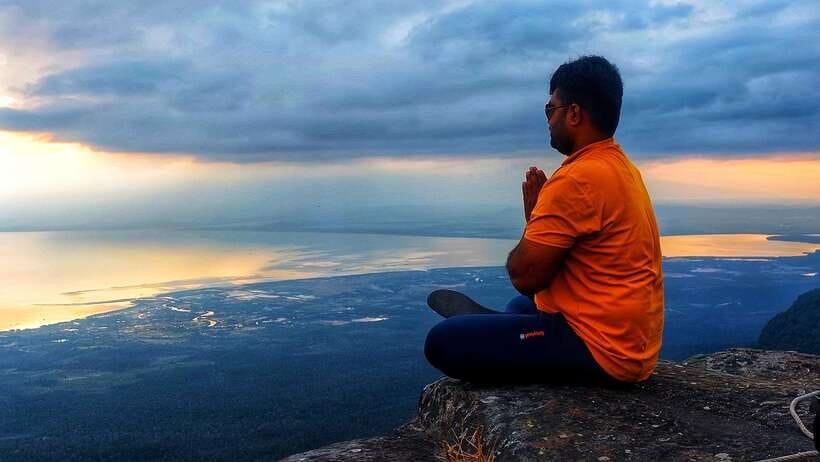
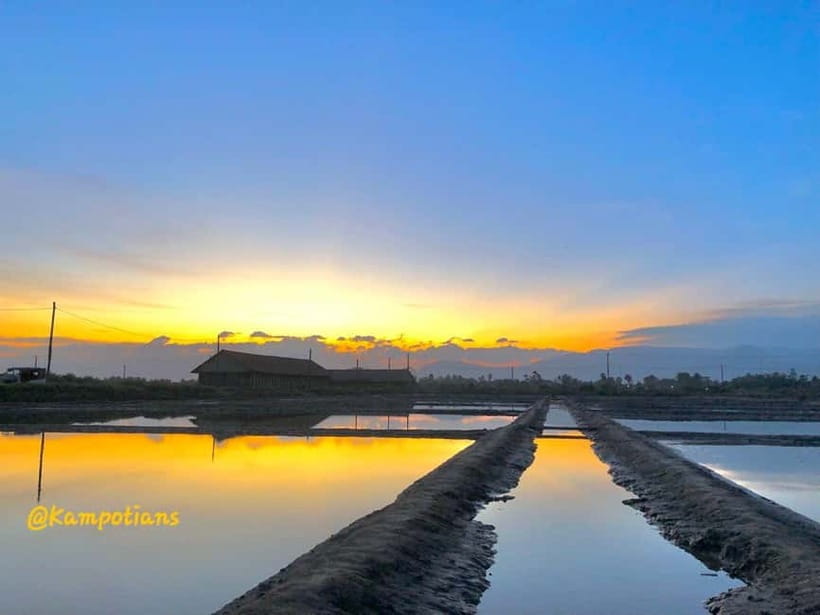
Now you get to the part that surprises many first-timers: the salt setting. You’ll stop at Salt Farm Coffee (ស្រែអំបិល កាហ្វេ) for about 20 minutes. Think of it as a photo and guided walk stop with a chance to understand the salt-field environment from inside the working landscape.
This is a great mid-afternoon reset. You’ve been through mountain air and pepper farm heat; the salt area tends to feel wide-open and calm. If you’re thinking, Wait, this sounds like a coffee stop, yes—but it’s also a way to see production in a place that looks simple at a distance and complex up close.
Kep Crab Market: seafood that needs no translation
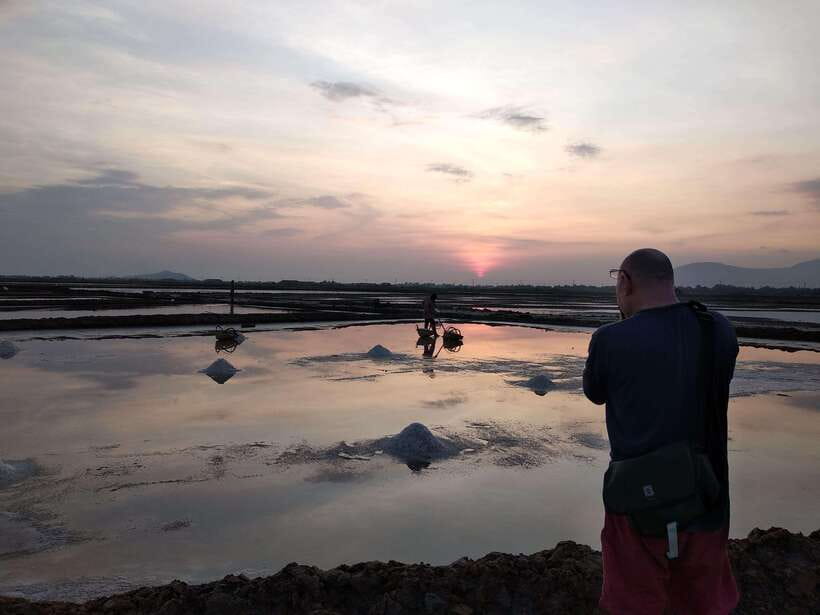
The tour finally reaches Kep Crab Market, with about one hour here. This is your eating logic solved. If you’re hungry, this is the time to take advantage of local seafood culture without hunting menus.
You’ll get break time and guided context. The market stop is also good for shopping—souvenirs and food-related items if that’s your thing. Even if you don’t buy anything, it’s worth going just to see how people actually order and move through the space.
One caution: because the day is long, bring energy and don’t wait until you’re already tired. The market is where you want to be awake and ready to decide. If you end up late or rushed, it’s less fun.
La Plantation Restaurant and lake views: where you slow down
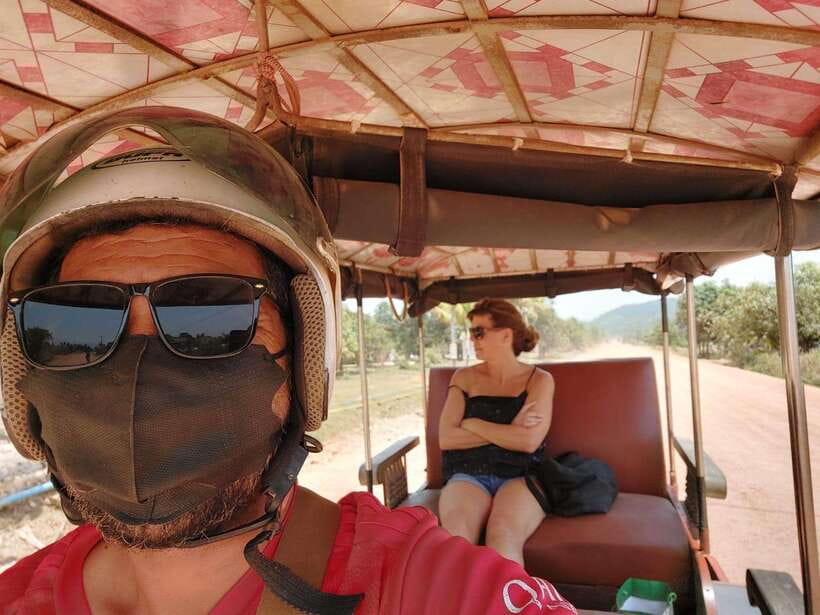
After Kep, you’ll visit La Plantation Restaurant for around 1.5 hours. Expect a photo stop, guided visit, and scenic viewpoints along the way.
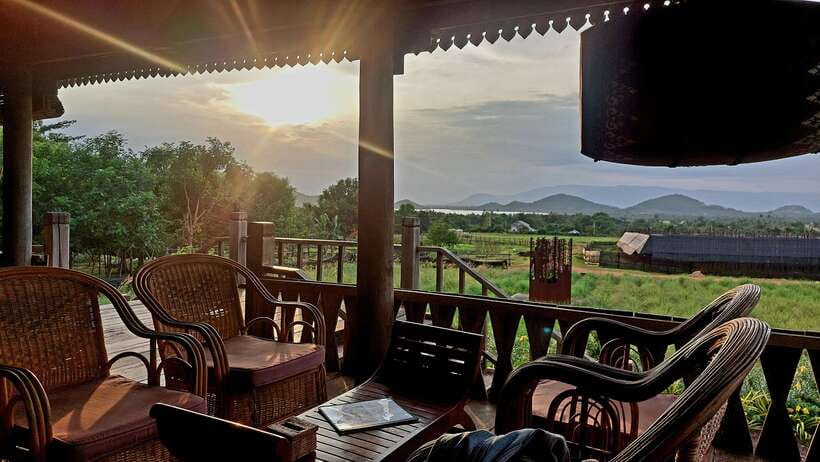
This is where the day softens. You’ve been driving and tasting; now you get a chance to sit, look out, and take in the Cambodianspace between activities. Even if you’re not buying a meal, the time helps you avoid that end-of-day feeling of rushing through the last stop.
Then you head to Brateak Krola Lake (បឹងប្រទាក់ក្រឡា) for about 20 minutes. This is described in the day’s concept as the secret-lake style stop. It’s not a checklist item—it’s a breather. In past experiences, people enjoyed the option to relax with a drink and the chance to snooze or unwind in hammock-style shade, depending on what’s available.
The timing reality: a long day, well-paced
This is a 10-hour day, and it can run a little over depending on the group and conditions. The best part is that the structure is built to avoid chaos: short drives, guided stops, and breaks at the right times.
Still, you should plan like it’s a full day in Cambodia: you’ll walk at viewpoints and religious sites, the heat can hit after Bokor, and you’ll be in transit for a while. This is why the tour includes snacks, water, and soft drinks. You’ll feel that support when you hit the pepper and salt-field segments.
If you’re the kind of traveler who wants everything perfectly calm and slow, this probably won’t feel like your style. But if you want a lot of real Kampot-Kep in one shot, this day is designed to deliver.
Value and cost: why $55 can be a fair deal here
Let’s talk value, not just price. At $55 per person, you’re not only paying for transport—you’re paying for a day of guided storytelling plus entrance fees plus basic refreshments.
If you tried to cobble this together solo, you’d likely spend time arranging:
- a driver or vehicle for a long day across mountain and countryside,
- entry tickets for stops that require them,
- and translations so pepper and salt-field visits actually make sense.
The tour also runs as a small group (up to 9), which typically keeps the experience from feeling like a cattle call. Guides like Micki and Roy have been praised for speaking strong English and adjusting the pace when needed, including when weather tried to mess with mountain views.
Meals not being included is normal for tours like this. You control what you eat at Kep and at restaurant stops. Just plan your hunger around the day’s rhythm.
Who should book this tour (and who should skip it)
This tour is a strong fit if:
- you only have one day in the Kampot region,
- you want Bokor Mountain + Kampot pepper + Kep crab market all in the same plan,
- you enjoy guided context and want practical answers about life in the region,
- you’re okay with a long day and some walking.
It’s not a good fit if:
- you use a wheelchair or need accessibility support (this isn’t set up for that),
- you’re traveling with children under 18,
- you’re over 70,
- you dislike long drives or rougher tuk-tuk roads.
Also bring sunscreen. It sounds basic because it is basic—but the day includes outdoor walking in sun and heat.
Should you book the Kampot-Kep day trip with Bokor Mountain?
I’d book this if you’re trying to pack smart. You’re not just bouncing between random attractions. You’re following the region’s themes: mountain views at Bokor, then pepper and salt production, then seafood culture in Kep.
I’d hesitate if you want a slow, relaxing day with minimal walking and no dust or road discomfort. The tour moves, and tuk-tuk style transit is part of the deal.
If you’re deciding last-minute, here’s my simple call: if you can handle a full day and you care about tasting and learning (pepper, salt-field context, local seafood culture), this tour is a very efficient way to see Kampot-Kep at its best.
FAQ
How long is the Kampot-Kep day trip with Bokor Mountain?
The tour runs for about 10 hours.
Where does the pickup happen?
Pickup is included from hotels located within 3 km of the Durian Monument in Kampot. If you stay outside that area, you may need to use the meeting point at the Kampot Tourist information center or request pickup with an additional fee.
What’s included in the price?
The tour includes hotel pickup and drop-off (as stated above), transport (tuk-tuk/SUV/van depending on availability), drinking water and soft drinks, snacks, entrance fees, and an English-speaking driver who acts as your guide.
Are meals included?
No. Meals are not included in the tour price.
Is Bokor Mountain included?
Yes. You visit Bokor Hill Station and also stop at Bokor Catholic Church and Wat Sampov Pram as part of the Bokor area experience.
How big is the group?
It’s a small group limited to 9 participants.
What should I bring?
Bring sunscreen.