REVIEW · DIANI BEACH
Day Trip – Tsavo East National Park ( Man Eater Lions of Tsavo & Other Big Five)
Book on Viator →Operated by Expedition Happy Hour · Bookable on Viator
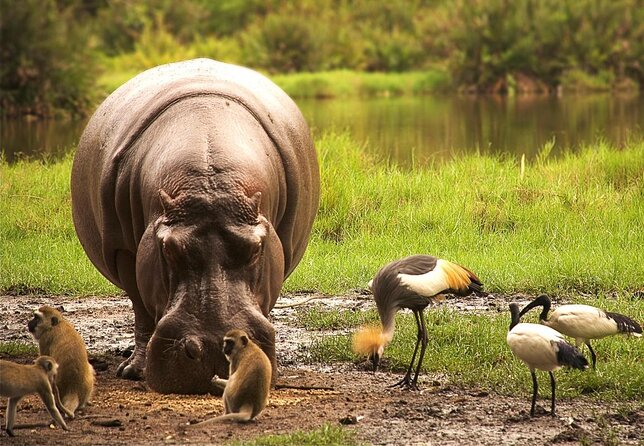
Tsavo East starts the day at 4:30am, and that early drive is half the fun. You swap beach mornings for Kenya’s largest protected area, with a pop-up roof safari vehicle made for quick scanning and better viewing while you chase lions, elephants, rhinos, and more.
I especially love the way this tour is set up for optimum game-spotting. A private guide (often mentioned as Francis or Kelli) helps you move efficiently and stay focused on what’s visible right now, not what you hoped would happen.
The main drawback to plan for is time: the park is a long way from the coast, so you get a full morning and afternoon, but not a slow, relaxed pace. Add in extra costs for park entry and lunch, and the day can feel like a sprint.
In This Review
- Key Things That Make This Safari Work
- Tsavo East From Diani: The 4:30am Start That Actually Pays Off
- The Pop-Up Roof Safari Vehicle: Why It’s More Than a Gadget
- Entering Tsavo East: Dry, Flat Terrain and the Yatta Plateau Effect
- Morning Game Drive: How to Read Tsavo East Like a Pro
- Lunch Planning Inside This Kind of Long Day
- Afternoon Game Drive: Dry-Season Patterns and the Water Reality
- Lions of Tsavo: Managing Expectations the Smart Way
- Price and Value: The Real Math Behind the $200 Fare
- What to Expect From the Driving and Comfort Level
- Private vs. Group Feel: Why It Matters on Safari
- Who This Tsavo East One-Day Safari Is For
- Should You Book This Tsavo East Safari?
- FAQ
- What time does the safari pickup start?
- How long is the Tsavo East day trip?
- Is the Tsavo entrance fee included in the $200 price?
- Is lunch included?
- What vehicle is used for game viewing?
- Is the tour private for my group?
Key Things That Make This Safari Work
- 4:30am pickup: you’re in the park while animals are still active
- Pop-up roof vehicle: easier viewing for wildlife and photos
- Private guiding for your group: less waiting, more attention to sightings
- Tsavo’s dry-country rhythm: morning vs. afternoon drives feel meaningfully different
- Yatta Plateau in the distance: a striking feature you might catch on the horizon
- Costs add up: entrance fees and lunch are not included in the $200 rate
Tsavo East From Diani: The 4:30am Start That Actually Pays Off
This is an early, full-day kind of safari. Pickup happens around 4:30am from Diani, Mombasa/Nyali, Watamu, and Malindi, followed by a drive of roughly 3 hours to Tsavo East. For most people staying on the coast, it feels like you’re driving into a different world before breakfast even makes sense.
That early timing matters. In dry-country parks, animal movement and feeding tend to be strongest when the day is still cool and less chaotic. Even if you know you won’t see everything, starting early usually gives you more chances to find the animals that are out and about rather than tucked away.
One more practical note: it’s a long day—expect roughly 11 to 12 hours total. If you’re the type who likes to sleep in and “see what happens,” this may feel like too much. If you’re willing to trade comfort for wildlife time, the structure fits well.
The Pop-Up Roof Safari Vehicle: Why It’s More Than a Gadget
This tour includes a customized safari vehicle with a pop-up roof, designed for better viewing. That matters because Tsavo East is all about spotting—finding movement in open terrain, scanning tree lines, and catching animals as they wander past.
A pop-up roof also makes a difference for photos and for how quickly you can react. You don’t need to crane your neck around the person in front of you, and you can keep your eyes on the horizon while still having a clear view of closer action.
That said, transport quality can affect your comfort. Some people have mentioned that their vehicle wasn’t in great condition and made the ride noisier than ideal. You can’t fully control that, but you can improve your odds by going prepared: bring earplugs if you’re sensitive to noise, and plan for a bumpy, all-day drive.
Entering Tsavo East: Dry, Flat Terrain and the Yatta Plateau Effect
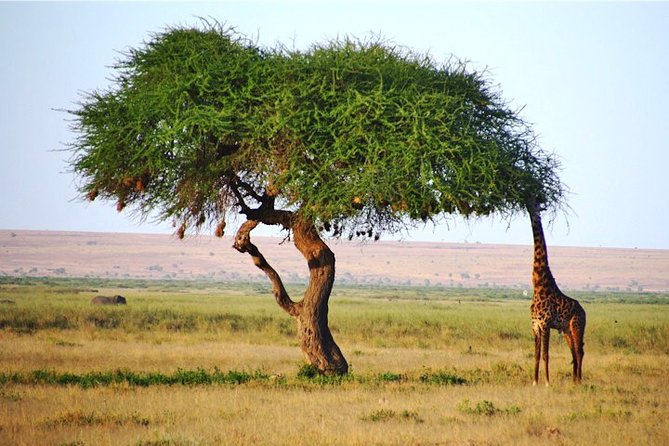
Once you enter Tsavo East, the first thing you’ll notice is the park’s open, dry, semi-arid to arid feel. It’s not a forest safari. The terrain often gives you long sightlines, which is great for scanning—but it can also mean animals may blend into the distance until they move.
A neat detail here: the park’s environment is shaped by water systems linked to the Tsavo and Athi rivers. Those waterways go on to form the Galan River, and they’re part of why you’ll sometimes find wildlife clustering where conditions allow.
There’s also a horizon feature you may catch while driving or during the morning: the Yatta Plateau, often billed as the world’s largest lava flow. Even when you’re mostly focused on animals, that kind of big geological view gives context to what you’re actually walking through—an older, harsher kind of Africa than the coast scenes you’re used to.
Morning Game Drive: How to Read Tsavo East Like a Pro
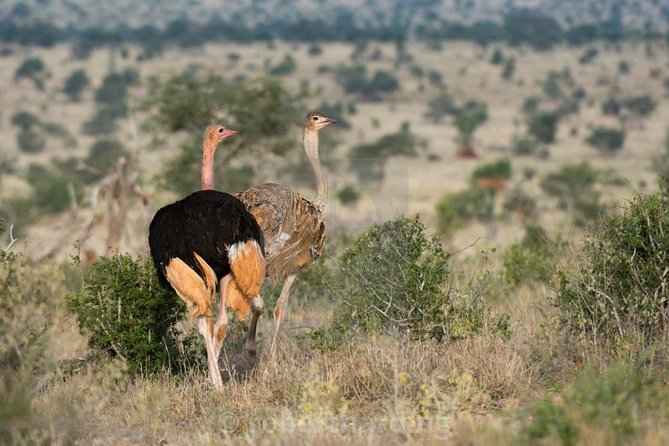
Your morning centers on a game drive through Tsavo’s semi-arid to arid habitat. This is the best block of the day for starting strong because you’ll typically be fresh, daylight is better for spotting, and animals may be more active before the heat shifts the patterns.
In a park like Tsavo East, your success depends on two things:
1) your guide’s ability to locate sign and movement
2) your readiness to stay patient while the game shows itself
This is where having a private safari feel helps. Instead of waiting around with lots of mixed signals from a crowded group, your guide can manage the search pace and reposition you when there’s something worth watching.
And don’t expect every sighting to be close-up. Open terrain can mean long looks first—then sudden motion. If you keep your eyes moving (not just staring at one spot), morning becomes your best chance to check off your wishlist.
Lunch Planning Inside This Kind of Long Day
Lunch is where you’ll want to make choices. Lunch is not included, and the plan is flexible enough that your guide will discuss options, with typical lunch cost guidance in the 5 to 20 USD range. That flexibility is helpful because people have different needs: quick bites to save energy, or a sit-down meal to reset.
Because the day is structured as a morning drive and then an afternoon drive, lunch timing affects your stamina and your comfort. A meal that takes longer than expected can shrink your afternoon viewing time and make the last stretch feel extra brutal.
One thing to watch: a couple of participants have described extra stops on the way to and from the park, with some pressure related to purchases. You can avoid stress by setting expectations early—ask where the stop is, what’s included, and whether you can do a lighter lunch so you don’t feel pushed into an expensive add-on.
Practical move: carry a small snack and water. Even if your lunch stop has options, having a backup keeps the day from feeling like a long wait with a rumbling stomach.
Afternoon Game Drive: Dry-Season Patterns and the Water Reality
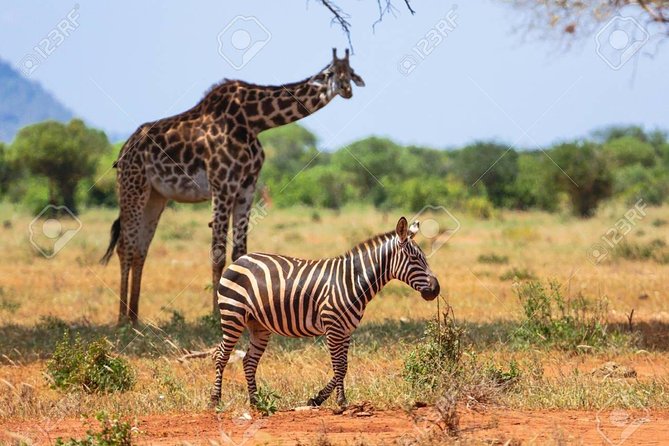
After lunch, the afternoon drive is where you appreciate Tsavo’s scenery and its dry-country logic. This part of the day can be both rewarding and frustrating, depending on where the animals are moving and how the conditions shape behavior.
In dry season conditions, it’s common for animals to crowd into smaller areas around water and habitat resources. That’s not a bad thing—it can actually make sightings more likely because wildlife concentrates. But it also means your guide’s timing matters: you want to arrive when animals are still active, not when everything has settled into a long, sleepy wait.
Also, the afternoon can change your viewing style. Morning may feel like scanning for movement across open ground. Afternoon may feel more like watching a tighter set of locations closely: edges, paths, and water-adjacent spots where animals come through.
If you’re specifically hoping to see big cats—especially lions—remember that cats don’t work on tourist schedules. The best strategy is staying calm, watching for signs, and trusting your guide’s calls. Your chances are improved when you’re willing to spend time on sighting quality rather than chasing every rumor you hear.
Lions of Tsavo: Managing Expectations the Smart Way
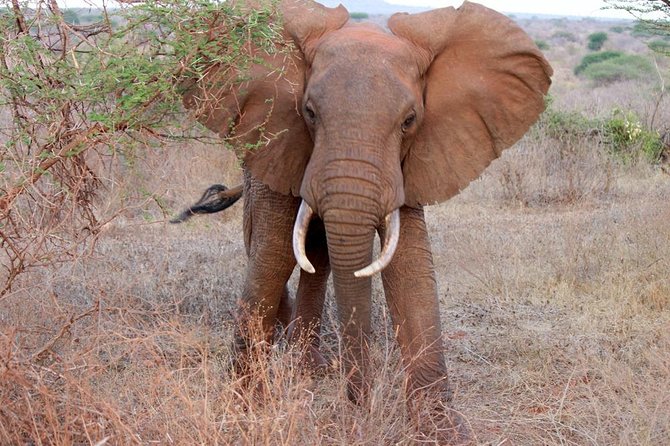
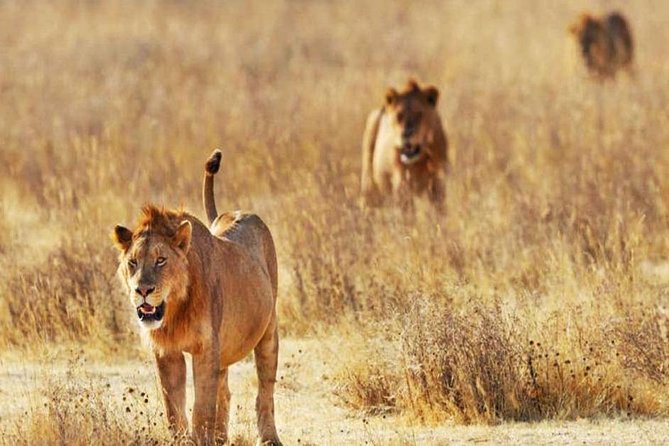
This tour is themed around the famous man-eaters of Tsavo, alongside other big-game wildlife. That theme is exciting, but it’s also a reminder: wildlife viewing is never a guaranteed checklist.
What this safari can do well is increase your odds through timing, vehicle design, and private attention. Early hours, active search patterns, and the pop-up roof all help you spot animals faster when they appear.
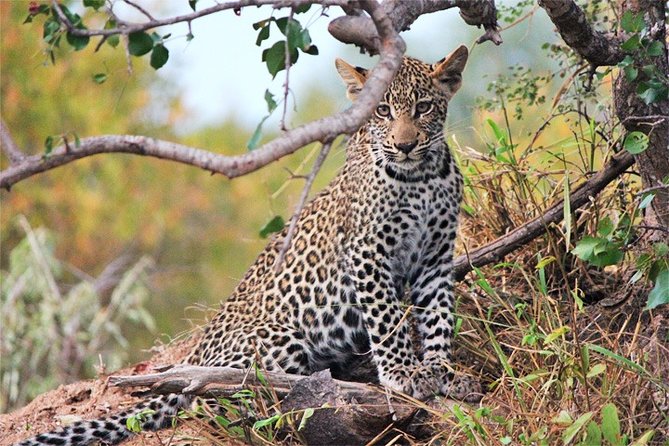
If you’re chasing lions or rhinos, focus on behavior and movement rather than just hoping for the perfect moment. A rhino can be present but still partially hidden, and lions might be resting until the right shift in temperature or nearby animal activity changes the scene.
In other words: you’re not paying to be promised a specific animal. You’re paying for a system that makes sightings more likely—then you get to enjoy the thrill when Tsavo decides to show off.
Price and Value: The Real Math Behind the $200 Fare
The headline price is $200 per person, with pickup and drop-off from the coast and transportation in the pop-up roof vehicle included. But the real value calculation starts once you add what’s not included.
You’ll pay Tsavo entrance fees separately: 52 USD for adults and 35 USD for children, and the information indicates card payment tied to the government website. Lunch is also extra, guided in the 5 to 20 USD range based on your choice.
So for an adult, a realistic “all-in” day often looks like:
- $200 tour price
- + $52 park entrance
- + lunch (your choice)
- + tips and personal spending
In plain terms: this isn’t a budget safari. It’s more like a convenience-and-focus package—early departure, transport, guiding, and vehicle setup—so you don’t waste time figuring out logistics yourself far from the coast.
If you’re visiting for a short trip and want a serious wildlife day without planning a full multi-day safari, the value can make sense. If you’re in Kenya with time to spare, you might compare this to a longer option that reduces the “drive-fatigue” and gives you more hours inside the park. But for a one-day goal, the structure is built to be efficient.
What to Expect From the Driving and Comfort Level
Because Tsavo East is about 3 hours each way, you’ll spend a lot of time in the vehicle. That’s not the tour operator’s fault; it’s distance from the coast. But it does mean your comfort choices matter.
Here’s what you should plan for:
- Long, bumpy roads and early-morning fatigue
- A vehicle experience that may vary by condition
- A day that runs late, usually until after dark
Some people praised the driver and described flawless navigation through heavy traffic. Others complained about a minivan that felt shaky and loud, making conversation tough. That split suggests you should manage expectations: the driving skill may be great, but vehicle comfort can be inconsistent.
To protect yourself:
- Bring motion sickness basics if you’re prone
- Pack a warm layer (early mornings can feel chilly before the sun ramps up)
- Carry water and a snack, especially since personal needs vary
Private vs. Group Feel: Why It Matters on Safari
This is described as a private safari/activity, with only your group participating. That helps in practical ways.
It means your guide can respond faster to what you’re seeing. It also helps you avoid the “everyone stands in one place and waits for the slowest person” vibe that can slow spotting down. In open terrain, small delays can cost you the moment when the animals are moving.
It also tends to make the day feel smoother. You’re not negotiating around other schedules, and you can ask questions as you go—like what you’re looking at, or why the guide is heading toward a certain area.
Who This Tsavo East One-Day Safari Is For
This tour fits best if you:
- want a single day of big wildlife time while staying on the coast
- like early starts and can handle a long day
- value vehicle design and guided spotting over total relaxation
- are okay with extra costs for entrance and lunch
It may not fit if you:
- hate long drives or get tired quickly in vehicles
- want lots of downtime instead of focused safari hours
- expect lunch and park fees to be included in the base price
If you’re traveling with kids, the entrance fee is listed for children at a lower rate, but the schedule still runs a long time. Plan snacks and break time for younger travelers.
Should You Book This Tsavo East Safari?
I’d book it if your goal is a focused, early wildlife day from Diani or nearby coast towns and you want the pop-up roof setup to help you see more. It’s a strong choice for first-time visitors who want big animals on one memorable day, and the private guiding structure makes the search more efficient.
I’d think twice if you’re the type who needs comfort and quiet during long transfers, or if you’re counting every dollar and don’t want to add entrance fees and lunch on top of the tour price. In that case, a longer safari can be a better value because you trade fewer hours driving for more hours watching.
If you do book, go in smart: confirm what’s included for your specific day, ask about lunch and any planned stops, and bring your own water and a light snack. Do that, and Tsavo East can deliver the kind of wildlife memories that make the early wake-up call feel worth it.
FAQ
What time does the safari pickup start?
Pickup starts at 4:30am from Diani/Mombasa/Nyali/Watamu/Malindi.
How long is the Tsavo East day trip?
The tour runs about 11 to 12 hours.
Is the Tsavo entrance fee included in the $200 price?
No. The Tsavo entrance fee is 52 USD for adults and 35 USD for children per person, paid separately.
Is lunch included?
No. Lunch is not included, and you can discuss options with your guide in advance. Costs are typically 5 to 20 USD depending on what you choose.
What vehicle is used for game viewing?
You travel in a customized safari vehicle with a pop-up roof for easier viewing.
Is the tour private for my group?
Yes. It’s set up as a private experience where only your group participates.