REVIEW · HOMER
Alaska Bear-Viewing Day Trip from Homer
Book on Viator →Operated by Adventure Airways · Bookable on Viator
There’s nothing routine about a bear day. This Homer bush-plane trip turns a short drive into real Alaskan wilderness time, with a pilot-guide talking you through what you’re seeing and where the bears are feeding.
I particularly love the scenic flight over glaciers and volcanic country, because it sets the stage for why the bears are where they are. I also like the focus on behavior, not just sightings—your guide explains how food moves through the seasons, from spring sedge meadows and clamming to later-summer salmon.
One thing to consider: you’ll walk up to about 3 miles over uneven, soft, or muddy ground (and you need to meet the under-225-lb aircraft weight limit), plus fish products and bear spray are a hard no.
In This Review
- Key highlights you’ll actually feel during the day
- From Homer at 8:00am: meeting up and starting with a real small-group flight
- Katmai or Lake Clark: how your bear-viewing destination gets chosen
- The bush plane ride: why the flight is part of the experience, not filler
- Landing and walking to the lookouts: your bear time happens on uneven ground
- How your pilot-guide teaches safe bear viewing (and why it’s not optional)
- What you should bring: camera, rain gear, water, and the real Alaska essentials
- Time on the ground vs time in the air: the day’s rhythm
- Price and value: what $1,295 per person is really paying for
- Fitness, weight limits, and who should (and shouldn’t) sign up
- Weather reality: what to expect and how the day changes
- Should you book this Homer bear-viewing day trip?
- FAQ
- How long is the Alaska bear-viewing day trip from Homer?
- Where will we fly to for bear viewing?
- Is bear spray allowed?
- How much walking is involved?
- Are hip boots provided?
- What is the weight limit for passengers?
Key highlights you’ll actually feel during the day
- Small group, maximum 6 people: less crowding and more attentive guidance from your pilot-guide.
- Katmai or Lake Clark chosen by weather and bear activity: your destination shifts with the day’s best chances.
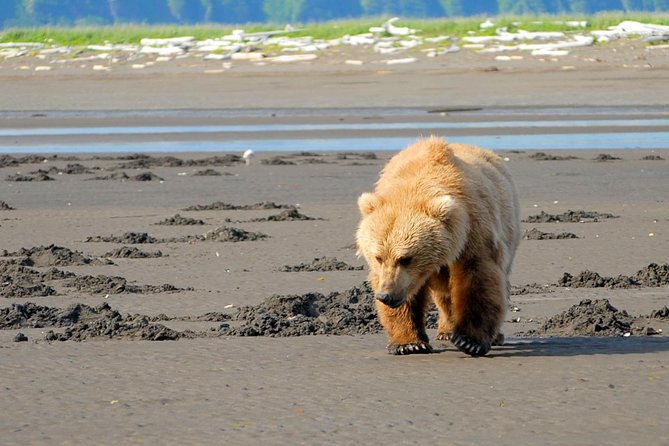
- About 3 hours on the ground where bears roam and hunt, not just quick photo stops.
- Up to 3 miles of walking on soft terrain with hip boots included for slog-friendly comfort.
- Bear-safe rules are strict: no fish products, no bear spray—your guide leads the approach.
From Homer at 8:00am: meeting up and starting with a real small-group flight
Your day starts in Homer, with the meeting point at 3589 Brown Bear Lp. The tour begins at 8:00am, and it’s designed as a true day trip, not a half-day “stretch.” You’ll make your own way to the airport, then meet your pilot-guide and get a safety briefing before you board the bush plane.
The fact that this is capped at up to 6 travelers matters more than it sounds. On a bear-viewing trip, you want your guide to notice who’s slipping, who’s lagging, and who needs help adjusting posture or footing. With a small group, the flow feels controlled instead of chaotic.
Also, this is a mobile-ticket experience. That’s convenient, but the real convenience here is that you’re not spending the day in slow-moving logistics. Once you’re in the plane, the timeline locks in: fly out, land, walk and watch, then fly back to Homer.
Katmai or Lake Clark: how your bear-viewing destination gets chosen
A big part of why this trip is worth your money is that you’re not stuck with one generic viewing area. Depending on weather and bear activity, you’ll fly to either Katmai National Park and Preserve or Lake Clark National Park and Preserve.
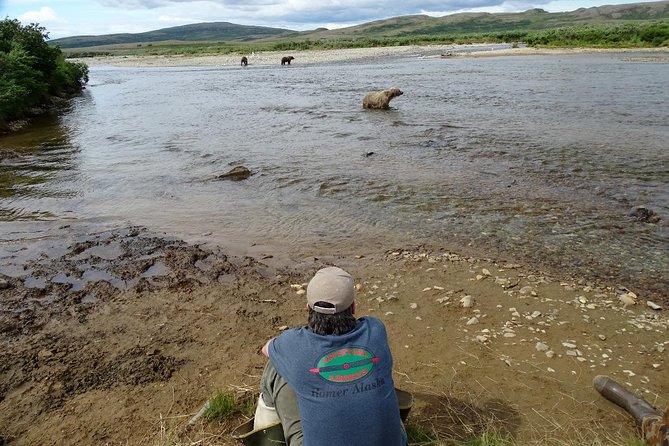
Both areas are famous for bears, but the key is that they’re also tied to timing. Coastal brown/grizzly bears follow food sources that move through the season. Your guide will explain the pattern you’re watching for: in spring, the food can revolve around sedge meadows and clamming. Later, as the summer progresses, the bears often shift toward chasing wild salmon.
You can think of this day as a “track the food, find the bears” strategy. The plane isn’t just transportation; it’s how you reach the bears’ latest business location.
Between the two destinations, you’ll also get flying commentary on what you see below—glaciers and lava flows from older volcanic eruptions. That’s one of those details that makes the day feel grounded in place, not just a checklist of animals.
The bush plane ride: why the flight is part of the experience, not filler
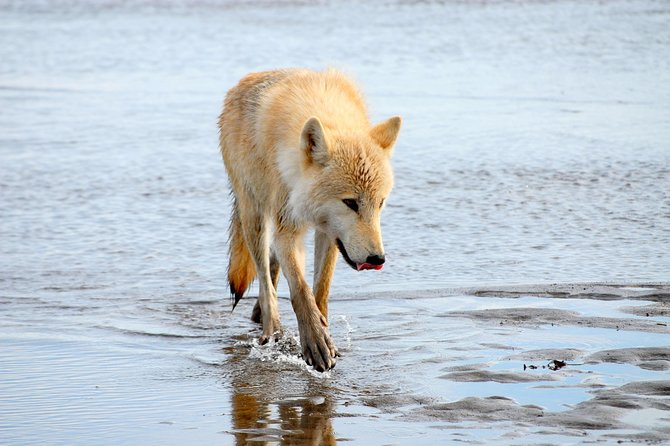
The flight is short compared to a multi-day trip, but it’s packed with payoff. As you fly from Homer toward your chosen park, you’ll look down at glaciers and volcanic features while your pilot-guide adds context about what you’re seeing.
This matters because bear viewing isn’t only about being close. It’s about understanding what the bears are doing and why they’re in motion. When your guide points out features from above, you start the ground portion of the day already “reading” the terrain.
Also, bush-plane days can feel intense in a good way. The schedule is tight, the aircraft is small, and the whole day has the energy of a field mission. If you like travel that feels purposeful, you’ll probably find this mode refreshing.
Landing and walking to the lookouts: your bear time happens on uneven ground
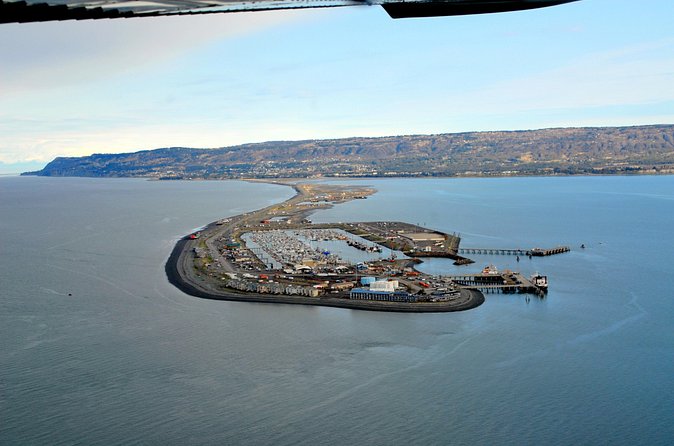
Once you land, you’re not getting dropped at a paved viewpoint. You’ll likely walk up to about 3 miles to designated lookout platforms. The terrain can be uneven, soft, or muddy—so you’ll want to treat this as an actual hike, even though it’s geared for viewing.
To make that more doable, hip boots are included. That’s a smart inclusion for Alaska conditions where the “path” can be more like mud with intentions. Still, you should bring a realistic mindset: slow steps, careful footing, and a rain-ready attitude.
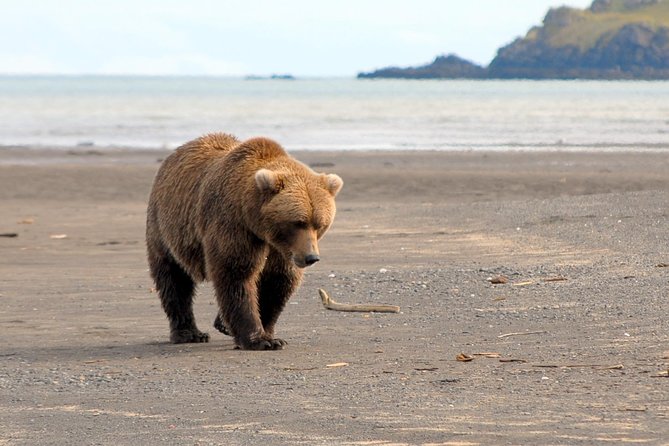
The tour also builds in time for you to be present. You’ll spend about 3 hours on the ground in bear habitat, with your guide giving instruction along the way. That’s long enough to settle, watch for movement, and notice bear behavior patterns—not just grab one quick photo and rush off.
Here’s what the day is aiming for: grizzlies roaming and hunting for food in their natural environment. The plan is set up so that you’ll have excellent viewing opportunities, and the tour description states sightings are guaranteed. In other words, this isn’t marketed as “maybe you’ll see them.” It’s structured around making the sightings happen.
How your pilot-guide teaches safe bear viewing (and why it’s not optional)
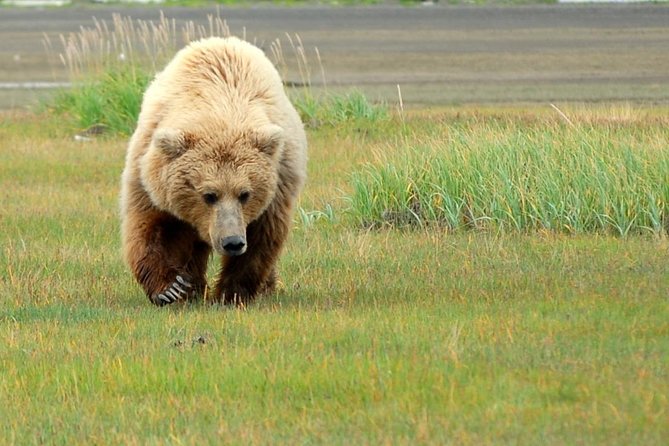
This trip is built around safety, and the guide’s job isn’t only spotting bears—it’s helping you watch them safely. You’ll get a thorough review of safe bear-viewing practices before you’re out in the habitat.
That safety lesson is backed up by strict restrictions:
- Bear spray is prohibited.
- Fish products are prohibited (and that includes anything in that category you might assume is harmless).
It sounds strict because it is. But think about what they’re protecting against. Food cues matter. If people accidentally bring bear-attracting items into the field, it changes behavior and increases risk. When you follow the rules, your viewing stays safer for you and the bears.
Your guide also sets the viewing pace—where you stand, when you move, and how you handle distractions like cameras. On a bear day, “good intentions” don’t override procedure. This tour keeps the day moving the right way.
What you should bring: camera, rain gear, water, and the real Alaska essentials
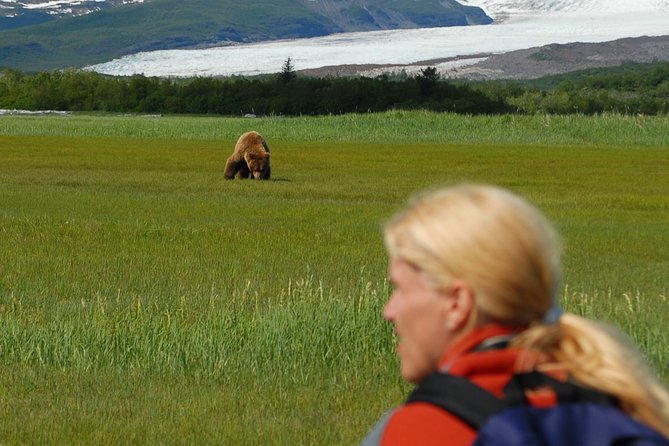
You’ll want to keep packing simple, but don’t underpack. You’re told to bring:
- A camera
- Rain gear
- Water
- A snack
That list is short for a reason: the day runs on efficient time windows once you take off. Still, I’d treat water and snacks as your responsibility, because the tour doesn’t include food or drinks. If you’ve ever felt shaky during a long outdoor hike, you already know why this matters.
Rain gear isn’t a “nice to have.” You’re walking through uneven, soft terrain, and wet weather is normal in Alaska. Even if rain doesn’t fall constantly, it can still coat the ground and make footing harder.
And don’t forget the basics of hiking readiness: wear shoes you’re comfortable hiking in, because the day is about walking to lookouts, not just standing near them.
Time on the ground vs time in the air: the day’s rhythm
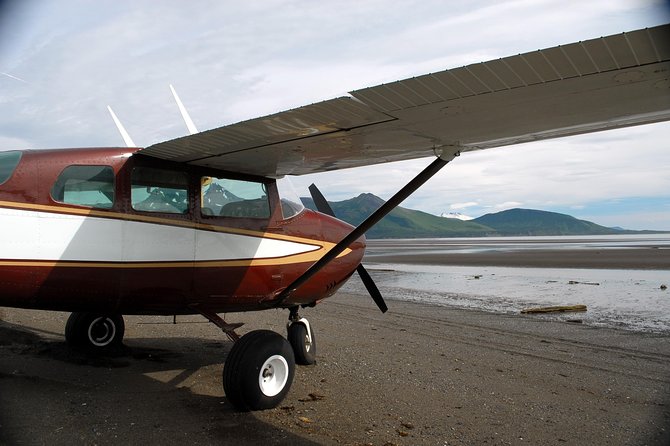
You can picture the schedule like this:
- Meet and safety briefing in Homer
- Bush flight to Katmai or Lake Clark
- Landing, then hiking to viewing platforms
- Around 3 hours on the ground watching and learning
- Return flight to Homer
That rhythm is important for two reasons. First, it gives you a real block of habitat time. Second, it keeps the walking manageable within a day-trip frame.
The duration listed is about 5 to 6 hours. For a bear-focused trip, that’s relatively compact, but it’s not the “pop over for 45 minutes” kind of compact. You’re getting meaningful time outside with a guide.
Price and value: what $1,295 per person is really paying for
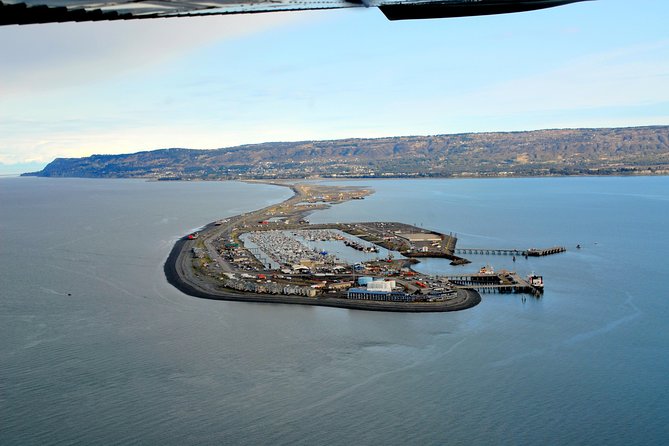
Let’s talk money without pretending it’s cheap. At $1,295 per person, this is a premium day trip. The value isn’t in the ticket cost alone—it’s in what that cost buys.
You’re paying for:
- The bush plane flight to bear habitat deep enough to matter
- A professional pilot/guide who helps with navigation and bear-safety instruction
- National park fees being included
- Hip boots for terrain conditions
- A max group size of 6, which keeps the experience more controlled
Also, the day is structured around hitting the right bears at the right time. That’s hard to replicate independently because you’d need both reliable access and local, safety-first expertise.
If you compare this to cheaper bear viewing that’s mostly passive, the difference is clear: you’re getting actual habitat time and active guidance. For many people, that justifies the price—especially when the alternative is a longer, more expensive multi-day Alaska plan.
Fitness, weight limits, and who should (and shouldn’t) sign up
This trip isn’t for everyone, and that’s a good thing. It lists:
- Moderate physical fitness level
- Up to 3 miles of walking over uneven, soft, or muddy terrain
- A hard weight limit under 225 lbs due to aircraft balance and weight constraints
- Minimum age 7 years, with children accompanied by an adult
If you’re comfortable hiking and taking uneven footing in stride, you’ll likely handle the day well. If you’re recovering from an injury, have balance issues, or hate mud hikes, this may feel more difficult than you expect.
The strict weight limit is the biggest deal-breaker category. It’s not a “try your luck” situation—your ability to ride is tied to aircraft requirements.
One more practical note: there’s no hotel pickup or drop-off, so you’ll want to plan transportation to the Homer airport on your own.
Weather reality: what to expect and how the day changes
This experience is described as operating in all weather conditions, and you’ll be told to dress appropriately. But there’s also weather-driven change.
If the tour is canceled due to poor weather, you’ll be offered a different date or a full refund. The experience is also non-refundable and cannot be changed for any reason, so you’ll want to choose your timing carefully.
In plain terms: Alaska weather is Alaska weather. If you’re flexible with your dates and can show up prepared, this day works. If you’re locked into one date with strict constraints, plan your backup carefully.
Should you book this Homer bear-viewing day trip?
I think you should book this trip if you want:
- A short timeline with a real shot at seeing grizzlies in habitat
- A guide-led day built around bear behavior and safety, not just a roadside stop
- A small-group experience where the guide can keep eyes on both people and bears
- The kind of value that comes from paying for flight access and expert field instruction
You might skip it if:
- You don’t want to walk up to 3 miles over soft, uneven terrain
- The under-225-lb weight limit applies
- You’re looking for an easy, sit-and-watch option (this is more active than it sounds)
If you do book, go in ready for the outdoors part: rain gear, solid shoes, water, snack, and a calm attitude about safety rules. The day is built to put you close to bears—safely—using the plane and the guide to get you where the bears are actually feeding.
FAQ
How long is the Alaska bear-viewing day trip from Homer?
It runs about 5 to 6 hours.
Where will we fly to for bear viewing?
You’ll fly to Katmai National Park and Preserve or Lake Clark National Park and Preserve, depending on weather and bear activity.
Is bear spray allowed?
No. Bear spray is prohibited on this tour.
How much walking is involved?
Be prepared to walk up to about 3 miles over uneven, soft, or muddy terrain to designated lookout platforms.
Are hip boots provided?
Yes. Hip boots are included for use during the outing.
What is the weight limit for passengers?
Due to weight and balance of the aircraft, passengers must weigh less than 225 lbs.