REVIEW · ABU DHABI
Al Ain Full Day Trip from Abu Dhabi with Lunch
Book on Viator →Operated by Emirates Tours and Safaris · Bookable on Viator
Al Ain feels like a time machine. This day trip turns Abu Dhabi into an oasis detour, from desert roads to the Garden City at the foot of the Hajar Mountains. I love the falaj water channels that still power the palms, and I love the sweep of Jebel Hafeet when the bus finally climbs above the city.
Pickups and a local guide make it easy to do this in one go, and you get a buffet lunch included in the price. One consideration: the Sheikh Zayed Palace Museum is listed as closed for renovation, so the day’s focus shifts to other key sights.
In This Review
- Key things I’d watch for before you go
- Leaving Abu Dhabi for Al Ain: what changes on the road
- Morning pickup and coach comfort (and why it’s worth paying for)
- Desert-to-oasis drive: the big picture you’ll hear on the way
- Al Ain National Museum: where the story gets real
- Sheikh Zayed Palace Museum closure: what to expect instead
- The falaj water channels: the oasis trick you’ll never forget
- Camel race circuit, livestock and food markets: real daily life
- Jebel Hafeet: panoramic views and the climb reality check
- Hot springs in the foothills: cool your toes, keep expectations flexible
- Buffet lunch at a 4-star hotel: included value, with drinks extra
- Guide quality is the difference between seeing places and understanding them
- Heat, walking, and the moderate fitness reality
- Price and value: is $270 per person fair for a full day?
- Who this Al Ain trip is best for
- Should you book this Al Ain day trip from Abu Dhabi?
- FAQ
- What time does the Al Ain full day trip start?
- How long is the day trip from Abu Dhabi?
- Is hotel pickup and drop-off included?
- Is lunch included, and are drinks part of it?
- Which museums are part of the day, and is the palace always open?
- What’s the maximum group size?
- Can I cancel for a full refund?
- Do I get a mobile ticket?
Key things I’d watch for before you go
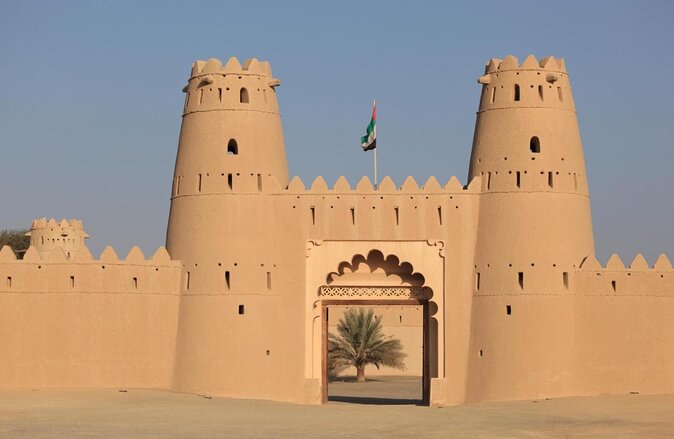
- A full, structured day with minimal stress: hotel pickup, transport, and a guided route that keeps you from having to figure out stops on your own.
- Small-group energy: the tour runs with a maximum of 30 travelers, and some groups have been very small, which helps the guide pace things.
- Falaj irrigation is the star: you get a clear explanation of how these ancient water channels have supported date palms for thousands of years.
- Jebel Hafeet delivers big views: the climb is a highlight, and the panorama is the kind of moment you remember later.
- Lunch is part of the value: buffet at a 4-star hotel is included; drinks are extra.
- The palace stop may be adjusted: Sheikh Zayed Palace Museum is closed for renovation, so don’t build your day around seeing it inside.
Leaving Abu Dhabi for Al Ain: what changes on the road
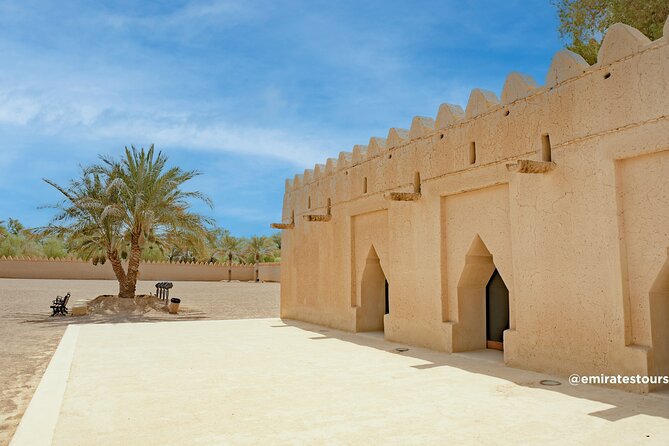
This is the kind of trip that feels like a switch flips. One minute you’re in the fast, modern rhythm of Abu Dhabi; the next, the drive is aimed at Al Ain, an oasis city near the UAE–Oman border.
The route runs through desert, then into greenery. That contrast matters here. You’re not just hopping between sites. You’re moving through the reason Al Ain exists at all: water in a dry place, supported by clever irrigation and long human settlement.
The day runs about 9 hours. You start at 8:00 am, and you’ll return to Abu Dhabi later in the day.
You can also read our reviews of more tours and experiences in Abu Dhabi.
Morning pickup and coach comfort (and why it’s worth paying for)
I like tours like this when I’m short on time. You get hotel pickup and drop-off, and you don’t have to manage driving, parking, or routing between distant stops.
You’ll travel by air-conditioned coach, which is a real deal in the UAE heat. Even if you’re excited, you’ll be glad for AC once you’re out of the cool of the hotel lobby.
The group size is capped at 30 travelers. That usually keeps the experience from turning into a chaotic school trip, especially during museum stops and market walks.
Desert-to-oasis drive: the big picture you’ll hear on the way
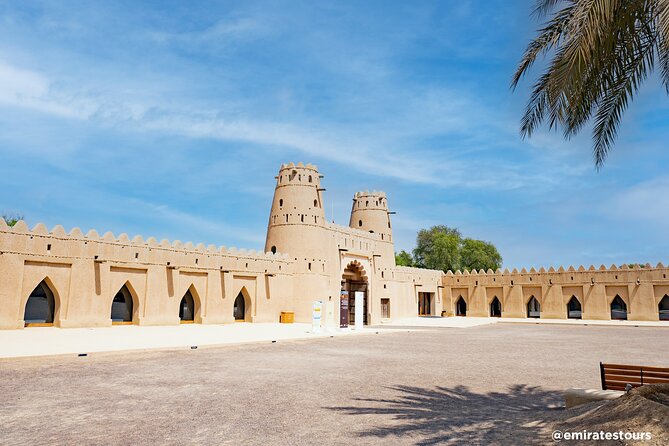
On the ride, you’ll get the story of Al Ain and why the area is so important. The area around Al Ain has evidence of people living there for a very long time, including Bronze Age tools and burial mounds.
That context makes the stops feel connected. When you reach the museums and irrigation system, you’re not just looking at objects. You’re seeing how a settlement could survive and grow.
If you’re the type who enjoys background while waiting for sights to come into view, this part is genuinely useful. It helps you keep track of what you’re seeing when you’re hopping between buildings, markets, and mountains.
Al Ain National Museum: where the story gets real
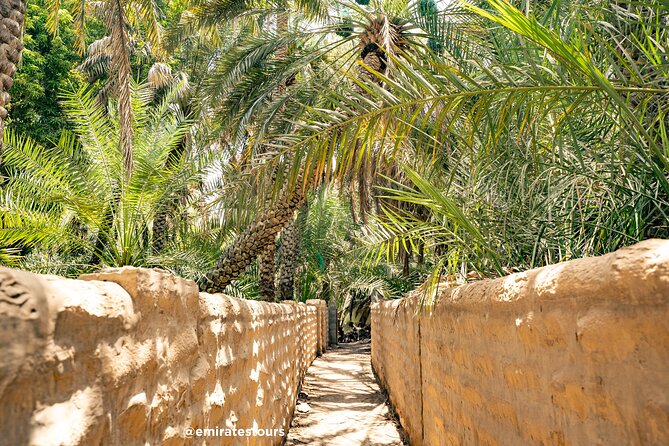
One of my favorite stops on this kind of day trip is the first museum, because it sets your mental map. Al Ain National Museum does that.
You’ll go through exhibits that connect local archaeology and daily life across long time periods. This is where the Bronze Age angle clicks into place, so when you hear about early tools and ancient settlement evidence, it doesn’t feel random.
The museum is also a good “cool-down” break from the sun. Even if you only spend a moderate amount of time inside, the museum stop gives you something solid to anchor the rest of the day.
Sheikh Zayed Palace Museum closure: what to expect instead
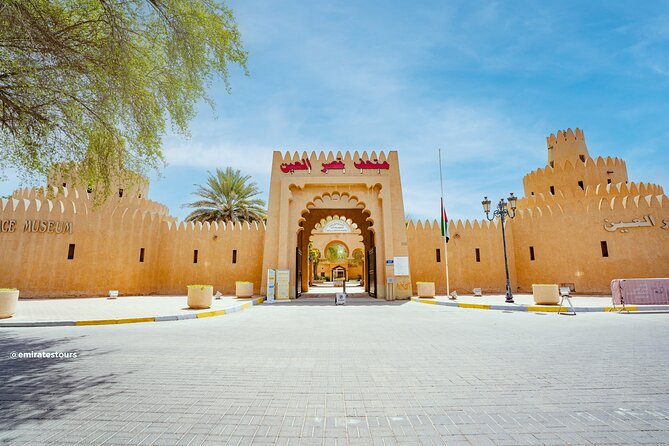
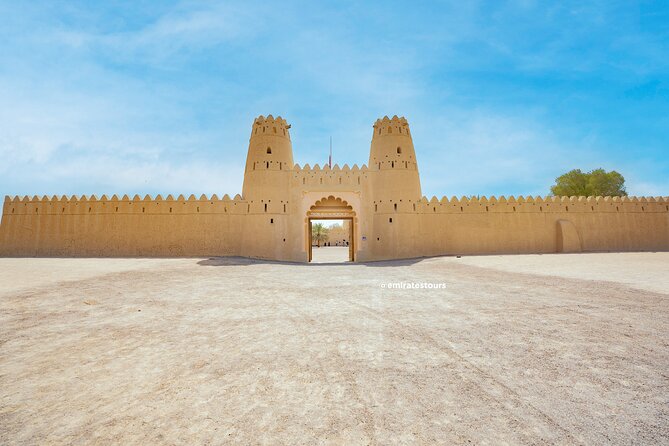
Here’s the practical heads-up: Sheikh Zayed Palace Museum is listed as closed for renovation. That means you shouldn’t plan your visit around going inside and seeing the palace interiors, gardens, and rooms.
In real-life terms, you may find the day’s pacing adjusted so you spend more time at the other Al Ain attractions. That can be a good thing if you’re more interested in the oasis systems, markets, and mountain views than in one specific building.
If you were specifically excited for the palace collection, I’d treat this tour as a trip to Al Ain itself first, with the palace stop as a bonus if circumstances allow.
The falaj water channels: the oasis trick you’ll never forget
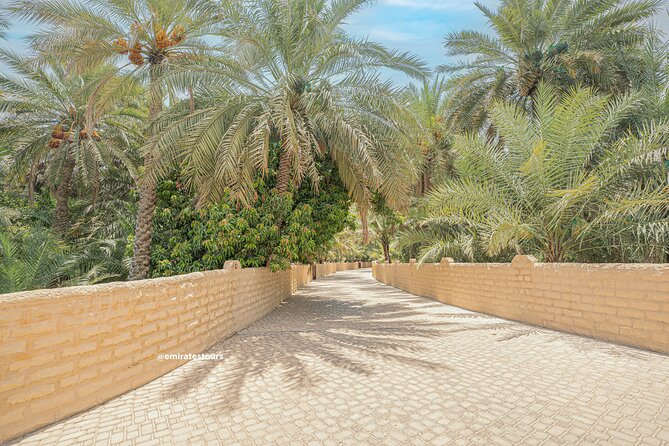
If you remember one thing from Al Ain, make it the falaj. These are irrigation channels that move water around the palm groves, and they’ve been used for thousands of years.
Seeing the falaj in action gives you a clearer understanding of why Al Ain earned the nickname Garden City. In a desert setting, water isn’t just a convenience—it’s infrastructure, history, and survival.
Your guide will explain how the system works and why it was so valuable for crops and date palms. This stop is also where you’ll get plenty of photo opportunities, because the contrast between green palms and arid surroundings is the whole point.
Tip for your comfort: wear shoes you can walk in. Market areas and oasis pathways can be uneven, and you’ll want stable footing for a few short stretches.
Camel race circuit, livestock and food markets: real daily life
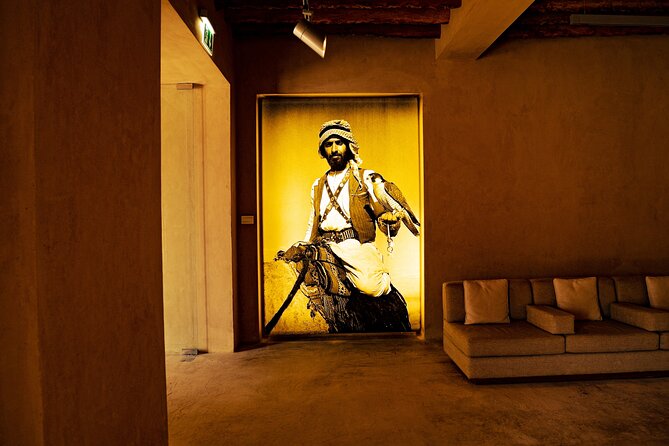
Al Ain isn’t just old buildings and viewpoints. It’s also markets where people handle practical business, and where animals still play a central role in local culture.
You’ll visit the camel racing circuit and get a look at the livestock and food market areas. The camel racing theme isn’t only about watching. Many tours include time to see camels in training or observe how the circuit works day-to-day.
I’ve seen guides like Amer turn this stop into something lively and story-driven, not just a quick walk past. Other guides, including Tomy and Nizar, were also praised for making the markets easier to understand with clear commentary and supportive pacing.
One note if you’re hoping for a pure desert-without-a-city-feel experience: the oasis and palace area can feel like it’s been built into a more modern town environment. That doesn’t ruin the experience, but it does change the vibe. You’re seeing heritage inside a lived-in city, not off-the-grid wilderness.
Jebel Hafeet: panoramic views and the climb reality check
Jebel Hafeet is the mountain that towers over Al Ain, and it’s a major highlight of the day. You’ll head up winding roads to get a viewpoint with sweeping city-and-peak views.
This is where the day goes from “interesting” to “wow.” Even if you’re not a big photographer, the scale of the panorama does something to your brain—your sense of where everything sits changes.
The stop can vary based on timing. Some visitors have found the climb ended up feeling a bit like a quick photo stop rather than a long scenic moment. Still, the view from up top is the payoff, and it’s usually worth the ride.
Practical move: bring sunglasses and a hat. Even when you think it’s not that hot, you’re likely to feel the sun in a more exposed mountain area.
Hot springs in the foothills: cool your toes, keep expectations flexible
After the mountain, the day turns toward the foothills and hot springs. This is the part that lets you reset after walking and climbing.
The idea is simple: you can dip your feet and enjoy a warmer, relaxing pause. In hot climates, even a short soak can make the rest of the afternoon feel easier.
One caution: on some visits, the springs may not have water as expected. I’d plan for the springs as a pleasant bonus rather than the single “must-have” moment of the day.
If you do end up with a spring moment, it pairs nicely with the buffet lunch later, because your body feels less cooked when you finally sit down.
Buffet lunch at a 4-star hotel: included value, with drinks extra
Lunch is included, and it’s a real part of the tour’s value. The buffet is described as international cuisine, and you can expect grilled meat and fish among the options.
Because lunch is built into the package, you avoid one of the biggest day-trip headaches: searching for a decent meal in a place you don’t know, on a tight schedule.
Drinks with lunch are not included. That means you’ll likely pay extra if you want soft drinks or anything alcoholic with your meal. Budget a little for that, and you’ll stay stress-free.
I like that lunch comes after the mountain and spring stop. It prevents the usual mid-day letdown where you eat without energy. Here, you arrive hungry in a good way.
Guide quality is the difference between seeing places and understanding them
A big chunk of why this tour works is the guide. The tour is built around commentary that links each stop together, and the guides here have been singled out for going beyond the basics.
Names that came up include Amer, Tomy, and Nizar. What they had in common wasn’t fancy storytelling. It was practical, clear explanation of what you were looking at and why it mattered.
Even better, guides can shape your experience based on your pace. In very small groups, it’s easier to linger a bit longer at the falaj, ask questions at the museum, or spend time around camel areas without feeling rushed.
Heat, walking, and the moderate fitness reality
This trip lists a moderate physical fitness level. That usually means you’re not doing a strenuous hike, but you’ll walk around markets, move through museum areas, and handle some stairs or uneven ground.
Jebel Hafeet also adds a “getting up there” factor. It’s not about fitness as much as it is about comfort: sun, walking, and time outside.
What to bring to make life easier:
- Comfortable walking shoes
- Sunscreen and a hat
- A light layer in case buses feel too cold in AC
- A small plan for hydration, since only lunch drinks are mentioned as purchasable
Price and value: is $270 per person fair for a full day?
$270 per person is not a bargain. But it can be fair value if you compare what’s included and what you’d otherwise have to arrange.
You’re paying for:
- Hotel pickup and drop-off
- Transport by air-conditioned vehicle
- A professional guide
- Lunch included at a 4-star hotel
If you tried to self-drive, you’d still spend money on transport and time coordinating stops. And without a guide, it’s easier to miss the meaning behind things like falaj irrigation and Bronze Age context.
Also, the tour is often booked about 41 days in advance on average. That suggests people consider it a smart use of limited time. If you’re traveling around peak periods, booking earlier can help lock in the day and reduce last-minute stress.
Who this Al Ain trip is best for
This works especially well if you want:
- Culture and context, not just photos
- A break from Abu Dhabi’s skyline without going on a multi-day trip
- A guided day where the stops connect logically
You’ll also enjoy it if you travel with kids. Camel-related stops and animal training areas tend to be a hit, and the mountain views give everyone a shared “we did it” moment.
If you only want untouched desert remoteness, you might find the oasis and palace area feels more managed than wild. Still, the falaj system and the mountain viewpoint deliver the core Al Ain experience.
Should you book this Al Ain day trip from Abu Dhabi?
I’d book it if you want a guided, one-day introduction to Al Ain that covers heritage, irrigation, markets, and mountain views without the hassle of planning. The included buffet lunch and the pickup/drop-off make it feel practical, not like another “figure it out” day.
Skip it or adjust expectations if the Sheikh Zayed Palace Museum inside is your top priority, since it’s listed as closed for renovation. Also keep your hopes realistic about the hot springs soaking—plan for a foot-cooler moment, not a spa guarantee.
If your goal is to understand why Al Ain matters in UAE culture and how the oasis works, this is one of the better ways to do it in a single day.
FAQ
What time does the Al Ain full day trip start?
The tour starts at 8:00 am.
How long is the day trip from Abu Dhabi?
It runs for about 9 hours.
Is hotel pickup and drop-off included?
Yes, the tour includes hotel pickup and drop-off.
Is lunch included, and are drinks part of it?
Lunch is included. Drinks with lunch are not included and are available to purchase.
Which museums are part of the day, and is the palace always open?
Al Ain National Museum is included. Sheikh Zayed Palace Museum is listed as closed for renovation.
What’s the maximum group size?
The tour has a maximum of 30 travelers.
Can I cancel for a full refund?
Yes. You can cancel up to 24 hours in advance for a full refund.
Do I get a mobile ticket?
Yes, the tour includes a mobile ticket.